
2027 Accepting One Data Science Master's Offer While Waiting for Another

Co-Founder and Chief Data Scientist
You have a data science master's offer, but the program you may prefer has not made a decision. For applicants facing an enrollment deadline, accepting the offer in hand can preserve an option - but it may also create a financial or formal commitment.
The right move depends on the offer's terms, whether funding is involved, and when the other school expects to decide. This guide helps you check those terms, ask for time, and decide whether accepting now is worth the risk.
Key Things You Should Know
- You can generally accept an offer while another application is pending, but acceptance does not erase deposit terms, withdrawal procedures, or commitments attached to funded offers.
- The graduate school April 15 resolution concerns covered offers of financial support at participating institutions; it is not a universal deadline for every master's admission offer.
- Before committing, get the acceptance deadline, deposit refund policy, funding conditions, and withdrawal process in writing. Compare the offer in hand with the realistic - not merely hoped-for - alternative.
Can you accept one data science master's offer while awaiting another?
Usually, yes: a pending application elsewhere does not by itself prevent you from accepting a data science master's offer. The important question is what your acceptance commits you to. An admission offer, a scholarship or assistantship offer, and an enrollment deposit may have different terms. Read each document before clicking "accept."
Keep the other application active unless a policy you have agreed to requires otherwise. Do not tell the first program you are certain to enroll if you know you are still deciding. If the second program later admits you, resolve your commitment to the first before accepting any conflicting funded appointment.
What does the graduate school April 15 resolution mean for funded offers?
The Council of Graduate Schools' April 15 resolution gives applicants to participating institutions time to consider covered offers of graduate financial support. Under the resolution, students are not obligated to respond to those offers before April 15. A student who accepts a covered offer early may withdraw that acceptance in writing through April 15. An acceptance left in force after April 15 commits the student not to accept another covered offer without first obtaining a written release.
Do not apply that rule automatically to an unfunded master's admission, a separate enrollment deposit, or a school that does not participate. Ask the graduate school whether the resolution covers your specific admission and funding letters and which deadlines govern each. The written offer and the institution's policies matter more than a general description of April 15.
Should you accept a data science offer before receiving another decision?
Accepting early is more defensible when the offer in hand meets your academic and financial requirements, the deadline cannot be extended, and you could genuinely see yourself enrolling. Waiting is more suitable when you have time to receive the other decision or when accepting would mean risking a deposit you cannot afford to lose.
Separate your preferences from what you know. A preferred school's pending decision is not an offer, and an expected scholarship is not confirmed funding. Conversely, do not pay to hold a place in a program whose curriculum, schedule, or total cost already makes it unsuitable. If professional connections are a deciding factor, investigate actual mentoring and employer access rather than assuming that AI master's programs with strong alumni networks - or any similarly marketed programs - will deliver the same opportunities for your goals.
How can you request more time from a data science graduate program?
Contact the admissions office before the deadline. State that you are interested, identify the response date in your offer, request a specific new date, and ask whether any scholarship or deposit deadline would remain unchanged. A brief, courteous request is more useful than a detailed account of which school you prefer.
You can write: "Thank you for the offer of admission. I'm very interested in the program and would appreciate an extension of my response deadline from [date] to [date] so I can make an informed decision. Would that also extend any deposit or funding deadline? I understand an extension may not be possible." Keep the reply; silence is not approval, so follow the original deadline unless the school confirms a change.
You can also ask the pending program when it expects to release decisions. It may provide a timeline without accelerating your application. That information can still tell you whether an extension would solve the problem.
Can you withdraw after accepting a data science master's offer?
Often, a student can notify a program that they will not enroll, but withdrawing may cost a nonrefundable deposit or require additional steps under a funding agreement. For a covered funded offer, the April 15 resolution distinguishes a written withdrawal through April 15 from a later change requiring a written release before another covered offer is accepted. Check the applicable terms rather than assuming an online cancellation is enough.
If you change your mind, contact the graduate admissions office promptly, withdraw in writing, and separately notify any department or funding administrator named in your offer. Ask for confirmation that your admission, funding appointment, and enrollment arrangements have been closed. Do not simply stop responding: a clear withdrawal lets the program manage its places and gives you a record of what you did.
What should you compare between competing data science master's programs?
Compare the options on terms that could change your decision, not rankings alone. The table separates academic fit from practical constraints; use the same definition of cost and workload for both schools.
| Factor | What could differ between offers | Why it matters now |
| Curriculum | Statistics, machine learning, engineering, electives, and project requirements | A better-funded offer may still be a poor fit for the skills you need. |
| Delivery and pace | Required campus attendance, live sessions, course sequence, and completion window | A schedule you cannot sustain weakens the value of accepting. |
| Net cost | Tuition, required fees, confirmed aid, and attendance costs | Comparable totals reveal the financial difference between offers. |
| Practical experience | Capstone access, project support, and relevant employer connections | Program features matter more than broad career promises. |
If your target work includes building reliable data pipelines, examine course requirements and substantial projects - not just an AI label. AI and data engineering graduate study options can provide another point of comparison when that skill set is central to your goal.
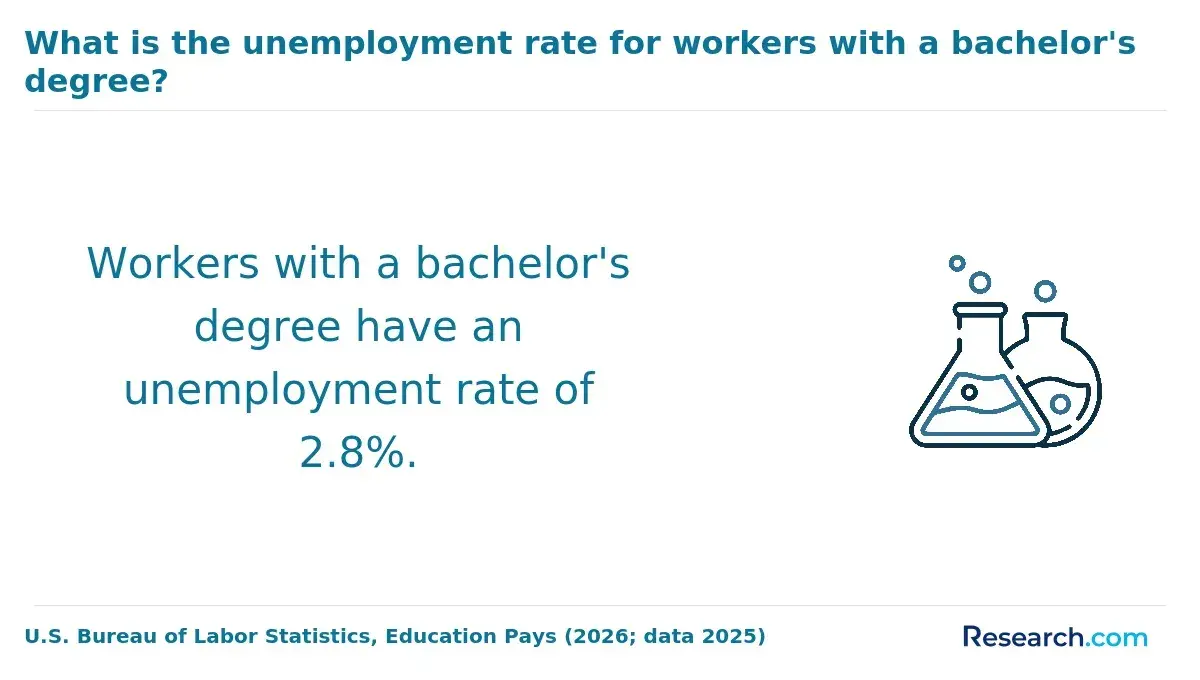
For career context, the U.S. Bureau of Labor Statistics reports a $120,230 median annual wage for data scientists in May 2025. That is an occupation-wide figure, not an expected starting salary or evidence that either master's program will produce a particular return. Compare the skills and opportunities each offer provides instead of using the median to justify a price you cannot comfortably pay.
How do enrollment deposits and refunds affect your decision?
A deposit changes the decision from "Which place should I reserve?" to "What am I willing to lose if the other offer arrives?" Verify its amount, due date, refund conditions, and whether it is credited toward tuition. Do not assume that withdrawing under the April 15 resolution automatically makes a separate enrollment deposit refundable.
Before paying, consider the full downside: the deposit, any housing commitment, and other nonrefundable expenses you would incur before deciding. A deposit may be worth risking to preserve an otherwise attractive option, but it should be a deliberate choice - not a fee discovered after you accept. Save the published policy and written replies in case the terms are unclear later.
How can you evaluate funding, tuition, and financial aid offers?
Put confirmed costs and confirmed funding on the same timeline for each program. Include tuition and mandatory fees, then distinguish guaranteed grants from conditional scholarships, assistantship pay, and aid you have only applied for. Check whether support continues beyond the first term, requires a particular course load, or involves work that reduces time available for study.
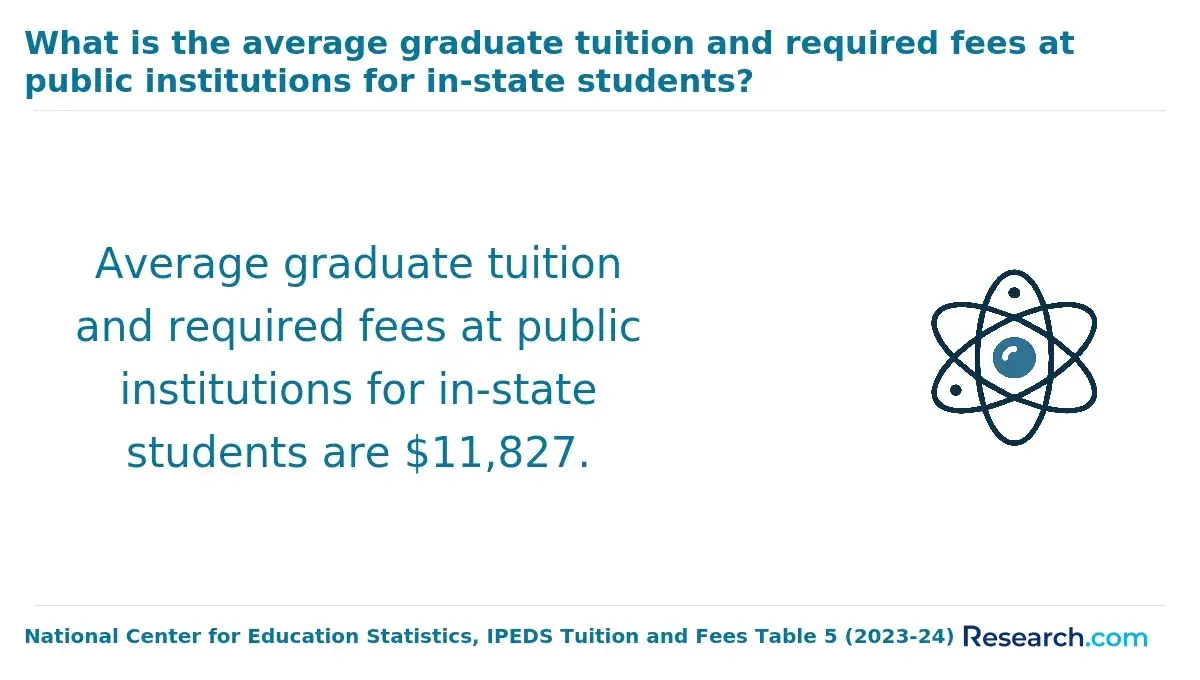
An unfunded offer from a preferred school may still be affordable, but do not compare its tuition-only figure with another school's cost after a confirmed award. If your academic goals also suit machine learning, online graduate ML programs with lower total tuition may broaden your options; verify current tuition and required fees directly before treating any alternative as cheaper.
Loans are financing, not a discount. If the pending program's aid decision will arrive after your acceptance deadline, ask both schools for their aid timelines before you commit money you may not recover.
What should you ask admissions offices before accepting an offer?
Ask questions that resolve a specific uncertainty in your decision, and request written answers where a deadline or payment is involved. These are the most useful points to settle before responding:
- Does the response deadline cover admission, funding, and the deposit, or does each have a separate deadline?
- Does the April 15 resolution apply to my particular funded offer, and what is the process for a written release if needed?
- Can the deadline be extended, and will doing so affect my scholarship or place in the cohort?
- If I later withdraw, which payments are refundable and whom must I notify?
- Which costs and awards are confirmed for my intended course load and study format?
If you are weighing a different specialization while waiting, ask how much of the curriculum is genuinely shared. For example, online degree pathways in artificial intelligence may emphasize different courses than a data science master's; the admissions office can point you to current requirements rather than relying on the degree title.
How do you choose between online and campus-based data science programs?
Format matters here because an offer is only useful if you can enroll and keep up. For each program, confirm whether online classes are live, whether exams or group work require fixed meeting times, and whether campus visits, internships, or a minimum course load are mandatory. Campus study may better suit someone seeking regular in-person access; online study may better suit someone who needs to remain employed or cannot relocate. Neither format alone establishes academic quality.
Compare the actual time to completion rather than assuming online means faster. If timing is driving your choice, a guide to faster online AI master's programs can help frame that trade-off, but confirm whether a proposed pace is available with your prerequisites, course sequence, and workload. A fast alternative is not a better backup if its schedule or subject matter misses your goal.
Other Things You Should Know About Data Science
No. A waitlist means the program has reviewed your application but has not offered you a place. Ask whether the school provides a waitlist timeline, and make your decision about the existing offer without treating admission from the waitlist as certain.
Only if the program permits it. Deferral policies may differ for admission, scholarships, and assistantships. Ask whether approval is required and what, if anything, carries over to the later start date.
Ask the admitting institution about its document and timing requirements before delaying. Immigration timelines can affect whether a late switch is feasible; admissions and the school's international student office can explain their respective procedures.
Check the employer's approval deadline, eligible programs, reimbursement conditions, and rules for changing schools. An offer you can accept academically may not be financially workable if the employer has not approved that program or start date.
References
- Accepting Financial Aid | studentaid.gov https://studentaid.gov/complete-aid-process/accept-aid
- Optional Practical Training (OPT) for F-1 Students | uscis.gov https://www.uscis.gov/working-in-the-united-states/students-and-exchange-visitors/optional-practical-training-opt-for-f-1-students
- Application Policies | vt.edu https://www.vt.edu/admissions/undergraduate/apply/policies.html
- Waitlisted Applicants FAQ | umich.edu https://admissions.umich.edu/apply/first-year-applicants/selection-process/waitlisted-applicants-faq
- Managing Acceptance To Medical Schools & Traffic Rules | Advising https://advising.duke.edu/prehealth/apply/managing-acceptance/
- Finalize Your Financial Aid Offer - Georgia Tech https://finaid.gatech.edu/award-process/accept-decline-aid
- April 15 Resolution - CGS - Council of Graduate Schools https://cgsnet.org/resources/for-current-prospective-graduate-students/april-15-resolution


