2027 Accelerated vs. Traditional Graphic Design Degrees: Pros & Cons

Co-Founder and Chief Data Scientist
Choosing between accelerated and traditional graphic design degrees involves weighing distinct advantages and challenges. Accelerated programs attract working adults and career changers by offering faster completion times, often finishing in half the time of traditional routes.
Meanwhile, traditional degrees provide a more flexible pace and allow for deeper academic exploration, appealing to students seeking a comprehensive educational experience. Recent data shows that accelerated learning formats have seen a 30% increase in enrollment among U.S. design students over the past five years.
This article will explore key differences between these pathways, focusing on time commitment, learning experiences, career outcomes, and crucial factors to help prospective students decide which graphic design degree best aligns with their goals and circumstances.
Key Points About Accelerated vs. Traditional Graphic Design Degrees
- Accelerated degrees offer flexibility for working students, enabling faster entry into the graphic design workforce and often reducing overall tuition costs by shortening program length.
- Traditional degrees foster deeper academic engagement, promoting comprehensive skill mastery through extended coursework and diverse project collaboration.
- Students benefit from stronger peer and faculty connections in traditional programs, supporting long-term networking and mentorship crucial for creative career growth.
What Are the Differences Between Accelerated vs. Traditional Graphic Design Programs?
Accelerated and traditional graphic design degree programs differ significantly in pacing, scheduling, and learning intensity. While accelerated programs compress coursework into shorter time frames with a faster pace, traditional formats follow a more extended schedule with a steadier academic rhythm. These distinctions influence how students experience their education on various levels.
Here are the primary contrasts between these formats:
- Learning Environment: Accelerated graphic design degree program structure requires students to engage via digital forums, video meetings, and project management tools. In contrast, traditional programs emphasize in-person studio classes, group critiques, and hands-on workshops.
- Faculty Accessibility: In accelerated formats, faculty time is more scheduled, with limited online office hours and communication largely via messaging systems. Traditional programs offer more frequent, informal access to instructors through casual conversations before or after class and direct studio support.
- Peer Networking: Accelerated students may participate in virtual clubs and online communities, which can be valuable but often lack the depth found in physical settings. Traditional students benefit from campus events and student organizations that promote lasting professional connections.
- Project Collaboration: Students in accelerated programs typically collaborate remotely using cloud-based tools, mirroring modern workplace practices but possibly limiting tactile engagement. Meanwhile, traditional programs encourage side-by-side teamwork in studios, enabling immediate feedback and creative brainstorming.
Those exploring degree options should consider these aspects alongside the traditional graphic design degree duration and requirements to decide which format best fits their learning style and schedule.
For working adults seeking flexible options, many choose fast online undergraduate degrees for working adults that align with accelerated graphic design degree program structure.
How Fast Can You Finish an Accelerated vs. Traditional Graphic Design Program?
Program length varies significantly between accelerated and traditional graphic design degrees. Accelerated programs condense coursework into shorter terms, allowing students to complete degrees faster, while traditional paths follow a standard academic pace typically lasting four years. Understanding these differences can help prospective students choose the right format for their goals.
Here is a comparison of estimated completion times and factors influencing how quickly students finish their studies in either format.
- Transfer Credits: Accepting prior college credits, military training, or professional experience can shorten an accelerated graphic design degree program length to as little as one year, while traditional programs may shorten somewhat but generally still take closer to the full duration.
- Enrollment Status: Full-time students attending year-round, including summer sessions, progress faster. Accelerated programs often require continuous terms, whereas part-time enrollment in traditional programs extends completion time.
- Course Intensity: Accelerated courses typically run 6-8 weeks, compared to standard 16-week semesters, enabling students to complete more courses in less time than traditional graphic design degree completion time.
- Program Structure: Faster degrees often reduce general education requirements, focusing on major-specific coursework to help students graduate sooner.
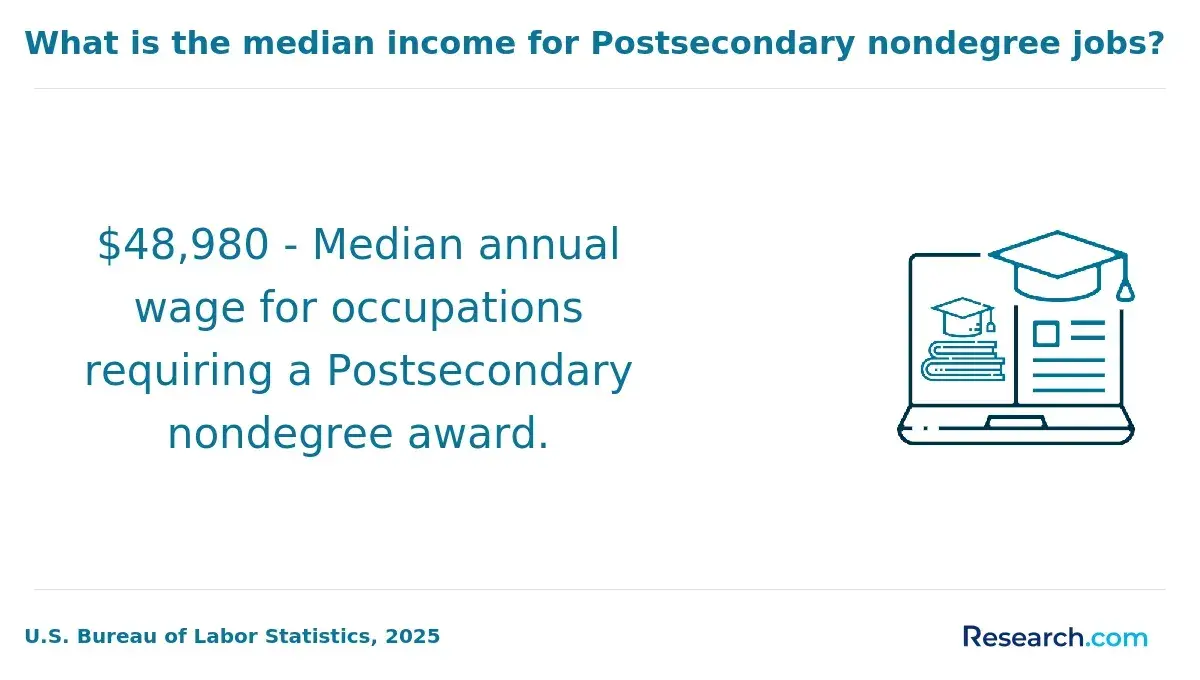
- Self-Paced or Online Options: Flexible online formats allow motivated students to accelerate their progress beyond traditional schedules, sometimes linking to short certificate programs that pay well for supplemental skills.
What Are the Admission Requirements for Accelerated vs. Traditional Graphic Design Programs?
Admission requirements for accelerated and traditional graphic design programs often share common standards, such as minimum GPA, standardized test scores, and prerequisite coursework.
However, these programs differ in how they evaluate an applicant's academic readiness and professional experience before admission. Understanding these distinctions can help candidates prepare more effectively for each application process.
Key differences in admissions expectations for accelerated versus traditional graphic design programs include:
- Portfolio Requirements: Accelerated programs typically require a substantial and polished creative portfolio or tangible evidence of prior design experience. This ensures that students can manage the demands of an intensive curriculum. Traditional programs may request a portfolio but often accept classroom projects or self-directed work from recent high school graduates.
- GPA Threshold: Traditional programs usually admit students with a GPA range broadly between 2.0 and 2.75, reflecting greater accessibility for a diverse student body. In contrast, accelerated programs may prioritize applicants with stronger academic histories, including college credits or professional coursework, enabling faster degree completion.
- Readiness and Motivation Assessments: Accelerated admissions often involve additional interviews or evaluations to assess time-management skills and motivation for condensed study schedules. Traditional programs commonly rely on conventional metrics such as high school GPA and SAT/ACT scores without extensive personal assessment.
- Letters of Recommendation and Personal Essays: Both program types request these materials, but accelerated tracks emphasize professional or academic references that demonstrate the candidate's capacity to excel in high-pressure environments. Traditional programs may accept more general endorsements suited to newer students.
Students deciding between these options should consider their current experience and goals carefully. For those wondering which bachelor's degree pays the most, a graphic design degree with the right preparation can open many career doors.
Accelerated graphic design programs condense the same core curriculum into a much shorter period, often allowing students to finish in one to three years by leveraging prior credits or intensive scheduling. These courses differ significantly from traditional programs in pacing, workload, and delivery format, offering a faster path without sacrificing key learning outcomes.
Key structural differences include:
- Pacing: Accelerated courses run on shorter terms, usually 6-8 weeks, requiring students to quickly absorb material and continuously progress. Traditional programs spread classes over 15-16 week semesters, giving students more time to explore concepts deeply. Accelerated formats best suit motivated learners or career changers with prior experience.
- Weekly Workload: Students in accelerated programs often manage heavier course loads each term to meet graduation deadlines, demanding full-time focus. Conversely, traditional students take fewer classes per term, allowing more balance and deeper engagement in projects.
- Instruction Style: Accelerated programs frequently offer online, asynchronous, and self-paced options, ideal for working professionals. Traditional programs tend to emphasize in-person studio work and collaboration, though many now integrate hybrid or online elements.
- Learning Outcomes: Both pathways meet accreditation standards and cover essential software skills, design theory, and portfolio development. Accelerated programs maintain quality by mirroring traditional content and assessments while traditional routes offer broader elective choices for specialization.
Tuition and overall expenses for graphic design degrees vary significantly between accelerated and traditional programs, primarily due to differences in program length and credit requirements. While the cost per credit is often similar, accelerated options can reduce total spending by shortening the time needed to graduate.
Here are key cost-related differences to consider between the two program types:
- Tuition Rate per Credit: Both accelerated and traditional programs generally charge comparable tuition rates, averaging around $14,688 per year for undergraduate graphic design. However, accelerated programs often accept substantial credit transfers-sometimes up to 90 credits-allowing students to pay for fewer courses overall.
- Program Duration and Total Cost: Traditional degrees require about 120 credits and typically take four years, resulting in total costs ranging widely from approximately $13,470 to over $57,000 depending on the institution. Accelerated programs shorten completion time, which can significantly reduce total tuition and fees, sometimes enabling graduation in just one year with maximum credit transfers.
- Opportunity Costs: Accelerated degrees let students enter the workforce sooner, minimizing time without income and potentially increasing lifetime earnings. This faster transition can offset some educational expenses compared to the longer timeline of traditional programs.
- Financial Aid Access: Both formats usually qualify for federal aid and scholarships, but students in accelerated programs must carefully manage enrollment status and credit loads to maintain eligibility, especially if attending year-round.
Students enrolled in either accelerated or traditional graphic design degree programs in the U.S. may qualify for financial aid, but eligibility and disbursement schedules can vary based on the program length and how enrollment is structured. The faster pace of accelerated programs often changes how and when aid is awarded compared to traditional semester-based formats.
Here's a comparison of financial aid aspects for each format:
- Federal Aid Eligibility: Both accelerated and traditional students can apply for federal loans and grants through FAFSA, but shorter accelerated terms may increase loan amounts per semester and affect renewal timing.
- Scholarship Timelines: Traditional students sometimes have an advantage when scholarships require full-time, semester enrollment, while accelerated learners may need to confirm eligibility due to compressed schedules.
- Employer Tuition Assistance: Employer support often applies equally, though some companies favor accelerated programs to quickly upskill employees balancing work and study.
- Aid Disbursement: Accelerated students should prepare for aid being spread across fewer terms, which can impact budgeting differently from traditional multi-semester plans.
A professional who completed an accelerated graphic design program shared that applying for financial aid "felt like a race against time," as paperwork needed swift completion to align with condensed semesters. He noted, "Managing loans and grants required meticulous tracking because funds came in larger installments but fewer times."
Despite the challenges, he found the process rewarding, saying, "Financial aid made it possible to focus on coursework without the stress of upfront costs, and the accelerated format fit perfectly with my goal to enter the creative workforce sooner."
Student support significantly influences academic achievement, with notable differences in availability and delivery between accelerated and traditional graphic design programs. These programs vary in how, when, and how often they provide essential resources.
Below is a comparison of common student support services offered in each format.
- Academic Advising: Accelerated programs often require frequent, focused advising sessions to help students manage rapid coursework, while traditional programs typically offer less frequent, semester-based advising geared toward long-term planning.
- Tutoring Services: In accelerated formats, tutoring is usually concise and integrated into courses or workshops to match the fast pace. Conversely, traditional programs provide ongoing, flexible tutoring options that support in-depth learning over time.
- Career Services: Accelerated students benefit from immediate career support like portfolio reviews and job workshops aimed at quick workforce entry, whereas traditional students access extended mentorships and internship coordination that foster professional development over multiple years.
- Peer Interaction: Traditional programs often encourage sustained peer networks through longer study periods, while accelerated programs facilitate brief, intensive collaboration due to compressed schedules.
Employment outcomes frequently influence the choice between accelerated and traditional graphic design programs. Both paths can lead to strong career prospects, but factors like skill focus and employer preferences may affect how rapidly graduates secure jobs.
Below is a comparison of job placement trends and key elements impacting hiring speed for graduates from each program type.
- Employer Perception: Traditional degree holders are often viewed as having comprehensive design knowledge, while those from accelerated programs are praised for adaptability and technical skills. However, many employers increasingly value digital proficiency alongside experience, narrowing these distinctions.
- Career Readiness: Accelerated programs focus heavily on current digital tools and portfolio building, enabling graduates to qualify for digital-centric roles sooner than traditional graduates.
- Industry Demand: Rapid growth in the graphic design market boosts demand for designers versed in modern digital skills, which benefits accelerated program alumni who often acquire these skills quickly.
- Job Placement Speed: Surveys indicate accelerated program graduates typically find entry-level roles 4-6 weeks faster, particularly in freelance and remote positions, due to targeted career support and relevant skillsets.
A professional with a traditional graphic design degree shared her experience on finding employment quickly after graduation. She reflected on navigating a competitive market and noted that building a strong portfolio over several years helped her stand out despite longer program duration.
Though her job search required patience and persistence, she eventually secured a role that matched her creative aspirations. "The comprehensive training gave me confidence," she said, emphasizing how in-depth coursework and networking opportunities in her program prepared her well for the industry. Her journey highlighted that speed isn't the only factor; foundation and readiness significantly contribute to long-term success.
Accreditation ensures academic quality and legitimacy for both accelerated and traditional graphic design programs, regardless of pacing or delivery format. Both types of programs must meet standards set by recognized accrediting agencies, which guarantees that students receive a rigorous education.
This accreditation significantly impacts financial aid eligibility, credit transferability, and employer recognition, making it a critical factor for prospective students. Most notably, the National Association of Schools of Art and Design (NASAD) is the primary body that oversees accreditation for graphic design degrees, ensuring consistent quality across programs.
The accreditation process typically applies equally to both accelerated and traditional programs, although institutions may design accelerated coursework with a more intensive schedule to meet these standards. Regional or programmatic accrediting bodies assess curriculum quality, faculty qualifications, and institutional resources, not program duration.
Students seeking accelerated degrees should verify institutional accreditation carefully to confirm their degree will be recognized for employment and further study. For those interested in accelerated study options beyond undergraduate levels, exploring short PhD programs online can provide insight into similarly expedited paths available in other disciplines.
Understanding NASAD accreditation for online graphic design programs is also crucial, as many institutions offer virtual options that adhere to the same rigorous standards as on-campus degrees.
Choosing between an accelerated and a traditional graphic design degree depends largely on your career goals, schedule flexibility, and preferred learning pace. Both paths offer distinct advantages depending on your personal circumstances and professional aspirations.
Consider the following key factors to help identify the best graphic design degree program for your career goals.
- Time Commitment: Accelerated degrees typically take 16 to 24 months to complete, ideal for those eager to enter the workforce quickly or reduce tuition costs. In contrast, traditional programs usually span four years, offering a slower pace suitable for learners who prefer in-depth exploration.
- Learning Style: Accelerated programs often provide a fast-paced, hands-on experience that suits students with prior knowledge or clear objectives. Traditional degrees emphasize comprehensive, theory-based education with opportunities for internships, minors, and exposure to diverse design disciplines.
- Flexibility: Many accelerated options, such as California Baptist University's 16-month asynchronous online program, offer multiple start dates and scheduling freedom. Traditional degrees usually follow fixed academic calendars with more structured course sequences.
- Career Goals: Accelerated versus traditional graphic design degree pros and cons center on immediate employment prospects versus building a broad skill set for long-term growth. Programs like Lesley University's allow double majors and internships, supporting varied career pathways.
Ultimately, students should assess their priorities carefully. Those interested in interdisciplinary education might explore dual degree undergraduate programs as an additional option for customization.
What Students of Accelerated vs. Traditional Graphic Design Programs Say About Their Degree
- Will: "Enrolling in a traditional graphic design degree was a fantastic journey for me. The thorough curriculum allowed me to develop my skills step-by-step and the networking opportunities were invaluable. Although the program was longer and more costly than I anticipated, averaging around $40,000, the career foundation it gave me was worth every penny. "
- Stephanie: "The accelerated graphic design program suited my fast-paced lifestyle perfectly. Completing the degree in less than half the usual time was intense but rewarding, especially since it saved me both time and money. However, the rapid pace sometimes felt overwhelming, and there was less time for in-depth exploration of complex topics. Overall, it gave me a quick career boost without the prolonged financial burden."
- Miriam: "Pursuing a traditional graphic design degree was both challenging and enlightening. The structure allowed me to balance practical projects with theoretical knowledge, although the cost was a significant consideration-close to $35,000 for the entire program. The slower pace gave me time to reflect and absorb material deeply, which has profoundly impacted my artistic confidence. "
Other Things You Should Know About Traditional vs. Accelerated Graphic Design Degrees
An accelerated graphic design degree in 2027 can impact the depth of learning due to the condensed format. While it offers a faster path to a degree, essential topics might be covered at a quicker pace, which can limit exploration. However, it also means diving into industry sooner, which can be beneficial for quick learners seeking rapid entry into the workforce.
Accelerated programs typically have condensed schedules, but many still include hands-on projects, internships, and portfolio development to ensure practical learning. Students should verify if the program offers sufficient studio time and real-world assignments, as this experience is critical for success in graphic design careers.
In 2027, accelerated programs may limit networking due to a shorter timeframe and less campus interaction. However, focused workshops and online platforms can partially offset this by connecting students with industry professionals and peers. Traditional programs often provide more time for deeper connections.
Most accelerated graphic design programs expect applicants to know Adobe Photoshop, Illustrator, and InDesign before entry or within the first term. Some require a portfolio showing basic layout, typography, and digital design work. These programs often move quickly, so prior software familiarity reduces the risk of falling behind.
- What Are Online Graphic Design Programs Really Like? 9 Things to Expect https://www.rasmussen.edu/degrees/design/blog/what-are-online-graphic-design-programs-really-like/
- Top Reasons to Study Art & Design at Full Sail - The Hub https://hub.fullsail.edu/articles/top-reasons-to-study-art-design-at-full-sail
- Creative Digital Media vs. Graphic Design: What’s the Difference? https://www.pointloma.edu/resources/undergraduate-studies/creative-digital-media-vs-graphic-design-whats-difference
- Digital Media Design Master’s Degree Program https://extension.harvard.edu/academics/programs/digital-media-design-graduate-program/
- Master’s in Art & Design, MA https://online.lindenwood.edu/programs/masters-art-design/