2027 Accelerated Online Healthcare Management Doctorate Programs: Faster Timelines, Credit Transfers, and Completion Paths

Co-Founder and Chief Data Scientist
Choosing a fast online healthcare management doctorate is really a timing, cost, and workload decision. The stakes are high: the BLS reports that medical and health services managers had a median annual wage of $117,960 in May 2024, with employment projected to grow 29% from 2023 to 2033.
This guide is for experienced healthcare, public health, business, and clinical professionals who want the shortest credible path to a doctorate. You will learn how accelerated formats, transfer credits, capstones, dissertations, and residency rules affect real completion time.
Key Things You Should Know
- The fastest credible online healthcare management doctorate pathways are usually professional doctorates, such as DHA, DBA in healthcare management, or DrPH executive-style programs, especially when they use capstones instead of traditional dissertations.
- Transfer credit can shorten time meaningfully, but policies vary widely; some programs accept only a small number of graduate credits, while others allow larger blocks from prior master's or doctoral work after syllabus review.
- Speed should be weighed against cost and workload: federal graduate Direct Unsubsidized Loans issued in 2024-25 carry an 8.08% fixed interest rate, so finishing sooner can reduce borrowing time but not always total tuition.
Which Online Healthcare Management Doctorate Programs Offer the Fastest Accelerated Pathways?
The fastest accelerated online healthcare management doctorate programs are usually applied, practice-based doctorates designed for experienced professionals who already hold a master's degree. These programs often compress coursework into 7- or 8-week terms, allow year-round enrollment, and replace a traditional dissertation with a practice-based doctoral project.
For most students, the fastest route is not simply the program with the shortest advertised timeline. It is the program that best matches their prior credits, work experience, research readiness, and ability to maintain continuous enrollment. Students comparing a doctorate in healthcare administration should look beyond marketing language and ask how many students actually finish within the promoted timeframe.
The table below compares common online doctorate types by their typical speed advantages and trade-offs. It can help you identify which format is most likely to shorten your time to graduation without pushing you into a poor academic fit.
| Program type | Common accelerated advantage | Typical completion path | Best fit | Speed caution |
| DHA or Doctor of Healthcare Administration | Often built for working healthcare leaders and applied projects | Coursework plus capstone, doctoral project, or applied dissertation | Hospital, health system, payer, consulting, and operations professionals | Project approval and data access can still delay completion |
| DBA in Healthcare Management | Business-focused structure may use applied research tied to organizational problems | Business core, healthcare concentration, and applied doctoral study | Executives, administrators, entrepreneurs, and senior managers | May be less health-policy-specific than a DHA or DrPH |
| DrPH with leadership or health management focus | Executive formats may serve public health leaders with structured cohorts | Public health core, leadership coursework, practicum, and integrative project | Population health, health policy, nonprofit, government, and public health leaders | Some programs require in-person institutes or public health prerequisites |
| PhD in Healthcare Management or Health Services | May be online or hybrid, but acceleration is less common | Research coursework, comprehensive exams, dissertation proposal, and dissertation | Students targeting research, faculty, or policy analysis roles | Independent dissertation timelines often make this the slower route |
In practical terms, the fastest pathway is usually a master's-entry professional doctorate with generous transfer evaluation, no unnecessary prerequisites, a structured doctoral project sequence, and no surprise residency requirements. A PhD can be the right choice for research-heavy goals, but students mainly seeking senior leadership advancement often find DHA or DBA pathways more time-efficient.
Which Completion Pathways Help Students Finish an Online Healthcare Management Doctorate Sooner?
Completion pathway matters because the final research or practice project is where many doctoral timelines stretch. Coursework may be predictable, but dissertations, capstones, institutional review board review, committee feedback, and data collection can add months if the program is poorly structured or the student starts planning too late.
The main difference is purpose. A dissertation usually creates original research, while a capstone or applied doctoral project usually solves a real organizational problem using evidence, data, and leadership strategy. For students focused on healthcare administration practice rather than academic research, the applied pathway is often faster and more directly connected to workplace outcomes.
The table below compares common completion models and how they affect speed. Use it to decide whether a program's final requirement matches your career goal and tolerance for independent research work.
| Completion pathway | What it usually requires | Why it may be faster | Why it may take longer | Best for |
| Capstone project | Applied solution to a healthcare management, quality, operations, finance, or policy problem | Often structured around workplace practice and defined deliverables | Can stall if the student lacks access to organizational data | Working administrators and operational leaders |
| Applied dissertation | Practice-oriented research with formal methodology and committee review | May be narrower than a traditional dissertation | Still involves proposal approval, methodology review, and revision cycles | Students who want research credibility and applied relevance |
| Traditional dissertation | Original scholarly research designed to contribute to the field | Strong fit for academic or research careers | Topic development, data collection, analysis, and committee feedback can extend the timeline | Future faculty, researchers, and policy analysts |
| ABD or doctoral completion pathway | Designed for students who completed doctoral coursework elsewhere but did not finish the dissertation | May recognize prior doctoral-level work | Eligibility is narrow and documentation standards are strict | Students with substantial prior doctoral progress |
Students who want the shortest practical route should ask whether the program begins capstone or dissertation planning during the first year. A strong accelerated program does not wait until coursework is finished; it embeds topic development, literature review, methods preparation, and faculty feedback throughout the curriculum.
Before choosing a completion pathway, clarify the decision in this order. This sequence helps prevent the common mistake of choosing a fast-looking program whose final project does not fit your career plan.
- Identify whether your goal is executive leadership, consulting, teaching, research, policy, or health system transformation.
- Ask whether employers in your target role value applied leadership projects, traditional research training, or either option.
- Confirm whether you can access data, stakeholders, and organizational approvals for a workplace-based project.
- Review sample capstones or dissertations to judge the expected scope before enrolling.
- Ask the program for the median time students spend after coursework before final approval.
How Do Transfer Credits Affect Completion Time for an Online Healthcare Management Doctorate?
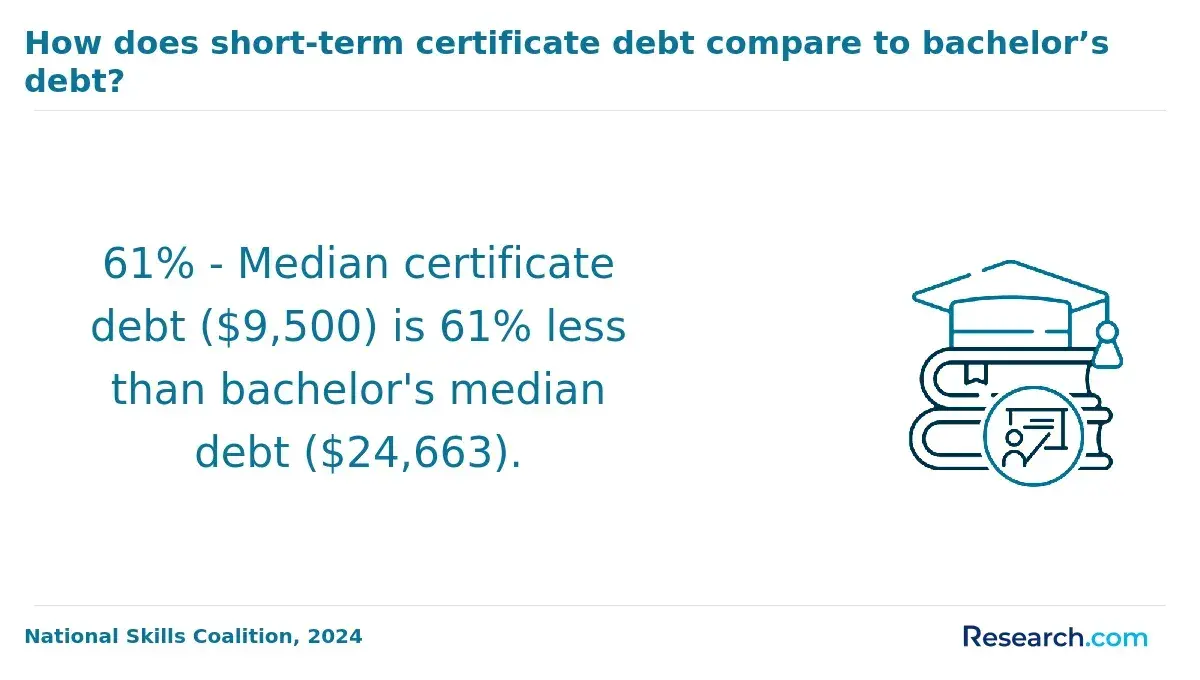
Transfer credits can be one of the biggest time-savers in an accelerated online healthcare management doctorate, but they are never automatic. Schools typically review graduate transcripts, course descriptions, syllabi, grades, credit age, institutional accreditation, and whether prior courses match the doctorate's learning outcomes.
Students with a recent online masters healthcare management background may be better positioned for transfer review because prior coursework may align with healthcare finance, policy, quality improvement, informatics, leadership, or organizational strategy requirements. However, doctoral-level research courses and final project credits are often harder to transfer than general leadership or management courses.
The table below shows how different transfer situations may affect completion planning. It does not replace a school evaluation, but it helps you understand why two students in the same program may graduate at different times.
| Prior academic background | Potential transfer advantage | Likely review issue | Planning implication |
| Master's in healthcare administration, healthcare management, public health, nursing leadership, or business | May satisfy some management, policy, finance, or leadership coursework | Course match and credit age | Request a preliminary transfer audit before committing |
| Completed doctoral coursework in a related field | May reduce elective, research, or foundation requirements | Doctoral equivalency and syllabus documentation | Ask about ABD or doctoral completion options |
| Clinical doctorate such as DNP, PharmD, or DPT | May demonstrate advanced professional preparation | Clinical credits may not match healthcare management outcomes | Look for leadership-focused bridge or individualized plans |
| MBA or MPA without healthcare concentration | May help with leadership, economics, analytics, or strategy courses | May not satisfy healthcare policy, quality, or compliance requirements | Expect some healthcare-specific coursework to remain |
To maximize transfer credit, start the process before submitting an enrollment deposit. The goal is to convert vague promises into a written degree plan that shows exactly which courses remain.
- Collect official transcripts, syllabi, course descriptions, and catalog pages for every graduate course you want reviewed.
- Ask whether the school has a maximum transfer limit, a minimum grade requirement, and a time limit on older credits.
- Confirm whether transfer credits reduce tuition, shorten the calendar timeline, or only reduce course load intensity.
- Request the revised program map in writing, including the first available start date for remaining courses.
- Ask whether transferred credits affect financial aid enrollment status, sequencing, or eligibility for cohort-based courses.
The most common mistake is assuming that a completed master's degree automatically removes a year from the doctorate. In reality, transfer value depends on curriculum overlap and institutional policy, not just the degree title.
What Program Features Help Students Complete an Online Healthcare Management Doctorate Faster?
Accelerated programs move faster when their structure removes idle time. The most helpful features are not flashy technology or aggressive advertising; they are predictable scheduling, early project planning, responsive faculty review, and administrative systems that prevent students from waiting for the next course, committee meeting, or approval window.
The table below summarizes program features that can reduce avoidable delays. These features are especially important for students balancing full-time work with doctoral-level expectations.
| Program feature | How it can shorten completion time | What to verify |
| Multiple annual start dates | Reduces waiting time before enrollment or after a stop-out | Whether all required courses start frequently or only selected courses do |
| Short academic terms | Allows students to complete more courses across the year | Whether course intensity is realistic with work responsibilities |
| Year-round course availability | Prevents summer gaps from extending the calendar | Whether core, concentration, and research courses run every term |
| Embedded doctoral project sequence | Moves topic development, methods, and proposal work into coursework | Whether students receive faculty feedback before the final phase |
| Dedicated dissertation or capstone chair assignment | Reduces uncertainty after coursework | When chairs are assigned and how often feedback is expected |
| No or limited residency requirement | Minimizes travel-related scheduling barriers | Whether online students must attend intensives, orientations, or defenses in person |
Students should also look for operational signals that the program is truly built for completion. These questions help separate a well-designed accelerated doctorate from a standard program with compressed classes.
- Does the program publish a full course rotation for the next academic year?
- Can students take two courses in a term, and is that allowed every term or only occasionally?
- Are capstone milestones tied to required courses, or are they handled after coursework ends?
- How long do faculty typically take to return dissertation or project feedback?
- What happens if a required course is full, canceled, or not offered when expected?
- Are online defenses, committee meetings, and advising appointments available outside standard business hours?
A good accelerated structure gives students momentum without making completion depend on luck. If a school cannot explain sequencing clearly, the advertised timeline may be difficult to achieve.
What Factors Most Commonly Delay Graduation From an Accelerated Online Healthcare Management Doctorate?
The most common delays happen after students underestimate the difference between accelerated coursework and accelerated doctoral completion. A program may offer short classes, but students still need time for reading, writing, quantitative or qualitative analysis, project approvals, revisions, and professional obligations.
These delay factors are important because many are preventable if you ask the right questions before enrolling. Use the list below as a red-flag checklist during admissions conversations.
- Assuming the advertised minimum timeline is the average timeline for current students.
- Failing to confirm whether the final project is a capstone, applied dissertation, or traditional dissertation.
- Overlooking in-person residency, orientation, defense, or intensive requirements that may affect work schedules.
- Choosing a project topic that requires difficult data access, complex approvals, or cooperation from an employer that has not agreed in advance.
- Taking a break between courses and later discovering that required classes are offered only in certain terms.
- Underestimating doctoral writing standards, citation expectations, research design, or statistics preparation.
- Waiting until the final year to identify a capstone site, data source, committee chair, or faculty mentor.
- Focusing on speed while ignoring institutional accreditation, program reputation, faculty expertise, and student support.
One of the most costly mistakes is enrolling before receiving a clear explanation of the final phase. The final project often determines whether a student graduates on time, so ask for examples of recent projects, milestone timelines, and policies for delayed proposals or committee changes.
Students should also be cautious with any program that promises extremely fast completion without explaining workload, transfer assumptions, or final project requirements. A legitimate accelerated doctorate can be efficient, but it should still involve rigorous doctoral-level analysis, leadership application, and evidence-based decision-making.
Which Accelerated Online Healthcare Management Doctorate Programs Are Best for Working Professionals?
The best accelerated online healthcare management doctorate for working professionals is usually one with asynchronous courses, predictable weekly deadlines, limited live meeting requirements, structured advising, and a capstone or applied project that can connect to the student's current workplace. Flexibility matters because most candidates are already managing teams, budgets, patients, regulatory demands, or clinical operations.
Professionals who are not ready for doctoral workload may get better near-term value from an affordable online MBA healthcare management program before pursuing a doctorate. This is especially true for students who need stronger business foundations, have limited management experience, or are still deciding whether they want executive leadership, consulting, or academic work.
The table below compares enrollment styles from a working-professional perspective. The fastest option on paper is not always the best option if it increases the risk of burnout or stop-out.
| Enrollment style | Speed advantage | Work-life trade-off | Best fit |
| Full-time accelerated | Shortest calendar path when courses are available continuously | Heavy weekly reading, writing, and project workload | Students with flexible jobs, strong family support, or reduced work hours |
| Part-time accelerated | Maintains momentum while lowering weekly intensity | Calendar timeline is longer than full-time study | Managers, clinicians, and executives with demanding schedules |
| Cohort-based | Clear sequence and peer accountability | Less flexibility if life or work interrupts progress | Students who value structure and predictable pacing |
| Self-paced or competency-based elements | Can help highly prepared students move quickly through familiar material | Requires strong self-direction and may not apply to dissertation work | Experienced professionals with strong writing and research skills |
Working professionals should choose a program that fits their actual weekly calendar, not their ideal calendar. Before enrolling, map your schedule around peak work seasons, accreditation visits, budget cycles, clinical staffing demands, family responsibilities, and travel requirements.
A practical approach is to build a personal acceleration plan before the first term starts. The plan should define how you will protect study time, maintain momentum, and avoid preventable delays.
- Block recurring weekly writing time before classes begin.
- Identify a likely workplace problem that could become a capstone or applied project.
- Ask your employer about data access, project approval, tuition assistance, and schedule flexibility.
- Choose a course load that you can maintain year-round instead of overloading one term and stopping the next.
- Use vacation or lighter work periods strategically for major writing, proposal, or defense milestones.
Does Accelerating an Online Healthcare Management Doctorate Affect Cost or Academic Quality?
Acceleration can reduce some costs, but it does not automatically make a doctorate cheaper. Finishing sooner may reduce extra terms, technology fees, repeated project credits, and the opportunity cost of delayed advancement. However, compressed schedules can also increase short-term cash flow pressure because students may take more credits per term.
NCES data released in 2024 for the 2022-23 academic year reported average graduate tuition and required fees of $12,596 at public institutions and $29,931 at private nonprofit institutions. These figures are not doctorate-specific, but they show why students should compare total program cost rather than only per-credit tuition.
Students still building their educational pathway may want to compare the cheapest online healthcare administration degree options before moving into graduate or doctoral study. For doctorate-ready students, the stronger cost comparison is total tuition, fees, transfer credit value, final project extension charges, and how long borrowing may continue.
The table below shows how acceleration can influence cost and quality. It helps separate legitimate efficiency from shortcuts that could weaken the value of the credential.
| Factor | How acceleration may help | Possible risk | What to check |
| Total tuition | Transfer credits and fewer repeated terms may lower total cost | Higher per-term enrollment can increase short-term bills | Ask for a total cost estimate after transfer review |
| Fees | Fewer terms may reduce recurring fees | Residency, dissertation continuation, graduation, or technology fees may still apply | Request a fee schedule through graduation |
| Academic quality | Structured milestones can improve progress and accountability | Overly compressed courses may reduce reflection time | Review accreditation, faculty credentials, project expectations, and outcomes |
| Borrowing | Shorter enrollment may reduce the time students rely on loans | Heavy course loads may limit work hours or employer support timing | Compare loan interest, employer tuition assistance, and payment plans |
Quality depends less on whether a program is accelerated and more on whether it maintains doctoral standards. A credible accelerated doctorate should still require advanced analysis, ethical research or evaluation practices, leadership application, and faculty-reviewed scholarly work.
Use caution if a school emphasizes speed but avoids questions about accreditation, faculty qualifications, student support, research oversight, or final project standards. Acceleration is valuable when it removes inefficiency, not when it removes rigor.
Which Careers Benefit Most From Completing an Accelerated Online Healthcare Management Doctorate?
An accelerated online healthcare management doctorate can be most useful for professionals who already have management experience and want to move into higher-level leadership, consulting, teaching, policy, or organizational transformation roles. The degree is typically not an entry-level credential; its value is strongest when paired with relevant healthcare experience.
The labor market context is favorable for healthcare leadership. The BLS projects 29% employment growth for medical and health services managers from 2023 to 2033, much faster than the average for all occupations. For readers, this means the healthcare management field is expanding, but individual advancement still depends on experience, employer needs, location, performance, and the relevance of the doctorate.
The table below outlines career paths where a fast but credible doctorate may be especially useful. It focuses on role alignment rather than implying that the degree alone determines hiring outcomes.
| Career direction | How the doctorate may help | Important complementary experience |
| Health system executive leadership | Supports advanced strategy, governance, quality, finance, and change leadership credibility | Progressive management experience, budget responsibility, and cross-functional leadership |
| Healthcare operations or quality improvement leadership | Strengthens evidence-based process improvement and outcomes evaluation skills | Lean, Six Sigma, patient safety, analytics, or performance improvement experience |
| Healthcare consulting | Adds doctoral-level credibility for advising organizations on strategy, compliance, operations, or transformation | Client-facing experience, subject-matter expertise, and measurable project results |
| Public health or policy leadership | Can support systems thinking, population health strategy, and policy implementation | Government, nonprofit, payer, community health, or public health program experience |
| College teaching or academic administration | May meet credential expectations for teaching applied healthcare management courses | Teaching experience, publications, curriculum work, or professional expertise |
Students seeking tenure-track research faculty roles should be especially careful. Some universities prefer or require a research-intensive PhD, while applied doctorates may be better suited to practitioner-scholar teaching, leadership, or consulting roles.
The strongest career case for acceleration exists when finishing sooner helps a professional qualify for a promotion window, lead a major initiative, strengthen consulting authority, or transition into teaching while maintaining employment. If the degree does not connect to a specific career move, a slower or less expensive path may be more sensible.
Which Students Are Most Likely to Succeed in an Accelerated Online Healthcare Management Doctorate?
Students most likely to succeed in an accelerated online healthcare management doctorate are experienced, self-directed professionals who can write at a graduate level, manage ambiguity, protect weekly study time, and connect doctoral work to real healthcare problems. They do not need to be perfect researchers at the start, but they do need the discipline to improve quickly.
The following traits are strong indicators of fit. They matter because accelerated doctoral programs leave less room for procrastination, unclear goals, or passive learning.
- You already have a master's degree or substantial graduate-level preparation in healthcare, business, public health, nursing leadership, administration, or a related field.
- You can commit consistent weekly time to reading, writing, discussion posts, research planning, and project development.
- You have access to healthcare management problems that could support a capstone, applied project, or dissertation topic.
- You are comfortable asking faculty, advisors, employers, and committee members for clarification before deadlines become urgent.
- You have a clear reason for needing the doctorate, such as executive advancement, consulting credibility, teaching, policy leadership, or organizational change work.
Some students should avoid accelerated doctorate formats or delay enrollment. Slower pacing may be a better choice if you are changing careers into healthcare with limited context, have not written graduate-level research papers recently, lack predictable study time, or need extensive quantitative or writing support.
Fit also depends on support systems. Students with employer flexibility, family buy-in, reliable technology, and access to mentors are better positioned to sustain momentum during intensive terms and final project phases.
How Should Students Compare Accelerated Online Healthcare Management Doctorate Programs?
Students should compare accelerated online healthcare management doctorate programs by verified completion requirements, not by the shortest slogan on a website. The right program should offer a realistic path to faster graduation while protecting accreditation, academic quality, career relevance, and financial sustainability.
Use the comparison process below before enrolling. It turns program research into a decision sequence that reduces the risk of hidden delays.
- Verify institutional accreditation through recognized accreditation sources and confirm that the credential is acceptable for your target employer or teaching goal.
- Request a written transfer credit evaluation before committing financially.
- Compare the full curriculum map, including prerequisites, research courses, electives, capstone or dissertation credits, and continuation policies.
- Ask for average or typical completion times for recent online students, not only the minimum possible timeline.
- Confirm whether any residencies, intensives, defenses, practicums, or orientations require travel.
- Review faculty expertise in healthcare management, health policy, finance, informatics, operations, quality, and leadership.
- Ask how capstone or dissertation chairs are assigned and how long feedback normally takes.
- Calculate total cost after transfer credits, required fees, books, travel, technology, and possible extension terms.
- Compare student support services, including writing help, statistics support, library access, career advising, and technical assistance.
- Match the degree type to your career goal: DHA or DBA for applied leadership, DrPH for population health and public health leadership, or PhD for research-intensive goals.
Students comparing programs can also use broader rankings and program guides as a starting point, but they should always validate details directly with admissions and academic advisors. A strong shortlist should include only programs that fit your transfer profile, final project preference, work schedule, and career direction.
Before making a final choice, write down your nonnegotiables. For many students, those include no required relocation, a capstone rather than a traditional dissertation, transparent tuition, a manageable full-time or part-time pace, and a clear route from enrollment to final approval.
Other Things You Should Know About Healthcare Management
It can be respected when it comes from an accredited institution and aligns with the role. Employers usually weigh the degree alongside leadership experience, healthcare expertise, measurable results, and communication skills.
Usually no. Healthcare management doctorates are generally leadership or academic credentials, not clinical licensure programs. Requirements vary for roles such as nursing home administration, so students should check state rules and employer expectations.
Common requirements include a master's degree, graduate transcripts, professional resume, statement of purpose, recommendations, and sometimes an interview or writing sample. Some programs also prefer healthcare leadership experience.
Possibly. Applied doctorates may support teaching in practice-oriented healthcare administration programs, especially when paired with professional experience. Research universities and tenure-track roles may prefer a PhD or a stronger publication record.
References
- Best Online Doctorates in Healthcare Administration 2026 https://www.onlineu.com/degrees/doctoral-healthcare-administration
- Best Online Doctor of Healthcare Administration Programs https://www.phds.me/online-programs/doctorate-healthcare-administration-dha/
- DHA Online Programs 2020 | Healthcare-Administration-Degree.net https://www.healthcare-administration-degree.net/best/dha-online-programs-2/
- What Is An Accelerated Doctorate Degree Online? https://www.affordablecollegesonline.org/degrees/best-accelerated-doctorate-phd-programs/
- Inside Accelerated Healthcare Management Degrees Online https://www.edumed.org/online-schools/healthcare-management-degrees/accelerated/
- Aligning the Healthcare Administration Curriculum With Industry Needs: An Action Research Approach - OJDLA https://ojdla.com/articles/aligning-the-healthcare-administration-curriculum-with-industry-needs-an-action-research-approach
- Fast Track the Graduate School Experience: A Guide to Credit Transfer — Dr. Jena Pugh https://www.drjenapugh.com/blog/guide-to-credit-transfer
- Career and College Promise | NC DPI https://www.dpi.nc.gov/students-families/enhanced-opportunities/advanced-learning-and-gifted-education/career-and-college-promise
- What is the Timeline for Obtaining a Degree in Healthcare Management? - Healthcare Management Degree Guide https://www.healthcare-management-degree.net/faq/what-is-the-timeline-for-obtaining-a-degree-in-healthcare-management/
- How Long is an MHA Program? MHA Programs One Year to 18 Months https://www.onlineeducation.com/healthcare/faqs/length-of-online-mha-programs