2027 Accelerated Online Computer Science Doctorate Programs: Faster Timelines, Credit Transfers, and Completion Paths

Co-Founder and Chief Data Scientist
Choosing an accelerated online computer science doctorate is really a time, cost, and career-fit decision. The fastest route depends on your prior graduate credits, research readiness, and whether you choose a dissertation, applied dissertation, or capstone. The stakes are high: the BLS reported a May 2024 median wage of $140,910 for computer and information research scientists, with strong projected demand.
This guide helps working professionals, faculty hopefuls, and technology leaders compare completion paths, avoid delay-causing mistakes, and choose a doctorate that is fast without sacrificing credibility.
Key Things You Should Know
- The fastest online computer science doctorate is usually a professional or applied doctorate with transfer-friendly policies and a capstone or applied dissertation; research-heavy PhD programs commonly take longer because the dissertation depends on original research approval, data collection, and committee review.
- Transfer credit can shorten the timeline substantially, but schools usually evaluate graduate credits course by course and may limit transfer based on age, grade, accreditation, relevance, and whether credits were already applied to another completed degree.
- Speed should be weighed against workload and ROI: the BLS reported a May 2024 median wage of $140,910 for computer and information research scientists, but accelerated study can increase weekly time demands and may not reduce tuition if the school charges by total credits rather than by term.
Which Online Computer Science Doctorate Programs Offer the Fastest Accelerated Pathways?
The fastest accelerated online computer science doctorate programs are usually structured, cohort-based, and transfer-friendly. In practice, an online PhD in computer science is not always the fastest option because it is designed around original research, while professional doctorates such as a Doctor of Computer Science, Doctor of Science, or technology-focused doctorate may use applied research tied to workplace problems.
Students comparing doctorate options should focus on the completion model, not just the advertised duration. A school may market a three-year path, but that timeline often assumes full-time enrollment, approved transfer credits, continuous registration, and no dissertation delays.
The table below compares the most common online computer science doctorate formats by speed and student fit. It is useful because program names can sound similar even when their completion requirements are very different.
| Program type | Typical completion path | Why it may be faster | Best fit |
| Doctor of Computer Science | Advanced coursework plus applied research, capstone, or applied dissertation | Often more structured and practice-focused than a traditional PhD | Technology leaders, senior engineers, architects, and applied researchers |
| Doctor of Science in Computer Science or Information Technology | Research-informed coursework with applied or technical project work | May allow workplace-based research and fewer open-ended theory requirements | Professionals aiming for leadership, consulting, or applied R&D roles |
| Online PhD in Computer Science | Research seminars, qualifying exams, proposal, dissertation, and defense | Fast only when the student enters with a defined research agenda and strong advisor alignment | Future faculty, research scientists, and students targeting research-intensive careers |
| Technology management doctorate with computing specialization | Leadership, systems, analytics, cybersecurity, or AI coursework plus applied research | May require less theory-heavy computer science research than a CS PhD | IT executives, product leaders, and technical managers |
For students whose interests are closer to machine learning, analytics, or computational modeling than core computer science theory, comparing an online PhD in data science may also make sense. The better choice is the program whose research expectations match the career outcome you want, not simply the one with the shortest marketing timeline.
Which Completion Pathways Help Students Finish an Online Computer Science Doctorate Sooner?
Completion speed depends heavily on the final doctoral requirement. Coursework usually follows a predictable calendar, but dissertations and capstones can move quickly or slowly depending on topic scope, committee feedback, data access, writing discipline, and institutional review requirements.
The table below compares common completion pathways. It helps you identify which model is most likely to support a shorter timeline without choosing a path that weakens your long-term goals.
| Completion pathway | Likely speed advantage | Main risk | Best for |
| Capstone project | Often the most predictable because the project is usually scoped around a practical technology problem | May not be ideal for research faculty roles if the program is not research-intensive | Working professionals solving applied computing problems |
| Applied dissertation | Can be faster than a traditional dissertation when the research site, dataset, and problem are already available | Still requires scholarly rigor, approvals, revisions, and defense | Professionals who can study a real organizational technology challenge |
| Traditional dissertation | Fast only when the student has a narrow topic and strong faculty match from the start | Topic drift, advisor mismatch, and data delays can extend the timeline | Future academics and research scientists |
| Publication-based dissertation | Can reward students who already publish or collaborate in research labs | Journal timelines and peer review are not fully under the student's control | Students with active research output before or during enrollment |
If your main goal is speed, a capstone or tightly scoped applied dissertation is often the most efficient route. If your goal is tenure-track teaching or a research scientist role, a traditional dissertation may take longer but can offer stronger alignment with research expectations.
Before enrolling, ask the program how students move from coursework into candidacy. A fast program should have clear milestones for topic approval, proposal defense, ethics review, final manuscript submission, and oral defense.
How Do Transfer Credits Affect Completion Time for an Online Computer Science Doctorate?
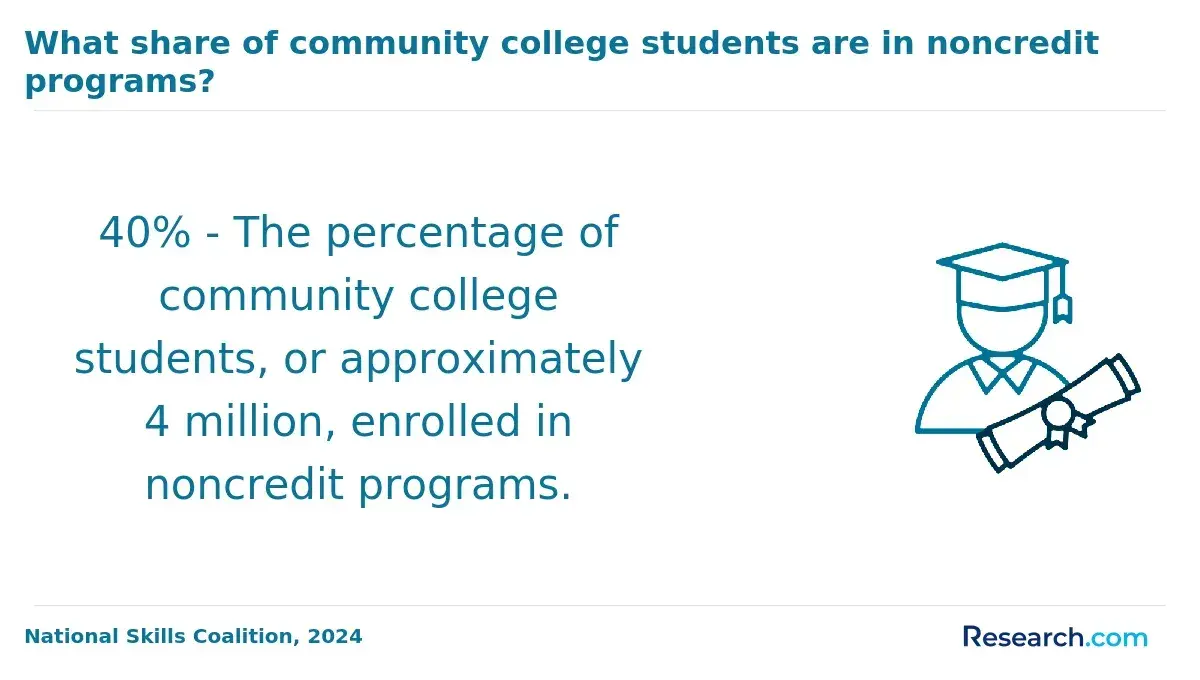
Transfer credit is one of the few ways to shorten a doctorate before the first course begins. However, it is also one of the most misunderstood parts of accelerated doctoral study because accepted transfer credits are never guaranteed until the school completes an official evaluation.
Most online computer science doctorates accept only graduate-level credits that are relevant, recent, completed with a strong grade, and earned at an appropriately accredited institution. Some schools may also restrict credits that were already used toward a completed master's degree, while others allow a block transfer from a related master's program.
The table below summarizes how transfer policies can affect time to completion. Use it to understand why two students in the same program may graduate on different timelines.
| Transfer factor | How it can shorten the program | What to verify before enrolling |
| Maximum transferable credits | Reduces the number of required courses if the school allows a meaningful credit block | Ask for the exact maximum and whether it applies to doctoral-level or master's-level credits |
| Course equivalency | Lets prior coursework replace specific required courses | Request a course-by-course evaluation, not a verbal estimate |
| Age of credits | Recent credits are more likely to apply to current computing topics | Confirm whether older courses in AI, systems, security, or software engineering expire |
| Accreditation and grade rules | Eligible credits can reduce both time and tuition exposure | Check minimum grade requirements and institutional accreditation rules |
| Research or dissertation credits | Usually limited because doctoral research must be completed under the degree-granting institution | Do not assume dissertation, capstone, or residency credits will transfer |
Students who are still planning earlier credentials should think strategically. For example, someone comparing doctoral preparation with a cheapest online computer science degree search should prioritize accredited programs, rigorous graduate prerequisites, and transcript clarity because weak or unrelated credits may not help later.
To maximize transfer credit, request an unofficial pre-review before applying, save syllabi for every graduate course, and ask whether transfer credits change your tuition bill, course sequence, or financial aid enrollment status.
What Program Features Help Students Complete an Online Computer Science Doctorate Faster?
The best accelerated programs do not simply compress the calendar. They remove avoidable friction by giving students predictable course schedules, early research planning, accessible faculty, and clear administrative processes.
Look for features that make the program easier to plan around work and family obligations. The following elements are especially important because delays often happen when students cannot get into required courses, find an advisor, or complete the final project on time.
- Year-round enrollment with summer courses so students do not lose several months between terms.
- Eight-week or other accelerated course sessions that allow focused progress through fewer subjects at a time.
- Locked course rotations showing exactly when each required doctoral course will be offered.
- Early dissertation or capstone preparation embedded in the first year instead of postponed until after coursework.
- Dedicated doctoral advising that tracks milestones, not just registration status.
- Faculty with active expertise in the student's area, such as AI, cybersecurity, distributed systems, software engineering, or data-intensive computing.
- Transparent residency requirements, including whether any campus visits, synchronous weekends, or research intensives are mandatory.
- Clear technology requirements for remote labs, coding environments, secure data access, and collaboration tools.
Current AI adoption also matters. Students interested in intelligent systems, automation, machine learning, or robotics should check whether the curriculum is built for modern computing careers rather than only legacy systems; those still deciding on an undergraduate or graduate direction can compare how an artificial intelligence major connects to research and doctoral-level specialization.
A practical test is to ask the program for a sample degree plan for a student with your exact background. If the school cannot show how transfer credits, course sequencing, research milestones, and final-project requirements fit together, the advertised accelerated timeline may be difficult to rely on.
What Factors Most Commonly Delay Graduation From an Accelerated Online Computer Science Doctorate?
Most delays in accelerated doctoral programs occur after admission, not during the application stage. Students often underestimate how much coordination is required between coursework, research approval, faculty feedback, data access, and life commitments.
The most common red flags are easy to miss when the advertised timeline looks attractive. Watch for these issues before signing an enrollment agreement.
- Assuming the advertised timeline applies to every student, even though it may require full-time enrollment, continuous attendance, and approved transfer credits.
- Starting without a realistic research topic, which can delay the proposal stage by multiple terms.
- Choosing a dissertation topic that depends on restricted employer data, proprietary systems, or hard-to-recruit participants.
- Overlooking in-person residencies, synchronous intensives, or required defense events that may conflict with work travel or family responsibilities.
- Underestimating accelerated workload, especially in theory, algorithms, research methods, statistics, or systems courses.
- Waiting too long to secure advisor alignment, which can slow topic approval and committee formation.
- Ignoring institutional review requirements for studies involving human subjects, workplace data, or user behavior.
- Focusing only on speed while failing to verify accreditation, faculty qualifications, and doctoral completion support.
The best way to avoid these delays is to pressure-test the timeline before enrollment. Ask how many students finish within the advertised period, what the median completion time is, how often students need extra dissertation terms, and what happens if your advisor leaves or your topic changes.
Working professionals should also create a weekly time budget. An accelerated doctorate can be manageable, but it is rarely casual; students often need protected research and writing time beyond class meetings and assignments.
Which Accelerated Online Computer Science Doctorate Programs Are Best for Working Professionals?
The best accelerated online computer science doctorate for working professionals is usually not the absolute shortest program. It is the fastest program that can be completed consistently while maintaining employment, family responsibilities, and research quality.
Working adults should look for programs designed around predictable pacing. A highly flexible self-paced model can sound appealing, but some students progress faster in a structured cohort because deadlines, advisor meetings, and course sequences are already built into the calendar.
The table below compares enrollment models for working professionals. It shows how each format affects time, flexibility, and risk of delay.
| Enrollment model | Speed potential | Flexibility | Best fit |
| Full-time accelerated | Highest if the student can sustain the workload | Lower because course loads are heavier | Professionals with employer support, reduced work hours, or strong prior preparation |
| Part-time year-round | Moderate but steady | High because students can balance work and study | Most full-time employees and caregivers |
| Cohort-based | High when the cohort calendar is well designed | Moderate because courses follow a fixed sequence | Students who benefit from structure and peer accountability |
| Self-paced or highly individualized | Variable | High on paper, but progress depends on self-management | Experienced independent learners with strong research discipline |
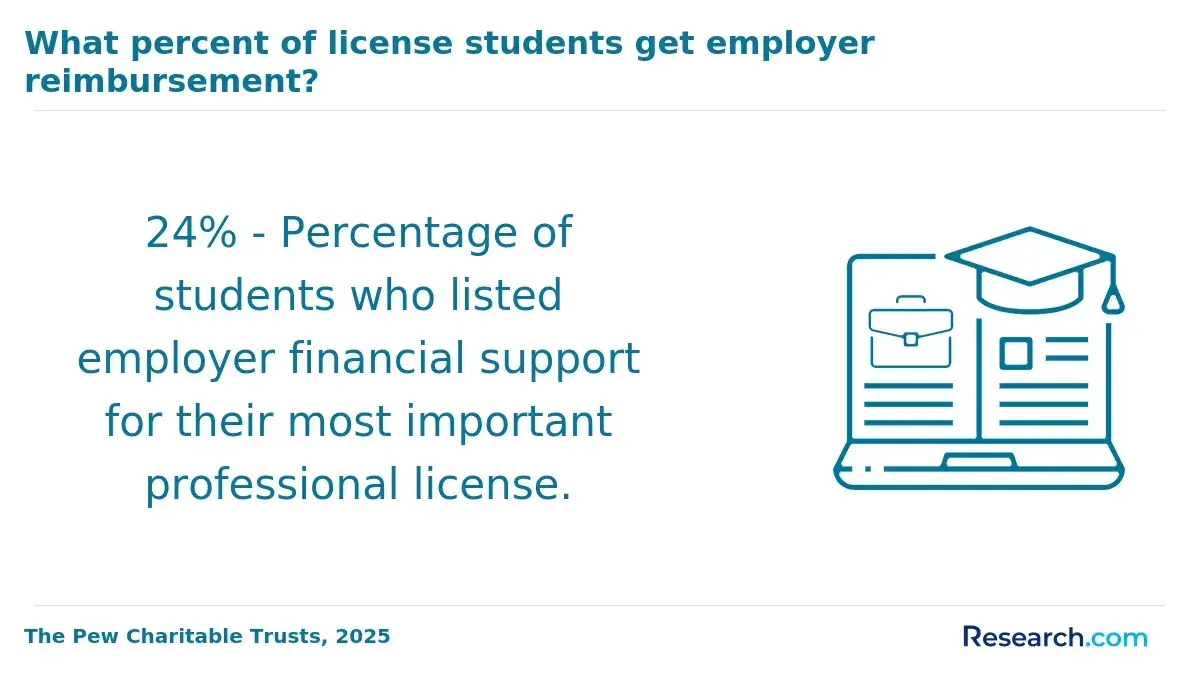
Employer support can also affect speed. Tuition assistance, flexible scheduling, data access for applied research, and permission to study workplace systems can make a professional doctorate more efficient.
Before choosing a program, working professionals should ask whether classes are asynchronous, whether live sessions are recorded, how quickly faculty respond to drafts, and whether dissertation or capstone milestones can be aligned with workplace projects.
Does Accelerating an Online Computer Science Doctorate Affect Cost or Academic Quality?
Acceleration can reduce some costs, but it does not automatically make a doctorate cheaper. If a program charges by credit, finishing faster may reduce fees, travel, and opportunity costs, but total tuition may remain similar. If a program charges by term, taking more credits per term can lower total tuition only if the student completes the same degree requirements in fewer billing periods.
Students should separate three cost categories: tuition, completion-related fees, and time-based costs. Time-based costs include extra terms, technology fees, residency travel, dissertation continuation credits, and the personal cost of delaying a promotion, faculty application, or consulting opportunity.
Federal borrowing rules are also relevant for planning. Graduate and professional students may use up to $20,500 per academic year in Direct Unsubsidized Loans before considering other aid options, so a faster schedule can change the timing of borrowing even when it does not change the total program price.
The table below explains the main quality and cost trade-offs. It can help you avoid mistaking a fast program for either a bargain or a shortcut.
| Factor | Potential advantage of acceleration | Quality risk to check |
| Tuition structure | Fewer terms may reduce term-based charges | Per-credit programs may cost the same even when completed faster |
| Course intensity | Students move through requirements quickly | Compressed courses can reduce reflection time if workload is unrealistic |
| Faculty support | Strong advising can keep research milestones on track | Large doctoral loads may slow feedback on proposals and chapters |
| Accreditation | Accredited programs can support employer and academic recognition | Unaccredited or poorly recognized schools may weaken ROI regardless of speed |
| Research expectations | Applied projects can align directly with professional goals | Overly narrow or superficial projects may be less useful for research careers |
Students comparing affordability at multiple degree levels may find it useful to understand the broader pricing landscape for computing programs through resources such as the cheapest online computer science degree rankings, while remembering that doctoral pricing depends on graduate tuition, dissertation terms, and transfer policy.
Academic quality should be judged by accreditation, faculty expertise, research support, student outcomes, curriculum depth, and transparency. A legitimate accelerated doctorate is faster because it is well organized, not because it removes the core expectations of doctoral work.
Which Careers Benefit Most From Completing an Accelerated Online Computer Science Doctorate?
An accelerated online computer science doctorate can be valuable for careers where advanced technical authority, research ability, leadership credibility, or teaching qualifications matter. It is less necessary for roles where experience, certifications, or a master's degree already meet the hiring standard.
The strongest career fit is usually in senior technical leadership, applied research, postsecondary teaching, AI and data systems, cybersecurity research, software architecture, and technology strategy. The BLS reported a May 2024 median wage of $140,910 for computer and information research scientists, which gives students a useful labor-market benchmark, but individual outcomes depend on role, industry, geography, experience, and employer expectations.
The table below shows how different career goals align with accelerated doctoral pathways. Use it to decide whether speed or research depth should matter more in your program search.
| Career goal | Best doctorate fit | Why completion path matters |
| Computer and information research scientist | Research-focused PhD or rigorous applied doctorate | Employers may value original research, publications, and advanced methods |
| Senior software architect or principal engineer | Applied computer science doctorate | Capstone or applied dissertation can focus on scalable systems, security, or architecture problems |
| Technology executive or CTO-track leader | Professional doctorate in computing or technology leadership | Applied research can connect technical decisions with organizational strategy |
| Postsecondary instructor | PhD or doctorate accepted by the hiring institution | Teaching roles vary; research universities may prefer a traditional PhD |
| AI, analytics, or data science leader | Computer science doctorate with AI or data specialization | Advanced research design and computational methods may support leadership in data-intensive environments |
Students aiming for analytics-heavy leadership should also compare doctorate options with preparation routes such as a data scientist degree. The best ROI comes when the credential matches the roles you actually plan to pursue.
A doctorate is usually most compelling when it helps you qualify for work you cannot easily reach with experience alone. If your target job rarely asks for doctoral training, a certification, portfolio, master's degree, or specialized professional credential may be faster and more cost-effective.
Which Students Are Most Likely to Succeed in an Accelerated Online Computer Science Doctorate?
Students who succeed in accelerated doctoral programs tend to enter with strong technical foundations, realistic time budgets, and a research idea that can be scoped early. They do not necessarily have to be the most advanced programmers in the cohort, but they need enough preparation to handle doctoral-level reading, theory, research methods, and independent writing.
Accelerated study is especially well suited for students who already have graduate coursework in computer science, data science, software engineering, cybersecurity, information systems, mathematics, or a closely related field. It also favors students who can connect their research to an accessible problem, dataset, lab environment, or workplace system.
The following readiness checklist can help you decide whether an accelerated pathway is realistic. If several items are missing, a standard-paced program may produce a better outcome even if it takes longer.
- You can commit consistent weekly study and writing time across the full year, including summer terms if required.
- You have recent experience with graduate-level computing, algorithms, systems, statistics, AI, cybersecurity, or software engineering topics.
- You can explain a possible research or applied project problem in one or two clear paragraphs.
- You are comfortable asking faculty specific questions about advisor fit, methodology, and topic feasibility.
- You have access to any data, systems, participants, or technical environments your project may require.
- You can tolerate intensive feedback and revision without losing momentum.
- Your employer or family schedule can accommodate peak workload periods around proposals, exams, defenses, and major submissions.
Students who should be cautious include those returning after a long academic break, those without recent technical coursework, and those who need maximum schedule flexibility. These students may still succeed, but they may benefit from bridge courses, a slower first year, or a program with strong doctoral writing and methods support.
How Should Students Compare Accelerated Online Computer Science Doctorate Programs?
The best comparison process starts with your desired outcome and works backward. A fast doctorate that does not support your target career, research interest, or employer expectations is not a good shortcut.
Use the following step-by-step process to compare programs efficiently. It focuses on the details that most directly affect time to completion, total cost, and credibility.
- Confirm institutional accreditation and whether the degree type is recognized by your employer, target universities, or professional market.
- Ask for the official curriculum, including total credits, required research courses, dissertation or capstone credits, residencies, exams, and continuation requirements.
- Request a written transfer credit review before making a final enrollment decision.
- Compare actual student completion times, not only the shortest advertised timeline.
- Identify faculty who match your research area before applying, especially for AI, cybersecurity, data systems, software engineering, or human-computer interaction topics.
- Ask how dissertation or capstone advisors are assigned and how often students meet with them.
- Calculate total cost using remaining credits, fees, residency travel, technology costs, books, and possible extra dissertation terms.
- Check whether courses are asynchronous, synchronous, cohort-based, self-paced, or locked into a fixed sequence.
- Review admissions requirements, including master's degree expectations, prerequisite coursework, professional experience, writing samples, GRE policies, and research statements.
- Choose the program that offers the strongest combination of realistic speed, academic quality, faculty fit, affordability, and career relevance.
Before committing, ask admissions and the program director direct questions: What is the median completion time for online students? How many transfer credits are typically accepted? What percentage of students need extra dissertation terms? Are any campus visits required? What happens if a student cannot maintain accelerated pacing?
The right accelerated online computer science doctorate should feel demanding but explainable. If the school cannot clearly show how you will move from admission to coursework, candidacy, final project, and graduation, keep comparing.
Other Things You Should Know About Computer Science
It can be, especially when the institution is accredited, the curriculum is rigorous, and the research or capstone is relevant to the role. Employers usually care more about institutional credibility, technical depth, and demonstrated expertise than whether every course was completed online.
Some do, but many online doctoral programs have test-optional or no-GRE admissions policies. Applicants should still expect to submit graduate transcripts, a resume, statement of purpose, references, and sometimes a writing sample or research proposal.
Some programs admit students with related master's degrees in areas such as data science, information systems, cybersecurity, engineering, or mathematics. However, students without core computing preparation may need prerequisites or bridge coursework, which can lengthen the timeline.
Yes, but requirements vary by institution. Community colleges, teaching-focused universities, and online programs may accept several types of accredited doctorates, while research universities may strongly prefer a PhD with publications and a traditional dissertation.
References
- Grad School Grants: Today's Top Grants & How to Apply https://www.onlinemastersdegrees.org/financial-aid/grants/
- How long is a PhD program: Duration and key factors https://vinuni.edu.vn/how-long-is-a-phd-program/
- How Long Does a PhD Really Take? A Guide for 2026 https://www.applykite.com/blog/phd-guide-how-long-phd-take
- How to Get a PhD in One Year: What You Need to Know - Maverick Business Academy London https://mbalondon.org.uk/how-to-get-a-phd-in-one-year-what-you-need-to-know/
- Discover Scholarships for Computer Science Majors https://www.computerscience.org/scholarships-overview/
- MS to PhD in CS: 39 US Programs With Internal Transfer https://gradpilot.com/news/ms-to-phd-cs-internal-transfer-us-programs
- Online Doctorate Degree Programs https://www.coloradotech.edu/degrees/doctorates
- PhD Scholarships: Explore Your Online Education Aid Options https://www.oedb.org/phd-scholarship/
- How long should a PhD take today - Swiss School of Business Research https://ssbr-edu.ch/how-long-should-a-phd-take-today/
- Educational Funding https://phdproject.org/educational-funding/