
Most Affordable Welding Schools & Training - Budget-Friendly Welding Trade Programs in Nevada for 2026

Co-Founder and Chief Data Scientist
Exploring welder trade schools in Nevada can feel overwhelming, but choosing the right program is a crucial step toward a rewarding career. This article introduces a welder trade school programs ranking developed by the Research.com team of data scientists to guide you in making an informed decision.
Whether you’re seeking a diploma or certification, finding an affordable and quality school can open doors to steady work and skill mastery. Reading on will help you discover options that balance cost and value, setting you up for success in 2026 and beyond.
Key benefits of finishing welder trade school in Nevada
- Graduates from Nevada welder trade schools can expect an average starting wage of about $22.67 per hour, with opportunities to grow toward the state average of $30.33 per hour, making it a rewarding career choice.
- A typical graduate from a popular Nevada trade school may begin as a Welder I and advance to journeyman positions, exploring diverse industries like construction, manufacturing, or repair work.
- Completing a welder trade school online offers flexibility and convenience, allowing students to balance work or family commitments while gaining hands-on training, as experienced by many successful online graduates in Nevada.
- Most Affordable Welding Schools & Training - Budget-Friendly Welding Trade Programs in Nevada for 2026
- What can I expect from welder trade schools in Nevada?
- Where can I work after finishing welder trade schools in Nevada?
What can I expect from welder trade schools in Nevada?
Enrolling in a welder trade school program in Nevada means diving into hands-on learning that builds real-world skills you can count on. Graduates from popular schools often recall the excitement of welding under expert guidance, mastering techniques like shielded metal arc welding and gas tungsten arc welding in fully equipped shops. Expect to balance classroom lessons with lab time, gaining confidence as you work with industry-standard tools and follow strict American Welding Society (AWS) codes.
Programs in Nevada emphasize safety and precision, so you'll become skilled not only in welding but also in maintaining a safe work environment. Many students appreciate the structured path toward AWS certifications, especially at schools offering AWS SENSE curricula, which open doors to immediate employment. You'll also experience a curriculum that blends welding theory with practical skills, including blueprint reading and welding preparation courses, giving you the knowledge to excel in diverse industries like construction, manufacturing, and aerospace.
Beyond skills, graduates highlight the supportive community and job placement help that make the journey rewarding. Whether starting fresh or advancing your career, Nevada's welding programs empower you to build a strong foundation and step confidently into the workforce.
Where can I work after finishing welder trade schools in Nevada?
Graduates from welder trade schools in Nevada step into a world full of promising career opportunities across the state's booming industries. Whether trained at a well-known Reno or Las Vegas trade school, many find themselves working on exciting construction sites in Las Vegas or fabricating parts for mining equipment near Sparks. The satisfaction of seeing a strong steel structure come to life thanks to your skills is a daily reality for these welders.
Many graduates proudly share how quickly they secured roles as MIG or TIG welders, maintenance welders, or fabricators, often within weeks after completing their programs. They work in diverse environments-from bustling industrial shops to dynamic outdoor infrastructure projects-feeling a strong sense of purpose and pride in their craftsmanship.
With Nevada's growing demand in construction, aerospace, and automotive repair, trade school training opens doors to steady employment and advancement. Plus, holding certifications from the American Welding Society, often emphasized in local programs, boosts confidence and earning potential, making every weld a step toward a rewarding career.
After completing a welder trade school program in Nevada, graduates often find themselves stepping into a rewarding career with a strong starting salary. Many new welders begin earning around $22.67 per hour, which can translate to nearly $47,000 annually when working full time. This solid entry-level pay offers a real sense of accomplishment and financial independence right out of school.
Graduates from well-known Nevada trade schools frequently share how their specialized training helped them secure jobs with wages ranging from $19.09 to $25.19 per hour. One graduate described landing a role where overtime boosted their income further, bringing in an extra $6,345 per year. These real-life successes show how the skills learned in the classroom directly impact earnings.
With experience, welders in Nevada can expect steady salary growth. Journeymen in cities like Las Vegas earn upwards of $57,000 annually, reflecting the value of continued learning and dedication. For those who enjoy hands-on fabrication work, wages around $25.54 per hour are common, offering exciting opportunities to grow both skill and income in this thriving trade.
- Most welding trade schools in Nevada do not require a high school diploma, but applicants must be at least 18 years old and may need to pass a drug test or background check.
- Programs blend classroom instruction with hands-on training, often including courses in blueprint reading, welding techniques, and safety, with some courses completed in as little as 10 weeks.
- Tuition typically ranges from $3,000 to $7,000, covering equipment, materials, and certification exam preparation, with financial aid options available at some schools.
- Certification from organizations like the American Welding Society is not required but can improve job prospects and earning potential.
- Entry-level welders in Nevada earn between $19 and $25 per hour, with annual salaries from $40,000 to $52,000, rising to $60,000 or more with experience and certifications.
Completing a welder trade school program in Nevada typically takes between six months to a year, depending on the depth of the curriculum and the student's pace. Many graduates from renowned Nevada trade schools share how this timeframe felt both challenging and rewarding, as they balanced hands-on training with theoretical knowledge.
Imagine stepping into a welding shop in Las Vegas, surrounded by sparks flying and machines humming. In just a few months, students develop skills that transform raw metal into strong, precise structures. This rapid progress fuels their confidence and excitement about their future careers.
Some students choose accelerated programs that allow them to enter the workforce sooner, finishing in as little as six months. Others opt for more comprehensive courses lasting up to a year, which provide additional certifications and specialized techniques. Graduates often describe this journey as empowering, seeing their skills grow week by week in supportive, practical learning environments.
For anyone eager to build a solid foundation and start a fulfilling career in welding, Nevada's trade schools offer a clear, inspiring path within a manageable timeframe.
The key difference between online and on-campus welder trade school programs in Nevada lies in how you learn and practice your skills. Online programs, like the Welder Technician course at Nevada State, offer flexible, self-paced study with virtual labs that bring welding concepts to life from home. Imagine exploring fire safety and gas metal arc welding through interactive simulations-perfect for those balancing work or family while pursuing their dreams.
On the other hand, graduates from on-campus programs at schools such as Welding Nevada in Las Vegas share how immersive hands-on training transformed their confidence. From the very first hour, they practiced real welds under expert guidance, receiving instant feedback that sharpened their technique. This direct experience not only prepared them for certification but also helped build a portfolio showcasing tangible skills to future employers.
Choosing on-campus means diving into a vibrant workshop atmosphere where every spark fuels your passion and mastery, while online courses offer foundational knowledge with unmatched flexibility. Both paths inspire growth, but the choice depends on how you want to ignite your welding journey in Nevada.
The average cost of welder trade schools in Nevada varies widely, giving students the flexibility to find a program that fits their budget and career goals. Graduates from Career College of Northern Nevada recall investing around $26,849 in tuition and fees for a Welding Technology program, which, combined with supplies and living costs, totals just over $66,000. While this may seem a significant commitment, many graduates appreciate the comprehensive training and hands-on experience that prepares them fully for skilled welding careers.
For many local students, tuition fees for welding programs in Nevada are more affordable when opting for public colleges like Great Basin College or the College of Southern Nevada. Both offer Associate of Applied Science degrees in Welding Technology for about $10,500 in tuition, providing an excellent balance of quality education and cost-efficiency over two years. Graduates often describe these programs as empowering, with instructors who bring real-world welding expertise into the classroom.
Those seeking faster entry into the trade might explore specialized courses offered by places like NateOvation Institute of Safety and Welding. With programs ranging from one to five weeks and prices between $1,000 and $5,000, these options provide focused skills that ignite confidence and sharpen welding techniques quickly.
With costs varying according to program length and school type, prospective welders in Nevada are encouraged to look into financial aid and scholarships to ease their investment. Additionally, exploring the most affordable maintenance technician training online might also open alternative educational pathways while managing expenses effectively.

Welding students in Nevada have a wealth of financial aid options that make pursuing their dreams more achievable. Many graduates from Western Nevada College share how scholarships from the American Welding Society (AWS) lifted the financial burden, with awards ranging from $1,000 for short-term certificates to $5,000 for accredited degree programs. These scholarships, offered at national, district, and local levels, offer real hope and encouragement for those ready to build their skills.
Local grants from organizations like Employ NV and the Mike Rowe Works Foundation have also empowered students at trade schools across Nevada to cover tuition and equipment costs. Imagine a young adult balancing work and study, relieved to receive targeted funding that supports both youth and adult learners.
Federal aid, including Pell Grants and student loans available through FAFSA, opens doors for many attending accredited programs. Students often find additional institutional scholarships and work-study opportunities that help ease daily expenses, making their welding education feel both attainable and rewarding.
To enroll in a welder trade school program in Nevada, there are a few key prerequisites that open the door to an exciting and rewarding career. Most schools expect prospective students to have a high school diploma or GED, ensuring you have the foundational skills needed for technical training. Graduates often recall how their basic math and reading abilities helped them quickly grasp welding techniques at renowned Nevada trade schools.
Many programs also require students to be at least 18 years old, reflecting the hands-on and safety-focused nature of welding work. Some schools encourage applicants to pass a simple welding aptitude test or complete a basic skills assessment. This step helps both the student and instructors identify strengths and areas for growth early on.
Here are common prerequisites you'll encounter:
- High school diploma or GED
- Minimum age of 18 years
- Basic math and reading proficiency
- Passing a welding aptitude or skills test (varies by school)
One graduate shared how meeting these requirements at a popular Nevada trade school gave them confidence to dive into hands-on projects, quickly mastering welding tools and techniques. The welcoming environment and clear steps to enrollment make pursuing a welding career in Nevada feel achievable and inspiring for many hopeful students.

Welder trade school programs in Nevada equip students with a powerful blend of technical skills and practical knowledge that open doors to a rewarding career. Graduates often recall how core courses like welding safety became second nature, teaching them to protect themselves and their peers with proper gear and safe practices-essential for any welding environment.
Hands-on learning is a highlight, with students mastering key welding processes such as:
- Shielded Metal Arc Welding (SMAW)
- Gas Metal Arc Welding (GMAW/MIG)
- Gas Tungsten Arc Welding (GTAW/TIG)
- Flux Cored Arc Welding (FCAW)
At places like Western Nevada College, welding courses are paired with labs, allowing students to build confidence by applying techniques directly to real projects. Many graduates describe the thrill of interpreting blueprint reading lessons-decoding weld symbols and specs that turn abstract drawings into tangible metal creations.
Certification prep is woven throughout, with students gearing up for AWS exams and learning welding codes that ensure top-quality workmanship. Beyond welding, courses in math and communication help students thrive in the workplace, rounding out their skill set for success in Nevada's dynamic industry.
Welder trade school specializations in Nevada open doors to varied and rewarding careers by teaching essential skills that meet industry demands. Graduates from schools like the College of Southern Nevada (CSN) and Western Nevada College (WNC) often share their pride in mastering techniques such as Shielded Metal Arc Welding (SMAW), Gas Metal Arc Welding (GMAW), Flux-Cored Arc Welding (FCAW), and Gas Tungsten Arc Welding (GTAW). These welding programs in Nevada provide hands-on training that prepares students for real-world jobs in sectors ranging from construction to aerospace.
Key areas of focus include:
- Shielded Metal Arc Welding (SMAW) for heavy equipment repair and construction projects
- Gas Metal Arc Welding (GMAW), also known as MIG welding, popular in automotive manufacturing
- Gas Tungsten Arc Welding (GTAW or TIG welding) for precision tasks in electronics and aerospace
- Flux-Cored Arc Welding (FCAW), ideal for outdoor and heavy-duty applications
- Pipe welding, essential for energy industries like oil and gas
- Blueprint reading and codebook application ensuring welds meet strict industry standards
These specializations not only build confidence but also give students a competitive edge, empowering them to thrive in some of the trades that are in demand. Training in Nevada's top welding schools transforms ambitions into skilled craftsmanship ready for a flourishing career.
Choosing the best welder trade school program in Nevada means focusing on what truly shapes your future. Accreditation from recognized bodies ensures you're learning industry-approved skills, just like many graduates from Truckee Meadows Community College in Reno who appreciate the confidence it brings. Their diverse curriculum offers everything from entry-level welding techniques to advanced specialties, making it easier to find a path that fits your goals perfectly. Hands-on training is essential-graduates from programs emphasizing practical shop work, such as those inspired by Tulsa Welding School's model, often mention how real-world experience boosted their confidence and readiness on the job.
The best welding schools in Nevada also connect students to local employers, increasing job opportunities right after graduation. Many who studied at the College of Southern Nevada share stories of smooth job placements thanks to these strong industry ties. When you compare welding programs Nevada-wide, consider these factors alongside graduate success and reputation. Understanding the potential welder salary and career paths will inspire you to make the right choice for your future.
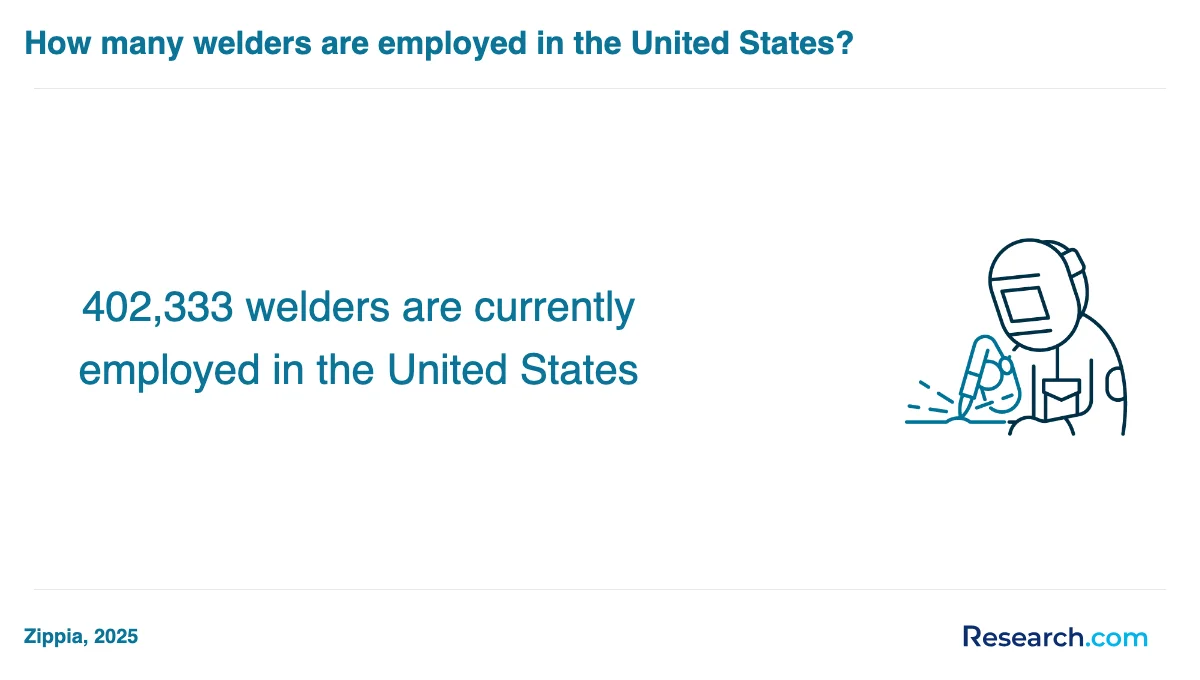
Graduates of welder trade school programs in Nevada step into a vibrant job market filled with rewarding welding jobs in Nevada. Popular roles include welder, fabricator, MIG/TIG welder, and maintenance technician, often found in booming industries like construction, manufacturing, and mining. Many graduates from well-known Nevada trade schools share how hands-on training and safety skills prepared them for real-world success on job sites.
Welder career opportunities Las Vegas Nevada also extend to specialized fields such as industrial maintenance welding and field crew work, where professionals keep essential machinery running smoothly. These paths often lead to work on exciting projects like heavy equipment repairs and structural steel fabrication.
Popular programs connect students to career support services, linking graduates with local employers and contractors. By earning certifications from respected organizations and exploring what is a vocational program, students unlock doors to advanced roles like certified welding inspector or project supervisor.
The job market for welder trade school graduates in Nevada is steady, with average hourly pay reaching $30.33, though it ranks 50th nationwide for wages. Many graduates from popular Nevada trade schools share stories of starting out earning between $19 and $25 per hour, gradually building their skills to command wages up to $46. Experienced welders often find rewarding opportunities in local industries or choose to expand their careers regionally where demand might be higher. While Nevada's welding job market may currently feel quieter compared to other states, specialized welding fields offer paths to increased income and job satisfaction.
Graduates often highlight these key realities:
- Entry-level wages provide a solid foundation with room for advancement
- Ongoing demand nationwide means mobility opens more doors
- Experienced welders equipped with advanced skills stand out for higher pay
Understanding national trends is crucial since 80,000 welding jobs must be filled annually across the U.S., driven by retirements and industry growth. For those serious about welding careers, investing in specialized training or considering relocation could lead to exciting prospects.
Many graduates consider exploring the highest paying trade jobs that are easy to learn as a step to maximize career growth and financial stability in this evolving field.
With dedication and the right skills from Nevada's trade schools, welding jobs in Nevada 2026 and beyond can be fulfilling and financially rewarding, especially for those ready to adapt and grow with the industry's future demands.
Most Affordable Welding Schools & Training - Budget-Friendly Welding Trade Programs in Nevada for 2026
# 1 position
Truckee Meadows Community College - Welding Technology/Welder.
associateTruckee Meadows Community College offers a Welding Technology/Welder program with a hybrid format, including some distance education. The program prepares students to apply technical skills in welding processes such as arc welding, resistance welding, brazing, soldering, and high-energy beam welding. It covers materials, metallurgy, structural design, safety, and relevant codes. The annual in-state tuition is $3,144. The program is accredited by the Northwest Commission on Colleges and Universities.
# 2 position
Truckee Meadows Community College - Welding Technology/Welder.
certificate or diplomaTruckee Meadows Community College offers a Welding Technology/Welder program with a hybrid format that includes some distance-education options. The program prepares students to apply technical knowledge and skills in various welding techniques such as arc welding, resistance welding, brazing, soldering, and high-energy beam welding. The annual in-state tuition is $3,144. The program is accredited by the Northwest Commission on Colleges and Universities.
# 3 position
College of Southern Nevada - Welding Technology/Welder.
associateThe Welding Technology/Welder program at College of Southern Nevada offers a hybrid format with some distance-education options. It prepares students to apply technical skills in welding and cutting metal surfaces, covering arc welding, resistance welding, brazing, soldering, and more. The curriculum includes welding metallurgy, structural design, safety, and relevant codes. Annual in-state tuition is $4,110. The program is accredited by the Northwest Commission on Colleges and Universities.
# 4 position
College of Southern Nevada - Welding Technology/Welder.
certificate or diplomaThe Welding Technology/Welder program at College of Southern Nevada offers a hybrid format with some distance-education options. It prepares students to apply technical skills in welding and cutting metal surfaces, covering arc welding, resistance welding, brazing, soldering, and more. Instruction includes welding metallurgy, safety, structural design, and applicable codes. The program’s annual in-state tuition is $4,110. It is accredited by the Northwest Commission on Colleges and Universities.
# 5 position
Great Basin College - Welding Technology/Welder.
certificate or diplomaGreat Basin College offers a Welding Technology/Welder program with a hybrid format, including some distance-education options. This program prepares students to apply technical skills in various welding methods such as arc welding, resistance welding, brazing, soldering, and cutting. Instruction covers welding metallurgy, safety, structural design, and applicable codes. The annual in-state tuition is $3,855. The program is accredited by the Northwest Commission on Colleges and Universities.
# 6 position
Western Nevada College - Welding Technology/Welder.
associateWestern Nevada College offers a Welding Technology/Welder program with a hybrid format, including some distance-education options. The curriculum covers arc welding, resistance welding, brazing, soldering, high-energy beam welding, and cutting. Students learn about welding metallurgy, safety, structural design, and relevant codes and standards. Annual in-state tuition is $3,920. The program is accredited by the Northwest Commission on Colleges and Universities.
# 7 position
Western Nevada College - Welding Technology/Welder.
certificate or diplomaWestern Nevada College offers a hybrid Welding Technology/Welder program that prepares students to apply technical skills in welding and cutting metal surfaces. The curriculum covers arc welding, resistance welding, brazing, soldering, cutting, welding metallurgy, and safety standards. The program is accredited by the Northwest Commission on Colleges and Universities. Annual in-state tuition is $3,920, with some distance-education options available.
Frequently Asked Questions about welder
After completing a welder trade school in Nevada, preparing for the job market involves several key steps. First, graduates should obtain relevant certifications such as the AWS (American Welding Society) credentials, which are widely recognized by employers. Nevada's demand for skilled welders is supported by industries like construction and manufacturing, with the Bureau of Labor Statistics projecting a 5% employment growth in the state through 2032.
Networking is also crucial; attending local trade shows and joining organizations like the Nevada Welding Association can help build professional connections. Additionally, creating a strong resume highlighting practical skills and completed projects improves job prospects.
Employers in Nevada highly value practical welding skills combined with strong safety knowledge. Graduates from welder trade schools should demonstrate proficiency in various welding techniques such as MIG, TIG, and stick welding, which are commonly used across industries in the state. According to the U.S. Bureau of Labor Statistics, welders in Nevada earn a median annual wage of around $46,000, reflecting the demand for skilled tradespeople.
Attention to detail and the ability to read blueprints accurately are essential skills. Employers also prioritize graduates who understand workplace safety standards, including OSHA regulations, to maintain a safe working environment. Communication and teamwork abilities are increasingly important as many projects require collaboration on construction sites or manufacturing facilities.
Finding internships relevant to a welder trade school program in Nevada involves several practical steps. Start by contacting your school's career services or internship coordinator, as many trade schools maintain partnerships with local businesses. According to the Nevada Department of Employment, Training, and Rehabilitation (DETR), industries such as construction, manufacturing, and mining offer the most welding internships statewide.
Networking is crucial. Attend local trade fairs, industry events, and union meetings, where employers often seek interns. The American Welding Society (AWS) Nevada section also lists apprenticeship opportunities. Additionally, online job portals like Nevada JobConnect provide listings specifically for welding internships.
Many internships in Nevada offer hands-on experience with industry-standard equipment, which enhances post-graduation employment prospects. Data from the Bureau of Labor Statistics shows that welders in Nevada have a median hourly wage of around $21, making internships a valuable stepping stone to well-paying careers.
Obtaining a welder trade school diploma in Nevada can significantly enhance career mobility and advancement opportunities. According to the Nevada Department of Employment, Training and Rehabilitation, welders in the state can expect faster job placement rates when they hold a recognized diploma or certificate. This credential demonstrates practical skills and knowledge, which many employers prioritize over informal experience.
Trade school graduates often qualify for higher starting wages; the U.S. Bureau of Labor Statistics reported a median annual wage of $48,000 for welders in Nevada in 2023. Additionally, certification can lead to specialized roles like pipefitting or underwater welding, expanding career paths.
Many Nevada employers collaborate with local trade schools, offering apprenticeships and advanced training, which supports continued career growth. This network enhances social mobility by providing clear pathways from education to stable employment in a skilled trade.
Part-time job opportunities in Nevada that complement welder trade school education often include positions such as welding assistants, metal fabricators, and maintenance helpers. These roles provide practical experience alongside formal training, helping students develop hands-on skills critical for welding careers.
According to the U.S. Bureau of Labor Statistics, Nevada's welding-related occupations are expected to grow by 8% from 2022 to 2032, which supports demand for entry-level workers. Part-time roles in manufacturing plants, construction sites, and repair shops allow students to apply classroom knowledge and improve their technical abilities.
Additionally, some students find employment in related fields like materials handling and quality inspection, which deepen their understanding of welding processes and safety protocols.
There are affordable welder degree programs available near Nevada that can help students gain the necessary technical skills for a welding career. Research.com can be a helpful resource in identifying universities and community colleges with these programs near me, as they often offer certificate and associate degree options in welding technology. Additionally, many of these institutions provide financial aid and scholarship opportunities to reduce the overall cost of tuition.
- Most Affordable Welding Schools & Training - Budget-Friendly Welding Trade Programs in Idaho for 2026
- Most Affordable Welding Schools & Training - Budget-Friendly Welding Trade Programs in Arizona for 2026
- Most Affordable Welding Schools & Training - Budget-Friendly Welding Trade Programs in Utah for 2026
- Most Affordable Welding Schools & Training - Budget-Friendly Welding Trade Programs in Wyoming for 2026
- Most Affordable Welding Schools & Training - Budget-Friendly Welding Trade Programs in Colorado for 2026
- Most Affordable Welding Schools & Training - Budget-Friendly Welding Trade Programs in Texas for 2026
- Most Affordable Welding Schools & Training - Budget-Friendly Welding Trade Programs in Nebraska for 2026
- Most Affordable Welding Schools & Training - Budget-Friendly Welding Trade Programs in South Dakota for 2026
- Most Affordable Welding Schools & Training - Budget-Friendly Welding Trade Programs in North Dakota for 2026
- Most Affordable Welding Schools & Training - Budget-Friendly Welding Trade Programs in Kansas for 2026
- Welding School of Nevada | Learn to Weld | Henderson, NV, USA https://www.weldingschoolofnevada.com/
- Welding Technology Program | College of Southern Nevada https://www.csn.edu/schools/school-of-advanced-and-applied-technologies/department-of-applied-technologies/welding-technology-program
- Welding - Applied Technology - Truckee Meadows Community College https://www.tmcc.edu/applied-technology/welding
- How to Become a Welder in Nevada | Dreambound https://dreambound.com/blog/how-to-become-a-welder-in-nevada
- Welding https://wnc.edu/areas/weld.php
- Front Page - Las Vegas Institute of Welding https://lviw.net/
- Top Welding Schools in Las Vegas, Nevada | Become a Welder https://toptradeschools.com/near-you/welder/nevada/las-vegas/
- Online Welder Technician from Nevada State University https://careertraining.nevadastate.edu/training-programs/welding-technician/
- A Guide to Skilled Trades Apprenticeships and Internships | BestColleges https://www.bestcolleges.com/trades/guide-to-skilled-trades-apprenticeships-internships/
- How to Select an Accredited Welding Training Program - New Castle School of Trades https://www.ncstrades.edu/blog/what-to-look-for-in-a-trade-school-welding-program/


