Best Welding Training Programs & Trade Schools - Top Welding Schools in South Carolina for 2026

Co-Founder and Chief Data Scientist
Choosing the right welder trade school in South Carolina can shape your future career and open doors to exciting opportunities. This article introduces the best welder trade school programs for 2026, featuring a ranking created by the Research.com team of data scientists.
Designed to help you make an informed choice, this guide highlights programs truly worth considering. Earning a diploma or certification in welding can boost your skills, confidence, and job prospects.
Explore your options and take a confident step toward a rewarding career in welding.
Key benefits of finishing welder trade school in South Carolina
- Graduates of welder trade schools in South Carolina can expect starting salaries around $29,680, with potential to earn up to $60,230 as they gain experience and certifications.
- A typical graduate from a popular trade school often finds career paths in construction, manufacturing, or pipeline welding, offering diverse and rewarding job opportunities.
- Completing a welder trade school online provides flexible learning schedules and faster entry into the workforce, as shown by many successful online program graduates in the state.
- Best Welding Training Programs & Trade Schools - Top Welding Schools in South Carolina for 2026
- What can I expect from welder trade schools in South Carolina?
- Where can I work after finishing welder trade schools in South Carolina?
What can I expect from welder trade schools in South Carolina?
Enrolling in a welder trade school program in South Carolina means engaging in a hands-on, skill-focused experience designed to prepare you for immediate employment. Graduates from schools like Florence Darlington Technical College and Central Carolina Technical College often share how their programs balanced classroom instruction with extensive lab work, allowing them to confidently operate welding equipment such as SMAW (Stick), GMAW (MIG), FCAW (Flux Core), and GTAW (TIG).
Expect to spend significant time welding different materials, including carbon and stainless steel, while mastering processes like oxy-fuel and plasma cutting. Many students appreciate the emphasis on safety, earning OSHA 10 Certification, which builds strong workplace readiness.
Courses include learning to read blueprints and welding symbols, essential skills that graduates from Midlands Technical College highlight as critical for understanding job specifications. The inclusion of construction math and metallurgy helps solidify technical knowledge, making students feel prepared for industry challenges.
Programs often align with American Welding Society (AWS) standards, helping graduates from Greenville Technical College and others confidently pursue AWS certifications and diverse career paths in fabrication, construction, and maintenance.
Where can I work after finishing welder trade schools in South Carolina?
After completing a welder trade school program in South Carolina, graduates find diverse employment opportunities across the state's thriving industries. Many secure positions in manufacturing plants, construction sites, and automotive repair facilities located in cities like Charleston, Greenville, and Columbia. These roles often involve hands-on work in shipbuilding yards near coastal areas or industrial fabrication shops where heavy steel structures and machinery are built and maintained.
Graduates frequently share how their training at popular trade schools gave them confidence to join companies requiring skills in GTAW, GMAW/FCAW, and SMAW welding techniques. Some start as pipe welders or fabricators, working on infrastructure projects, while others advance into supervisory or instructor roles after gaining experience. The sense of pride in building bridges or repairing automotive frames motivates many to continue growing their careers locally or even start their own welding businesses.
Annual salaries in specialized fields, such as automotive welding, can reach $70,000 to $150,000, making these pathways both rewarding and stable for trade school graduates in South Carolina.
Graduates of welder trade school programs in South Carolina typically start their careers earning between $14,000 and $60,230 per year. Most entry-level welders from popular trade schools in the state find themselves closer to the lower end of this range, around $14,000 to $20,000 annually. However, many graduates quickly see their pay increase as they gain hands-on experience and industry certifications.
For example, several recent graduates from well-known South Carolina trade schools report feeling encouraged by starting hourly wages averaging about $20.66, with some positions paying as high as $22.64 per hour in industrial hubs like Greenville. These wages allow new welders to support themselves confidently while advancing their skills.
As welders build experience, their salaries often rise to between $49,000 and $60,230 per year. Many former students express pride in achieving this growth, especially those who leverage their training to access bonuses and benefits such as housing or transport assistance. This progression illustrates how a welder trade school diploma in South Carolina opens doors to rewarding and steadily improving careers.
- Candidates must be at least 18 years old and have a high school diploma or GED to enroll in welder trade school programs.
- Certificate programs last 6 months to 1 year, associate degrees take up to 2 years, and apprenticeships combine classroom and paid training over 2-4 years.
- Common welding techniques taught include MIG, TIG, Stick, and Flux Core, along with blueprint reading and safety skills.
- Program costs range from $4,000 to $11,000 for certificates and $8,000 to $16,000 for associate degrees for in-state students.
- Entry-level welders earn $36,000 to $45,000 annually, while certified and experienced welders can make $50,000 or more per year.
Completing a welder trade school program in South Carolina typically takes between six months and one year, depending on the depth of training and the specific curriculum offered. Many students at well-known institutions like Trident Technical College and Greenville Technical College find that an intensive six-month program provides a solid foundation in welding techniques, safety protocols, and hands-on practice.
Graduates often describe their experience as both challenging and rewarding, highlighting how the focused schedule allowed them to quickly gain marketable skills and enter the workforce. For example, a graduate from a popular Charleston-area trade school shared how the immersive environment helped build confidence in real-world welding scenarios, such as fabricating parts for local manufacturing firms.
Longer programs, closer to a year, often include advanced certifications and specialized welding processes, which some students pursue to enhance their qualifications. These options are attractive to those aiming for higher-paying positions or specific industries like shipbuilding or automotive manufacturing, sectors prominent in South Carolina's economy.
The primary difference between online and on-campus welder trade school programs in South Carolina lies in how students gain hands-on experience. Online programs, like the University of South Carolina's Online Welder Technician course, provide flexible, self-paced learning with virtual labs simulating welding tasks such as gas metal arc welding. Graduates appreciate the convenience of studying theory and safety protocols from home while balancing work or family commitments.
In contrast, on-campus programs at Greenville Technical College or Arclabs Welding School immerse students in real welding environments. Graduates often highlight the value of expert instructors guiding them through practical exercises, with up to 95% of training spent working directly with equipment. This hands-on focus builds confidence in techniques like stick and TIG welding, while preparing students for certifications like the AWS Certified Welder credential.
For those seeking a tactile, immersive experience and direct mentorship, on-campus schools in South Carolina offer unmatched preparation. Meanwhile, online options serve students needing flexibility or supplemental skills, though with less direct exposure to actual welding tasks.
The average cost of a welder trade school program in South Carolina varies considerably depending on the institution, program length, and residency status. Tuition fees generally range from about $3,000 to $15,000. For instance, popular trade schools like Trident Technical College in Charleston charge in-state students roughly $4,564 annually, while out-of-state students can expect to pay around $8,606. Similarly, Horry-Georgetown Technical College offers in-state tuition near $4,372 and out-of-state tuition near $8,620, making these options attractive and affordable for many local students seeking to launch welding careers.
Graduates from these programs often share how budgeting for tuition alongside additional expenses-such as books, materials, and equipment costing between $500 and $2,500-proved manageable with proper planning. Private institutions, like the South Carolina School of Welding in Beech Island, typically have higher tuition ranging from $10,000 to $15,000, yet students appreciate the focused, hands-on training that prepares them thoroughly for employment.
Many students benefit from financial aid, including federal grants and loans accessible through FAFSA, scholarships, and veterans' benefits, which provide crucial assistance during their education. It is also helpful to understand what is the difference between a trade school program and a vocational program, as this clarity guides prospective welders in choosing the right path. Real-life experiences at schools like Spartanburg Community College, where in-state tuition is around $4,902 and out-of-state $9,822, highlight the valuable investment welding students make in South Carolina's workforce.

Welder trade school students in South Carolina benefit from a variety of financial aid options that make training more accessible and affordable. Graduates from schools like Trident Technical College and Greenville Technical College often cite the South Carolina Workforce Industry Needs Scholarship (SCWINS) as a game-changer, providing up to $5,000 per year for tuition, books, and supplies. This state-funded support eases the financial burden for residents pursuing high-demand trades like welding.
Many students also rely on federal aid through Pell Grants and Direct Loans, especially those enrolled in Title IV approved programs. Veterans attending schools such as Midlands Technical College frequently use GI Bill® benefits to cover tuition and living expenses, allowing them to focus on hands-on training without financial stress.
Industry scholarships from the American Welding Society, offering awards from $1,000 to $5,000, provide additional relief. Students facing economic hardship appreciate Workforce Innovation and Opportunity Act (WIOA) funding and flexible payment plans from private lenders partnered with trade schools, helping them stay on track toward certification.
To enroll in a welder trade school program in South Carolina, candidates typically need to meet several key prerequisites that set the foundation for success in this hands-on field. Most trade schools require applicants to have a high school diploma or a GED, ensuring they possess basic academic skills necessary for understanding technical concepts and safety protocols.
Applicants often must demonstrate proficiency in math, particularly algebra, as welding involves precise measurements and calculations. Some schools ask for placement tests or proof of previous coursework in math and science.
Physical fitness is important; welding demands good hand-eye coordination and stamina. Graduates from well-known South Carolina programs often recall the initial physical assessments and practical tests that prepared them for the rigor of welding tasks.
Additional prerequisites might include:
- Proof of legal residency or citizenship in the U.S.
- Minimum age requirement, usually 18 years or older.
- Basic computer skills for tracking projects and certifications.
Many students appreciate that these prerequisites ensure they enter the program ready to thrive, making their learning experience both rewarding and manageable in schools like those located in Greenville or Charleston.

Welder trade school programs in South Carolina typically include a range of practical and technical courses designed to prepare students for the welding industry. Graduates from popular schools like Midlands Technical College often highlight the hands-on nature of learning welding processes such as:
- Shielded Metal Arc Welding (SMAW/Stick)
- Gas Metal Arc Welding (GMAW/MIG)
- Flux Cored Arc Welding (FCAW)
- Gas Tungsten Arc Welding (GTAW/TIG)
- Oxy-Fuel Torch Cutting (OFC)
- Plasma Arc Cutting (PAC)
- Carbon Arc Gouging (CAC-A)
Students also engage deeply with welding safety, learning OSHA standards and proper use of protective gear. Safety certification like OSHA 10 is often earned early, helping build confidence in working environments.
Blueprint reading courses enable students to interpret engineering drawings accurately, a skill praised by graduates for its direct impact on successful fabrication and assembly projects. Additionally, welding quality control classes teach inspection techniques to ensure weld integrity in real-world settings.
Many students appreciate the inclusion of advanced modules, such as pipe welding and stainless steel applications, which open doors to specialized careers. Communication and basic computer skills courses further prepare students for modern workplace demands, making this curriculum both comprehensive and career-focused.
Welder trade school programs in South Carolina offer diverse specializations tailored to regional industry needs. Graduates from Midlands Technical College and Greenville Technical College often highlight their process-based training in key welding methods such as Shielded Metal Arc Welding (SMAW), Gas Metal Arc Welding (GMAW), and Gas Tungsten Arc Welding (GTAW). These hands-on courses include plate and pipe welding, preparing students for practical challenges on job sites.
Many programs emphasize advanced pipe welding, focusing on open root welding techniques essential for oil, gas, and water system industries. Fabrication and blueprint reading are other popular specializations, teaching students to interpret technical documents and perform quality control-skills highly valued in South Carolina's manufacturing and construction sectors.
Students also benefit from industry-oriented certifications like OSHA 10 and American Welding Society standards, boosting employability through recognized welding technology certifications South Carolina employers respect. Beyond technical skills, schools incorporate professional communication and computer training, shaping well-rounded welders ready for dynamic roles.
For those seeking flexibility, cheap online maintenance technician training options complement welding education with versatile career pathways.
Choosing from the best welding programs in South Carolina requires evaluating both the curriculum and the hands-on training opportunities. Graduates from Midlands Technical College often praise the Welding and Cutting Fundamentals Certificate for its comprehensive coverage of essential techniques like SMAW and GMAW, combined with extensive practical experience. Similarly, schools like Arclabs Welding School, known for their top-rated welder training schools in South Carolina, emphasize a 95% practical focus, which many students find essential for building confidence and real-world skills.
Consider also job placement assistance; the South Carolina School of Welding helps graduates transition smoothly into the workforce by offering support in securing positions in both union and non-union sectors. Location and flexible scheduling, such as those available at Arclabs with multiple campuses and night classes, have proven beneficial for students balancing work and study. For further insight into the what education is needed to become a welder, prospective students should explore detailed career path resources to make informed decisions.
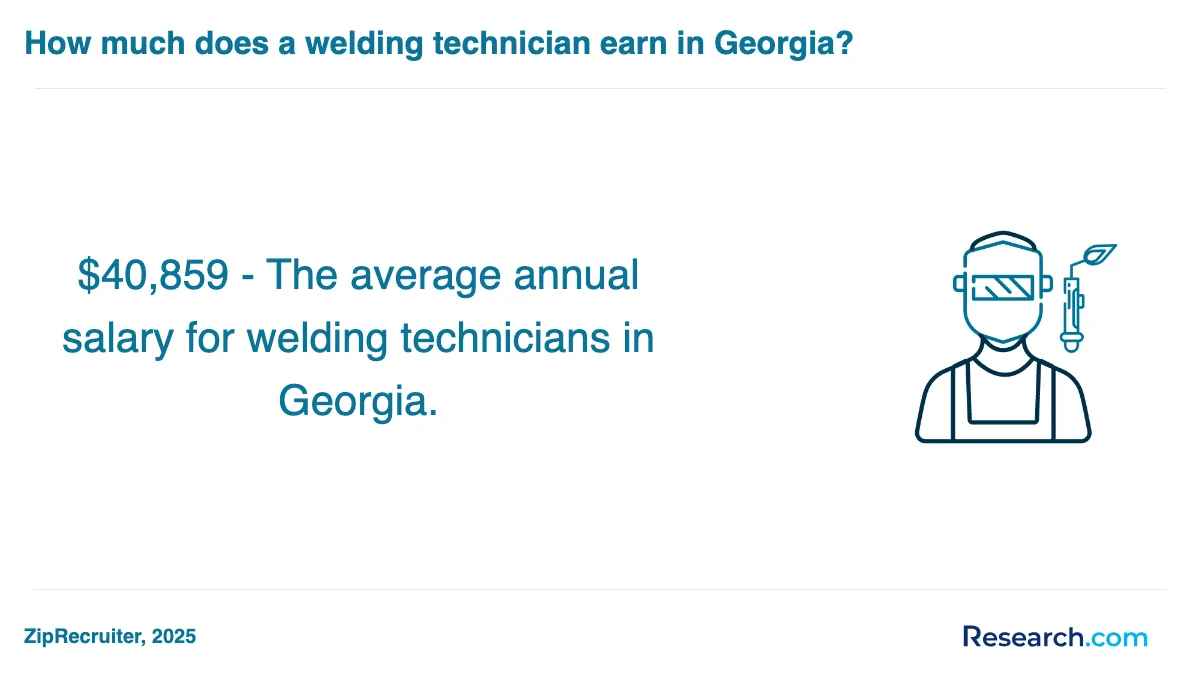
Welder trade school graduates in South Carolina enjoy diverse welder career opportunities in South Carolina across several thriving industries. Many graduates find rewarding roles as structural welders, pipe welders, fabricators, combination welders, and tack welders, directly supporting the state's bustling manufacturing and construction sectors. Popular trade schools in the region prepare students for these hands-on careers where they contribute to projects such as bridge building, automotive manufacturing, and shipbuilding, which are dominant statewide.
Beyond the core welding jobs in South Carolina, some graduates leverage their skills to become welding instructors at technical colleges or advance into specialized positions like TIG or MIG welders, which offer higher wages and career growth. Experienced welders often transition into supervisory roles or start their own successful contracting businesses, showcasing the flexibility and entrepreneurial potential within the trade.
Graduates from prominent programs also pursue related fields such as automotive body technician roles, where welding expertise enhances vehicle repair and customization. For those interested in continuing education, exploring online certificate programs can further expand career possibilities and increase earning potential.
The welding job outlook in South Carolina is promising for graduates of welder trade school programs, with over 300 welder positions available statewide as of mid-2025. Popular trade schools in South Carolina consistently report that their recent graduates find employment rapidly, especially in urban centers like Columbia where demand is robust. These employers seek candidates skilled in MIG, flux core welding, and blueprint reading, common elements taught at well-established programs.
Welders in South Carolina benefit from competitive salaries, with experienced structural welders earning between $22 and $26 per hour. Graduates often express satisfaction with the balance of entry-level job availability and potential for overtime pay, especially in sectors like manufacturing, construction, and shipbuilding. Many positions require or prefer certification from the American Welding Society, which many trade schools assist students in obtaining.
Advantages for new welders in the state include:
- Hands-on training at renowned South Carolina trade schools that prepare students for in-demand positions
- Access to job openings in multiple industries, including automotive and repair services
- Employers offering benefits such as medical and retirement plans alongside hourly wages
Graduates often highlight how South Carolina's industrial diversity fosters ongoing job opportunities, making welding a viable long-term career. For those weighing options, understanding the vocational training value at trade schools in the state is crucial for career success and growth.
Best Welding Training Programs & Trade Schools - Top Welding Schools in South Carolina for 2026
# 1 position
York Technical College - Welding Technology/Welder.
certificate or diplomaYork Technical College offers a Welding Technology/Welder program with a hybrid format, providing some distance-education options. The program trains students in arc welding, resistance welding, brazing, soldering, and cutting, covering both ferrous and non-ferrous materials. Tuition for in-state students is $5,512 annually. Graduates earn a median salary of $50,309 one year after completion. The program is accredited by the Southern Association of Colleges and Schools Commission on Colleges.
# 2 position
Midlands Technical College - Welding Technology/Welder.
certificate or diplomaThe Welding Technology/Welder program at Midlands Technical College offers hybrid learning with some distance-education options. It trains students in arc welding, resistance welding, brazing, soldering, high-energy beam welding, and cutting, along with welding metallurgy, processes, safety, and codes. Annual in-state tuition is $4,788. Graduates have median earnings of $47,556 one year after completion. The program is accredited by the Southern Association of Colleges and Schools Commission on Colleges.
# 3 position
Spartanburg Community College - Welding Technology/Welder.
certificate or diplomaSpartanburg Community College offers a Welding Technology/Welder program with a hybrid format, including some distance-education options. The program trains students in welding techniques such as arc welding, resistance welding, brazing, soldering, and high-energy beam welding. Tuition for in-state students is $5,046 annually. Graduates earn a median salary of $38,147 one year after completion. The program is accredited by the Southern Association of Colleges and Schools Commission on Colleges.
# 4 position
Florence-Darlington Technical College - Welding Technology/Welder.
certificate or diplomaThe Welding Technology/Welder program at Florence-Darlington Technical College offers a hybrid format, combining in-person and distance education. It prepares students with skills in arc welding, resistance welding, brazing, soldering, cutting, and welding metallurgy. The program covers safety, structural design, and applicable codes. Annual in-state tuition is $4,636. Median earnings one year after completion are $34,948. The program is accredited by the Southern Association of Colleges and Schools Commission on Colleges.
# 5 position
Greenville Technical College - Welding Technology/Welder.
certificate or diplomaGreenville Technical College offers a Welding Technology/Welder program with a hybrid format, combining in-person and distance education. The program prepares students to apply technical skills in various welding methods, including arc and resistance welding, brazing, soldering, and cutting. Instruction covers welding metallurgy, safety, structural design, and relevant codes. Annual in-state tuition is $5,639. Graduates have median earnings of $34,761 one year after completion. The program is accredited by the Southern Association of Colleges and Schools Commission on Colleges.
# 6 position
Horry-Georgetown Technical College - Welding Technology/Welder.
certificate or diplomaThe Welding Technology/Welder program at Horry-Georgetown Technical College offers a hybrid format with some distance education options. It prepares students to apply technical skills in various welding processes including arc welding, brazing, and high-energy beam welding. The program covers safety, metallurgy, and structural design. Annual in-state tuition is $4,468. Median earnings one year after completion are $33,002. The program is accredited by the Southern Association of Colleges and Schools Commission on Colleges.
# 7 position
Denmark Technical College - Welding Technology/Welder.
certificate or diplomaDenmark Technical College offers a Welding Technology/Welder program with a hybrid format, including some distance-education options. The curriculum covers arc welding, resistance welding, brazing, soldering, cutting, and high-energy beam welding, among other welding processes. Students learn about welding metallurgy, structural design, safety, and relevant codes and standards. The program's in-state tuition is $6,301 annually. It is accredited by the Southern Association of Colleges and Schools Commission on Colleges.
# 8 position
Arclabs - Welding Technology/Welder.
certificate or diplomaThe Welding Technology/Welder program at Arclabs offers hybrid learning with some distance-education options. It prepares students to apply technical skills in various welding methods including arc, resistance, brazing, and soldering. The curriculum covers welding metallurgy, structural design, safety, and relevant codes. Graduates earn a median salary of $34,843 one year after completion. The program is accredited by the Accrediting Council for Continuing Education & Training.
# 9 position
Central Carolina Technical College - Welding Technology/Welder.
certificate or diplomaCentral Carolina Technical College offers a Hybrid Welding Technology/Welder program that prepares students to apply technical skills in various welding methods, including arc welding, resistance welding, and brazing. The curriculum covers welding metallurgy, safety, structural design, and industry codes. Annual in-state tuition is $5,715. Graduates have median earnings of $32,196 one year after completion. The program is accredited by the Southern Association of Colleges and Schools Commission on Colleges.
# 10 position
Trident Technical College - Welding Technology/Welder.
certificate or diplomaTrident Technical College offers a hybrid Welding Technology/Welder program that prepares students with technical skills in arc welding, resistance welding, brazing, soldering, and cutting. The curriculum covers welding metallurgy, welding processes, structural design, safety, and relevant codes. The program is accredited by the Southern Association of Colleges and Schools Commission on Colleges. Annual in-state tuition is $4,564, providing an accessible option for those pursuing welding careers.
Frequently Asked Questions about welder
After completing a welder trade school in South Carolina, preparing for the job market involves several key steps. First, obtaining industry-recognized certifications like those from the American Welding Society (AWS) can significantly improve employment prospects. South Carolina's manufacturing and construction sectors actively seek certified welders, with the state's Department of Employment reporting a steady demand for skilled welders through 2030.
Networking through local unions, trade organizations, and job fairs is essential. Many schools offer career services that connect graduates with employers. Additionally, gaining hands-on experience via apprenticeships or entry-level positions can build practical skills and improve resumes.
Lastly, staying informed about regional job trends and continuing education opportunities helps welders maintain competitiveness in a changing market.
Employers in South Carolina seek welder trade school graduates who demonstrate strong technical skills and safety awareness. Proficiency in various welding techniques such as MIG, TIG, and stick welding is essential. According to the U.S. Bureau of Labor Statistics, welders with certifications from recognized institutions often have better job prospects. In South Carolina, employers emphasize the ability to read blueprints and interpret welding symbols accurately, which ensures quality workmanship.
Practical knowledge of metallurgy and equipment maintenance is also highly valued. Soft skills like teamwork and reliability are crucial in industrial settings. The South Carolina Department of Commerce highlights that safety compliance is a top priority, given the risks involved in welding jobs.
Finding internships in South Carolina related to welder trade school programs involves several strategic steps. Start by contacting the career services or internship office at your trade school, as many schools maintain partnerships with local industries. The South Carolina Department of Commerce reports that manufacturing and construction sectors, which often require skilled welders, offer numerous internship opportunities statewide.
Networking is essential; attending local trade shows, job fairs, or joining welding associations such as the American Welding Society's South Carolina chapter can connect students with employers. Online job platforms like Indeed or the South Carolina Job Board also list welding internships. Additionally, reaching out directly to companies specializing in metal fabrication or shipbuilding, prominent industries in South Carolina, can yield internship openings.
Obtaining a welder trade school diploma in South Carolina significantly enhances career mobility and advancement opportunities. According to the South Carolina Department of Employment and Workforce, welders with formal training earn 15-20% more on average than those without credentials. A diploma signals to employers that the graduate possesses verified skills in welding techniques and safety standards, which are critical in industries such as manufacturing, construction, and shipbuilding.
Trade schools also often provide job placement assistance, connecting graduates with local employers. This network can be vital for career growth in South Carolina's growing industrial sectors.
Furthermore, certified welders have greater access to specialized roles and supervisory positions, supporting upward mobility within organizations.
Part-time job opportunities in South Carolina that complement welder trade school education often include positions such as welding assistant, metal fabrication helper, or maintenance technician. These roles provide practical experience alongside academic learning, which is vital for developing welding skills.
The South Carolina Department of Employment and Workforce reports that welding-related jobs are expected to grow by 6% through 2030, indicating steady demand. Part-time roles in manufacturing plants or construction sites can offer exposure to industry tools and safety protocols.
Additionally, some students find part-time employment in automotive repair shops or shipyards, sectors prominent in South Carolina's economy. These jobs enhance technical skills and build professional networks valuable for future full-time employment.
To find the best welder degree program near South Carolina, consider researching local technical colleges and community colleges that offer reputable welding programs, as these often provide hands-on training and certification opportunities. You can use tools like Research.com to compare program offerings and determine which might be best suited for your needs based on factors like curriculum, accreditation, and graduate success rates. Additionally, visiting college campuses near me and speaking with faculty or current students can provide valuable insights into the quality of the program.
- Best Welding Training Programs & Trade Schools - Top Welding Schools in Florida for 2026
- Best Welding Training Programs & Trade Schools - Top Welding Schools in Virginia for 2026
- Best Welding Training Programs & Trade Schools - Top Welding Schools in Kentucky for 2026
- Best Welding Training Programs & Trade Schools - Top Welding Schools in Mississippi for 2026
- Best Welding Training Programs & Trade Schools - Top Welding Schools in West Virginia for 2026
- Best Welding Training Programs & Trade Schools - Top Welding Schools in Arkansas for 2026
- Best Welding Training Programs & Trade Schools - Top Welding Schools in Ohio for 2026
- Best Welding Training Programs & Trade Schools - Top Welding Schools in Indiana for 2026
- Best Welding Training Programs & Trade Schools - Top Welding Schools in Pennsylvania for 2026
- Best Welding Training Programs & Trade Schools - Top Welding Schools in Illinois for 2026
- Welder salary in South Carolina ‐ CareerExplorer https://www.careerexplorer.com/careers/welder/salary/south-carolina/
- Welder I Salary in South Carolina (August 01, 2025) | Salary.com https://www.salary.com/research/salary/benchmark/welder-i-salary/sc
- Welding training - Warsaw, Kraków, Wrocław, Łódź, Poznań https://kurso.eu/en/training-and-courses/welding-courses/welding/
- Welding Trade School | Summit College https://summitcollege.edu/programs/trade-technical/welding/
- Welding | ontariocolleges.ca https://www.ontariocolleges.ca/en/programs/professions-and-trades/welding
- Welder https://www.sait.ca/apprenticeships-and-trades/programs/welder
- Welding Technology | Clover Park Technical College https://www.cptc.edu/programs/welding
- Best Welding Schools - Elite Welding Academy https://eliteweldingacademy.com/
- Combination Welding Technology Program & Trade School | Apex https://apexschool.com/programs/combination-welding-technology/
- A Guide to Skilled Trades Apprenticeships and Internships | BestColleges https://www.bestcolleges.com/trades/guide-to-skilled-trades-apprenticeships-internships/