Best Welding Training Programs & Trade Schools - Top Welding Schools in Ohio for 2026

Co-Founder and Chief Data Scientist
Looking to start a rewarding career as a welder in Ohio? Choosing the right trade school is a key step toward success. This article introduces the best welder trade schools in Ohio for 2026, featuring a welder trade school programs ranking created by the Research.com team of data scientists.
Our ranking helps you make an informed choice by highlighting programs that offer quality training and valuable skills. Earning a welder diploma or certification opens doors to stable jobs and career growth. Dive in to find the program that fits your goals and begin building a bright future today.
Key benefits of finishing welder trade school in Ohio
- Graduates of welder trade schools in Ohio can expect starting salaries around $44,000 annually, with opportunities to earn up to $27 per hour as certified welders gain experience and skills.
- A typical graduate from a well-known Ohio trade school often finds career paths in pipe welding, fabrication, or industrial repair, offering diverse and stable job options.
- Completing a welder trade school online provides flexibility and faster completion times, as shown by successful graduates from Ohio's top online programs who balance work and study efficiently.
- Best Welding Training Programs & Trade Schools - Top Welding Schools in Ohio for 2026
- What can I expect from welder trade schools in Ohio?
- Where can I work after finishing welder trade schools in Ohio?
What can I expect from welder trade schools in Ohio?
Students enrolling in welder trade school programs in Ohio can expect a balanced mix of hands-on training and classroom instruction designed to build practical welding skills. At schools like Eastland Career Center, graduates often share how spending extensive hours-commonly between 600 and 700 clock hours-working in welding labs helped them gain confidence with ARC (stick), MIG, TIG, and Flux Core welding techniques. This immersive experience simulates real job site conditions, making the transition to entry-level positions smoother.
Programs typically last about nine months full-time, offering a structured curriculum that covers welding safety, blueprint reading, and metal properties. Many students appreciate the clear focus on preparing for American Welding Society (AWS) certifications, including challenging 3G and 6G weld tests, which employers in Ohio highly value.
Beyond welding skills, students often find value in learning related subjects such as technical drawing and career development, which enhance their workplace readiness. Modern facilities equipped with state-of-the-art welding centers allow learners to practice with industry-standard tools, a feature that graduates frequently highlight as critical to their success.
Where can I work after finishing welder trade schools in Ohio?
After completing a welder trade school program in Ohio, graduates often find themselves employed in diverse industries such as manufacturing, construction, automotive, aerospace, shipbuilding, and energy. For example, many alumni from popular Ohio trade schools secure positions in cities like Cleveland or Columbus, working for automotive parts manufacturers or metal fabrication companies. These roles range from MIG and TIG welders to welding technicians, offering hands-on experience that builds confidence and skill.
Graduates frequently share how rewarding it is to contribute to major infrastructure projects or precision fabrication tasks, highlighting the tangible impact of their work. Some move into specialized fields such as nuclear welding or aerospace, where certifications from the American Welding Society enhance earning potential and career advancement.
In Ohio's robust industrial landscape, welders are in demand not only in urban centers but also in rural areas with ongoing construction and manufacturing needs. This broad employment outlook provides both stability and opportunity for those entering the trade right after school.
Graduates of welder trade school programs in Ohio can expect to start earning hourly wages typically ranging from $17 to $23. For example, many students from popular Ohio trade schools report landing entry-level positions paying around $18 to $20 per hour shortly after graduation. This aligns with ZipRecruiter's data showing average welder wages at $21.16 per hour, with entry-level roles often near the $17.84 mark.
Those who pursue industry certifications, often supported by Ohio trade schools, see a boost in earnings. Certified welders average about $22.45 per hour, with some earning as much as $27. This certification-driven premium reflects real success stories of graduates who, after completing their programs, quickly secured higher-paying roles.
Annual salaries for new welders in Ohio typically fall between $42,594 and $55,063. These numbers resonate with graduates who, within their first year, have reported securing full-time positions with steady income, enabling financial stability and career growth in Ohio's manufacturing and construction sectors.
Wage variations exist depending on location and job demands, but motivated graduates who build skills and certifications often experience rapid increases in pay, turning their trade school investment into tangible earnings.
- Admission usually requires a high school diploma or GED and applicants must be at least 18 years old, with some programs requiring a background check and assessments like the ACT WorkKeys® test.
- Welding programs in Ohio take 9 to 12 months for certificates and up to 24 months for associate degrees, combining classroom learning with practical welding techniques such as ARC, MIG, and TIG.
- Tuition costs vary: a 9-month certificate program at Eastland Career Center is about $8,890 plus $560 for supplies, while community college tuition ranges from $182 to $443 per credit hour.
- Students can earn certifications from the American Welding Society (AWS) and the National Center for Construction Education & Research (NCCER) to improve job prospects.
- Entry-level welders in Ohio earn around $40,000 to $45,000 per year, with experienced welders making over $50,000 depending on the industry and location.
Completing a welder trade school program in Ohio typically takes between 6 to 12 months, depending on the depth of training and the specific school's curriculum. Many Ohio-based students find that accelerated programs at popular trade schools allow them to enter the workforce swiftly, often within a single calendar year. Graduates frequently share how the focused hands-on training, combined with classroom theory, made the learning process both engaging and practical.
For example, students at well-known Ohio trade schools report that their schedules balanced intense welding labs with technical instruction, enabling them to build confidence quickly. One graduate described the experience as "rewarding and fast-paced," emphasizing how the immersive training translated directly into job readiness. This timeline aligns with Ohio's demand for skilled welders in manufacturing and construction sectors, making the completion period ideal for those eager to start earning.
Many programs also offer evening or part-time options, extending completion time but allowing flexibility for working students. Overall, the 6-to-12-month range is realistic and supported by multiple Ohio-based trade schools' outcomes.
The key difference between online and on-campus welder trade school programs in Ohio lies in the hands-on training experience. Graduates from on-campus programs at schools like Fortis College and Butler Tech often describe the immediate feedback and supervised practice in specialized welding labs as vital for mastering techniques such as MIG, TIG, and stick welding. These students value the face-to-face interaction with instructors, which helps them develop safety habits and troubleshooting skills essential in real-world welding jobs.
Conversely, online programs offered by institutions like Marion Technical College focus mainly on theoretical knowledge delivered through web platforms. Graduates appreciate the flexibility and convenience of learning welding theory and blueprint reading remotely, often supplemented by tool kits for at-home practice. However, many note the absence of in-person lab sessions limits their practical skill development.
Hybrid models, as seen at Lakeland Community College, allow students to balance online coursework with on-campus shop labs, combining convenience with hands-on experience. Ohio students often find this approach effective for meeting industry standards while managing personal schedules.
The average tuition fees for welding programs in Ohio vary significantly depending on the institution and program length. For example, community colleges like Columbus State Community College charge around $5,208 per year for an Associate Degree in Welding, while Cincinnati State Technical and Community College offers a Welding Certificate program costing about $4,000 annually. These examples reflect typical costs many students face when pursuing welder certification courses in Ohio.
Private trade schools tend to have higher tuition but often provide more specialized training. Graduates of the Hobart Institute of Welding Technology recall investing $15,400 for a 26-week Structural Welding Program, describing the experience as intensive but rewarding. Similarly, the Lincoln Electric Welding School offers a 16-week program for $9,840, which students find valuable for its comprehensive curriculum and hands-on training.
Additional expenses such as books and supplies can substantially increase the total cost. At Elite Welding Academy South Point, students pay $12,800 in tuition and fees, with an extra $6,100 for materials, highlighting the importance of budgeting beyond just the core program fees.
Financial aid opportunities are often available to help manage these costs, and prospective students are encouraged to research options thoroughly. Students looking for flexible options might explore affordable online welding courses, which can offer reduced expenses and convenient scheduling. Overall, understanding the cost of welder certification courses in Ohio helps students plan effectively for a fulfilling career.
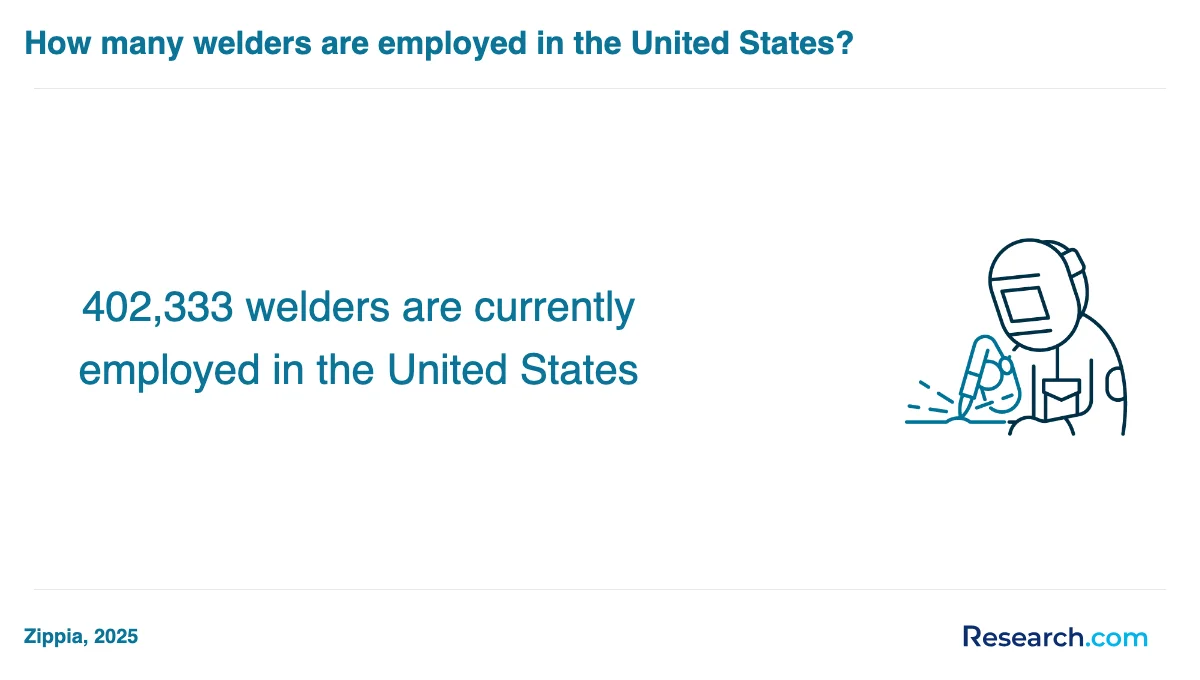
Welder trade school students in Ohio commonly access Federal Student Aid, which includes Pell Grants and federal loans. Pell Grants provide crucial need-based funding that does not require repayment, allowing many to ease financial stress during training. Graduates from schools like Portage Lakes Career Center recall how completing the FAFSA opened doors to these funds, enabling them to focus on hands-on skills instead of worrying about tuition.
State and local resources further support students. The Workforce Innovation and Opportunity Act (WIOA) is a key example, often covering tuition, books, and supplies through Ohio Jobs One-Stop centers. Trade Adjustment Assistance (TAA) helps those displaced by foreign trade, offering a vital second chance to re-skill in welding.
For students with disabilities, the Opportunities for Ohioans with Disabilities (OOD) agency can provide partial or full financial aid. Many graduates from Owens Community College have leveraged scholarships from the American Welding Society and school-specific awards tied to GPA and FAFSA completion, making education affordable and accessible.
Enrolling in a welder trade school program in Ohio typically requires a high school diploma or GED, which sets the foundation for technical learning. Many programs also expect students to have basic math and reading skills to handle blueprint reading and measurements effectively. For example, graduates from Cincinnati's well-known trade schools often highlight how brushing up on algebra helped them excel in the hands-on courses.
Apart from academic prerequisites, physical fitness and good hand-eye coordination are often essential, as welding demands steady hands and stamina during extended periods of work. Several Ohio students mention that their ability to stay focused and physically active greatly contributed to their success in welding labs.
Additional prerequisites may include:
- Minimum age requirement, usually 18 years old
- Passing a drug screening or background check depending on the school
- Basic safety training or certifications in some cases
Trade schools in Cleveland and Columbus emphasize practical readiness, encouraging applicants to prepare by gaining some familiarity with welding tools or related mechanical work, which helps students feel confident and motivated from day one.

Welder trade school programs in Ohio typically include a core set of courses that balance hands-on skills with technical knowledge, ensuring graduates feel confident stepping onto job sites. Most students start with welding safety and learn about metal properties, which proved invaluable for graduates who recalled how safety training helped them avoid common hazards in busy workshop environments.
These programs emphasize major welding processes such as:
- Shielded Metal Arc Welding (SMAW/Stick)
- Gas Metal Arc Welding (GMAW/MIG)
- Gas Tungsten Arc Welding (GTAW/TIG)
- Flux-Cored Arc Welding (FCAW)
Hands-on practice often mimics real construction and manufacturing settings found in Ohio's industrial sectors. Graduates describe the satisfaction of mastering pipe welding and specialty metals like aluminum, reflecting the diverse demands of local employers.
Additional courses cover cutting techniques such as oxy-fuel and plasma cutting, essential for material preparation. Blueprint reading and welding symbols are stressed heavily, helping students interpret complex job specs-an essential skill praised by those who advanced quickly in their careers. Some schools also integrate technical math tailored to welding applications, enhancing problem-solving on the job.
Advanced students benefit from AWS certification prep and exposure to robotic welding, fabrication, and metallurgy, which many find motivating as they see clear pathways to higher-paying positions in Ohio's evolving welding industry.
Welding program specializations in Ohio commonly include Shielded Metal Arc Welding (SMAW), Gas Metal Arc Welding (GMAW), Gas Tungsten Arc Welding (GTAW), and Flux-Cored Arc Welding (FCAW). Graduates from Columbus State Community College often highlight SMAW and FCAW as especially practical for construction and heavy equipment repair, appreciating the hands-on approach these programs offer. Meanwhile, students at Hocking College report gaining valuable skills in GMAW, which is widely used in manufacturing and automotive sectors for its speed and efficiency.
Ohio welder training program options also emphasize precision techniques like GTAW, taught at Cuyahoga Community College, which attracts students aiming for aerospace and automotive careers. Pipe welding training is another critical specialization, with the Hobart Institute of Welding Technology well regarded for preparing students to meet demanding industry standards in oil and gas pipelines.
Many programs incorporate essential knowledge areas such as blueprint reading, metallurgy, and welding safety, as seen at Ohio Technical College's comprehensive Welding & Fabrication Technology program. For those balancing education with other commitments, exploring affordable maintenance technician online courses can be a complementary resource.
Choosing from the best welder trade schools in Ohio requires evaluating several critical factors. Start by verifying a program's accreditation through recognized agencies like ACCSC or ABET, as graduates from schools such as the Hobart Institute of Welding Technology in Troy often report confidence in the quality of their certification. Curriculum depth and training facilities also matter; students from Ohio Technical College in Cleveland appreciate the extensive hands-on experience offered by their 60,000-square-foot lab with over 150 welding booths, which prepares them well for real-world challenges.
Another key aspect is faculty expertise. Graduates from Elite Welding Academy in Cincinnati praise instructors with over 15 years of industry experience who provide personalized training in structural and pipe welding. Job placement rates reflect program effectiveness; for example, Hobart boasts over 90% placement, reassuring prospective students about post-graduation success. Considering program length and flexibility helps match education with your schedule. For those debating education paths, understanding vocation vs trade programs can clarify options tailored to long-term goals.
Welder trade school graduates in Ohio often start with production welder or welder-fitter roles in manufacturing plants, construction sites, and fabrication shops. Popular trade schools in the state prepare students with hands-on skills that directly translate to these entry-level positions, fueling steady demand as Ohio's manufacturing hubs seek qualified workers.
Advancement into specialized roles is a common path as welders earn certifications from the American Welding Society and gain experience. Examples include pipeline welders working on energy infrastructure, boilermakers fabricating large tanks, and shipfitters involved in repairing vessels. Graduates from Ohio's programs frequently report gaining the confidence and technical expertise needed for these specialized welding career paths in Ohio.
More experienced welders may pursue positions like robotic welding technician, supervisor, or inspector, overseeing teams and ensuring quality compliance. Some also become welding instructors at Ohio's community colleges, sharing their knowledge and passion. Entrepreneurial graduates leverage their skills to launch local businesses serving manufacturing and construction sectors.
Those considering future growth and leadership opportunities find welder job opportunities in Ohio promising, with wages competitive and benefits common. For those seeking insights into high paying trade jobs, welding offers clear pathways to stability and advancement.
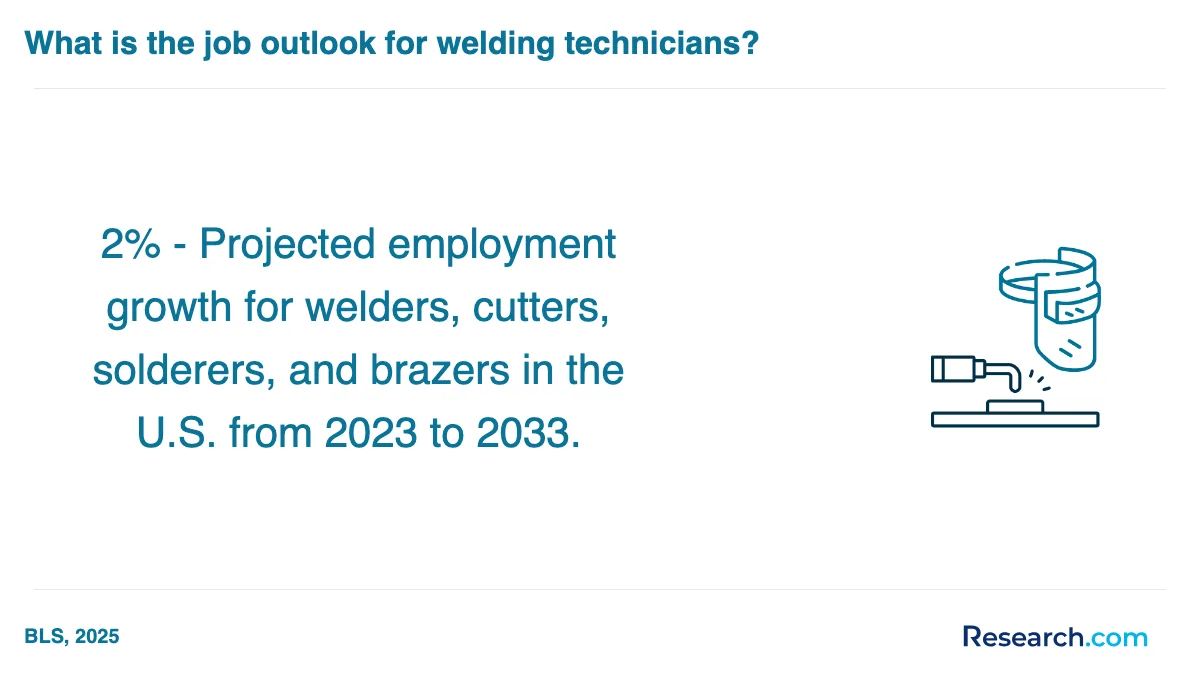
The welding job outlook in Ohio shows mixed signals for graduates of welder trade schools. While the state offers an average hourly wage of about $21.16, this positions Ohio 50th nationally, which indicates relatively lower compensation compared to other regions. Graduates from popular Ohio trade schools often share that entry-level roles provide stable income but emphasize the importance of further certifications and skill advancements to increase earning potential.
Employment trends in the state also reflect a shrinking market: welding, soldering, and brazing machine operators are projected to decline by 7% between 2022 and 2032. However, this trend is tempered by consistent annual openings created by retirements and career shifts within the industry, which graduates frequently note as opportunities to gain valuable experience.
For example, graduates entering roles at manufacturing facilities or fabrication shops near major Ohio cities report that adapting to evolving technologies improves job security. Many recommend seeking ongoing training and relocating if possible. Some have found success by pursuing high-demand specializations. For those weighing career choices, exploring best paying easy to learn trades alongside welding can also be beneficial.
Best Welding Training Programs & Trade Schools - Top Welding Schools in Ohio for 2026
# 1 position
EHOVE Career Center - Welding Technology/Welder.
certificate or diplomaThe EHOVE Career Center offers a hybrid Welding Technology/Welder program designed to teach technical skills for joining and cutting metal surfaces. Instruction covers arc and resistance welding, brazing, soldering, high-energy beam welding, and cutting. The curriculum also includes welding metallurgy, heat treating, structural design, safety, and relevant codes and standards. This program is accredited by the Council on Occupational Education.
# 2 position
Ashland County-West Holmes Career Center - Welding Technology/Welder.
certificate or diplomaThe Welding Technology/Welder program at Ashland County-West Holmes Career Center prepares students to apply technical skills in welding and metal cutting. The hybrid program covers arc welding, resistance welding, brazing, soldering, high-energy beam welding, solid state welding, and related safety and design standards. Instruction includes materials science, welding metallurgy, and applicable codes. The program is accredited by the Council on Occupational Education.
# 3 position
Washington County Career Center-Adult Technical Training - Welding Technology/Welder.
certificate or diplomaThe Welding Technology/Welder program at Washington County Career Center-Adult Technical Training offers a hybrid format with some distance education options. It prepares students with technical skills in arc welding, resistance welding, brazing, soldering, cutting, and related processes. The curriculum includes welding metallurgy, safety, structural design, and applicable codes. The program is accredited by the Accrediting Commission of Career Schools and Colleges.
# 4 position
ETI Technical College - Welding Technology/Welder.
certificate or diplomaThe Welding Technology/Welder program at ETI Technical College offers hybrid learning with some distance-education options. The curriculum covers arc welding, resistance welding, brazing, soldering, cutting, and welding metallurgy, among other technical skills. The annual in-state tuition is $11,060. Graduates earn a median income of $27,290 one year after completion. The program is accredited by the Accrediting Commission of Career Schools and Colleges.
# 5 position
Scioto County Career Technical Center - Welding Technology/Welder.
certificate or diplomaThe Welding Technology/Welder program at Scioto County Career Technical Center prepares students to apply technical skills in welding and metal cutting. Instruction covers arc welding, resistance welding, brazing, soldering, high-energy beam welding, solid state welding, and welding metallurgy. The program includes training in structural design, safety, and relevant codes and standards. It is offered in a hybrid format and accredited by the Council on Occupational Education.
# 6 position
Fortis College-Cuyahoga Falls - Welding Technology/Welder.
certificate or diplomaThe Welding Technology/Welder program at Fortis College-Cuyahoga Falls offers hybrid learning with some distance education. It prepares students to apply technical skills in arc welding, resistance welding, brazing, cutting, and other welding processes. The curriculum covers welding metallurgy, safety, structural design, and relevant codes. Annual in-state tuition is $14,050, and median earnings one year after completion reach $39,990. The program is accredited by the Accrediting Commission of Career Schools and Colleges.
# 7 position
Hobart Institute of Welding Technology - Welding Technology/Welder.
certificate or diplomaThe Hobart Institute of Welding Technology offers a hybrid Welding Technology/Welder program that prepares students to apply technical skills in various welding methods, including arc, resistance, and high-energy beam welding. The curriculum covers metallurgy, structural design, safety, and relevant codes. Graduates earn median annual wages of $45,370 one year after completion. The program is accredited by the Accrediting Commission of Career Schools and Colleges.
# 8 position
Pickaway Ross Joint Vocational School District - Welding Technology/Welder.
certificate or diplomaPickaway Ross Joint Vocational School District offers a Welding Technology/Welder program with a hybrid format, including some distance-education options. The program prepares students to apply technical skills in various welding processes such as arc welding, resistance welding, brazing, and soldering. Instruction covers welding metallurgy, structural design, safety, and relevant codes and standards. The program is accredited by the Council on Occupational Education.
# 9 position
Mahoning County Career and Technical Center - Welding Technology/Welder.
certificate or diplomaThe Welding Technology/Welder program at Mahoning County Career and Technical Center offers hybrid learning with some distance-education options. It prepares students to apply technical knowledge in welding and cutting metal surfaces. The curriculum covers arc welding, resistance welding, brazing, soldering, high-energy beam welding, metallurgy, structural design, safety, and relevant codes. The program is accredited by the Accrediting Commission of Career Schools and Colleges.
# 10 position
Butler Technology and Career Development Schools - Welding Technology/Welder.
certificate or diplomaButler Technology and Career Development Schools offers a Welding Technology/Welder program with a hybrid format, including some distance education. The curriculum covers arc welding, resistance welding, brazing, soldering, cutting, and high-energy beam welding. Students learn about welding metallurgy, processes, safety, structural design, and relevant codes. Graduates earn median annual wages of $42,625 one year after completion. The program is accredited by the Council on Occupational Education.
Frequently Asked Questions about welder
After completing a welder trade school in Ohio, preparing for the job market involves several key steps. First, obtaining industry-recognized certifications, such as those from the American Welding Society (AWS), is crucial. These certifications can significantly improve job prospects and earning potential. According to the Ohio Department of Job and Family Services, welding jobs in Ohio are projected to grow by 7% through 2030, reflecting steady demand.
Networking is also important. Connecting with local unions, trade organizations, and employers can open doors to apprenticeships and job opportunities. Many Ohio trade schools offer career services that help graduates with resume writing, interview preparation, and job placement.
Finally, staying current with new welding technologies and safety standards will enhance employability in a competitive market.
Employers in Ohio seek welder trade school graduates who demonstrate strong technical skills and safety awareness. Proficiency in various welding techniques-such as MIG, TIG, and stick welding-is essential. According to the Ohio Department of Job and Family Services, welders with versatile skills tend to have better job prospects in the state's manufacturing and construction sectors.
Attention to detail and the ability to read blueprints accurately are also highly valued. These skills ensure welders produce precise and structurally sound work. Additionally, employers favor candidates who understand workplace safety regulations, including OSHA standards, to reduce accidents and maintain compliance.
Soft skills like teamwork and communication are important as well because welders often collaborate with other tradespeople on job sites. Data from the U.S. Bureau of Labor Statistics highlights that Ohio welders earning certifications have a competitive edge in the job market.
Finding internships relevant to welder trade school programs in Ohio involves multiple approaches. Start by contacting the career services office of your trade school, as many maintain partnerships with local manufacturers and construction firms. According to the Ohio Department of Job and Family Services, the manufacturing sector is one of the state's largest employers of welders, offering numerous internship opportunities.
Additionally, explore Ohio's Workforce Development Boards, which often provide listings of apprenticeship and internship openings. Websites like OhioMeansJobs.com also feature updated welding internship postings. Networking through industry associations, such as the American Welding Society's local chapters, can further connect students to hands-on experiences.
Proactively reaching out to companies specializing in metal fabrication or infrastructure projects in Ohio's urban centers, including Columbus and Cleveland, can increase internship chances. Many programs require or encourage internships to enhance practical skills and employability after graduation.
In Ohio, earning a welder trade school diploma significantly enhances career mobility and advancement opportunities. According to the Ohio Department of Job and Family Services, welders with formal training typically earn 15-25% more than those without credentials. This diploma validates essential skills and knowledge, making graduates more competitive in the job market.
Employers in Ohio's manufacturing and construction sectors often prioritize candidates with accredited welding diplomas, as these programs meet industry standards and safety regulations. Additionally, certified welders have better access to advanced roles such as welding inspectors or supervisors.
Trade school diplomas also facilitate access to professional certifications like AWS (American Welding Society), which further boost employment prospects and earning potential within Ohio's robust industrial economy.
Students attending welder trade schools in Ohio can benefit from part-time jobs that build practical skills and industry knowledge. Common opportunities include working as welding assistants, metal fabricators, or maintenance helpers in manufacturing plants. These roles often provide hands-on experience with welding equipment and safety protocols, reinforcing classroom learning.
Ohio's manufacturing sector employs over 600,000 people, with welding jobs projected to grow by 7% through 2030 according to the U.S. Bureau of Labor Statistics. Part-time roles in construction sites and automotive repair shops also offer relevant experience. Such jobs help students develop technical skills and professional connections within the local industry, enhancing their career prospects after graduation.
To choose the best welder degree program near me in Ohio, start by identifying accredited vocational schools and community colleges known for strong welding programs. Many programs offer both theoretical courses and hands-on training, which are crucial for developing the necessary skills for a welding career. Research.com is a helpful resource to explore top-ranking welding programs near Ohio to ensure the program you select aligns with your career goals.
- Best Welding Training Programs & Trade Schools - Top Welding Schools in Indiana for 2026
- Best Welding Training Programs & Trade Schools - Top Welding Schools in Kentucky for 2026
- Best Welding Training Programs & Trade Schools - Top Welding Schools in West Virginia for 2026
- Best Welding Training Programs & Trade Schools - Top Welding Schools in Pennsylvania for 2026
- Best Welding Training Programs & Trade Schools - Top Welding Schools in Michigan for 2026
- Best Welding Training Programs & Trade Schools - Top Welding Schools in Illinois for 2026
- Best Welding Training Programs & Trade Schools - Top Welding Schools in Virginia for 2026
- Best Welding Training Programs & Trade Schools - Top Welding Schools in South Carolina for 2026
- Best Welding Training Programs & Trade Schools - Top Welding Schools in Wisconsin for 2026
- Best Welding Training Programs & Trade Schools - Top Welding Schools in Mississippi for 2026
- Welding & Fabrication Technology - Ohio Technical College http://www.ohiotech.edu/programs/welding-fabrication-technology/
- Best Welding Schools - Elite Welding Academy https://eliteweldingacademy.com/
- Welding School & Welding Classes | Portage Lakes Career Center https://plcc.edu/adult-education/full-time/welding/
- How to Become a Welder in Ohio | Top Trade Schools https://toptradeschools.com/near-you/welder/ohio/
- Skilled Trades | Columbus State Community College https://www.cscc.edu/academics/departments/skilled-trades/
- Welding certificate | Stark State College | welding school in Ohio https://www.starkstate.edu/academics/programs/weldingcertificate/
- Combination Welding Training with NCST in East Liverpool, OH https://www.ncstrades.edu/east-liverpool-programs/combination-welding/
- Welding Certificate https://www.hocking.edu/welding
- Welding - Lorain County Community College https://www.lorainccc.edu/engineering/welding/
- Welder I Salary in Ohio (August 01, 2025) | Salary.com https://www.salary.com/research/salary/benchmark/welder-i-salary/oh