Best Welding Training Programs & Trade Schools - Top Welding Schools in Wisconsin for 2026

Co-Founder and Chief Data Scientist
Looking to start a rewarding career in welding? Choosing the right trade school in Wisconsin can make all the difference in your success. This article introduces a welder trade school programs ranking created by the Research.com team of data scientists to help you find the best options available.
By exploring these top programs, you’ll gain valuable insights into quality education and training opportunities. Earning a diploma or certification opens doors to stable jobs and personal growth. Dive in and discover the path that fits your goals and passion for welding.
Key benefits of finishing welder trade school in Wisconsin
- Welder trade school graduates in Wisconsin can expect starting salaries around $22.47 to $23.60 per hour, with opportunities to earn up to $56,013 annually as they gain experience and certifications.
- Graduates from popular schools like Northeast Wisconsin Technical College often pursue diverse careers, including Journeyman Welder, Welding Inspector, or Welding Manager, offering clear paths for growth and specialization.
- Completing a welder trade school online, as reported by successful students from Waukesha County Technical College, provides flexible learning schedules and quicker entry into the workforce compared to traditional degrees, making it easier to balance life and education.
- Best Welding Training Programs & Trade Schools - Top Welding Schools in Wisconsin for 2026
- What can I expect from welder trade schools in Wisconsin?
- Where can I work after finishing welder trade schools in Wisconsin?
What can I expect from welder trade schools in Wisconsin?
When you enroll in a welder trade school program in Wisconsin, expect a mix of hands-on training and solid theory. Graduates from schools like Blackhawk Technical College often share how they quickly gained confidence using industry-standard welding techniques such as shielded metal arc welding (SMAW) and gas tungsten arc welding (GTAW). The balance between classroom learning and practical work on metals like aluminum and stainless steel makes the experience engaging and relevant.
Many students appreciate the flexible start times in August or January, with options to attend classes in person or switch to online when life gets busy. Safety is a constant theme, so you'll learn to handle equipment responsibly, which builds real-world readiness.
Beyond welding skills, expect to develop employability traits like teamwork and communication. Graduates often mention how career services and apprenticeship opportunities in Wisconsin helped them land jobs in manufacturing or construction quickly after finishing their programs.
Where can I work after finishing welder trade schools in Wisconsin?
After finishing a welder trade school program in Wisconsin, many graduates find themselves quickly employed as entry-level welders or fabricators. Popular trade schools in the state equip students with hands-on skills like blueprint reading and operating MIG or TIG welding equipment, which employers highly value. Graduates often start in roles such as welding trainee or brazer, gaining real-world experience in metal fabrication shops or machinery manufacturing plants around cities like Milwaukee and Green Bay.
Several alumni shared how they secured positions in manufacturing sectors producing agricultural equipment or construction materials, areas where Wisconsin has a strong demand for skilled welders. Others found work with construction companies or maintenance departments in large facilities, appreciating the steady shifts and overtime options.
As experience grows, career paths open up to supervisory or lead fabricator roles. Some graduates even pursue additional certification to become welding inspectors or engineers, roles that offer higher pay and responsibility. The variety of opportunities makes welding a promising career choice for those completing trade school in Wisconsin.
After finishing a welder trade school program in Wisconsin, many graduates report starting wages between $18.94 and $25.00 per hour. For example, students from well-known schools in Milwaukee and Madison often share how stepping into their first job felt rewarding-not just because of the paycheck but the confidence in their skills. Earning around $44,600 annually at entry-level is common, which helps cover living expenses while gaining valuable experience.
As you grow your skills, especially if you pursue certifications or specialize, your income can increase significantly. Journeyman welders in Wisconsin typically earn about $56,000 a year, with some making up to $71,000. Graduates who move into roles like Welding Manager or Certified Welding Inspector often see hourly rates climb above $42, particularly in larger cities like Milwaukee.
Many graduates mention how the combination of hands-on learning at trade schools and Wisconsin's manufacturing hubs opens doors to steady, well-paid jobs that grow with experience and dedication.
- Most welder trade school programs in Wisconsin require a high school diploma, GED, or HSED, with some schools accepting students with 30 college credits and a minimum 2.0 GPA from one institution.
- Technical diploma programs typically require about 32 credits and can be completed in one year, while apprenticeship programs may last up to two years combining classroom and on-the-job training.
- State certification is mandatory for structural welders working in commercial and industrial projects, requiring passing a welding test based on AWS D1.1 standards.
- Tuition for a one-year technical diploma ranges from $4,000 to $6,000 for in-state students, excluding books, fees, and equipment; financial aid and workforce grants may be available.
- Entry-level welders in Wisconsin earn between $38,000 and $45,000 annually, with experienced welders and those with advanced certifications making $55,000 to $60,000 or more depending on industry and location.
Completing a welder trade school program in Wisconsin typically takes anywhere from 6 months to 1 year, depending on the depth of training and whether you attend full-time or part-time. Many graduates from well-known Wisconsin schools share how their intensive hands-on classes, combined with theory, helped them gain confidence quickly and step into welding jobs sooner than expected.
For example, students at popular trade schools in Milwaukee or Green Bay often describe their schedules as packed but rewarding, with real-world welding projects that simulate actual worksite conditions. This practical approach means you're not just learning from textbooks but actively practicing welding techniques every day, which speeds up the learning curve.
Some students choose accelerated programs that wrap up in as little as 6 months, allowing them to start earning quickly. Others prefer extended schedules around their current jobs, taking closer to a year but enjoying more flexibility. Either way, the sense of accomplishment when finishing these programs is a common feeling shared by many who found their skills and confidence growing steadily throughout their time at Wisconsin's trade schools.
The main difference between online and on-campus welder trade school programs in Wisconsin comes down to how you get hands-on experience. Graduates from on-campus programs at schools like Northeast Wisconsin Technical College often talk about the value of working directly with welding booths and real equipment. This in-person practice helps build confidence and muscle memory, which is crucial for mastering welding techniques and safety standards.
In contrast, students in online programs, such as the University of Wisconsin-Whitewater's Welding Technician course, appreciate the flexibility of studying at their own pace. They engage with virtual labs that simulate welding processes, which is convenient but can't fully capture the feel of handling metal or the heat of the torch. Many find this limits readiness for certification exams and real-world jobs.
Some Wisconsin schools offer hybrid options, combining online theory with scheduled in-person labs. Graduates often say this balance helps them manage busy lives while still gaining essential hands-on skills.
The average tuition fees for welding programs in Wisconsin vary depending on the type of credential pursued. Certificate programs often cost between $1,000 and $5,000, making them a popular choice for students seeking a quicker path into the trade. Associate degree programs are typically priced higher, ranging from $5,000 to $15,000, reflecting the more comprehensive training involved. Students who have recently graduated from well-known Wisconsin trade schools often mention how these costs felt manageable compared to their expectations, especially when considering the quality of instruction and hands-on experience provided.
For example, a graduate from Northcentral Technical College shared that the in-state tuition rate, approximately $149.50 per credit for the Welding Technical Diploma, resulted in total tuition near $4,844. This aligns well with average tuition fees for welding programs in Wisconsin, offering a clear budget framework for prospective students. However, understanding total expenses for welding trade schools in Wisconsin means also accounting for books, study materials, and essential welding gear like helmets and gloves, which can add several hundred dollars annually.
Financial aid and scholarships play a significant role in reducing the overall cost. Many students have benefited from Pell Grants, state-specific grants like the Wisconsin Grant for Technical Colleges, and scholarships based on merit or financial need. Exploring all financial aid options can truly lighten the financial load. For those considering alternative pathways, you might also explore accredited online certificate programs, which sometimes offer more flexible and affordable solutions tailored to different lifestyles.

When you enroll in a welder trade school in Wisconsin, such as Northwood Technical College or Northeast Wisconsin Technical College, you'll find several financial aid options designed to ease the cost. Many graduates share how federal aid, accessed through the FAFSA, was a game-changer-grants like the Federal Pell Grant don't require repayment, which lifted a huge weight off their shoulders during training.
State programs also play a big role. For example, the Wisconsin Grant supports residents attending eligible technical colleges, and scholarships like the Wisconsin Technical Excellence Scholarship often reward hardworking students. One graduate recalled how this state aid covered much of their tuition, allowing them to focus fully on mastering welding skills.
Specialized grants, like the Worker Advancement Initiative at Northwood Technical College, provide extra help if you've faced job disruptions. Plus, if you're a veteran or military dependent, GI Bill® benefits and the Wisconsin G.I. Bill offer valuable support, making the path to certification more affordable.
Keep in mind, though, apprenticeships typically don't qualify for federal aid since you earn wages while training. Talking with your school's financial aid office early on can open doors to college-specific scholarships and awards that many students have found essential in their success.
To enroll in a welder trade school program in Wisconsin, you typically need to meet some straightforward prerequisites that ensure you're ready to dive into hands-on training. Most schools expect you to have a high school diploma or a GED. This basic education foundation helps you grasp essential math and reading skills needed for welding-like measuring materials or understanding blueprints.
Many graduates from well-known Wisconsin trade schools share how having a solid grasp of basic algebra made following welding instructions much easier and boosted their confidence from day one.
Some programs may also require you to pass a welding aptitude test or a basic skills assessment. This helps instructors identify your starting skill level so they can tailor the training effectively. Don't worry-these tests are designed to highlight your potential, not to discourage you.
Other common prerequisites include:
- Being at least 18 years old or having a legal guardian's consent if younger
- Physical fitness to handle the demands of welding work, such as standing for long periods and lifting equipment
- Basic safety awareness, since welding involves handling heat and tools
Graduates often recall how meeting these prerequisites gave them a clear, confident start. For example, a student at a popular Milwaukee trade school found that passing the initial skills test made her feel ready and excited to learn advanced techniques. This early preparation sets you up for success in a rewarding welding career right here in Wisconsin.
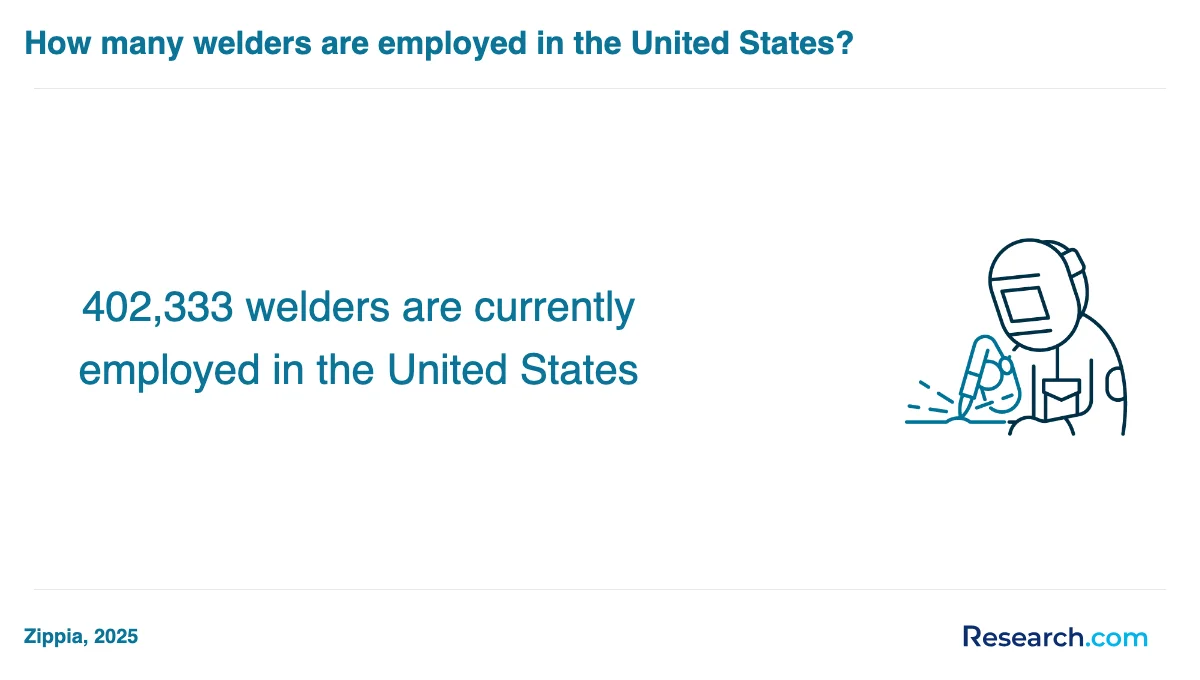
Welder trade school programs in Wisconsin typically cover a comprehensive set of courses designed to build both practical skills and technical knowledge. Graduates from popular schools like Blackhawk Technical College often recall how core welding techniques became second nature through hands-on training in:
- Shielded Metal Arc Welding (SMAW)
- Gas Metal Arc Welding (GMAW)
- Flux-Cored Arc Welding (FCAW)
- Gas Tungsten Arc Welding (GTAW)
These courses teach students how to expertly handle welding equipment and choose the right materials for various projects. Many students appreciate adding advanced skills such as oxyacetylene welding, plasma arc cutting, and even robotic welding, which keep them competitive in today's job market.
In addition, Wisconsin trade schools emphasize essential theory classes like welding metallurgy, blueprint reading, and welding symbols, helping students confidently interpret technical drawings on the job. One graduate shared how mastering welding shop safety early on made all the difference in feeling secure and prepared during intense lab sessions.
Many programs also include math tailored for welders, focusing on measurements and calculations vital for accurate fabrication. This well-rounded approach ensures that when you step into the workforce, you're ready to tackle real-world welding challenges with confidence.
Welder trade school programs in Wisconsin offer a wide range of specializations that prepare students for hands-on, well-paying careers. Graduates from schools like the Lynde & Harry Bradley Technology and Trade School and Madison Area Technical College often highlight their training in core welding processes such as Shielded Metal Arc Welding (SMAW), Gas Metal Arc Welding (GMAW), Gas Tungsten Arc Welding (GTAW), and Flux Cored Arc Welding (FCAW). These are essential skills that apply across many industries.
Many students also gain focused experience in specialized areas like
- Welding Fabrication
- Welding Inspection
- Shipbuilding Welding
- Welder-Fabricator Apprenticeships
This variety allows graduates to pursue roles ranging from structural welders to pipe welders or welder/fabricators. Many share that hands-on projects in these categories boosted their confidence and job readiness. The Wisconsin Technical College System's diverse campus offerings let students tailor their education to local industry needs. For those seeking flexible options, there are also affordable online welding courses that can complement on-campus training, which many students find helpful for balancing work and study.
Choosing the best welding programs in Wisconsin means focusing on factors that truly shape your experience and future career. Graduates from schools like Milwaukee Area Technical College praise the flexibility of accelerated programs that let them start working faster, while those at Nicolet College highlight the advantage of smaller class sizes and personalized instruction. When you weigh how to compare welder schools in Wisconsin, consider program accreditation and reputation-these guarantee your training meets industry standards and employers' expectations.
Look closely at schools with strong local industry connections. Many students find success through internships or apprenticeships arranged by colleges with established employer partnerships. Also, think about cost and location; some public technical colleges offer affordable tuition and excellent financial aid options. For those balancing work and study, exploring options like cheap maintenance technician training online can provide additional flexibility.
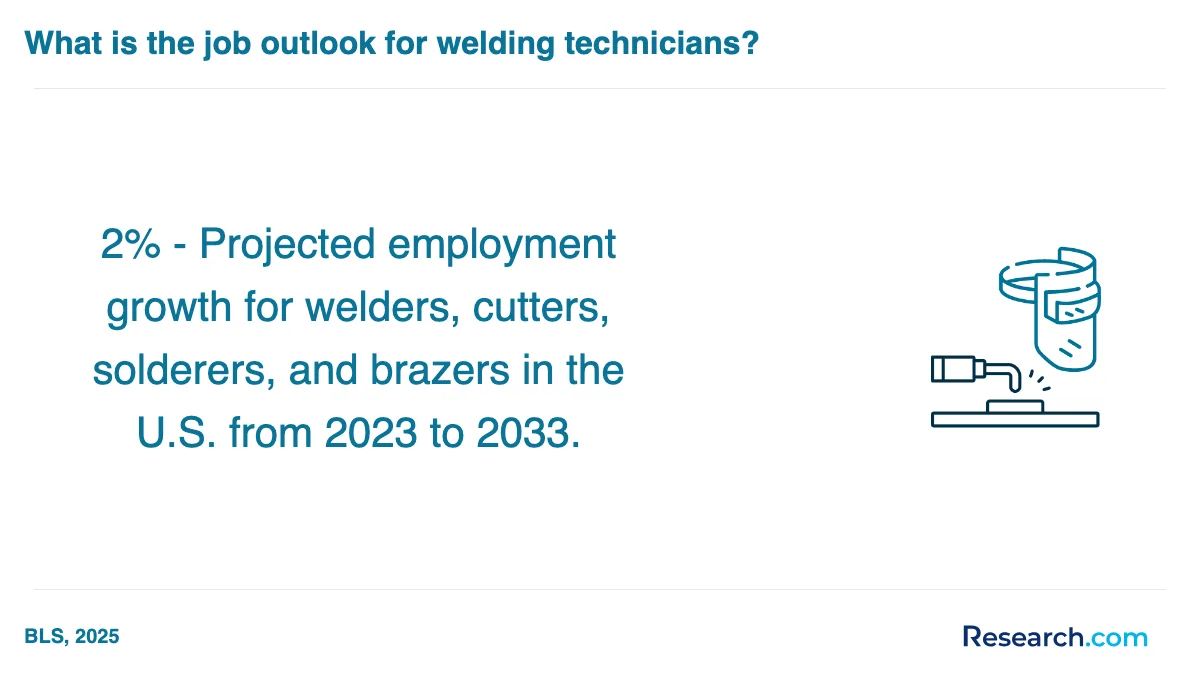
Graduates of welder trade school programs in Wisconsin step into a variety of rewarding welding career opportunities in Wisconsin, tailored to different skill levels and interests. Many start as welders or structural welders, gaining hands-on experience joining metals in manufacturing plants or construction sites. For example, graduates of Moraine Park Technical College's Welding Boot Camp quickly find roles in automotive manufacturing or shipbuilding, where steady demand supports a reliable income.
As you grow your skills, you can advance to roles like welding supervisor or welder fitter, overseeing projects and training newcomers. Specialized paths such as pipe welding, metal fabrication, and robotic welding open doors to higher wages and cutting-edge technology environments. These positions often pay more than the average median wage of $41,872 per year.
Many graduates appreciate the flexibility to work in manufacturing, aerospace, or even in traveling roles supporting infrastructure projects statewide. The opportunity to progress and specialize makes welding jobs in Wisconsin for trade school graduates a solid long-term career choice. If you're wondering is trade school the same as vocational school, understanding this can help you plan your educational path effectively.
The welder job outlook in Wisconsin for trade school graduates is steady and promising, though the pace of hiring is moderate. Graduates from popular Wisconsin trade schools often find entry-level roles with competitive wages around $22.47 per hour, and many appreciate the chance to build skills on the job. The Wisconsin welding workforce demand is supported by a projected 9% growth in welder jobs through 2032, with nearly 19,000 employed today and growing to over 20,600 in a decade.
Successful grads share that:
- Hands-on training in school prepares them for immediate employment.
- Flexibility in relocation within Wisconsin or specialization opportunities increases job prospects.
- Demand remains stable in manufacturing and construction sectors.
While salaries start below the national median, experienced welders often earn more, reflecting career advancement opportunities. For those weighing their options, understanding the value of vocational training is key to long-term success.
Best Welding Training Programs & Trade Schools - Top Welding Schools in Wisconsin for 2026
# 1 position
Fox Valley Technical College - Welding Technology/Welder.
associateFox Valley Technical College offers a Welding Technology/Welder program with a hybrid format, including some distance-education options. The program trains students in various welding techniques such as arc welding, resistance welding, brazing, soldering, and high-energy beam welding. It covers welding metallurgy, structural design, safety, and applicable codes. Annual in-state tuition is $4,916, and median earnings one year after completion are $53,507. The program is accredited by the Higher Learning Commission.
# 2 position
Fox Valley Technical College - Welding Technology/Welder.
certificate or diplomaFox Valley Technical College offers a Welding Technology/Welder program with a hybrid format that includes some distance education. The program covers arc welding, resistance welding, brazing, soldering, high-energy beam techniques, metallurgy, structural design, safety, and relevant codes. Annual in-state tuition is $4,916. Graduates typically earn a median income of $53,507 one year after completion. The program is accredited by the Higher Learning Commission.
# 3 position
Lakeshore Technical College - Welding Technology/Welder.
certificate or diplomaLakeshore Technical College offers a fully online Welding Technology/Welder program that prepares students to apply technical skills in various welding methods, including arc welding, brazing, and high-energy beam welding. The curriculum covers materials, metallurgy, safety, and industry codes. Annual in-state tuition is $4,649. Graduates have median earnings of $48,619 one year after completion. The program is accredited by the Higher Learning Commission.
# 4 position
Waukesha County Technical College - Welding Technology/Welder.
certificate or diplomaThe Welding Technology/Welder program at Waukesha County Technical College offers a hybrid format with some distance education options. The program prepares students to work with various welding techniques including arc welding, resistance welding, and brazing. Tuition for in-state students is $4,720 annually. Graduates have median earnings of $43,380 one year after completion. The program is accredited by the Higher Learning Commission.
# 5 position
Northwood Technical College - Welding Technology/Welder.
certificate or diplomaNorthwood Technical College offers a fully online Welding Technology/Welder program that prepares students to apply technical skills in welding and metal cutting. The curriculum includes arc welding, resistance welding, brazing, soldering, and high-energy beam welding, along with metallurgy, safety, and structural design. The program is accredited by the Higher Learning Commission. Annual in-state tuition is $4,524, and median earnings one year after completion are $42,282.
# 6 position
Chippewa Valley Technical College - Welding Technology/Welder.
certificate or diplomaChippewa Valley Technical College offers a Welding Technology/Welder program that combines hybrid learning with some distance-education options. The program prepares students to work with various welding techniques including arc welding, resistance welding, brazing, soldering, and high-energy beam welding. Instruction covers materials, metallurgy, safety, and industry standards. Annual in-state tuition is $4,724, and median earnings one year after completion reach $48,638. The program is accredited by the Higher Learning Commission.
# 7 position
Moraine Park Technical College - Welding Technology/Welder.
certificate or diplomaMoraine Park Technical College offers a Welding Technology/Welder program with a hybrid format, including some distance-education options. The program prepares students to apply technical skills in various welding methods such as arc welding, resistance welding, and brazing. Tuition for in-state students is $4,713 annually. Graduates earn a median income of $41,073 one year after completion. The program is accredited by the Higher Learning Commission.
# 8 position
Northcentral Technical College - Welding Technology/Welder.
associateNorthcentral Technical College offers a Hybrid Welding Technology/Welder program that prepares students to apply technical skills in various welding methods, including arc welding, resistance welding, brazing, soldering, and high-energy beam welding. The curriculum covers welding metallurgy, structural design, safety, and relevant codes. Annual in-state tuition is $3,861. Graduates earn a median salary of $47,718 one year after completion. The program is accredited by the Higher Learning Commission.
# 9 position
Northcentral Technical College - Welding Technology/Welder.
certificate or diplomaThe Welding Technology/Welder program at Northcentral Technical College offers a hybrid format with some distance-education options. The program prepares students to apply technical skills in various welding methods, including arc welding, resistance welding, and brazing. It covers welding metallurgy, safety, structural design, and industry standards. Annual in-state tuition is $3,861. Graduates earn a median salary of $47,718 one year after completion. The program is accredited by the Higher Learning Commission.
# 10 position
Northeast Wisconsin Technical College - Welding Technology/Welder.
certificate or diplomaNortheast Wisconsin Technical College offers a Welding Technology/Welder program with a hybrid format, combining in-person and distance education. The program costs $4,904 annually for in-state students. Graduates earn a median salary of $41,421 one year after completion. The curriculum covers arc welding, resistance welding, brazing, soldering, and welding metallurgy, among other technical skills. The program is accredited by the Higher Learning Commission.
Frequently Asked Questions about welder
After completing a welder trade school in Wisconsin, preparing for the job market involves several key steps. First, obtaining industry-recognized certifications, such as those from the American Welding Society (AWS), significantly improves employment prospects. Wisconsin employers often seek welders with certified skills due to the state's strong manufacturing sector.
Networking is also important. Joining local trade unions or industry groups can connect graduates with job openings. According to the Wisconsin Department of Workforce Development, welding jobs are expected to grow by 6% through 2030, emphasizing steady demand.
Additionally, building a professional resume highlighting hands-on training and any internships gained during schooling helps attract employers.
Employers in Wisconsin seek welder trade school graduates with strong technical skills and practical experience. Proficiency in various welding techniques, such as MIG, TIG, and stick welding, is essential. According to the Wisconsin Department of Workforce Development, knowledge of blueprint reading and welding symbols is also highly valued, as it ensures accurate project execution.
Attention to safety standards is critical, given the physical risks in welding jobs. Graduates must demonstrate familiarity with Occupational Safety and Health Administration (OSHA) regulations. Additionally, employers prefer candidates who show problem-solving abilities and effective communication skills to work well in team environments. These competencies improve job performance and career advancement in Wisconsin's manufacturing and construction sectors.
Finding internships relevant to welder trade school programs in Wisconsin involves several practical steps. Start by contacting local welding employers, such as manufacturing plants and construction companies, which often seek skilled interns. The Wisconsin Department of Workforce Development provides resources and job listings that can help locate apprenticeship and internship opportunities in welding.
Many trade schools in Wisconsin have established partnerships with area businesses to facilitate internships. Students should inquire directly with their school's career services or apprenticeship office for leads.
Additionally, the American Welding Society's Wisconsin Chapter offers networking events and job boards specific to welding careers, which can be valuable for internship hunting.
According to recent state labor statistics, welding internships in Wisconsin are increasingly available in sectors like manufacturing and transportation, reflecting industry growth.
Obtaining a welder trade school diploma in Wisconsin can significantly enhance career mobility and advancement opportunities. According to the Wisconsin Department of Workforce Development, welders with formal training are more likely to secure higher-paying jobs and promotions compared to those without credentials. The diploma demonstrates practical skills and safety knowledge sought by employers in manufacturing, construction, and repair sectors.
Graduates often qualify for certifications like the AWS Certified Welder, which further boosts employability. The state's strong industrial base means certified welders experience steady demand, with an average hourly wage of $20.50 in 2023, higher than the national average. This credential can open pathways to supervisory roles or specialized welding fields.
Part-time job opportunities in Wisconsin that complement welder trade school education often include entry-level positions in manufacturing, construction, and metal fabrication. These roles provide practical experience and help students apply classroom knowledge in real-world environments. According to the U.S. Bureau of Labor Statistics (BLS), Wisconsin's manufacturing sector employs a significant number of welders, making it a strong market for part-time work in shops and factories.
Students may find roles such as welding assistants, machine operators, or maintenance helpers. These jobs build essential skills like reading blueprints and operating welding equipment. Additionally, some employers offer flexible schedules to accommodate class hours.
There are several welder degree programs near Wisconsin that provide comprehensive training and certifications in welding technology. Programs are often available at technical colleges and universities that offer associate degrees or diplomas in welding, equipping students with practical skills and theoretical knowledge. To find the best program near me, Research.com can serve as a helpful resource in identifying institutions with strong welding programs.
- Best Welding Training Programs & Trade Schools - Top Welding Schools in Minnesota for 2026
- Best Welding Training Programs & Trade Schools - Top Welding Schools in Iowa for 2026
- Best Welding Training Programs & Trade Schools - Top Welding Schools in Illinois for 2026
- Best Welding Training Programs & Trade Schools - Top Welding Schools in Michigan for 2026
- Best Welding Training Programs & Trade Schools - Top Welding Schools in Indiana for 2026
- Best Welding Training Programs & Trade Schools - Top Welding Schools in Ohio for 2026
- Best Welding Training Programs & Trade Schools - Top Welding Schools in South Dakota for 2026
- Best Welding Training Programs & Trade Schools - Top Welding Schools in Kentucky for 2026
- Best Welding Training Programs & Trade Schools - Top Welding Schools in North Dakota for 2026
- Best Welding Training Programs & Trade Schools - Top Welding Schools in West Virginia for 2026
- Online Welder Technician from University of Wisconsin, Green Bay https://careertraining.uwgb.edu/training-programs/welding-technician/
- Welding Apprenticeship https://www.wctc.edu/WCTC/Academics/Program-List/Welding
- Welding Technical Diploma | Madison College https://madisoncollege.edu/academics/programs/welding
- Welding Technical Diploma | Northcentral Technical College https://www.ntc.edu/academics-training/programs/all/technical-diploma/welding
- Welding Diploma - 1 Year - Moraine Park Technical College https://www.morainepark.edu/academics/programs/welding/
- Welding | MATC https://www.matc.edu/course-catalog/manufacturing-construction-transportation/welding.html
- How Long Is Welding School? - Welding Career Now https://weldingcareernow.com/articles/how-long-is-welding-school
- Welding Program | Mid-State Technical College https://www.mstc.edu/programs/Welding
- Welding & Fabrication | Western Technical College https://www.westerntc.edu/welding-fabrication
- How Much Do Welders Make? Welding Salary Guide | Goodwin University https://www.goodwin.edu/enews/welder-salary-information/