
Best Welding Training Programs & Trade Schools - Top Welding Schools in Cincinnati for 2026

Co-Founder and Chief Data Scientist
Choosing the right welder trade school in Cincinnati can shape your future career and open doors to rewarding opportunities. This article introduces a carefully crafted welder trade school programs ranking created by the Research.com team of data scientists to guide you in making a well-informed decision.
Discover programs that stand out for quality training, hands-on experience, and strong job prospects. Whether you seek a diploma or certification, this guide highlights options that can help you build valuable skills and confidence for success in the welding industry.
Key benefits of finishing welder trade school in Cincinnati
- Graduates of welder trade schools in Cincinnati can expect an average salary around $48,061 per year, with opportunities to earn more as they gain experience or specialize in areas like MIG or pipeline welding.
- A graduate from a popular Cincinnati trade school often finds diverse career paths, including roles as general welders, MIG specialists, or even supervisors, offering steady growth and job security.
- Completing a welder trade school online provides flexibility and convenience, allowing students to balance work and study, as shown by successful online graduates who quickly enter the workforce without the time and cost of a traditional degree.
- Best Welding Training Programs & Trade Schools - Top Welding Schools in Cincinnati for 2026
- What can I expect from welder trade schools in Cincinnati?
- Where can I work after finishing welder trade schools in Cincinnati?
What can I expect from welder trade schools in Cincinnati?
When you enroll in a welder trade school program in Cincinnati, expect a solid mix of classroom learning and hands-on practice that builds real confidence. Graduates from well-known schools often share how spending over 190 hours in welding labs, working with pipe and structural welds, made them feel truly prepared for actual job sites. You'll dive into key welding methods like SMAW, GMAW, FCAW, and GTAW, plus learn cutting techniques and how to read blueprints-skills that employers value highly.
Safety training is a big part of the experience, including OSHA 10-hour certification and proper use of protective gear, so you'll feel secure and professional from day one. Many students appreciate the chance to do internships or cooperative education with local businesses, which helps turn classroom lessons into real-world success and builds a strong resume.
Programs typically last from a few months up to two years, with flexible class times to fit your schedule, whether day or evening. Tuition ranges around $7,800 to $14,250, reflecting the quality and depth of training you receive in Cincinnati's respected welding schools.
Where can I work after finishing welder trade schools in Cincinnati?
After finishing a welder trade school program in Cincinnati, graduates quickly find themselves in high demand across varied industries. Many local trade schools prepare students with hands-on skills that employers in manufacturing, construction, and metal fabrication actively seek. For example, graduates often land jobs at companies like Enerfab, Inc., working on stainless steel pressure vessels-a real-world setting where welding precision truly matters.
Some graduates share how their training with MIG, TIG, and Stick welding techniques, combined with blueprint reading and assembly skills, helped them secure positions offering union benefits and steady work. Others find rewarding roles in aerospace firms, where welders work on intricate, high-precision components, earning wages that reflect their advanced certifications and expertise.
Many students appreciate the variety of opportunities, from industrial maintenance-where welding merges with electrical and machine repair-to fabrication shops that value craftsmanship. This diversity means Cincinnati trade school grads often enjoy career paths that suit their strengths and ambitions, backed by employers who recognize their solid training and dedication.
After finishing a welder trade school program in Cincinnati, you can expect to start earning an average annual salary of about $48,061 as a Welder I. Many graduates from popular local trade schools share how they began with hourly wages around $21, which quickly gave them the confidence to handle real-world welding jobs. Some even report starting closer to $22.98 per hour, especially those who took extra care to develop fabricator skills during their training.
Graduates often mention how the hands-on experience they gained helped them land roles where overtime pay boosts their income by an additional $6,000 or more annually. For instance, a recent graduate working as a welder/fabricator in Cincinnati earned nearly $50,000 a year, reflecting the value employers place on their expanded skill set.
As you gain experience, your pay can grow to between $22.16 and $32.45 per hour, though Cincinnati's wages generally stay in the mid-range compared to statewide figures. This steady growth makes welding a rewarding path for those completing trade school here.
- Most welder trade school programs in Cincinnati require a high school diploma or GED and students must be at least 18 years old.
- Program lengths vary from a 6-month, 1,000-hour course to associate degrees requiring about 61 credit hours over several semesters.
- Hands-on training makes up about 90% of course time, covering welding processes like Stick, TIG, MIG, and FluxCore, plus safety and blueprint reading.
- The average cost of a welding program is around $21,103, with prices ranging from $15,000 to $22,000 depending on length and materials.
- Entry-level welders earn between $21 and $25 per hour, translating to $43,000 to $52,000 annually before overtime and certifications.
- Many programs offer lifetime job placement assistance and include OSHA 10 safety training and certification opportunities.
In Cincinnati, most welder trade school programs typically take between six months to one year to complete, depending on the specific curriculum and intensity of the training. Many graduates from well-known local schools recall how immersive and hands-on the courses were, allowing them to quickly gain confidence welding real metal pieces just weeks into the program.
One graduate described their experience at a popular Cincinnati trade school where morning classes were followed by afternoon shop sessions, making the learning process fast-paced but highly rewarding. This approach helped them feel ready to enter the workforce sooner than expected, which brought a real sense of accomplishment and excitement about starting their career.
For those balancing work or family, some schools offer flexible schedules or part-time options, extending the program length but still providing a clear timeline for completion. Ultimately, the focused environment in Cincinnati's welder schools makes the learning curve manageable and keeps motivation high throughout the course.
The main difference between online and on-campus welder trade school programs in Cincinnati lies in the hands-on training experience. Graduates from on-campus programs, like those at Fortis, often share how invaluable direct access to industry-grade welding equipment and in-person guidance was. They describe the confidence gained from practicing real welds under expert supervision, which closely mimics actual job environments. This tactile learning, combined with classroom lessons on blueprint reading and safety, helps build both skill and assurance.
Online programs, such as Cincinnati State's Welder Technician course, offer great flexibility. Students appreciate being able to study at their own pace and the convenience of virtual labs that cover essential skills like fire safety and tool identification. However, many online learners find they need to seek additional real-world practice to feel fully prepared for the workforce.
Cost and scheduling also play a role. Online students often save money on commuting and enjoy open enrollment, while on-campus students benefit from structured schedules and recognized certifications that open doors in Cincinnati's welding industry.
When considering the average cost of welder trade school in Cincinnati, tuition fees can vary widely depending on the program's length and depth. Graduates often share that programs like the Elite Welding Academy, which offers an intensive 1,000-hour Structural and Pipe Welding course over 26 weeks, come with a tuition of $18,900 plus additional expenses for books and supplies. This higher investment often results in comprehensive skills highly valued by employers.
On the other hand, options like Cincinnati State Technical and Community College provide a more affordable route, with a Welding Technician course priced at $2,245. Though this online program is shorter and focused on essentials such as metal cutting and safety guidelines, many students appreciate the flexibility and focused approach it offers for those balancing other commitments.
Other trade schools such as Great Oaks Career Campus and Diamond Oaks Career Campus fall in between, with welding program tuition fees in Cincinnati ranging roughly from $8,400 to $10,800. Graduates from these programs often mention the benefit of hands-on training during evening hours, which fits well for those working during the day.
Understanding the average cost helps guide your decision but also consider personal goals and financial options. Many of today's welding professionals emphasize how investing in the right trade school opens doors to becoming certified and accessing some of the highest paying trades. Whether you pursue a longer, immersive program or a shorter, cost-effective one, weighing your budget alongside training quality is key to a rewarding career path.

If you're aiming to train as a welder in Cincinnati, you'll find several financial aid options to ease the cost. Many students attending schools like Elite Welding Academy or Fortis College have shared how completing the FAFSA opened doors to federal grants like the Pell Grant, which doesn't need to be repaid. This grant alone made a huge difference in covering tuition and supplies for them.
Ohio residents can also tap into state aid such as the Ohio College Opportunity Grant, which helps those enrolled in welding certificate programs at accredited Cincinnati trade schools. Graduates often mention how this grant helped reduce their financial stress while focusing on hands-on learning.
Local scholarships are another lifeline. The American Welding Society's Cincinnati Section awards scholarships ranging from $1,000 to $2,500, with some students receiving up to $5,000. Many recipients from Hobart Institute of Welding express gratitude for these funds, which often support specialized areas like welding automation or encourage women in the trade.
Private scholarships through groups like the Greater Cincinnati Foundation also support students at popular schools. Plus, some schools assist with additional loans and institutional scholarships, making the path to certification smoother and more affordable.
Enrolling in a welder trade school program in Cincinnati usually means meeting a few straightforward prerequisites that set you up for success. Most schools expect students to have a high school diploma or GED, ensuring you have basic math and reading skills needed for welding techniques and blueprint reading. Many graduates recall how brushing up on algebra before starting made their training smoother and more enjoyable.
Physical fitness is another key factor-welding often requires standing for long periods and handling heavy equipment. A number of successful students highlight how staying active helped them maintain energy and focus throughout their hands-on sessions.
Some popular Cincinnati trade schools also ask for:
- A valid driver's license or reliable transportation to attend daily classes and shop hours
- A basic understanding of safety regulations, sometimes verified through an orientation or pre-course workshop
- Passing a simple skills assessment or placement test, designed to tailor the program to your level
Graduates often emphasize that meeting these prerequisites not only makes the program feel more manageable but also boosts confidence as you dive into learning real-world welding skills at Cincinnati's top trade schools.

When you enroll in a welder trade school program in Cincinnati, expect to dive right into essential courses that build your skills from the ground up. Graduates from Cincinnati State often recall starting with Fundamentals of Welding, where they got hands-on with equipment while learning safety protocols in real lab environments. Safety isn't just a topic-it's a priority, with programs like Elite Welding Academy emphasizing Welding and Construction Safety and requiring OSHA 10 certification to keep you industry-ready.
Key welding techniques you'll master include:
- Shielded Metal Arc Welding (SMAW)
- Gas Metal Arc Welding (GMAW)
- Flux Cored Arc Welding (FCAW)
- Gas Tungsten Arc Welding (GTAW)
Cutting skills like Oxyfuel Cutting and Plasma Arc Cutting are part of the curriculum, with some schools such as Butler Tech adding Air Carbon Arc Cutting for advanced training. Many graduates highlight the value of courses in blueprint reading and weld design, which teach you to interpret the complex symbols and measurements found in real-world projects.
Plus, expect instruction on weld quality, inspection, and codes, including non-destructive testing methods that ensure your work meets industry standards. Some programs even offer cooperative education or internships, giving you a chance to apply these skills in Cincinnati's local industries before you graduate-an experience many find invaluable when stepping into their careers.
Welder trade school specializations in Cincinnati cover a broad range of essential skills that prepare you for diverse welding careers. Graduates from popular trade schools here often mention how learning techniques like Shielded Metal Arc Welding (SMAW), Gas Metal Arc Welding (GMAW), and Gas Tungsten Arc Welding (GTAW) gave them confident hands-on experience. These core areas are complemented by training in blueprint reading, robotic welding, and welding inspection, which are crucial for real-world applications.
Many students appreciate specializations in safety protocols, such as OSHA regulations and shop safety, ensuring they enter the workforce well-prepared and secure. Key practical skills include plasma arc cutting, brazing, and metal fabrication, making the programs comprehensive.
In Cincinnati, welding program specializations Cincinnati graduates often highlight how combining technical knowledge with career development techniques helped them land good jobs quickly after training. For those wondering what paths lead to success, exploring the easiest trade jobs to study that pay the most can be a helpful next step.
- Shielded Metal Arc Welding (SMAW)
- Gas Metal Arc Welding (GMAW)
- Gas Tungsten Arc Welding (GTAW)
- Robotic Welding
- Blueprint Reading and Layout
- Safety and OSHA Regulations
- Plasma Arc Cutting (PAC)
- Metal Fabrication
When choosing from the best welder trade schools in Cincinnati, focus first on programs with strong accreditation and hands-on training. Graduates from popular local schools often praise the real-world experience gained through practical welding sessions using modern equipment. For example, a well-known Cincinnati program offers a 900-hour schedule that fits evening hours, perfect for those balancing work and studies. Looking into top welding programs in Cincinnati also means considering cost and available financial aid; some schools provide scholarships or loan options which can relieve financial stress and keep your focus on learning.
Many students feel more confident knowing their chosen program prepares them for certifications like those from the American Welding Society and connects them with job placement services. Accessibility matters, too-picking a school close to home reduces commute times, making consistent attendance easier. Exploring options such as affordable maintenance technician training online can also complement your welding education or provide alternative routes in the trade fields.
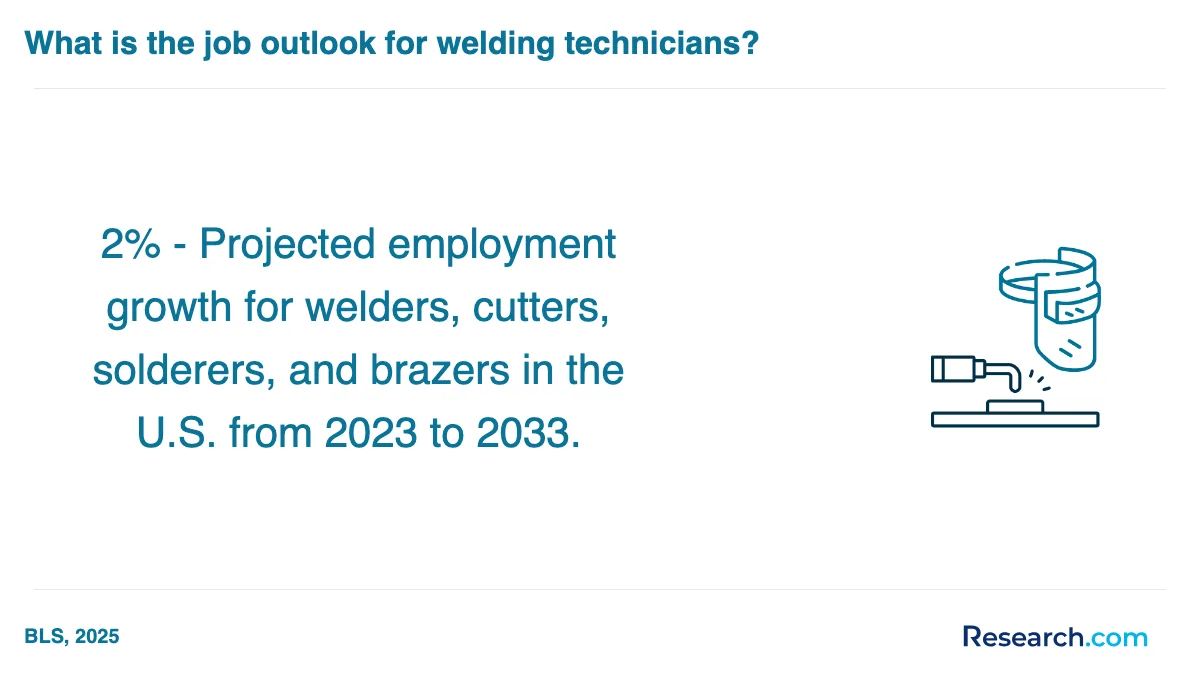
Graduates of Cincinnati's welder trade school programs often find themselves on a path filled with promising opportunities across the city's diverse industries. Many start in welding jobs in Cincinnati Ohio such as fabricator/welder, maintenance technician, or production welder, where hands-on skills like MIG and TIG welding, blueprint reading, and metal assembly come into play daily. These entry-level roles, commonly found in manufacturing, construction, and metal fabrication, help recent grads build confidence and valuable experience.
Some graduates from popular local schools share how gaining proficiency in inspecting welds and grinding opened doors to specialized manufacturing careers for welders in Cincinnati, like pipe welding or structural welding. Others have moved up to lead fabricator or shop supervisor positions, managing teams and workflow on the shop floor.
Part-time welding jobs also attract students or those balancing another job, with roles in automotive repair or pipeline assembly offering flexible hours and hourly wages from $17 to $28. Graduates appreciate how starting at a trade school or vocational program like those offered locally creates a real launchpad for these career paths, especially when combined with the right certifications and hands-on training available through schools focused on welding skills in Cincinnati.
For more detailed info on training options, consider exploring trade school or vocational program choices that will align with your career goals.
The job market for welder trade school graduates in Cincinnati is notably strong, with steady demand fueled by the city's vibrant manufacturing and construction industries. Graduates from popular local trade schools often share how quickly they find employment, reflecting the persistent openings available-typically over 100 at any given time. Employers like Enerfab and General Electric actively seek candidates with hands-on experience in MIG, TIG, and Stick welding, which many Cincinnati programs emphasize.
Many graduates report starting their careers earning $19 to $23 per hour, with opportunities to grow skillsets leading to wages in the $26 to $32 range or higher for experienced fabricators. Common real-world scenarios include working in union shops or specialized fabrication companies, environments praised by alumni for structured learning and benefit packages.
Understanding what is required to become a welder is crucial. Employers highly value the ability to read blueprints and operate machinery, skills graduates build during training. Cincinnati welder job market outlook is especially promising for those willing to pursue certifications and gain practical experience, which paves the way toward supervisory or engineering roles with salaries reaching upward of $75,000. This dynamic environment makes welding an encouraging career path for local students.
Best Welding Training Programs & Trade Schools - Top Welding Schools in Cincinnati for 2026
# 1 position
Elite Welding Academy LLC - Welding Technology/Welder.
certificate or diplomaElite Welding Academy LLC offers a Hybrid Welding Technology/Welder program that equips students with skills in arc welding, resistance welding, brazing, soldering, and cutting. The curriculum covers welding metallurgy, processes, heat treating, structural design, safety, and industry standards. Graduates have a median earning of $38,717 one year after completion. The program is accredited by the Accrediting Council for Continuing Education & Training.
# 2 position
Great Oaks Career Campuses - Welding Technology/Welder.
certificate or diplomaThe Welding Technology/Welder program at Great Oaks Career Campuses offers hybrid learning with some distance-education options. It prepares students to apply technical skills in various welding methods, including arc welding, resistance welding, brazing, and soldering. Instruction also covers welding metallurgy, safety, structural design, and applicable codes. Graduates earn a median salary of $41,277 one year after completion. The program is accredited by the Council on Occupational Education.
# 3 position
Cincinnati State Technical and Community College - Welding Technology/Welder.
associateCincinnati State Technical and Community College offers a Welding Technology/Welder program with a hybrid format, including some distance-education options. The program prepares students with technical skills in various welding methods such as arc welding, resistance welding, brazing, soldering, and high-energy beam welding. Coursework covers welding processes, metallurgy, safety, structural design, and relevant codes and standards. Annual in-state tuition is $5,400. The program is accredited by the Higher Learning Commission.
# 4 position
Cincinnati State Technical and Community College - Welding Technology/Welder.
certificate or diplomaCincinnati State Technical and Community College offers a Welding Technology/Welder program with a hybrid format that includes some distance education. The program prepares students to apply technical knowledge in welding processes such as arc welding, resistance welding, brazing, soldering, and cutting. Instruction covers welding metallurgy, structural design, safety, and relevant codes and standards. Annual in-state tuition is $5,400. The program is accredited by the Higher Learning Commission.
# 5 position
University of Cincinnati-Main Campus - Welding Technology/Welder.
certificate or diplomaThe University of Cincinnati-Main Campus offers a Welding Technology/Welder program in a hybrid format, combining in-person and distance education. This program prepares students with technical skills in various welding methods, including arc welding, resistance welding, brazing, and cutting. Instruction also covers welding metallurgy, safety, structural design, and relevant codes and standards. Annual in-state tuition is $13,570. The program is accredited by the Higher Learning Commission.
# 6 position
Fortis College-Cincinnati - Welding Technology/Welder.
certificate or diplomaThe Welding Technology/Welder program at Fortis College-Cincinnati offers hybrid instruction, combining in-person and distance education. It prepares students to apply technical skills in various welding methods, including arc, resistance, and high-energy beam welding. The curriculum covers welding metallurgy, safety, codes, and structural design. Annual in-state tuition is $14,283. Graduates typically earn a median salary of $31,899 one year after completing the program. The program is accredited by the Accrediting Bureau of Health Education Schools.
Frequently Asked Questions about welder
After completing a welder trade school in Cincinnati, preparing for the job market involves several key steps. First, obtaining industry-recognized certifications, such as those from the American Welding Society (AWS), can significantly improve employment prospects. Cincinnati's manufacturing sector is growing, with welding jobs expected to increase by 6% over the next decade, according to the U.S. Bureau of Labor Statistics.
Networking with local employers and attending job fairs can also help graduates connect with potential employers. Many trade schools in Cincinnati offer job placement assistance, which students should utilize fully. Additionally, building a strong resume that highlights hands-on experience and completed certifications is essential for standing out in this competitive field.
Employers in Cincinnati highly value practical welding skills combined with a strong understanding of safety protocols. According to the U.S. Bureau of Labor Statistics, welders in Ohio, including Cincinnati, must demonstrate proficiency in various welding techniques such as MIG, TIG, and arc welding.
Beyond technical ability, attention to detail is critical, as welders need to produce precise and strong welds to meet industry standards. Communication skills are also important, enabling graduates to understand project requirements and collaborate effectively.
Familiarity with blueprint reading and metallurgy is often requested, allowing welders to interpret designs and select appropriate materials. The Ohio Department of Job and Family Services notes that employers increasingly seek candidates with certification from the American Welding Society, which signals verified expertise.
Finding internships relevant to welder trade school programs in Cincinnati involves several strategic steps. Start by contacting local welding schools, as many maintain partnerships with manufacturing companies and fabrication shops offering internships. The Greater Cincinnati area hosts numerous industrial firms where welding skills are essential, increasing internship opportunities.
Students should also explore job boards like the OhioMeansJobs portal, which lists internships and apprenticeships specific to trades including welding. According to the U.S. Bureau of Labor Statistics, Cincinnati's manufacturing sector employs over 70,000 workers, indicating a strong demand for skilled welders and potential internship openings.
Networking through local trade unions and attending career fairs hosted by Cincinnati State Technical and Community College or similar institutions can provide direct access to employers. Additionally, checking with the American Welding Society's Cincinnati section offers leads on certified programs and internships.
Obtaining a welder trade school diploma in Cincinnati significantly enhances career mobility and advancement opportunities. According to the U.S. Bureau of Labor Statistics, welders in Ohio earn a median annual wage of approximately $45,000, with skilled professionals often commanding higher salaries. Completing a diploma program provides practical skills and recognized certifications valued by local employers in manufacturing, construction, and automotive sectors.
Employers in Cincinnati increasingly prefer candidates with formal training, which can lead to faster promotions and access to specialized welding roles. Additionally, trade school graduates benefit from connections with industry networks and apprenticeship programs, fostering career growth.
Trade diplomas also support social mobility by opening pathways to stable, well-paying jobs without the need for a four-year degree, making them a practical choice for many Cincinnati residents.
Part-time job opportunities in Cincinnati that complement welder trade school education often involve roles in manufacturing, construction, and metal fabrication. Many students find positions as welding assistants or helpers, gaining hands-on experience while attending classes. According to the U.S. Bureau of Labor Statistics, Cincinnati's manufacturing sector employs a significant number of welders, making part-time work feasible in local factories and workshops.
Other options include roles in maintenance or repair within industrial facilities, where welding skills are valuable. These jobs help students apply theory in real-world settings and build professional networks. Additionally, opportunities may arise with local construction companies during project peaks, offering practical exposure alongside schooling.
To choose the best welder degree program near me in Cincinnati, OH, start by researching local trade schools and community colleges that offer welding certifications or associate degrees. Evaluate each program based on factors such as curriculum, hands-on training opportunities, faculty expertise, and job placement rates, which can be found on Research.com. Additionally, visiting campuses near Cincinnati, OH, and talking to current students and instructors can provide valuable insights into the quality of the program.
- The Benefits of a Part-Time Job While in Welding School | Tulsa Welding School https://www.tws.edu/blog/welding/the-benefits-of-a-part-time-job-while-in-welding-school/
- 24 Short Career Programs That Lead to High-Paying Jobs https://www.trade-schools.net/articles/highest-paying-jobs-without-degree
- 37 Careers You Can Pursue Via Trade Schools https://www.best-trade-schools.net/careers/
- What Can You Do with a Welding Certificate? | Goodwin University https://www.goodwin.edu/enews/what-can-you-do-with-a-welding-certificate/
- Welding Careers: Paths to Success in the Welding Industry | American Welding Society https://www.aws.org/career-resources/career-paths-in-welding/
- Welder | Explore Careers | National Careers Service https://nationalcareers.service.gov.uk/job-profiles/welder
- 10 Types of Jobs You Can Get as a Welder - Vern Lewis Welding Supply, Inc. https://vernlewis.com/jobs-you-can-get-as-a-welder/
- Welding (WLD) - Cincinnati State https://www.cincinnatistate.edu/academics/degree-certificate/welding-wld/
- Best Welding Schools - Elite Welding Academy https://eliteweldingacademy.com/
- Welding School in Cincinnati, Ohio | Fortis Trade School https://www.fortis.edu/campuses/ohio/cincinnati/welding.html





