Most Affordable Welding Schools & Training - Budget-Friendly Welding Trade Programs in Sioux City for 2026

Co-Founder and Chief Data Scientist
Looking to start a rewarding career in welding without breaking the bank? This article introduces the most affordable welder trade schools in Sioux City for 2026, designed to guide you toward smart choices.
The featured welder trade school programs ranking, created by the Research.com team of data scientists, helps you discover quality programs worth considering.
By exploring these options, you’ll gain insights into schools that offer valuable diplomas or certifications, opening doors to steady work and skill growth.
Let’s help you take confident steps toward a bright future in welding.
Key benefits of finishing welder trade school in Sioux City
- Graduates from welder trade schools in Sioux City can expect an average salary around $44,000 to $51,000 annually, with opportunities to earn more in specialized roles like pipeline welding, which pays up to $70,790 per year.
- A typical graduate from a popular Sioux City trade school can pursue diverse career paths, including manufacturing, pipeline, or general welding jobs, offering flexibility and growth in a strong job market.
- Completing a welder trade school online allows for a flexible schedule and faster completion, helping students balance work and study while gaining hands-on skills, as experienced by many online graduates in Sioux City.
- Most Affordable Welding Schools & Training - Budget-Friendly Welding Trade Programs in Sioux City for 2026
- What can I expect from welder trade schools in Sioux City?
- Where can I work after finishing welder trade schools in Sioux City?
What can I expect from welder trade schools in Sioux City?
Students enrolling in welder trade school programs in Sioux City can expect a balanced mix of technical instruction and hands-on experience. At schools like Western Iowa Tech Community College, graduates often describe the learning environment as engaging and practical, spending substantial time in welding labs mastering techniques such as TIG, MIG, and Stick welding on various metals. This direct application of skills on industry-standard equipment builds confidence and competence that graduates find invaluable when entering the workforce.
Programs typically cover essential topics beyond welding itself, including workplace safety, blueprint reading, and welding procedure specifications. Many students appreciate how these lessons prepare them for real-world challenges and make them more competitive job candidates. Additionally, the curriculum aligns with American Welding Society standards, enabling students to pursue AWS and ASME certifications, which increase employability.
Graduates often highlight the supportive atmosphere and the sense of accomplishment gained from progressing through either a certificate or an Associate of Applied Science degree, which can last from several months up to two years. Financial aid options also help make these programs accessible, further motivating students to advance their careers in Sioux City's manufacturing and fabrication industries.
Where can I work after finishing welder trade schools in Sioux City?
Graduates of welder trade school programs in Sioux City typically find themselves well-positioned for a variety of rewarding career paths. Many secure jobs in manufacturing companies, where they apply their hands-on skills to build and repair metal products like machinery and structural supports. For example, local employers such as Sabre Industries offer entry-level welders competitive wages, often between $19 and $25 per hour on night shifts, allowing graduates to quickly gain practical experience and financial stability.
Others enter the construction sector, welding steel beams and pipelines for commercial or residential projects, a field that values the precise, technical training provided by popular Sioux City trade schools. Repair and maintenance shops also hire graduates to work on vehicles or farm equipment, offering diverse day-to-day challenges that keep the work engaging.
Some graduates pursue specialized roles in logistics, railroads, or agricultural equipment repair, often enhancing their qualifications with certifications in pipe welding or industrial fabrication. This path leads to higher-paying positions and advanced responsibilities, reflecting the strong demand for skilled welders in Sioux City's vibrant job market.
After finishing a welder trade school program in Sioux City, graduates often find themselves stepping into entry-level positions with hourly wages between $18 and $22 per hour. This translates to an annual salary ranging from $42,000 to $51,000, which many recent graduates from popular local trade schools have reported. These numbers reflect real opportunities, with many graduates quickly gaining experience and feeling proud of their progress as they see their paychecks grow.
With continued skill development, welders in Sioux City commonly reach an average annual salary of about $51,049. For example, graduates who begin working in manufacturing settings typically earn around $45,097 per year, while those specializing in pipeline welding-often after acquiring additional certifications-can earn significantly more, with averages near $70,790 annually. These wages represent not just financial stability but also the rewarding feeling of mastering a high-demand craft in the region.
Many welders from Sioux City trade schools share stories of rapid advancement and increased confidence as they take on more complex assignments, realizing that their education directly boosts their earning potential and career satisfaction.
- Welding programs in Sioux City are available at schools like Western Iowa Tech Community College and Midwest Welding Academy, offering certificates and two-year Associate of Applied Science (AAS) degrees.
- Admission requires a high school diploma or GED, with training covering welding processes such as GTAW, FACW, SMAW, and robotic welding aligned with AWS standards.
- Certificate programs can be completed in less than a year, while AAS degrees take about two years full-time; tuition for the two-year AAS ranges from $14,144 to $14,552.
- Financial aid options, including scholarships and federal aid, are available to help students manage program costs.
- The median annual welder salary in Iowa is approximately $38,267, with experienced welders earning up to $87,681, reflecting strong job prospects in manufacturing and construction.
- Most programs prepare students for industry certifications like AWS and ASME, which are valued by employers in Sioux City's industrial sectors.
Completing a welder trade school program in Sioux City typically takes between 6 months to 1 year, depending on the depth and intensity of the curriculum. Many graduates from well-known Sioux City trade schools report finishing their courses within this timeframe, allowing them to quickly enter the workforce with practical skills.
For example, students at popular local institutions often balance hands-on welding practice with essential theoretical knowledge, which accelerates their learning process. Graduates frequently share how immersive, project-based training helped them gain confidence and mastery in real-world welding scenarios much faster than expected.
Some programs offer flexible schedules, enabling students to complete their training more rapidly or extend it to fit personal commitments. This adaptability is especially helpful for those juggling work or family life while pursuing their welding certification in Sioux City.
These trade schools emphasize a combination of classroom instruction and welding shop experience, which creates a positive, motivating environment that many students find inspiring and rewarding throughout their journey.
The main difference between online and on-campus welder trade school programs in Sioux City lies in how students gain hands-on experience. Graduates from on-campus programs, such as those modeled after the Tulsa Welding School, often describe spending the majority of their time-around 80%-in welding labs. They practice directly under expert supervision, which builds confidence and skill rapidly. These students appreciate the immediate feedback and realistic job-site conditions that prepare them well for the workforce.
In contrast, online welder students value the flexibility to study lectures and materials anytime, fitting education around work or family life. However, most successful online programs still require scheduled in-person lab sessions or local practical assignments to ensure students develop strong welding skills. Many Sioux City online students find this blend helpful, allowing them to balance personal commitments without sacrificing essential hands-on training.
Both paths offer unique advantages, but welders in Sioux City emphasize that the in-person practice is crucial to feeling ready and confident for industry certification and real-world challenges.
The average cost of welder trade school programs in Sioux City varies depending on the specific program and residency status. For instance, graduates from the Welding Technology Associate of Applied Science (AAS) program at Western Iowa Tech Community College (WITCC) typically pay around $14,484 in tuition and fees if they are in-state, with out-of-state students paying slightly more at $14,892. Students often report that careful budgeting for additional expenses such as educational fees of $97 per semester, books costing approximately $600 per semester, and living costs is essential to confidently manage their education journey. These costs reflect a common experience among students who appreciate the program's hands-on training and the opportunity to enter skilled welding careers.
Another popular choice, the Qualified Welding Certificate at WITCC, requires fewer credits and costs less, with in-state tuition fees estimated at $3,195 and out-of-state fees at $3,285. Despite the lower tuition, graduates emphasize similar additional costs like transportation and housing, which can amount to about $4,823 per semester. This program is ideal for students seeking faster entry into welding jobs while balancing overall expenses.
Those enrolled in the Industrial Welding Diploma program, available in both Sioux City and Cherokee, find tuition ranging from $6,816 in-state to $7,008 out-of-state. Books for this program are less expensive at around $200 per semester, making it financially efficient for many students. Actual lived experience of graduates demonstrates how transparent knowledge of tuition fees for welding programs in Sioux City helps avoid unexpected financial strain during training.
Welding students often navigate these costs with a clear understanding that investing in accredited programs directly impacts their job prospects. For those exploring their options, it's useful to consult a list of skilled trades in-demand to see how welding fits into broader career paths. Understanding the full scope of tuition, fees, and living expenses fosters confidence and satisfaction among students as they pursue rewarding trades in Sioux City.
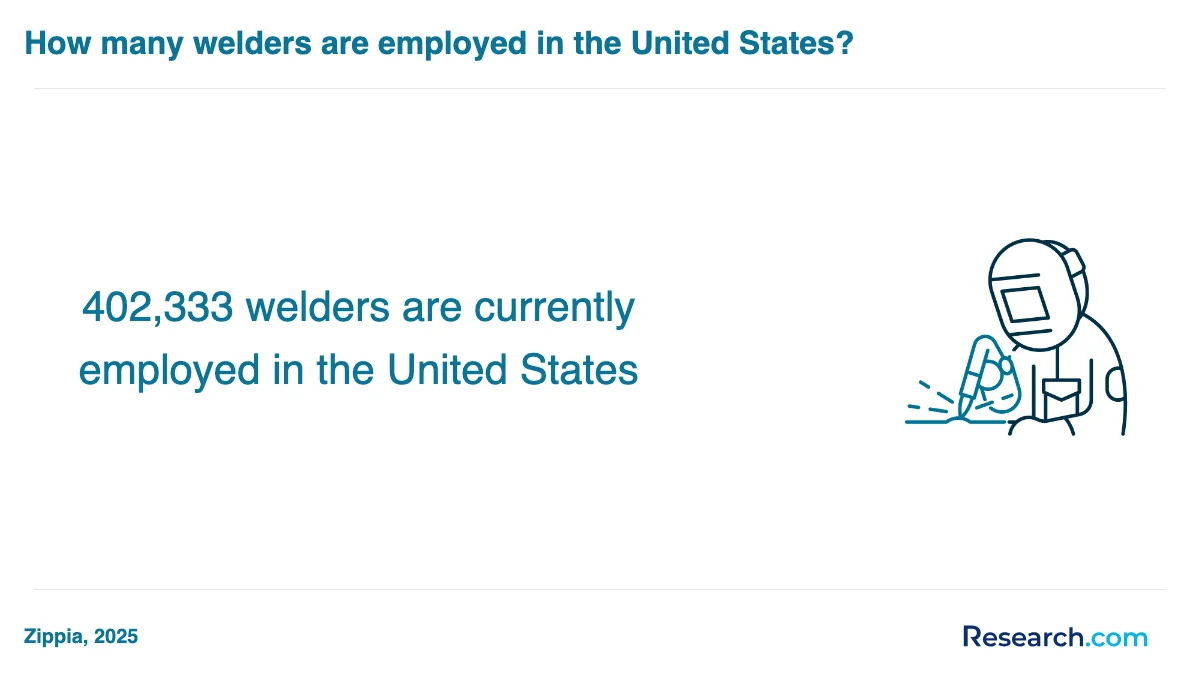
Welder trade school students in Sioux City commonly access federal financial aid such as the Pell Grant and Direct Loans by completing the FAFSA annually. Graduates from popular schools in the area often share how this support eased their financial burden, allowing them to focus on hands-on training instead of worrying about tuition costs. For those enrolled in short-term certificate programs, which frequently do not qualify for federal aid, Western Iowa Tech Community College offers the GAP Tuition Assistance Program. This full tuition aid helps many students achieve certification without the stress of upfront fees.
Additional resources include Federal Supplemental Educational Opportunity Grants (SEOG) for those with exceptional need, as well as veterans' benefits that have helped military-affiliated students transition smoothly into welding careers. Workforce programs like WIA and TAA provide support for adults adapting to job market changes, while the Office of Vocational Rehabilitation assists students with disabilities. Several schools also offer flexible tuition payment plans, a feature praised by graduates who balance work and school.
Enrolling in a welder trade school program in Sioux City typically requires meeting several key prerequisites that ensure candidates are prepared for the hands-on, technical nature of the training. Most popular trade schools in the area expect applicants to have a high school diploma or GED, which provides a foundational level of math and reading skills essential for understanding welding blueprints and safety protocols.
Graduates often mention the importance of basic mechanical aptitude and good hand-eye coordination, which these programs assess during the application process. Some schools may require placement tests or interviews to gauge readiness and motivation.
Additional common prerequisites include:
- Being at least 18 years old to comply with safety regulations and insurance policies
- Proof of physical fitness, as welding involves standing for long periods and working in various positions
- Basic knowledge of tools and metalworking concepts, which can sometimes be demonstrated through prior work experience or a short preparatory course
Students who have succeeded in Sioux City's welder programs often describe initial challenges with mastering safety gear and techniques but highlight how supportive instructors and hands-on practice quickly build confidence. These real-life experiences emphasize that meeting prerequisites is not just about eligibility but about setting the stage for a rewarding career in welding.

Welder trade school programs in Sioux City feature a comprehensive course lineup that equips students with essential skills and confidence for the welding industry. Graduates often recall starting with welding safety classes, where they learn vital practices to maintain a secure work environment, a foundation appreciated throughout their careers.
Core hands-on welding courses include:
- Shielded Metal Arc Welding (SMAW or "stick")
- Gas Metal Arc Welding (GMAW or "MIG")
- Flux Core Arc Welding (FCAW)
- Gas Tungsten Arc Welding (GTAW or "TIG")
- Oxy-fuel welding and cutting
These classes immerse students in operating welding equipment and mastering techniques relevant to each process. Many Sioux City trade schools also emphasize blueprint reading and welding procedure specifications, enabling students to confidently interpret technical drawings and ensure compliance with industry standards.
Courses in math for welders and computer essentials further support problem-solving and precision, skills graduates find invaluable when transitioning to real-world fabrication and construction jobs.
Hands-on labs, often aligned with AWS standards, provide practical experience, reinforcing classroom lessons and building readiness for certification exams. Apprenticeship pathways blend paid work with instruction, allowing students to apply skills in live environments, a factor many Sioux City students highlight as a key to their success.
Welder trade school programs in Sioux City offer a range of specializations that prepare students for diverse roles within the welding industry. Graduates from these programs often highlight their hands-on experience with key welding techniques such as Shielded Metal Arc Welding (SMAW), Gas Metal Arc Welding (GMAW), Flux Core Arc Welding (FCAW), Gas Tungsten Arc Welding (GTAW), and even Robotic Welding processes. For example, students at Western Iowa Tech Community College benefit from programs like the Industrial Welding Diploma, which emphasizes working with both ferrous and non-ferrous metals and mastering out-of-position welds.
Specializations typically include skills such as:
- Blueprint reading and welding procedure specifications aligned with American Welding Society standards
- Advanced techniques in pipe welding through targeted certificate programs
- Proficiency in using various hand tools essential for the trade
- Training that combines traditional welding with automation and maintenance technology fields
Many graduates describe their training as preparing them for real-world manufacturing and structural steel industries, echoing the comprehensive curriculum offered at the Sioux City Career Academy and WITCC. These programs are designed to equip students with both foundational and advanced competencies.
For those weighing educational paths, understanding is trade school the same as vocational school can clarify options in this hands-on learning environment.
Choosing the best welding schools in Sioux City starts with identifying the credential that fits your goals-certificate programs offer focused skills for quick entry into the field, while associate degrees provide broader training for diverse welding careers. Graduates from Western Iowa Tech Community College often share how hands-on labs with modern equipment helped them confidently master processes like GMAW and SMAW, preparing them to excel in local manufacturing jobs.
Accreditation is vital; programs aligned with American Welding Society standards ensure you gain industry-recognized skills and certification readiness. Many students appreciate schools that facilitate AWS or ASME certification testing, a key step to enhancing employability. When you compare welding program costs Sioux City, consider financial aid availability and job placement support, which graduates cite as crucial for a smooth transition into the workforce.
For those balancing work and study, exploring options like affordable welding trade school online can expand access without sacrificing quality, making it easier to pursue welding education on your terms.
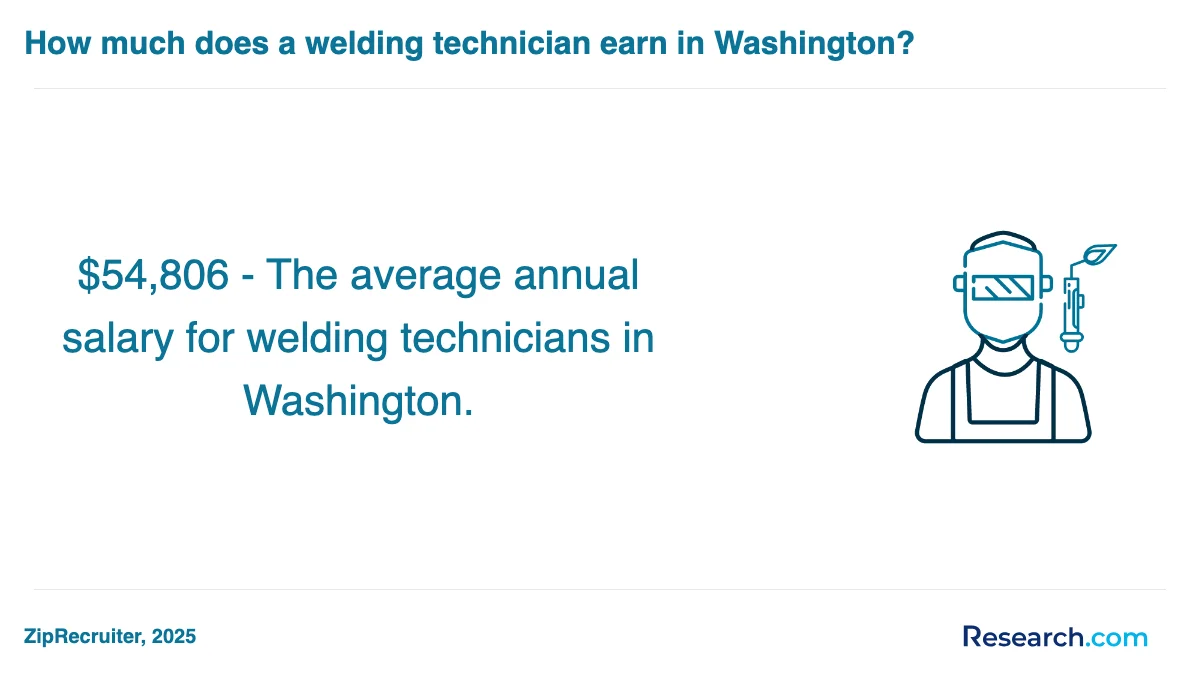
Welder trade school graduates in Sioux City enjoy diverse welding job opportunities in Sioux City that go beyond basic fabrication. Many find rewarding roles in manufacturing, construction, and industrial maintenance sectors, where hands-on skills gained at local trade schools prove essential. Examples include MIG welding positions involving blueprint reading, machining, and assembly line work. Graduates often recall the confidence built during training, which enabled them to quickly secure entry-level jobs with competitive pay and benefits.
Additional welder career paths in Sioux City IA include specialized trades such as pipefitting, welding inspection, and equipment operation. Employers value abilities acquired through trade programs, such as quality control and machinery maintenance, which open doors to roles involving forklift and crane operation. Veterans of Sioux City's trade schools highlight how combining welding skills with certifications accelerates advancement towards supervisory jobs or industrial inspection positions.
Many students seeking to expand their qualifications explore low cost maintenance technician certification online to complement their welding expertise and enhance career flexibility.
Welding job opportunities in Sioux City remain strong for graduates of local welder trade schools, thanks to steady demand from manufacturing, agriculture, and food processing industries. Recent graduates from popular programs often share their experiences of quickly securing roles such as pipefitter, welding inspector, or fabricator. Employers like Tyson Foods actively seek certified welders, underscoring the value of hands-on training and certification from accredited Sioux City trade schools.
Entry-level welder salaries in Sioux City Iowa are competitive, with average annual earnings around $41,265. Wages vary by specialization, ranging from $20 hourly for general welding jobs to $40 per hour for advanced roles like lead welder or pipefitter. Some highly skilled welders report compensation packages between $70,000 and $100,000 annually. Graduates often highlight advancement opportunities including supervisory positions, adding to the appeal of this career path.
For those considering welding careers, this region offers a practical path to stable income and job stability. Many find that learning welding locally provides real-world skills employers demand. To explore more about the best paying trades that are easy to learn, welding in Sioux City is an attractive option.
Most Affordable Welding Schools & Training - Budget-Friendly Welding Trade Programs in Sioux City for 2026
# 1 position
Western Iowa Tech Community College - Welding Technology/Welder.
associateWestern Iowa Tech Community College offers a Welding Technology/Welder program with a hybrid format, combining in-person and distance education. The program trains students in various welding techniques, including arc welding, brazing, and high-energy beam welding. It covers welding metallurgy, safety, structural design, and applicable codes. Annual in-state tuition is $5,042, and median earnings one year after completion reach $41,613. The program is accredited by the Higher Learning Commission.
# 2 position
Western Iowa Tech Community College - Welding Technology/Welder.
certificate or diplomaWestern Iowa Tech Community College offers a Welding Technology/Welder program with a hybrid format, combining in-person and distance education. The program prepares students to apply technical skills in various welding methods, including arc welding, resistance welding, brazing, soldering, and high-energy beam welding. Tuition for in-state students is $5,042 annually. Graduates have a median earning of $41,613 one year after completion. The program is accredited by the Higher Learning Commission.
Frequently Asked Questions about welder
After completing welder trade school in Sioux City, preparing for the job market involves several key steps. First, students should obtain industry-recognized certifications such as the American Welding Society (AWS) credentials, which significantly improve employment prospects. According to the U.S. Bureau of Labor Statistics, welders in Iowa earn a median annual wage of around $45,000, with demand expected to grow by 6% through 2032.
Networking with local employers and attending job fairs can connect graduates with opportunities in manufacturing, construction, and repair sectors prevalent in Sioux City. Additionally, maintaining a strong resume highlighting hands-on skills and completed certifications is essential.
Continuing education and apprenticeships also support career growth in this competitive field.
Employers in Sioux City prioritize several key skills when hiring graduates from welder trade schools. Technical proficiency in various welding techniques such as MIG, TIG, and stick welding is essential. According to the U.S. Bureau of Labor Statistics, welders skilled in multiple methods have higher employment prospects nationwide, which applies locally as well.
Attention to safety standards is also critical, given the hazardous nature of welding work. Knowledge of Occupational Safety and Health Administration (OSHA) regulations is often required. Additionally, employers value the ability to read blueprints and technical drawings accurately to ensure precision in projects.
Strong problem-solving skills and physical stamina are important for meeting the demands of welding tasks. Communication skills also help welders collaborate effectively on job sites.
Finding internships relevant to welder trade school programs in Sioux City involves several practical steps. Start by contacting local trade schools and community colleges, as many maintain partnerships with area businesses for internship placements. The Iowa Workforce Development office can also provide resources and connect students with employers in the welding industry.
Additionally, explore opportunities with manufacturing companies, construction firms, and repair shops in Sioux City, where welding skills are in demand. Websites like IowaJobs.org list local internships and apprenticeships. According to the U.S. Bureau of Labor Statistics, welding-related internships in Iowa have grown by 5% annually, reflecting steady demand. Networking through trade associations such as the American Welding Society's local chapters can also help identify openings.
Obtaining a welder trade school diploma in Sioux City significantly enhances career mobility and advancement opportunities. Locally, skilled welders are in demand across manufacturing, construction, and repair industries, with the Iowa Workforce Development reporting a 7% job growth for welders through 2030.
A diploma signals to employers that a candidate has practical skills and safety training, increasing chances for higher wages and promotions. According to the Bureau of Labor Statistics, welders with formal training earn a median annual wage roughly 15% higher than those without credentials.
Furthermore, trade schools often provide industry connections and certifications recognized by local employers, facilitating entry into union jobs or specialized welding roles. This credential can also ease transitions into supervisory or inspection positions, supporting long-term career growth within Sioux City's industrial sectors.
Students enrolled in welder trade schools in Sioux City can benefit from several part-time job opportunities that complement their education. Entry-level positions such as welding assistant, metal fabricator, or shop helper provide hands-on experience while attending classes. These roles help build practical skills like cutting, grinding, and preparing materials.
Local manufacturers and construction companies often seek part-time workers, especially during peak seasons. According to the U.S. Bureau of Labor Statistics, the Sioux City metro area has a steady demand for welders, with an average hourly wage around $18.50 as of 2023. Gaining relevant work experience alongside schooling improves employability upon graduation.
Additionally, internships or apprenticeships with union locals or small fabrication shops can offer flexible schedules suited for students. These opportunities allow learners to apply classroom knowledge in real-world settings, enhancing both technical and safety skills critical for welding careers.
Yes, there are most affordable welder degree programs near Sioux City, IA, offered by several community colleges and vocational schools. These institutions provide technical education and hands-on training in welding technology, which can be a cost-effective option for those looking to enter the field. Utilizing resources like Research.com can help identify welder degree programs near me that match specific educational and budgetary needs.
- Most Affordable Welding Schools & Training - Budget-Friendly Welding Trade Programs in Elgin for 2026
- Most Affordable Welding Schools & Training - Budget-Friendly Welding Trade Programs in Denison for 2026
- Most Affordable Welding Schools & Training - Budget-Friendly Welding Trade Programs in Columbus for 2026
- Welder Jobs in Sioux City, IA (Hiring Now!) https://www.zippia.com/welder-sioux-city-ia-jobs/
- Welder Salary in Sioux City, IA (August 01, 2025) | Salary.com https://www.salary.com/research/salary/recruiting/welder-salary/sioux-city-ia
- Client Challenge https://career-academy.siouxcityschools.org/o/career-academy/page/welding
- Qualified Welding | Cert - Western Iowa Tech Community College https://www.witcc.edu/programs/141/
- Welding Training Programs | Welding Schools | South Dakota https://www.southeasttech.edu/programs/industrial/welding/index.php
- Welding Apprenticeship https://northeast.edu/degrees-and-programs/welding-apprenticeship.html
- Top Welding Programs in Iowa | How to Become a Welder in Iowa https://toptradeschools.com/near-you/welder/iowa/
- Client Challenge https://www.sf.k12.sd.us/page/cte-hs
- Finding the Perfect Welding Job After Technical School https://www.high.net/careers/blog/finding-perfect-welding-job-after-technical-school/
- How to find a Welding Job after Graduating Welding School? https://www.youtube.com/watch