Most Affordable Welding Schools & Training - Budget-Friendly Welding Trade Programs in Los Angeles for 2026

Co-Founder and Chief Data Scientist
Thinking about starting a career in welding? Choosing the right trade school is an important step toward building a rewarding future.
This article introduces the most affordable welder trade schools in Los Angeles for 2026, featuring a welder trade school programs ranking created by the Research.com team of data scientists. Their thorough analysis helps you find programs that offer quality education without breaking the bank.
Whether you want a diploma or certification, this guide makes it easier to decide which schools are worth considering and sets you on a path to success.
Key benefits of finishing welder trade school in Los Angeles
- Graduates from welder trade schools in Los Angeles can expect hourly wages ranging from about $24 to $28, with entry-level positions starting near $23.45 and potential to earn up to $32.92 per hour as skills grow.
- Career paths often include roles in construction, manufacturing, and public sector jobs, with many graduates quickly finding steady work and opportunities to specialize or advance.
- Completing a welder trade school online offers flexibility and faster completion, allowing students to balance work or family commitments while gaining valuable skills without the time and cost of a traditional degree.
- Most Affordable Welding Schools & Training - Budget-Friendly Welding Trade Programs in Los Angeles for 2026
- What can I expect from welder trade schools in Los Angeles?
- Where can I work after finishing welder trade schools in Los Angeles?
What can I expect from welder trade schools in Los Angeles?
Enrolling in a welder trade school program in Los Angeles means diving into a hands-on learning experience that balances classroom knowledge with practical skill-building. Graduates from schools like Pasadena City College and Los Angeles Trade-Technical College often recall mastering technical skills such as shielded metal arc welding and oxyacetylene cutting, which become second nature through daily practice. They also emphasize the importance of understanding welding symbols and codes, a foundation that helps them navigate real job sites with confidence.
Safety is never an afterthought; students quickly learn to respect high temperatures and hazardous materials through rigorous safety protocols embedded in every lesson. Many appreciate how flexible course schedules-daytime, evening, or weekend-allow them to juggle work and study without losing momentum.
Completing these programs often means earning certificates or associate degrees that open doors to industries like construction and manufacturing. Graduates frequently share how competency-based progress lets them move forward by proving skills, not just sitting through hours of class. The sense of accomplishment when earning a certification, combined with practical problem-solving skills, leaves students ready and eager to start their welding careers in Los Angeles.
Where can I work after finishing welder trade schools in Los Angeles?
After completing a welder trade school program in Los Angeles, many graduates find themselves stepping into diverse and rewarding career paths. Popular trade schools here prepare students with hands-on experience in arc, MIG, TIG, and flux core welding, skills highly sought after across multiple industries. Graduates often share how their training translated into jobs in manufacturing plants or bustling construction sites, where they quickly gain confidence working on real projects.
Typical employers include fabrication shops, shipyards, and municipal departments like the City of Los Angeles, which offers well-paying roles starting around $102,938 annually. Some graduates describe the satisfaction of working in the aerospace sector, crafting aircraft parts, or in the automotive industry, customizing vehicles. Others embrace challenges in the maritime and oil drilling fields, valuing the steady demand and variety of work.
Many welders begin as entry-level technicians but feel encouraged by the clear path toward specialized roles or supervision, especially after earning certifications from the American Welding Society. The strong local job market-with hundreds of openings listed regularly-reflects a vibrant community where skilled welders thrive and grow.
After finishing a welder trade school program in Los Angeles, many graduates find themselves stepping into a job market where demand is strong and wages are encouraging. Typical starting wages for entry-level welders, often called "Welder I," range from about $24 to $28 per hour, which means an annual salary roughly between $50,000 and $55,000 when working full time. Graduates from well-known trade schools in Los Angeles often share how this steady income quickly helped them gain financial independence and confidence in their new careers.
As welders gain experience or specialize-such as in pipeline welding-the earning potential grows significantly. Pipeline welders in Los Angeles can make around $37 per hour, translating to over $77,000 annually. Many graduates recall how earning certifications after trade school opened doors to these higher-paying roles, making the effort well worth it.
It's common for welders to see pay increases as they build skills and reputation, with top professionals earning upwards of $70,000 per year. For students considering programs in Los Angeles, this progressive earning path offers both hope and motivation to excel beyond graduation.
- Admission usually requires a high school diploma or GED, applicants must be at least 18 years old and have a valid ID; some programs require background checks or no parole/probation status.
- Programs range from certificates completed in under a year to associate degrees taking up to two years, with hands-on training in various welding processes.
- Public community colleges charge between $1,200 and $4,000 for programs, excluding additional costs like equipment, books, and certification fees.
- Certification exams cost $54.50 to apply and $65.40 to pass, with renewals costing $119.90 every three years, often through the American Welding Society or city testing centers.
- Entry-level welders earn $22 to $26 per hour ($45,000 to $54,000 annually), and experienced welders can make over $60,000 per year in Los Angeles.
Completing a welder trade school program in Los Angeles typically takes between six months and one year, depending on the intensity and structure of the course. Many graduates from well-known local schools share how immersive the experience feels, as they quickly gain hands-on skills in a supportive environment. For instance, students often recall the excitement of working directly with welding machines early on, making the learning process tangible and rewarding.
The condensed timeline allows those eager to start their careers to enter the workforce swiftly, a major motivator expressed by recent completers. They describe balancing classes with real-world projects, which builds confidence and competence simultaneously. This efficient pacing suits the busy lifestyle of many Angelenos, providing a clear path forward without prolonged uncertainty.
Trade schools in Los Angeles often tailor programs to meet local industry demands, so students graduate ready to meet employers' expectations. The focused nature of these courses means that the learning journey feels purposeful and energizing, helping students envision their future as skilled welders in a vibrant city.
The key difference between online and on-campus welder trade school programs in Los Angeles lies in how students gain their practical skills. Graduates from online courses like those at Los Angeles Valley College often recall the convenience of learning theory and safety protocols through digital lessons, fitting studies around their busy lives. Yet, many also reflect on the challenge of not having immediate hands-on practice, relying heavily on self-discipline and virtual support.
On the other hand, those who trained on-campus at places like Los Angeles Pierce College vividly remember the energy of small welding labs, where instructors provide instant feedback as they guide their hands over the torch. This direct interaction in a fully equipped environment builds confidence and technique in a way that videos can't replicate.
Many students value the camaraderie found in these face-to-face settings, where peer support and networking with local employers open doors after graduation. The blended approach offered by some schools assures that practical welding skills always come first, even if theory lives online.
Understanding the average cost of welding programs in Los Angeles is crucial for students eager to start their careers without unexpected financial strain. Many graduates from local trade schools recall the challenge of balancing tuition fees with living expenses. For example, Los Angeles Trade-Technical College (LATTC) offers one of the more affordable options with in-state tuition around $1,196, which allows students to feel hopeful about their investment in a skilled trade.
However, tuition fees for welder trade schools in Los Angeles can vary widely. Some schools, like the Welding Certification Center, charge approximately $2,145 for their Level I Welding program, plus additional material fees. Graduates often emphasize that these upfront costs, combined with expenses for personal protective equipment and textbooks, require careful budgeting but ultimately lead to rewarding certifications and hands-on experience.
Students pursuing welding careers here often mention the value of exploring financial aid, such as Pell Grants or scholarships from organizations like the American Welding Society. These resources can alleviate the pressure of tuition and associated costs, making the education journey feel more manageable. Exploring assistance options while keeping in mind the average cost of welding programs in Los Angeles helps set real expectations.
Choosing a welding program is not only about cost but also about investing time in a high-demand field. Many graduates report satisfaction with their career prospects, recognizing the wide opportunities found in the top trades in demand. This practical outlook can make the cost feel like a stepping stone rather than a barrier.
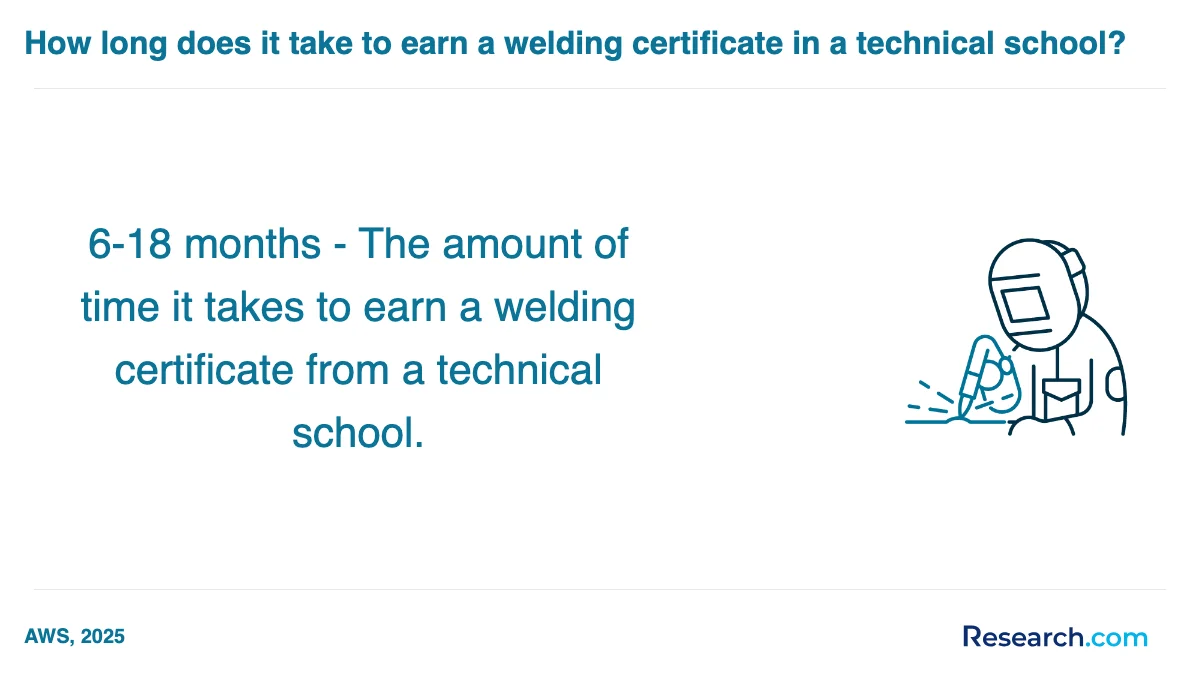
Financial aid for welder trade school students in Los Angeles is both diverse and accessible, often easing the financial burden for many who pursue this skilled trade. Graduates from Long Beach City College frequently recall how scholarships from the American Welding Society (AWS) Foundation-ranging from $1,000 to over $2,500-helped them cover tuition and supplies, allowing them to focus more on mastering their craft than on mounting expenses.
Many of these AWS scholarships do not require proof of financial need, making them attainable for a broad range of students. Others, especially national awards, might ask for FAFSA details but still provide substantial support up to $5,000. Local scholarships like the Gene Lawson and Bob Doan Memorial awards also add a layer of community encouragement and support for Los Angeles welders.
Federal aid options such as Pell Grants, FSEOG, and low-interest loans complement these scholarships, with some schools offering Federal Work-Study programs that enable students to earn while they learn. This combination creates a practical and hopeful pathway for many aspiring welders in the region.
Enrolling in a welder trade school program in Los Angeles typically requires a few key prerequisites that set the stage for success. Most schools expect students to have a high school diploma or a GED, ensuring a basic level of academic readiness. Graduates from local programs often recall how having a solid foundation in math-especially algebra-and good hand-eye coordination made the coursework more approachable and enjoyable.
Applicants might also need to be at least 18 years old, reflecting the physical demands and safety regulations of welding work. Some trade schools in Los Angeles ask for a simple entrance test or an interview to gauge motivation and aptitude, which many students find encouraging because it feels like a personal investment in their future.
Practical experience isn't always required, but those who come with basic mechanical skills or prior exposure to tools often say it made their transition smoother and more rewarding.
- High school diploma or GED
- Minimum age of 18 in most cases
- Basic math skills, especially algebra
- Hand-eye coordination and manual dexterity
- Potential entrance test or interview
Trade schools like those well-known in Los Angeles foster a community where students share their early challenges and triumphs, inspiring newcomers to embrace the journey with confidence and enthusiasm.
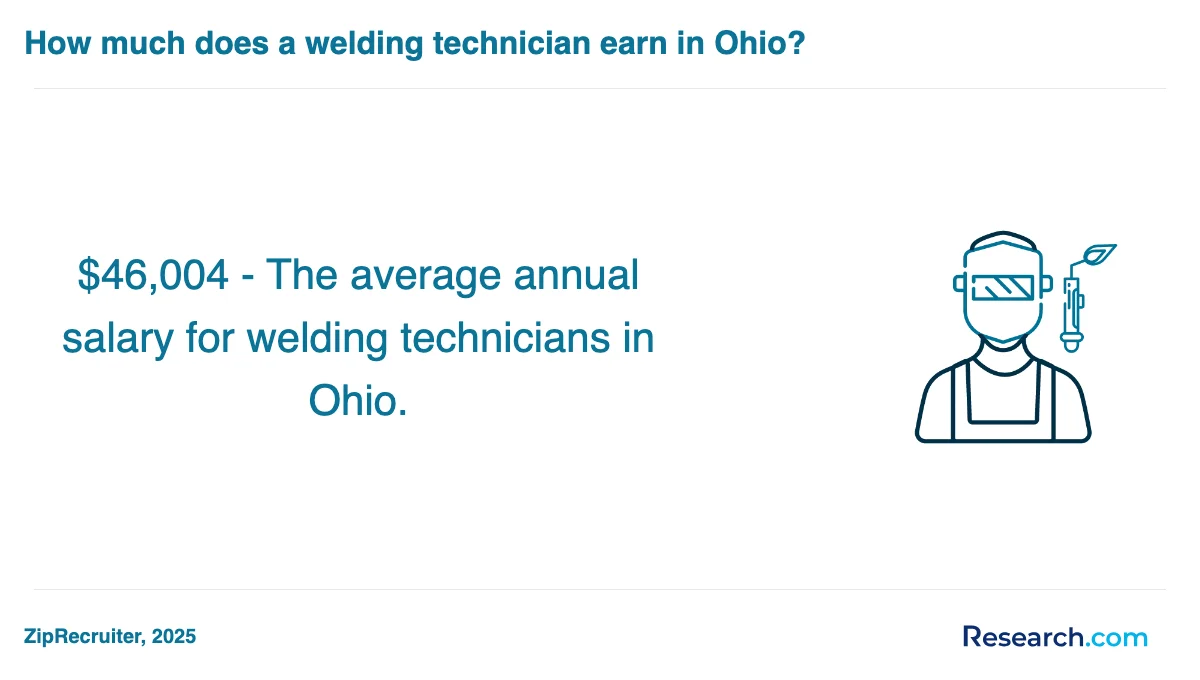
Welder trade school programs in Los Angeles are thoughtfully designed to build confidence and competence through a blend of hands-on practice and essential theory. Graduates often recall beginning with foundational courses that emphasize workplace safety, welding symbols, and basic metallurgy-crucial knowledge that creates a safe and informed work environment. At Harbor Occupational Center, for example, students learn to navigate safety policies and resource management before moving on to welding techniques.
The core technical training usually covers Shielded Metal Arc Welding (SMAW) and Gas Metal Arc Welding (GMAW), foundational skills that every welder in LA needs. Many students appreciate learning oxyacetylene cutting and brazing early on, as these skills open doors to diverse welding opportunities.
Further specialization is available at schools like Pasadena City College, where learners dive into Gas Tungsten Arc Welding (TIG) and welding fabrication, preparing them for industry certifications such as the Los Angeles Structural Welding License.
Additional courses often include:
- Mathematics for welders to master precise measurements
- Blueprint reading for interpreting technical drawings
- Welding metallurgy to understand metal properties
Students at Mt. San Antonio College frequently highlight the balance of lecture-based theory paired with extensive lab time, often spending an hour learning concepts followed by several hours welding under expert guidance. This approach fosters a practical, real-world readiness that many find empowering.
Advanced classes may explore welding inspection, industry codes like AWS D1.1, and even entrepreneurship, reflecting the diverse career paths LA welders pursue. Flexible scheduling options make it possible for working adults to upskill without sacrificing their personal commitments, which adds to the program's accessibility and appeal.
Welding specializations in Los Angeles trade schools offer a rich variety that meets both beginners and seasoned welders eager to refine specific skills. Many graduates recall starting with Basic Welding, mastering essential techniques and safety, which laid a solid foundation before branching into advanced study. Popular specializations include Construction Welding, where students gain hands-on experience with structural steel critical to LA's booming infrastructure projects.
Students often highlight the value of precision-focused courses like Gas Tungsten Arc Welding (GTAW) and Gas Metal Arc Welding (GMAW), widely taught at leading trade schools. These cater to industries such as aerospace and automotive, highly relevant to the city's economy. Several programs proudly prepare students for Los Angeles welding certification programs, including the LA Structural Welding License and City Certified Welder Exam, providing direct pathways to local employment.
Others find Welding Fabrication and plasma arc cutting appealing, especially when aiming for custom metalwork or specialized industrial roles. Elective combinations allow flexibility, which many graduates appreciate as it reflects the authentic demands of LA's diverse job market. For students weighing their path, understanding vocational vs trade options is a useful step in aligning education with career goals.
Choosing a program accredited by reputable bodies can give you confidence in the quality of education and future job recognition; many graduates from Los Angeles Trade-Technical College appreciate this assurance as they enter the field. Considering curriculum depth is equally important, especially among the best welding programs in Los Angeles, where courses often cover essential techniques like SMAW, GTAW, and GMAW, helping students feel proficient and prepared.
Hands-on practice greatly impacts confidence and skill; for example, students at Cerritos College benefit from extensive lab facilities where real-world welding challenges build expertise. If balancing work and studies is a priority, programs like The Fab School offer accelerated options that graduates say made completing training less stressful and career entry quicker. Exploring affordable welder trade schools in Los Angeles also matters since financial pressure can add unnecessary stress during training.
Finally, connecting with alumni or current students can reveal insights about job placement success and program reputation, critical factors that enhance motivation. For those seeking practical career advice beyond school selection, exploring easy trades that lead to high paying jobs can inspire realistic expectations and goals.
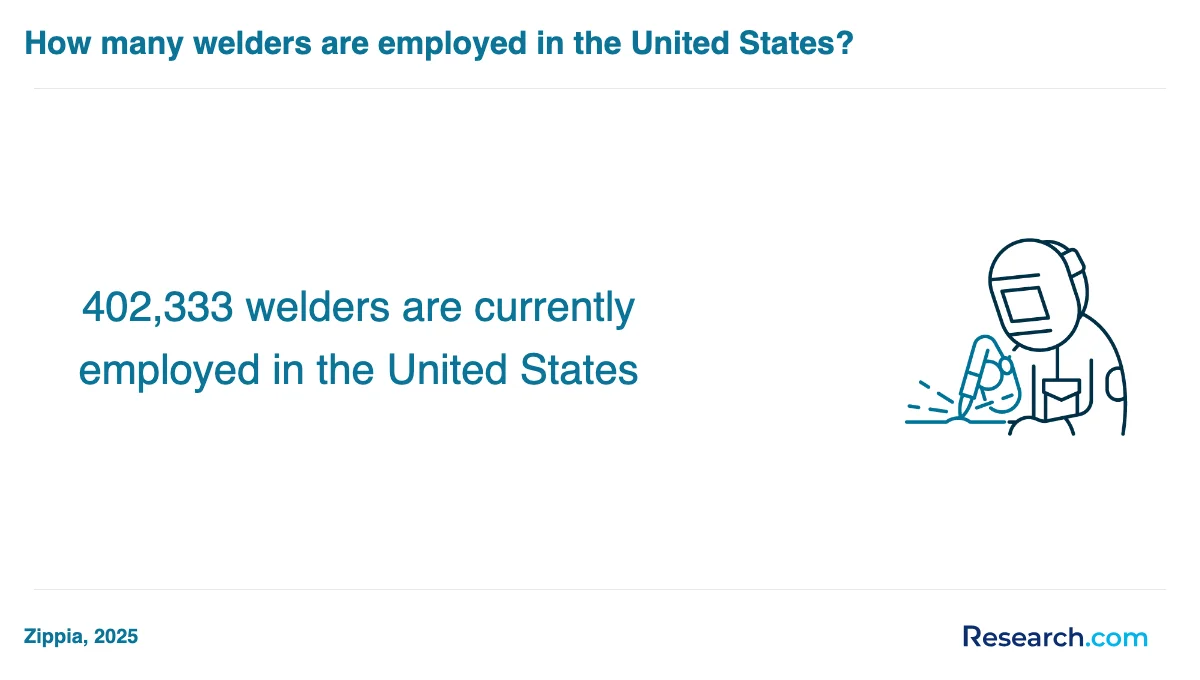
Graduates of welder trade school programs in Los Angeles find themselves stepping into a city vibrant with opportunity, where welding jobs in Los Angeles span diverse industries that demand skilled craftsmanship. From manufacturing plants and construction sites to automotive repair shops and maritime operations at the Port of Los Angeles, graduates often start as welders mastering arc, MIG, TIG, and oxyacetylene techniques. Many report a strong sense of accomplishment working on real projects involving blueprints and specialized equipment.
For those seeking varied welding career paths in Los Angeles, options extend beyond entry-level roles to specialized positions like fabricator/welder, fire sprinkler technician, or maintenance welder. Graduates from popular local trade schools frequently share how advanced certifications from bodies like the American Welding Society unlock higher-paying projects, such as fabricating complex structures or repairing container cranes.
Career growth often comes through experience and additional credentials, opening doors to supervisory roles or inspection jobs. For students eager to advance, exploring most affordable online maintenance technician trade school programs also offers practical pathways to broaden skills within related fields.
- Diverse industries provide a wide range of work environments and challenges
- Certifications significantly enhance earning potential and job variety
- Strong local demand ensures steady employment opportunities
The welder job market in Los Angeles remains robust, especially for trade school graduates who enter the workforce with hands-on skills and certifications. Graduates from popular welding trade schools in Los Angeles often share stories of securing diverse roles quickly, tapping into industries like aerospace, maritime, automotive, and manufacturing. The steady demand is fueled by ongoing city infrastructure projects and private sector growth, ensuring many job openings that match the specialized training students receive.
Many graduates find their abilities valued for:
- Proficiency in welding techniques such as MIG, TIG, and flux core
- Understanding blueprint reading and technical drawings
- Working with metals like stainless steel and aluminum
Welding salaries and employment trends Los Angeles data reflect promising upward mobility, with entry-level wages around $20 per hour and some public sector welders earning well over $100,000 annually. These financial prospects make the field attractive for those committed to developing technical skills. For those curious about how to be a certified welder, trade schools provide essential pathways that open doors across multiple sectors.
Most Affordable Welding Schools & Training - Budget-Friendly Welding Trade Programs in Los Angeles for 2026
# 1 position
Los Angeles Trade Technical College - Welding Technology/Welder.
associateLos Angeles Trade Technical College offers a Hybrid Welding Technology/Welder program designed to equip students with technical skills in various welding methods, including arc welding, brazing, and high-energy beam welding. The curriculum covers welding metallurgy, safety, structural design, and industry codes. The program's annual in-state tuition is $1,238. It is accredited by the Western Association of Schools and Colleges Accrediting Commission for Community and Junior Colleges.
# 2 position
Los Angeles Trade Technical College - Welding Technology/Welder.
certificate or diplomaThe Welding Technology/Welder program at Los Angeles Trade Technical College offers a hybrid format with some distance education options. It prepares students to apply technical skills in various welding methods, including arc welding, resistance welding, and high-energy beam welding. The curriculum covers materials, welding metallurgy, safety, and industry codes. Annual in-state tuition is $1,238. The program is accredited by the Western Association of Schools and Colleges Accrediting Commission for Community and Junior Colleges.
Frequently Asked Questions about welder
After completing a welder trade school in Los Angeles, preparing for the job market involves several key steps. First, obtaining certification from the American Welding Society (AWS) significantly boosts employment chances, as many local employers require it. According to the U.S. Bureau of Labor Statistics, the demand for welders in California is expected to grow by 6% from 2022 to 2032. Networking is also vital; joining local trade organizations and attending job fairs can connect graduates with employers in industries like construction, manufacturing, and aerospace prevalent in Los Angeles. Additionally, creating a professional resume highlighting hands-on skills and certifications is essential.
Employers in Los Angeles seek welder trade school graduates with strong technical skills, including proficiency in multiple welding techniques such as MIG, TIG, and arc welding. According to the U.S. Bureau of Labor Statistics, welders with versatile skill sets have better job prospects in the region's diverse manufacturing and construction sectors.
Attention to safety protocols is also critical. Graduates must understand OSHA regulations to maintain compliant and hazard-free work environments. This is essential given California's strict workplace safety standards.
Additionally, employers value graduates who demonstrate blueprint reading and precision measurement skills, enabling accurate project execution. Soft skills like reliability and teamwork are often emphasized in local job postings by firms such as those listed on the California Employment Development Department's website.
Finding internships relevant to welder trade school programs in Los Angeles involves several practical steps. Start by contacting local trade schools, as many maintain partnerships with regional employers in construction, manufacturing, and maritime industries. These connections often lead to internship placements directly related to welding.
The California Employment Development Department reports steady demand for skilled welders in Los Angeles, with numerous internships available through union apprenticeship programs like those offered by the International Brotherhood of Boilermakers or the United Association.
Additionally, online job portals such as California's state workforce website and trade-specific platforms list paid and unpaid welding internships. Networking through local trade events and career fairs can also uncover opportunities not widely advertised.
Obtaining a welder trade school diploma in Los Angeles significantly enhances career mobility and advancement opportunities. According to the California Employment Development Department, welders in the Los Angeles metropolitan area earn a median wage of about $23 per hour, with certified welders often earning 10-20% more due to specialized skills.
A diploma demonstrates mastery of welding techniques and safety standards, making graduates more competitive for entry-level roles and promotions. Employers in construction, manufacturing, and aerospace sectors value formal training, which can lead to higher starting salaries and quicker advancement.
Additionally, trade schools often provide industry connections and job placement assistance, further supporting career growth in this region's strong industrial market.
Part-time job opportunities in Los Angeles that complement welder trade school education often include entry-level welding assistant roles, metal fabrication helpers, and maintenance technician positions. These jobs offer practical experience with welding equipment and techniques, allowing students to apply classroom knowledge in real-world settings. According to the U.S. Bureau of Labor Statistics, Los Angeles has a steady demand for welding professionals, with an average hourly wage around $22 as of 2023, which may be slightly lower for part-time or assistant roles. Gaining hands-on experience through these jobs can improve skill development and enhance employability upon graduation.
Additionally, some students find work in construction sites or automotive repair shops, where welding skills are frequently required. These positions provide exposure to diverse welding applications and safety protocols. Local unions and trade organizations in Los Angeles sometimes offer apprenticeship programs that include part-time work, blending paid experience with formal training. Overall, part-time roles related to welding help students build a professional network and prepare for full-time employment in the competitive Los Angeles labor market.
To find the most affordable Welder degree program near you in Los Angeles, CA, start by exploring local community colleges and trade schools that offer welding programs, as these institutions often provide lower tuition rates compared to larger universities. Research.com can be a helpful resource for identifying and comparing program costs, lengths, and other specifications to ensure you select a program that meets your financial and educational needs. Additionally, visit open houses or speak with admissions counselors at institutions near you to gain insights into tuition fees, potential financial aid options, and any additional costs associated with the program.
- Most Affordable Welding Schools & Training - Budget-Friendly Welding Trade Programs in Fresno for 2026
- Most Affordable Welding Schools & Training - Budget-Friendly Welding Trade Programs in Phoenix for 2026
- Most Affordable Welding Schools & Training - Budget-Friendly Welding Trade Programs in Denison for 2026
- Welding School in the Los Angeles area providing Welding Courses & Welding Certification Tests. Welding Classes starting now! https://www.weldingcertificationcenter.com/
- Welding - WELD | Antelope Valley College http://www.avc.edu/program/welding-weld
- Best Welding Schools in California | How to Become a Welder in CA https://toptradeschools.com/near-you/welder/california/
- Welding | LAPC https://www.lapc.edu/academics/aos/welding
- Welding - Career Technical Education - Pasadena City College https://pasadena.edu/academics/divisions/career-technical-education/welding.php
- Welding Trade School | Summit College https://summitcollege.edu/programs/trade-technical/welding/
- Certified Welder Program - Pinnacle of Welding Proficiency https://www.aws.org/certification-and-education/professional-certification/certified-welder-program/
- Welder 3796 (A) | City of Los Angeles https://lacity.gov/jobs/openings/welder-3796
- Occupation Profile, California LaborMarketInfo https://labormarketinfo.edd.ca.gov/cgi/databrowsing/occExplorerQSDetails.asp
- JOBS OPEN TO ALL | Career Pages https://www.governmentjobs.com/careers/lacity/jobs/2324581/welder-3796