
Best Welding Training Programs & Trade Schools - Top Welding Schools in Kansas for 2026

Co-Founder and Chief Data Scientist
Looking to start a rewarding career in welding? Choosing the right trade school in Kansas can make all the difference. This article introduces the best welder trade schools in Kansas for 2026, featuring a welder trade school programs ranking developed by the Research.com team of data scientists.
By exploring this ranking, you’ll find trusted programs that match your goals and help you build valuable skills. Earning a diploma or certification opens doors to stable jobs and fulfilling work. Dive in to discover the opportunities waiting for you in welding education.
Key benefits of finishing welder trade school in Kansas
- Graduates of welder trade schools in Kansas can expect an average annual salary around $45,600, with entry-level positions starting near $30,500 and top earners reaching up to $62,730.
- A typical graduate from a popular Kansas trade school often finds career opportunities in construction, manufacturing, or maintenance, allowing for flexible and rewarding job paths.
- Completing a welder trade school online offers convenience and lower costs, as experienced by many online graduates who balance work and study while gaining valuable skills faster than traditional degrees.
- Best Welding Training Programs & Trade Schools - Top Welding Schools in Kansas for 2026
- What can I expect from welder trade schools in Kansas?
- Where can I work after finishing welder trade schools in Kansas?
What can I expect from welder trade schools in Kansas?
Enrolling in a welder trade school program in Kansas means diving into a hands-on learning experience that balances classroom theory with real-world welding practice. Graduates often recall spending hours in well-equipped shops mastering techniques like shielded metal arc welding and gas tungsten arc welding, skills that quickly build confidence and industry readiness.
Students can expect to engage deeply with essential topics such as blueprint reading and welding safety, including OSHA 10 certification, which ensures they're prepared for the demands of a professional welding environment. Popular Kansas trade schools emphasize flexible schedules, allowing many to juggle day jobs or family commitments while pursuing their certificate or associate degree.
Many students appreciate the strong support for certifications from the American Welding Society, a credential that opens doors to rewarding careers. Graduates often highlight internships or apprenticeships arranged through local unions or businesses, offering a real taste of the welding industry and boosting employability right after graduation.
Where can I work after finishing welder trade schools in Kansas?
Graduates from welding trade schools in Kansas step into a job market alive with opportunity. Many find themselves in manufacturing plants crafting metal parts for agricultural equipment or commercial kitchen machines. Imagine working hands-on at companies like Matcor Metal Fabrication, where the skills you honed in school directly shape vital steel components for farming tools. Others join construction crews, welding beams for bridges or pipelines, contributing to visible infrastructure that supports entire communities.
Trade school alumni often share stories of their first jobs with mechanical service providers, maintaining heavy machinery and equipment across industrial sites. These roles demand precision and offer the rewarding challenge of solving real-world technical problems daily. Cities like Wichita and Kansas City buzz with openings, offering full-time positions and benefits that bring stability and pride.
Welding students from popular Kansas schools describe the excitement of starting as MIG or TIG welders, quickly building confidence through teamwork and hands-on projects. The path after trade school isn't just a job-it's a chance to build a lasting career in a field where your craftsmanship truly matters.
After finishing a welder trade school program in Kansas, many graduates find themselves stepping into a job market where earnings are promising and growth is tangible. For example, graduates from well-known Kansas trade schools often share how starting salaries around $41,000 to $53,000 annually give them confidence as they launch their careers. This range matches the average annual salary for entry-level welders, commonly called "Welder I," which is about $46,662.
Imagine clocking in at a local fabrication shop in Wichita or a manufacturing plant near Topeka, earning roughly $19.85 an hour, with the potential to increase as your skills sharpen. Early on, wages might start closer to $16.73 per hour, but with each certification and project completed, that pay climbs. Many graduates describe the satisfaction of seeing their craftsmanship rewarded not only in skills but also in steady paychecks.
While the initial salary may seem modest, the real excitement comes from the upward trajectory-experience and specialized skills quickly open doors to higher wages and more advanced positions across Kansas's diverse industries.
- Admission usually requires a high school diploma or equivalent to start welder training.
- Programs cover skills like blueprint reading, metallurgy, and various welding methods including TIG, MIG, and stick welding.
- Certificate programs can be completed in 12 to 24 weeks, with associate degrees available in up to two years.
- Financial aid options include Pell Grants, scholarships, and loans to help with tuition and fees.
- Entry-level welders in Kansas earn around $38,000 to $45,000 annually, with experienced welders making $55,000 or more.
Completing a welder trade school program in Kansas typically takes between six months to one year, depending on the intensity and structure of the program you choose. Many graduates from well-known Kansas trade schools share how this compact timeframe allowed them to quickly transition from classroom theory to hands-on welding practice, fueling their confidence and excitement for career opportunities.
For example, students often describe the satisfaction of mastering key welding techniques within the first few months, making the learning process feel both fast-paced and rewarding. This efficient timeline is perfect for those eager to enter the workforce without lengthy delays, especially in Kansas where local industries value skilled welders who can hit the ground running.
Imagine finishing your program just in time to join a booming manufacturing plant or construction project, ready with credentials and practical skills. The blend of focused training and real-world application in these Kansas trade schools ensures the learning curve is steep but achievable, making the completion time feel like a meaningful investment rather than a long haul.
The core difference between online and on-campus welder trade school programs in Kansas lies in the hands-on experience. Graduates from on-campus programs at places like Johnson County Community College and Metropolitan Community College often describe the thrill of working directly with real welding equipment under the guidance of industry professionals. This immediate practice helps them build confidence and refine skills like MIG, TIG, and Stick welding, making the learning deeply tangible and rewarding.
In contrast, those who choose the online route, such as the Welder Technician course at Kansas City Kansas Community College, appreciate the flexibility to study welding theory, safety, and blueprint reading at their own pace. However, they often find themselves craving the real-world practice missing from virtual labs. Many online students balance work or family while gaining foundational knowledge but must seek hands-on opportunities separately to feel fully prepared.
For many in Kansas, the choice depends on whether they value the vibrant, interactive workshop environment or the convenience of remote learning that still demands personal initiative for practical skills.
The average tuition fees for Kansas welding programs typically hover around $15,519 for trade schools, reflecting a commitment to quality hands-on training that graduates often describe as truly transformative. Certain institutions, like Heartland Welding Academy in Andover, offer welding certification courses in Kansas priced closer to $9,300, making them attractive options for students who want to balance cost with comprehensive instruction.
A graduate from one such program shared how the investment felt worthwhile, despite additional expenses. Books and supplies for welding students can add roughly $3,005 or more to the overall cost, with some programs pushing total equipment fees near $6,600. This highlights how the cost of welding certification courses in Kansas goes beyond tuition alone, including essential gear and materials that build confidence and craft mastery.
Many aspiring welders weigh these expenses against living costs-off-campus housing can easily reach $20,210 yearly, which can influence budgeting decisions as students calculate the total cost of pursuing their passion. Thankfully, numerous financial aid options exist, including scholarships from organizations like the American Welding Society, which ease the path.
Understanding this financial landscape is key when exploring what is a vocation or trade school, and how investing in a Kansas welding program can unlock hands-on skills that lead to rewarding career opportunities and personal growth.

Welder trade school students in Kansas often find financial aid essential to turning their ambitions into reality. Graduates from popular programs at schools like Wichita Area Technical College share how the Free Application for Federal Student Aid (FAFSA) unlocked access to Pell Grants and federal loans, easing the burden of tuition fees during their studies. These grants, which don't require repayment, are a lifeline for many balancing work and school.
State support through the Kansas Promise Scholarship stands out as a game-changer, especially for students from families earning under $150,000. One graduate described how this "last dollar" scholarship covered nearly all remaining costs after other aid, allowing them to focus fully on welding skills without financial stress. With up to 68 credit hours covered, it's tailored for those committed to completing their program within three years.
Private scholarships like those from the American Welding Society Kansas Section also inspire confidence. Recipients pursuing certificates or degrees often speak of the AWS Welder Training Scholarship's $1,000 awards as crucial boosts that made attending smaller programs more affordable. Veterans benefit too, leveraging GI Bill® benefits for tuition and living stipends at approved trade schools across Kansas, creating a path that feels both supported and achievable.
Enrolling in a welder trade school program in Kansas typically requires meeting a few straightforward prerequisites designed to prepare you for hands-on training. Most popular Kansas trade schools expect students to have a high school diploma or GED, ensuring a basic foundation in math and reading-skills crucial for understanding welding symbols and technical instructions.
Graduates from well-known programs often share how their schools emphasize practical readiness. For example, before starting, some students complete a brief skills assessment or orientation, which helps both instructors and students gauge comfort with tools and safety protocols. This step builds confidence early on, turning nervous beginners into eager learners.
Other common prerequisites include:
- Being at least 18 years old or having parental consent if younger
- Passing a basic physical exam to confirm you can handle manual labor and wear safety gear
- Showing proof of immunizations, especially tetanus
These requirements reflect the real-world demands of welding, making sure students can thrive in the fast-paced, hands-on environment found in Kansas trade schools. Many graduates recall how meeting these prerequisites felt like the first step toward a rewarding career, turning their ambition into skilled craftsmanship.

In Kansas, welder trade school programs like those at WSU Tech and Fort Hays Tech immerse students in practical, hands-on courses that build confidence and mastery from day one. Graduates often recall starting with welding safety and OSHA 10 certification, a crucial foundation ensuring they enter the workforce prepared to protect themselves and others.
Core welding techniques follow, with students actively practicing:
- Shielded Metal Arc Welding (SMAW)
- Gas Metal Arc Welding (GMAW)
- Gas Tungsten Arc Welding (GTAW)
- Flux Cored Arc Welding (FCAW)
These courses combine classroom theory and real-world welding in various positions, helping students from Washburn Tech gain the dexterity needed to tackle demanding jobs.
Beyond basic welding, programs include oxy-acetylene cutting and welding, advanced cutting with CNC plasma, and even welding robotics. Graduates describe these as exciting opportunities to engage with industry automation firsthand.
Blueprint reading and welding symbols are also emphasized, enabling students to confidently interpret technical drawings-an essential skill in Kansas's manufacturing and construction sectors.
Supplementary topics like metallurgy, brazing, quality assurance, and shop practicums round out the curriculum, ensuring graduates leave ready to excel in a competitive industry.
Welder trade school programs in Kansas frequently offer a range of specialized training designed to equip students with skills tailored to diverse welding careers. Graduates from popular trade schools often highlight their hands-on experience with foundational welding processes such as Shielded Metal Arc Welding (SMAW), Gas Metal Arc Welding (GMAW or MIG), and Gas Tungsten Arc Welding (GTAW or TIG). These programs ensure students master welding with various metals including steel, aluminum, and brass, preparing them well for roles in manufacturing or construction.
Many students find opportunities to specialize further in areas like pipe welding and advanced pipe welding, which are highly sought after in Kansas' infrastructure projects. Other focused skills include flux cored arc welding and core wire welding, essential for fabrication and heavy industry jobs.
- Blueprint reading and welding symbols
- Metallurgy fundamentals
- Welding safety and OSHA 10 certification
- Welding robotics and CNC plasma cutting
These welding specializations in Kansas trade schools often culminate in AWS certifications that open doors to a variety of careers from fabricators to independent contractors. Many graduates appreciate how these programs also offer apprenticeship opportunities that translate skills directly to the workforce. For those exploring roles with the most promising financial rewards, learning about trade school high paying jobs can guide career decisions in this evolving field.
When selecting from the best welding programs in Kansas, focus on accredited schools that provide proven expertise. Graduates from Johnson County Community College praise its adherence to AWS SENSE guidelines, which directly prepare them for certification tests highly regarded by employers. Choosing a top-rated welder trade school in Kansas with experienced instructors, such as those at Johnson County who are certified welding inspectors, can transform your learning experience through valuable mentorship and practical advice.
Look for programs that emphasize hands-on training, like Heartland Welding Academy's 90% practical approach, where students build confidence by welding nearly every day. Washburn Tech's curriculum offers diverse specializations, including MIG and TIG welding, along with flexible schedules that graduates say help balance work and study. Many find financial ease through scholarships like the Kansas Promise, which some schools participate in to reduce tuition burden.
Remember, finding easy online trade programs that leads to high paying careers is possible by tapping into local resources. The schools' strong industry ties often lead to effective job placements-turning your skill into real opportunities.
For graduates from welder trade school programs in Kansas, the landscape of welding jobs in Kansas offers a wealth of opportunities that match a variety of skills and ambitions. Many graduates find rewarding careers in sectors such as manufacturing, where they build steel components for agriculture and food processing industries-these roles provide hands-on work fabricating machines essential to local economies. Others step into rail freight repair, earning competitive hourly wages while mastering durable, precise welding techniques.
Graduates often move into specialized roles including:
- Fabricator/welder positions shaping custom assemblies
- MIG and TIG welding jobs requiring keen blueprint reading
- Ironworker roles that combine welding with structural construction
Trade schools in Kansas commonly share stories of students advancing through certifications from the American Welding Society, unlocking supervisory roles or niche fields like automotive and aerospace. Some forge their own paths as self-employed contractors, transforming skills gained at school into entrepreneurial ventures.
Exploring welder career opportunities in Kansas means embracing versatility and steady demand; graduates often appreciate the benefit packages and the stability that skilled welding work provides statewide.
Many new welders find inspiration by becoming a welder is not only a trade but a gateway to varied, fulfilling career adventures.
Graduates from popular welder trade schools in Kansas quickly realize the welding job market in Kansas is a mix of opportunity and challenge. While the average hourly wage hovers around $19.85-below the national median-graduates from schools here often find employment in manufacturing, construction, or agriculture sectors that dominate the local economy. Some report navigating a competitive landscape where companies hire selectively, but those with specialized certifications or pipeline welding skills stand out.
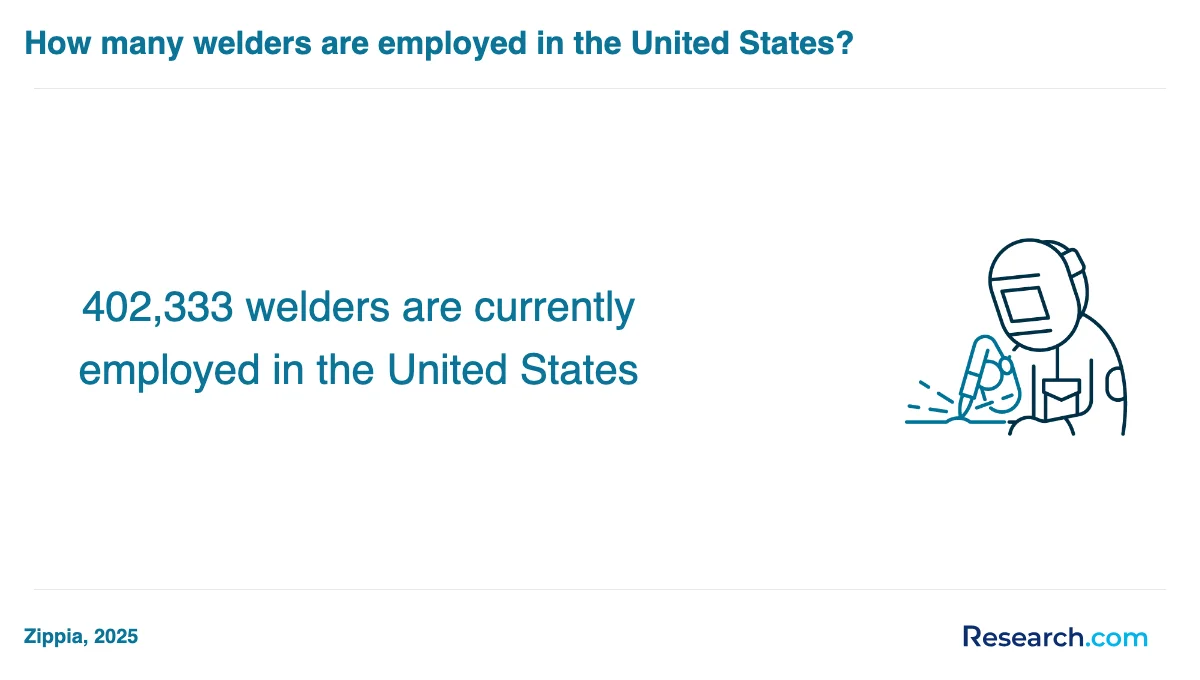
Students frequently share that success often depends on willingness to be flexible, either by relocating or accepting entry-level work initially. The aging workforce nationwide means demand remains steady, and with over 80,000 welding jobs expected to open yearly across the US, Kansas welders can feel optimistic about long-term prospects. Graduates find value in:
- Obtaining certifications beyond basics
- Exploring niche industries like industrial welding
- Maintaining readiness to adapt skills to economic shifts
For those seeking affordable pathways into maintenance and technical trades, some look to cheapest online maintenance technician trade programs as a supplementary step to strengthen their market position. Ultimately, welder employment opportunities Kansas wide require proactive skill-building and strategic career planning to thrive.
Best Welding Training Programs & Trade Schools - Top Welding Schools in Kansas for 2026
# 1 position
Washburn Institute of Technology - Welding Technology/Welder.
certificate or diplomaThe Welding Technology/Welder program at Washburn Institute of Technology offers a hybrid format with some distance education. It prepares students to apply technical skills in various welding techniques, including arc welding, resistance welding, and brazing. The program covers materials, metallurgy, safety, and structural design. Annual in-state tuition is $9,120. Graduates earn a median income of $39,720 one year after completion. The program is accredited by the Higher Learning Commission.
# 2 position
Flint Hills Technical College - Welding Technology/Welder.
associateFlint Hills Technical College offers a Welding Technology/Welder program with a hybrid format including some distance education. The program trains students in various welding techniques such as arc welding, resistance welding, brazing, and high-energy beam welding. Coursework covers welding metallurgy, safety, structural design, and applicable codes. Annual in-state tuition is $6,196, and graduates earn a median salary of $36,731 one year after completion. The program is accredited by the Higher Learning Commission.
# 3 position
Flint Hills Technical College - Welding Technology/Welder.
certificate or diplomaFlint Hills Technical College offers a Hybrid Welding Technology/Welder program designed to equip students with skills in arc welding, resistance welding, brazing, soldering, and cutting. The curriculum covers welding metallurgy, heat treating, structural design, safety, and applicable codes. Annual in-state tuition is $6,196. Graduates have median earnings of $36,731 one year after completion. The program is accredited by the Higher Learning Commission.
# 4 position
Manhattan Area Technical College - Welding Technology/Welder.
associateManhattan Area Technical College offers a Welding Technology/Welder program with a hybrid format that includes some distance-education options. The program teaches technical skills in arc welding, resistance welding, brazing, soldering, and other welding processes. It covers materials, metallurgy, safety, and applicable codes. Annual in-state tuition is $9,276. Graduates have median earnings of $34,077 one year after completion. The program is accredited by the Higher Learning Commission.
# 5 position
Manhattan Area Technical College - Welding Technology/Welder.
certificate or diplomaManhattan Area Technical College offers a hybrid Welding Technology/Welder program designed to prepare students with technical skills for joining or cutting metal surfaces. The curriculum covers arc welding, resistance welding, brazing, cutting, welding metallurgy, structural design, safety, and relevant codes. Annual in-state tuition is $9,276. Median earnings one year after completion are $34,077. The program is accredited by the Higher Learning Commission.
# 6 position
Seward County Community College - Welding Technology/Welder.
associateSeward County Community College offers a Welding Technology/Welder program with a hybrid format that includes some distance education. The curriculum covers arc welding, resistance welding, brazing, soldering, high-energy beam welding, and cutting, along with welding metallurgy, safety, and industry codes. The program prepares students to apply technical skills in welding and metal cutting. Annual in-state tuition is $3,744. The program is accredited by the Higher Learning Commission.
# 7 position
Seward County Community College - Welding Technology/Welder.
certificate or diplomaSeward County Community College offers a Hybrid Welding Technology/Welder program preparing students to apply technical skills in metal joining and cutting. The curriculum covers arc welding, resistance welding, brazing, soldering, high-energy beam welding, metallurgy, safety, and industry codes. Annual in-state tuition is $3,744. The program is accredited by the Higher Learning Commission and includes both in-person and distance education options.
# 8 position
Neosho County Community College - Welding Technology/Welder.
certificate or diplomaNeosho County Community College offers a Hybrid Welding Technology/Welder program that prepares students to apply technical skills in welding and metal cutting. The curriculum covers arc welding, resistance welding, brazing, soldering, and advanced techniques like high-energy beam welding. Instruction includes welding metallurgy, structural design, safety, and industry standards. The program is accredited by the Higher Learning Commission, with an annual in-state tuition of $5,644.
# 9 position
Coffeyville Community College - Welding Technology/Welder.
associateCoffeyville Community College offers a Welding Technology/Welder program with a hybrid format that includes some distance education. The program prepares students to apply technical skills in various welding methods such as arc welding, resistance welding, and brazing. Tuition for in-state students is $3,040 annually. Graduates earn a median salary of $25,992 one year after completion. The program is accredited by the Higher Learning Commission.
# 10 position
Coffeyville Community College - Welding Technology/Welder.
certificate or diplomaCoffeyville Community College offers a Welding Technology/Welder program with a hybrid format that includes some distance education options. The program prepares students to apply technical skills in various welding methods such as arc welding, resistance welding, and high-energy beam welding. It covers welding metallurgy, processes, safety, and applicable codes. Annual in-state tuition is $3,040. Median earnings one year after completion are approximately $25,992. The program is accredited by the Higher Learning Commission.
Frequently Asked Questions about welder
After completing a welder trade school in Kansas, preparing for the job market involves several key steps. First, graduates should obtain industry-recognized certifications, such as those from the American Welding Society (AWS), which significantly improve employability. According to the Kansas Department of Labor, certified welders earn on average 15% more than uncertified peers.
Networking through school career services and local trade unions can open job leads in Kansas's strong manufacturing and construction sectors. Building a professional resume highlighting practical skills and completed projects is essential. Additionally, staying updated on safety standards and advanced welding techniques makes candidates more competitive in the evolving market.
Employers in Kansas seeking graduates from welder trade schools prioritize a combination of technical proficiency and workplace skills. Mastery of welding techniques such as MIG, TIG, and stick welding is essential, as these methods are widely used in Kansas industries like manufacturing and construction. According to the U.S. Bureau of Labor Statistics, welders in Kansas must often interpret blueprints and technical drawings accurately, making strong reading comprehension a critical skill.
Additionally, safety knowledge is crucial due to the risks involved in welding. Graduates who demonstrate familiarity with Occupational Safety and Health Administration (OSHA) standards tend to have better job prospects. Employers also value physical stamina and attention to detail, as these traits ensure precision and reduce errors in weld quality. Communication skills and teamwork are important too, since welders often collaborate on projects within larger teams.
Finding internships in Kansas related to welder trade school programs involves several practical steps. Start by contacting the career services offices at Kansas technical colleges, as many maintain partnerships with local welding companies. According to the Kansas Department of Labor, industries like manufacturing and construction frequently offer internship opportunities for welders.
Utilize online job platforms such as the KansasWorks website, which lists apprenticeship and internship openings specific to the state. Networking through local trade unions and professional organizations like the American Welding Society can also provide leads on internships.
Additionally, consider attending job fairs and industry expos in Kansas cities like Wichita or Kansas City, where employers seek skilled welding interns.
Obtaining a welder trade school diploma in Kansas significantly enhances career mobility and advancement opportunities. According to the Kansas Department of Labor, welders with formal training often earn 15-25% higher wages than those without credentials. The diploma verifies practical skills and safety knowledge, making graduates more competitive for specialized roles in industries such as aerospace, manufacturing, and construction.
Certified welders are also more likely to receive promotions and access to higher-paying supervisory positions. Trade schools in Kansas align their programs with industry standards, including AWS certification preparation, which is highly valued by employers. This alignment supports smoother transitions into the workforce and ongoing career growth.
Students enrolled in welder trade schools in Kansas can benefit from part-time jobs that provide practical experience and supplement their education. Common opportunities include working as welding apprentices or helpers in local manufacturing plants, construction sites, and automotive repair shops. These roles allow students to apply classroom knowledge in real-world settings, enhancing their technical skills.
According to the U.S. Bureau of Labor Statistics, Kansas had about 3,000 welding-related jobs in 2023, with a steady demand for skilled workers in industries like aerospace, agriculture, and energy. Part-time roles in these sectors often offer flexible hours compatible with school schedules.
Additionally, some students find work in metal fabrication shops or as maintenance assistants, gaining exposure to different welding techniques and tools. These experiences can improve employability after graduation by building a strong resume and industry connections.
To find the best welder degree program near me in Kansas, consider looking into local community colleges, trade schools, and technical institutions that offer specialized programs in welding. Programs near Kansas often provide hands-on training, certifications, and degrees that prepare students for careers in welding industries. Utilizing resources like Research.com can aid in identifying programs with strong reputations and connections to the welding industry.
- Best Welding Training Programs & Trade Schools - Top Welding Schools in Colorado for 2026
- Best Welding Training Programs & Trade Schools - Top Welding Schools in Iowa for 2026
- Best Welding Training Programs & Trade Schools - Top Welding Schools in Arkansas for 2026
- Best Welding Training Programs & Trade Schools - Top Welding Schools in South Dakota for 2026
- Best Welding Training Programs & Trade Schools - Top Welding Schools in Wyoming for 2026
- Best Welding Training Programs & Trade Schools - Top Welding Schools in Illinois for 2026
- Best Welding Training Programs & Trade Schools - Top Welding Schools in New Mexico for 2026
- Best Welding Training Programs & Trade Schools - Top Welding Schools in Wisconsin for 2026
- Best Welding Training Programs & Trade Schools - Top Welding Schools in Mississippi for 2026
- Best Welding Training Programs & Trade Schools - Top Welding Schools in North Dakota for 2026
- Finding the Perfect Welding Job After Technical School https://www.high.net/careers/blog/finding-perfect-welding-job-after-technical-school/
- How to find a Welding Job after Graduating Welding School? - YouTube https://www.youtube.com/watch
- What Comes After Welding School? Job Outcomes and More https://ftccollege.edu/trade-blog/what-comes-after-welding-school-job-outcomes-and-more/
- Explore Hands-On Welding Training and Career Growth https://swantonweld.com/discover-hands-on-welding-training-and-advancement-opportunities/
- Welders, Cutters, Solderers, and Brazers : Occupational Outlook Handbook: : U.S. Bureau of Labor Statistics https://www.bls.gov/ooh/production/welders-cutters-solderers-and-brazers.htm
- Welder salary in Kansas ‐ CareerExplorer https://www.careerexplorer.com/careers/welder/salary/kansas/
- Welding training - Warsaw, Kraków, Wrocław, Łódź, Poznań https://kurso.eu/en/training-and-courses/welding-courses/welding/
- Welding & Trade School in the U.S. | Tulsa Welding School https://www.tws.edu/
- Welding Trade Schools: Ignite Your Future With Hands-On Training https://www.trade-schools.net/trades/welding
- Combination Welding Technology Program & Trade School | Apex https://apexschool.com/programs/combination-welding-technology/


