
Best Welding Training Programs & Trade Schools - Top Welding Schools in Colorado for 2026

Co-Founder and Chief Data Scientist
Looking to start a rewarding career in welding? Choosing the right trade school in Colorado can make all the difference. This article introduces the best welder trade schools in Colorado for 2026, featuring a ranking created by the Research.com team of data scientists. Their data-driven approach helps you identify programs that truly stand out.
Whether you want a diploma or certification, this guide highlights schools that prepare you for success. Reading it will give you confidence in making an informed decision and taking the first step toward a skilled, fulfilling career.
Key benefits of finishing welder trade school in Colorado
- Graduates of welder trade schools in Colorado can expect starting salaries around $25 to $32 per hour, translating to an annual income of approximately $52,000 to $56,000, with potential to earn more as experience grows.
- A typical graduate from a popular Colorado trade school can pursue various career paths such as pipe welding, structural welding, or manufacturing roles, offering diverse opportunities in growing industries.
- Completing a welder trade school online provides flexibility and faster completion times, allowing students to learn at their own pace while balancing work or family, as many online graduates report smooth transitions into the workforce.
- Best Welding Training Programs & Trade Schools - Top Welding Schools in Colorado for 2026
- What can I expect from welder trade schools in Colorado?
- Where can I work after finishing welder trade schools in Colorado?
What can I expect from welder trade schools in Colorado?
Students enrolling in welder trade school programs in Colorado can expect a balanced mix of classroom theory and hands-on shop experience, often split evenly to build both knowledge and practical skills. For example, graduates from Colorado Mesa University Tech describe gaining confidence through direct work with industry-grade equipment, simulating real job site conditions. Core subjects typically cover welding safety, blueprint reading, and multiple welding techniques such as MIG, TIG, and stick welding, preparing students to meet American Welding Society (AWS) standards widely adopted by Colorado programs.
Program lengths vary, with certificate courses lasting about one semester and associate degrees extending up to two years, as seen in programs at the Community College of Denver. Students often appreciate learning foundational technical math and metallurgical concepts, which help them understand material behavior and weld quality testing. Many also benefit from AWS certification prep integrated into the curriculum, enhancing job readiness.
Graduates report a strong career outlook locally, with entry-level positions in Colorado outpacing national averages and median starting salaries near $48,000, making the training both practical and rewarding.
Where can I work after finishing welder trade schools in Colorado?
Graduates from welder trade schools in Colorado frequently secure positions across diverse industries such as construction, manufacturing, and infrastructure development. For instance, many find roles as welders, pipe welders, or structural welders in metropolitan hubs like Denver, where companies engage in projects involving steel frameworks, ornamental metalwork, and fabrication shops. These real-world settings enable graduates to apply skills learned at popular Colorado trade schools, such as blueprint reading and MIG, TIG, or stick welding techniques.
Employment opportunities extend to large-scale infrastructure projects including pipelines, water treatment plants, and mining operations. Graduates often share positive experiences about landing jobs with firms that value their hands-on training, offering benefits like health insurance and 401(k) matching. Some opt for traveling welding assignments, combining a passion for travel with competitive pay averaging $30.60 per hour for experienced welders. Entry-level welders can expect accessible pathways to career advancement, making these programs in Colorado a solid launchpad for steady, rewarding careers.
Graduates from welder trade school programs in Colorado typically start earning between $19 and $27 per hour. Many entry-level welders report wages around $23 to $25 per hour, which aligns with recent data from sources like Salary.com and Indeed. For example, a "Welder I" in Colorado often makes about $49,995 annually, translating to roughly $23 per hour, matching the experiences of many recent graduates from popular Colorado trade schools.
Wages can vary significantly depending on location and employer. In Colorado Springs, new welders often earn between $22 and $24.60 per hour, while welders in specialized roles or other cities may see rates up to $30 to $42 per hour as they gain experience and certifications. Many graduates feel encouraged by these prospects, knowing that hands-on training combined with certifications can quickly increase their earning potential.
Trade school alumni often share positive feedback about entering a job market where starting wages are competitive, and career growth is supported by skill advancement. Those who invest in additional certifications and experience typically see steady wage increases, making welding a rewarding trade in Colorado's growing economy.
- Most welder trade school programs in Colorado do not require prior welding experience but have physical and safety standards, including strict attendance policies.
- Certificate programs usually take about one year (9 to 35 credits), while associate degrees require roughly two years and around 60 credits.
- Tuition ranges from $4,000 to $8,000 for certificates and $8,000 to $16,000 for associate degrees, excluding costs for equipment and protective gear.
- Graduates often earn American Welding Society (AWS) certifications, which are highly valued by employers.
- Entry-level welders earn between $40,000 and $50,000 annually, with experienced welders making up to $60,000 or more depending on industry and location.
- Programs commonly include hands-on training and internships to help secure jobs in manufacturing, construction, fabrication, automotive repair, and creative fields.
Completing a welder trade school program in Colorado typically takes between six months and one year, depending on the school and whether the student attends full-time or part-time. For instance, many graduates from popular Colorado trade schools share that full-time programs lasting around nine months provide an intensive, hands-on experience that quickly builds their welding skills and confidence.
Some trade schools offer accelerated courses that allow students to finish in as little as six months, which appeals to those eager to enter the workforce promptly. Graduates often describe the pace as challenging but rewarding, feeling a strong sense of accomplishment when mastering key welding techniques in a condensed timeframe.
Part-time options, which may extend the program to about a year, suit students balancing work or family commitments. These students appreciate the flexibility while still gaining the practical skills necessary for welding careers in Colorado's robust industrial sectors.
Overall, these programs combine classroom instruction with real-world practice, enabling students to complete their training efficiently while preparing for certifications and employment opportunities.
The primary difference between online and on-campus welder trade school programs in Colorado lies in the mode of instruction and hands-on training opportunities. On-campus programs, like those at Front Range Community College and Emily Griffith Technical College, immerse students in practical welding environments where they operate gas metal arc and shielded metal arc welding equipment under certified instructors' supervision. Graduates often express confidence gained through live demonstrations and direct practice, highlighting the value of using industry-standard tools and safety gear daily.
Conversely, online programs, such as those offered by Arapahoe Community College, focus on welding theory, safety protocols, and virtual labs. These programs suit students needing flexibility who want to learn foundational concepts remotely. However, welding students frequently note the necessity of eventually completing hands-on training locally, as approximately 14-24% of Fabrication Welding degrees at the Community College of Denver can be completed online, with the rest requiring in-person skill development. This blended approach helps prepare for written certifications but lacks the immersive tactile experience of on-campus training.
The average cost of a welder trade school program in Colorado varies significantly depending on program type, residency status, and the institution attended. Generally, tuition for welding programs at community colleges or technical schools in Colorado ranges from $5,000 to $15,000. Graduates from popular institutions such as Front Range Community College often recall paying approximately $10,864 for an Associate of Applied Science in Welding Technology, a price point that demonstrates the mid-range cost for residents.
Meanwhile, the Community College of Denver offers programs like Fabrication Welding with tuition fees spanning from $4,586 to $16,235 depending on whether students are in-state or out-of-state residents. Many students appreciate the flexibility these programs provide, despite additional expenses such as textbooks, supplies, and protective gear, which can add up.
Colorado Mountain College exemplifies the per-credit tuition variability, charging $90 per credit hour for in-state students and as high as $466 for non-residents. Such differences highlight the importance of understanding residency status when budgeting. For some aspiring welders, the financial investment has been balanced by access to scholarships and financial aid, facilitating a more manageable path to certification.
Considering these costs, many prospective students explore cheap online welding certification programs as an alternative to reduce expenses without compromising skill acquisition. These options present practical solutions for those seeking affordable entry into welding careers in Colorado.
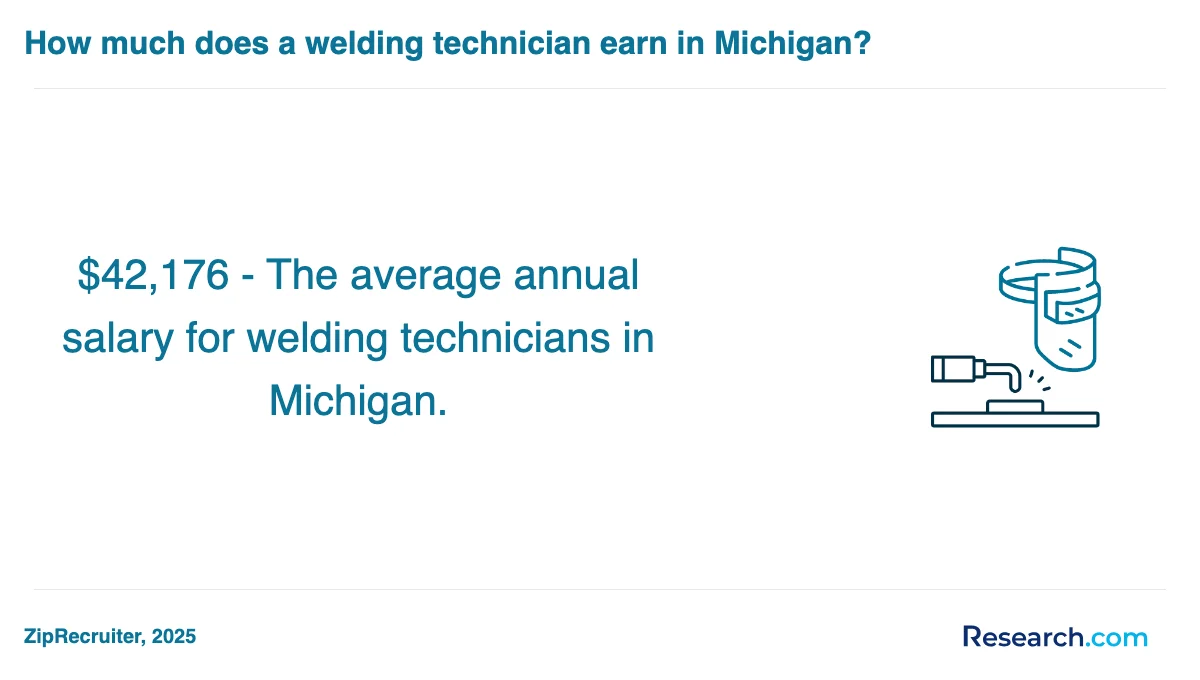
Welder trade school students in Colorado benefit from multiple financial aid sources that make training more affordable and accessible. Graduates from Front Range Community College often highlight federal aid programs such as Pell Grants, federal student loans, and work-study opportunities accessed through FAFSA as critical in reducing upfront costs for tuition and supplies.
Colorado-specific scholarships like those from the Colorado Opportunity Scholarship Initiative (COSI) are vital for many local students. For example, welding students at Front Range Community College have received scholarships funded by a $40,000 COSI match with local partners, easing financial burdens and inspiring confidence to complete their programs.
Industry scholarships also play a major role. The American Welding Society Foundation awards competitive scholarships ranging from $1,000 to over $6,000 annually, which many Colorado Mesa University students have successfully obtained, helping them manage expenses while focusing on hands-on skills development.
Private donor scholarships, such as the Metallica Scholars program at Front Range Community College, provide up to $3,000, directly supporting welding students' tuition and materials, contributing to their sense of achievement and motivation.
Students enrolling in Colorado trade schools like Community College of Denver are encouraged to consult financial aid offices early to tailor aid options to their specific goals and circumstances.
Enrollment in welder trade school programs in Colorado typically requires a high school diploma or GED, as emphasized by graduates from well-known trade schools such as the Colorado Welding Academy. This foundational education ensures students have basic math and reading skills essential for understanding welding blueprints and safety protocols.
Many programs also expect applicants to be at least 18 years old, reflecting the maturity needed to handle welding equipment safely. Graduates often share how this age prerequisite helped them mentally prepare for the rigorous training ahead.
Some trade schools in Colorado recommend or require a background in basic math and mechanical reasoning, which can be demonstrated through placement tests or prior coursework. This prerequisite supports success in classes covering measurements and metal properties.
Applicants might need to pass a physical exam or demonstrate physical fitness, since welding demands good hand-eye coordination and stamina. Graduates commonly recall how being physically prepared boosted their confidence during practical sessions.
Additional prerequisites include:
- Proof of residency or legal authorization to study in the US
- Completion of a safety orientation or basic welding workshop
- Ability to commit to full-time attendance and hands-on practice
These requirements collectively create a supportive learning environment, setting students up for positive experiences and successful certifications in Colorado's competitive welding job market.
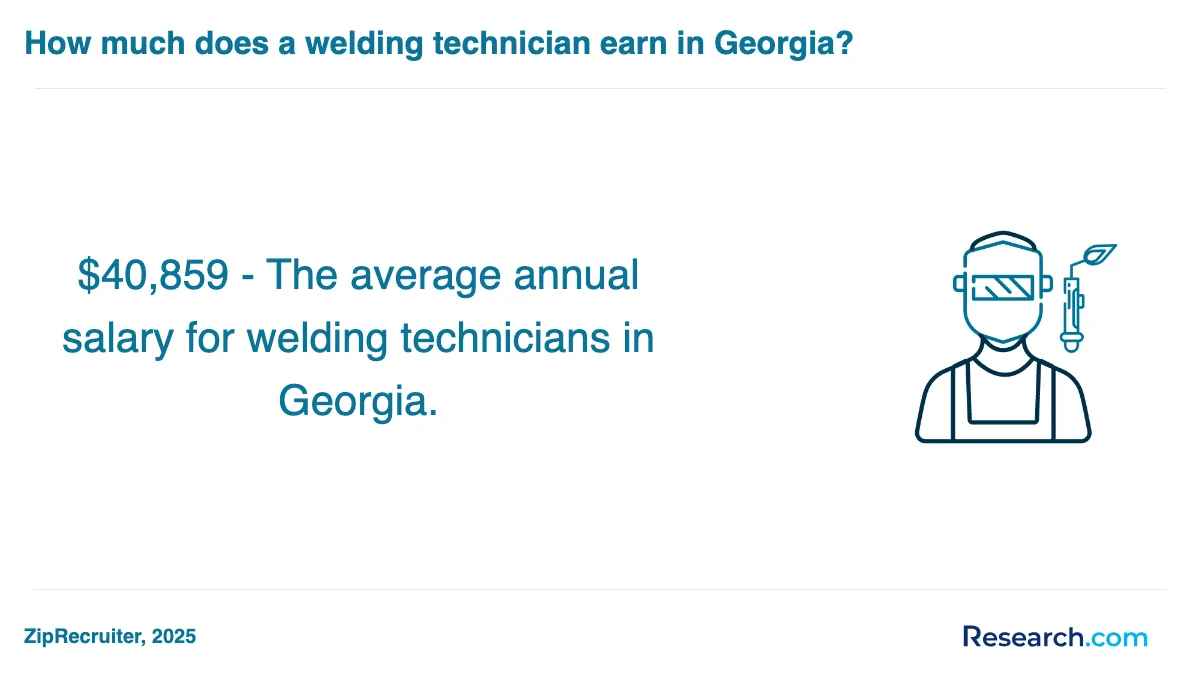
Welder trade school programs in Colorado typically include a balanced mix of classroom instruction and hands-on training, ensuring graduates feel confident and job-ready. Students at popular Colorado schools often highlight the value of learning core welding techniques such as shielded metal arc welding (SMAW), gas metal arc welding (GMAW/MIG), gas tungsten arc welding (GTAW/TIG), flux cored arc welding (FCAW), and oxyacetylene welding and cutting.
Safety is a major focus, with courses covering welding hazards, shop safety protocols, and personal protective equipment use. Graduates recall the importance of mastering safety gear like welding hoods and flame-resistant clothing to maintain confidence and reduce risk in real-world environments.
Key technical courses include:
- Reading blueprints and technical drawings to interpret project specifications accurately
- Technical math skills for precise measurements and fabrication
- Shop-based lab work using industry-grade equipment, typically comprising 50% of training time
Many programs prepare students for AWS certification, a crucial credential that enhances employability in Colorado's welding industry.
Welder trade school programs in Colorado offer a comprehensive range of welding specializations offered in Colorado trade schools, tailored to equip students with high-demand skills. Graduates from institutions like Colorado Mesa University and Pickens Technical College highlight hands-on experience with processes such as Shielded Metal Arc Welding (SMAW), crucial for structural steel and pipe welding certification.
Students also gain expertise in:
- Gas Metal Arc Welding (GMAW/MIG), focusing on carbon steel, stainless steel, and aluminum, as taught at Pikes Peak State College and Emily Griffith Technical College
- Gas Tungsten Arc Welding (GTAW/TIG), prized for precision applications in aerospace and automotive fields, with TIG certification available at CMU Tech
- Flux-Cored Arc Welding (FCAW), ideal for heavy fabrication work
- Oxyacetylene and Oxy-Fuel cutting/welding for effective thermal processes
Beyond welding techniques, students explore blueprint reading, robotic welding programming, and metallurgy, enhancing career readiness.
Colorado welding program certificate options often include fast-track certificate programs completed within one or two semesters, emphasizing practical skills with about 50% of training in shop labs using industry-grade equipment.
These focused credentials support wage growth and align with the best paying trade jobs in the region, reinforcing the value of specialized welding education in Colorado's competitive labor market.
Choosing the best welder trade schools in Colorado requires evaluating accreditation by bodies like the American Welding Society to ensure quality and industry recognition. Graduates from top welding programs in Colorado often emphasize the importance of hands-on training; schools with modern workshops allow students to practice MIG, TIG, and stick welding techniques under expert supervision, mirroring real job sites in Denver or Colorado Springs. Experienced instructors with extensive field experience improve confidence and skill retention, which many former students highlight as vital during their transition to professional roles. Programs that prepare students for AWS certification exams can significantly boost employability in Colorado's competitive welding market. Location and schedule flexibility also matter, especially for those balancing work or family. Prospective students should explore options such as accredited online certificate programs if on-site attendance is challenging. Financial aid availability and job placement support are critical factors that former students report helped them ease financial burdens and find local employment swiftly in Colorado's diverse industries.

Graduates from welder trade schools in Colorado find diverse welding career opportunities in Colorado across industries like construction, manufacturing, oil and gas, and infrastructure. Entry-level welders often start as fabricators, shop-hands, or material handler-fitters. Many specialize in techniques such as TIG (GTAW), stick (SMAW), MIG (GMAW), or flux-core (FCAW) welding. Those attending popular trade schools report hands-on training preparing them for roles like robotic welding programmer or production welder on large-scale projects including bridges and sports venues.
Successful graduates emphasize the advantage of earning American Welding Society certifications to increase employability. Employers in Colorado highly value skills in pipe welding, stainless steel, and aluminum, which can lead to supervisory or inspection positions. Examples shared by recent alumni illustrate how gaining AWS certifications enables progression from entry-level roles to specialist careers with higher pay and job security.
Welder job paths after trade school in Colorado often involve working independently on remote energy sites or collaborating on manufacturing lines. Many use their trade education as a springboard, with pathways toward advanced welding technology degrees or related fields. For those exploring additional technical training, affordable maintenance technician training online programs can complement welding skills and broaden career options.
Welder trade school graduates in Colorado face a job market shaped by steady welding workforce demand Colorado but moderate competition in hiring. Manufacturing and construction sectors in the state remain robust employers, providing welder job opportunities in Colorado with average hourly wages around $23.41 and potential to exceed $30 for specialized skills. Graduates of popular welder trade schools in Colorado often share experiences of entering these stable industries, where consistent retirements and industry growth ensure openings.
Many graduates find their training immediately applicable, especially in regions like Denver or Boulder, where demand and wages are higher. Opportunities to advance and secure better-paying roles are real, particularly by gaining certifications in specialized areas such as pipeline or underwater welding. Common graduate observations include:
- A strong starting wage with room for increase based on experience
- Steady employment prospects due to sector growth and retirements
- Skills-based differentiation enhances job prospects
Understanding the difference between a trade school program and a vocational program helps students choose the best pathway to meet employer needs effectively. While current job postings in Colorado might seem less active than other states, the state's low 3.9% unemployment and large manufacturing base confirm a sustainable job market for skilled welders.
Best Welding Training Programs & Trade Schools - Top Welding Schools in Colorado for 2026
# 1 position
Aims Community College - Welding Technology/Welder.
associateAims Community College offers a Hybrid Welding Technology/Welder program that prepares students to apply technical skills in various welding methods, including arc welding, resistance welding, and brazing. The curriculum covers welding metallurgy, safety, structural design, and applicable codes. The annual in-state tuition is $2,090. Graduates earn a median salary of $47,680 one year after completion. The program is accredited by the Higher Learning Commission.
# 2 position
Aims Community College - Welding Technology/Welder.
certificate or diplomaAims Community College offers a Welding Technology/Welder program with a hybrid format that includes some distance education. The program covers arc welding, resistance welding, brazing, soldering, cutting, welding metallurgy, structural design, safety, and relevant codes and standards. Annual in-state tuition is $2,090. Graduates earn a median income of $47,680 one year after completion. The program is accredited by the Higher Learning Commission.
# 3 position
Community College of Denver - Welding Technology/Welder.
associateThe Community College of Denver offers a Hybrid Welding Technology/Welder program that trains students in arc welding, resistance welding, brazing, soldering, cutting, and various welding processes. The program covers technical skills, safety, structural design, and applicable codes. Annual in-state tuition is $4,902. Graduates earn a median salary of $36,543 one year after completion. The program is accredited by the Higher Learning Commission.
# 4 position
Community College of Denver - Welding Technology/Welder.
certificate or diplomaThe Welding Technology/Welder program at Community College of Denver offers a hybrid format with some distance education options. The annual in-state tuition is $4,902. This program prepares students to apply technical skills in various welding methods, including arc welding, brazing, and high-energy beam welding, alongside structural design and safety. Graduates have median earnings of $36,543 one year after completion. The program is accredited by the Higher Learning Commission.
# 5 position
Emily Griffith Technical College - Welding Technology/Welder.
certificate or diplomaThe Welding Technology/Welder program at Emily Griffith Technical College offers hybrid learning with some distance-education options. It prepares students to apply technical knowledge in various welding techniques such as arc welding, resistance welding, brazing, soldering, and cutting. The curriculum includes welding metallurgy, safety, structural design, and industry standards. Graduates have median earnings of $44,943 one year after completion. The program is accredited by the Council on Occupational Education.
# 6 position
Pueblo Community College - Welding Technology/Welder.
associateThe Welding Technology/Welder program at Pueblo Community College offers a hybrid format with some distance education options. The program trains students in various welding techniques, including arc welding, resistance welding, brazing, and soldering. Annual in-state tuition is $4,883. Graduates have median earnings of $43,715 one year after completion. The program is accredited by the Higher Learning Commission and covers welding processes, safety, metallurgy, and applicable codes and standards.
# 7 position
Pueblo Community College - Welding Technology/Welder.
certificate or diplomaPueblo Community College offers a Welding Technology/Welder program with a hybrid format that includes some distance education. The program prepares students with skills in arc welding, resistance welding, brazing, soldering, and various cutting techniques. It covers welding metallurgy, safety, codes, and structural design. Annual in-state tuition is $4,883. Graduates earn a median income of $43,715 one year after completion. The program is accredited by the Higher Learning Commission.
# 8 position
Otero College - Welding Technology/Welder.
certificate or diplomaOtero College offers a Welding Technology/Welder program with a hybrid format that includes some distance education. The program trains students in various welding techniques such as arc welding, resistance welding, brazing, soldering, and high-energy beam welding. Instruction covers welding metallurgy, safety, structural design, and applicable codes. Annual in-state tuition is $4,418. The program is accredited by the Higher Learning Commission.
# 9 position
Front Range Community College - Welding Technology/Welder.
associateFront Range Community College offers a Welding Technology/Welder program with a hybrid format, providing some distance-education options. The program trains students in technical skills for welding and cutting metal, covering methods like arc welding, resistance welding, brazing, and soldering. It includes education on materials, welding metallurgy, safety, and codes. Annual in-state tuition is $4,740, with median earnings one year after completion at $34,252. The program is accredited by the Higher Learning Commission.
# 10 position
Front Range Community College - Welding Technology/Welder.
certificate or diplomaFront Range Community College offers a Hybrid Welding Technology/Welder program that prepares students to apply technical skills in welding and metal cutting. The curriculum includes arc welding, resistance welding, brazing, soldering, and welding metallurgy. Annual in-state tuition is $4,740. Graduates earn a median salary of $34,252 one year after completion. The program is accredited by the Higher Learning Commission.
Frequently Asked Questions about welder
After completing a welder trade school in Colorado, preparing for the job market involves several key steps. First, obtaining industry-recognized certifications, such as those from the American Welding Society (AWS), can significantly enhance employment prospects. According to the U.S. Bureau of Labor Statistics, Colorado's welding jobs are expected to grow by 7% from 2022 to 2032, indicating steady demand.
Networking is also crucial. Joining local trade unions or professional groups can connect graduates with employers. Additionally, many Colorado schools offer job placement assistance, which helps in finding apprenticeships or entry-level positions.
Finally, building a strong resume that highlights hands-on experience and certifications can improve chances in this competitive field.
Employers in Colorado highly value welder trade school graduates who demonstrate strong technical skills, including proficiency in various welding processes such as MIG, TIG, and stick welding. According to the U.S. Bureau of Labor Statistics, welders in Colorado must be adept at reading blueprints and using precision measuring tools to ensure quality workmanship.
Safety knowledge is critical due to the physical risks involved in welding. Graduates who understand OSHA regulations and proper handling of welding equipment have a competitive edge. Additionally, good hand-eye coordination and physical stamina are frequently sought traits.
Communication skills are also important, as welders often collaborate with engineers and project managers. Colorado employers typically prefer graduates with some experience in automated welding technologies, reflecting industry trends toward modernization, as noted by the Colorado Department of Labor and Employment.
Finding internships related to welder trade school programs in Colorado involves proactive research and networking. Start by contacting your trade school's career services, as many partner with local companies to offer internships. The Colorado Workforce Development Council reports that manufacturing and construction industries, which employ welders, continue to grow statewide, increasing internship opportunities.
Additionally, explore job boards such as Colorado's official state job portal and industry-specific sites like the American Welding Society's career center. Attending local trade shows and union meetings can help connect you with potential employers offering hands-on experience. Networking remains crucial in securing valuable internships in this skilled trade.
Obtaining a welder trade school diploma in Colorado significantly enhances career mobility and advancement opportunities. According to the Colorado Department of Labor and Employment, welders with formal training tend to earn higher wages and experience lower unemployment rates than those without credentials. A diploma demonstrates practical skills and knowledge that employers value, often leading to quicker promotions or access to specialized welding roles.
Trade schools also prepare students for certification exams such as the AWS (American Welding Society), which are highly regarded in the industry. Certified welders in Colorado are more likely to secure stable jobs with benefits and increased responsibilities. This credential thus serves as a crucial stepping stone for upward career movement within the local labor market.
Furthermore, Colorado's strong manufacturing and construction sectors create a steady demand for skilled welders, making formal education a key factor in long-term job security and professional growth.
Part-time job opportunities in Colorado that complement welder trade school education often involve hands-on roles in construction, manufacturing, and metal fabrication. Many students find employment as welding assistants or helpers on local construction sites, gaining practical experience alongside their studies.
The Colorado Department of Labor reports that welding-related jobs are expected to grow by 9% through 2030, creating opportunities for part-time workers to develop skills while earning income. Additionally, roles in machine shops or maintenance departments of manufacturing companies provide valuable exposure to welding equipment and safety protocols.
Some students also work in retail stores specializing in welding supplies and equipment, which helps build product knowledge important for future careers. These part-time jobs enhance both technical skills and industry understanding, making them ideal complements to formal training.
To find the best welder degree program near me in Colorado, you can start by researching local community colleges and technical schools that offer welding technology programs. You might also consider checking Research.com for a list of top welding programs near Colorado, which can help you identify programs with strong reputations and comprehensive curriculums. Furthermore, visiting campuses and speaking with current students and instructors can provide valuable insights into the quality and atmosphere of each program.
- Best Welding Training Programs & Trade Schools - Top Welding Schools in Wyoming for 2026
- Best Welding Training Programs & Trade Schools - Top Welding Schools in New Mexico for 2026
- Best Welding Training Programs & Trade Schools - Top Welding Schools in Arizona for 2026
- Best Welding Training Programs & Trade Schools - Top Welding Schools in South Dakota for 2026
- Best Welding Training Programs & Trade Schools - Top Welding Schools in Montana for 2026
- Best Welding Training Programs & Trade Schools - Top Welding Schools in Idaho for 2026
- Best Welding Training Programs & Trade Schools - Top Welding Schools in Iowa for 2026
- Best Welding Training Programs & Trade Schools - Top Welding Schools in Arkansas for 2026
- Best Welding Training Programs & Trade Schools - Top Welding Schools in Minnesota for 2026
- Best Welding Training Programs & Trade Schools - Top Welding Schools in North Dakota for 2026
- Welding School in Colorado at Lincoln Tech https://www.lincolntech.edu/careers/skilled-trades/welding-technology/colorado
- Welding Career Training Program in Aurora, CO https://www.pickenstech.org/programs/skilled-trades/welding/
- Welding Technology Program and Degree Options | Colorado Mesa University https://www.coloradomesa.edu/tech/programs/welding.html
- Fabrication Welding | Community College of Denver https://www.ccd.edu/program/fabrication-welding
- Welding classes and two-year welding degree program https://www.frontrange.edu/programs-courses/program-list/welding-technology.html
- Welding | Pikes Peak State College https://www.pikespeak.edu/programs/welding/index.php
- How to Become a Welder in Colorado | Dreambound https://dreambound.com/blog/how-to-become-a-welder-in-colorado
- Welder salary in Colorado ‐ CareerExplorer https://www.careerexplorer.com/careers/welder/salary/colorado/
- Welder I Salary in Colorado (August 01, 2025) | Salary.com https://www.salary.com/research/salary/benchmark/welder-i-salary/co
- Welder Salary Information for Colorado Springs, CO - OpenComp.com https://www.opencomp.com/salary-information/welder-colorado-springs-co


