
Most Affordable Welding Schools & Training - Budget-Friendly Welding Trade Programs in Bismarck for 2026

Co-Founder and Chief Data Scientist
Exploring welder trade schools in Bismarck can feel overwhelming, but finding the right program is key to launching a rewarding career. This article introduces a welder trade school programs ranking created by the Research.com team of data scientists to help you make an informed choice.
Whether you’re starting fresh or seeking certification, earning a diploma opens doors to steady work and skill growth. Reading this guide will give you clarity and confidence in selecting a program that fits your goals and budget. Your future in welding starts with smart decisions today.
Key benefits of finishing welder trade school in Bismarck
- Graduates of welder trade schools in Bismarck can expect starting salaries around $22.18 per hour, with experienced welders earning up to $29.10 or more, making it a rewarding career choice.
- Career paths include roles like Journeyman Welder or specialized welding positions, offering opportunities for growth and higher pay as skills and certifications increase.
- Completing a welder trade school online provides flexibility and convenience, allowing students to learn at their own pace while still gaining the skills needed to enter the Bismarck welding job market quickly.
- Most Affordable Welding Schools & Training - Budget-Friendly Welding Trade Programs in Bismarck for 2026
- What can I expect from welder trade schools in Bismarck?
- Where can I work after finishing welder trade schools in Bismarck?
What can I expect from welder trade schools in Bismarck?
Enrolling in a welder trade school program in Bismarck means diving straight into hands-on learning. Imagine spending your weekdays from 8 a.m. to 4:30 p.m., working in modern welding labs at places like Bismarck State College or Lynnes Welding Training. Graduates often recall how cutting pre-made materials lets them focus on mastering techniques like shielded metal arc and gas tungsten arc welding, rather than just prepping their tools.
Small class sizes, often with a 12:1 student-to-instructor ratio, make it easier to get personalized feedback. Many students find this one-on-one support invaluable when tackling tricky welds or learning to read blueprints and safety protocols. Programs vary in length, from intense 12-week courses to longer year-long options, fitting different goals and schedules.
Testing on AWS Certified Welder standards and earning multiple qualifications before graduation is common. Graduates appreciate the job placement assistance, which taps into Bismarck's local industry connections, helping them step confidently into welding careers. Financial aid options make this adventure accessible, especially for those with some basic math or drafting skills.
Where can I work after finishing welder trade schools in Bismarck?
After completing a welder trade school program in Bismarck, many graduates find themselves stepping into exciting roles like welders, fabricators, machinists, or quality control inspectors. Imagine starting your day at a busy manufacturing plant, such as Doosan Bobcat, where your hands bring metal blueprints to life with precision and skill. Popular trade schools in Bismarck prepare students for these hands-on experiences, giving them confidence to tackle real-world challenges from day one.
Some graduates share the thrill of landing jobs in automotive repair shops or construction sites, where welding skills keep vehicles running smoothly or help build sturdy structures. Many report feeling proud to earn competitive wages-automotive fabricators often start at $35 to $40 an hour-while enjoying full-time hours and room to grow.
Others choose paths leading to supervisory roles like QA/QC Manager, overseeing safety and quality on larger projects. Whether working in manufacturing, energy, or transportation, Bismarck's welders discover diverse, rewarding careers fueled by steady demand and vibrant local industries.
After finishing a welder trade school program in Bismarck, many graduates are thrilled to find their skills paying off quickly. Starting out, entry-level welders often see salaries around $44,786 per year, which feels like a real win after the hard work at popular local trade schools. Some grads share stories of landing jobs with hourly wages near $22.18, turning their passion for welding into a steady paycheck.
As experience builds, the excitement grows-welders in Bismarck can earn averages near $67,119 annually, and some even hit hourly rates above $31. Imagine clocking in a week with paychecks around $1,741 at places like Montana Dakota Utilities, a dream many graduates chase after completing their training.
Graduates often describe the journey from classroom sparks to real-world welding as empowering. The blend of hands-on learning at Bismarck's top trade schools and local industry demand creates opportunities for welders to grow their income steadily, making this path as rewarding as it is adventurous.
- Bismarck offers short-term welding certifications and longer diploma or associate degree programs, including a one-year program at Bismarck State College focused on hands-on training.
- Typical tuition costs range from $8,000 to $15,000 for comprehensive welding programs, with financial aid options like grants available for eligible students.
- Most programs require a high school diploma or GED, with basic math and manual dexterity recommended; some have limited enrollment starting in the fall.
- Job demand for welders in Bismarck is strong, with entry-level salaries between $40,000 and $48,000 annually and potential to earn over $55,000 with experience and certifications.
- Many programs prepare students for the American Welding Society (AWS) Certified Welder test and offer job placement support to connect graduates with employers.
Completing a welder trade school program in Bismarck usually takes between six months to a year, depending on the intensity and structure of the course. Many students find that enrolling in popular local trade schools offers flexible schedules that fit around work or family life, making the journey feel achievable and exciting.
Graduates often share how the hands-on training, combined with classroom instruction, helped them quickly gain confidence. Imagine walking into a Bismarck workshop where sparks fly and steel bends under your skillful touch-all within a few months of starting your program. This rapid progression keeps motivation high and turns curiosity into real-world ability.
Some programs even offer accelerated tracks, allowing passionate learners to dive deep and finish sooner, fueling a sense of accomplishment that's as rewarding as landing that first welding job in the heart of North Dakota.
Jumping into welder trade school in Bismarck means choosing between the hands-on thrill of on-campus programs and the flexible pace of online learning. Imagine spending your days in a bustling welding lab, just like graduates from Tulsa Welding School, where about 80% of the time is spent sparking real metal under the watchful eye of seasoned pros. The roar of machines, the glow of molten metal, and the tactile feel of welding gear make on-campus training an unforgettable adventure that builds muscle memory and confidence fast.
Now picture online programs where you dive deep into welding theory-blueprint reading, metallurgy, and safety-all from your own space. Many Bismarck students appreciate this chance to balance life and study, yet they often find themselves craving more hands-on sparks. Some online courses include occasional in-person labs, but these are brief compared to the immersive on-campus experience.
Graduates from both paths agree: if you're new to welding, nothing beats the electric buzz of real-world practice to kickstart your career.
When diving into the adventure of learning welding in Bismarck, figuring out the average cost of welder trade school in Bismarck is a key step. Graduates from Lynnes Welding Training-Bismarck often share how their 12-week program, with tuition and fees around $14,575, felt like an investment in their future. Add about $1,275 for books and supplies, plus $6,072 for off-campus living expenses, and the entire experience climbs near $21,922. This comprehensive training builds solid skills over 480 hours, equipping students for real-world welding challenges.
Meanwhile, students choosing Bismarck State College experience a different path. Their one-year welding program, geared towards entry-level positions or apprenticeships, involves an in-state tuition of roughly $5,143 annually, making it a more budget-friendly option. These variations remind future welders to weigh the welding program tuition fees in Bismarck ND carefully against their career goals and personal circumstances.
Many new welders enthusiastically recount how shorter courses, as brief as one week for $1,575, provide flexible options tailored to busy schedules or quick skill boosts. For those seeking a longer plunge, the 16-week Lynnes course costs about $17,900, unlocking even deeper expertise. Exploring these options sparks excitement while considering what education is needed to become a welder-information available through credible sources like what education is needed to become a welder.

Financial aid for welder trade school students in Bismarck opens doors to exciting opportunities without the heavy weight of tuition costs. Many students start by filling out the Free Application for Federal Student Aid (FAFSA), unlocking access to federal programs like Pell Grants and Direct Loans. For example, graduates from Lynnes Welding Training in Bismarck often receive around $10,388 per year through this process, making their training more affordable and their futures brighter.
Scholarships add another layer of support. Imagine snagging the Lynnes Welding Training Scholarship or the Metallica Scholars program at Bismarck State College, both designed to ease tuition burdens and reward dedication. Students often describe the relief and excitement of receiving these awards, which can feel like a personal victory on their welding journey.
At United Tribes Technical College, eligible members of federally recognized tribes may qualify for full tuition waivers, turning dreams into reality with nearly no financial strain. Local scholarships like the Cass County Electric Cooperative Line Workers Scholarship further brighten the path, while Federal Work Study options allow students to earn while they learn, blending hands-on experience with financial independence.
Getting started in a welder trade school program in Bismarck is an exciting leap, and knowing the prerequisites helps you step in confidently. Most popular trade schools here ask for a high school diploma or GED-nothing too fancy, just the basics to prove you're ready to learn the craft.
Graduates often share how their solid foundation in math and reading made tricky welding concepts click faster. So, brushing up on those skills can give you a head start. Some schools also require:
- A minimum age of 18 years, ensuring maturity for handling equipment safely
- Physical fitness to manage the demands of welding tasks, like lifting and standing for long periods
- Basic hand-eye coordination, which you'll discover improves quickly with training
- Passing a placement test or interview, helping schools tailor support to your skills
Imagine stepping into a Bismarck welding classroom where instructors quickly notice your eagerness and preparedness thanks to meeting these prerequisites. This readiness sparks a positive learning vibe, making the intense practical sessions feel like thrilling challenges rather than obstacles.

In Bismarck's welder trade schools, courses dive deep into the hands-on skills and theory that turn beginners into confident welders. At Bismarck State College, students eagerly tackle technical classes like Shielded Metal Arc Welding (SMAW), Gas Metal Arc Welding (GMAW), and Gas Tungsten Arc Welding (GTAW). Imagine spending hours perfecting your bead in a real welding booth, just like many graduates recall, gaining the muscle memory and precision every employer values.
Blueprint reading courses are a staple, teaching you to decode the complex symbols and plans that guide every welding project. This isn't just theory-graduates often share how these lessons helped them confidently interpret job specs on day one in the field.
Other key classes include:
- Flux Cored Arc Welding (FCAW) Operations for mastering high-deposit welding techniques
- Oxyfuel Cutting (OFC) and Plasma and Carbon Arc Cutting (PAC and CAC) to shape metal with expert precision
- Intro to non-destructive testing, helping students ensure quality and spot defects before they become problems
At places like Lynnes Welding Training, the excitement builds as most class time is spent welding actual pipes and practicing AWS-certified tests, making the learning experience intensely practical and rewarding. Many graduates recall how this immersive, hands-on approach made them feel ready to jump into welding careers with confidence and pride.
When diving into welder trade school programs in Bismarck, students quickly discover a variety of exciting specializations that keep the learning journey engaging and rewarding. Imagine mastering Shielded Metal Arc Welding (SMAW) and then switching gears to perfect Gas Metal Arc Welding (GMAW), as many graduates from Bismarck State College have experienced, feeling confident stepping into diverse welding roles. Others thrive in the precise world of Gas Tungsten Arc Welding (GTAW), a favorite among students from United Tribes Technical College, who enjoy the challenge of working on intricate projects.
Hands-on learners at Lynnes Welding Training often find themselves immersed in Flux Cored Arc Welding (FCAW) and Oxyacetylene Welding, techniques vital for robust, real-world applications. Meanwhile, Career Academy grads highlight how Pipe Welding specialization opened doors to well-paid positions in industrial settings. These programs don't just teach skills; they shape futures.
For curious explorers eager to see which path suits them best, Bismarck's welder trade schools offer tailored experiences that echo the excitement and satisfaction of a dynamic welding career. Many alumni emphasize how these specializations prepare them for trade school programs that pay well, making every hour in class worth it.
Choosing the best welder trade school program in Bismarck means diving into what really matters: accreditation, hands-on training, and real-world readiness. Graduates from Bismarck State College rave about the balance between classroom theory and intensive lab time, where they master techniques like shielded metal arc welding and breeze through the American Welding Society's Certified Welder test. Meanwhile, those who choose Lynnes Welding Training share how the fast-paced, mostly hands-on days sharpened their skills quickly, thanks to small class sizes and expert instructors who make every weld count.
When you compare welder trade schools Bismarck offers, consider program length and flexibility too. Some crave the one-year certificate or associate degree route at Bismarck State College, while others prefer the accelerated 12-16 week courses at Lynnes, perfect for jumping into the workforce sooner. Plus, programs with strong local industry ties, like Lynnes, often help graduates land jobs, turning skills into career momentum.
If you're exploring options, don't overlook the value of a diploma degree online to complement your hands-on experience and open more doors.
Finding the best welding programs in Bismarck ND means imagining yourself welding under expert guidance, supported by schools that know the local industry's pulse and are ready to launch your career.
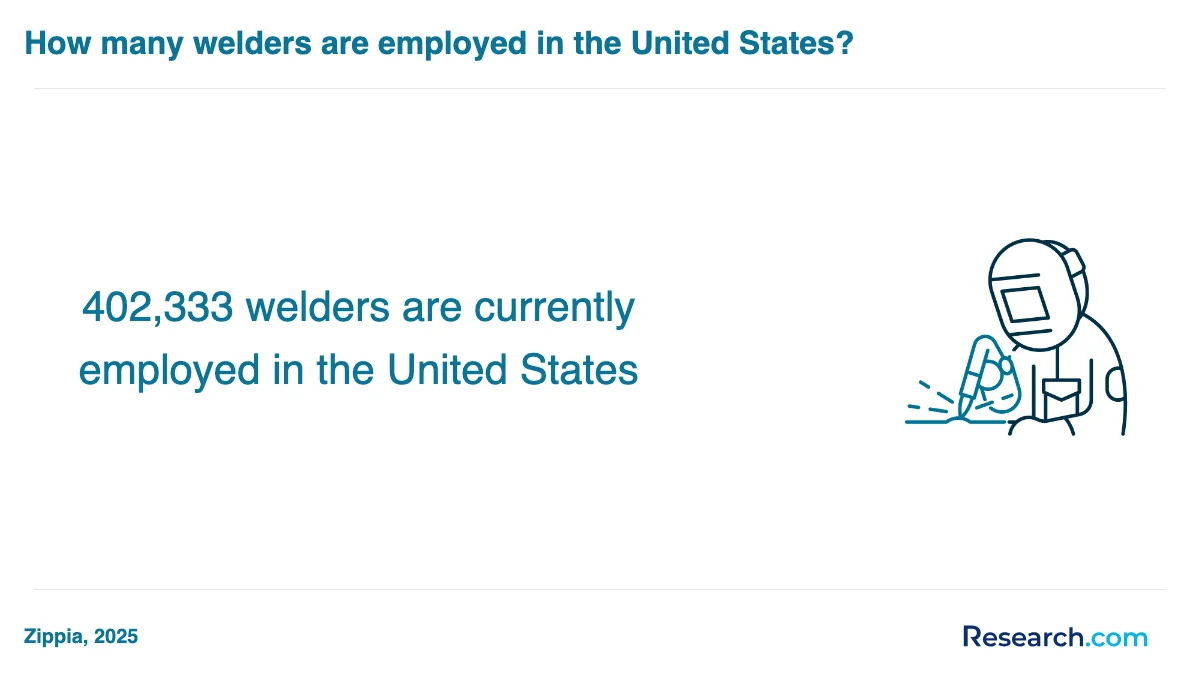
Graduates from welder trade school programs in Bismarck often dive into exciting welding jobs in Bismarck ND, finding their skills in high demand across manufacturing and construction sectors. Many start as production welders, assembling metal parts for equipment or vehicles at companies like Doosan Bobcat, where hands-on experience with electric arc-welding and blueprint reading is invaluable. These roles typically offer wages between $19.50 and $25.75 per hour, rewarding new welders eager to build expertise.
Beyond entry positions, adventurous welders explore specialized crafts such as fabricators or automotive fabricators, earning higher pay often between $35 to $40 per hour. Other graduates progress into supervisory roles like QA/QC Managers, ensuring welding quality and safety. Those with a passion for teaching find opportunities as instructional aides in local trade schools, guiding new students through their own welding journeys.
Success stories from recent graduates highlight the versatility of welder career opportunities in Bismarck-whether advancing into maintenance engineering, mechanic roles, or exploring the difference between a trade school and a vocational program, the city offers a dynamic landscape for ambition and skill growth.
Welder trade school graduates in Bismarck face an exciting landscape filled with diverse welding career opportunities Bismarck North Dakota proudly supports. With around 38 welder job openings in Bismarck ND as of mid-2025, recent grads from popular trade schools are stepping into roles that range from entry-level welding to specialized technician and quality control positions. Imagine spending your days mastering shielded metal arc or gas tungsten arc welding, then landing a job that lets you work hands-on with metals like stainless steel and aluminum in the bustling local manufacturing sector.
Many graduates from Bismarck's top programs share stories of quickly securing roles where their American Welding Society Certified Welder certificate made all the difference. Their daily work involves:
- Reading blueprints and following technical instructions
- Using diverse welding techniques
- Working in dynamic environments like construction and metal fabrication
For those eager to explore multiple pathways, this robust market offers room to grow into supervisors or instructors. Plus, students eyeing related trades may also browse cheap online maintenance technician trade school programs for additional skills to complement their welding careers.
Most Affordable Welding Schools & Training - Budget-Friendly Welding Trade Programs in Bismarck for 2026
# 1 position
United Tribes Technical College - Welding Technology/Welder.
certificate or diplomaThe Welding Technology/Welder program at United Tribes Technical College offers a hybrid format with some distance-education options. It prepares students to apply technical skills in metal joining and cutting, covering arc welding, resistance welding, brazing, soldering, and related processes. The curriculum includes welding metallurgy, safety, structural design, and applicable codes. The program is accredited by the Higher Learning Commission. Annual in-state tuition is $4,252.
# 2 position
Bismarck State College - Welding Technology/Welder.
associateBismarck State College offers a Hybrid Welding Technology/Welder program that prepares students to join or cut metal surfaces using various welding techniques. Instruction covers arc welding, resistance welding, brazing, soldering, cutting, high-energy beam welding, welding metallurgy, and safety standards. The program’s annual in-state tuition is $5,195. It is accredited by the Higher Learning Commission and includes training on ferrous and non-ferrous materials, structural design, and applicable codes.
# 3 position
Bismarck State College - Welding Technology/Welder.
certificate or diplomaBismarck State College offers a hybrid Welding Technology/Welder program that prepares students to apply technical knowledge and skills in various welding methods, including arc welding, resistance welding, and brazing. The curriculum covers welding metallurgy, structural design, safety, and relevant codes and standards. The program is accredited by the Higher Learning Commission, with an annual in-state tuition of $5,195.
Frequently Asked Questions about welder
After completing a welder trade school in Bismarck, preparation for the job market involves several key steps. First, obtaining industry-recognized certifications such as those from the American Welding Society (AWS) improves employment prospects. Many local employers in North Dakota prioritize certified welders due to stringent safety and quality standards.
Networking is also important. Attending job fairs, joining local trade associations, and connecting with alumni from your school can open doors to job opportunities. According to the Bureau of Labor Statistics, welding jobs in North Dakota are expected to grow about 3% through 2031, indicating steady demand.
Finally, creating a strong resume highlighting hands-on training and any internships gained during your program will help you stand out to employers in Bismarck's industrial sectors.
Employers in Bismarck value several key skills in graduates from welder trade schools. Technical proficiency in various welding techniques, such as MIG, TIG, and stick welding, is essential. According to the U.S. Bureau of Labor Statistics, welders with versatile skills tend to have higher employment rates. Precision and attention to detail are critical, as welders must create strong, defect-free joints. Safety knowledge is also a priority, given the physical risks involved in welding work.
Communication and teamwork skills are increasingly important, as welders often collaborate on complex projects. Problem-solving abilities help graduates adapt to different materials and welding conditions. Local employers emphasize hands-on experience, so practical training during school is highly valued in Bismarck's job market.
Finding internships relevant to a welder trade school program in Bismarck involves several strategic steps. Start by contacting local welding schools, as many have partnerships with businesses offering hands-on internship opportunities. The North Dakota Department of Career and Technical Education reports that welding-related internships in Bismarck have grown by 12% over the past three years, reflecting local industry demand.
Additionally, explore companies in industries like construction, manufacturing, and oil refining, which often seek welding interns. The Bismarck-Mandan Chamber of Commerce provides resources and job boards that list available internships. Networking through trade associations such as the American Welding Society local chapter can also connect students with potential employers offering practical experience.
Obtaining a welder trade school diploma in Bismarck significantly enhances career mobility and advancement opportunities. According to the U.S. Bureau of Labor Statistics, welders with formal training typically earn higher wages than those without credentials, with median wages around $22 per hour in North Dakota as of 2023. Trade schools provide essential hands-on experience and certification preparation, which local employers in Bismarck highly value. This credential often leads to quicker entry into specialized welding roles, such as pipe welding or underwater welding, which offer better pay and job security.
Moreover, a diploma can open doors to supervisory or inspection positions. The North Dakota Department of Commerce highlights that skilled welders in the state face a growing demand, partly due to energy and manufacturing projects. Graduates from local trade schools benefit from established industry connections, improving their chances for apprenticeships and long-term career growth.
Part-time job opportunities in Bismarck that complement welder trade school education often involve entry-level roles in manufacturing, construction, and metal fabrication. These jobs provide hands-on experience with tools and materials commonly used in welding. According to the North Dakota Department of Labor, industries like oilfield services and pipeline construction frequently seek part-time workers with basic welding knowledge.
Positions such as welding assistants or helpers allow students to practice safety protocols and welding techniques while earning income. Employers in Bismarck value candidates who can demonstrate practical skills alongside classroom learning, enhancing job prospects after graduation. Additionally, some local businesses offer internships or apprenticeships tailored to welding students.
To choose the most affordable welder degree program near you or near Bismarck, ND, start by researching available local community colleges and technical schools that offer welding programs. Consider comparing tuition costs, financial aid opportunities, and program reputation, using resources like Research.com for insights. Additionally, visiting campuses near me can provide a practical perspective on facilities and meet instructors to ensure the program meets your educational and financial needs.
- Most Affordable Welding Schools & Training - Budget-Friendly Welding Trade Programs in Elgin for 2026
- Most Affordable Welding Schools & Training - Budget-Friendly Welding Trade Programs in Denison for 2026
- Most Affordable Welding Schools & Training - Budget-Friendly Welding Trade Programs in Columbus for 2026
- Salary: Welder in Bismarck, ND, United States 2025 | Glassdoor https://www.glassdoor.co.nz/Salaries/bismarck-nd-welder-salary-SRCH_IL.0,11_IM95_KO12,18.htm
- Production Welder Salary in Bismarck, North Dakota | Salary.com https://www.salary.com/research/salary/posting/production-welder-salary/bismarck-nd
- Welder Salaries in Bismarck,ND by education, experience, performance and more | Salary.com https://www1.salary.com/ND/Bismarck/Welder-Salary.html
- Salary Finder | GetMyFuture | CareerOneStop https://www.careeronestop.org/GetMyFuture/Toolkit/find-salary.aspx
- Welding | Bismarck State College https://bismarckstate.edu/academics/programs/welding/
- North Dakota and Minnesota Welding Training - Lynnes Welding Training https://learntoweld.com/
- Welding Technology - United Tribes Technical College https://uttc.edu/academics/programs/welding/
- Lynnes Welding Training - Best Trade Schools https://www.best-trade-schools.net/schools/lynnes-welding-training/
- Welding Trade Schools in Bismarck, ND - Welder Training https://weldingcareernow.com/welding-schools/bismarck-nd
- Welding Schools in North Dakota | How to Become a Welder https://uslicenses.com/north-dakota-welding-schools/


