Most Affordable Trade School & Training Programs - Leading Certification Courses in Greensboro for 2026

Co-Founder and Chief Data Scientist
Looking for the most affordable trade schools in Greensboro for 2026? This article is here to guide you through your options with a special trade school programs ranking created by the Research.com team of data scientists. It’s designed to help you make an informed choice about which programs offer the best value and opportunities.
Whether you want a diploma or certification, pursuing trade school can open doors to a rewarding career. Reading this will give you confidence and clarity as you take the next step toward your future success.
Key benefits of finishing trade school programs trade school in Greensboro
- Expected salary: Trade school graduates in Greensboro can earn from $20,000 for entry-level automotive roles to over $150,000 in managerial positions, with an average skilled trade salary around $52,905 per year, offering strong earning potential.
- Popular career paths: Graduates often enter fields like automotive technology, electrical work, plumbing, HVAC, and manufacturing-industries with high demand and clear opportunities for growth.
- Online trade school benefits: Earning a diploma or certification online provides flexibility and convenience, allowing students to balance work and study while accessing quality education from reputable Greensboro trade schools.
- Most Affordable Trade School & Training Programs - Leading Certification Courses in Greensboro for 2026
- What can I expect from trade school programs trade schools in Greensboro?
- Where can I work after finishing trade school programs trade schools in Greensboro?
What can I expect from trade school programs trade schools in Greensboro?
The average cost of a trade school program in Greensboro typically falls between $3,000 and $15,000, which makes it an accessible alternative to traditional four-year colleges. Graduates from reputable institutions like Guilford Technical Community College often remark on the value they received-a practical education that prepared them quickly for skilled jobs without overwhelming debt.
Students can expect programs to vary in length from a few weeks to two years, depending on the field. For instance, completing a forklift operation course involves about 14 hours of hands-on training and results in a certificate respected by local employers. This practical approach is echoed across multiple trades, from electronics engineering technology to furniture upholstery.
Many students appreciate the strong industry ties trade schools maintain in Greensboro, which translate into relevant skills and sometimes paid apprenticeships. Graduates often highlight the combination of supportive faculty, flexible schedules, and career services, all of which help them transition smoothly into well-paying local jobs.
Where can I work after finishing trade school programs trade schools in Greensboro?
After finishing a trade school program in Greensboro, many graduates find themselves quickly employed in fields that align tightly with local economic demands. For instance, those completing healthcare-focused programs often take roles at nearby hospitals or dental clinics, filling positions like nursing assistants or dental assistants-both with hundreds of openings annually. Graduates speak positively about the hands-on training they received, which makes transitioning into patient care satisfying and confidence-building.
Others who pursued training in skilled trades, such as plumbing or automotive technology, appreciate how trade schools equip them with practical skills that local employers actively seek. Graduates frequently share stories of starting apprenticeships or technician roles at Greensboro's construction firms or auto shops shortly after completing their courses.
Technology graduates, benefiting from programs offered by popular local trade schools, find themselves in booming IT roles, including cybersecurity and software development. These roles often come with dynamic work environments, like battery manufacturing plants or logistics companies, offering both professional growth and job security.
After completing a trade school program in Greensboro, many graduates find their starting salaries align with practical expectations rather than lofty promises. On average, skilled trade workers earn about $52,905 annually, which feels encouraging for those who invested time and effort in local programs. Graduates from popular Greensboro trade schools often share how this baseline salary supports their independence soon after finishing courses.
For graduates entering apprenticeship roles, starting salaries typically hover around $39,888 per year. This can feel modest initially but reflects the valuable hands-on experience apprentices gain, setting a foundation for rapid growth. These apprentices often describe a sense of achievement as their skills steadily increase and pay improves.
Expanding the view, trade school grads across North Carolina average $61,025 annually, with top performers in Greensboro's tech programs-like software development or DevOps-earning from $65,000 up to over $100,000. Those entering these tech fields at local schools express excitement about how quickly they can elevate their earnings, often feeling proud of the smart career investment they made.
- Admission to trade schools in Greensboro usually requires an application, proof of North Carolina residency, and transcripts or placement test scores.
- Some programs demand prerequisite courses, SAT/ACT scores, or job experience, especially for limited enrollment or high-demand trades.
- Tuition for trade certificates or diplomas at Guilford Technical Community College ranges from $2,500 to $5,000 for in-state students, excluding books and exam fees.
- Starting salaries for graduates typically range from $32,000 to $45,000 annually, with experienced professionals earning between $60,000 and $75,000.
- Many programs offer stackable credentials, allowing students to earn higher qualifications over time to support career growth.
Completing a trade school program in Greensboro varies widely depending on your chosen field and study pace. Graduates from Millennium Trade Academy often share enthusiasm about their accelerated nail technology training, which takes as little as 8 to 12 weeks full-time, allowing them to quickly enter the workforce with practical skills.
For those pursuing more technical careers, such as HVAC or welding, programs typically extend to 10 to 14 months, offering a balanced yet intensive experience. Graduates in these fields frequently express satisfaction with gaining hands-on expertise within a reasonable timeframe, preparing them thoroughly for immediate employment.
The apprenticeship route, like the Greensboro Apprentice Program (GAP), spans about four years due to its blend of on-the-job training and classroom instruction. Students appreciate earning their Associate of Applied Science from Guilford Technical Community College (GTCC) while getting paid, emphasizing a strong career foundation alongside financial support.
Shorter workforce training courses at GTCC, often completed in weeks or months, cater well to students seeking quick credentialing in healthcare or IT, making the journey to employment feel achievable and motivating.
The key difference between online and on-campus trade school programs in Greensboro centers on how students engage with their coursework and environment. Online learners at institutions like Greensboro College enjoy the freedom to study anytime and anywhere, accessing materials through dedicated platforms. Graduates often highlight the convenience of balancing coursework with jobs or family, appreciating the self-paced structure that fits their hectic lives.
Conversely, on-campus programs at places such as Guilford Technical Community College offer immersive hands-on training with direct access to labs and face-to-face mentorship. Students in healthcare or advanced manufacturing careers benefit from this real-time interaction, which fosters immediate support and stronger peer connections. Some graduates recall the energy of in-person classes as motivating and invaluable for mastering practical skills.
Both formats maintain consistent tuition rates and experienced faculty, with online programs requiring more self-discipline and on-campus courses offering the advantage of structured daily routines and networking opportunities. Hybrid options at Greensboro College blend the two, catering to diverse learning preferences and goals.
The average trade school cost in Greensboro typically ranges between $3,000 and $15,000, depending on the program and its length. Many students at well-known Greensboro trade schools, especially those enrolled in shorter certificate courses, find the costs manageable and appreciate the quicker path to employment. Graduates often describe relief at finishing with less debt compared to traditional four-year colleges. Public institutions and community colleges in Greensboro usually offer tuition on the lower end, sometimes between $3,973 and $9,617 per year for two-year or shorter programs, making them accessible choices for many local students.
However, Greensboro NC trade school tuition and fees can be higher for private or specialized programs, occasionally exceeding $15,000 for the full course duration. This reflects additional benefits such as more personalized instruction or specialized equipment. Students frequently mention that understanding the full cost, including fees, materials, and living expenses, is crucial to avoid surprises. Many appreciate the guidance they receive from financial aid offices, which help them explore scholarships, grants, and payment plans that ease the financial burden.
Those seeking the best trade jobs understand that investment in quality education opens career doors. To explore potential careers after graduation, consider looking at best trade jobs that align with your program choice and budget.

Trade school students in Greensboro have access to a variety of financial aid options that make pursuing a skilled career more manageable. Completing the FAFSA early-using codes like 004838 for Guilford Technical Community College (GTCC) or 002930 for Greensboro College-is crucial, as it triggers eligibility for federal, state, and institutional aid.
Federal help includes Pell Grants that don't require repayment, federal loans, and work-study programs. Many Greensboro students appreciate how work-study roles at GTCC provide real earnings while gaining experience. State aid supplements these federal funds, often requiring FAFSA submission, and local colleges frequently add scholarships or emergency support.
Guilford College first-year students often receive substantial packages averaging $36,500 yearly, proving how accessible aid can dramatically ease financial stress. Additionally, GTCC's Emergency Loan Program and tuition deferment give students breathing room during tough times. Graduates from these schools often share how this financial structure transformed their educational journeys from daunting investments into achievable goals.
Enrolling in a trade school program in Greensboro generally requires a high school diploma or an equivalent like a GED, which ensures you have the foundational skills to succeed.
Students at Guilford Technical Community College (GTCC), a leading local institution, often share how completing the North Carolina Residency Determination was an important step. This online process confirms your eligibility for in-state tuition and must be done before the main application.
Some programs also expect proof of academic readiness, especially for healthcare, skilled trades, or IT courses. Graduates often mention needing to submit transcripts showing they earned at least a C in key prerequisite classes such as biology or algebra. In some cases, placement tests or standardized scores like the SAT or ACT help demonstrate eligibility.
Typical prerequisites include:
- High school diploma or GED
- North Carolina Residency Certification Number for in-state tuition
- Official transcripts showing prerequisite coursework completion
- Placement or proficiency tests if prior credentials are unclear
Unlike four-year colleges, no essays, letters of recommendation, or interviews are required, which makes the process accessible and reduces unnecessary stress. Many graduates appreciate this straightforward approach, finding it reassuring and supportive as they transition into technical careers.
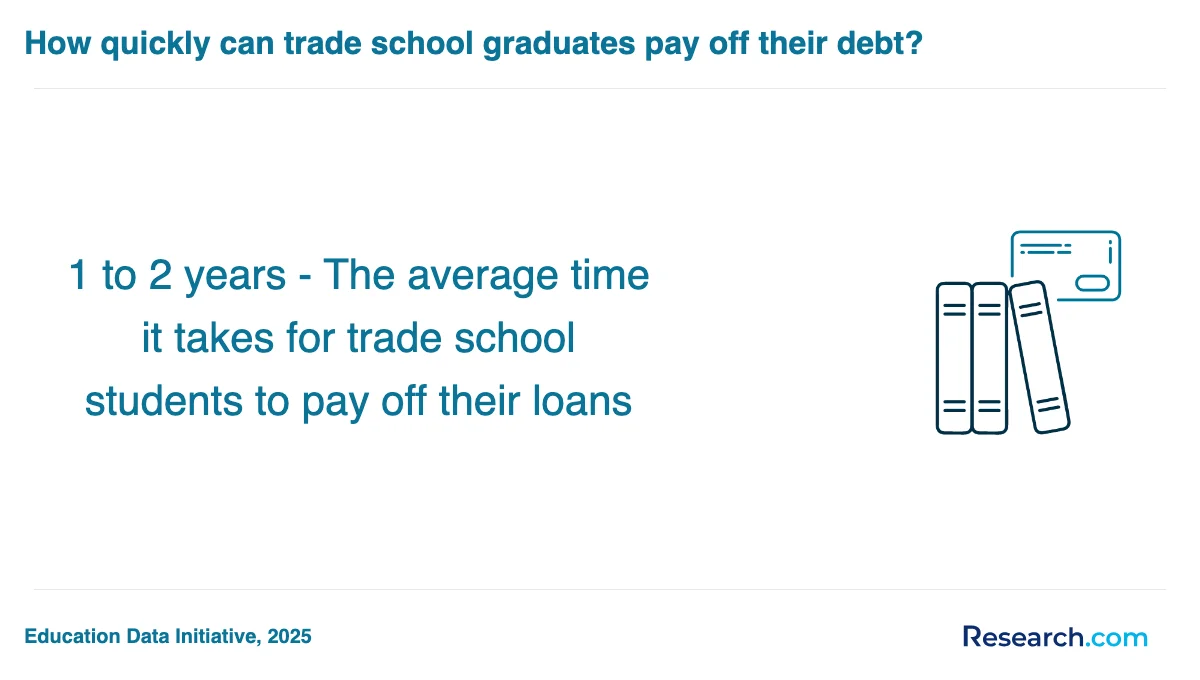
Trade school programs in Greensboro focus on hands-on skills that directly prepare students for in-demand careers, blending practical training with certification readiness. Graduates often share that programs like HVAC Technician and Welding stand out for their lab-based approach-spending weeks mastering equipment and techniques gives a real sense of accomplishment and confidence entering the workforce.
Typical courses include:
- Skilled trades: HVAC, Welding, Electrical, Auto Mechanic-each emphasizing installation, repair, and diagnostics using industry tools.
- Healthcare: Medical Assistant, Phlebotomy, Radiologic Technician, Pharmacy Technician, and Surgical Technology, all with a strong focus on patient care and certification prep.
- Other vocational paths: Aviation Maintenance, CDL Truck Driving, and Cosmetology.
- Business and STEM: Accounting, Business Administration, Supply Chain Management, and logistics, catering to management and operational roles.
Experienced students from Greensboro's trade schools often mention how accessible the courses are, offered both on campuses across Guilford County and online-making it easier to balance life and study. The diversity of programs reflects local job market needs, making it especially encouraging for those wanting a fast, affordable pathway to stable employment in Greensboro.
Trade school programs in Greensboro offer a diverse range of specializations tailored to both local industry needs and student ambitions. Graduates from Guilford Technical Community College often share how programs like architectural design, welding, HVAC, and automotive repair provide hands-on skills that quickly translate to job readiness. These practical tracks appeal to those eager to enter the workforce without delay.
Beyond traditional trades, students can explore business-centered areas such as accounting, supply chain management, and paralegal studies, which equip them for service-oriented careers. For creatives, Greensboro's trade schools present engaging options in arts, entertainment, and design, including game development and music industry training, ideal for those passionate about behind-the-scenes roles.
Public safety fields-like emergency medical services and firefighting-resonate strongly with community-minded students, while STEM and specialized technical programs, such as turfgrass management, reflect the city's unique economic landscape. Healthcare, IT, and advanced manufacturing certificates, offered by institutions like Greensboro College, cater to both newcomers and professionals seeking growth.
Choosing a trade school in Greensboro often means understanding why trade school is better than college for immediate employment and skill acquisition tailored to regional demands.
Choosing the best trade school programs in Greensboro requires focusing on alignment with your career goals and the practical demands of the local job market. Graduates from ECPI University often highlight the benefit of hands-on training combined with flexible scheduling, a crucial factor when balancing work or family life. Meanwhile, others who attended Millennium Trade Academy emphasize the importance of program accreditation, noting it helped them secure employment more easily.
Cost and financial support are essential considerations. Some trade schools in Greensboro, like Capacitate HVAC & Electrical, offer scholarships or federal grants to reduce expenses, making quality education accessible without overwhelming debt. Also, investigate schools' connections with employers - strong job placement rates often reflect real partnerships that lead to immediate hiring after graduation.
Reflect on how to choose a Greensboro trade school that matches your learning style and lifestyle. Many students appreciate schools providing both on-campus and online options, allowing them to gain technical skills and confidence through internships or apprenticeships.
For a broader perspective on available careers, consider reviewing a comprehensive trade careers list to ensure your chosen program fits future employment trends.
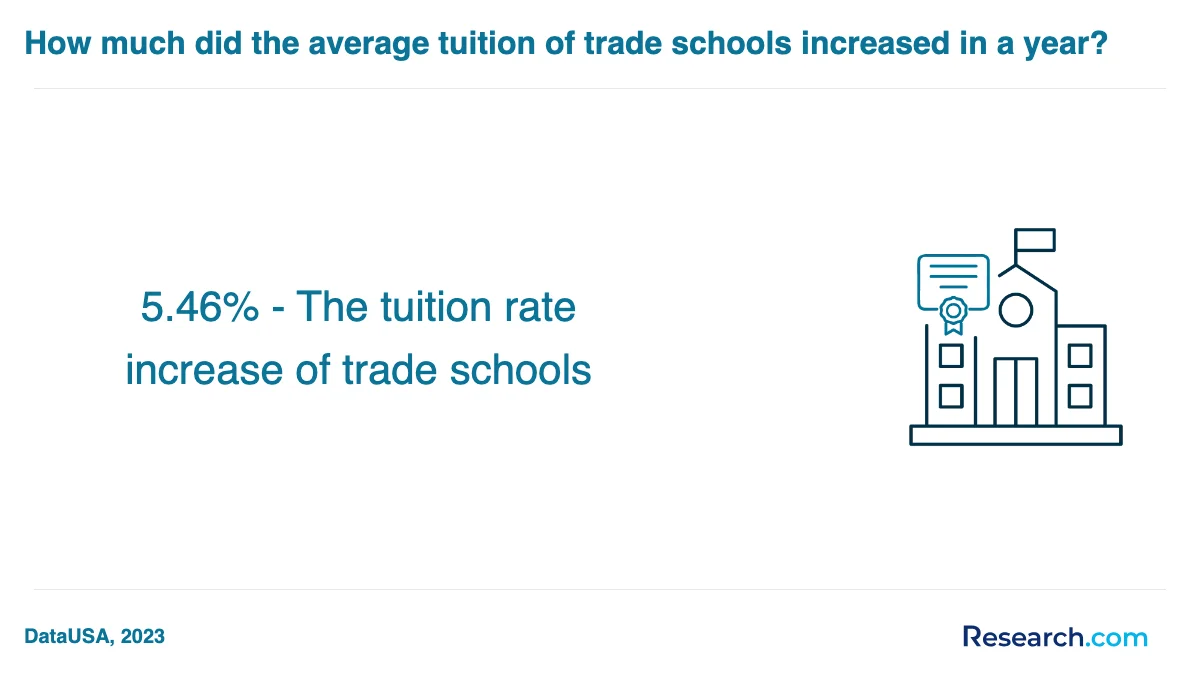
Trade school graduates in Greensboro find diverse career pathways tailored to the city's economic landscape, with programs at Guilford Technical Community College and Greensboro College drawing praise from alumni for their practical approaches. Many graduates enter healthcare roles such as medical assistants or billing specialists, filling critical demand in local hospitals and clinics, which provides rewarding opportunities in a growing field.
Information technology careers also attract students aiming to become network administrators or cybersecurity technicians-positions essential across virtually all industries. Others build skills in advanced manufacturing and aerospace, securing jobs as CNC machinists or quality control inspectors, reflecting strong ties between trade programs and Greensboro employers.
Graduates report the value of credentials in project management and human resources, helping them step into supervisory roles in both public and private sectors. These career pathways for trade school graduates in Greensboro extend further into architecture, construction, hospitality, and law enforcement, emphasizing the region's workforce demands.
- Arts, entertainment, and design roles are accessible through specialized tracks, launching careers as technicians and production assistants
- Logistics and business management positions leverage skills taught in local trade schools
- Technical trades such as electrician and carpenter continue to provide steady employment
For students seeking flexible options, exploring cheap online trade schools with landscaping technology classes offers additional pathways alongside Greensboro's established programs. The broad spectrum of Greensboro trade school jobs and salaries underscores the real-world viability of these specialized education routes, empowering graduates to quickly enter the workforce with confidence and tangible skills.
The trade school job opportunities in Greensboro NC present a promising landscape for graduates, shaped by local industry needs and steady regional growth. Graduates from popular trade schools in the area often find reliable employment in key sectors such as manufacturing, transportation, and construction. Many share positive experiences about entering well-paying roles shortly after completing programs focused on welding, HVAC, or commercial truck driving. For instance, with transportation and material moving jobs making up 12.4% of local employment, graduates frequently secure positions that offer wages averaging $19.45 per hour.
Increased demand is notable in tech-oriented trades too, especially given Greensboro's growing manufacturing technology sector. Graduates with skills aligned to automotive battery plant operations or software-related trade positions report strong hiring activity, reflecting the Greensboro NC employment outlook for trade school graduates.
Success stories often emphasize practical training received at trade schools, highlighting how hands-on experience accelerates job readiness. Many explore paths such as construction, electrical work, or health care support roles in the region.
- Consistent growth in skilled trades fueled by retirements and new projects
- Competitive wages relative to cost of living
- Emerging tech opportunities beyond traditional trades
Some graduates even pursue online hvac certificate courses to upskill conveniently, further enhancing their job prospects without relocating.
Most Affordable Trade School & Training Programs - Leading Certification Courses in Greensboro for 2026
# 1 position
Strayer University-North Carolina - Criminal Justice/Police Science.
associateStrayer University-North Carolina offers a Criminal Justice/Police Science program designed to prepare individuals for roles in law enforcement. The curriculum covers patrol and investigative duties, traffic and crowd control, witness interviewing, evidence management, crime prevention, weapon operation, and report preparation. The annual in-state tuition is $13,920. This program focuses on the practical skills required for police and public security officer responsibilities.
# 2 position
Strayer University-North Carolina - Accounting Technology/Technician and Bookkeeping.
associateStrayer University-North Carolina offers a program in Accounting Technology/Technician and Bookkeeping that prepares students to provide technical administrative support to accountants and financial management personnel. The curriculum includes posting transactions, record-keeping systems, accounting software operation, and general accounting principles. The annual in-state tuition for this program is $13,920.
Frequently Asked Questions about trade school programs
After completing trade school in Greensboro, preparing for the job market requires a combination of practical steps and strategic planning. Graduates should focus on building a strong resume that highlights hands-on skills acquired during their programs, such as HVAC repair, welding, or automotive technology. According to the North Carolina Department of Commerce, employment for skilled trades in Greensboro is projected to grow by 5% over the next decade, emphasizing the importance of readiness.
Networking is essential. Attending local job fairs, such as those hosted by the Greensboro Chamber of Commerce, can connect graduates with potential employers. Additionally, obtaining relevant certifications beyond the trade school diploma can boost job prospects and salary offers.
Internships or apprenticeships, often facilitated by trade schools, provide valuable real-world experience and can lead directly to employment. Finally, graduates should familiarize themselves with regional labor market trends through resources like the U.S. Bureau of Labor Statistics to target in-demand trades more effectively.
Employers in Greensboro highly value trade school graduates who demonstrate both strong technical and soft skills. According to the National Center for Education Statistics, proficiency in hands-on skills like welding, electrical work, and HVAC systems ranks among the top requirements. Beyond technical ability, local employers emphasize teamwork, communication, and problem-solving skills. A 2023 Greensboro Chamber of Commerce survey found that 78% of companies prefer candidates with practical experience coupled with reliability and adaptability. Time management and safety awareness are also critical, especially in construction and manufacturing roles. Graduates who blend these skills tend to have better job prospects in the region's skilled trades market.
Finding internships in Greensboro that align with your trade school program involves several strategic steps. Start by consulting your trade school's career services office, as many have established relationships with local employers in industries such as manufacturing, healthcare, and automotive repair. Greensboro's Chamber of Commerce and local workforce development boards also offer resources and job listings specific to apprenticeships and internships.
Online platforms like Handshake and Indeed frequently list internship opportunities in Greensboro tailored to vocational skills. Networking events and industry meetups organized by groups such as the Piedmont Triad Regional Workforce Development Board can connect you directly with employers.
According to the U.S. Bureau of Labor Statistics, internships in skilled trades are growing by approximately 5% annually in North Carolina, reflecting increasing local opportunities. Leveraging these resources can significantly improve your chances of securing a relevant internship in Greensboro.
In Greensboro, a trade school diploma can significantly enhance career mobility and advancement. According to data from the North Carolina Department of Commerce, trade school graduates in the area often see quicker entry into the workforce compared to those with traditional degrees. Many local industries, such as manufacturing and healthcare, value specialized skills that trade programs provide, which increases graduates' job prospects.
Trade diplomas frequently lead to certifications that employers recognize, enabling individuals to qualify for higher-paying roles. The U.S. Bureau of Labor Statistics notes that skilled trades jobs are expected to grow 4% nationally from 2022 to 2032, signaling steady demand.
In Greensboro, practical skills training helps graduates move laterally and upward within companies, reflecting strong social mobility opportunities tied to trade education.
Greensboro offers a range of part-time job opportunities that effectively complement trade school education. Many students find work in fields related to their studies, such as apprenticeships in electrical or HVAC services. According to the U.S. Bureau of Labor Statistics, the Greensboro area expects steady growth in construction and skilled trades, supporting part-time roles for students gaining hands-on experience.
Retail positions, customer service, and administrative support are also common among students balancing work with education. These roles help develop soft skills like communication and time management. Additionally, local employers in manufacturing and automotive repair often seek part-time workers, providing practical experience aligned with trade school training. These job options bolster learning and employability for Greensboro trade school students.
To choose the most affordable degree program near me in Greensboro, NC, start by comparing tuition fees across local community colleges and public universities, which tend to be more affordable than private institutions. Research.com can be a helpful resource to identify available programs and their respective costs, while also considering financial aid options and scholarships that local educational institutions may offer. Additionally, visiting campuses near Greensboro, NC or attending virtual information sessions can help provide insight into the benefits and financial obligations of each program.
- Workforce Training & Continuing Education https://www.gtcc.edu/academics/workforce-training/index.php
- Workforce Development at Greensboro College https://innovationandworkforcedevelopment.greensboro.edu/
- Career and Technical Education (CTE) - Guilford County Schools https://www.gcsnc.com/families/schools-of-the-future/career-and-technical-education-cte
- Career Center - Triad Goodwill https://www.triadgoodwill.org/train/career-center/
- Millennium Trade Academy – Get started with trade career today! https://millenniumtradeacademy.com/
- The Best Trade Schools in North Carolina - Campus and Online https://www.onlineschoolscenter.com/best-trade-schools-north-carolina/
- Trade or Career Schools https://ncdoj.gov/protecting-consumers/money-making-schemes/trade-or-career-schools/