Most Affordable Certificate Programs - Leading Certification Courses in Houston for 2026

Co-Founder and Chief Data Scientist
Are you considering a trade school certificate program in Houston for 2026? Choosing the right program can be overwhelming, but you’re in the right place.
This article presents a carefully developed trade school certificate programs ranking created by the Research.com team of data scientists to help you find affordable and valuable options.
By exploring this guide, you’ll discover programs that fit your budget and career goals, making it easier to take the next step toward a rewarding future.
Getting a trade certification can open doors and boost confidence on your path to success.
Key benefits of getting trade school certificate in Houston
- Expected salary: Trade school graduates in Houston can earn strong incomes, with electricians making around $60,976 and plumber-related jobs reaching $87,357 annually. Specialized roles like air traffic controllers earn up to $95,266, while NDT technicians with Level 3 certification can make $110,512.
- Popular career paths: Graduates often find rewarding jobs as electricians, diagnostic medical sonographers, or elevator installers, careers that combine solid pay and a clear path after short training programs.
- Online certification benefits: Earning a trade school certificate online allows flexibility and convenience, helping students balance work and education while still entering Houston's job market quickly and successfully.
- Most Affordable Certificate Programs - Leading Certification Courses in Houston for 2026
- What can I expect from trade school certification programs in Houston?
- Where can I work with trade school certification in Houston?
What can I expect from trade school certification programs in Houston?
The average cost of a trade school certification program in Houston typically ranges between $5,000 and $20,000, depending on the field of study and the institution chosen. Graduates from local schools like UEI and Lincoln Tech often share how investing in a program that lasts from a few weeks up to 10 months is seen as a worthwhile step toward a stable career. Many describe the experience as hands-on and practical, with small class sizes enabling personal attention and a strong sense of community.
For instance, those training in automotive technology or HVAC frequently highlight the value of learning with industry-standard tools, which prepares them for real workplace challenges. Others pursuing healthcare certifications recall the thorough preparation they received to meet state requirements, such as passing external exams for Surgical Technology.
Students also appreciate the comprehensive support services offered, from career placement to academic guidance, which help ease the transition from classroom learning to meaningful employment in Houston's growing job market.
Where can I work with trade school certification in Houston?
After finishing a trade school certification program in Houston, many graduates find themselves quickly employed in thriving industries shaped by the city's strong economic base. For instance, those who complete programs in electrical technology often take roles as electrical or field service technicians within Houston's expansive industrial and healthcare sectors. It's common to hear from graduates who appreciate the practical skills gained during their studies, which translate directly to hands-on work at hospitals, schools, or large facilities.
Others trained in HVAC join building maintenance companies or contractors, experiencing the satisfaction of solving real-world climate control challenges across Houston's diverse commercial buildings. Automotive and diesel technology graduates frequently secure rewarding positions with dealerships or fleet maintenance companies, enjoying a sense of accomplishment from keeping Houston's transportation infrastructure moving smoothly.
Welding program graduates find engaging careers in construction or oil and gas industries, feeling pride in their craftsmanship on major projects. Meanwhile, healthcare certifications open doors to stable roles in clinics or dental offices, where many graduates express gratitude for the opportunity to help their community and receive excellent benefits. Houston's variety of career paths ensures that certified trade school students consistently find meaningful, well-compensated work shortly after graduation.
Graduates of trade school certification programs in Houston often find themselves stepping into careers with solid earning potential, making the investment in their education feel rewarding and practical. Many alumni reflect on how their starting salaries, ranging from about $35,000 to $54,000 annually as CNC machinists or engine technicians, gave them a real sense of financial independence shortly after completing their programs at well-known Houston trade schools.
For those moving into more specialized fields, the picture is even brighter. Journeyman linemen report median salaries around $67,560 a year, while licensed electricians commonly earn about $60,976 annually, with experienced professionals enjoying even higher pay. Graduates often share stories of increased confidence as they see this progress in their paychecks, emphasizing how certification opened doors they hadn't imagined before.
Some graduate stories highlight the experience of entering high-demand trades like plumbing and pipefitting, where salaries near $87,357 support a stable, well-compensated lifestyle. Other success stories involve medical sonography or elevator repair, where earnings reach upward of $67,000 and $82,000, creating pride and job security for those who chose a Houston program.
This tangible financial growth, coupled with strong job security, reassures many graduates that their choice to study locally was wise and life-changing.
- "Choosing Houston Electrical Institute transformed my life. The hands-on training was intense but rewarding, and the instructors genuinely cared. Within months, I landed a job as an electrician at a top construction firm. The confidence and skills I gained here opened doors I never thought possible." - Marcus
- "Houston Culinary Academy was more than just classes; it was a passion awakening. The vibrant kitchen environment and expert chefs pushed me to excel. Graduating with my certification, I secured a role as a sous chef, fulfilling my dream of working in Houston's thriving food scene." - Isabella
- "Attending Houston Technical College's HVAC program was a smart move. The small class sizes and real-world applications prepared me perfectly. After certification, I quickly found work with a reputable HVAC company, bringing comfort to Houston homes and feeling proud every day." - Jamal
- Entry requirements for trade school certificates in Houston vary; some need only a high school diploma or GED, while others require prior work experience or industry licensure.
- Tuition costs range from about $1,250 to $28,000, with Houston Community College charging approximately $1,632 for 12 credit hours per semester.
- Program lengths vary widely, from accelerated 4-6 week courses to longer programs lasting up to 20 months for specialized training like aviation maintenance.
- Graduates can expect entry-level salaries between $38,000 and $52,000 annually, with experienced professionals earning $60,000-$70,000 or more in fields such as welding and healthcare technology.
- Hands-on training is included in most programs, and industry-recognized certification exams are often required for employment in licensed trades.
Trade school certification programs in Houston vary in length, offering flexibility for students eager to enter the workforce quickly. Many graduates recount completing short-term programs in just a few weeks-some as brief as 2 to 6 weeks. These often include specialized certifications like welding or nursing assistant (CNA), providing fast, focused training that fits around their busy lives.
Others enrolled in programs lasting two to four months, typical for trades such as HVAC, plumbing, or electrical work. One graduate appreciated the option to choose evening or weekend classes at Houston Trade Training, allowing them to balance work and study while finishing in under two months.
More comprehensive certifications, like manual machining technology, may take up to a year to complete at places like Houston Community College. These longer programs offer deeper hands-on experience but remain adaptable for working adults.
The variety of schedules and program lengths across Houston's trade schools reflects a thoughtful approach to adult learners' needs, making trade certification an attainable goal for many.
Choosing between online and on-campus trade school certification programs in Houston often comes down to lifestyle and learning preferences. Graduates from Houston Community College frequently share how online programs allowed them to balance work and family responsibilities, completing coursework on their own schedule through platforms like Canvas. This flexibility is a lifesaver for many working adults eager to advance their careers without sacrificing daily commitments.
On the other hand, those who attend in-person classes at institutions such as the University of Houston-Clear Lake describe the energizing experience of face-to-face interaction and hands-on training. For trades like HVAC or automotive repair, working directly with tools and instructors in campus labs offers a sense of confidence and real-world readiness that online formats can't easily replicate.
Some Houston students appreciate hybrid programs, blending the ease of online lectures with vital in-person labs. This approach feels like the best of both worlds-convenience paired with indispensable practical experience that builds true skill and professional assurance.
The average cost of trade school in Houston varies significantly based on the program and institution. Many graduates recall paying between $1,250 and $28,000 for certification programs, reflecting choices from short-term training in HVAC or truck driving to more advanced fields like medical technology. Houston Community College offers some of the most affordable Houston trade school tuition and fees, with semester costs around $1,632 for 12 credit hours, which many local students find manageable. Those pursuing programs at private trade schools in Houston often face higher tuition fees, typically ranging from $16,000 to $30,000, but these programs sometimes offer specialized training that graduates have found valuable for quickly entering their careers.
For students balancing work and study, the compact timeline of most Houston trade school certificate programs-usually less than a year-is a major advantage. This fast track helps many feel confident about the investment, knowing they won't be tied down as long as traditional degrees, which average nearly $20,000 per year nationally. Graduates frequently highlight that additional costs such as books and materials require budgeting but are offset by available grants and scholarships that many Houston schools offer to help students manage expenses.
Choosing the right program often depends on individual career goals and financial situations. Many find it reassuring to explore options and resources designed to reduce upfront costs while increasing their return on investment. Students interested in trade schools careers in Houston often recommend starting with public institutions or certificates in fast-growing fields to maximize value and minimize debt.
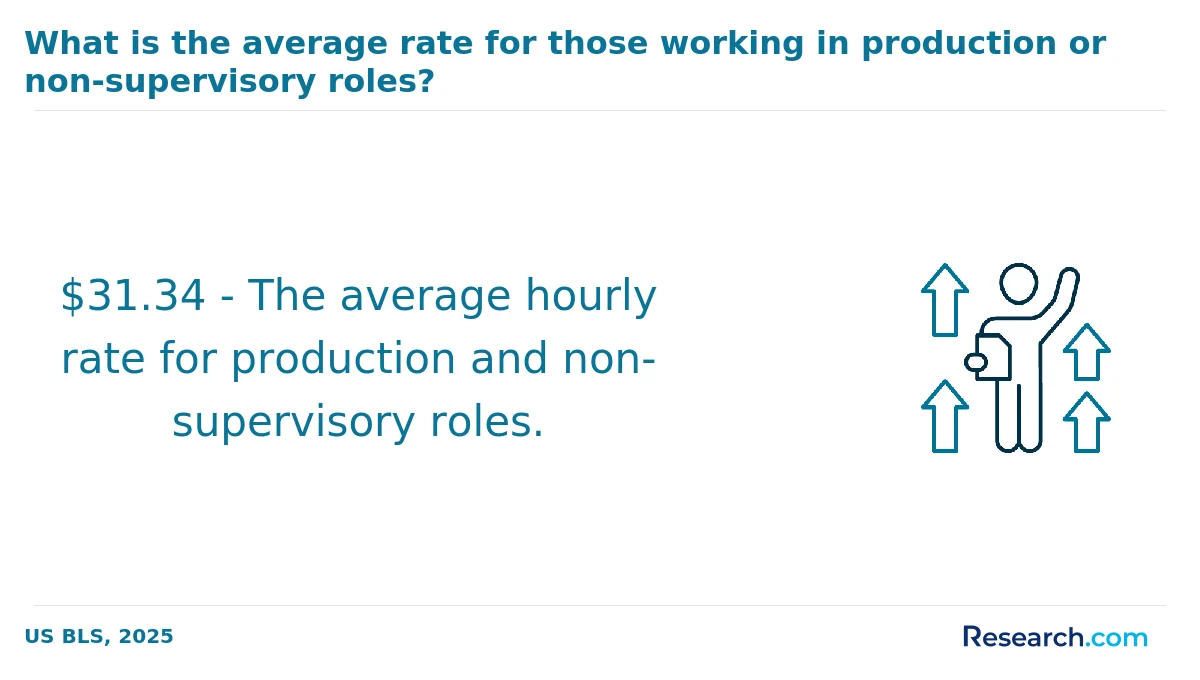
Students pursuing trade school certification programs in Houston often find financial aid options that genuinely ease the burden of tuition and related expenses. Many graduates recall how federal aid, like the Pell Grant, made enrolling at Houston Community College's certified programs achievable after completing the FAFSA. For those who don't qualify for federal aid, programs supported by the Texas Application for State Financial Aid provide vital help, especially for Texas residents aiming to advance their skills.
Local initiatives such as Workforce Solutions shine vividly in the experiences of many students studying welding, healthcare, or tech fields, offering scholarships that cover tuition and even certification test fees. These supports make ambitious career goals feel attainable, especially when coupled with assistance for English language learners or GED preparation.
At schools like BuildStrong Academy, stories of tuition-free training funded by community partnerships inspire hope for those worried about cost barriers. Graduates often mention how institutional scholarships and flexible payment plans open doors, turning dreams of skilled trades into satisfying careers in Houston's thriving job market.
Enrolling in a trade school certification program in Houston typically begins with proving that you have a solid educational foundation. Most graduates recall the relief of knowing their high school diploma, GED, or homeschooling credentials were sufficient to start their journey. Some programs welcome those with an associate degree or completion of at least 60 semester credit hours, opening doors for students coming from diverse academic paths.
Before admission, many Houston trade schools require placement tests tailored to the subject area, which help assess your readiness without the pressure of SAT or ACT scores. For example, a graduate from a popular Houston technical school shared how this test helped highlight areas to focus on, boosting confidence early in the program.
Age is another practical consideration-most programs expect students to be at least 16 years old. However, specialized fields like health sciences or industrial trades often ask for more experience or older age due to safety and licensure.
- Proof of educational credentials (high school diploma, GED, or equivalent)
- Placement exams tailored to the program
- Minimum age of 16 years, often higher for specialized fields
- In some cases, additional experience or licensure is needed, such as 2-5 years of full-time work for Trade and Industrial Education certifications
- Health sciences programs may require an associate degree and professional licensing, plus two years of relevant work experience
In real life, students balancing work and study find these requirements reasonable and enabling. A health profession certificate graduate reflected on how their prior healthcare job made the certification process smoother and more meaningful. Meanwhile, those pursuing alternative teacher certification at Houston City College often share stories of meeting precise course grades and passing mastery exams as a rite of passage, fostering a deep sense of accomplishment.

Trade school courses in Houston reflect the city's diverse industrial landscape, giving students hands-on experience in fields that promise rewarding careers. Graduates often share how their certificate program curriculum Houston focused on mastering technical skills that quickly translate to the workforce. For example, those in automotive programs highlight courses covering automotive service and repair, brake systems, and hybrid vehicle maintenance-essential skills valued by local employers.
Other students in welding programs describe gaining confidence through learning multiple welding processes, blueprint reading, and metal fabrication in active shop settings. Electrical technician tracks combine AC and DC theory with wiring and industrial electronics, equipping students for jobs in bustling construction and manufacturing sectors.
Common core courses across many programs include:
- Diesel engine diagnostics and transport refrigeration
- HVACR system controls and refrigeration techniques
- Non-Destructive Testing methods like ultrasonic inspection
- Robotics, programmable logic controllers, and wind turbine maintenance
These targeted courses support fast skill acquisition, often within a year or less, matching Houston's energetic job market. For those seeking flexible pathways, several trade schools also offer low cost online electrical lineman programs that build upon these foundational skills.
Choosing the best trade school certification program in Houston means prioritizing programs that fit your career goals and lifestyle. Graduates of Houston's top schools often praise the hands-on training that prepares them for real-world challenges in trades such as welding or HVAC. For instance, those who attended schools like Tulsa Welding School appreciate how practical experience and strong industry ties helped them land jobs quickly after graduation.
When comparing programs, consider how to compare Houston trade school costs alongside the quality of education. An affordable program isn't enough if it doesn't lead to certification recognized by Texas licensing boards or industry credentials. Many students find that accredited programs not only meet these standards but also provide access to job placement services and local employer networks, boosting confidence during the job search.
Reflect on your own circumstances and look into programs that offer flexible scheduling to balance work and study. Researching employment outcomes and starting salaries in Houston helps ensure your investment pays off. If you're weighing between a trade school or college, it's useful to visit trade school or college to see which option aligns best with your goals.
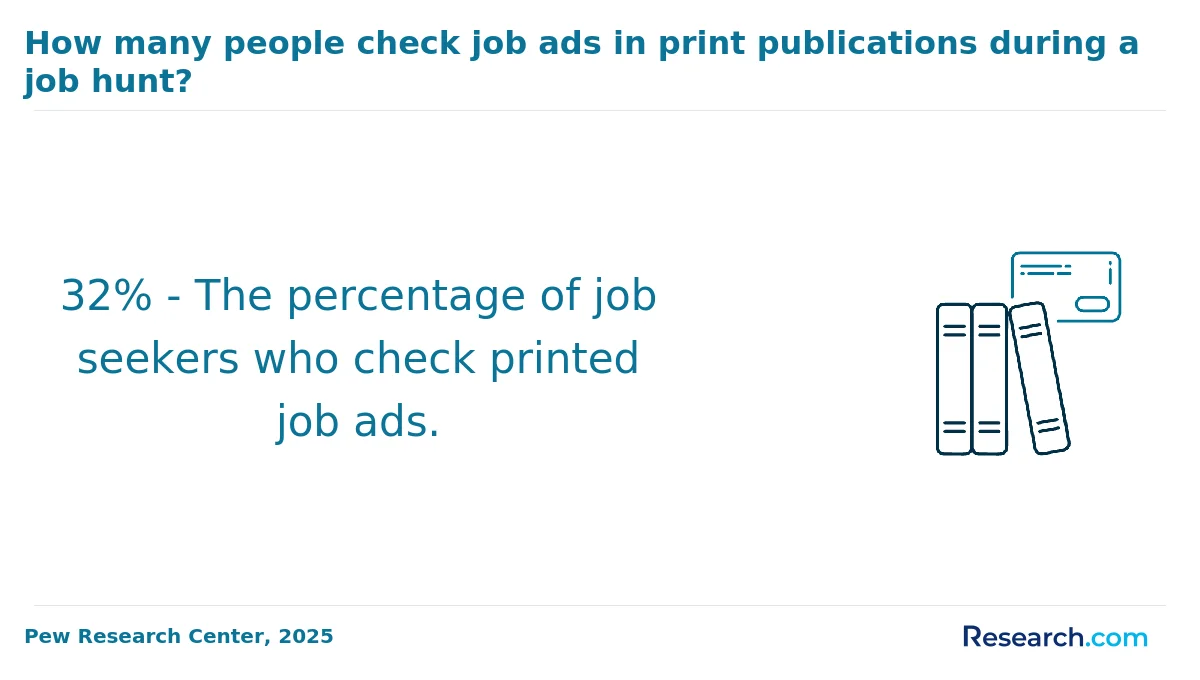
Graduates of trade school certification programs in Houston find themselves entering a landscape rich with career opportunities for trade school graduates in Houston. Fields like healthcare, skilled trades, and technology are particularly popular. Many who trained at well-known Houston schools have launched fulfilling careers as medical assistants or dental hygienists, working confidently in local clinics and hospitals. Students completing HVAC, electrical, or welding certifications often share how quickly their skills translated into well-paying jobs with local employers.
Examples of in-demand careers include:
- HVAC technicians earning a median of $59,810, benefiting from Texas's strong job market.
- Electrical workers with steady opportunities and growing positions locally.
- Diesel mechanics and industrial maintenance specialists thriving thanks to Houston's vast energy and manufacturing sectors.
Many graduates emphasize how fast-track options helped them start earning quickly, especially in fields like CDL driving and welding. Institutions such as Universal Technical Institute and Roadmaster Drivers School offer hands-on training that students describe as immediately relevant to Houston's workforce.
For those excited by innovation, roles in robotics, automation, and non-destructive testing present a vibrant career path aligned with Houston's technological growth. Those drawn to maintenance can explore cheapest online maintenance technician trade programs, perfectly suited to balancing work and study. Communities of graduates often talk about the pride in connecting their trade skills to Houston's booming industries, underscoring the city's uniquely strong foundation for skilled trades.
The job market for trade school certification program graduates in Houston remains vibrant and full of promise. Houston trade school certification employment opportunities are abundant across industries like energy, healthcare, construction, and logistics. Graduates from local institutions often find themselves quickly immersed in rewarding careers thanks to strong employer partnerships and tailored training programs. For example, many graduates have shared how programs in HVAC, welding, and electrical work directly connect them to employers who value hands-on skills above all.
Key factors shaping the positive job outlook for trade school graduates in Houston include:
- Median salaries such as $50,170 for truck drivers and nearly $96,050 for office managers, showing competitive income potential
- Over 1,000 job openings in trades like apprentice electricians and fabrication welders as of late 2025
- Collaborations between technical colleges and over 170 local industry partners, supporting mentorship and placement
Many graduates attest to the swift transition from study to employment, often finding themselves valued by employers who prioritize certifications over traditional diplomas. It's encouraging to see how trade programs adapt to market demand by regularly updating curricula based on labor analytics, ensuring skills taught are relevant and practical.
For Houston students wondering what is the easiest trade to learn that pays most, these robust opportunities offer inspiring proof that trade certifications provide both stability and growth in a dynamic economy.
Most Affordable Certificate Programs - Leading Certification Courses in Houston for 2026
# 1 position
Houston Community College - Diagnostic Medical Sonography/Sonographer and Ultrasound Technician.
certificate or diplomaHouston Community College offers a fully online Diagnostic Medical Sonography/Sonographer and Ultrasound Technician program that prepares students to use medical ultrasound techniques for diagnostic purposes. The curriculum includes patient care, sonographic data processing, and professional ethics. Annual in-state tuition is $2,040. Graduates have median earnings of $64,648 one year after completion. The program is accredited by the Southern Association of Colleges and Schools Commission on Colleges.
# 2 position
Houston Community College - Automobile/Automotive Mechanics Technology/Technician.
certificate or diplomaHouston Community College offers a hybrid program in Automobile/Automotive Mechanics Technology/Technician that prepares students to repair, service, and maintain various automobile systems. Instruction covers brake systems, electrical systems, engine performance and repair, suspension and steering, transmissions, and heating and air conditioning systems. The program's annual in-state tuition is $2,040, and graduates earn a median income of $39,835 one year after completion. It is accredited by the Southern Association of Colleges and Schools Commission on Colleges.
# 3 position
Houston Community College - Veterinary/Animal Health Technology/Technician and Veterinary Assistant.
certificate or diplomaHouston Community College offers a program in Veterinary/Animal Health Technology/Technician and Veterinary Assistant preparing students to assist veterinarians and animal professionals in patient care and clinical procedures. The curriculum covers animal nursing, health, nutrition, clinical pathology, radiology, anesthesiology, surgical assisting, and office administration. Annual in-state tuition is $2,040. The program is accredited by the Southern Association of Colleges and Schools Commission on Colleges.
# 4 position
Houston Community College - Language Interpretation and Translation.
certificate or diplomaHouston Community College offers a hybrid Language Interpretation and Translation program preparing students to become professional interpreters and translators. The curriculum includes intensive foreign language instruction and covers multiple interpretation methods, literary and business translation, and technical applications. The annual in-state tuition is $2,040. The program is accredited by the Southern Association of Colleges and Schools Commission on Colleges.
# 5 position
Houston Community College - Electrical and Power Transmission Installation/Installer, General.
certificate or diplomaHouston Community College offers a hybrid program in Electrical and Power Transmission Installation/Installer, General. The curriculum prepares students to install residential, commercial, and industrial electrical systems and power transmission lines. Instruction covers electricity, safety, wiring, insulation, grounding, blueprint interpretation, equipment operation, maintenance, and relevant codes and standards. The annual in-state tuition is $2,040. The program is accredited by the Southern Association of Colleges and Schools Commission on Colleges.
# 6 position
Houston Community College - Electrician.
certificate or diplomaHouston Community College offers a Hybrid Electrician program that trains students to install, operate, maintain, and repair electrical systems including residential, commercial, and industrial wiring. The curriculum covers electronics, power transmission, safety, electrical testing, and applicable codes. The annual in-state tuition is $2,040. The program is accredited by the Southern Association of Colleges and Schools Commission on Colleges.
# 7 position
Houston Community College - Welding Technology/Welder.
certificate or diplomaHouston Community College offers a Welding Technology/Welder program with a hybrid format, combining distance education and in-person training. The program covers arc welding, resistance welding, brazing, soldering, and various welding processes, along with safety and structural design. Annual in-state tuition is $2,040. Graduates earn a median salary of $27,696 one year after completion. The program is accredited by the Southern Association of Colleges and Schools Commission on Colleges.
# 8 position
Houston Community College - Interior Design.
certificate or diplomaHouston Community College offers a Hybrid Interior Design program that prepares students to professionally plan, design, equip, and furnish residential and commercial spaces. The curriculum covers computer applications, drafting, lighting, acoustics, color coordination, furniture, textiles, history, structural design, and building codes. Annual in-state tuition is $2040. The program is accredited by the Southern Association of Colleges and Schools Commission on Colleges.
# 9 position
Houston Community College - Dental Assisting/Assistant.
certificate or diplomaHouston Community College offers a Dental Assisting/Assistant program in a hybrid format, combining in-person and distance education. The curriculum prepares students for patient care, dental radiography, office administrative tasks, and chairside assisting under dentist supervision. Instruction covers medical record-keeping, reception, scheduling, equipment maintenance, sterilization, and supervised practice. The program’s annual in-state tuition is $2,040. It is accredited by the Southern Association of Colleges and Schools Commission on Colleges.
# 10 position
Houston Community College - Medical Insurance Coding Specialist/Coder.
certificate or diplomaHouston Community College offers a Medical Insurance Coding Specialist/Coder program in a hybrid format with some distance-education options. This program trains students in medical data entry, classification, and coding related to diagnostics, treatment, billing, and insurance documentation. Coursework includes medical terminology, anatomy, medical science fundamentals, software applications, and Medicare regulations. The annual in-state tuition is $2,040. The program is accredited by the Southern Association of Colleges and Schools Commission on Colleges.
Frequently Asked Questions about trade school certificates
After completing trade school certification programs in Houston, preparing for the job market involves practical steps to align skills with employer expectations. Houston's job market for certified tradespeople, such as electricians or HVAC technicians, is growing, with the Texas Workforce Commission reporting a 5% increase in related job openings in 2023.
Start by updating your resume to highlight technical skills, certifications, and hands-on experience gained during your program. Networking is vital; connect with local trade associations and attend job fairs specifically for technical careers. Many trade schools in Houston offer career services that help with interview preparation and job placement.
Additionally, consider obtaining industry-recognized credentials beyond your initial certification to increase employability. Exploring apprenticeship opportunities or entry-level jobs can also provide valuable experience and earn references for future positions.
Employers in Houston highly value practical skills when hiring graduates from trade school certification programs. According to the Houston Workforce Solutions report (2023), technical proficiency in fields like welding, electrical work, HVAC, and plumbing ranks among the top requirements. Additionally, problem-solving skills and adaptability are essential, as fast-changing industries require workers to learn new technologies quickly.
Communication and teamwork are also frequently mentioned by local employers, reflecting the importance of collaboration on job sites. The Greater Houston Partnership's 2022 survey noted that over 65% of employers seek candidates who demonstrate reliability and a strong work ethic. These soft and hard skills combined increase graduates' chances of securing well-paying jobs in Houston's competitive trade sectors.
Finding internships in Houston that align with your trade school certification program involves targeted research and networking. Many trade schools in Houston partner with local employers to provide internship opportunities directly tied to their curriculum. According to the Texas Workforce Commission, industries such as construction, healthcare, and manufacturing in Houston frequently offer internships for certified students.
Utilize your school's career services, which often maintain updated internship listings and connections with Houston companies. Websites like Indeed and Handshake can help locate internships by filtering for location and industry.
Additionally, joining local trade associations or attending job fairs in Houston can increase your chances of securing an internship relevant to your field of study.
Trade school certification programs in Houston significantly enhance career mobility and advancement for many individuals. According to the Houston Community College System, certified graduates experience a 15-25% higher employment rate within six months compared to those without credentials. These certifications validate specific skills demanded by Houston's diverse industries, such as construction, healthcare, and manufacturing.
Employers in Houston often prefer candidates with trade certifications because they demonstrate practical expertise and reduce training costs. This preference can lead to quicker promotions and higher wages for certified workers. For example, median wages for certified electricians in Houston are approximately 20% above the city's average for entry-level positions.
Moreover, trade certifications provide pathways for continued education and specialization, fostering long-term career growth. Data from the Texas Workforce Commission indicates that certified workers in Houston have greater access to apprenticeship programs and advanced certifications, which further improve job prospects and earning potential.
Part-time job opportunities in Houston can significantly complement trade school certification program education by providing practical experience alongside coursework. Many students find roles as apprentice electricians, HVAC technicians, or dental assistants, which align closely with their studies. According to the Texas Workforce Commission, Houston's demand for skilled trade workers is growing faster than the state average, particularly in construction and healthcare sectors.
Retail positions in hardware stores or medical supply companies also offer relevant exposure to products and tools used in various trades.
Flexible part-time roles enable students to build hands-on skills, network within industries, and potentially transition into full-time employment after certification.
To choose the most affordable degree program near you near Houston, TX, start by researching the available programs at local universities and community colleges, as they often offer competitive tuition rates. Consider visiting sites like Research.com, which provide comprehensive details and comparisons of different institutions. Additionally, reach out to the financial aid offices of universities near Houston, TX, to explore scholarships, grants, and work-study opportunities that could further reduce costs.
- Most Affordable Trade School & Training Programs - Leading Certification Courses in Tulsa for 2026
- Most Affordable Trade School & Training Programs - Leading Certification Courses in Olathe for 2026
- Most Affordable Trade School & Training Programs - Leading Certification Courses in Overland Park for 2026
- Most Affordable Trade School & Training Programs - Leading Certification Courses in Topeka for 2026
- Most Affordable Trade School & Training Programs - Leading Certification Courses in Ocala for 2026
- Most Affordable Trade School & Training Programs - Leading Certification Courses in Statesboro for 2026
- Technical Trade School | Universal Technical Institute https://www.uti.edu/
- Best Trade Schools in Houston (Vocational & Tech) https://www.best-trade-schools.net/locations/texas/houston/
- Internship Programme | UN Trade and Development (UNCTAD) https://unctad.org/page/internship-programme
- Hot Job Trends: The Benefits of Attending Trade School | JobTrain https://www.jobtrainworks.org/hot-job-trends-benefits-of-attending-trade-school/
- Exploring the Benefits of Trade Schools for Career-Focused Students | MoldStud https://moldstud.com/articles/p-exploring-the-benefits-of-trade-schools-for-career-focused-students
- What Skills Will Future Business Graduates Need? | AACSB https://www.aacsb.edu/insights/articles/2025/08/what-skills-will-future-business-graduates-need
- Career Training | University of Houston https://www.uh.edu/online/professional-development/professional-training/career/index.php
- Petersonsdata https://petersonsdata.com/
- What We Offer / Workforce Certification Programs https://www.hcde-texas.org/adult-education/certification
- How Long Does It Take to Become a Licensed Electrician? | Houston Electric Inc | Professional Electrical Services in Oklahoma https://www.houstonelectricinc.net/electrical-career-education-center/how-long-does-it-take-to-become-a-licensed-electrician