
Most Affordable Associate Degree Programs - Leading Certification Courses in Shoreline for 2026

Co-Founder and Chief Data Scientist
Choosing the right associate degree program can feel overwhelming, especially when trying to balance quality with affordability. This article highlights the most affordable associate degree programs available in Shoreline for 2026, designed to guide your decision-making process.
The ranking featured here was developed by the Research.com team of data scientists, ensuring a reliable and data-driven perspective on which trade school options offer the best value. Whether you’re starting fresh or advancing your skills, earning an associate degree opens doors to new opportunities and career growth.
Explore these programs to find the path that fits your goals and budget-your future self will thank you.
Key benefits of associate degrees in Shoreline
- Competitive salaries: Associate degree graduates in Shoreline can expect strong earnings, such as $64,632 per year on average, with technical roles like automotive service starting around $40,000 and supply chain positions reaching up to $80,000 with experience.
- Diverse career paths: Popular programs at Shoreline Community College open doors to jobs in logistics, purchasing, sales, and automotive services, providing a variety of opportunities that match many interests and skills.
- Flexible learning options: Earning an online associate degree from a recognized Shoreline school offers convenience and accessibility, allowing students to balance life and work while advancing their education at their own pace.
- Most Affordable Associate Degree Programs - Leading Certification Courses in Shoreline for 2026
- What can I expect from associate degree programs in Shoreline?
- Where can I work after finishing associate degree programs in Shoreline?
What can I expect from associate degree programs in Shoreline?
The average cost of completing an associate degree program at Shoreline Community College ranges from $9,690 to $10,209 for the first year of full-time study in the 2025-2026 academic year. Graduates often recall how this affordability allowed them to focus more on their studies and less on financial stress, especially when compared with four-year institutions. Many students choose from over 50 professional and technical programs, such as nursing or computer science, which combine affordability with practical, workforce-ready skills.
Students enrolling in Shoreline's programs appreciate the flexibility offered; part-time and online options help balance work and family commitments without significantly increasing costs. Those who embarked on the popular 2+2 transfer pathway found that the investment in their first two years was a cost-effective step toward a bachelor's degree. Academic advising and career-focused workshops further enhance the supportive learning environment, making the tuition price a worthy investment in both education and future opportunities.
Where can I work after finishing associate degree programs in Shoreline?
Graduates of associate degree programs in Shoreline find strong employment prospects across diverse industries. Schools in the area prepare students for roles such as registered nurses, dental hygienists, and medical laboratory technicians, with many securing positions at reputable employers like Microsoft, Tesla, and Fred Hutchinson Cancer Research Center. For example, nursing graduates from Shoreline Community College often start as Registered Nurses or Nursing Assistant Certified staff in local hospitals and clinics, enjoying competitive salaries and benefits.
Business administration and finance students frequently transition into administrative assistant or finance associate roles, with over 300 openings in Shoreline offering annual salaries between $50,000 and $130,000. Automotive technology graduates report securing technician jobs in the region's booming industrial sector, where hands-on skills gained at Shoreline programs directly match employer needs.
Creative arts associate degree holders engage with local media firms or arts organizations, benefiting from Shoreline's proximity to Seattle's digital media and music technology markets. Overall, Shoreline's tailored programs equip students for quick workforce entry in high-demand fields, often resulting in satisfying and stable careers close to home.
Graduates from associate degree programs in Shoreline often see promising earning potential soon after completing their studies. Data from Lake Washington Institute of Technology, a leading local school, shows that early-career salaries for these graduates average around $63,336 annually, reflecting strong local demand in healthcare, technology, and business fields.
For example, administrative assistants working at Shoreline institutions typically earn about $52,189 per year, while community and social service roles offer a salary range between $49,674 and $66,672. Those with associate degrees in human resources report earnings generally falling between $44,028 and $74,834, depending on experience and employer.
Many graduates enjoy starting salaries above $40,000, especially in roles like medical assisting, dental hygiene, and IT support, giving them a competitive edge in the local job market. These figures highlight how an associate degree from a well-regarded Shoreline institution can lead to a stable and rewarding career path.
- Jordan: Earning my Associate Degree in Cybersecurity at Shoreline was transformative. The hands-on labs and industry-experienced instructors prepared me to confidently join a local tech firm. The trade-school environment made learning practical and engaging, directly leading to a rewarding career protecting community networks.
- Maria: Studying Early Childhood Education gave me real-world teaching practice right in Shoreline's local schools. The supportive faculty and small class sizes made all the difference, turning theory into heartfelt experience. Now, as a preschool teacher, I love nurturing young minds every day, thanks to that invaluable education.
- Devon: The Automotive Technology Associate Degree offered by Shoreline was a game changer. The blend of classroom knowledge and workshop experience fully equipped me for an automotive technician role. I feel proud to work locally, fixing vehicles and applying what I learned in a professional, hands-on trade setting.
- Shoreline Community College offers associate degrees in arts, business, health professions, science, and technology with open-access admission.
- Most programs require two years of full-time study, about 90 quarter credits, with options for evening, weekend, or online classes.
- Tuition for Washington residents is $1,387.14 per quarter, while non-residents and international students pay $3,408.94 per quarter.
- Graduates in business can earn between $38,600 and $67,700 annually; nursing programs prepare students for licensure and jobs in healthcare.
- Popular programs include liberal arts (413 graduates), nursing (113), business (38), and computer science (16) with opportunities for employment or transfer to four-year schools.
Completing an associate degree program in Shoreline typically requires about two years of full-time study. For instance, graduates from Shoreline Community College usually complete the 90 quarter credits required for degrees like the Associate in Science (AS-T) within this timeframe, maintaining a 2.0 GPA or higher. Many students find this pace manageable by taking 12 to 15 credits per quarter, allowing them to steadily progress and finish on time.
Part-time students balancing work or family often extend their studies to three years or more. However, graduates in this group appreciate the flexibility to adapt their course load around personal commitments while still moving toward their degree.
Some students take advantage of accelerated or dual-credit options, earning credits during high school to cut down on time. These pathways can deliver an associate degree alongside a high school diploma in just two years, which many find motivating and rewarding.
In technical fields, hands-on requirements can lengthen completion times, but most programs remain structured around the two-year full-time model. Additionally, prior learning or transfer credits help many students finish sooner than expected, enhancing the overall experience in Shoreline's community colleges.
The primary difference between online and on-campus associate degree programs in Shoreline centers on delivery method and flexibility. Online students at Shoreline Community College benefit from fully digital coursework, allowing them to study anytime and anywhere. This setup is ideal for working adults or parents balancing family commitments, reducing stress related to commuting or rigid schedules. Graduates often highlight how asynchronous classes enabled them to accelerate their studies without sacrificing work or personal life.
Conversely, on-campus students attend classes physically at Shoreline's campus, enjoying direct interaction with instructors and peers. Many appreciate the structured environment and access to campus resources like labs and study groups, which foster collaboration and motivation. Graduates recall feeling part of a supportive community that helped them stay focused and engaged through hands-on learning experiences.
Both formats share similar tuition rates, approximately $126.47 per credit, but online learners save on travel and housing costs. Ultimately, the choice depends on whether you prefer flexible pacing with digital convenience or face-to-face immersion in Shoreline's academic atmosphere.
The average associate degree cost in Shoreline primarily revolves around Shoreline Community College, the region's leading associate degree institution. For the 2023-2024 academic year, in-state tuition and fees average $4,348 annually, while out-of-state students pay about $7,152. However, tuition is only part of the picture; graduates often highlight that managing living expenses is crucial. With no on-campus housing available, off-campus rent and daily costs add significantly to overall expenses, pushing the total annual cost for an in-state student to near $27,699 when books, fees, and living expenses are included.
When breakdowns like these are shared by recent graduates, many express a sense of relief realizing the affordability and accessibility of their education despite the substantial price tag. It's important to recognize that the average net price-what students actually pay after grants and scholarships-was $11,767 per year at Shoreline Community College according to federal data. Students from lower-income families, paying closer to $8,661, often find these programs financially feasible and rewarding.
For those exploring options, tuition and living expenses for Shoreline Community College represent a meaningful investment toward upward mobility. Some students have balanced full-time study with part-time jobs, appreciating how their measured spending and aid eligibility helped stretch budgets. Many hopeful learners also compare the affordability of Shoreline's programs against longer, costlier pathways like four-year degrees, while exploring accelerated bachelors as future options after completing their associate degree.
Associate degree students in Shoreline primarily access financial aid through the Free Application for Federal Student Aid (FAFSA) or the Washington Application for State Financial Aid (WASFA) if they are ineligible for federal aid. These forms are the gateway to federal grants, loans, and work-study programs at institutions like Shoreline Community College.
A key benefit for residents is the Washington College Grant (WA Grant), which supports a broad income range, including families of four earning up to $131,000. This inclusivity allows many local students to receive substantial tuition assistance, easing financial stress and enabling them to focus more fully on their studies and career goals.
Graduates often recall completing federal loan entrance counseling and the Direct Loan Request Form as a manageable step to secure additional funds. However, they emphasize the importance of timely application and monitoring emails for required documents to avoid financial aid delays.
For those facing funding gaps at term start, Shoreline's payment plans provide flexibility to cover tuition, reflecting the college's commitment to accessible education despite financial uncertainties.
To enroll in an associate degree program in Shoreline, applicants must first hold a high school diploma or GED, a baseline requirement across all programs at Shoreline Community College and other local institutions. Graduates recall this step as a meaningful achievement signaling readiness for college rigor.
English proficiency is crucial; native speakers usually advance after completing their high school English courses, while non-native speakers might undergo ESL assessments or submit TOEFL/IELTS scores. One graduate shared how the ESL placement test at Shoreline Community College helped her find the right starting point, boosting her confidence.
Math and English placement tests ensure students start at appropriate levels, typically requiring completion of courses like ENGL& 101 and MATH& 146. For technical fields such as Nursing, additional prerequisites include science courses (Chemistry, Anatomy & Physiology, Microbiology) completed within ten years with grades of 2.0 or higher.
- Applicants must be at least 16 years old.
- Career-focused programs may require relevant work experience or foundational coursework in specialized subjects.
Many students appreciate the clarity of these requirements, which help them plan effectively for success in Shoreline's supportive academic environment.
Associate degree programs in Shoreline typically blend general education with specialized coursework, providing a well-rounded academic foundation. Graduates from Shoreline Community College often highlight completing core classes in English composition, mathematics, social sciences, and natural sciences, which are essential components of the associate degree course list Shoreline students encounter.
Common classes in Shoreline associate programs include courses like English 101, introductory algebra or statistics, psychology or sociology, and biology or chemistry. These set the stage for success-whether continuing education or entering the workforce immediately. Beyond these, many students pursue technical or professional tracks, enrolling in fields such as business administration, nursing, criminal justice, or biotechnology.
Graduates recall taking key courses that mirror real workplace demands, such as business law and marketing in the Business Administration AAAS program. These programs offer both transfer pathways and direct career preparation, making them flexible for diverse goals. The availability of online and hybrid classes further supports students balancing study with work or family. For those seeking additional credentials, Shoreline also connects to short online certificate programs that pay well, enhancing career prospects through targeted learning.
Choosing the best affordable associate degree programs in Shoreline involves analyzing your career goals and the program's alignment with local industry demands. Graduates from Shoreline Community College consistently highlight how programs like the Associate in Applied Arts and Sciences prepare them with practical skills directly applicable to their jobs, especially in health sciences and technology fields. This real-world relevance enhances employability and boosts confidence during job searches.
Cost is a major consideration; you should compare tuition and fees for Shoreline associate degrees to identify options that fit your budget without sacrificing quality. Many students benefit from financial aid, scholarships, and retraining grants, making education accessible and reducing financial stress.
Flexibility also matters-students balancing work or family appreciate Shoreline's mix of online and in-person classes with supportive services like tutoring and career counseling, which foster student success. For those prioritizing both affordability and outcomes, Shoreline is frequently recognized for high local job placement rates.
Exploring options like a low cost doctorate degree online might also provide long-term educational pathways beyond the associate level.
Associate degree jobs in Shoreline WA span multiple industries, providing graduates from local programs like Shoreline Community College with robust career paths. Graduates frequently secure roles in healthcare sectors such as Nursing (RN), Dental Hygiene, and Medical Laboratory Technology, where community healthcare providers actively recruit. These jobs offer both stability and rewarding work environments, ideal for those seeking immediate employment.
Significant opportunities also exist in business administration and information technology. For instance, Shoreline graduates often enter accounting, human resources, and data analytics roles at major employers like Microsoft and Tesla. The practical training included in over 60 technical programs available locally equips students with skills that meet these high-demand positions.
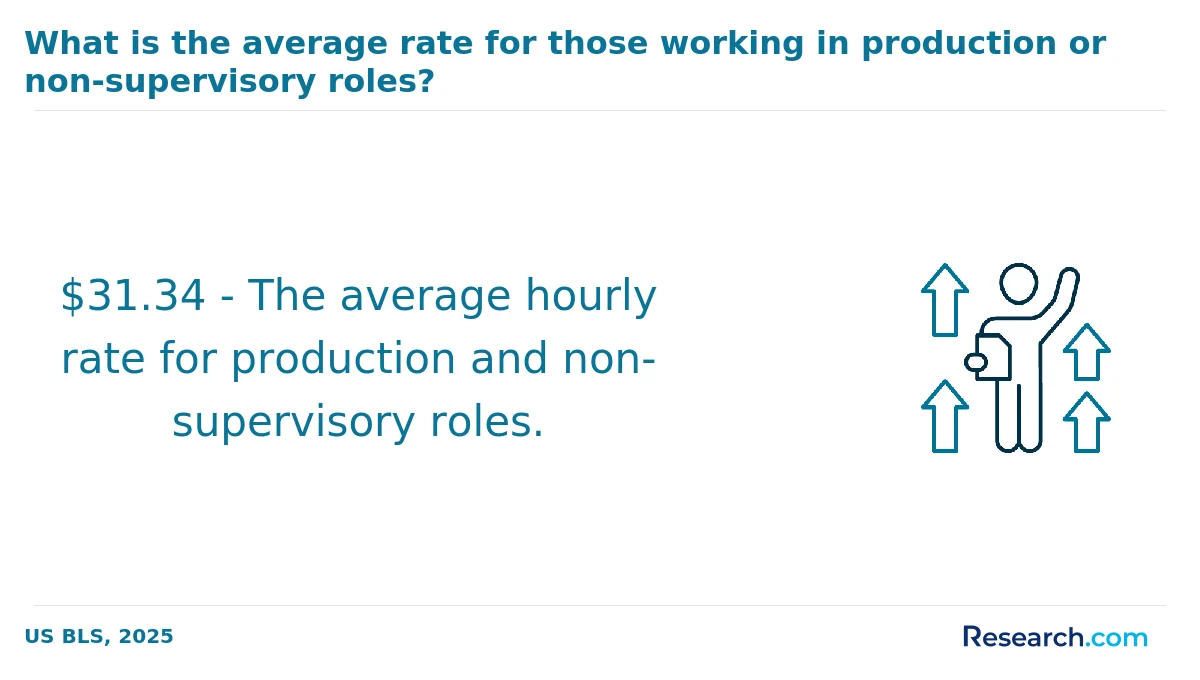
Career opportunities for Shoreline Community College graduates also include retail management, criminal justice, and customer service, with entry-level roles providing competitive wages around $21-$24 per hour. Many graduates benefit from internships that lead to full-time employment, making the path from study to career seamless and fulfilling.
For students seeking affordable options for further education aligned with in-demand local jobs, exploring low cost accredited online colleges can be a practical way to enhance qualifications without heavy financial burdens.
The job market for associate degree graduates in Shoreline WA employment outlook for associate graduates shows consistent demand across sectors such as retail, healthcare, and business administration. Graduates from popular associate degree schools around Shoreline report securing entry-level roles like Leasing Associate, Human Resource Associate, and Retail Sales Associate, with annual salaries ranging from $43,812 to $52,848 based on experience. These opportunities reflect the local emphasis on practical skills provided by associate programs.
In addition, the Shoreline WA employment outlook for associate graduates highlights hourly wage roles in the broader Seattle area, including Inventory Control Technician and Associate Scientist positions paying between $20 and $39 per hour. Graduates often share that hands-on training from well-regarded institutions near Shoreline strengthens their readiness for these competitive positions.
Key factors driving associate degree job opportunities in Shoreline include:
- Strong connections between local employers and colleges
- Varied openings in healthcare, technical support, and retail sectors
- Starting salaries aligning well with regional averages
For those researching academic paths, exploring the most popular school for trade skills online can complement in-person options and expand their career prospects.
Most Affordable Associate Degree Programs - Leading Certification Courses in Shoreline for 2026
# 1 position
Shoreline Community College - Computer Science.
associateShoreline Community College offers a Computer Science program emphasizing computer theory, problem-solving, and system design from a scientific viewpoint. The curriculum covers computational science principles, programming, and practical applications. The annual in-state tuition is $4,388. The program is accredited by the Northwest Commission on Colleges and Universities.
# 2 position
Shoreline Community College - Criminal Justice/Law Enforcement Administration.
associateShoreline Community College offers a Criminal Justice/Law Enforcement Administration program with a hybrid format, including some distance-education options. The curriculum covers law enforcement history, operational command leadership, labor relations, incident response strategies, and public police organization administration. Students learn budgeting, legal responsibilities, and organizational leadership. The program is accredited by the Northwest Commission on Colleges and Universities. Annual in-state tuition costs $4,388.
# 3 position
Shoreline Community College - Industrial Mechanics and Maintenance Technology/Technician.
associateShoreline Community College offers a hybrid Industrial Mechanics and Maintenance Technology/Technician program designed to equip students with skills to repair and maintain industrial machinery including cranes, pumps, engines, pneumatic tools, and conveyor systems. The program has an annual in-state tuition of $4,388 and is accredited by the Northwest Commission on Colleges and Universities.
# 4 position
Shoreline Community College - Automobile/Automotive Mechanics Technology/Technician.
associateShoreline Community College offers a hybrid program in Automobile/Automotive Mechanics Technology/Technician. The curriculum covers repair, service, and maintenance of automobiles, including brake systems, electrical systems, engine performance and repair, suspension and steering, transmissions, drive trains, and heating and air conditioning. The annual in-state tuition is $4,388. The program is accredited by the Northwest Commission on Colleges and Universities.
# 5 position
Shoreline Community College - Medical Insurance Specialist/Medical Biller.
associateShoreline Community College offers a Medical Insurance Specialist/Medical Biller program in a hybrid format, combining in-person and distance education. The program prepares students to manage medical and health insurance operations in various healthcare settings. Coursework includes insurance processes, law, policy, administration, billing, and medical terminology. The annual in-state tuition is $4,388. The college is accredited by the Northwest Commission on Colleges and Universities.
# 6 position
Shoreline Community College - Business Administration and Management, General.
associateShoreline Community College offers a fully online program in Business Administration and Management, General. The program prepares students to plan, organize, direct, and control business functions and processes. Coursework includes management theory, human resources, accounting, purchasing, logistics, marketing, and business decision-making. Annual in-state tuition is $4,388. The program is accredited by the Northwest Commission on Colleges and Universities.
# 7 position
Shoreline Community College - Accounting Technology/Technician and Bookkeeping.
associateShoreline Community College offers a hybrid program in Accounting Technology/Technician and Bookkeeping that prepares students to support professional accountants and financial managers. The curriculum covers posting transactions, record-keeping systems, accounting software, and fundamental accounting principles. The program's annual in-state tuition is $4,388. It is accredited by the Northwest Commission on Colleges and Universities, ensuring recognized educational standards.
# 8 position
Shoreline Community College - Marketing/Marketing Management, General.
associateShoreline Community College offers a hybrid Marketing/Marketing Management, General program designed to prepare students for managing consumer audiences and product distribution. The curriculum covers buyer behavior, marketing research principles, demand analysis, pricing theory, campaign planning, advertising methods, sales operations, and consumer relations. The program’s annual in-state tuition is $4,388. It is accredited by the Northwest Commission on Colleges and Universities and includes some distance-education options.
Frequently Asked Questions about associate degree programs
After earning an associate degree in Shoreline, preparing for the job market involves several key steps. First, graduates should utilize local career services often available through community colleges, which provide resume workshops and job placement assistance. According to the Washington State Employment Security Department, many in-demand jobs for associate degree holders in Shoreline are in healthcare, technology, and skilled trades with median wages ranging from $20 to $30 per hour.
Networking is equally important; joining local professional groups and attending job fairs can increase opportunities. Additionally, acquiring industry-recognized certifications may enhance employability beyond the associate degree.
Employers in Shoreline highly value associate degree graduates who demonstrate strong technical abilities alongside essential soft skills. According to recent labor market analyses, proficiency in critical thinking and problem-solving is among the top sought-after attributes. Additionally, communication skills, both verbal and written, are crucial for effective teamwork and client interactions.
Local Shoreline employers report that technical skills related to healthcare, IT, and business administration are in demand, reflecting the city's growing industries. Adaptability and time management also stand out as important traits, helping graduates meet fast-paced work environments.
Data from the Washington State Employment Security Department underscores these trends, showing that employers prioritize a blend of practical expertise and interpersonal skills in associate degree holders.
Finding internships in Shoreline that align with your associate degree program involves utilizing local resources and networks. Start by contacting the career services office of Shoreline Community College, which regularly posts internship opportunities tailored for students.
Local businesses and healthcare providers often seek interns; industries like technology, healthcare, and business are prominent in Shoreline's economy, offering numerous openings. According to the Washington State Employment Security Department, internships in King County, which includes Shoreline, grew by 5% in 2023, highlighting expanding opportunities.
Additionally, online platforms such as Handshake or LinkedIn focus on regional internships and can help you find relevant positions. Networking by attending community events or joining professional groups in Shoreline also increases your chances of securing an internship suited to your field.
In Shoreline, obtaining an associate degree can significantly impact career mobility and advancement. According to recent regional employment data, workers with associate degrees earn about 20% more on average than those with only a high school diploma. This degree often qualifies individuals for specialized technical roles in growing sectors like healthcare, information technology, and manufacturing, offering a clearer pathway to promotions.
Many Shoreline employers recognize associate degrees as evidence of relevant skills and commitment to professional development. This acknowledgment can lead to quicker job placements and advancement opportunities compared to entry-level qualifications.
Additionally, associate degrees serve as a stepping stone to a bachelor's degree, which can further enhance upward mobility in competitive job markets. Local community colleges in Shoreline emphasize transferable credits, allowing graduates to continue education without losing progress.
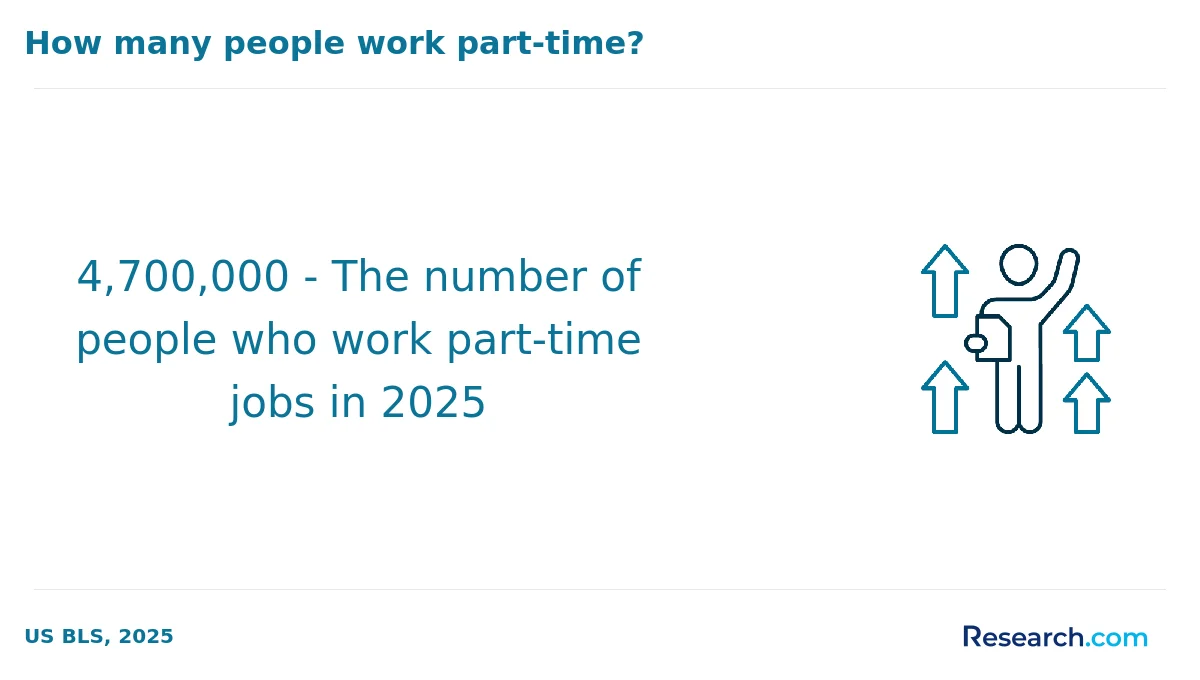
In Shoreline, part-time job opportunities that align well with associate degree studies often include roles in retail, healthcare support, and administrative assistance. According to the Washington State Employment Security Department, healthcare support positions, such as medical assistants or home health aides, are expected to grow by over 15% through 2028, making them practical options for students in health-related programs.
Retail positions in Shoreline's growing commercial areas can provide flexible schedules and customer service experience, beneficial for business or communications majors. Additionally, part-time administrative roles in local government or nonprofit organizations can help develop organizational skills relevant to many associate degree fields.
These jobs typically offer hourly wages ranging from $15 to $22, supporting students financially while advancing their professional skills.
To choose the most affordable degree program near Shoreline, WA, start by researching local universities and community colleges to compare tuition rates and available financial aid options. Utilize resources like Research.com, which can filter programs based on cost, and consider factors such as program length, available scholarships, and courses offered near me. Additionally, visiting campus advising centers and attending open house events can provide insights into the real costs and financial support available, helping you make an informed decision.
- Education Within Reach: Shoreline Community College Launches Innovative Pilot Program to Help Homeless Students – News | Shoreline Community College https://news.shoreline.edu/2024/09/25/education-within-reach-shoreline-community-college-launches-innovative-pilot-program-to-help-homeless-students/
- Shoreline Community College Experiences Upward Enrollment Trend, Reflecting Post-Pandemic Resilience – Day at a Glance https://daag.shoreline.edu/2024/01/24/shoreline-community-college-experiences-upward-enrollment-trend-reflecting-post-pandemic-resilience/
- Should I Intern if I'm in an Associate's Program? | Career Advice & Interview Tips | WayUp Guide https://www.wayup.com/guide/intern-im-associates-program/
- International Student Cost of Attendance | Shoreline Community College https://www.shoreline.edu/international/admission/cost.aspx
- Learn the Top Six “Soft Skills” Employers Look for in College Graduates https://admissions.usf.edu/blog/learn-the-top-six-soft-skills-employers-look-for-in-college-graduates
- Associate of Science in Engineering | Shoreline Community College https://www.applyboard.com/schools/shoreline-community-college/programs/associate-of-science-engineering
- Job Seekers | Shoreline Community College https://shoreline.oudeve.com/workforce/worksource/job-seekers.aspx
- Collegescorecard https://collegescorecard.ed.gov/
- A comprehensive overview of the Associate Degree https://www.crimsoneducation.org/uk/blog/what-is-an-associate-degree/
- What Comes After Associate Degree: Here Are Your Options https://potomac.edu/do-you-feel-complete-after-earning-an-associates-degree/


