Best Pharmacy Technician Training Programs & Trade Schools - Top Pharmacy Tech Schools in Mississippi for 2026

Co-Founder and Chief Data Scientist
Choosing the right pharmacy technician trade school in Mississippi can shape your future career in healthcare. This article presents a pharmacy technician trade school programs ranking created by the Research.com team of data scientists to guide you toward the best options available.
Exploring these programs will help you find quality education that fits your goals and lifestyle. Earning a diploma or certification opens doors to rewarding job opportunities and personal growth.
Take this step with confidence, knowing you’re making an informed decision that supports your success.
Key benefits of finishing pharmacy technician trade school in Mississippi
- Graduates from pharmacy technician trade schools in Mississippi can expect an average annual salary around $35,800, with entry-level roles typically earning between $32,300 and $39,900, providing a solid start in the healthcare field.
- A graduate from a popular Mississippi trade school often finds career paths in retail pharmacies, hospitals, or specialty pharmacy settings, offering diverse opportunities to grow and specialize.
- Completing a pharmacy technician trade school online offers flexibility and convenience, as experienced by many graduates who balance work and study while earning their certification faster than traditional degrees.
- Best Pharmacy Technician Training Programs & Trade Schools - Top Pharmacy Tech Schools in Mississippi for 2026
- What can I expect from pharmacy technician trade schools in Mississippi?
- Where can I work after finishing pharmacy technician trade schools in Mississippi?
What can I expect from pharmacy technician trade schools in Mississippi?
Enrolling in a pharmacy technician trade school program in Mississippi means diving into a blend of classroom lessons, hands-on labs, and real-world clinical training that quickly builds your confidence. Graduates from programs like Mississippi Gulf Coast Community College often describe the balance between online coursework and on-campus labs as both challenging and rewarding, especially when preparing for the Pharmacy Technician Certification Board (PTCB) exam.
Expect to master essential topics such as pharmaceutical calculations, drug classifications, and pharmacy law, with practical exercises in prescription processing and patient communication. Many students appreciate externships offered by schools like Copiah-Lincoln Community College, where 80 to 130 hours in retail or hospital pharmacies bring textbook knowledge to life and simulate workplace responsibilities.
The admissions process is straightforward, requiring just a high school diploma and background check. While certification isn't mandated by Mississippi, most graduates find that preparing for national exams opens doors to better job opportunities across the state's pharmacies.
Where can I work after finishing pharmacy technician trade schools in Mississippi?
After completing a pharmacy technician trade school program in Mississippi, graduates often find themselves welcomed in a variety of rewarding healthcare environments. Many start their careers in bustling community pharmacies, including well-known national chains and local independent stores, where they experience firsthand the fast-paced nature of retail pharmacy work. Graduates from popular trade schools in Jackson and Hattiesburg often share how they quickly adapted to assisting pharmacists and connecting with customers, which boosted their confidence and job satisfaction.
Others pursue roles in hospital pharmacies, where they support complex medication preparation and patient care in both inpatient and outpatient settings. The hands-on experience gained from trade school labs helps graduates feel prepared for these critical responsibilities. Working in long-term care facilities also attracts some graduates, as they find fulfillment in managing medication for elderly or recovering patients and contributing to their well-being.
Some graduates take on specialized positions like pharmacy care coordinators, collaborating with healthcare providers and insurance companies. While Mississippi requires all pharmacy technicians to be registered, many graduates find that obtaining certification through their trade school program opens doors to higher wages and more advanced career paths. This variety of opportunities across the state creates a promising outlook for new pharmacy technicians eager to start their professional journeys.
After completing a pharmacy technician trade school program in Mississippi, graduates often find themselves earning an average annual salary of around $35,640. Many who start in entry-level roles report salaries between $28,360 and $35,000, which feels rewarding after the hard work of completing programs offered by popular schools like the Meridian Community College or Hinds Community College.
Graduates frequently share how gaining experience quickly pushes their earnings into the $36,000 to $42,000 range. Those who take on specialized duties or supervisory roles in hospitals or pharmacies in cities like Jackson or Tupelo can expect salaries up to $47,220, which often brings a sense of pride and financial stability.
Hourly wages tend to average about $18.25, with most positions paying between $15.91 and $19.33. Many graduates express excitement about the potential to grow their income while working in bustling healthcare hubs or near military bases such as Keesler Air Force Base in Biloxi.
- Applicants must be at least 18 years old and have a high school diploma or GED to enroll in pharmacy technician trade school in Mississippi.
- Mississippi requires pharmacy technicians to register with the state board, including a $50 registration fee and $40 background check, with annual renewal needed.
- Trade school programs cost between $1,500 and $6,000, and some offer financial aid or payment plans.
- On-the-job training is mandatory and usually provided by employers, covering pharmacy calculations, safety, and law.
- The average starting salary is about $32,000 per year, with experienced and certified technicians earning above $37,000 annually.
Completing a pharmacy technician trade school program in Mississippi typically takes about 6 to 12 months, depending on the school and whether you choose full-time or part-time study. Many graduates from well-known Mississippi trade schools share how this timeframe felt manageable, allowing them to quickly enter the workforce while balancing personal responsibilities.
For example, some students found that full-time programs, often lasting around 6 months, provided an immersive experience that helped them build confidence rapidly. Others appreciated part-time options extending closer to a year, which offered flexibility for those working or managing family life.
Trade schools in Mississippi often structure their curriculum to include hands-on training, which graduates say made the learning process engaging and practical. This approach helps students imagine themselves confidently handling real pharmacy tasks by the time they finish.
The relatively short completion time encourages many to pursue this career path with excitement, knowing they can achieve certification and start making an impact in healthcare in under a year.
The key difference between online and on-campus pharmacy technician trade school programs in Mississippi lies in how students attend classes and complete training. Graduates from Mississippi State University's fully online program often share how the flexibility to study from home allowed them to balance work and family with coursework. They accessed lectures and assignments at their own pace, making it easier to fit education into busy lives.
On the other hand, students at community colleges offering on-campus training frequently describe the value of face-to-face interaction. They appreciate hands-on labs and real-time guidance from instructors, which helps build confidence with pharmacy skills in a structured environment. The immediate feedback and camaraderie with classmates create a supportive learning atmosphere that some find motivating.
Both paths include clinical externships-online students arrange local pharmacy placements like Walgreens to gain real-world experience, while on-campus students complete theirs through school partnerships. This practical training is essential and highly praised for preparing graduates for certification and employment across Mississippi.
The average cost pharmacy technician programs Mississippi varies widely, typically ranging between $850 and $3,495 depending on the school and program format. Graduates from Mississippi Delta Community College recall the accessible pricing of their 16-week certification prep course, priced at $900, which gave them confidence to pass the Pharmacy Technician Certification Exam without overwhelming costs. Others chose the online program at Mississippi State University, valuing its comprehensive curriculum and medical terminology focus despite the higher tuition of $3,495, reflecting a deeper investment in their professional future.
Pharmacy technician training expenses Mississippi often include additional fees like registration, textbooks, and uniforms, which students say add up but are manageable with proper planning. For example, those attending Medical2 Career College face a total cost of $2,900, which bundles a tuition fee of $2,175 with a $725 administrative and technology charge. This all-encompassing pricing helps students feel secure in covering all necessary components without unexpected expenses.
Many aspiring pharmacy technicians emphasize how important it is to select accredited programs that prepare them fully for certification exams. Students recommend carefully researching the trade-offs of program length and delivery method-whether online or in-person-to match personal learning styles and schedules. For those weighing educational options, exploring how easy is it to get into pharmacy school can provide additional insight into enrollment competitiveness and program accessibility, aiding in making informed decisions.
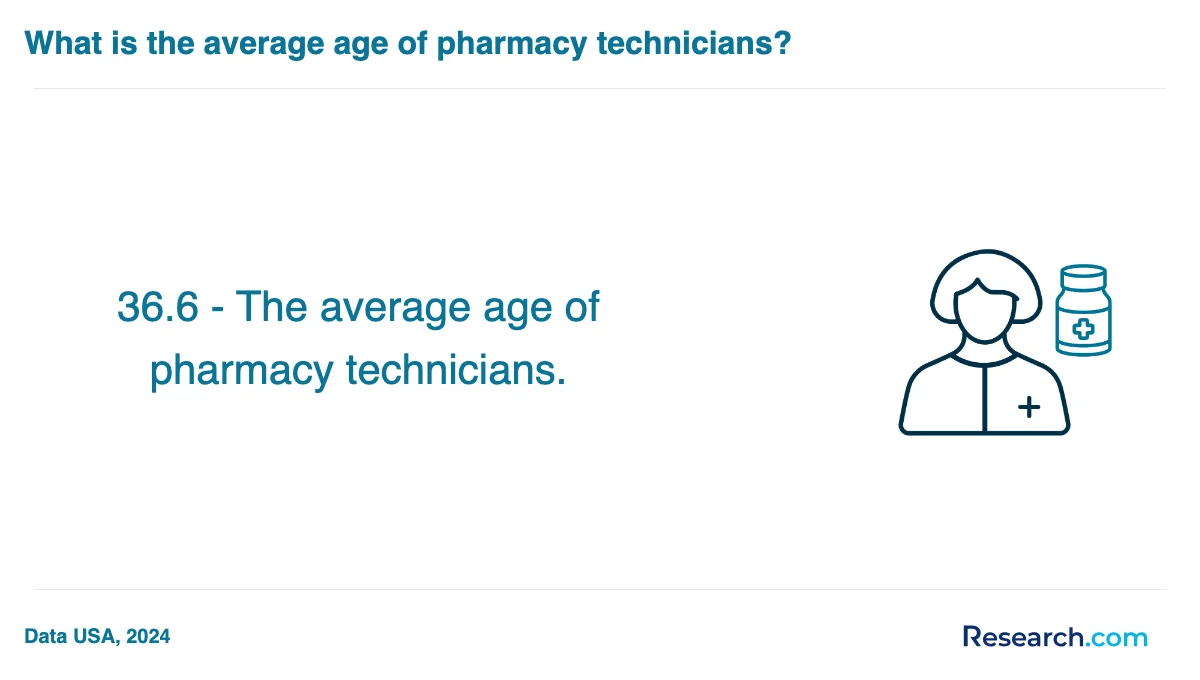
Pharmacy technician trade school students in Mississippi often find relief through federal student aid, including Pell Grants and federal loans. Graduates from popular schools like Hinds Community College share how completing the FAFSA opened doors to affordable education, easing financial stress significantly. Many also tap into Workforce Innovation and Opportunity Act (WIOA) funding, which local workforce boards distribute to help cover tuition. This funding has been a game-changer for students balancing jobs and studies in places like Mississippi Delta Community College.
Scholarships, often offered by trade schools or professional organizations, also play a crucial role. Some students report receiving institutional scholarships up to $2,500, making their education feel within reach. Employer tuition reimbursement, especially from large pharmacy chains, further supports those already working in the field. Military veterans benefit from GI Bill funding, creating additional pathways to funding.
However, not all programs qualify for federal aid, so students wisely check accreditation before enrolling. While private loans are available, many prefer federal options for their better terms and peace of mind.
Enrolling in a pharmacy technician trade school program in Mississippi typically requires a few straightforward prerequisites that set students up for success. Most trade schools expect applicants to have a high school diploma or a GED, ensuring a basic foundation in math and science. Graduates from popular Mississippi trade schools often recall how this requirement felt like a natural starting point, giving them confidence as they began their training.
Many students find it encouraging that additional prerequisites usually include:
- Being at least 18 years old, which aligns with state regulations for pharmacy technician roles
- Passing a background check to ensure patient safety and trust
- Having basic computer skills, essential for managing pharmacy software and records
Some trade schools in Mississippi also recommend or require immunizations and a physical exam, reflecting real-world pharmacy environments. Graduates often share how fulfilling it was to meet these requirements, knowing they were preparing for a responsible healthcare career. This combination of prerequisites helps build a supportive, ready-to-learn community that feels both welcoming and motivating.
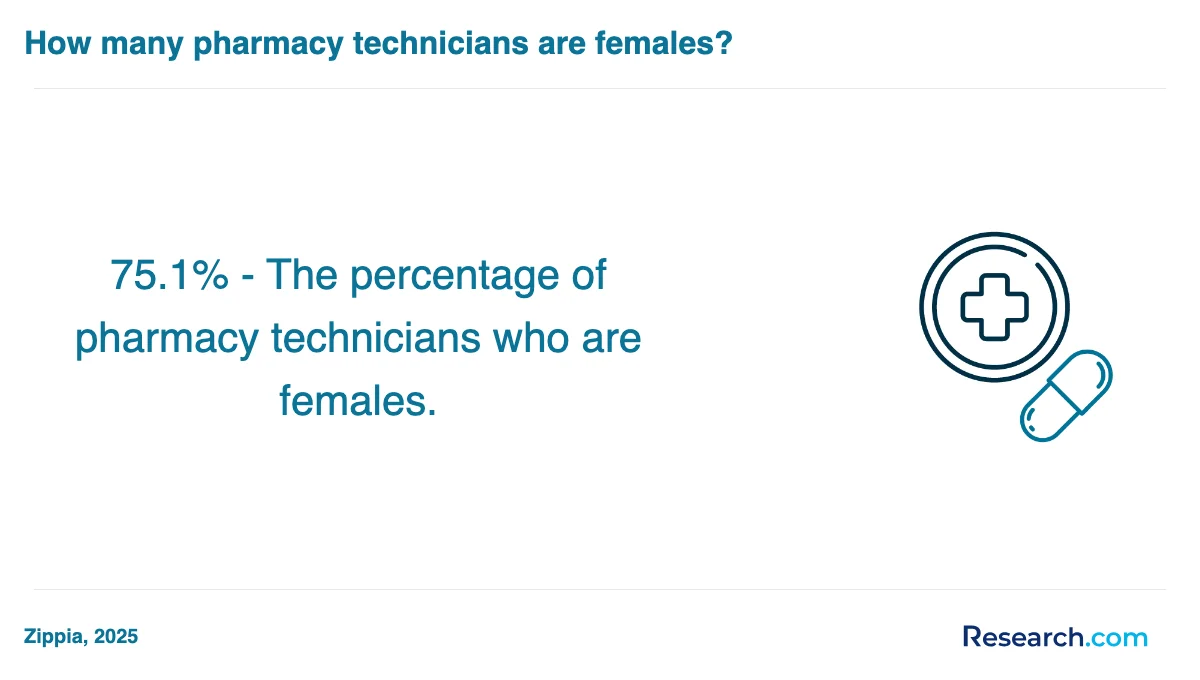
Pharmacy technician trade school programs in Mississippi typically immerse students in a curriculum built around core courses that prepare them for hands-on pharmacy roles and certification success. Graduates from schools like Jones College and Copiah-Lincoln Community College often highlight how courses in pharmacy law and ethics, pharmacology, medical terminology, and pharmaceutical calculations create a strong foundation. Imagine confidently calculating dosages or interpreting prescription abbreviations during your externship, skills sharpened through these classes.
Key course components include:
- Prescription processing and billing, where students learn to maintain patient records and navigate insurance reimbursements
- Lab simulations and clinical externships, sometimes up to 130 hours, allowing real-world practice in retail and hospital pharmacies
- Advanced pharmacy technology, involving electronic health records and management software, especially in ASHP-accredited programs
Many graduates describe feeling empowered by this practical training, citing how it directly translates to their daily pharmacy technician duties in Mississippi's evolving healthcare landscape.
Pharmacy technician specializations Mississippi programs typically include pharmaceutical compounding, pharmacy management, clinical pharmacy practice, and pharmaceutical calculations. Graduates of popular Mississippi pharmacy technician programs often share how pharmaceutical compounding allowed them to develop hands-on skills in creating customized medications, such as ointments and capsules, which made their classroom instruction feel immediately applicable in real-world retail or hospital pharmacy settings.
Another specialization that stands out is pharmacy management, where students learn vital administrative tasks like inventory control and billing. Many students find this area rewarding as it prepares them to effectively support pharmacy operations behind the scenes, ensuring pharmacies run smoothly and comply with all regulations.
Training in clinical pharmacy practice offers students insight into direct patient care, working alongside healthcare teams to optimize medication therapies. Meanwhile, pharmaceutical calculations build a foundation of confidence with dosage accuracy, a skill praised by recent graduates for enhancing patient safety. Considering these diverse pathways, those wondering is pharmacy school worth the investment can see how Mississippi pharmacy technician programs equip students for multiple roles within the evolving pharmaceutical industry.
Choosing the best pharmacy technician programs in Mississippi means focusing on state-specific requirements like registering with the State Board of Pharmacy and preparing to pass certification exams such as the PTCB or ICPT before license renewal. Graduates from popular local colleges often highlight the value of programs accredited by the American Society of Health-System Pharmacists (ASHP), which offer a balanced mix of classroom learning and hands-on externships. This practical exposure builds confidence and sharp skills, making job placement smoother.
When you compare pharmacy technician schools Mississippi offers, consider factors like program length-certificate courses typically last nine months, while associate degrees take about two years-and financial aid options available through FAFSA. Many students appreciate schools with flexible scheduling, including online or evening classes, which help balance work and family life. Hearing from graduates who successfully navigate these challenges can inspire you, especially when combined with strong faculty support and local job connections.
For those curious about future earnings and career prospects, exploring pharmacy tech salary trends can also guide your choice toward programs that align with your goals.
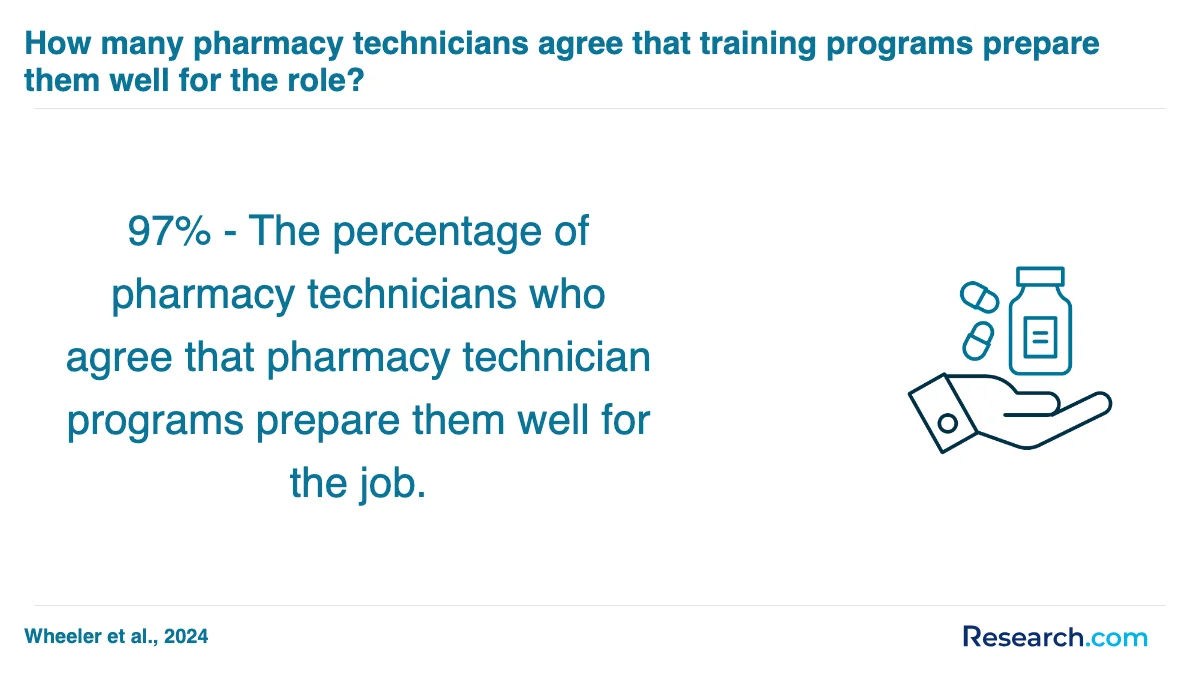
Pharmacy technician trade school graduates in Mississippi find a variety of pharmacy technician job opportunities in Mississippi across retail, hospital, and long-term care settings. Many start their careers in retail pharmacies where they assist pharmacists by preparing medications and verifying prescriptions-a role praised by graduates from popular trade schools for its fast-paced, patient-focused environment. Others pursue positions in hospital pharmacies, gaining hands-on experience with sterile compounding and medication management for inpatient care. These hospital roles often appeal to those interested in advanced clinical practices and teamwork with healthcare professionals.
Career advancement for pharmacy technicians in Mississippi is vibrant and achievable, often through gaining certifications or specializing. Graduates from well-regarded programs share how some transition into pharmacy care coordinators or trainers, roles that provide higher wages and leadership opportunities. Additional paths include work in mail-order pharmacies or pharmacy benefit management companies where medication packaging and prescription processing are key tasks.
Those eager to build on their training can explore a pharmacy tech associate degree, enhancing skills and opening doors to more advanced roles. Hands-on skills like attention to detail and patient communication learned during schooling are essential for ongoing growth in Mississippi's diverse pharmacy technician job market.
The pharmacy technician job outlook in Mississippi remains promising for trade school graduates, with steady demand across retail, hospital, and specialty pharmacy settings. Graduates from popular local programs often share how their skills quickly translate into real-world pharmacy roles, supported by Mississippi's above-average concentration of pharmacy technician jobs. Many find satisfaction working alongside pharmacists managing medications for patients with chronic illnesses prevalent in the state, such as diabetes and hypertension.
Certified technicians generally have the edge, as employers strongly prefer candidates who have completed accredited trade school programs and earned certifications like the PTCB or ExCPT. This certification boost is reflected in pharmacy technician salary trends Mississippi, where hourly wages typically range from $12 to $24, with an average around $18.72, depending on experience and credentials. Graduates appreciate knowing their earning potential can increase substantially with certification.
Trade school alumni often recall their first opportunities evolving into leadership or specialized pharmacy coordinator roles over time. For those exploring career growth, understanding how to become a pharmacist online can offer a compelling next step after gaining essential technician experience.
Best Pharmacy Technician Training Programs & Trade Schools - Top Pharmacy Tech Schools in Mississippi for 2026
# 1 position
Itawamba Community College - Physical Therapy Assistant.
associateItawamba Community College offers a Physical Therapy Assistant program in a hybrid format, preparing students to implement treatment plans and assist patients under a physical therapist's supervision. The curriculum includes anatomy, physiology, kinesiology, biomechanics, and clinical documentation. The program is accredited by the Southern Association of Colleges and Schools Commission on Colleges. Annual in-state tuition is $3,420, and median earnings one year after completion are $45,207.
# 2 position
Holmes Community College - Physical Therapy Assistant.
associateHolmes Community College offers a fully online Physical Therapy Assistant program that prepares students to assist physical therapists in implementing treatment plans, training patients, and documenting progress. The curriculum covers applied anatomy, physiology, biomechanics, neuroscience, and professional ethics. The program is accredited by the Southern Association of Colleges and Schools Commission on Colleges. Annual in-state tuition is $3,510, and median earnings one year after completion are $42,578.
# 3 position
Hinds Community College - Physical Therapy Assistant.
associateHinds Community College offers a Physical Therapy Assistant program in a hybrid format, preparing students to implement treatment care plans under a physical therapist's supervision. The curriculum covers applied anatomy, physiology, biomechanics, and clinical documentation. The program is accredited by the Southern Association of Colleges and Schools Commission on Colleges. Annual in-state tuition is $3,825, and median earnings one year after completion reach $38,314.
# 4 position
Mississippi Gulf Coast Community College - Physical Therapy Assistant.
associateMississippi Gulf Coast Community College offers a Physical Therapy Assistant program in a hybrid format, combining in-person and distance education. The program trains students to assist physical therapists by implementing treatment plans, conducting interventions, and monitoring patient progress. Coursework includes anatomy, physiology, biomechanics, neuroscience, and professional ethics. The program is accredited by the Southern Association of Colleges and Schools Commission on Colleges. Annual in-state tuition is $3,950.
# 5 position
Mississippi Gulf Coast Community College - Physical Therapy Assistant.
certificate or diplomaMississippi Gulf Coast Community College offers a Physical Therapy Assistant program in a hybrid format, combining on-campus and distance education. The program prepares students to assist physical therapists by implementing treatment plans, training patients, and monitoring progress. Coursework includes applied anatomy, physiology, biomechanics, and clinical documentation. Annual in-state tuition is $3,950. The program is accredited by the Southern Association of Colleges and Schools Commission on Colleges.
# 6 position
Pearl River Community College - Physical Therapy Assistant.
associatePearl River Community College offers a Physical Therapy Assistant program in a hybrid format. The program trains students to assist physical therapists by implementing treatment plans, conducting interventions, and documenting patient progress. Coursework covers applied anatomy, physiology, biomechanics, and professional ethics. Annual in-state tuition is $3,650. Graduates have a median earning of $42,444 one year after completion. The program is accredited by the Southern Association of Colleges and Schools Commission on Colleges.
# 7 position
Meridian Community College - Physical Therapy Assistant.
associateMeridian Community College offers a Physical Therapy Assistant program with a hybrid format, combining in-person and distance education. The program prepares students to assist physical therapists by implementing treatment plans, training patients, and documenting progress. Tuition for in-state students is $3,932 annually. The curriculum covers anatomy, physiology, biomechanics, clinical skills, and professional ethics. Graduates have median earnings of $28,895 one year after completion. The program is accredited by the Southern Association of Colleges and Schools Commission on Colleges.
# 8 position
Mississippi Delta Community College - Physical Therapy Assistant.
associateMississippi Delta Community College offers a Physical Therapy Assistant program that prepares students to implement physical therapy treatment plans under supervision. The curriculum covers anatomy, physiology, biomechanics, clinical documentation, and professional ethics. The program’s annual in-state tuition is $3,540. It is accredited by the Southern Association of Colleges and Schools Commission on Colleges, ensuring recognized educational standards and quality.
Frequently Asked Questions about pharmacy technician
After completing a pharmacy technician trade school in Mississippi, preparing for the job market involves several key steps. First, obtaining certification from recognized bodies like the Pharmacy Technician Certification Board (PTCB) significantly improves employment prospects. Mississippi requires pharmacy technicians to register with the State Board of Pharmacy, ensuring compliance with local regulations.
Building practical experience through internships or externships offered by many trade schools can enhance skills and resume strength. Additionally, networking with local pharmacies and healthcare providers helps in discovering job openings.
According to the U.S. Bureau of Labor Statistics, pharmacy technician employment in Mississippi is projected to grow steadily, reflecting a positive demand for qualified professionals.
Continuing education and staying updated with pharmaceutical technology trends are also recommended to maintain competitiveness in the job market.
Employers in Mississippi prioritize several key skills when hiring pharmacy technician trade school graduates. Strong knowledge of medication names, dosages, and pharmacy law is essential, as these ensure accuracy and compliance with state regulations. According to the Mississippi Board of Pharmacy, attention to detail is critical to avoid medication errors, a top concern in pharmacy settings.
Technical proficiency with pharmacy software and automated dispensing machines is increasingly important, reflecting trends in modern pharmacies. Communication skills also rank highly; pharmacy technicians must effectively interact with patients and healthcare professionals. Additionally, employers value graduates who demonstrate reliability and the ability to work under pressure, given the fast-paced environment of many Mississippi pharmacies.
Finding internships in Mississippi related to pharmacy technician trade school programs involves several strategic steps. Start by contacting local community colleges and trade schools, as many maintain partnerships with pharmacies and healthcare facilities offering internship opportunities. The Mississippi Board of Pharmacy also provides resources and listings for approved internship sites, which can be essential for meeting state certification requirements.
Additionally, students should explore hospitals, retail pharmacies, and long-term care facilities in cities like Jackson and Gulfport, where demand for pharmacy technicians is higher. Networking through school career services and professional organizations such as the Mississippi Society of Health-System Pharmacists can further aid in locating internships.
According to recent state workforce data, pharmacy technician internships are increasingly available in outpatient care centers, reflecting broader healthcare trends. Early outreach and formal applications are key to securing these positions.
Obtaining a pharmacy technician diploma from a trade school in Mississippi significantly enhances career mobility and advancement opportunities. The Mississippi Department of Employment Security reports steady growth in healthcare support occupations, including pharmacy technicians, projecting a 12% increase through 2030. A formal diploma meets state requirements for certification eligibility, which many employers prefer, increasing job prospects statewide.
Certified pharmacy technicians typically earn higher wages and have access to advanced roles such as lead technician or pharmacy operations supervisor. Trade schools also provide essential practical training, preparing graduates for the Mississippi Board of Pharmacy licensing exam. This credential is often a prerequisite for employment in retail, hospital, or long-term care pharmacies.
Furthermore, diploma holders can pursue further education or specialization, reinforcing upward career trajectories. According to the Bureau of Labor Statistics, certified pharmacy technicians earn a median wage about 15% higher than non-certified workers, which supports social mobility within Mississippi's healthcare sector.
Students enrolled in pharmacy technician trade schools in Mississippi can benefit from part-time jobs that provide practical experience and enhance their resumes. Common opportunities include working as pharmacy aides or clerks in retail pharmacies, hospitals, or long-term care facilities. These roles often involve assisting pharmacists with customer service, inventory management, and basic medication preparation tasks.
According to the U.S. Bureau of Labor Statistics, Mississippi's pharmacy technician employment is projected to grow by 7% from 2022 to 2032, reflecting steady demand. Part-time roles in local pharmacies help students apply classroom knowledge while gaining skills in medication safety and patient interaction.
Additionally, some students find part-time work in medical offices or outpatient clinics, where they support healthcare teams and learn about prescription processing. These jobs complement trade school education by building relevant experience before full certification and employment.
To choose the best Pharmacy Technician degree program near you in Mississippi, begin by considering factors such as accreditation, curriculum quality, and hands-on training opportunities, utilizing resources like Research.com to compare rankings. There are programs and universities available near Mississippi that offer both in-person and online classes to cater to diverse learning needs and logistical preferences. It's also beneficial to consult with local professionals to understand which programs are highly regarded in the job market near you.
- Best Pharmacy Technician Training Programs & Trade Schools - Top Pharmacy Tech Schools in Louisiana for 2026
- Best Pharmacy Technician Training Programs & Trade Schools - Top Pharmacy Tech Schools in Alabama for 2026
- Best Pharmacy Technician Training Programs & Trade Schools - Top Pharmacy Tech Schools in Tennessee for 2026
- Best Pharmacy Technician Training Programs & Trade Schools - Top Pharmacy Tech Schools in Missouri for 2026
- Best Pharmacy Technician Training Programs & Trade Schools - Top Pharmacy Tech Schools in Georgia for 2026
- Best Pharmacy Technician Training Programs & Trade Schools - Top Pharmacy Tech Schools in Kentucky for 2026
- Best Pharmacy Technician Training Programs & Trade Schools - Top Pharmacy Tech Schools in Texas for 2026
- Best Pharmacy Technician Training Programs & Trade Schools - Top Pharmacy Tech Schools in South Carolina for 2026
- Best Pharmacy Technician Training Programs & Trade Schools - Top Pharmacy Tech Schools in North Carolina for 2026
- Best Pharmacy Technician Training Programs & Trade Schools - Top Pharmacy Tech Schools in Ohio for 2026
- Pharmacy Technician Externship: What They Are & How to Find https://www.stepful.com/post/pharmacy-technician-externship
- Become a Pharmacy Technician https://www.pharmtechsociety.org/education-and-training/become-a-pharmacy-technician
- Pharmacy Technician Program https://www.pharmacytechschools.com/program/
- 7 Tips To Getting a Job as a Pharmacy Technician - Galaxy Medical College https://galaxymedicalcollege.edu/7-tips-to-getting-a-job-as-a-pharmacy-technician/
- How to Find Your First Pharmacy Technician Position | Rx relief https://www.rxrelief.com/blog/how-to-find-your-first-pharmacy-technician-position/
- Internship Externship https://medcerts.com/help/360002483394-Internship-Externship/
- Deaconess - Pharmacy Student Internship Program https://www.deaconess.com/For-You/Students/Pharmacy-Student-Internship-Program
- Online Pharmacy Technician Program https://www.ashworthcollege.edu/career-diplomas/pharmacy-technician/
- Online Pharmacy Technician Certificate Program | Self-Paced Course https://www.uscareerinstitute.edu/online-pharmacy-technician-school
- Pharmacy Technician Program | Blended Healthcare Diplomas https://americancareercollege.edu/programs/pharmacy-technician