Most Affordable HVAC Technician Schools & Training - Budget-Friendly HVAC Trade Programs in Honolulu for 2026

Co-Founder and Chief Data Scientist
Looking to start a rewarding career as an HVAC technician in Honolulu? Choosing the right trade school is a crucial first step, and this article is here to guide you.
We present a carefully crafted HVAC technician trade school programs ranking developed by the Research.com team of data scientists. This ranking helps you identify quality programs that fit your goals and budget.
Whether you want a diploma or certification, gaining skills in HVAC can open doors to stable jobs and growth opportunities. Read on to find the most affordable and trusted options available to you in 2026.
Key benefits of finishing HVAC technician trade school in Honolulu
- Graduates from HVAC trade schools in Honolulu can expect an average hourly wage around $25 to $30, with experienced technicians earning up to $42.50 per hour, leading to strong earning potential early in their careers.
- Career paths include roles as HVAC service technicians, controls specialists, or refrigeration experts, offering diverse opportunities for growth and specialization based on skills gained in trade school.
- Completing an HVAC trade school online provides flexibility and faster completion times, allowing graduates to start working sooner while balancing personal commitments, as many successful online graduates report.
- Most Affordable HVAC Technician Schools & Training - Budget-Friendly HVAC Trade Programs in Honolulu for 2026
- What can I expect from HVAC technician trade schools in Honolulu?
- Where can I work after finishing HVAC technician trade schools in Honolulu?
What can I expect from HVAC technician trade schools in Honolulu?
Enrolling in an HVAC technician trade school program in Honolulu means diving into a hands-on, skill-building experience that balances classroom learning with real-world practice. Graduates often recall the mix of theory and applied training, especially at places like Honolulu Community College, where you can earn a certificate or an Associate of Applied Science degree in Refrigeration & Air Conditioning Technology.
Expect to master essential skills such as EPA 608 certification, brazing, piping, and refrigeration cycles through interactive labs and even virtual simulations. Many students find the blend of learning how to install and repair both residential and commercial systems rewarding as it prepares them for immediate entry-level roles.
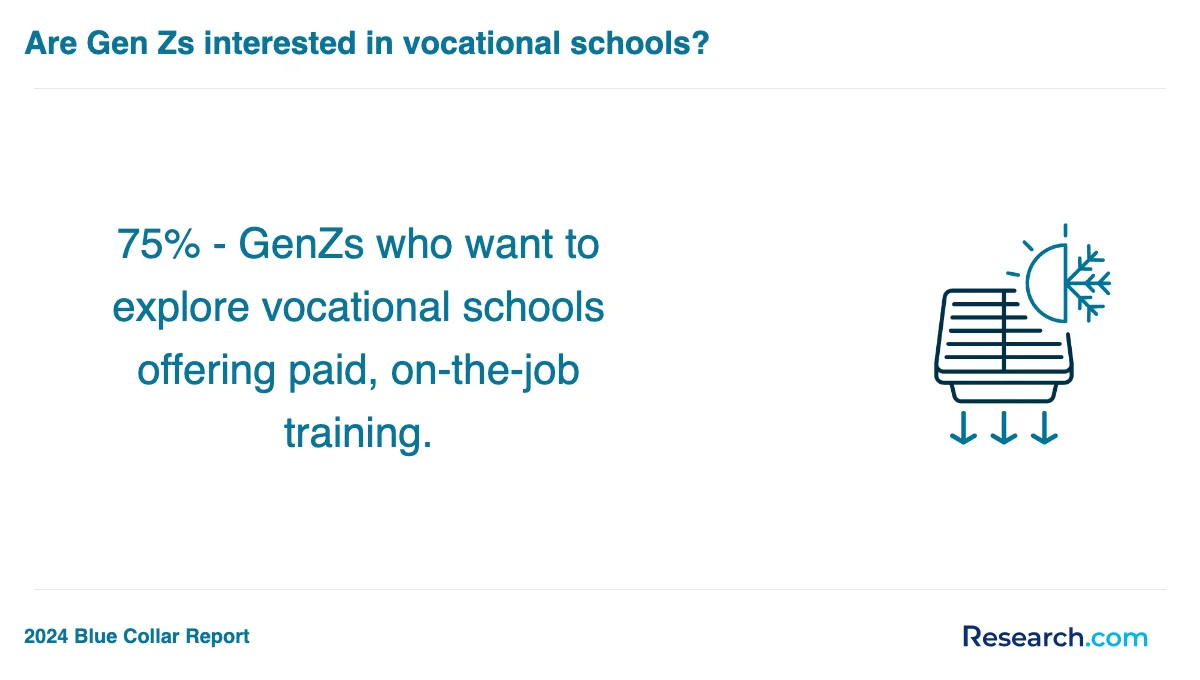
Apprenticeship opportunities, like those offered through UA Local 675, add a valuable dimension by combining paid on-the-job training with classroom hours. This approach helps students build confidence and practical expertise in real workplace environments.
Financially, programs can be affordable, with tuition as low as $131 per credit and some online options under $10 per month, making the investment feel manageable. Graduates often share a sense of accomplishment and optimism about job placement prospects, which hover near 70% for diplomas in Honolulu.
Where can I work after finishing HVAC technician trade schools in Honolulu?
After finishing an HVAC technician trade school program in Honolulu, graduates often find themselves stepping into a variety of rewarding roles across the islands. Many quickly secure positions with commercial HVAC service companies or residential installation firms, where they apply hands-on skills learned during their training. Imagine working for a busy hotel or hospital, maintaining climate control systems that keep guests and patients comfortable year-round-this is a common real-world scenario for recent graduates from popular Honolulu trade schools.
Others join facility management departments of large institutions or government contractors supporting critical infrastructure like Hickam Air Force Base. Graduates often share the excitement of advancing into specialized roles such as HVAC/R service technicians, focusing on refrigeration, or moving into sales and branch management, which offer both technical and leadership growth.
Many find that holding certifications like the EPA Refrigerant Certification and a valid Hawaii driver's license opens doors to higher-paying jobs, some exceeding $55 per hour. The steady demand fueled by Honolulu's hospitality and construction sectors makes career prospects optimistic and motivating for new HVAC professionals.
Graduates from HVAC technician trade schools in Honolulu often find themselves stepping into roles that pay well above entry-level expectations. For example, many new technicians start earning around $21.49 per hour, which quickly feels rewarding when compared to other local entry-level jobs. Those who graduated from popular Honolulu trade schools share how their hands-on training helped them confidently secure positions with starting wages near $25 per hour, sometimes even higher depending on the employer.
As these technicians gain experience, their pay typically rises to about $25.28 per hour within five to nine years, reflecting their growing skills and ability to handle complex HVAC systems. Some graduates report landing jobs offering between $25 and $30 per hour, especially in full-time or overtime roles, making the career not just viable but exciting and financially promising.
Many envision their future with an annual salary upward of $68,000, supported by overtime pay, which can add thousands more each year. This upward trajectory offers a tangible sense of progress and security, encouraging new students to invest in their trade school education here in Honolulu.
- Honolulu Community College offers HVAC programs including a Certificate of Achievement and an Associate of Applied Science degree in Refrigeration & Air Conditioning Technology.
- Applicants usually need a high school diploma or GED and must be at least 17-18 years old to qualify for programs or apprenticeships.
- Apprenticeships through UA Local 675 require about 10,000 work hours and 10 semesters of instruction, typically lasting around five years and include benefits like pension and health insurance.
- Tuition for HVAC programs at Honolulu Community College ranges from $3,000 to $8,000 for in-state students, excluding books and tools, with some financial aid available.
- Starting salaries for HVAC technicians in Honolulu range from $45,000 to $55,000 annually, while experienced technicians can earn between $60,000 and $75,000 or more.
- EPA Section 608 certification is required to work with refrigerants, and a contractor's license may be needed for advanced career roles; no HVAC license is needed for entry-level work.
Completing a HVAC technician trade school program in Honolulu typically takes between six months to one year, depending on the pace and structure of the course. Many trade schools in the area offer accelerated programs that allow students to finish faster while gaining hands-on experience. Graduates often share how rewarding it felt to quickly apply what they learned in real-world settings, such as servicing air conditioning units in local homes and businesses.
For example, some students enrolled in popular Honolulu trade schools mention finishing their coursework in about nine months, balancing classroom learning with practical labs. This blend helps solidify skills like refrigerant handling and system diagnostics, making the learning process both engaging and efficient. The shorter timeline also means students can enter the workforce sooner, which adds to the excitement and motivation throughout the program.
Trade schools in Honolulu often emphasize flexible schedules, allowing students to manage their studies alongside personal commitments, which many graduates find encouraging. This approach not only fosters confidence but also prepares students to tackle the unique climate challenges specific to Hawaii's environment.
Online HVAC technician programs in Honolulu, like those from SkillCat and Kauai Community College, offer unmatched flexibility. Graduates often share how they balanced work and family while accessing coursework anytime, making progress at their own pace. The virtual simulations provide a strong theoretical foundation, and earning certifications such as EPA 608 remotely feels empowering, especially for those with tight schedules.
In contrast, on-campus programs at Honolulu Community College immerse students in hands-on learning. Many graduates recall the excitement of working directly with HVAC equipment in labs, soldering pipes, and receiving instant feedback from instructors. This tactile experience builds confidence and practical skills that feel more tangible and directly relevant to real job settings.
Students choosing online appreciate the convenience and affordability-SkillCat's $10 monthly fee is a game-changer-while those drawn to on-campus programs value the community and physical interaction that deepen understanding and professional connections locally. The choice ultimately aligns with personal learning styles and life demands in Honolulu's unique environment.
The average tuition fees for HVAC programs in Honolulu vary notably depending on the type of institution and program length. Many graduates from private trade schools share that the total cost can range from around $21,500 to $36,500, a figure that covers tuition, materials, and essential equipment. Public trade schools offer a more affordable path, with costs typically falling between $12,000 and $18,000, which many students appreciate as a balanced investment for career-focused training.
At Honolulu Community College, students pursuing HVAC training experience tuition set at approximately $131 per credit. This means a certificate program requiring 48 credits totals about $6,288, while an Associate of Applied Science degree with 63 credits comes to around $8,253. Many graduates speak positively about how this pricing aligns with the value of hands-on learning and industry readiness they gain. The cost of additional books, supplies, and tools-ranging from $500 to $1,500-is often seen as a worthwhile complement to the program.
Apprenticeship programs also provide an affordable route to HVAC certification, with registration and tool costs typically between $500 and $2,000. These programs combine practical on-the-job training with classroom education over 3 to 5 years, which appeals to many students valuing experience alongside education.
When calculating the overall cost of HVAC technician training in Honolulu, it's wise to explore financial aid options. Federal and state grants, scholarships, and veteran benefits can significantly reduce expenses. For those looking for flexible and cost-effective education paths, considering most affordable online maintenance technician trade school programs may also provide valuable alternatives.
Students pursuing HVAC technician training in Honolulu often find financial aid options that make education more attainable and less stressful. Many graduates from Honolulu Community College recall how applying for the Free Application for Federal Student Aid (FAFSA) unlocked access to federal grants like the Pell Grant, significantly reducing their tuition burden. These grants, combined with state-level aid, helped ease worries about covering basic expenses during their studies.
Others highlight the value of scholarships awarded based on merit or financial need, which added an extra layer of support. Apprenticeship programs, especially those sponsored by local unions such as UA Local 675, offer a unique opportunity to earn while learning. Graduates describe the satisfaction of gaining hands-on experience without piling up debt, thanks to wages earned during on-the-job training.
Additionally, the Hawaii Job Corps Center's tuition-free pre-apprenticeship program has been a game-changer for many. It provides foundational HVAC skills and industry credentials, empowering students with little upfront cost and opening doors to paid apprenticeships or further education.
To enroll in an HVAC technician trade school program in Honolulu, applicants generally need a high school diploma or GED, reflecting a foundational level of education. Many graduates recall this as a straightforward first step that set the stage for their hands-on learning experience.
Some trade schools in Honolulu may also require:
- Basic math and reading skills, necessary for understanding technical manuals and calculations
- A valid driver's license, especially since many HVAC roles involve travel to various job sites across the island
- Physical fitness, as HVAC work often demands lifting equipment and working in confined spaces
Graduates often emphasize how familiarizing themselves with electrical concepts and mechanical reasoning before starting helped ease their transition into the program. Schools encourage prospective students to engage in preparatory courses or workshops, which build confidence and reduce initial anxiety.
In lively Honolulu classrooms, students find that meeting these prerequisites opens doors to vibrant, practical training environments-equipping them with skills to thrive in Hawaii's unique climate and housing styles. This forward-thinking approach fosters excitement about future career opportunities right from the start.
Students in Honolulu's HVAC technician trade schools typically dive into a variety of courses designed to build strong, practical skills alongside essential theory. Graduates often recall hands-on labs where they mastered brazing and soldering-skills that made troubleshooting real-world HVAC systems intuitive and rewarding.
Core coursework usually includes:
- Fundamental HVACR principles covering heating, cooling, and refrigeration science
- Basic electricity focused on electrical circuits and common HVAC electrical issues
- Thermodynamics to understand heat transfer and refrigeration cycles
- System components and installation with practical tool use
- Refrigerant handling aligned with EPA certification standards
- Controls and automation introducing modern HVAC system technologies
- Diagnostics and troubleshooting for real-time problem solving
- Sheet metal fabrication related to ductwork construction
Popular programs at Honolulu Community College blend these technical classes with apprenticeships, giving students confidence through thousands of work hours. Graduates often describe how this approach transformed classroom lessons into hands-on expertise, preparing them for a fast-paced HVAC career in Honolulu's unique climate and industry.
HVAC technician specializations in Honolulu range widely, empowering students to focus on areas that align with their strengths and career goals. Graduates from Honolulu Community College's Refrigeration and Air Conditioning Technology program often highlight their hands-on training with commercial air conditioning units, liquid chillers, and ice machines as essential to their confidence in the field. In addition, many find value in obtaining the EPA Refrigerant Handling Certification, preparing them for critical environmental compliance roles.
Other popular Honolulu HVAC training programs, such as those at Hawaii Community College, emphasize geothermal cooling and energy-efficient HVAC systems, attracting students passionate about sustainable solutions. Leeward Community College's program integrates solar HVAC technology and renewable energy applications, offering a forward-thinking edge to graduates eager to work with cutting-edge technologies.
Typical specializations include:
- Refrigeration and commercial HVAC installation and repair
- Geothermal and energy-efficient system design
- Renewable energy integration, including solar-powered HVAC
- Environmental safety with EPA certification preparation
Students appreciate programs that balance theory with real-world experience, often noting how evening and weekend classes, like those at Honolulu's Apprenticeship and Journey Worker Training, fit practical learning around their work schedules. For those curious about how these specializations translate into careers, exploring what is the salary of an hvac technician can provide useful insights into the financial benefits of each path.
Choosing the best HVAC technician schools in Honolulu starts with verifying if the program offers recognized accreditation or strong industry ties. Graduates from Honolulu Community College often share how the accredited HVAC programs Honolulu provide not only solid theoretical knowledge but also practical skills through hands-on labs and apprenticeships. These real-world experiences build confidence and ensure readiness for local employer expectations.
Look for programs that emphasize certifications like the EPA Section 608, which is essential for handling refrigerants. Many students appreciate how such certifications boost their job prospects immediately after graduation. Additionally, programs that incorporate customer service training prepare students for the interpersonal challenges of the trade.
Financial considerations also come into play. Some graduates recall how financial aid options at local schools eased their burden, allowing them to focus fully on learning. Flexibility in scheduling and program length can be crucial for those balancing work and study.
Finally, consider career support services and job placement rates. Many students found their footing through programs with strong employer connections and counseling. For a deeper comparison, exploring hvac trade schools vs apprenticeships can clarify which path suits your goals best.
Graduates from popular trade schools in Honolulu often step into various HVAC technician jobs in Honolulu, reflecting the city's diverse climate and building needs. Many start as HVAC technicians or refrigeration specialists, installing and servicing systems in homes or hotels. Others quickly discover paths in light commercial system maintenance or become general maintenance workers focused on HVAC in large facilities like schools or hospitals. These roles frequently come with perks like paid vacation or company vehicles, adding to job satisfaction.
Many graduates share experiences of advancing to leadership roles such as HVAC/R branch manager or director of engineering, which reward extra certifications and hands-on experience. Beyond technical paths, HVAC career opportunities in Honolulu also include sales, dispatch, and project management, ideal for those who enjoy engaging with customers and coordinating installations.
Students at these trade schools appreciate options for factory certifications and growth academies offered by local employers, supporting lifelong learning. For those considering online alternatives or broader education, a helpful list of online trade school programs can complement Honolulu's practical training.
The HVAC technician job outlook in Honolulu is promising for graduates of local trade schools, where hands-on training closely matches the skills employers seek. Many graduates find themselves quickly hired by both large property management companies and small contractors, thanks to Honolulu's steady demand for HVAC services throughout the year. Real-world experiences from popular Honolulu trade schools highlight how graduates gain confidence through internships, learning to handle equipment maintenance, installations, and repairs in diverse environments from high-rise hotels to residential homes.
Wages contribute to the optimism, with the HVAC technician salary in Honolulu Hawaii averaging $25.05 per hour and rising substantially for those specializing in HVAC-R or with several years on the job. Recent graduates have reported being offered:
- Full-time roles with overtime pay
- Health benefits and paid training opportunities
- Starting wages around $21 an hour, increasing with experience
These conditions suggest a career path with upward mobility. Many employers also value EPA certification and a valid Hawaii driver's license. For aspiring technicians seeking flexibility, exploring top vocational trade programs online can supplement local training and improve competitive edge. This blend of in-person and online education is increasingly appealing to students who want to balance hands-on skills with accessible coursework.
Choosing to train in Honolulu not only taps into a strong job market but also builds a foundation for a rewarding and secure HVAC career on the islands.
Most Affordable HVAC Technician Schools & Training - Budget-Friendly HVAC Trade Programs in Honolulu for 2026
# 1 position
Honolulu Community College - Heating, Air Conditioning, Ventilation and Refrigeration Maintenance Technology/Technician.
associateHonolulu Community College offers a hybrid program in Heating, Air Conditioning, Ventilation, and Refrigeration Maintenance Technology/Technician. The curriculum trains students to repair, install, service, and maintain HVAC and refrigeration systems, emphasizing diagnostic techniques and the use of testing equipment. Instruction covers mechanics, electricity, and electronics relevant to system repair. Annual in-state tuition is $3,174. The program is accredited by the Western Association of Schools and Colleges Accrediting Commission for Community and Junior Colleges.
# 2 position
Honolulu Community College - Heating, Air Conditioning, Ventilation and Refrigeration Maintenance Technology/Technician.
certificate or diplomaHonolulu Community College offers a hybrid program in Heating, Air Conditioning, Ventilation and Refrigeration Maintenance Technology/Technician. The curriculum prepares students to repair, install, service, and maintain HVAC and refrigeration systems, emphasizing diagnostic techniques and the use of testing equipment. Instruction covers mechanics, electricity, and electronics principles relevant to system repair. The program is accredited by the Western Association of Schools and Colleges Accrediting Commission for Community and Junior Colleges. Annual in-state tuition is $3,174.
Frequently Asked Questions about HVAC technician
After completing an HVAC technician trade school in Honolulu, preparing for the job market involves several key steps. First, obtaining EPA Section 608 certification is essential, as it is federally required to handle refrigerants legally in the U.S. This certification increases employability in Honolulu's HVAC industry.
Next, gaining hands-on experience through apprenticeships or entry-level positions helps build practical skills and local connections. According to the U.S. Bureau of Labor Statistics, HVAC jobs in Hawaii are projected to grow about 8% from 2022 to 2032, faster than the national average.
Networking within Honolulu's construction and maintenance sectors can also open doors to job opportunities. Additionally, creating a professional resume highlighting technical training and certifications improves chances of securing interviews.
Employers in Honolulu seek HVAC technician graduates with strong technical skills, including proficiency in installing, maintaining, and repairing heating, ventilation, and air conditioning systems. Familiarity with the latest energy-efficient technologies and local building codes is especially important due to Hawaii's unique climate and regulations.
Hands-on experience gained through trade school internships or apprenticeships significantly improves job prospects. According to the U.S. Bureau of Labor Statistics, employers emphasize troubleshooting abilities and knowledge of electrical systems as key qualifications.
Soft skills such as communication, reliability, and customer service are also highly valued, as HVAC technicians often interact directly with clients. Trade schools in Honolulu typically include these competencies in their curricula to meet local industry demands.
Finding internships in Honolulu related to HVAC technician trade school programs involves several practical steps. Start by contacting local trade schools directly, as many maintain partnerships with HVAC companies for internship placements. The Hawaii Department of Labor and Industrial Relations offers resources and job listings that often include apprenticeship and internship opportunities in the HVAC field.
Networking is also crucial. Joining local chapters of trade organizations, such as the Refrigeration Service Engineers Society (RSES) Hawaii chapter, can connect students with employers offering internships. According to the U.S. Bureau of Labor Statistics, internships and apprenticeships improve job prospects by up to 70% in technical trades.
Additionally, check with Honolulu-based contractors and HVAC service providers who may offer hands-on training. Online platforms like HawaiiJobsOnDemand can provide updated listings of HVAC internship opportunities specific to Honolulu. Early application and follow-up enhance chances of securing these valuable positions.
In Honolulu, obtaining a diploma from a HVAC technician trade school significantly enhances career mobility and advancement opportunities. According to the U.S. Bureau of Labor Statistics (BLS), the demand for skilled HVAC technicians in Hawaii is projected to grow by 8% from 2022 to 2032, faster than the national average. This growth highlights the value of formal training in the field.
A diploma certifies a candidate's technical skills and knowledge, making them more competitive for entry-level positions and promotions. Employers in Honolulu often prefer graduates from accredited programs, recognizing their readiness to handle complex HVAC systems in Hawaii's unique climate.
Moreover, trade school graduates may qualify for apprenticeships and licensing exams, which are essential for career progression. According to Hawaii's Department of Labor, licensed HVAC technicians tend to earn higher wages and enjoy greater job stability.
Part-time job opportunities in Honolulu can effectively complement HVAC technician trade school education by providing practical experience and income. Many students find positions as HVAC helpers or assistants, which allow hands-on work with experienced technicians while learning industry basics.
Other common roles include maintenance assistant jobs in residential or commercial buildings. These positions help students develop skills in troubleshooting and equipment upkeep, vital for HVAC careers.
According to the U.S. Bureau of Labor Statistics, Honolulu's HVAC technician employment is expected to grow moderately, increasing demand for skilled workers. Gaining relevant part-time experience can improve job prospects after graduation.
Additionally, some HVAC suppliers in Honolulu hire part-time workers, offering insight into system components and customer service skills. These roles support technical education and networking within the local industry.
To find the most affordable HVAC technician degree program near me in Honolulu, HI, you can begin by researching local community colleges and technical schools that offer accredited HVAC programs. It's beneficial to visit campus-specific websites or reach out to admissions offices to inquire about tuition rates, financial aid options, and any available scholarships. Research.com can be a helpful resource to compare program costs and outcomes at different schools near Honolulu, HI.
- Most Affordable HVAC Technician Schools & Training - Budget-Friendly HVAC Trade Programs in Las Cruces for 2026
- Most Affordable HVAC Technician Schools & Training - Budget-Friendly HVAC Trade Programs in Dallas for 2026
- Most Affordable HVAC Technician Schools & Training - Budget-Friendly HVAC Trade Programs in Lake Jackson for 2026
- Civil Service Job Opportunities | City and County of Honolulu Job Opportunities https://www.governmentjobs.com/careers/honolulu/jobs/3751585/lead-air-conditioning-mechanic-ws-10-1-vacancy
- HVAC Technician Hourly Pay in Honolulu, Hawaii in 2025 | PayScale https://www.payscale.com/research/US/Job=HVAC_Technician/Hourly_Rate/97be2434/Honolulu-HI
- HVAC Technician Schools in Hawaii | Become an HVAC Technician https://toptradeschools.com/near-you/hvac/hawaii/
- Refrigeration & Air Conditioning Technology https://www.honolulu.hawaii.edu/post/program/rac/
- HVAC Schools in Hawaii - Get Local Training https://hvacprograms.net/hi/
- HVAC School in Hawaii | Training for HVAC Jobs in HI https://www.hvacschool.org/hawaii/
- HVAC Training Schools in Honolulu, Hawaii (HI) - Programs & Certification https://www.hvacclasses.org/schools/hawaii/honolulu
- HVAC Schools, HVAC Technician Training Certification and Licensing in Hawaii https://hvactechnician.careers/hvac-school/hawaii/
- HVAC technician salary in Hawaii ‐ CareerExplorer https://www.careerexplorer.com/careers/hvac-technician/salary/hawaii/
- HVAC Mechanic I Salary in Honolulu, HI (August 01, 2025) | Salary.com https://www.salary.com/research/salary/benchmark/hvac-mechanic-i-salary/honolulu-hi