
Best HVAC Technician Training Programs & Trade Schools - Top HVAC Tech Schools in Las Vegas for 2026

Co-Founder and Chief Data Scientist
Looking to start a rewarding career as an HVAC technician in Las Vegas? Choosing the right trade school is an important step toward success. This article introduces a carefully crafted HVAC technician trade school programs ranking developed by the Research.com team of data scientists to guide you in making an informed decision.
Whether you want to earn a diploma or certification, the programs featured offer valuable skills and hands-on training. Reading this article will help you explore top options and feel confident about launching your future in a growing industry.
Key benefits of finishing HVAC technician trade school in Las Vegas
- Graduates of HVAC technician trade schools in Las Vegas can expect competitive salaries, with average hourly wages around $27.67 and potential to earn up to $40.77 per hour as experience grows.
- Career paths for graduates are diverse, including roles as installation specialists, maintenance technicians, or system designers, offering steady growth and opportunities in a thriving Las Vegas market.
- Completing an HVAC program online provides flexibility and convenience, allowing students to balance work and study, just like many successful graduates from popular Las Vegas trade schools have experienced.
- Best HVAC Technician Training Programs & Trade Schools - Top HVAC Tech Schools in Las Vegas for 2026
- What can I expect from HVAC technician trade schools in Las Vegas?
- Where can I work after finishing HVAC technician trade schools in Las Vegas?
What can I expect from HVAC technician trade schools in Las Vegas?
Students enrolling in HVAC technician trade schools in Las Vegas can expect a hands-on, career-focused experience designed to prepare them quickly for the workforce. Graduates from schools like the College of Southern Nevada appreciate the small class sizes, often capped at 20, which allow for personalized instruction and ample time working directly with HVAC equipment in specialized labs. Many find themselves installing, servicing, and troubleshooting real residential and commercial systems before finishing the program.
Programs typically last between 2 to 10 months, with accelerated options available for those eager to start their careers faster. Coursework covers essential skills such as electrical theory, plumbing basics, welding, and EPA regulations, ensuring students leave ready to pass certifications like the EPA Section 608. Flexible schedules with morning, evening, or weekend classes help students balance training with other commitments.
Graduates feel confident stepping into roles as HVAC technicians or service specialists, benefiting from strong local employer connections and Las Vegas's steady demand for skilled professionals. This practical, supportive environment helps students transition smoothly from classroom learning to valuable, well-paying jobs.
Where can I work after finishing HVAC technician trade schools in Las Vegas?
After finishing an HVAC technician trade school program in Las Vegas, graduates find a variety of promising job opportunities. Many start working with local HVAC contracting companies, servicing homes, apartments, and office buildings. These entry-level roles often involve installing, maintaining, and repairing HVAC systems, with on-the-job training and flexible schedules making the transition from school to work smoother.
Others move into the commercial and industrial sectors, gaining experience in hotels, casinos, hospitals, and retail chains. For instance, some graduates maintain complex HVAC and refrigeration systems for well-known Las Vegas businesses, enjoying hands-on work alongside seasoned technicians. This path offers steady work and competitive pay, with hourly wages ranging from $25 to $45 depending on experience.
Specialty fields like refrigeration, duct cleaning, and energy management also attract graduates. Those who studied at popular Las Vegas trade schools often share how focusing on green technologies or air quality control has opened doors to niche, higher-paying roles. These diverse options help graduates build careers they find both rewarding and stable.
After completing an HVAC technician trade school program in Las Vegas, graduates typically start earning between $22.99 and $27.67 per hour. Many recent grads from popular local trade schools find their first jobs paying closer to $20 per hour, which still offers a solid income for entry-level work. This hourly rate translates to an annual salary ranging from about $47,000 to $57,000, assuming full-time hours with some overtime.
As graduates gain hands-on experience, their pay usually increases to around $22.61 per hour or higher. Mid-career technicians report feeling encouraged by steady raises that reflect their growing skills, often moving into roles with salaries above $52,000 annually. In real-life terms, this means being able to cover living expenses comfortably in Las Vegas while building a promising career.
Some technicians secure jobs with commercial contractors or casinos, where wages can exceed $40 per hour and annual earnings top $63,500. Graduates who invest in certifications or specialize in commercial HVAC systems often see the biggest financial rewards, turning their trade school training into a lucrative and respected profession.
- Most HVAC technician programs in Las Vegas require a high school diploma or equivalent for admission.
- Program lengths vary from two to four months at some schools to about 10 months at others like UEI College.
- EPA Section 608 Certification is essential, with additional certifications available to improve job readiness.
- Costs typically range from $3,000 to $15,000 depending on the school and program length.
- Entry-level HVAC technicians earn around $40,000 to $50,000 annually, with experienced workers making $60,000 or more.
- Las Vegas has strong job demand for HVAC technicians due to its climate and ongoing construction.
Completing an HVAC technician trade school program in Las Vegas typically takes between six months and one year. Many graduates from popular local trade schools share that this timeframe allowed them to quickly gain hands-on experience and enter the workforce without unnecessary delay.
For example, students often describe their daily routines balancing classroom theory with practical labs, which builds confidence in real-world skills like system installation and repair. One graduate mentioned how finishing the program in about nine months felt empowering, as they could start earning a steady income sooner than expected.
Trade schools in Las Vegas focus on intensive, focused training that fits the city's growing demand for HVAC professionals. The programs often include flexible schedules to accommodate working students or those with family commitments. This practical approach helps many feel motivated and supported throughout the process.
Overall, the completion time is designed to be efficient, giving students the ability to launch their HVAC careers promptly while gaining the knowledge and skills needed for success in Las Vegas's climate and market.
The main difference between online and on-campus HVAC technician programs in Las Vegas lies in how students engage with their training. Graduates from on-campus programs at schools like the College of Southern Nevada (CSN) and ATI College often describe the value of hands-on learning, working directly with HVAC equipment in labs. This face-to-face experience builds confidence in troubleshooting and repairs, essential for mastering physical tasks and safety protocols.
In contrast, online and hybrid students, such as those attending UEI, appreciate the flexibility of studying theory remotely. Many share how the hybrid model-combining virtual lectures with twice-weekly in-person labs-lets them balance work or family while still gaining critical hands-on practice. This approach suits those needing adaptable schedules but ensures they don't miss out on essential skills.
Schools like National Technical Institute (NTI) offer varied class times, including evenings and weekends, helping students complete accelerated HVAC training in just a few months. Graduates often highlight how this flexibility helped them stay motivated and on track while juggling life's demands.
The average HVAC technician program cost in Las Vegas varies widely depending on the school and program length, but most graduates find the investment worthwhile for the hands-on training and career opportunities it unlocks. For example, the National Technical Institute near Henderson charges roughly $7,495 for its comprehensive HVAC program. Many students appreciate this balanced cost for the quality and depth of training they receive.
At the Quality Technical Training Center in Las Vegas, the total tuition and materials cost about $6,980 for a three to four month program. Graduates here often mention how the affordable pricing made it easier to start their HVAC careers quickly without overwhelming debt. Meanwhile, UEI College's longer ten-month diploma program costs approximately $21,500, reflecting the extensive curriculum and support offered over a longer period.
When considering HVAC trade school tuition fees in Las Vegas, the College of Southern Nevada stands out by offering a six-month program at around $3,362 per semester for full-time Nevada students, which provides a strong value especially for locals. The Advanced Training Institute also offers a 10.5-month HVAC/R program for $16,125, combining tuition with certification and supply fees, which can appeal to students prioritizing certification readiness.
Graduates often recommend checking out financial aid, scholarships, and payment plans to manage costs effectively. For more detailed insights about whether to pursue a trade school or college path, exploring the trade school vs college pros and cons can be very helpful in making an informed choice.
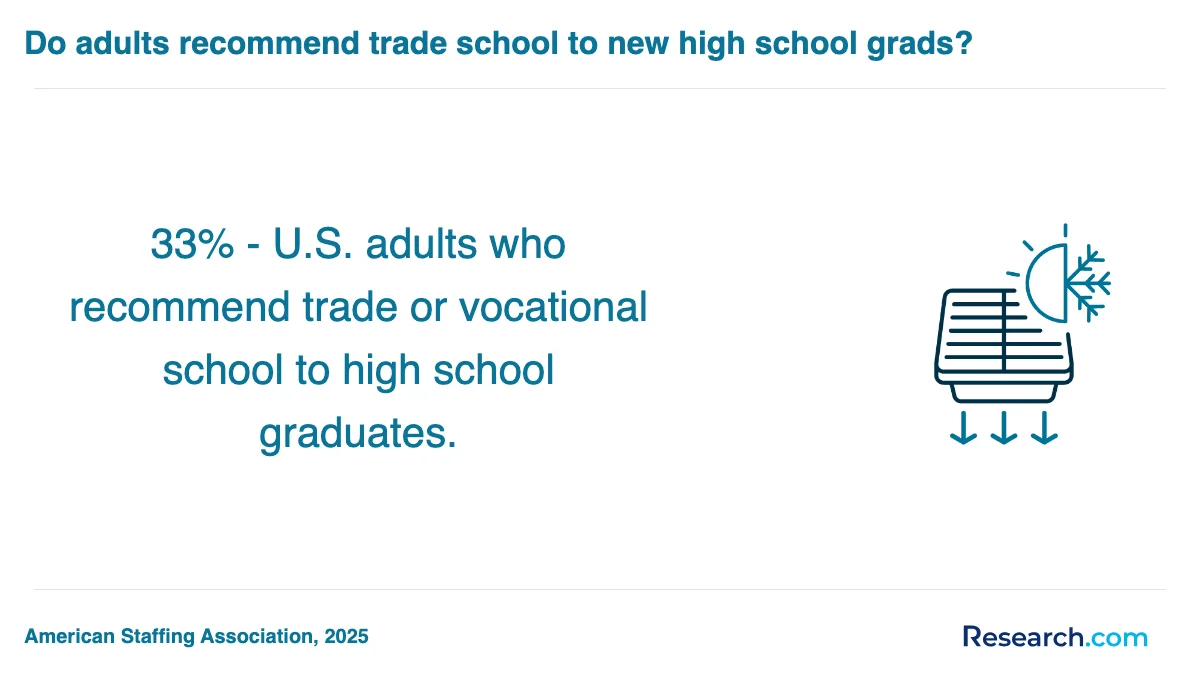
Students enrolled in HVAC technician programs in Las Vegas often find financial aid options that make training more affordable and manageable. Many graduates from UEI College and Advanced Training Institute (ATI) share how federal financial aid, including Pell Grants and federal student loans, helped them cover tuition costs. Applying through the Free Application for Federal Student Aid (FAFSA) is the key step to unlock these benefits.
Scholarships are another practical resource. For example, the Clifford H. "Ted" Rees Jr. Scholarship offers up to $2,500 for students who submit an essay and recommendation letters, which has helped several Las Vegas students reduce their expenses. The EGIA Foundation HVAC HERO Scholarship also provides $2,500 for tuition at approved programs, creating a real sense of relief for many pursuing HVAC careers.
Las Vegas trade schools like ATI and UEI College also provide personalized financial aid counseling and flexible payment plans. Graduates often highlight how these supports, combined with day and evening classes, allowed them to balance work and study without overwhelming financial pressure.
Enrolling in an HVAC technician trade school program in Las Vegas generally requires a few clear prerequisites designed to prepare you for hands-on learning and success in the field. Most schools expect you to have a high school diploma or GED, as this ensures you possess the basic math and reading skills crucial for understanding HVAC systems.
Many graduates from well-known Las Vegas trade schools mention that having a background in basic electrical knowledge or mechanical aptitude makes the transition into the program smoother and more enjoyable.
Here are common prerequisites you can expect:
- High school diploma or GED completion
- Proof of residency or legal status, especially for local institutions
- Passing an entrance exam or placement test focused on math and reading skills
- Basic understanding of tools and safety procedures, often gained through prior work or coursework
- Physical ability to handle manual tasks and lift equipment, which is essential for fieldwork
Graduates often reflect positively on how meeting these requirements helped them feel confident and ready to tackle real-world HVAC challenges from day one. For example, students at popular Las Vegas trade schools have shared that the entrance tests helped identify areas to strengthen early, making their learning experience more focused and rewarding.
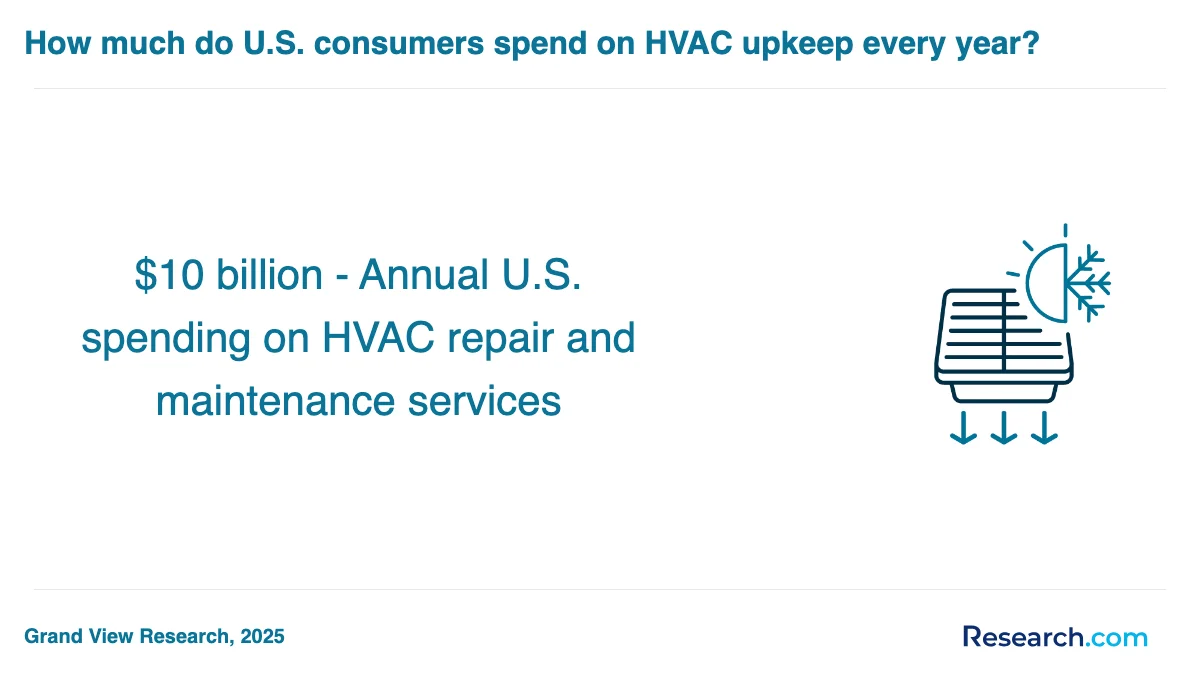
HVAC technician trade school programs in Las Vegas focus on practical, job-ready skills through courses designed to prepare students for real-world challenges. Graduates from popular schools like the College of Southern Nevada and ATI often highlight the hands-on nature of their training, which blends classroom theory with active lab sessions.
Typical courses include:
- Electrical theory and controls: Essential for diagnosing and repairing HVAC systems, students learn to read wiring diagrams and troubleshoot electrical faults.
- Basic plumbing: Since HVAC techs handle water lines and drainage, this course teaches pipe fitting and repair skills.
- Welding and soldering: Using oxy-acetylene torches, students practice joining refrigerant lines and metal components, a vital skill in system installation and repair.
- Residential and commercial HVAC systems: Courses cover installation, servicing, and repair of both home and commercial units, preparing students for diverse job settings.
- EPA Section 608 Certification preparation: A required federal certification for handling refrigerants, built into most programs to ensure compliance and job readiness.
Students appreciate the blend of lectures, online modules, and simulated real-world labs, which boost their confidence. Many recall working on industry-standard equipment, feeling fully prepared to enter the Las Vegas job market with strong technical expertise.
HVAC technician specializations in Las Vegas trade schools focus on skills tailored to the city's unique environment and industry demands. Graduates from the College of Southern Nevada often highlight their in-depth training in areas like Building Automation and Food Service Refrigeration, which prepare them for roles involving smart control systems and commercial kitchen refrigeration.
Meanwhile, students from the National Technical Institute find value in programs emphasizing Residential HVAC and Commercial HVAC for Casinos & Resorts-key sectors in Las Vegas's economy. Their training in Desert Climate Automation Systems and HVAC Engineering for large entertainment venues equips them to handle challenging, real-world environments.
Hands-on experience with electrical theory, EPA regulations, and equipment repair is a common thread in programs at the Advanced Training Institute, helping graduates confidently enter the workforce with industry certifications.
Typical specializations include:
- Air Conditioning Technology with various focuses like Central Plant and Critical Systems
- Residential and commercial HVAC tailored to Las Vegas's desert climate
- Automation systems integrating HVAC controls
- Refrigeration for food service and commercial applications
These programs prepare students for diverse, rewarding careers, and many find that understanding the specifics of Las Vegas HVAC training program specializations enhances their job-readiness and marketability. For those curious about earning potential, see what trade school job pays the most.
When choosing the best HVAC trade schools in Las Vegas, start by verifying the accreditation status to ensure your program meets industry standards. Graduates from well-accredited schools in Las Vegas often share how this recognition helped them secure jobs quickly. Pay close attention to program offerings; some schools focus on certificates in air conditioning and refrigeration, while others offer associate degrees covering broader topics like building automation. This choice impacts your career path and skill depth.
Costs are an important factor, too. Many students weigh HVAC technician program costs Las Vegas carefully, balancing tuition against potential job placement. For instance, graduates from the College of Southern Nevada often praise the low student loan default rate, reflecting successful employment outcomes. Hands-on experience is crucial; schools with modern labs and experienced instructors make a real difference in confidence and practical skills.
Look for programs offering flexible schedules and strong support services like career counseling. Finding the right fit might take time, but resources such as the best trade schools in the us list can help you compare options effectively.
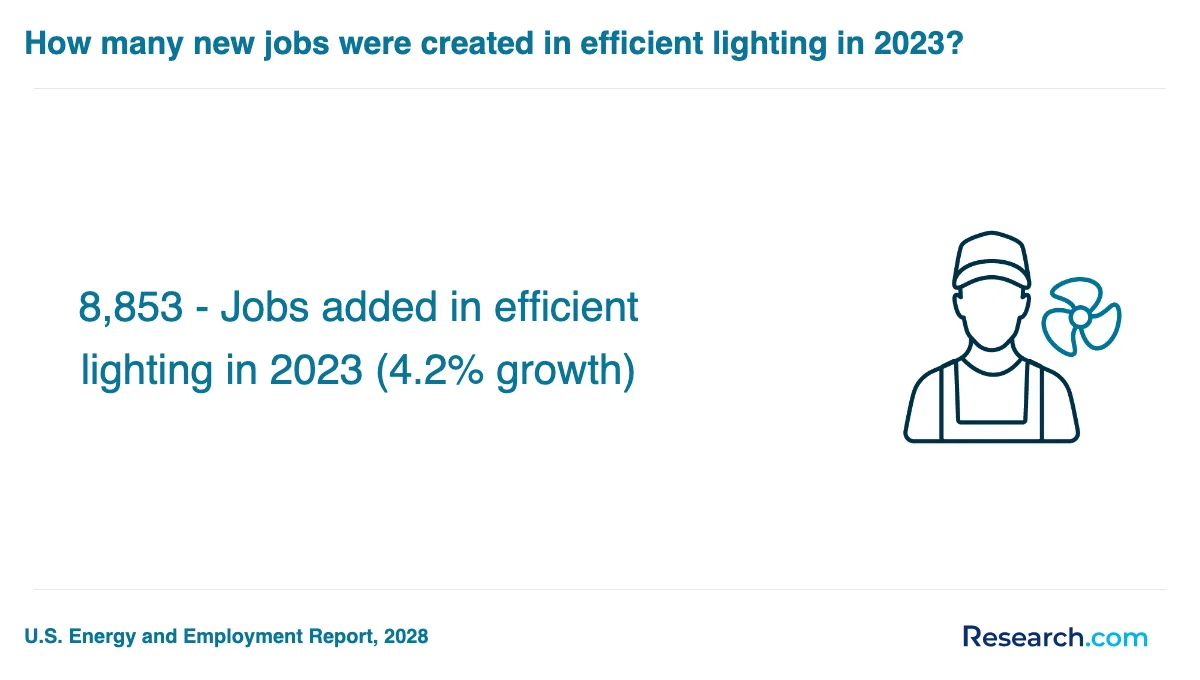
Graduates of HVAC technician trade schools in Las Vegas find varied career paths suited to the city's unique demands. Many start with entry-level roles such as HVAC technician, installer, or helper, working on residential and commercial systems under the intense desert heat. These positions are abundant, with over 200 HVAC technician jobs in Las Vegas available, offering strong opportunities to launch a rewarding career.
Some graduates specialize in refrigeration technology, an essential skill for maintaining large cooling systems in casinos and resorts. Popular trade schools in Las Vegas prepare students for these roles through hands-on training, which helps graduates confidently enter the local job market. Others advance into supervisory or management roles, like HVAC service manager, after gaining experience.
Commercial HVAC careers in Las Vegas also include maintaining systems at hotels, hospitals, and office towers, where automation and energy efficiency are priorities. Graduates equipped with certifications like EPA or OSHA stand out for these advanced positions. Many find success combining technical skills with customer interaction as HVAC sales representatives.
For anyone eager to explore these opportunities, become a hvac technician programs in Las Vegas offer practical pathways and ongoing career support.
The HVAC technician job outlook Las Vegas is strong, with more than 300 openings for HVAC maintenance and service technicians as of August 2025. Graduates from local trade schools often find quick placement in roles such as HVAC maintenance technician, refrigeration technician, and installer. Many report feeling optimistic about their career prospects, especially as Las Vegas's growth fuels constant demand from residential and commercial sectors.
Entry-level positions typically require a trade school diploma, a valid HVAC license, and certifications like EPA Type II. Graduates appreciate the hands-on experience they gained at popular Las Vegas schools, which employers value alongside OSHA safety training. Many students also explore the key difference between an hvac apprenticeship and certification to better position themselves in this competitive market.
Wages range from $19 to $42 hourly, with pay rising for those skilled in automation or commercial refrigeration. Benefits often include medical and retirement plans, making the HVAC technician demand in Las Vegas rewarding both financially and professionally.
Best HVAC Technician Training Programs & Trade Schools - Top HVAC Tech Schools in Las Vegas for 2026
# 1 position
College of Southern Nevada - Heating, Air Conditioning, Ventilation and Refrigeration Maintenance Technology/Technician.
associateThe Heating, Air Conditioning, Ventilation and Refrigeration Maintenance Technology/Technician program at College of Southern Nevada prepares students to repair, install, service, and maintain HVAC and refrigeration systems. This hybrid program includes training on diagnostic techniques, testing equipment, and principles of mechanics, electricity, and electronics. The annual in-state tuition is $4,110. Graduates earn a median salary of $34,374 one year after completion. The program is accredited by the Northwest Commission on Colleges and Universities.
# 2 position
College of Southern Nevada - Heating, Air Conditioning, Ventilation and Refrigeration Maintenance Technology/Technician.
certificate or diplomaThe Heating, Air Conditioning, Ventilation and Refrigeration Maintenance Technology/Technician program at College of Southern Nevada provides technical training to repair, install, service, and maintain HVAC and refrigeration systems. The hybrid program includes instruction in diagnostic techniques, testing equipment, and principles of mechanics, electricity, and electronics. Annual in-state tuition is $4,110. Graduates have a median earning of $34,374 one year after completion. The program is accredited by the Northwest Commission on Colleges and Universities.
# 3 position
Advanced Training Institute - Heating, Air Conditioning, Ventilation and Refrigeration Maintenance Technology/Technician.
certificate or diplomaThe Heating, Air Conditioning, Ventilation and Refrigeration Maintenance Technology/Technician program at Advanced Training Institute prepares students to repair, install, service, and maintain HVAC and refrigeration systems. This hybrid program includes instruction on diagnostic techniques, testing equipment, and principles of mechanics, electricity, and electronics. Graduates have median earnings of $40,633 one year after completion. The program is accredited by the Accrediting Council for Continuing Education & Training.
# 4 position
United Education Institute-Las Vegas - Heating, Air Conditioning, Ventilation and Refrigeration Maintenance Technology/Technician.
certificate or diplomaThe Heating, Air Conditioning, Ventilation and Refrigeration Maintenance Technology/Technician program at United Education Institute-Las Vegas prepares students to repair, install, service, and maintain HVAC and refrigeration systems. This hybrid program includes instruction on diagnostic techniques, testing equipment, and principles of mechanics, electricity, and electronics. The program is accredited by the Accrediting Commission of Career Schools and Colleges. Median earnings for graduates one year after completion are $30,235.
Frequently Asked Questions about HVAC technician
After completing an HVAC technician trade school in Las Vegas, preparing for the job market involves several key steps. First, obtaining EPA Section 608 certification is essential, as federal law requires HVAC technicians to handle refrigerants safely. Many trade schools incorporate this certification into their curriculum.
Next, building practical experience through internships or apprenticeships in local HVAC companies helps graduates develop hands-on skills and industry connections. According to the Nevada Department of Employment, Training and Rehabilitation, Las Vegas has a growing demand for HVAC technicians, with a projected job growth rate of 8% over the next decade.
Additionally, creating a professional resume highlighting certifications, training, and any work experience improves job prospects. Joining local trade associations like the Refrigeration Service Engineers Society (RSES) can provide networking opportunities and access to job listings. Finally, staying updated with the latest HVAC technologies, such as energy-efficient systems, is crucial for long-term career success in Las Vegas's evolving market.
Employers in Las Vegas seek HVAC technician graduates with strong technical skills, including proficiency in installing, repairing, and maintaining heating, ventilation, and air conditioning systems. According to the U.S. Bureau of Labor Statistics, practical knowledge of refrigeration cycles and electrical systems is essential. Additionally, familiarity with EPA regulations and safety standards is critical for legal compliance and workplace safety.
Soft skills, such as problem-solving, communication, and customer service, are highly valued given the residential and commercial nature of many Las Vegas HVAC jobs. Trade schools that emphasize hands-on training and certification preparation tend to produce graduates who meet local employer expectations more effectively.
Finding internships in Las Vegas relevant to HVAC technician trade school programs involves several practical steps. Start by contacting local trade schools directly, as many have partnerships with HVAC companies offering internship opportunities to students. The Nevada Department of Employment, Training and Rehabilitation (DETR) also provides resources and listings for apprenticeships and internships in skilled trades, including HVAC.
Industry associations like the Air Conditioning Contractors of America (ACCA) Nevada chapter often maintain job boards and networking events that connect students with employers. Additionally, exploring job platforms such as Nevada JobConnect can reveal paid internship positions in HVAC services throughout Las Vegas.
Hands-on experience is critical in HVAC training, so applying early and preparing a resume highlighting technical coursework can improve chances. According to DETR, Las Vegas has seen a 7% increase in HVAC job openings, reflecting strong demand for qualified interns.
Obtaining a HVAC technician trade school diploma in Las Vegas significantly enhances career mobility and advancement opportunities. Graduates gain specialized skills recognized by local employers, which are crucial in a city with a growing construction and hospitality industry. According to the U.S. Bureau of Labor Statistics, HVAC technician jobs in Nevada are projected to grow by 10% from 2022 to 2032, faster than the national average. This growth increases demand for certified technicians, making a diploma a valuable asset.
Trade school programs often include hands-on training and industry certifications, which improve employability and potential for higher wages. In Las Vegas, certified HVAC technicians earn a median hourly wage of approximately $25, according to Nevada's Department of Employment, Training and Rehabilitation. Moreover, completion of a diploma can open doors to supervisory roles or opportunities in specialized HVAC fields, supporting long-term career growth within the region.
Students enrolled in HVAC technician trade schools in Las Vegas can benefit from part-time jobs that provide practical experience and supplement their education. Positions such as HVAC apprentices, maintenance assistants, and general laborers in construction or facilities management are common choices. These roles help students apply classroom knowledge to real-world scenarios.
Las Vegas' growing construction and hospitality sectors create demand for skilled HVAC workers. According to the U.S. Bureau of Labor Statistics, the region offers steady employment growth for HVAC technicians, with an average hourly wage around $22.50 as of 2023. Part-time work in these fields also strengthens resumes and networking opportunities.
Other complementary jobs include roles in appliance repair and energy management, both relevant to HVAC systems. These positions help students build technical skills valuable for future full-time employment.
To choose the best HVAC Technician degree program near me in Las Vegas, NV, it is essential to consider factors such as accreditation, curriculum, faculty expertise, and hands-on training opportunities. Research available programs and universities to assess the quality of education and how well they align with your career goals. Resources like Research.com can provide rankings and reviews of programs near Las Vegas, NV to assist in making an informed decision.
- Best HVAC Technician Training Programs & Trade Schools - Top HVAC Tech Schools in Las Cruces for 2026
- Best HVAC Technician Training Programs & Trade Schools - Top HVAC Tech Schools in Corpus Christi for 2026
- Best HVAC Technician Training Programs & Trade Schools - Top HVAC Tech Schools in Houston for 2026
- Looking for a Great Job with Only Some College Required? Become an HVAC Technician. https://intellitec.edu/looking-for-a-great-job-with-only-some-college-required-become-an-hvac-technician/
- HVAC On the Job Training vs. Trade School - HVACR Career Connect NY https://hvacrcareerconnectny.com/hvac-on-the-job-training-vs-trade-school/
- 37 Careers You Can Pursue Via Trade Schools https://www.best-trade-schools.net/careers/
- Top Alternatives to HVAC School | Goodwin University https://www.goodwin.edu/enews/hvac-school-alternatives/
- HVAC Trade School | Edvisors https://www.edvisors.com/plan-for-college/careers/hvac-trade-school/
- HVAC Technician Education & Training Requirements + Costs | Faraday https://faradaycareers.com/careers/hvac-technician-education
- Find HVAC Trade Schools - Diploma & Associate Degree Programs https://www.trade-schools.net/trades/hvac
- HVAC Technician Training Program - ADTC https://www.adtc.co/hvac-training-program
- HVAC Trade Schools: HVAC Training Programs | Fortis https://www.fortis.edu/programs/skilled-trades/heating--ventilation--air-conditioning-and-refrigeration-trades.html
- Ventilation Trade School | Chicago, IL | HVAC Tech https://www.hvac-tech.com/


