
Best Home Inspector Training Programs & Trade Schools - Top Home Inspector Schools in Oregon for 2026

Co-Founder and Chief Data Scientist
Choosing the right home inspector trade school in Oregon can shape your future career. This article introduces a carefully crafted ranking of home inspector programs developed by the Research.com team of data scientists to guide you in making an informed decision.
Whether you seek a diploma or certification, completing a quality program opens doors to rewarding job opportunities and professional growth.
Explore this article to find the best options available and take confident steps toward a successful home inspection career in 2026.
Key benefits of finishing home inspector trade school in Oregon
- Graduates from home inspector trade schools in Oregon can expect competitive salaries, with averages around $63,802 per year and opportunities to earn up to $83,525 annually as experience grows.
- Career paths include working as residential home inspectors, specialists in commercial inspections, or starting independent inspection businesses, as demonstrated by successful alumni from popular trade schools.
- Completing a home inspector trade school online offers flexibility and hands-on training, allowing graduates to enter the workforce faster while balancing other commitments, as shared by online program graduates in Oregon.
What can I expect from home inspector trade schools in Oregon?
In Oregon, home inspector trade school programs require students to earn 20 qualifying education points through a blend of classroom courses and supervised ride along inspections. Graduates from well-regarded Oregon trade schools often describe hands-on ride alongs as pivotal, where accompanying experienced inspectors on real home visits builds confidence and practical skills.
Expect a curriculum covering vital home systems like roofing, foundations, plumbing, electrical, heating and cooling, water and sewage, and fire safety. Many students appreciate how instructors, seasoned professionals in home inspection and construction, connect theory to actual inspection scenarios, making learning engaging and relevant.
Programs vary: some offer intensive two-week, 120-hour classroom sessions, ideal for those who thrive in immersive environments, while others provide flexible, self-paced online formats with interactive exercises and field videos. Graduates often praise these options for fitting diverse schedules and learning preferences.
After completing coursework and ride alongs, students become eligible for the National Home Inspector Examination, a crucial step toward licensure. The practical training and supportive instruction help many feel prepared and optimistic about launching their inspection careers in Oregon's competitive market.
Where can I work after finishing home inspector trade schools in Oregon?
After completing a home inspector trade school program in Oregon, graduates typically find employment in several key areas. Many join established home inspection companies, benefiting from mentorship and a steady client base while working under the company's Construction Contractors Board (CCB) license. This path is common among those who value hands-on experience and administrative support as they grow their skills.
Others take the entrepreneurial route by starting their own home inspection business. Trade school alumni often mention the rewarding challenge of managing their own schedules and clients, although this requires meeting state mandates like maintaining a $10,000 surety bond and $100,000 in general liability insurance.
Graduates frequently provide essential services for real estate transactions, working closely with buyers, sellers, and realtors. Some also collaborate with property management or construction firms, inspecting renovations and new builds. These diverse opportunities reflect the comprehensive training offered by popular Oregon trade schools, empowering inspectors to thrive across urban and rural markets.
How much can I make after finishing home inspector trade schools in Oregon?
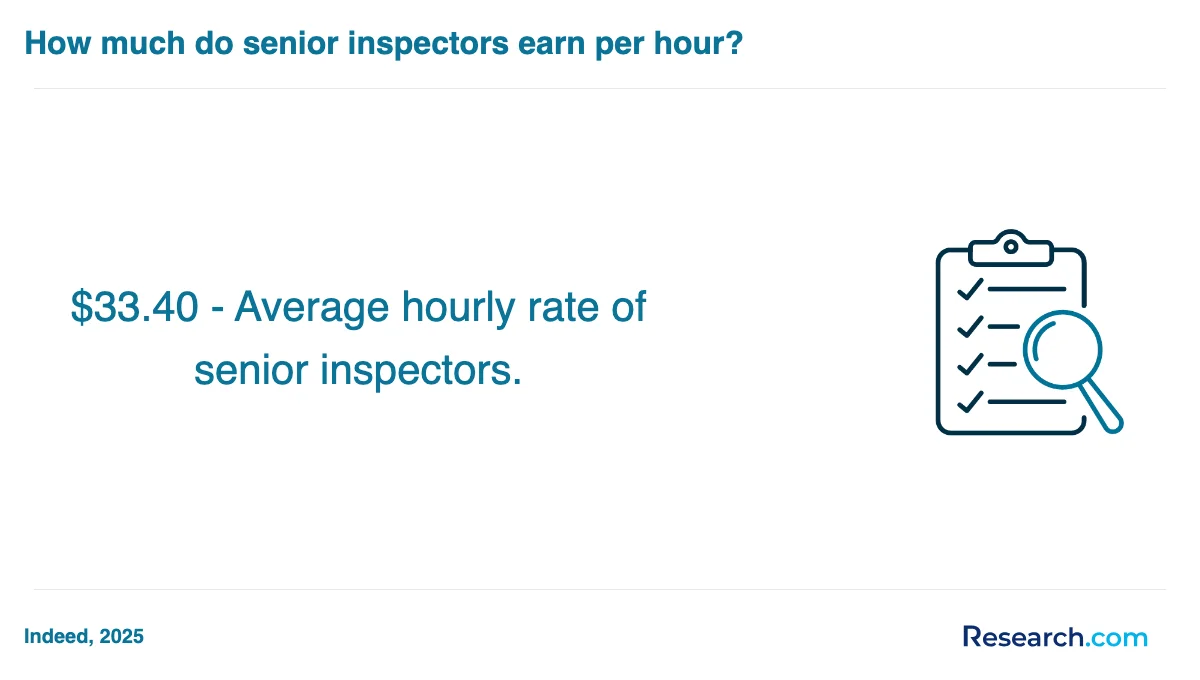
Graduates of home inspector trade school programs in Oregon can expect to earn a competitive salary that often surpasses entry-level wages in other trades. On average, home inspectors in Oregon make approximately $63,802 annually, or about $30.67 per hour. This figure reflects data from multiple sources and aligns closely with salaries reported by graduates who trained at well-known Oregon trade schools.
Entry-level inspectors fresh out of trade school typically start around $31,190 per year, but with experience and a solid reputation, earnings can increase significantly. Many graduates report reaching between $50,700 and $74,500 annually within a few years. In cities like Portland, where demand is higher, inspectors often earn closer to $64,000, with top performers making over $83,000.
These scenarios resonate with trade school alumni who emphasize the value of hands-on training combined with certification opportunities. The flexibility to work independently or with established firms further enhances income potential, making a home inspector career in Oregon both rewarding and financially promising.
Best Home Inspector Training Programs & Trade Schools - Top Home Inspector Schools in Oregon for 2026
# 1 position
Portland Community College - Building/Home/Construction Inspection/Inspector.
associatePortland Community College offers a hybrid program in Building/Home/Construction Inspection/Inspector that prepares students to oversee construction projects and maintain buildings by applying industrial, labor, and governmental standards. The curriculum covers construction techniques, materials analysis, safety, building codes, blueprint reading, and accident investigation. Annual in-state tuition is $5,040. Graduates earn a median salary of $63,103 one year after completion. The program is accredited by the Northwest Commission on Colleges and Universities.
# 2 position
Chemeketa Community College - Building/Home/Construction Inspection/Inspector.
associateChemeketa Community College offers a hybrid Building/Home/Construction Inspection/Inspector program designed to prepare students for oversight of construction projects and building maintenance. The curriculum covers construction techniques, materials analysis, occupational safety, industry standards, building codes, blueprint interpretation, testing procedures, communication, accident investigation, and documentation. The program’s annual in-state tuition is $6,210. It is accredited by the Northwest Commission on Colleges and Universities.
# 3 position
Portland Community College - Building/Home/Construction Inspection/Inspector.
certificate or diplomaPortland Community College offers a hybrid program in Building/Home/Construction Inspection/Inspector that trains students to oversee construction projects and building maintenance. The curriculum covers construction processes, materials analysis, safety, industry standards, building codes, blueprint interpretation, testing procedures, communication, and accident investigation. The program’s annual in-state tuition is $5,040. Graduates earn a median salary of $63,103 one year after completion. It is accredited by the Northwest Commission on Colleges and Universities.
# 4 position
Chemeketa Community College - Building/Home/Construction Inspection/Inspector.
certificate or diplomaChemeketa Community College offers a hybrid program in Building/Home/Construction Inspection/Inspector that prepares students to oversee construction projects and maintain buildings according to industrial, labor, and governmental standards. The curriculum covers construction techniques, materials analysis, safety, building codes, blueprint interpretation, testing procedures, and communication skills. Annual in-state tuition is $6,210. The program is accredited by the Northwest Commission on Colleges and Universities.
Key Findings
- Oregon requires 20 qualifying points through education and experience to be eligible for the National Home Inspector Examination (NHIE).
- Classroom programs typically offer about 120 hours of instruction and cost around $2,495, while online courses with ride-along options cost approximately $895.
- InterNACHI offers free online courses for members that count toward education points.
- Continuing education of 30 units every two years is mandatory to maintain a home inspector license in Oregon.
- Entry-level home inspectors earn between $45,000 and $55,000 annually, with experienced inspectors making $70,000 or more.
- Operating legally requires a $10,000 to $20,000 bond and liability insurance from $100,000 to $500,000, as mandated by the Oregon Construction Contractors Board.
How long does it take to complete home inspector trade schools in Oregon?
Completing a home inspector trade school program in Oregon typically takes between 3 to 6 months, depending on whether the student attends full-time or part-time. Graduates from well-known Oregon trade schools often share that the accelerated pace of full-time courses allowed them to quickly acquire the skills needed to begin their careers, which created a strong sense of accomplishment and motivation early on.
For example, students who choose popular programs in Portland or Eugene report that flexible scheduling options helped balance their personal commitments with intense hands-on training. This balance made learning both feasible and enjoyable, reinforcing their confidence as they progressed through practical inspections and reporting techniques.
Many graduates recall the rewarding experience of applying classroom knowledge to real-world scenarios within just a few months, emphasizing how the program's compact timeline helped them enter the workforce faster while maintaining a deep understanding of Oregon's specific home inspection standards.
What's the difference between online and on-campus home inspector trade school programs?
Online home inspector trade school programs in Oregon prioritize flexibility, allowing students to study at their own pace from anywhere. Graduates from programs like InterNACHI® appreciate being able to balance their coursework with work or family responsibilities, accessing training materials and exam prep online. Similarly, students at Kaplan or Ashworth College benefit from interactive videos and instructor-led seminars that fit within a six-month timeframe, making it easier to progress without disrupting daily life.
On-campus programs, such as the two-week intensive course offered by Nonprofit Home Inspections in Oregon, require physical attendance and provide 120 hours of hands-on instruction. Graduates value the immediate feedback and real-world experience gained through ride-along sessions with experienced inspectors, which enhance practical skills in a way online simulations cannot fully replicate.
Both formats meet Oregon's point-based education system for certification, but while online students enjoy accessibility and self-directed study, on-campus attendees thrive in structured, immersive environments that foster direct interaction and experiential learning.
What is the average cost of home inspector trade schools in Oregon?
The average cost of home inspector programs in Oregon typically centers around tuition fees varying from free to moderate investment depending on the chosen trade school. Graduates from local programs often share that completing the state-required 60-hour pre-licensing coursework can cost anywhere from $0, when utilizing free offerings through associations like InterNACHI combined with their membership fees, to about $500 when enrolling in comprehensive online courses such as those by the Professional Home Inspection Institute. These tuition fees for home inspector trade schools in Oregon commonly include access to vital training materials and exam preparation resources, which many students find essential for passing the licensing exam on the first attempt.
Many graduates describe the tuition fees for home inspector trade schools in Oregon as a worthwhile investment that opens pathways to stable careers. For example, several students who enrolled in the more structured, paid courses appreciated the lifetime access to updated materials, which boosted their confidence during exam prep and on-the-job inspections. Beyond tuition, students must consider exam fees of $225 per attempt and a $150 application fee payable upon passing, which combine to add a realistic expense layer often discussed among Oregon trade school alumni.
Starting your own inspection business involves additional licensing and insurance fees, which can vary but typically include a two-year license fee of $325 and an annual surety bond premium of $100 to $250. Many graduates highlight that understanding these costs ahead of time helps in budgeting effectively and reducing stress when launching their career. Oregon students looking for best trade school jobs that pay well often find home inspection programs offer a good balance between initial tuition investment and long-term career earnings.
What financial aid is available for home inspector trade schools in Oregon?
Home inspector trade school students in Oregon often rely on financing options rather than traditional federal aid, as many programs are offered by private institutions not eligible for Pell Grants or federal loans. Graduates from well-known Oregon trade schools frequently mention using third-party financing like Affirm, which enables monthly payments with interest rates from 0% to 36% APR. For example, a course priced at $800 could be paid off in monthly installments around $72 at 15% APR, easing upfront cost concerns.
Some students highlight the convenience of PayPal's "Pay in 4" plan, allowing four interest-free payments that make budgeting simpler. While scholarships and grants specifically for home inspector students in Oregon are limited, local workforce programs and the Oregon Higher Education Coordinating Commission occasionally offer support for vocational training. Graduates recommend checking with each school about discounts or promotions, such as $200 off course fees, which can significantly reduce expenses at popular programs.
Being proactive about payment plans and employer reimbursement options has helped many Oregon students make their training affordable and manageable.
What are the prerequisites for enrolling in home inspector trade schools in Oregon?
To enroll in a home inspector trade school program in Oregon, applicants typically need to meet several key prerequisites that ensure readiness for the technical and practical nature of the course. Most trade schools in Oregon require candidates to have at least a high school diploma or GED, establishing a foundational level of education necessary to grasp building codes and inspection techniques.
Graduates from popular Oregon trade schools often share that having some background in construction, engineering, or related fields greatly enhances their confidence and performance during training. While not always mandatory, prior experience working in construction or as a handyman is highly recommended and sometimes preferred by admissions committees.
Common prerequisites include:
- High school diploma or GED as a minimum educational requirement
- Basic understanding of construction terminology and tools
- Proof of legal eligibility to study in Oregon, such as residency or visa status
- Some schools may require passing a basic aptitude test or interview
For example, graduates from well-known trade schools in Portland highlight how meeting these prerequisites allowed them to dive quickly into hands-on training, fostering a sense of achievement and enthusiasm early on. This practical approach equips students to handle real-world inspection scenarios confidently, from evaluating structural integrity to identifying safety issues in residential properties across Oregon.
What are the typical courses in home inspector trade schools in Oregon?
Home inspector trade school programs in Oregon typically include a comprehensive set of courses designed to meet state licensing requirements and prepare students for the National Home Inspector Exam (NHIE). Graduates from popular Oregon trade schools often highlight how the curriculum balances theory and practical skills.
Core courses usually cover:
- Building structures and systems: Understanding roofs, foundations, plumbing, electrical, HVAC, and environmental hazards like mold. Students recall hands-on labs where they inspected real homes, boosting their confidence.
- Construction materials and methods: Learning to identify material types and defects, which helps graduates quickly assess property conditions during inspections.
- Inspection standards and practices: Emphasis on Oregon-specific and national guidelines, including ethics, ensuring students feel professionally prepared.
- Residential and commercial building codes: Training in code compliance sharpens students' ability to interpret regulations on-site.
- Reporting and documentation: Practical exercises in writing clear, professional reports using specialized software, a skill many alumni found invaluable.
- Field experience: Ride-alongs with certified inspectors provide real-world exposure, often described by graduates as the most rewarding part of their training.
- Exam preparation: Review sessions and practice tests tailored to the NHIE help students feel ready and reduce exam anxiety.
What are the available specializations in home inspector trade schools in Oregon?
Home inspector trade school programs in Oregon commonly include specialized training to prepare students for diverse inspection roles. Popular specializations offered by programs like Inspection Certification Associates (ICA) cover essential and niche areas such as:
- Mobile, Manufactured, Tiny, & Log Home Inspection
- Wood Destroying Organisms
- Pool and Spa Inspection
- Septic Inspection
- Smart Home Inspection
- Thermal Imaging
- Irrigation and Sprinkler System Inspection
- Asbestos Inspection
- Lead Paint Inspection
- Well Water Testing and Inspection
Graduates from ICA report feeling confident tackling a variety of real-world inspections, from identifying structural concerns in tiny homes to using thermal imaging to detect hidden moisture issues. Similarly, students in Oregon Home Inspector Certification Programs are equipped to specialize in areas that align with their interests and local market demands.
Institutions like Chemeketa Community College emphasize comprehensive preparation for roles such as building official, plans examiner, and specialty inspector. Their Building Inspection Technology program combines classroom theory with hands-on experience, which past students validate as invaluable for mastering the nuances of plan review and site inspection.
Choosing these nuanced specializations allows students to pursue fulfilling careers tailored to Oregon's inspection industry. For those considering flexible options, exploring a construction trade school online may broaden access to specialized home inspector training while balancing other commitments.
How do you choose the best home inspector trade school program in Oregon?
Choosing the best home inspector training programs in Oregon requires focusing on state-specific certification criteria, including earning 20 qualifying education points or completing 60 hours of Oregon-approved coursework. Graduates from well-regarded programs in Portland and Eugene often highlight the value of hands-on field training combined with classroom instruction, which is crucial for practical skill development and meeting Oregon Construction Contractors Board standards.
When comparing Oregon home inspection schools, accreditation is a critical factor. Programs recognized by the U.S. Department of Education or approved by Oregon's regulatory board ensure your education credits count toward certification. Flexibility is another key consideration, with some students benefiting from online options offered by institutions like Ashworth College, which provide balance for working adults while still incorporating practical experience.
Cost and career support also influence decisions. Graduates appreciate programs that include exam prep and continuing education, as Oregon mandates 30 hours of biennial continuing education to maintain certification. For a comprehensive overview of options, students can explore what are the best trade schools online to identify programs that suit their needs.
What career paths are available for home inspector trade school graduates in Oregon?
Graduates of home inspector trade school programs in Oregon find diverse home inspector career opportunities in Oregon tailored to their skills and interests. Many step directly into licensed home inspector roles after passing state-required exams, inspecting residential properties to ensure safety and code compliance. Popular trade schools in Oregon equip students with hands-on training that former graduates describe as empowering and career-launching.
Beyond home inspections, opportunities expand into building inspector jobs Oregon, where many work in municipal or state departments performing code enforcement or reviewing construction plans. Graduates often highlight how their trade school experience prepared them to navigate complex building codes in real job settings.
Other career paths include:
- Building officials or plans examiners who evaluate construction documents
- Consulting in home improvement and risk assessment for insurance companies
- Supervisory roles within inspection firms or government agencies
These roles often require additional certifications, but trade school graduates report that initial comprehensive programs spark confidence and open doors. For students weighing program choices, understanding is there a difference between a trade and a vocational program can clarify the best path forward.
What is the job market for home inspector trade school graduates in Oregon?
For graduates of home inspector trade schools in Oregon, the home inspector job outlook in Oregon shows a mix of opportunity and competition. Recent data indicates about 28 open positions statewide, including roles like building and property inspector. Graduates from popular programs in Portland and Eugene often share how gaining hands-on experience and networking with local firms helped them secure these roles despite the market being described as "not very active." Employers seek candidates with strong communication and construction backgrounds, often offering paid training and mentorship.
The home inspector salary in Oregon averages $63,802 annually, with entry-level wages around $50,700 and top earners reaching $83,525. Many graduates find this competitive, especially paired with benefits and potential contract work. Success stories often highlight that expanding technical expertise and business skills can open more advanced positions or self-employment.
For those exploring career paths, trade programs emphasize the value of continual professional growth, often supported by available real estate activity in the state. Graduates considering alternatives can explore high paying trades that are quick to learn for flexible options beyond home inspection.
Frequently Asked Questions about home inspector
After completing a home inspector trade school in Oregon, preparing for the job market involves several key steps. First, obtaining the Oregon Home Inspector License is essential, as the state requires licensure for all practicing home inspectors. This process typically includes passing the National Home Inspector Examination and completing required continuing education.
Networking plays a crucial role in securing job opportunities. Joining professional organizations such as the Oregon Real Estate Home Inspectors Association can provide valuable connections and resources. Additionally, gaining hands-on experience through internships or apprenticeships can improve employability.
Finally, building a strong portfolio and developing marketing skills help new inspectors attract clients in a competitive market.
Employers in Oregon highly value technical knowledge in building systems, including electrical, plumbing, roofing, and HVAC, for home inspector graduates. According to the Oregon Construction Contractors Board, understanding state-specific building codes is essential for accurate inspections and compliance. Strong observational skills enable inspectors to identify potential safety hazards and structural issues effectively.
Communication skills are also critical, as inspectors must clearly explain findings to clients who may lack technical expertise. Additionally, proficiency in using digital tools for reporting and documentation is increasingly important, reflecting trends in the industry.
Finally, attention to detail and ethical integrity rank among the top traits employers seek, ensuring trust and reliability in inspection reports.
Finding internships relevant to home inspector trade school programs in Oregon involves several practical steps. Start by contacting your trade school's career services, as many maintain partnerships with local inspection companies. These connections often lead to exclusive internship opportunities.
Additionally, explore the Oregon Home Inspectors Association (OHIA), which offers networking events and resources that can connect students with professionals seeking interns.
Online job platforms like Indeed or LinkedIn may list internships in home inspection within Oregon, but always verify the legitimacy of the positions.
According to the U.S. Bureau of Labor Statistics, internships and apprenticeships in construction-related fields have grown by 8% over recent years, reflecting increased opportunities.
Finally, reach out directly to local home inspection firms to inquire about internship openings, demonstrating initiative and interest in the field.
Obtaining a home inspector trade school diploma in Oregon can significantly enhance career mobility and advancement opportunities. The state requires home inspectors to complete approved training and pass a licensing exam, making formal education essential for entry.
A diploma from a recognized trade school equips students with practical skills and knowledge, improving job prospects. According to the Oregon Construction Contractors Board, licensed inspectors often see higher earnings and more stable employment compared to unlicensed workers.
Furthermore, graduates gain access to professional networks and continuing education, which support career growth. In Oregon's competitive housing market, a diploma demonstrates credibility, increasing chances for promotions and specialized roles.
Part-time job opportunities in Oregon that complement home inspector trade school education often focus on roles that build relevant skills and industry knowledge. For example, working as a construction laborer or assistant allows students to gain hands-on experience with building materials and site conditions. These roles can enhance understanding of structural elements crucial for home inspections.
Another option is employment with property management companies, where students learn about maintenance issues and property standards. According to the Oregon Employment Department, construction and property management jobs are expected to grow steadily, offering practical experience alongside coursework.
Additionally, part-time work as a real estate assistant helps students understand market trends and client communication, which are valuable in home inspection careers. These positions often provide flexible hours compatible with school schedules.
To choose the best home inspector degree program near me in Oregon, start by considering programs accredited by recognized bodies, focusing on those that offer a curriculum aligned with the state requirements for certification. Research and compare the available courses and universities near Oregon, examining factors such as curriculum comprehensiveness, faculty qualifications, and graduate success rates. Utilizing resources like Research.com may also provide insights into program rankings and reviews to inform your decision.
Related Home Inspector Rankings for Nearby States
- Best Home Inspector Training Programs & Trade Schools - Top Home Inspector Schools in Washington for 2026
- Best Home Inspector Training Programs & Trade Schools - Top Home Inspector Schools in California for 2026
- Best Home Inspector Training Programs & Trade Schools - Top Home Inspector Schools in Nevada for 2026
- Best Home Inspector Training Programs & Trade Schools - Top Home Inspector Schools in Utah for 2026
- Best Home Inspector Training Programs & Trade Schools - Top Home Inspector Schools in Arizona for 2026
- Best Home Inspector Training Programs & Trade Schools - Top Home Inspector Schools in Illinois for 2026
- Best Home Inspector Training Programs & Trade Schools - Top Home Inspector Schools in Georgia for 2026
Top Trending Rankings
References
- American Home Inspectors Training - AHIT | Live & Online Classes https://www.ahit.com/
- Free Home Inspector Training Courses & Online Classes - InterNACHI® https://www.nachi.org/education/
- Home Inspector School | Home Inspection Training | PHII https://www.homeinspectioninstitute.com/
- Home Inspector School | Home Inspection Training | ICA https://icaschool.com/
- Home Inspector Training - Online Home Inspection Training Courses https://www.kapre.com/home-inspection
- Home Inspector Training - The ASHI School - American Society of Home Inspectors, Inc. https://www.homeinspector.org/education/home-inspector-training-ashi-school/
- Carson Dunlop School of Home Inspection - Home Inspection Training https://www.carsondunlop.com/training/
- Home Inspection Program | Program | George Brown College Continuing Education https://coned.georgebrown.ca/courses-and-programs/home-inspection-program
- Online Home Inspector Training https://www.ashworthcollege.edu/career-diplomas/home-inspection/
- Home Inspector Training | Live Classroom & Online Classes | ATI Home Inspector Training https://www.atihomeinspectortraining.com/


