
Best Electrical Technician Training Programs & Trade Schools - Top Electrical Tech Schools in Manhattan for 2026

Co-Founder and Chief Data Scientist
Choosing the right electrician trade school in Manhattan can feel overwhelming, but this article is here to help. We've gathered a detailed ranking of electrician trade school programs, created by the Research.com team of data scientists, to guide you toward the best options available in 2026.
Whether you want a diploma or certification, completing a trade program opens doors to a rewarding career with strong job prospects. Reading this article will give you clear insights and confidence to make an informed decision that fits your goals and lifestyle.
Key benefits of finishing electrician trade school in Manhattan
- Graduates from electrician trade schools in Manhattan can expect competitive salaries, with entry-level electricians earning around $23.37 per hour and experienced certified electricians making up to $56.99 per hour or more.
- A typical career path includes starting as an apprentice, advancing to journeyman, and potentially moving into supervisory or specialized roles, offering diverse opportunities for growth and higher pay.
- Completing an electrician trade school online offers flexibility and convenience, allowing students to balance work and study while gaining practical skills that lead to rewarding careers without the time and cost of a traditional degree.
- Best Electrical Technician Training Programs & Trade Schools - Top Electrical Tech Schools in Manhattan for 2026
- What can I expect from electrician trade schools in Manhattan?
- Where can I work after finishing electrician trade schools in Manhattan?
What can I expect from electrician trade schools in Manhattan?
If you're diving into an electrician trade school program in Manhattan, expect a mix of classroom lessons and hands-on work that really brings the material to life. Graduates often say the balance of lectures and lab time makes all the difference-imagine learning about circuit breakers or conduit bending one day, then installing lighting fixtures or troubleshooting real electrical issues the next. Popular schools in Manhattan usually offer between 600 to 1,200 hours of training, so you get plenty of time to practice skills and build confidence.
The coursework covers everything from the basics-like electrical safety and reading blueprints-to more advanced topics like motor controls or green energy systems such as solar panels. Many students appreciate the chance to do on-site training with local partners, which feels like a real foot in the door to the industry.
Safety training is a big deal too, with certifications like OSHA 30-hour included, so you're ready for New York's strict standards. Plus, you'll pick up soft skills like communication and customer service that really help once you hit the job market. Many programs offer flexible schedules, including part-time and hybrid classes, which is perfect for juggling life in the city while learning a trade you're excited about.
Where can I work after finishing electrician trade schools in Manhattan?
After finishing an electrician trade school program in Manhattan, many graduates find themselves jumping into a variety of exciting job opportunities right in the city. Whether it's working as a residential electrician fixing wiring in a cozy Brooklyn brownstone or stepping into a commercial role wiring up a sleek new office building in Midtown, the options feel endless. Graduates often share how rewarding it is to see their work powering homes and businesses across Manhattan's diverse neighborhoods.
Some grads land roles with city agencies like the New York City Housing Authority, maintaining electrical systems in public housing or city facilities, which offers a steady schedule and a strong sense of giving back to the community. Others join service and maintenance companies, where flexible hours and hands-on work keep every day interesting, responding to calls and upgrading systems in everything from trendy SoHo lofts to busy retail stores.
Many students from popular Manhattan trade schools mention how helpful their hands-on training was in preparing them for these real-world roles, giving them confidence to troubleshoot complex problems and quickly adapt on the job. The path from entry-level helper to licensed electrician feels very achievable, with plenty of room to grow and earn as experience builds.
After finishing an electrician trade school program in Manhattan, many graduates find themselves surprised by how quickly their earnings can grow. Right out of school, you can expect to make around $32.30 per hour, which adds up to about $67,000 annually if you're working full-time. This is a solid start, especially when you think about living and working in New York City.
Graduates from popular trade schools in Manhattan often share stories of moving up fast. With just a bit more experience and certifications, many boost their hourly pay to nearly $57 per hour or even higher. That means some electricians here make between $81,000 and $157,000 a year, depending on overtime and specialization.
Imagine starting as a newbie, then a couple of years in, you're earning close to $36 an hour as a journeyman electrician. Plenty of grads say the mix of hands-on training and real-world apprenticeships in Manhattan's trade schools prepares them for these jumps.
It's pretty motivating knowing that with each step you take - more certifications, more skills - your paycheck grows, too. For many, it's the perfect blend of learning and earning in one of the busiest cities in the world.
- Applicants must be at least 18 years old, have a high school diploma or GED, a valid driver's license, and a passing grade in algebra.
- Tuition costs range from about $2,229 for short courses to $18,295 per year for full programs like those at Apex Technical College.
- Training includes safety, electrical circuitry, blueprint reading, and electrical codes, often using NCCER curricula and offering certifications like the OSHA 30 Hour card.
- Graduates need at least 5.5 years and 7,700 hours of supervised on-the-job experience before qualifying for electrician licensing in New York City.
- Starting salaries for electricians in Manhattan range from $48,000 to $55,000 per year, while experienced and master electricians can earn $80,000 to $100,000 or more annually.
Most electrician trade school programs in Manhattan typically take about 9 to 12 months to complete. Graduates often share how this timeline fits perfectly with their busy city lives, allowing them to learn hands-on skills quickly without a long wait. For example, students at well-known Manhattan trade schools find that the fast-paced, practical training helps them stay motivated and engaged, balancing school with part-time jobs or family commitments.
Many recall the excitement of their first electrical wiring projects in real-world scenarios, like working on building renovations or installing lighting systems in local businesses. This kind of immersive training makes the months fly by, turning classroom theory into practical know-how. The relatively short program length means you can start your career sooner, which is a big plus for anyone eager to dive into the Manhattan job market quickly.
Hands-on experiences combined with focused instruction create a rewarding atmosphere where students often feel a strong sense of accomplishment by the end of their program. This makes completing an electrician trade school in Manhattan both efficient and fulfilling.
The main difference between online and on-campus electrician trade school programs in Manhattan is how you get hands-on experience. Online programs, like those offered by Borough of Manhattan Community College, let you study electrical theory and practice with virtual labs right from home. Graduates often say this flexibility fits great with busy schedules, especially if you're juggling work or family. But many also mention missing the real feel of working with actual tools and wiring.
On the other hand, on-campus programs at local schools give you direct access to instructors and real electrical systems. Students often talk about the confidence they gain from troubleshooting circuits in a lab and the helpful connections they make with local employers. This hands-on training is crucial since New York requires supervised real-world hours to qualify for electrician licensing.
Some students choose hybrid programs, combining online theory with scheduled in-person labs, finding a perfect balance between convenience and practical experience.
The average tuition fees for electrician programs in Manhattan can vary quite a bit depending on the path you choose. For certificate programs, which focus on core electrical skills and can be completed fairly quickly-often within months to a year-the cost usually ranges between $5,000 and $12,000. Graduates from popular trade schools in Manhattan often describe their experience as a great value considering the skills they gained in such a short time.
Associate degrees, which take about two years and include both electrical training and general education, tend to cost more. Many students report spending between $10,000 and $20,000 for these diplomas. One of the well-known schools offering this is the New York City College of Technology, where tuition generally falls between $7,320 and $15,270. These graduates often share how this broader education helped them feel more confident stepping into the workforce.
If you're considering apprenticeships, these programs often allow you to earn while you learn, sometimes with no tuition fees at all. But keep in mind there will be extra costs like tools and exam fees, which can add up to $1,000-$2,500. To explore more budget-friendly options, you might want to check out low cost online electrical lineman programs that offer great flexibility.
The cost of electrician trade school diplomas in Manhattan isn't just about tuition-you'll want to factor in things like materials, licensing fees, and living expenses too. But many find the investment worthwhile given the rewarding career it leads to.
If you're looking to study electrician programs in Manhattan, there's good news about financial aid options that can really lighten the load. Many local trade schools, like LaGuardia Community College, offer scholarships designed to cover tuition for students who might be worried about costs. For instance, their ACE Scholarship fully covers the Electrical 1 Training Program tuition for those earning under $35,000 annually, giving many graduates the chance to train without piling on debt.
On top of that, federal aid through FAFSA opens doors to Pell Grants, which don't have to be paid back, with awards up to $7,395 for the 2025-2026 year. Some graduates recall how receiving this grant made their hands-on training more affordable and less stressful. Plus, New York State's Tuition Assistance Program (TAP) adds up to $5,665 annually for eligible residents, helping cover even more of the costs.
Trade schools like Apex Technical School also have financial aid offices ready to guide students through applications and planning, making the whole process feel manageable. Many students say having that support boosted their confidence and kept them focused on learning rather than worrying about money.
To enroll in an electrician trade school program in Manhattan, there are a few key prerequisites you should know about. Most schools expect you to have a high school diploma or GED-this is a basic requirement to make sure you're ready for the technical coursework ahead. Many graduates share that having a solid foundation in math, especially algebra, really helps when tackling electrical concepts.
Besides education, some trade schools ask for a clear background check and a valid driver's license, since practical training often includes off-site work in real Manhattan buildings. Physical fitness is also important because electricians spend a lot of time on their feet and in tight spaces.
Here are some common prerequisites students encounter:
- High school diploma or GED
- Basic math skills, especially algebra
- Valid driver's license
- Passing a background check
- Physical ability to handle manual tasks
Many grads recall feeling excited when they met these requirements and started hands-on training right away at well-known Manhattan trade schools. They often mention how these prerequisites helped them hit the ground running and made their experience more rewarding and less stressful.
Electrician trade school programs in Manhattan pack a lot into their courses, giving you hands-on skills and real-world know-how. Graduates often share how starting with electrical theory helped them understand the "why" behind circuits and wiring-making it way easier to troubleshoot on actual job sites.
Typical courses include:
- Intro to electrical theory and math, like Ohm's Law, to build a strong foundation.
- Jobsite safety training covering the National Electrical Code, so you know how to stay safe and compliant.
- Wiring and circuitry skills-think conduit bending, installing switches, and working with both residential and commercial systems.
- Control systems courses dealing with AC/DC motors and programmable logic controls, which come in handy for more complex setups.
- Troubleshooting and maintenance, teaching you how to quickly identify and fix problems during service calls.
- Emerging tech like renewable energy systems and "green" wiring techniques, perfect for Manhattan's growing green building scene.
Many graduates say the mix of classroom learning and hands-on practice, especially in popular Manhattan trade schools, made them feel ready and confident stepping into their first electrician job.
Electrician trade school programs in Manhattan offer a variety of practical specializations designed to meet the city's unique electrical demands. Graduates from popular trade schools often highlight specializations like commercial wiring, where you learn to handle complex systems in office buildings and retail spaces. This is perfect for those drawn to the fast-paced environment of Manhattan's bustling commercial centers.
Many students also dive into residential wiring, gaining skills needed for apartments and high-rise condos common around the city. Others choose specialized paths in low-voltage systems and voice/data/fiber-optic installation-ideal for those excited about modernizing city infrastructure with telecom and internet connectivity solutions. Courses usually emphasize hands-on training, reflecting real-world scenarios faced daily in Manhattan.
Specializations often include:
- Fire alarm and emergency power systems installation
- Construction safety with OSHA certification
- Advanced troubleshooting and system maintenance
All this variety makes it easy to tailor your education based on your interests and career goals. For those considering climbing even higher, pairing these courses with an electrical engineer degree can open up advanced opportunities in the field. The hands-on experience combined with focused coursework in these electrical trade school courses Manhattan offers truly prepares you for a rewarding career in the city.
Choosing the best electrician trade schools in Manhattan means looking at programs that truly blend hands-on training with solid classroom theory. Graduates from popular schools often share how their real-world internships and workshops helped them gain confidence before even stepping onto job sites. It's not just about books; it's about working with tools and understanding safety codes, which many top-rated electrician programs in Manhattan emphasize.
Location matters too-picking a school close to home or with easy transit options can make juggling study and life so much smoother. Many students appreciate schools that offer flexible schedules, perfect for those who need to work while learning. Another key point is checking if the school supports your goals, especially if you want to specialize or advance your career later.
Don't overlook financial aid and job placement support. Graduates often highlight how career services helped them nail interviews and find work fast. For those curious about emerging fields, some schools now even point students toward the best wind turbine technician training programs online to expand skills into renewable energy sectors, which can be a game changer.
Graduates from electrician trade school programs in Manhattan often start their careers as Electrician's Helpers or Apprentice Electricians, gaining hands-on experience by assisting licensed pros with installations and repairs in busy city buildings. These early roles are crucial stepping stones toward more advanced licenses, especially with the strong availability of Manhattan electrician apprenticeship programs that many find both challenging and rewarding.
After enough on-the-job hours, these grads typically pursue the Journeyman Electrician credential, opening doors to more independent work like troubleshooting complex systems or leading small job sites. Manhattan's urban environment means jobs are diverse-from new construction projects to maintaining large commercial spaces-keeping daily work interesting and dynamic.
Some graduates aim higher, becoming Master Electricians who can manage teams, design electrical plans, or even run their own contracting business. Others find fulfilling opportunities in industrial systems, city government jobs, or building maintenance, often enjoying perks like union membership and paid leave.
Hands-on experiences from popular Manhattan trade schools help grads feel confident stepping into these roles, with many excited to explore related fields and expand their skills-some even studying wind turbine technician skills needed to diversify their options.
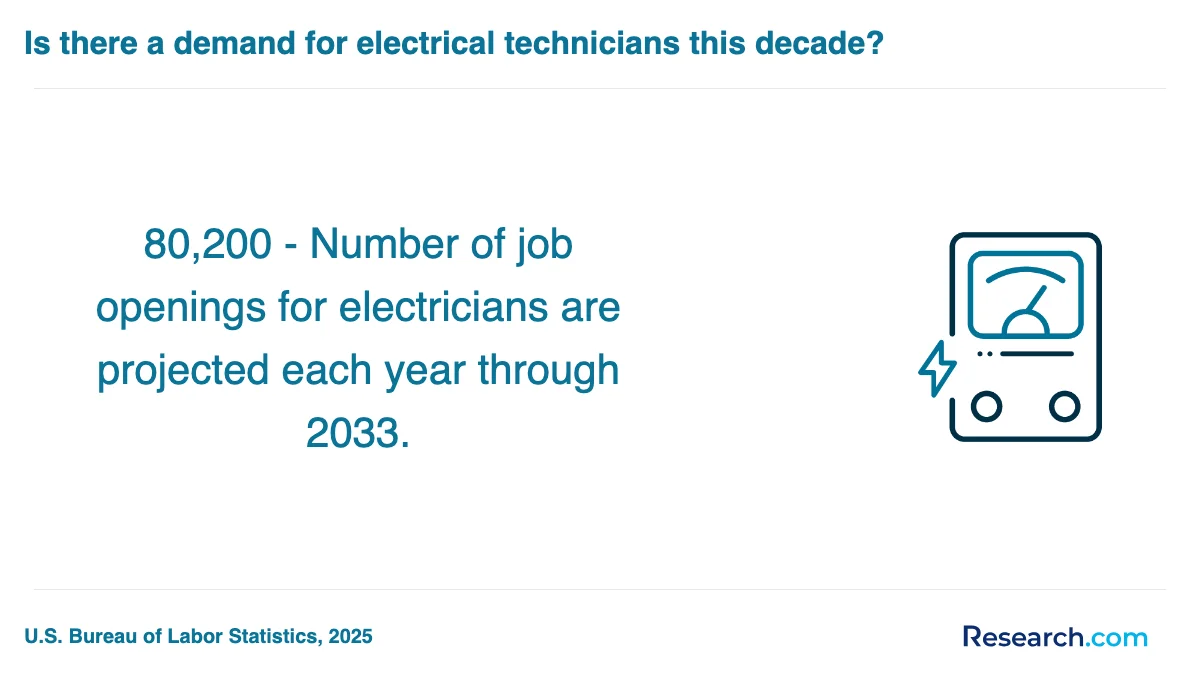
The electrician job outlook in Manhattan is exceptionally strong right now, especially for graduates from popular trade schools in the city. Many grads share that right after completing their programs, they quickly find work due to high demand fueled by new construction projects and ongoing infrastructure upgrades in NYC. This demand is visible in both residential and commercial settings, where electricians are needed for everything from basic installations to cutting-edge smart building technologies.
Here's what you can expect after graduating from Manhattan's electrician trade schools:
- Plenty of entry-level jobs and apprenticeships that often lead to full-time positions.
- Competitive wages that tend to be above the national average to match NYC's cost of living.
- A chance to work with established contractors and gain hands-on experience on real-world projects.
Many graduates also highlight the benefits of the city's shortage of skilled electricians, which opens doors to faster career advancement. With electrician salary and employment trends Manhattan showing robust growth, it's a promising career path. If you want to understand certifications and career steps more deeply, check out the electrical lineworker certification requirements, which give insight into one of the related skilled trade routes.
Best Electrical Technician Training Programs & Trade Schools - Top Electrical Tech Schools in Manhattan for 2026
# 1 position
Manhattan Area Technical College - Electrical and Power Transmission Installation/Installer, General.
associateManhattan Area Technical College offers a hybrid program in Electrical and Power Transmission Installation/Installer, General, preparing students to install residential, commercial, and industrial electrical systems and power transmission lines. The curriculum covers electricity, safety, wiring, insulation, grounding, blueprint interpretation, equipment operation, maintenance, and relevant codes. Annual in-state tuition is $9,276. Graduates report median earnings of $50,897 one year after completion. The program is accredited by the Higher Learning Commission.
# 2 position
Manhattan Area Technical College - Electrical and Power Transmission Installation/Installer, General.
certificate or diplomaManhattan Area Technical College offers a hybrid program in Electrical and Power Transmission Installation/Installer, General. The curriculum covers technical skills for installing residential, commercial, and industrial electrical systems and power transmission lines. Instruction includes electricity, safety, wiring, insulation, grounding, blueprint interpretation, equipment operation, and relevant codes. Annual in-state tuition is $9,276. Median earnings one year after completion are $50,897. The program is accredited by the Higher Learning Commission.
Frequently Asked Questions about electrician
After completing electrician trade school in Manhattan, preparing for the job market involves several key steps. First, obtaining the necessary licensing is crucial. In New York City, electricians must pass the NYC Department of Buildings' licensing exam to legally work as journeymen or contractors.
Gaining practical experience through apprenticeships or entry-level positions significantly improves job prospects. According to the U.S. Bureau of Labor Statistics, Manhattan's demand for electricians is expected to grow by 7% through 2032, reflecting ongoing construction and infrastructure projects.
Networking within local unions and trade organizations can lead to job opportunities. Additionally, updating your resume to highlight hands-on skills and any specialized training will help stand out to employers.
Employers in Manhattan seek electrician trade school graduates with strong technical skills, including proficiency in reading blueprints, wiring diagrams, and electrical codes. Mastery of the National Electrical Code (NEC) is essential, as it governs safety and regulatory compliance across New York State.
Practical experience with troubleshooting and repairing electrical systems is highly valued. According to the U.S. Bureau of Labor Statistics, hands-on skills improve job placement rates by up to 20% among recent graduates.
Soft skills such as communication, teamwork, and problem-solving are also critical. Manhattan employers emphasize the ability to collaborate on construction sites and explain technical details to non-experts.
Familiarity with the latest electrical technologies, including smart home systems and energy-efficient solutions, increasingly differentiates candidates in this competitive market.
Finding internships in Manhattan relevant to electrician trade school programs requires a proactive approach. Start by contacting the career services offices of local trade schools, as they often have partnerships with electrical contractors and companies offering hands-on experiences. Additionally, the New York State Department of Labor provides resources and listings for apprenticeships and internships in the electrical field throughout the city.
Online job platforms like Indeed and LinkedIn frequently list electrician internships in Manhattan, but filtering by location and trade-specific keywords improves results. Networking through local unions such as the International Brotherhood of Electrical Workers (IBEW) Local 3 can also open doors to paid apprenticeships and internships.
According to the U.S. Bureau of Labor Statistics, apprenticeships and internships in electrical trades in New York City see steady demand, with approximately 1,500 openings annually. Early application and demonstrating relevant coursework can increase chances of securing a position.
Obtaining an electrician trade school diploma in Manhattan significantly enhances career mobility and advancement opportunities. According to the U.S. Bureau of Labor Statistics, electricians in New York City experience a higher median wage compared to the national average, reflecting local demand. A diploma provides foundational knowledge and practical skills required for entry-level positions, which can lead to apprenticeships and journeyman licensing.
Trade schools also offer networking connections with local unions and employers, which is crucial in Manhattan's competitive job market. Graduates often find faster job placement and increased eligibility for specialized electrical work, boosting potential earnings and career growth.
Moreover, the New York State Department of Labor reports a steady increase in electrician job openings in the metropolitan area, emphasizing the value of certified training. Holding a diploma can differentiate candidates and unlock supervisory or project management roles over time.
Students enrolled in electrician trade schools in Manhattan can benefit from several part-time job opportunities that complement their education. Entry-level roles such as electrical apprentices or helpers allow students to gain hands-on experience while learning industry standards. According to the U.S. Bureau of Labor Statistics, New York City offers a higher-than-average demand for skilled electricians, making apprenticeship programs particularly valuable.
Other part-time jobs include assisting with basic wiring or maintenance tasks in residential or commercial buildings. These roles help develop practical skills and familiarity with local electrical codes.
Additionally, retail positions in hardware or electrical supply stores provide exposure to materials and tools essential for electricians. Combining work and study enhances both technical knowledge and employability in Manhattan's competitive job market.
To choose the best electrician degree program near me in Manhattan, KS, consider factors such as curriculum comprehensiveness, faculty expertise, and availability of hands-on training opportunities. Programs offered at local community colleges or technical institutions near Manhattan, KS may provide associate degrees or certificates in electrical technology, equipping students with practical skills for the trade. Utilize resources like Research.com to compare programs based on student reviews and job placement rates to make an informed decision.
- The Risks and Rewards of Being an Electrician https://intercoast.edu/articles/sitting-on-the-electric-fence-the-risks-and-rewards-of-being-an-electrician/
- The Top Challenges for Electricians and How to Overcome Them https://discovernats.ca/Home/NewsArticle/3-challenges-to-expect-after-electrician-college-and-how-to-tackle-them/
- New York City 8 Hour Master Electrician License Renewal https://www.electricaltrainingcenter.edu/electrical-program
- How to Become an Electrician in New York 2025 https://www.jobtestprep.com/how-to-become-electrician-newyork
- How Long Does it Take to Become an Electrician? https://www.lincolntech.edu/news/skilled-trades/electrical/how-long-does-it-take-become-electrician
- How to Become an Electrician in New York: A Complete Licensing Guide https://industrack.com/industrack-blog/how-to-become-an-electrician-in-new-york-a-complete-licensing-guide
- How to Become an Electrician in New York https://www.best-trade-schools.net/locations/new-york/electrician-in-new-york/
- Apex Technical School Opens Its Highly Successful Electrician Trade Program in Manhattan - The Fedcap Group https://fedcapgroup.org/apex-technical-school-opens-its-highly-successful-electrician-trade-program-in-manhattan/
- Electrician | City of New York Jobs https://cityjobs.nyc.gov/job/electrician-in-nyc-all-boros-jid-30559
- Electrician Trade School | Edvisors https://www.edvisors.com/plan-for-college/careers/electrician-trade-school/


