
Best Electrical Technician Training Programs & Trade Schools - Top Electrical Tech Schools in Houston for 2026

Co-Founder and Chief Data Scientist
Choosing the right electrician trade school in Houston can shape your future career and open doors to rewarding job opportunities. This article introduces a carefully crafted electrician trade school programs ranking developed by the Research.com team of data scientists to guide you through your options.
By exploring this ranking, you’ll gain valuable insights into the best programs worth considering. Earning a diploma or certification in this field can boost your skills, confidence, and career prospects. Take the first step toward a bright future in the electrical trade today.
Key benefits of finishing electrician trade school in Houston
- Graduates from electrician trade schools in Houston can expect a strong starting salary, with entry-level electricians earning around $14.00 per hour and experienced professionals making up to $39.31 per hour or more.
- Career paths include roles like residential, commercial, or master electrician, offering steady growth and opportunities for specialization, as seen in successful alumni of popular Houston trade schools.
- Completing an electrician trade school online offers flexibility and convenience, allowing students to balance work and study, which many online graduates find helpful compared to traditional degrees.
- Best Electrical Technician Training Programs & Trade Schools - Top Electrical Tech Schools in Houston for 2026
- What can I expect from electrician trade schools in Houston?
- Where can I work after finishing electrician trade schools in Houston?
What can I expect from electrician trade schools in Houston?
If you're thinking about an electrician trade school program in Houston, expect a mix of classroom study and plenty of hands-on work. Graduates from Houston Career Institute and Houston Community College often share how they spent half their time in labs practicing real wiring, bending conduits, and troubleshooting circuits. It's not just theory-you'll get your hands dirty installing panels and switches under supervision, which really builds confidence.
In class, you'll dive into electrical theory, blueprint reading, and safety rules like the National Electrical Code. Many students find learning these essentials exciting because they see how it all fits into real jobs. Plus, some programs offer certifications like OSHA 10, which can give you a leg up when starting out.
Expect programs to last around 9 to 10 months, and keep in mind you'll need a high school diploma or GED. Some schools even provide toolkits, and if you choose a hybrid option, you'll enjoy flexible online lessons combined with in-person labs a couple of days a week.
Most grads appreciate the career support offered, helping them connect with Houston's growing electrical job market. Also, many programs prepare you for the Texas Electrical Trainee certification, a key step to becoming an apprentice electrician. Tuition can vary, but for example, Houston Community College's program costs about $1,198, excluding tools and books, with financial aid options available to ease the load.
Where can I work after finishing electrician trade schools in Houston?
After finishing an electrician trade school program in Houston, many graduates find themselves diving straight into exciting job opportunities. Picture starting as an apprentice electrician, working alongside seasoned pros at construction sites or in busy commercial buildings across the city. Graduates from popular Houston trade schools often share how rewarding it feels to contribute to projects like new home wiring or upgrading electrical systems in hospitals and schools.
Some grads land positions with electrical contractors on large industrial sites, including Houston's massive petrochemical plants and manufacturing hubs, where their skills are in high demand. Others enjoy the variety of working in residential neighborhoods, helping with renovations or troubleshooting electrical issues in homes.
Many appreciate the clear career path ahead, moving up to journeyman or master electrician roles, or even specializing in cutting-edge fields like renewable energy. The steady growth in Houston's construction and industrial sectors means jobs are plentiful, making the transition from trade school to paid work feel not just possible but genuinely exciting.
After finishing an electrician trade school program in Houston, many graduates find themselves earning between $17 and $20 per hour starting out. For example, a typical first-year graduate might make around $20.26 per hour, which feels pretty rewarding when you're just getting started and eager to build your skills. Some beginners might start lower, near $14 per hour, especially if they're fresh out of school, but it's common to see fast growth once you gain experience.
As you put in the hours and earn your license, your pay can jump to an average of $27 to $32 per hour. Many graduates from popular Houston trade schools talk about how they quickly moved up to earning closer to $30 per hour after a couple of years, which really helps with bills and savings.
Plus, overtime pay at 1.5 times your base rate can boost your paycheck significantly, especially if you work busy weeks. Benefits like health insurance and retirement plans are common, making this career path feel stable and promising in Houston's growing job market.
- Applicants must be at least 18 years old, have a high school diploma or GED, and complete one year of high school algebra.
- Some programs require a driver's license and an application fee of about $25, with aptitude and drug tests as part of admissions.
- Tuition for programs like the Electrical Technician course at Houston Community College is around $1,198, excluding books and supplies.
- Completion typically earns a certificate and may include certifications like OSHA 10, with apprenticeships requiring 8,000 hours for Journeyman status in Texas.
- Electrician jobs in Texas are expected to grow 27% through 2030, with starting salaries of $38,000-$45,000 and experienced electricians earning over $60,000 annually.
Most electrician trade school programs in Houston typically take about 6 to 12 months to complete, depending on the specific school and whether you attend full-time or part-time. Graduates often share how the accelerated pace at popular Houston trade schools made it possible to jump right into hands-on training, which really helped them feel confident on the job early on.
For example, many students appreciate that the programs balance classroom learning with practical experience, so you're not just stuck behind a desk. This approach means you can start wiring circuits or installing electrical systems in simulated environments within weeks. It's common to hear from grads that this real-world practice made the months fly by, making the whole journey feel rewarding and achievable.
In Houston, the flexibility in scheduling at several well-known trade schools also helps students who work or have other commitments. So, whether you're aiming for a quick turnaround or a more relaxed pace, the programs are designed to fit your lifestyle while getting you ready for a solid career as an electrician.
Online electrician programs in Houston, like the University of Houston's Residential Electrician Certification, are great if you need flexibility. Graduates often mention how much they appreciate being able to study electrical theory and safety from home, fitting lessons around work or family. The program's 30+ virtual simulations make learning interactive and fun, almost like a video game, helping students get a feel for wiring and troubleshooting without stepping into a classroom.
On the flip side, on-campus programs such as those at Houston Career Institute really shine when it comes to hands-on training. Students spend hours in workshops, working with real tools and wiring actual setups. Many grads say nothing beats the confidence gained from physically handling equipment and getting immediate feedback from instructors. Plus, at HCI, students even get their own toolkits when they finish, which feels like a real milestone.
Some people try hybrid programs, mixing online lessons with in-person labs. But most agree that for electricians in Houston, nothing replaces that face-to-face, hands-on experience when it comes to mastering the trade.
The average tuition for electrician programs in Houston varies widely, making it important to understand what fits your budget. Many graduates who attended community colleges like San Jacinto College found the cost quite manageable, paying about $83 per credit hour as in-district students. With around 60 credit hours needed, their total tuition landed between $4,980 and $8,640. This range often feels accessible to those balancing work and school or managing family expenses.
However, if you're drawn to the hands-on, intensive training at private trade schools, expect a higher cost. For example, alumni of Houston Career Institute completed a 42-week Electrical Technician program costing $17,290. Similarly, students at Altierus Career College spend roughly $15,822 to $16,728 for a 9-month electrician program. These programs often deliver fast-tracked training with direct career entry, which some find worth the premium price.
For those interested in combining learning with earning, apprenticeship programs in Houston are a popular route. The Houston Electrical Joint Apprenticeship and Training Committee offers a five-year program costing around $6,880, including tuition and classroom instruction. Graduates appreciate the balance of paid on-the-job training plus education. Many also factor in additional expenses like tools, costing $500 to $1,500, and textbooks.
If you ever wonder how do i become an electrical lineman, exploring these electrician trade school costs and structures in Houston is a crucial first step before making your move.

Many electrician students in Houston find financial aid a real game-changer when starting their trade school journey. For example, graduates from Houston Community College often share how the Federal Pell Grant helped cover a big chunk of their tuition-this grant is available to those who demonstrate financial need and can be worth up to $7,395 for the 2024-2025 school year. The best part? You don't have to pay it back.
Besides grants, scholarships are a popular option. Many local organizations and trade schools offer scholarships specifically for aspiring electricians, rewarding students for hard work and community involvement. Some grads recall how these scholarships eased their worries about expenses, letting them focus more on learning the trade.
Student loans are also there if you need them, with federal loans usually offering lower interest rates and flexible repayment plans compared to private loans. For those taking continuing education or non-credit courses, the Texas Public Education Grant (TPEG) provides extra support.
Filling out the FAFSA is a must because it's the gateway to most federal and state aid programs. It's a simple step that can open doors to tuition help at your chosen Houston trade school.
If you're thinking about enrolling in an electrician trade school in Houston, there are a few key prerequisites you'll want to know upfront. Most schools expect you to have a high school diploma or a GED. This foundation helps ensure you're ready to tackle the math and technical aspects of the program.
Many graduates from Houston's popular trade schools mention how refreshing it was to have that basic knowledge before starting. It made their learning curve smoother and kept their confidence high. Besides education, schools often require you to be at least 18 years old, which aligns with state regulations for apprenticeship eligibility.
Here's a quick rundown of what you typically need:
- High school diploma or GED
- Minimum age of 18 years
- Basic math skills (some schools offer prep courses if you need a refresher)
- Physical ability to handle hands-on work and safety gear
One graduate recalled how coming into the program prepared with these basics helped them breeze through the early classes, making the practical labs in Houston's trade schools even more enjoyable. If you're worried about math or physical requirements, many Houston schools provide support, so you're never left behind.
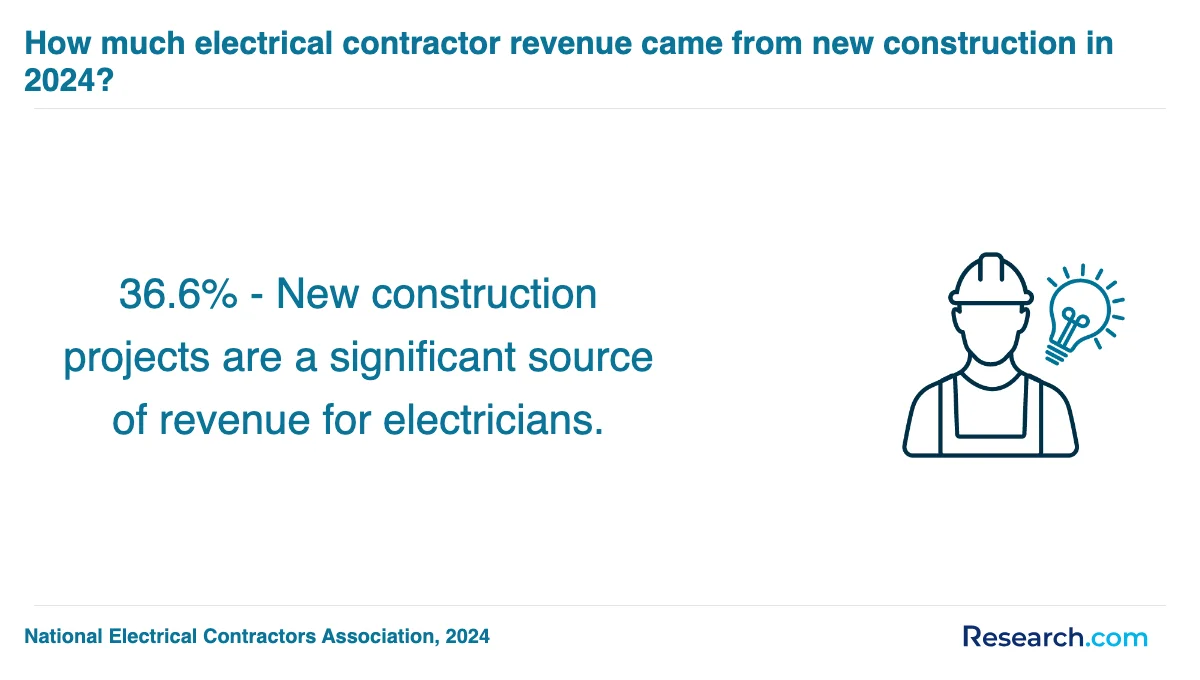
Electrician trade school programs in Houston pack in a solid mix of classroom lessons and hands-on work to get you job-ready quickly. Graduates often mention how courses like electrical theory help them grasp the basics-things like voltage and current-that make the rest of the training click.
Hands-on safety training is a big deal too, with classes focused on OSHA rules and real-world hazard prevention that keep you confident on the job.
Here's what students typically dive into:
- Wiring installation for homes and businesses, where you actually handle materials and tools.
- Reading blueprints and electrical schematics, a skill that's crucial when working on projects in Houston's booming construction scene.
- Circuit analysis and calculations following the National Electrical Code, so you can design and troubleshoot like a pro.
- Technical skills like conduit bending, motor controls, and lighting system installation, including LEDs and high-intensity lights.
Many programs, like those at Houston Career Institute, dedicate over half the course time to labs and real-world practice. Students appreciate this balance because it feels like you're learning by doing, not just memorizing. By the time they're done, they're ready to pass the Texas Electrical Trainee exam and jump confidently into local electrician jobs.
If you're diving into electrician trade school programs in Houston, you'll find a solid variety of paths to carve out your specialty. Many graduates from popular Houston trade schools speak highly of programs focusing on residential wiring, where you learn to wire homes and small apartment buildings-perfect if you enjoy hands-on work in familiar community settings.
For those drawn to bigger challenges, industrial electrician training Houston offers skills in commercial and industrial wiring. Here, students tackle complex electrical systems in large offices and factories, mastering topics like three-phase power and motor controls. This is ideal if you want to work on Houston's booming industrial infrastructure.
Some programs also feature exciting options in renewable energy systems, training students in solar panel installation and maintenance. With Texas investing more in green tech, this field offers growing job opportunities. Plus, other trainings include electrical safety inspections and OSHA 10 certification, which boost your credentials for safer job sites.
Many students share that learning electrical planning and estimating really helped them understand the business side of projects.
- Residential wiring for homes
- Commercial and industrial wiring
- Renewable energy systems
- Electrical safety and OSHA certifications
To explore more about niche fields like wind energy, check out what do you need to become a wind turbine technician.
When choosing electrician trade schools in Houston, one of the first things to check is accreditation. Graduates often share how attending a fully accredited program gave them confidence that their training met industry standards. Programs at Houston Community College are popular for this reason, offering real-world skills through hands-on training in well-equipped labs. Many students speak positively about the flexible schedules there, fitting classes around work or family.
Another key factor is curriculum quality. The best electrician programs in Houston cover everything from electrical theory to safety protocols and hands-on experience. Lone Star College, for instance, offers a range of class times, making it easier for busy students to learn without stress. Financial aid availability is also a big deal - several programs keep tuition affordable, helping students avoid heavy debt.
Lastly, look for schools with strong industry connections. Those partnerships often mean better internships and job placements. Students often mention how programs with good local ties opened doors after graduation. If you're interested, you can also check out the top wind turbine technician certification programs to expand your skills in related fields.

Graduates from electrician trade school programs in Houston often start their careers as Electrician Apprentices, gaining hands-on experience while working alongside seasoned professionals. Many who studied at popular local schools like Houston Community College share how this practical training helped them confidently move into Journeyman Electrician roles, where pay improves and responsibilities grow. The city's bustling industries mean that Houston electrical technician jobs are plentiful, giving graduates options beyond residential work.
For example, many graduates find exciting opportunities as:
- Commercial Electricians handling office buildings and retail spaces
- Industrial Electricians working on manufacturing plant systems
- Specialized Electrical Technicians focused on control systems and power distribution
Houston's rapid urban development keeps demand high, and some graduates have progressed into supervisory or project management roles after a few years in the field. For those interested in expanding their qualifications, pairing trade school experience with an electrical engineer degree can open even more doors.
The electrician job growth in Houston is looking really promising right now. Graduates from local trade schools often find employers eager to hire skilled electricians, thanks to booming construction, oil and gas, and renewable energy sectors. Many graduates share how quickly they got calls for interviews even before finishing their programs at popular Houston schools.
Here's why the Houston electrician employment outlook is so bright for new graduates:
- Houston firms report difficulty filling electrician positions, especially for those with hands-on training.
- Entry-level electricians often start earning between $22.93 and $31.44 per hour, with opportunities to increase with experience or specialty areas like industrial automation.
- Overtime and benefits such as health insurance and retirement plans add to the total compensation.
Many graduates from electrician trade schools in Houston find themselves joining industries with steady work and clear paths for advancement. If you're curious about what are the best schools and programs for electricians, you'll discover options focused on real-world skills that align perfectly with the current job market. This growing demand and strong wage potential make Houston an ideal place to start your electrician career.
Best Electrical Technician Training Programs & Trade Schools - Top Electrical Tech Schools in Houston for 2026
# 1 position
Houston Community College - Electrical and Power Transmission Installation/Installer, General.
associateHouston Community College offers a hybrid program in Electrical and Power Transmission Installation/Installer, General, which prepares students to install indoor and outdoor electrical systems and power transmission lines. The curriculum covers electricity, safety, wiring, insulation, grounding, blueprint interpretation, equipment operation, and relevant codes. The annual in-state tuition is $2,040. The program is accredited by the Southern Association of Colleges and Schools Commission on Colleges.
# 2 position
Houston Community College - Electrical and Power Transmission Installation/Installer, General.
certificate or diplomaHouston Community College offers a hybrid program in Electrical and Power Transmission Installation/Installer, General. The curriculum prepares students to install residential, commercial, and industrial electrical systems and power transmission lines. Instruction covers electricity, safety, wiring, insulation, grounding, blueprint interpretation, equipment operation, maintenance, and relevant codes and standards. The annual in-state tuition is $2,040. The program is accredited by the Southern Association of Colleges and Schools Commission on Colleges.
# 3 position
Houston Community College - Electrician.
certificate or diplomaHouston Community College offers a Hybrid Electrician program that trains students to install, operate, maintain, and repair electrical systems including residential, commercial, and industrial wiring. The curriculum covers electronics, power transmission, safety, electrical testing, and applicable codes. The annual in-state tuition is $2,040. The program is accredited by the Southern Association of Colleges and Schools Commission on Colleges.
# 4 position
Tulsa Welding School-Houston - Electrician.
certificate or diplomaA program that prepares individuals to apply technical knowledge and skills to install, operate, maintain, and repair electric apparatus and systems such as residential, commercial, and industrial electric-power wiring; and DC and AC motors, controls, and electrical distribution panels. Includes instruction in the principles of electronics and electrical systems, wiring, power transmission, safety, industrial and household appliances, job estimation, electrical testing and inspection, and applicable codes and standards. Accredited by the Accrediting Commission of Career Schools and Colleges.
Frequently Asked Questions about electrician
After completing an electrician trade school in Houston, preparing for the job market requires strategic steps to ensure successful employment. First, obtaining the necessary licenses is crucial; Texas mandates electricians to pass the state licensing exam, which verifies skills and knowledge. Graduates should also consider apprenticeships, which provide valuable hands-on experience and increase job prospects.
Networking within Houston's construction and electrical industries can open doors to job opportunities. According to the U.S. Bureau of Labor Statistics, Houston's metropolitan area is expected to grow electrician employment by 10% through 2031, reflecting strong demand.
Additionally, updating resumes to highlight certifications, skills, and practical training is essential for attracting employers in this competitive market.
Employers in Houston seek electrician trade school graduates with strong technical skills, including proficiency in electrical circuitry, wiring, and safety protocols. According to the U.S. Bureau of Labor Statistics, practical knowledge of the National Electrical Code (NEC) is essential, as it governs safe electrical design and installation.
In addition to technical abilities, Houston employers value problem-solving skills and the capacity to read blueprints accurately. These skills ensure graduates can troubleshoot and complete projects efficiently. Communication skills are also important, helping electricians work effectively with clients and team members.
Safety awareness remains a top priority, with Houston's construction industry emphasizing OSHA compliance. Graduates demonstrating familiarity with local electrical codes and safety standards tend to have a competitive edge in the job market.
Finding internships in Houston relevant to electrician trade school programs involves leveraging local resources and industry connections. Many trade schools in Houston maintain partnerships with electrical contractors and construction companies that offer internship opportunities. Students should actively consult their school's career services or internship offices for updated listings.
Additionally, the Houston Electrical Joint Apprenticeship and Training Committee (JATC) is a valuable resource, providing registered apprenticeship programs that combine paid work experience with classroom instruction. According to the U.S. Department of Labor, registered apprenticeships in Texas have grown by 15% in recent years, reflecting increased opportunities.
Networking at local trade events and job fairs can also help students connect with potential employers. Websites like Texas Workforce Commission's WorkInTexas.com list electrician internships and apprenticeships specifically in the Houston area.
Obtaining an electrician trade school diploma in Houston significantly enhances career mobility and advancement opportunities. According to the U.S. Bureau of Labor Statistics, electricians in Texas earn a median annual wage of about $58,000, with skilled workers often exceeding this. A diploma demonstrates verified training, which employers in Houston's competitive construction and energy sectors highly value.
Graduates are more likely to qualify for apprenticeships and journeyman licenses, essential steps for career progression. Houston's growing infrastructure projects increase demand for certified electricians, supporting upward mobility. Additionally, trade schools often provide connections to local unions and employers, facilitating job placement and promotion.
Students enrolled in electrician trade schools in Houston can benefit from various part-time job opportunities that align with their studies. Common roles include electrical apprentice positions, which provide hands-on experience under licensed electricians while earning income. According to the U.S. Bureau of Labor Statistics, Houston's construction sector is robust, supporting demand for apprenticeships and entry-level electrical work.
Other complementary jobs include roles as maintenance technicians or helpers in manufacturing facilities, where students can apply basic electrical skills. Retail positions in hardware stores also offer useful exposure to electrical tools and materials, enhancing technical knowledge.
These jobs not only reinforce classroom learning but also improve practical skills and professional networking. Engaging in relevant part-time work can increase employability after graduation and help cover educational expenses during training.
To choose the best electrician degree program near me in Houston, TX, start by comparing programs based on accreditation, curriculum, and faculty expertise. Consider programs offered by technical schools, community colleges, and universities, some of which can be explored on Research.com for rankings and reviews. Additionally, assess factors such as hands-on training opportunities, partnerships with local businesses, and graduate success rates to make an informed decision.
- Best Electrical Technician Training Programs & Trade Schools - Top Electrical Tech Schools in Pensacola for 2026
- Best Electrical Technician Training Programs & Trade Schools - Top Electrical Tech Schools in Overland Park for 2026
- Best Electrical Technician Training Programs & Trade Schools - Top Electrical Tech Schools in Espanola for 2026
- Best Electrical Technician Training Programs & Trade Schools - Top Electrical Tech Schools in Augusta for 2026
- Careers - Houston Electrical JATC https://www.houstonjatc.com/projects
- IEC TX Gulf Coast | Electrician Trade School in Houston https://iectxgulfcoast.org/membership/electrician-school/
- Electrical Technician, OSA | Houston Community College (HCC) | We are Houston's Community College http://www.hccs.edu/continuing-education/ce-programs/electrical-technician-osa/
- Electrician Schools In Houston, TX | Top Trade Schools https://toptradeschools.com/near-you/electrician/texas/houston/
- Houston Electrical Technician Training Program - National Technical Institute https://www.ntitraining.com/houston-electrical-technician-training-program/
- Electricians | Workforce Solutions - Workforce Solutions https://wrksolutions.com/x96050
- Electrical Technology Program Houston - San Jacinto College https://www.sanjac.edu/programs/areas-of-study/manufacturing/electrical-tech/index.php
- What Can I Do After Finishing My Apprenticeship? | College of Electrical Training https://cet.asn.au/news-insights/what-can-i-do-after-finishing-my-apprenticeship
- Here’s How Your Life Will Improve after Electrician Trade School https://ftccollege.edu/trade-blog/life-after-electrician-trade-school/
- Should You Choose a Trade School or an Apprenticeship? Exploring the Electrical Training Path - InterCoast Colleges https://intercoast.edu/articles/trade-school-apprenticeship/


