
Best Electrical Technician Training Programs & Trade Schools - Top Electrical Tech Schools in Honolulu for 2026

Co-Founder and Chief Data Scientist
Choosing the right electrician trade school in Honolulu can shape your future career and open doors to exciting opportunities. This article presents a carefully crafted electrician trade school programs ranking developed by the Research.com team of data scientists, designed to help you make an informed decision.
By exploring these top programs, you’ll discover options that fit your goals and budget. Earning a diploma or certification in this field offers stability, skill growth, and rewarding work. Let’s guide you toward the best path to start your electrical career with confidence.
Key benefits of finishing electrician trade school in Honolulu
- Graduates of electrician trade schools in Honolulu can expect starting salaries around $23.99 to $32.84 per hour, with experienced electricians earning up to $47.00 per hour or more, offering strong financial stability early in their careers.
- Career paths for graduates include roles as apprentice electricians, journeymen, or specialists in residential, commercial, and industrial settings, providing diverse opportunities for growth and specialization.
- Completing an electrician trade school online offers flexibility and faster completion times, allowing graduates to enter the workforce sooner while balancing other commitments, as many online students report increased confidence and job readiness.
- Best Electrical Technician Training Programs & Trade Schools - Top Electrical Tech Schools in Honolulu for 2026
- What can I expect from electrician trade schools in Honolulu?
- Where can I work after finishing electrician trade schools in Honolulu?
What can I expect from electrician trade schools in Honolulu?
Expect to dive headfirst into a world where theory meets hands-on grit. At Honolulu Community College and other local trade schools, graduates recall the thrill of wiring their first live circuit, the hum of power coursing through their fingers as they mastered residential and commercial systems. It's not just about flipping switches; it's about decoding the National Electrical Code like a secret language, ensuring every connection is safe, sound, and up to Hawaii's strict standards.
Picture yourself in labs bustling with tools and blueprints, learning to troubleshoot motors or install industrial controls. Graduates often highlight how these practical sessions build confidence, turning textbook knowledge into real-world skill. You'll also sharpen essential soft skills-communication, teamwork, and problem-solving-because being an electrician in Honolulu means collaborating on dynamic projects under the island sun.
Students share that the journey demands focus and discipline, especially with math and reading prerequisites, but the payoff is clear: a solid foundation and a pathway to the 10,000 work hours required before licensure. It's a challenging yet rewarding adventure that equips you to light up Hawaii, one wire at a time.
Where can I work after finishing electrician trade schools in Honolulu?
After finishing an electrician trade school program in Honolulu, many graduates find themselves stepping straight into hands-on roles as apprentice or journeyperson electricians. Imagine starting your day installing sleek photovoltaic solar panels on a sun-drenched rooftop or troubleshooting complex airport lighting systems that keep Honolulu's skies safe and bright. Graduates from local trade schools often share how rewarding it feels to work for construction firms or electrical contractors bustling with energy and opportunity.
Some graduates land positions in public sector roles, like maintaining electrical systems at Pearl Harbor or supporting Hawaii's Department of Education. One graduate described the pride in earning $34.09 an hour while servicing specialized machinery that powers critical government facilities. Others dive into the utility sector, joining Hawaiian Electric Company, where career growth and technical training open doors to advancement.
Whether it's repairing traffic signals on busy streets or installing battery systems for renewable energy, Honolulu's electrician graduates enjoy diverse, high-demand jobs that blend steady income with community impact.
After finishing an electrician trade school program in Honolulu, graduates often find themselves stepping into a world where the numbers truly spark excitement. Imagine clocking in your first job at around $23 per hour, fresh from a popular local trade school, feeling that thrill of earning your own steady paycheck. That's the starting line for many-entry-level electricians making about $23 to $29 an hour, depending on experience and certifications.
One graduate shared how after just a few years, with hands-on work and extra certifications, their hourly wage jumped to nearly $46. Another recalled job postings offering $35 to $60 per hour, painting a picture of opportunity and growth in Honolulu's vibrant market.
And it's not just base pay-overtime can add almost $9,500 annually, cushioning income and boosting financial confidence. This is a career path where trade school grads see tangible rewards, making the investment in education feel worthwhile on the sunny islands.
- Applicants must be at least 18 years old and have a high school diploma or GED; some programs require one year of Algebra 1 or higher math.
- Certificate programs can take as little as six months with about 240 course hours, while apprenticeships and advanced programs last 3-5 years.
- Tuition ranges from $131 to $345 per credit, with total costs varying by program length and credit requirements.
- Graduates need 10,000 hours of work experience and 240 hours of approved coursework to qualify for the Journey Worker Electrician license.
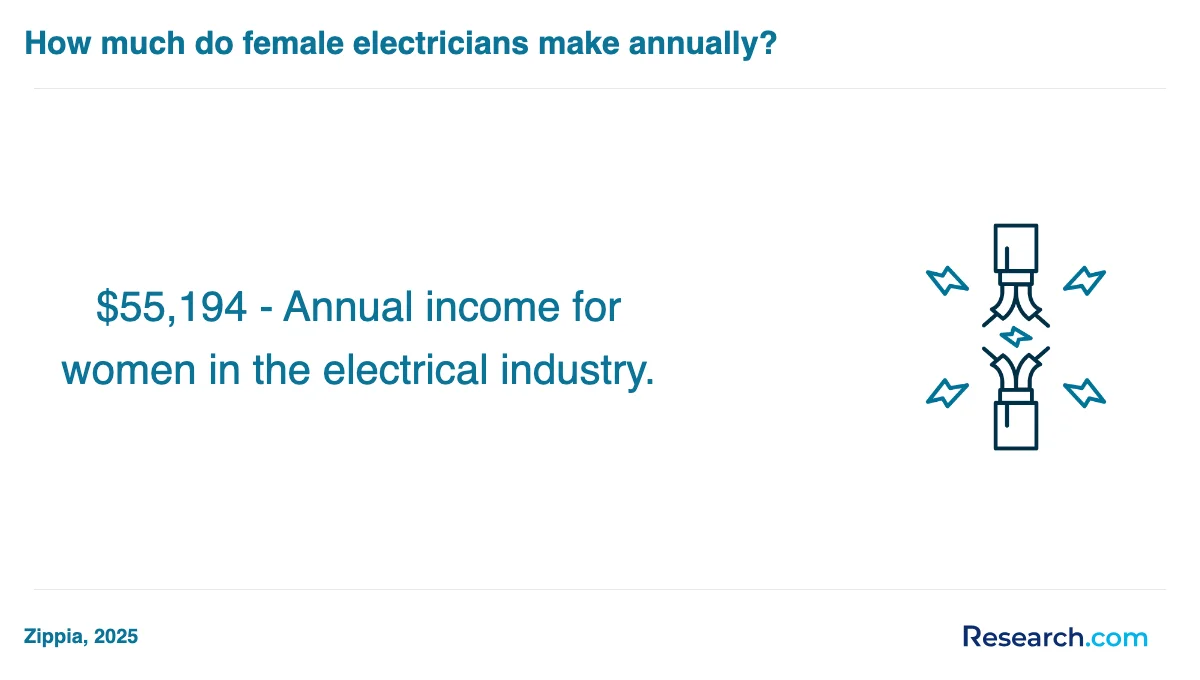
- Entry-level apprentices start around $56,340 annually, with higher earnings possible through specialization, licensing, and union membership.
Completing an electrician trade school program in Honolulu typically takes between 6 months to 1 year, depending on whether you choose a full-time or part-time schedule. Graduates from popular Honolulu trade schools often share how this timeframe felt like a fast-paced adventure-immersed in hands-on projects by day and energized evenings filled with practical learning.
One graduate recalls diving into real-world wiring scenarios within just a few weeks, transforming abstract theory into tangible skills right on campus. Another describes the excitement of balancing classroom lessons with on-the-job training through internships offered by well-known Honolulu programs, which accelerates mastery and confidence.
For those juggling work or family, part-time options stretch the journey to about a year, but the steady progress keeps motivation high. The blend of classroom instruction and fieldwork common in Honolulu's electrician programs means you're not just studying-you're actively building your future in Hawaii's vibrant electrical industry.
Imagine juggling a full-time job and family while diving into electrician studies-this is where online programs from Honolulu Community College shine. Graduates often share how the freedom to study anytime, anywhere, made learning electrical theory manageable without sacrificing daily responsibilities. All they needed was reliable internet and basic computer skills to keep up with lessons on circuits and safety codes.
Contrast that with the on-campus vibe at Leeward Community College, where students thrive in buzzing workshops. Here, hands-on practice with real wiring and tools brings sparks-literally-to learning. Graduates recall the thrill of troubleshooting live electrical panels alongside instructors, a tactile experience that online classes can't replicate.
Then there's the hybrid path, blending flexible online theory with scheduled, face-to-face labs. Many Honolulu students say this combo hits the sweet spot, letting them absorb concepts remotely yet still get the essential hands-on practice required for Hawaii's electrician licensing. It's like having the best of both worlds tailored to island life.
The average cost of an electrician trade school program in Honolulu often surprises those embarking on this career path. Graduates from Honolulu Community College recall balancing tuition fees of around $3,144 for in-state students and up to $8,280 for those from out of state, alongside essential costs for textbooks and tools, which can easily add another $650 to their budgets. These numbers may seem daunting initially, but the rewarding sensation of wiring your first live circuit sparks a powerful motivation to push forward.
Some alumni reminisce about the practical apprenticeship routes through the Hawaii Electricians Training Fund, where they earned wages while learning, softening financial strains and letting the work itself pay their dues. This blend of classroom theory mixed with real-world experience creates a reassuring pathway for many hopeful electricians in Honolulu.
Considering the bigger picture, the average cost of an electrician trade school program in Honolulu for 2026 is expected to reach about $56,965, encapsulating tuition, fees, books, supplies, and living expenses. These figures align with trade schools statewide where tuition and fees alone average around $41,503. Many students find steady support by exploring financial aid or scholarships, which helps transform ambitions into achievable goals.
More cost-conscious future electricians often research the most affordable electrical lineman programs online as alternative routes to attain solid training without breaking the bank.
Imagine starting your electrician journey at Honolulu Community College, where a graduate recalls the relief of submitting the FAFSA form and unlocking a treasure trove of financial aid options. That simple step opened doors to federal grants like the Pell Grant, which felt like a gift-no repayment needed, just support based on real financial need.
Tuition can feel daunting, but in Honolulu, it's often surprisingly manageable. Community college electrical programs charge around $131 to $345 per credit, averaging about $2,815 yearly for in-state students. One recent apprentice shared how their union stepped in, covering tuition costs entirely, turning what seemed like a mountain of expenses into a smooth climb.
Scholarships play a starring role too. Many grads speak of scholarships awarded for merit or need, which helped cover not just tuition but the cost of tools and books-key essentials for hands-on learning. Trade schools here often have tailored aid packages and strong local connections, making the financial path clearer and less stressful.
For those in apprenticeships, employer-funded tuition assistance can be a game-changer, sometimes covering everything from tuition to fees. Students who tap into these resources often describe a newfound confidence, knowing their education is fully supported as they power up their electrical careers.
Want to jump into an electrician trade school program in Honolulu? Here's the lowdown on what you'll need before you can start wiring your future. First up, a high school diploma or its equivalent is almost always mandatory-think of it as your golden ticket. Graduates from Honolulu's top trade schools often recall that this basic credential unlocked their path to hands-on electrical mastery.
Beyond that, schools usually expect you to have a solid grasp of math, especially algebra, because calculating circuits isn't just theory-it's real-life problem-solving. Imagine yourself on Oahu's sunlit campuses, confidently working through voltage calculations thanks to that math foundation.
Some programs also ask for:
- Proof of age-typically you must be 18 or older to handle the tools safely.
- A physical fitness level that lets you climb ladders and work in tight spaces comfortably.
- Basic reading and comprehension skills, crucial for decoding electrical codes and blueprints.
One graduate shared how meeting these prerequisites made them feel ready and excited rather than overwhelmed when starting at a Honolulu trade school. The clear requirements helped focus their energy on learning rather than stressing about eligibility.
In Honolulu's vibrant trade schools, coming prepared with these essentials means you're already halfway to lighting up your career.
Electrician trade school programs in Honolulu dive straight into the essentials that shape confident, job-ready pros. Graduates from Honolulu Community College and Leeward Community College often recall the thrill of mastering electrical theory, where they unlock the secrets of currents and circuits-knowledge that turns mysterious wiring into a logical puzzle.
Core courses include:
- National Electrical Code (NEC) compliance, ensuring you're fluent in the rules that keep Hawaii's homes and businesses safe and legal;
- Blueprint reading and drafting, which feels like decoding a secret map guiding your every wire and switch;
- Workplace safety lessons, embedding OSHA standards so you can confidently handle tools and hazards;
- Hands-on labs where students install and troubleshoot real electrical systems, often collaborating with carpenters, plumbers, and HVAC pros, reflecting the island's interconnected trades;
- Soft skills development, including communication and teamwork, which graduates highlight as key to thriving in fast-paced job sites.
These courses are designed not just to teach but to immerse you in practical, island-relevant experiences-turning theory into skills that light up Honolulu's neighborhoods.
Electrician trade school programs in Honolulu offer a vibrant tapestry of specializations tailored to meet the island's unique electrical demands. Graduates from Honolulu Community College rave about the Electrical Installation and Maintenance Technology (EIMT) track, where mastery of the National Electrical Code and hands-on residential wiring are staples. Meanwhile, those enrolled in specialized electrician courses Honolulu highlight the immersive apprenticeship programs through the Hawaii Electrical Training Alliance, where real-world wiring and troubleshooting under journeyman mentors create confident pros.
Some students, seasoned electricians themselves, find the Electrical 240 Program perfect for filling academic gaps, hitting the required coursework in just 48 weeks. Others are drawn to the City and County of Honolulu's Trades Apprentice Program, blending municipal work experience with classroom theory, fostering a true sense of community pride.
Renewable energy sparks excitement too, with added focus on solar and wind tech aligning with Hawaii's green future. If you're eager to explore these options and more, consider checking out affordable maintenance technician training programs online for flexible pathways to power your career ambitions.
Finding the best electrician training programs in Honolulu means diving into schools like Honolulu Community College, where graduates rave about hands-on labs that transform theory into real-world skills. Imagine wiring an actual panel under the guidance of seasoned pros-this isn't just classroom talk, it's the heartbeat of their curriculum. And if you want to jumpstart your career, Leeward Community College's six-month program packs 240 hours of intensive coursework and labs, perfect for those eager to get their boots on the ground fast.
When you compare electrician trade school costs Honolulu, think beyond just tuition per credit-typically between $131 and $345. Many grads highlight how financial aid and scholarships eased their path, letting them focus on learning rather than stressing over bills. Plus, schools with strong local employer ties boost your chances for smooth apprenticeships and job placements, turning education into opportunity.
For those exploring flexible options, consider how a certificate or associate degree might fit your goals. And if you want to peek beyond traditional training, check out top online wind turbine technician certificate programs for complementary skills that electrify your resume.
Electrician trade school graduates in Honolulu often launch their careers as journey worker electricians after completing rigorous programs at local schools like Leeward Community College or Honolulu Community College. These graduates rapidly step into dynamic roles involving residential and commercial wiring, thriving on construction sites or maintaining electrical systems in vibrant Honolulu neighborhoods. The excitement grows as many find themselves specializing in niche fields such as industrial electrician roles or tackling unique systems like fire alarms and security setups-perfect for those hungry for diverse Honolulu electrician career opportunities.
Some graduates share the thrill of becoming maintenance electricians, focusing on keeping the island's expansive infrastructure humming smoothly. Advancing further, seasoned electricians can earn supervisory licenses after years of hands-on experience, steering teams and projects toward success.
In addition, the surge in renewable energy means electricians skilled in photovoltaic systems are highly sought after, blending green technology with island life. For those curious about the future, trade school can be the gateway-from gaining a journey worker license to pondering how many years is electrical engineering and beyond.
Discover your place within electrician jobs in Honolulu Hawaii by exploring these flexible paths:
- Journey worker electrician handling installations and maintenance
- Industrial electrician for large-scale systems
- Specialty electrician focusing on security and fire safety
- Maintenance electrician repairing and upkeeping systems
- Supervisory roles guiding projects and teams
- Renewable energy technician with photovoltaic expertise
The electrician job outlook in Honolulu 2026 shines brightly for graduates of local trade schools. Those fresh out of programs often find themselves stepping into dynamic roles-from bustling construction sites to vital infrastructure maintenance jobs-where demand never seems to wane. Graduates recount landing positions quickly, some joining private contractors paying $25 to $55 per hour, while others find opportunities with government agencies or companies like Hawaiian Electric offering full benefits and growth pathways.
For many, the excitement lies not only in competitive wages but in real-world progression:
- Entry-level roles kick off with solid pay and direct mentorship, easing the jump from classroom to job site
- Mid-level openings allow hands-on experience with complex electrical systems, sharpening skills
- Senior positions offer stability and rewards, including tuition reimbursement and professional development
Honolulu electrician employment opportunities are amplified by the city's ongoing investment in infrastructure, ensuring steady job availability. Graduates from popular programs appreciate the seamless transition into these roles, fueled by on-the-job training that builds confidence and expertise. Many have even leveraged their electrical skills alongside specialized knowledge like wind turbine technician skills needed in Hawaii's green energy scene, expanding their career horizons.
Best Electrical Technician Training Programs & Trade Schools - Top Electrical Tech Schools in Honolulu for 2026
# 1 position
Honolulu Community College - Electrician.
associateHonolulu Community College offers a hybrid Electrician program that trains students to install, operate, maintain, and repair electrical systems and apparatus across residential, commercial, and industrial settings. The curriculum covers electronics, wiring, power transmission, safety, and electrical codes. Annual in-state tuition is $3,174. The program is accredited by the Western Association of Schools and Colleges Accrediting Commission for Community and Junior Colleges.
# 2 position
Honolulu Community College - Electrician.
certificate or diplomaHonolulu Community College offers a hybrid Electrician program that trains students to install, operate, maintain, and repair electrical systems in residential, commercial, and industrial settings. The curriculum covers electronics, wiring, power transmission, safety, electrical testing, and relevant codes. The program’s annual in-state tuition is $3,174. It is accredited by the Western Association of Schools and Colleges Accrediting Commission for Community and Junior Colleges.
Frequently Asked Questions about electrician
After completing an electrician trade school in Honolulu, preparing for the job market involves several key steps. First, obtaining the required state license is essential; Hawaii mandates electricians to pass the state licensing exam, ensuring safety and competence. According to the Hawaii Department of Labor, the demand for electricians is expected to grow by 10% through 2030, reflecting strong job prospects.
Networking plays a vital role-joining local chapters of the International Brotherhood of Electrical Workers (IBEW) or attending trade events can connect graduates with employers. Additionally, gaining hands-on experience through apprenticeships or entry-level positions improves job readiness.
Finally, updating your resume to highlight certifications, such as OSHA safety training, and proficiency with modern electrical tools can increase employability in Honolulu's competitive market.
Employers in Honolulu seek electrician trade school graduates who demonstrate strong technical skills, including proficiency in wiring, circuitry, and electrical code compliance. According to the U.S. Bureau of Labor Statistics, practical knowledge of the National Electrical Code (NEC) is essential for safety and regulatory adherence.
Additionally, problem-solving abilities rank highly, as electricians must diagnose and fix electrical issues efficiently. Communication skills are also critical, enabling clear interaction with clients and team members.
Hands-on experience with modern electrical tools and equipment is often required, reflecting the increasing use of advanced technology in the industry.
Safety awareness remains a top priority, given the hazardous nature of electrical work in Honolulu's construction and maintenance sectors.
Finding internships in Honolulu relevant to electrician trade school programs involves several strategic steps. Start by contacting local trade schools directly, as many have established partnerships with electrical contractors and businesses offering hands-on training opportunities.
Additionally, the Hawaii Electricians Apprenticeship and Training Trust provides registered apprenticeship programs combining classroom instruction with paid work experience. These programs are a valuable resource for gaining practical skills and industry connections.
Job boards such as Hawaii's Department of Labor and Industrial Relations website list internship and apprenticeship openings specifically in the electrical field. Networking through industry events or trade unions like the International Brotherhood of Electrical Workers (IBEW) Local 1186 can also help identify internship opportunities.
According to 2023 data from the U.S. Bureau of Labor Statistics, electrician apprenticeships in Honolulu have a strong placement rate, reflecting robust local demand for skilled electrical workers.
Obtaining an electrician trade school diploma in Honolulu significantly enhances career mobility and advancement opportunities. According to the U.S. Bureau of Labor Statistics, electricians in Hawaii earn a median annual wage of approximately $68,000, higher than the national average, reflecting strong local demand. A diploma provides foundational skills and certifications required for apprenticeships and journeyman licensing, essential steps toward higher-paying roles.
Trade schools also connect students with local employers and unions, facilitating job placement and career growth. Graduates often report quicker entry into the workforce compared to traditional college routes, with many Honolulu programs offering hands-on training tailored to state electrical codes. This practical experience is critical for career progression in Hawaii's competitive market.
Students enrolled in electrician trade schools in Honolulu can benefit from several part-time job opportunities that enhance their practical skills. Positions such as electrical apprenticeships or helper roles with local contractors provide hands-on experience directly related to the trade. According to the U.S. Bureau of Labor Statistics, Honolulu's demand for electricians is expected to grow by 8% over the next decade, making these roles valuable for building industry connections.
Other complementary jobs include warehouse work for electrical supply companies, where students learn about tools and materials. Additionally, facilities maintenance roles on campus or nearby businesses offer exposure to basic electrical troubleshooting.
To find the best electrician degree program near me, consider researching local community colleges and trade schools, as many offer specialized electrical training. Near Honolulu, HI, institutions such as Honolulu Community College have programs designed to prepare students for a career as an electrician. For further information and potential rankings, Research.com could be a helpful resource to explore available programs and compare their offerings.
- Best Electrical Technician Training Programs & Trade Schools - Top Electrical Tech Schools in Los Altos Hills for 2026
- Best Electrical Technician Training Programs & Trade Schools - Top Electrical Tech Schools in Merced for 2026
- Best Electrical Technician Training Programs & Trade Schools - Top Electrical Tech Schools in Fresno for 2026
- Best Electrical Technician Training Programs & Trade Schools - Top Electrical Tech Schools in San Diego for 2026
- Best Electrical Technician Training Programs & Trade Schools - Top Electrical Tech Schools in Espanola for 2026
- Best Electrical Technician Training Programs & Trade Schools - Top Electrical Tech Schools in Overland Park for 2026
- Electrical Installation & Maintenance Technology https://www.honolulu.hawaii.edu/post/program/eimt/
- Electrician Trade Schools in Honolulu, HI - Get Training! https://electricalcareernow.com/electrician-schools/honolulu-hi
- Electricians – Continuing Education and Training https://pcatt.org/trades/index.php/electricians/
- .... https://www.hetf1186.org/
- Best Trade Schools in Honolulu, Hawaii | Top Trade Schools https://toptradeschools.com/states/hawaii/honolulu/
- Hawaii Craft Training & Apprenticeship https://www.abchawaii.org/education/apprenticeship/
- 11 Best Electrician Trade Schools: Training, Cost, and Career Outlook - Podium https://www.podium.com/article/electrician-trade-school
- 10 Best Electrician Trade Schools 2024 https://www.accreditedschoolsonline.org/vocational-trade-school/electrician/
- Electrical Training - American Trade School https://www.americantradeschool.edu/electrical-training/
- Online Electrician School: Trade Classes | U.S. Career Institute https://www.uscareerinstitute.edu/online-electrician-school


