
Best Baking, Pastry & Culinary Schools - Top Baking & Pastry Chef Schools in Boston for 2026

Co-Founder and Chief Data Scientist
Exploring a career in baking and pastry arts is an exciting step, especially in a vibrant city like Boston. Finding the right trade school can make all the difference in turning your passion into a rewarding profession.
This article features a carefully crafted ranking of baking and pastry trade school programs, developed by the Research.com team of data scientists. It’s designed to help you make an informed decision about which programs truly stand out.
Whether you’re aiming for a diploma or certification, learning from top schools opens doors to creativity, skill, and opportunity in the culinary world.
Key benefits of finishing baking and pastry trade school in Boston
- Graduates in Boston can expect an average annual salary of around $76,948 as pastry chefs, with hourly wages typically between $22.51 and $27.18, offering strong earning potential right after school.
- Career paths include roles in high-end restaurants, hotels, and specialty bakeries, where graduates from popular Boston trade schools have quickly advanced to leadership and creative positions.
- Completing a baking and pastry trade school online offers flexible learning schedules and faster entry into the workforce, as demonstrated by successful online graduates who balance work and study while gaining practical skills.
- Best Baking, Pastry & Culinary Schools - Top Baking & Pastry Chef Schools in Boston for 2026
- What can I expect from baking and pastry trade schools in Boston?
- Where can I work after finishing baking and pastry trade schools in Boston?
What can I expect from baking and pastry trade schools in Boston?
Enrolling in a baking and pastry trade school in Boston means diving into a hands-on, immersive experience where practical skills come first. Graduates often recall spending long hours in small classes-usually capped at about a dozen students-where they received personalized guidance from seasoned pastry chefs. At schools like Boston University's Professional Program in Pastry Arts, expect to master everything from bread making to specialty vegan and gluten-free baking through over 300 hours of combined lectures, demos, and kitchen practice.
Students frequently mention how the mix of lab work, written exams, and portfolio projects at places like the Cambridge School of Culinary Arts helped them build confidence and real-world readiness. Evening seminars and food events often add a dynamic layer, simulating the fast-paced industry environment.
Many find the certifications earned, such as ServSafe Manager and allergen awareness, crucial for stepping into professional kitchens. Whether studying full-time, part-time, or online, the strong local employer connections in Boston give graduates a real boost when launching their careers in roles like assistant pastry chef or chocolatier.
Where can I work after finishing baking and pastry trade schools in Boston?
Graduates from Boston's baking and pastry trade schools often find themselves working in a variety of lively and rewarding environments. Many start out in bakeries, restaurants, or specialty dessert shops, where they can immediately apply the hands-on skills learned during their training. For example, one graduate shared how their time at a well-known Boston trade school prepared them to confidently take on a role as a Pastry Assistant at a local bakery, gaining valuable real-world experience.
Others land positions in hotels and catering companies, including large names like Omni Hotels or Whole Foods Market, which regularly seek skilled bakers and pastry professionals. Many graduates appreciate the steady demand for entry-level roles such as Baker Apprentice, where flexible schedules and benefits like paid time off help balance work and life.
For those who continue to hone their craft, becoming a Certified Master Pastry Chef opens doors to higher-paying opportunities across Boston's bustling food scene. The city's diverse culinary landscape means trade school grads can find fulfilling roles that match their passion and skill level.
After finishing a baking and pastry trade school program in Boston, you can expect strong earning potential compared to many other regions. Graduates often start as pastry bakers, earning on average about $69,750 annually, which is well above the statewide average of $33,350. This difference reflects Boston's vibrant culinary scene and high demand for skilled professionals.
Many graduates from popular Boston trade schools share how their starting salaries comfortably exceeded expectations, especially when working in local bakeries or upscale restaurants. For example, a graduate working as a pastry chef might make around $27.18 per hour, translating to roughly $56,500 annually, with room to grow as skills and reputation develop.
Those who begin in entry-level roles often find their salaries climbing quickly as they gain experience. Working in hotels or high-end establishments can push earnings beyond the typical range, making Boston a rewarding place to launch your baking career.
Overall, the combination of a respected trade school credential and Boston's robust food industry creates exciting financial possibilities for new bakers and pastry chefs.
- Applicants usually need a high school diploma or equivalent and must be at least 18 years old to enroll.
- Programs can last from 14 weeks for certificate courses up to about 1.5 years for associate degrees.
- Tuition ranges from $10,000 to $25,000, with Boston University's 14-week program costing $14,200 as of 2025.
- Entry-level salaries in Boston typically range from $35,000 to $45,000 per year, with experienced professionals earning $50,000 to $65,000 or more.
- Graduates often qualify for food safety and allergen certifications, such as ServSafe Manager and Massachusetts Allergen Awareness.
Completing a baking and pastry trade school program in Boston typically takes about 6 to 12 months, depending on the school and whether you choose full-time or part-time study. Many graduates from well-known Boston trade schools share how this timeframe felt just right-intense enough to keep them fully engaged but manageable enough to balance with personal commitments.
For example, those attending popular programs often find themselves immersed in hands-on training from day one, which accelerates their skill development. Imagine starting your morning learning how to craft perfect croissants and ending the day mastering chocolate tempering-all within a few months.
This focused schedule allows students to quickly gain confidence and build a portfolio of work, which is essential for entering Boston's vibrant culinary scene. Many graduates express a sense of accomplishment and excitement as they transition from classroom kitchens to real bakery environments well within a year.
The main difference between online and on-campus baking and pastry trade school programs in Boston lies in how you learn and interact with instructors and peers. Online programs let you study from home with flexible schedules, using video tutorials and live virtual classes. Graduates often mention how this flexibility helped them balance work or family while still gaining valuable skills. For instance, students enrolled in programs like Escoffier's online courses can watch recorded lessons if they miss live sessions and get personalized feedback remotely, which many find motivating and supportive.
On the other hand, on-campus programs, such as Boston University's 14-week Professional Program in Pastry Arts, immerse you in a hands-on environment. Students work side-by-side with expert pastry chefs in real kitchens, using commercial-grade tools and ingredients. Graduates recall the excitement of learning in a small cohort of 12, which allowed close instructor guidance and instant feedback. This face-to-face setting builds confidence through direct practice and teamwork, creating a vibrant, community-driven experience.
The average tuition fees for pastry programs in Boston typically range from $14,200 to $42,400 per year, reflecting varied program lengths and school reputations. Graduates from Boston University's Professional Pastry Arts Program often talk about the value of its intensive 14-week course priced at $14,200, which immerses students in hands-on training with experienced pastry chefs. This cost is balanced by the practical skills gained, making the financial investment feel worthwhile as students gain confidence in classic and contemporary techniques.
Another example comes from those who completed the Culinary Certificate Program at the Cambridge School of Culinary Arts, costing around $14,655 for 16 weeks. These graduates emphasize how the blend of culinary and pastry training prepares them for diverse career opportunities, highlighting that the cost of baking and pastry diploma programs in Boston often includes broad industry preparation rather than just pastry-specific skills.
Many students at community colleges like Bunker Hill Community College note that starting tuition at $220 per credit makes acquiring essential pastry skills more accessible, especially when balanced against the quality of instruction. Le Cordon Bleu's Pâtisserie and Baking Certificate, around $12,328 annually, is favored for its thorough focus on classical French pastry methods, an investment that students feel unlocks professional doors.
Keep in mind, additional expenses such as textbooks, tools, and uniforms can add up, so planning your budget carefully is essential. Exploring scholarships and grants can ease financial pressure, and you can learn about top paying trade school jobs to gauge return on investment as you plan your education path.

Students pursuing baking and pastry programs in Boston often find federal financial aid to be their primary support. Graduates from community colleges like Massasoit and North Shore recall how completing the FAFSA opened doors to Pell Grants and Direct Loans, easing the burden of tuition fees. These schools participate in the federal Title IV program, making aid more accessible with about 69% of students receiving some financial assistance. Imagine starting your semester knowing you have grants and loans lined up to help cover costs between $8,126 and $8,277 annually.
In contrast, those attending private institutions such as the Cambridge School of Culinary Arts experience a different path. Without federal aid eligibility, many rely on internal payment plans that break down tuition into manageable installments. Some students feel relief knowing they can pay quarterly or by semester, making budgeting more realistic. Although institutional scholarships and work-study options exist, they are competitive and limited, so graduates often combine these with external scholarships from culinary organizations to fund their dreams.
To enroll in a baking and pastry trade school program in Boston, you generally need a high school diploma or GED. This foundational requirement ensures you have the basic skills to succeed in a fast-paced, hands-on environment. Graduates often mention how their high school experiences with math and science helped when measuring ingredients and understanding baking chemistry.
Many Boston trade schools also appreciate some prior exposure to the culinary world, even if informal. For instance, a few months of home baking or volunteering in a local bakery can give you a confident edge. This experience makes the transition smoother and boosts your enthusiasm as you join your peers, who often share that same passion.
Other key prerequisites include:
- Basic reading and writing skills to follow recipes and complete coursework
- A strong work ethic and willingness to learn in a team setting
- Physical stamina for long hours standing and lifting
Many students remember how their instructors at Boston's well-regarded trade schools emphasized preparedness and a positive attitude as essential for success. So, showing up ready to engage and eager to practice your craft is just as important as formal prerequisites.
In Boston's baking and pastry trade schools, courses are carefully designed to build your skills step-by-step, starting with foundational knowledge about baking science. Graduates often recall how core classes taught them to master ingredient selection, precise measurements, and mixing techniques-skills essential for consistent, delicious results every time.
Hands-on training covers a broad range of baked goods, including:
- Artisan breads like baguettes and brioche
- Yeast doughs, both lean and rich
- Quick breads and breakfast pastries
- Gluten-free and vegan baking recipes
Many students find the pastry courses especially rewarding, learning to craft cakes, cookies, pies, and tarts with both classic and modern methods. Advanced classes often push creativity further with chocolate work, sugar art, and plated dessert presentation-perfect for those excited by competition or event catering.
Boston programs emphasize real-world readiness by including food safety certifications like ServSafe Manager and practical business skills such as menu costing and inventory management. Graduates from schools like Boston University's Professional Pastry Arts Program praise the small class sizes and personal mentorship, which make demanding 14-week courses feel supportive and inspiring.
In Boston, baking and pastry programs offer a range of specializations designed to meet diverse career goals and skill levels. Graduates from Boston University's Metropolitan College often highlight hands-on experience in artisan breads, cakes, and specialty baking such as gluten-free and vegan options, which prepares them well for entry-level roles in restaurants and professional bake shops.
For more flexible learning, programs like Pastry Arts 1 Online let students master cookies, meringues, custards, and pâte à choux at their own pace, perfect for busy individuals seeking growth in their baking skills from home. The Cambridge School of Culinary Arts dives deeper into advanced skills, including sugar art, chocolate molding, and wedding cake design, allowing students to specialize in elegant pastry arts specializations in Boston.
Bunker Hill Community College emphasizes kitchen safety, sanitation, and professional ethics, giving students solid foundations through practical lab work that instills confidence for immediate industry entry. These baking and pastry programs in Boston truly cater to hands-on learners passionate about turning their love for baking into a thriving career. For broader career insights beyond pastry, exploring bachelor of liberal arts jobs can offer valuable perspectives.
When choosing the best baking and pastry schools in Boston, focus first on the program type and length that fits your goals. Graduates from Boston University's Certificate Program, a 14-week intensive, often praise the hands-on training and advanced techniques they gained, which helped them build confidence quickly. Community college programs like those at Bunker Hill or North Shore offer associate degrees over one to two years, ideal for those seeking a deeper, paced learning experience.
Consider faculty expertise and industry connections. Many students find that studying under active chefs or industry professionals, such as at Bunker Hill's newly renovated kitchens, provides invaluable insights and networking opportunities. Programs offering internships or guest instructors enhance real-world readiness, which is crucial for career launch.
Boston pastry school program cost comparison is vital. BU's program costs $14,200 for 14 weeks, while community colleges are more affordable and may offer financial aid. Some, like the Boston Kroc Center Culinary Arts Training, are tuition-free except for materials, making them accessible options.
Finally, look at certifications offered and career support. Graduates value programs that prepare them for industry-recognized credentials and help with employment. If you want to explore what other jobs can a restaurant manager do, some baking programs also provide versatile skills for broader culinary careers.
Graduates of baking and pastry trade school programs in Boston can follow rewarding career paths that match their skills and passions. Many start as pastry cooks, bakers, or bakery assistants in popular local spots, gaining hands-on experience with breads, cakes, and fine pastries. Those from well-known schools in Boston often find these roles quickly due to the city's bustling hospitality scene.
Some graduates aim higher and become pastry chefs, where creativity and leadership come into play. These roles involve designing dessert menus and managing kitchen teams, a natural step for students who thrived in Boston's top culinary programs. Others choose to share their knowledge as pastry instructors, filling a growing need at community colleges and culinary schools.
Entrepreneurship also appeals to many, with graduates opening bakeries or catering businesses, equipped with practical skills learned through coursework including recipe development and food media. Alongside traditional roles, emerging opportunities like food media professionals and recipe developers broaden the path for those wanting to blend creativity with communication.
For students considering post-graduation options, exploring the fastest online associate degrees that lead to high paying jobs can complement their baking and pastry career opportunities in Boston, providing a strong boost to success.
The job market for baking and pastry trade school graduates in Boston is notably strong, offering a wide range of opportunities for those completing their training at well-regarded local programs. Graduates often find roles in bakeries, restaurants, hotels, and catering companies, where employers highly value the technical skills honed during schooling.
Many graduates share positive experiences about quickly securing positions due to Boston's active market. Typical starting wages for bakery workers hover around $22.89 per hour, with a clear path to higher pay-up to $33.18 per hour for top performers. For those targeting pastry chef salary and employment outlook Boston residents should note that specialized roles often offer wages above the state average of $27.32 per hour.
Here are some insights graduates commonly report:
- Strong preference by employers for trade school credentials due to hands-on experience.
- Availability of mentorship opportunities within Boston's dynamic culinary scene.
- The possibility to work in diverse environments, from artisan bakeries to large upscale restaurants.
Many students who study baking and pastry in Boston also recommend exploring culinary arts schools online to complement their hands-on training and further boost employability in this competitive industry.
Best Baking, Pastry & Culinary Schools - Top Baking & Pastry Chef Schools in Boston for 2026
# 1 position
Bunker Hill Community College - Baking and Pastry Arts/Baker/Pastry Chef.
associateBunker Hill Community College offers a hybrid Baking and Pastry Arts/Baker/Pastry Chef program designed to prepare students for professional roles in baking establishments. The curriculum covers bread and pastry making, decorating, handling, storage, and industry operations including marketing and product packaging. The annual in-state tuition is $5,520. The program is accredited by the New England Commission on Higher Education, providing a recognized credential for graduates.
# 2 position
Bunker Hill Community College - Baking and Pastry Arts/Baker/Pastry Chef.
certificate or diplomaBunker Hill Community College offers a hybrid Baking and Pastry Arts/Baker/Pastry Chef program designed to prepare students for professional roles in restaurants and commercial baking establishments. The curriculum covers bread and pastry making, handling, storage, decorating, and baking industry operations, including product packaging and marketing. The program’s annual in-state tuition is $5,520 and it is accredited by the New England Commission on Higher Education.
Frequently Asked Questions about baking and pastry
After completing a baking and pastry trade school in Boston, preparing for the job market involves several key steps. Graduates should build a strong portfolio showcasing their skills, including photographs of their best work. Networking within Boston's culinary community is essential; joining local organizations like the Boston Chefs Collaborative can provide valuable connections.
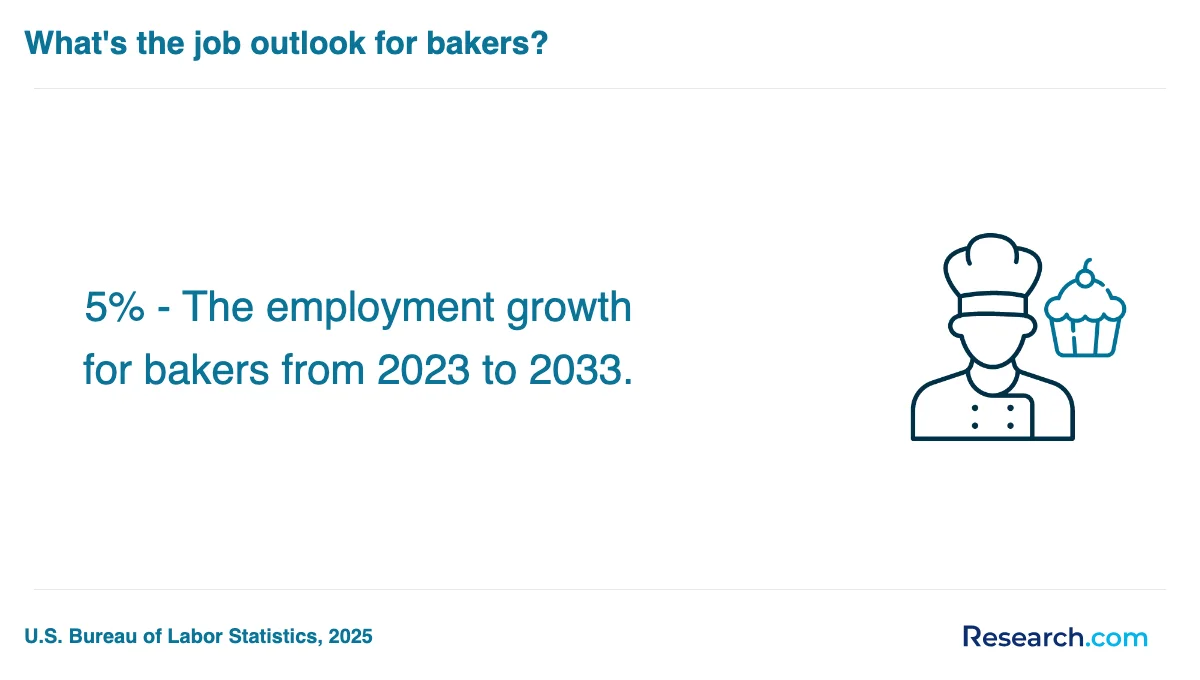
Gaining practical experience through internships or apprenticeships at well-known bakeries helps improve employability. According to the U.S. Bureau of Labor Statistics, the demand for bakers in Massachusetts is expected to grow by 6% through 2030, making early job preparation vital. Additionally, obtaining food safety certifications, such as ServSafe, enhances credibility with employers.
Employers in Boston's baking and pastry industry prioritize a combination of technical skills and practical experience in trade school graduates. Proficiency in dough handling, cake decorating, and pastry preparation is essential. According to the Massachusetts Department of Labor, strong knife skills and knowledge of food safety protocols rank highly among desired competencies.
Attention to detail and creativity are also critical, as Boston's competitive market demands visually appealing and innovative products. Employers value graduates who can follow recipes precisely while adapting to customer preferences.
Additionally, teamwork and time management skills are frequently highlighted in job postings from Boston bakeries and pastry shops. The ability to work efficiently during busy hours while maintaining quality is a top employer expectation.
Familiarity with commercial baking equipment and basic business knowledge can further improve a graduate's employability in the Boston area.
Finding internships in Boston related to baking and pastry trade school programs involves targeted research and networking. Many local bakeries, hotels, and restaurants offer internship opportunities tailored to students seeking hands-on experience. According to the Massachusetts Restaurant Association, Boston hosts over 4,000 foodservice establishments, providing a rich environment for culinary internships.
Students should start by consulting their trade school career services, which often maintain partnerships with local businesses. Additionally, websites like Culinary Agents and Poached Jobs list internship openings specific to the Boston area. Networking through local culinary events and associations, such as the Boston Chefs Collaborative, can also connect students with internship leads.
It is advisable to apply early, as popular internships fill quickly, especially during peak seasons like the holidays. Internships typically last from a few weeks to several months, offering valuable real-world training that complements academic learning.
In Boston, a diploma from a baking and pastry trade school significantly enhances career mobility and advancement opportunities. The city's vibrant culinary scene demands skilled professionals, and trade school graduates often enjoy faster entry into roles like pastry chef, bakery manager, or food stylist. According to the Massachusetts Executive Office of Labor and Workforce Development, employment in food preparation and serving-related occupations is projected to grow by 8% through 2030, signaling strong demand.
Trade school diplomas provide practical skills and industry-recognized certifications, which employers highly value. Many graduates report earning 10-20% higher starting wages than those without formal credentials. Additionally, Boston trade schools often have partnerships with local bakeries, facilitating internships and job placements that improve social mobility for students from diverse backgrounds.
Boston offers several part-time job opportunities that complement baking and pastry trade school education. Many students find work as bakery assistants or pastry prep cooks, gaining hands-on experience while studying. According to the U.S. Bureau of Labor Statistics, Boston's food preparation and serving-related occupations are projected to grow by 8% through 2028, reflecting strong demand.
Local cafes, artisan bakeries, and catering companies often seek part-time help, providing valuable exposure to real-world baking environments. Jobs in farmers markets and specialty food shops also allow students to develop customer service skills alongside their technical training.
To find the best Baking and Pastry degree program near Boston, MA, you can begin by researching local culinary schools and colleges that offer specialized programs in this field. Programs and universities are available, some of which provide detailed course curricula and potential career paths. Consulting resources like Research.com can help you compare institutions based on faculty expertise and program reputation, and you can also visit campuses near me to get a sense of their facilities and offerings.
- Best Baking, Pastry & Culinary Schools - Top Baking & Pastry Chef Schools in Jersey City for 2026
- Best Baking, Pastry & Culinary Schools - Top Baking & Pastry Chef Schools in Ann Arbor for 2026
- Best Baking, Pastry & Culinary Schools - Top Baking & Pastry Chef Schools in Owosso for 2026
- Best Baking, Pastry & Culinary Schools - Top Baking & Pastry Chef Schools in Charlotte for 2026
- Pastry Chef Courses | Baker and Pastry Certification | Cambridge School of Culinary Arts https://cambridgeculinary.com/become-a-chef/pastry-chef-courses/
- Baking & Pastry Arts Trade Schools & Programs https://www.best-trade-schools.net/programs/culinary/baking-and-pastry-arts/
- Professional Cookery Patisserie and Confectionery NVQ Diploma Level 3 - Boston College https://www.boston.ac.uk/courses/find-a-course/area//professional-cookery-patisserie-and-confectionery-nvq-diploma-level-3/
- Home - New England Culinary Arts Training https://www.ne-cat.org/
- How to Get Your First Professional Job After Culinary School - A Guide for New Grads | Pacific Institute of Culinary Arts https://www.picachef.com/in-the-news/how-to-get-your-first-professional-job-after-culinary-school---a-guide-for-new-grads
- 14 Exciting Careers with a Baking and Pastry Arts Degree https://www.baker.edu/about/get-to-know-us/blog/careers-with-a-baking-and-pastry-arts-degree/
- 7 Career Options After a Diploma in Culinary Arts | Build Your Culinary Career https://www.tedcoeducation.com/career-after-diploma-in-culinary-arts
- What Are the Career Opportunities in Baking and Pastry? - Escoffier https://www.escoffier.edu/blog/culinary-pastry-careers/what-are-the-career-opportunities-in-baking-and-pastry/
- A Guide to Growth: How To Go from Culinary Student to Professional Chef | Institute of Culinary Education https://www.ice.edu/blog/guide-growth-how-go-culinary-student-professional-chef
- Career Opportunities in Baking and Pasty https://www.hrcacademy.com/en/blog/career-opportunities-for-bakers-and-pastry-chefs/


