
Best Automotive Technician Training Programs & Trade Schools - Top Automotive Technician Schools in San Francisco for 2026

Co-Founder and Chief Data Scientist
Choosing the right automotive technician trade school in San Francisco can feel overwhelming. This article is here to make that decision easier for you.
We present an automotive technician trade school programs ranking created by the Research.com team of data scientists. This ranking helps highlight the best options based on reliable data, so you can confidently explore programs that fit your goals.
By reading, you’ll discover valuable insights about schools that offer quality training, helping you earn a diploma or certification that opens doors to a rewarding career in automotive technology.
Key benefits of finishing automotive technician trade school in San Francisco
- Graduates can expect a strong starting salary, with average hourly wages around $33.46 to $37.34 in San Francisco, translating to an annual income near $69,600 or more with overtime opportunities.
- Career paths include roles like certified automotive technician, service advisor, or specialized mechanic, offering growth and exciting opportunities in San Francisco's busy automotive industry.
- Completing an automotive technician trade school online provides flexibility and faster completion, allowing graduates to start earning sooner while balancing life commitments compared to traditional degrees.
- Best Automotive Technician Training Programs & Trade Schools - Top Automotive Technician Schools in San Francisco for 2026
- What can I expect from automotive technician trade schools in San Francisco?
- Where can I work after finishing automotive technician trade schools in San Francisco?
What can I expect from automotive technician trade schools in San Francisco?
If you're thinking about joining an automotive technician trade school in San Francisco, expect a hands-on experience that blends classroom learning with real-world practice. For example, graduates from City College of San Francisco often talk about working directly on late-model cars, getting their hands dirty while mastering diagnostics, engine repairs, and electrical systems. It's not just theory-you'll spend plenty of time under the hood, thanks to partnerships with local dealerships and repair shops.
Programs here usually offer flexible paths: some students complete an Associate of Science degree in just a few semesters, while others take certificate or pre-apprenticeship routes that mix classroom study with worksite training, like those at Skyline College's modern facilities. Many grads highlight the excitement of internships sponsored by big industry names like Subaru or Ford, which open doors to real job opportunities.
Expect to earn valuable certifications that employers actually look for and get ready to join a community that's supportive and focused on launching your career in automotive service.
Where can I work after finishing automotive technician trade schools in San Francisco?
After finishing an automotive technician trade school program in San Francisco, many graduates find themselves with exciting job options right in the heart of the Bay Area. Popular trade schools here prepare students for roles at local dealerships like Mercedes-Benz of San Francisco or Cadillac of South San Francisco, where starting salaries can be quite appealing-some grads share stories of earning between $65,000 and $120,000 a year, plus benefits like 401k and sign-on bonuses.
Others land positions at independent repair shops or franchise service centers, where they get hands-on experience working on a variety of vehicles, from classic cars to the latest hybrids and electric models. This is especially rewarding for those passionate about green tech, as San Francisco's focus on sustainability opens doors in hybrid and electric vehicle repair.
Some grads also talk about working with city agencies, maintaining municipal fleets like police cars and fire trucks, which feels like a real way to give back to the community. Entry-level roles like lube technician or apprentice mechanic often lead to steady growth, making the future look bright for anyone finishing a program in this vibrant city.
After finishing an automotive technician trade school program in San Francisco, you can expect to make around $32 to $37 per hour starting out. Graduates from popular local schools often share how exciting it is to land jobs that pay roughly $33 to $37 an hour, which feels rewarding after all the hands-on training. Many report starting annual salaries between $55,000 and $67,000, with some even reaching above $63,000 depending on the employer and certifications earned during the program.
For those who stick with it and gain extra certifications, like becoming a Master Auto Technician, pay jumps considerably. It's not uncommon for these pros to earn around $44 an hour or $76,000 a year in San Francisco. Graduates often mention how the city's high demand for skilled technicians helps keep wages competitive, making the effort of trade school well worth it.
Plus, with the active job market here, new grads often find plenty of opportunities to get their foot in the door and grow their careers quickly.
- Admission requires a high school diploma or GED, English literacy, basic math skills, and applicants must be at least 18 years old with legal work eligibility in the US.
- Programs are available at City College of San Francisco and Skyline College, offering certificate and associate degree options with hands-on training and partnerships with local dealerships.
- Program lengths range from 18 weeks for pre-apprenticeships to up to three years for associate degrees, with some accelerated paths available.
- Tuition for California residents is about $46 per unit, with total costs between $2,000 and $6,000 for certificates and up to $8,000 or more for associate degrees, excluding tools and materials.
- Entry-level salaries average $45,000 to $55,000 per year, while experienced technicians can earn $70,000 or more depending on certifications and specialization.
- Certifications like ASE and manufacturer-specific credentials improve job prospects, and internships help students gain work experience in the Bay Area market.
Most automotive technician trade school programs in San Francisco typically take about 6 months to 1 year to complete. Graduates often mention how this timeframe feels just right-long enough to really dive into hands-on training without dragging on forever. For example, students at popular trade schools in the city find themselves quickly moving from classroom theory to working on real engines, which keeps motivation high and the learning practical.
Many share stories of balancing part-time jobs while attending evening or weekend classes, appreciating the flexible schedules that some San Francisco schools offer. This way, they can gain skills and still manage daily life. The faster pace means you're ready to step into the local job market sooner, which is a huge relief and confidence boost for those eager to start their careers.
Whether you're focused on diagnostics, repair, or maintenance, this 6- to 12-month window consistently comes up as a sweet spot for mastering the essentials without feeling overwhelmed or bored.
If you're thinking about studying automotive technology in San Francisco, the biggest difference between online and on-campus programs is how you learn and get hands-on experience. On-campus programs, like those at Skyline College, really shine because you spend hours each week working directly on cars and using professional-grade tools. Graduates often talk about how that real-world practice made them confident and job-ready when they finished.
City College of San Francisco students also benefit from a mix of classroom time and hands-on work at dedicated training centers, often spending full weeks actively fixing and diagnosing vehicles. This kind of immersion helps students feel fully prepared for careers in local dealerships or repair shops.
Online programs, like the hybrid options at UEI College, offer more flexibility and usually cost less, which many students appreciate. However, they involve watching video lessons and virtual simulations, so you'll need to find places to get actual hands-on practice separately. Some graduates like the convenience but note it takes extra effort to gain that real-world experience.
When looking at the average cost automotive technician trade school San Francisco programs typically hover around $15,600 for a full course lasting about 41 weeks. Graduates from popular trade schools in the area often share how the upfront tuition fees feel like an investment in their future, especially since this amount covers the core hands-on training they need to confidently enter the field. Tuition fees automotive technician programs San Francisco usually range from basic training programs around $2,000 to more comprehensive setups that can exceed $3,000, depending on the institution and curriculum depth. For example, some local adult education programs offer modular courses costing roughly $2,380, which students find manageable and structured to fit busy lifestyles.
Beyond tuition, students note they also budget for materials and learning supplies costing about $300, along with books which might run between $239 to $800 annually. Uniforms and safety gear stack up to around $340, and smaller fees like insurance or parking add to overall expenses. Many rising mechanics appreciate how financial aid options soften these costs-programs like the California College Promise Grant make trade school more accessible.
Some students even suggest exploring apprenticeship routes, combining on-the-job training with wages, making it easier to handle expenses while gaining valuable experience. If you want to learn more about what can you do with an automotive technology degree, many trade schools offer guidance on career paths after completing the program.
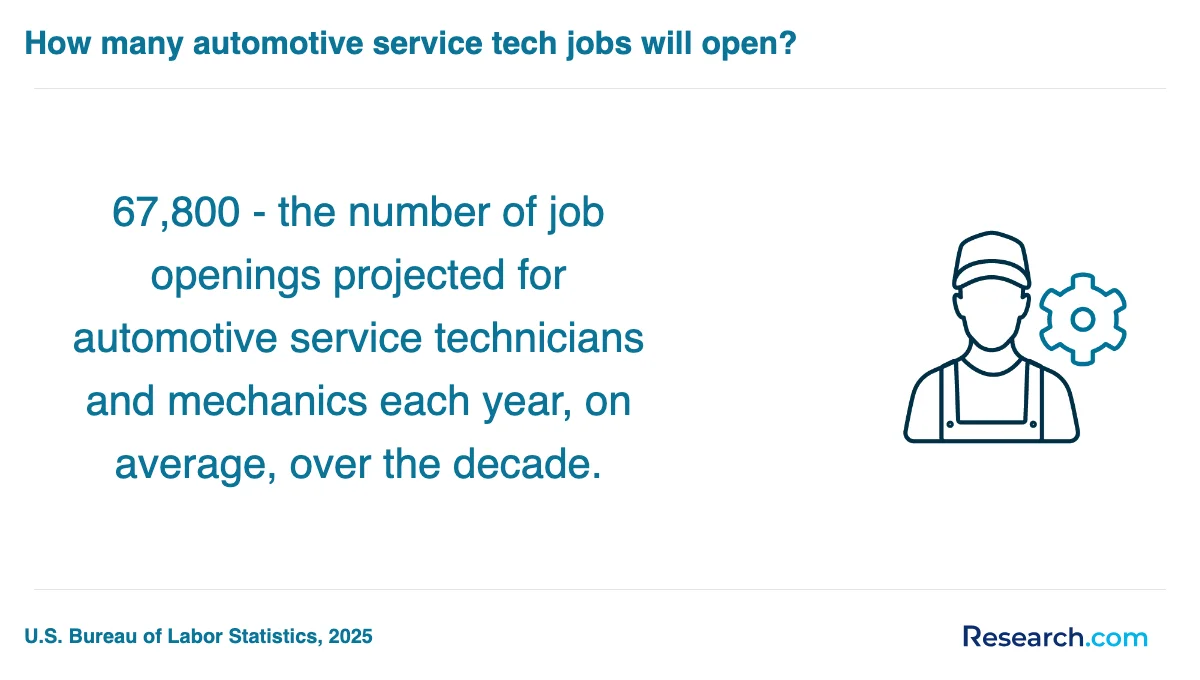
When you're diving into automotive technician programs in San Francisco, financial aid can really lighten the load. Many students at places like Skyline College and City College of San Francisco (CCSF) tap into federal aid through FAFSA, unlocking Pell Grants that can cover thousands of dollars or even federal student loans if needed. One graduate shared how the Pell Grant made a huge difference, letting them focus more on hands-on training without stressing over tuition bills.
On top of that, California residents often qualify for state grants like the Cal Grant, which helped another student cover most of their community college fees. Then there are institutional scholarships-both need- and merit-based-that Skyline's Automotive Technology program offers. A lot of grads mention checking with their school's financial aid office early to snag those opportunities.
And if you're lucky, programs like the JVS Automotive Pathway or CCSF's Automotive Pre-Apprenticeship are completely tuition-free thanks to nonprofit and public funding. One recent graduate described feeling relieved and motivated knowing they could learn without any tuition costs holding them back.
To get started in an automotive technician trade school program in San Francisco, you'll usually need a high school diploma or a GED. It's pretty standard, but some schools also look for a basic understanding of math and science to make sure you can handle the technical parts of the training.
Many graduates from popular San Francisco trade schools mention how refreshing it is that you don't need prior car experience-just a passion for learning and a willingness to get your hands dirty. Schools often encourage applicants to demonstrate:
- Good communication skills, since technicians work closely with customers and teams
- A reliable work ethic, proven by past jobs or volunteer work
- Basic computer literacy, as modern vehicles rely on software diagnostics
Some programs in the city might ask for a short interview or a placement test, giving you a chance to show enthusiasm rather than just grades. One graduate shared how this approach made the process feel more personal and less intimidating, making it easier to picture yourself thriving in the program.
So if you're thinking about enrolling, don't stress if you're new to the field-San Francisco's trade schools focus on your potential and readiness to learn, setting you up for success from day one.

If you're diving into automotive technician trade school in San Francisco, expect a mix of hands-on and classroom courses that build your skills step-by-step. Graduates from local schools like Solano Community College often share how starting with core classes like Engine Repair, Electrical Systems, and Brake Systems really helped them get comfortable under the hood.
As you move forward, things get more specialized with courses such as:
- Automatic Transmissions & Transaxles
- Automotive Electrical & Body Systems
- Maintenance & Light Repair
Students at Skyline College, for example, enjoy programs that cover domestic and international vehicles, making it exciting to work on everything from a Toyota to a European luxury car. Plus, manufacturer-specific classes linked to Subaru, Audi, and Nissan give you a real edge, letting you get familiar with the latest tech and diagnostic tools.
Many graduates highlight how learning computerized diagnostics prepares them for today's hybrid and electric cars, which is a big deal around San Francisco. Alongside technical skills, you'll also pick up safety tips and customer service know-how - essentials when you're working in busy shops or dealerships.
Automotive technician trade school programs in San Francisco offer a wide range of specializations tailored to fit different career goals. Graduates often share how hands-on experience with engines, brakes, and electrical systems at schools like City College of San Francisco makes the learning process engaging and practical. Popular specializations include:
- Automotive Engine Repair
- Auto Maintenance and Light Truck Repair
- Automatic Transmission and Transaxle
- Brakes
- Electrical and Electronic Systems
- Hybrid and Electric Vehicle Technology
San Francisco automotive trade school programs such as those at Skyline College emphasize real-world skills by using late-model vehicles for more interactive training. Many students appreciate the focus on ASE certification preparation, which feels like a solid step toward reliable career opportunities. There's also growing excitement around hybrid and electric vehicle courses, reflecting the city's move towards sustainable tech and promising a future-proof skillset.
For those balancing life and studies, exploring affordable online mechanic programs is a smart move to keep up without missing a beat.
When picking from the best automotive technician programs in San Francisco, accreditation is a major factor. Graduates often share how valued it is to attend schools recognized by bodies like the ASE because it ensures the skills they learn actually match industry needs. For instance, City College of San Francisco offers curriculum packed with hands-on training that many find genuinely prepares them for real workshop environments.
Looking at top-rated automotive trade schools in San Francisco means checking if they have strong industry partnerships. Many grads from local programs appreciate connections with companies such as San Francisco Toyota, as these links often lead to smoother job placement and internships that feel like a real introduction to the trade.
Flexibility in program length also matters. Some students benefit from accelerated courses or options that fit around their lives. It's smart to explore these features alongside faculty experience, since seasoned instructors can turn tough concepts into relatable lessons. If you're exploring and want to see more options beyond San Francisco, consider looking into the best trade schools in the us for a broader view.
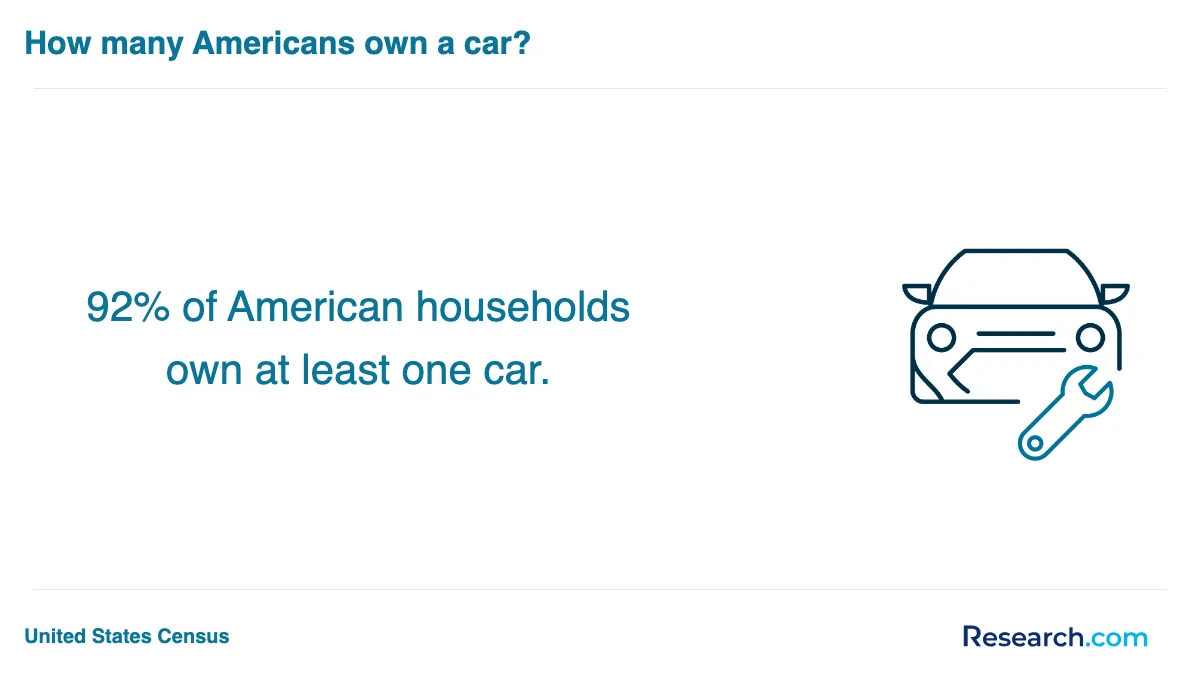
Graduates from automotive technician trade schools in San Francisco often find themselves stepping into a variety of rewarding roles quickly. Many start as lube technicians or apprentice mechanics, gaining solid hands-on experience with basic repairs and maintenance. Popular local schools like City College of San Francisco help students connect directly with dealerships such as San Francisco Toyota and Honda, making job searching smoother.
As they gain confidence and skills, graduates can climb career ladders toward journey-level mechanic positions or shift into roles like service advisors or shop managers. Some dive into specialized fields through automotive mechanic apprenticeship programs San Francisco offers, including options like auto body painting or hybrid vehicle tech.
Others broaden their horizons into parts management, technical instruction, or even sales, showing how versatile this background can be.
The best part? Many graduates find clear paths to well-paid work, with master technician or diagnostic specialist roles paying up to $170,000 a year in Bay Area.
Deciding to study here is often motivated by these opportunities and the chance to explore trade school vs 4 year college options tailored for practical careers.
The automotive technician job outlook San Francisco is promising for trade school graduates. Many grads from local popular schools find themselves quickly absorbed into the workforce thanks to steady demand. With over 150 open positions on job boards just mid-2025, new technicians can easily visualize landing roles at independent shops, big dealerships, or specialty service centers around the city.
Graduates often share positive stories about starting at around $24 per hour and working up to $55 with gained experience and certifications. Some even mention perks like sign-on bonuses or production incentives at busy dealerships, adding exciting boosts to their paychecks.
What really helps in San Francisco is how schools combine hands-on training with industry-recognized certifications, making grads ready to shine. Benefits such as health insurance and retirement plans are also common, which keeps graduates feeling secure in their career path.
For anyone wondering how do you become an auto mechanic, local trade schools offer solid programs that sharpen skills and prepare students for this strong market.
The average automotive technician salary San Francisco reflects the city's higher cost of living with wages clearly above the national average, keeping career growth on an upward track.
Best Automotive Technician Training Programs & Trade Schools - Top Automotive Technician Schools in San Francisco for 2026
# 1 position
City College of San Francisco - Automobile/Automotive Mechanics Technology/Technician.
associateThe Automobile/Automotive Mechanics Technology/Technician program at City College of San Francisco offers a hybrid format with some distance-education options. It prepares students to repair, service, and maintain various automobile systems, including brakes, electrical, engines, transmissions, and heating/air conditioning. The program is accredited by the Western Association of Schools and Colleges Accrediting Commission for Community and Junior Colleges. Annual in-state tuition is $1,696.
# 2 position
City College of San Francisco - Automobile/Automotive Mechanics Technology/Technician.
certificate or diplomaThe Automobile/Automotive Mechanics Technology/Technician program at City College of San Francisco offers a hybrid format with some distance-education options. It prepares students to repair, service, and maintain various automobile systems, including brakes, electrical, engines, transmissions, and heating and air conditioning. The program’s annual in-state tuition is $1,696. It is accredited by the Western Association of Schools and Colleges Accrediting Commission for Community and Junior Colleges.
Frequently Asked Questions about automotive technician
After completing an automotive technician trade school in San Francisco, preparing for the job market involves several key steps. First, gaining industry certifications such as the Automotive Service Excellence (ASE) credentials improves job prospects, as employers value certified skills. According to the U.S. Bureau of Labor Statistics, ASE certification can increase earning potential by up to 15%.
Next, building a professional network through local automotive shops and trade associations in the Bay Area is crucial. San Francisco's growing demand for skilled technicians, driven by its large vehicle population, offers many entry-level opportunities.
Additionally, maintaining an updated resume highlighting hands-on training and internships from the trade school will help in interviews. Job seekers should also leverage job placement services often provided by trade schools to connect with local employers.
Employers in San Francisco seek automotive technician graduates with a strong mix of technical and soft skills. Proficiency in diagnosing and repairing modern vehicle systems, including hybrid and electric models, is essential due to the region's growing green vehicle market. According to the U.S. Bureau of Labor Statistics, employers emphasize competence in computerized diagnostic tools and software.
Moreover, hands-on experience with engines, brakes, and transmissions remains critical. Communication skills are highly valued since technicians must explain issues clearly to customers. Problem-solving abilities and attention to detail also rank highly in local job listings analyzed by the California Employment Development Department.
Finally, certifications such as ASE (Automotive Service Excellence) improve job prospects in San Francisco's competitive automotive industry.
Finding internships in San Francisco relevant to automotive technician trade school programs involves several strategic steps. Start by contacting the career services department of your trade school, as many maintain partnerships with local dealerships and repair shops. According to the California Employment Development Department, the San Francisco metro area offers numerous automotive service technician positions, indicating a healthy internship market.
Additionally, explore internship listings on local job boards such as the San Francisco Workforce Investment Board and California's official job portal, CalJOBS. Networking at automotive trade events or through organizations like the National Institute for Automotive Service Excellence (ASE) can also uncover opportunities.
Many internships in the area offer hands-on experience essential for certification and licensure, often lasting from three to six months. Early application and maintaining a strong academic record improve your chances of securing a position.
Obtaining an automotive technician trade school diploma in San Francisco significantly enhances career mobility and advancement opportunities. According to the California Employment Development Department, the demand for skilled automotive technicians in the Bay Area is expected to grow by 6% through 2030. This diploma serves as proof of specialized training, making graduates more competitive for entry-level positions and promotions.
Graduates often qualify for certifications like ASE, which employers highly value. Certified technicians in San Francisco typically earn salaries 15-20% higher than non-certified peers, per data from the Bureau of Labor Statistics.
Additionally, trade schools provide networking opportunities with local dealerships and repair shops, facilitating quicker job placement and career growth.
San Francisco offers several part-time job opportunities that complement automotive technician trade school education. Positions such as automotive service assistant or lube technician provide hands-on experience with vehicle maintenance, essential for skill development. According to the U.S. Bureau of Labor Statistics, automotive service technicians in California earned a median hourly wage of $24.50 in 2023, highlighting the value of practical work alongside studies.
Additionally, internships or part-time roles at local dealerships and repair shops allow students to apply classroom knowledge in real-world settings. Jobs in parts departments also help familiarize students with automotive components and inventory management. These roles enhance technical skills while supporting financial needs during training.
To find the best Automotive Technician degree program near San Francisco, CA, you can begin by researching local community colleges and trade schools that offer such programs. Utilize resources like Research.com to compare program quality, curriculum, and facilities to determine which might be the best fit near me. Additionally, consider visiting campuses to get firsthand information and speaking with counselors to understand the program's strengths, job placement rates, and industry connections.
- Best Automotive Technician Training Programs & Trade Schools - Top Automotive Technician Schools in Monterey for 2026
- Best Automotive Technician Training Programs & Trade Schools - Top Automotive Technician Schools in San Luis Obispo for 2026
- Best Automotive Technician Training Programs & Trade Schools - Top Automotive Technician Schools in Vancouver for 2026
- Best Automotive Technician Training Programs & Trade Schools - Top Automotive Technician Schools in Walla Walla for 2026
- Best Automotive Technician Training Programs & Trade Schools - Top Automotive Technician Schools in Tacoma for 2026
- Best Automotive Technician Training Programs & Trade Schools - Top Automotive Technician Schools in Wenatchee for 2026
- Best Automotive Technician Training Programs & Trade Schools - Top Automotive Technician Schools in Greeley for 2026
- Jobs You Can Only Get with an Automotive Technology Degree - Benjamin Franklin Cummings Institute of Technology https://franklincummings.edu/blog/automotive-technology/
- Auto Technician | Cox Careers https://jobs.coxenterprises.com/en/career-areas/auto-technician/
- Become a Technician - More Than Auto Dealers - Educating | Giving | Connecting https://morethanautodealers.com/the-auto-industry/career-opportunities/become-a-technician/
- Automotive Mechanic Trade School | Sheridan Technical College https://www.sheridantechnicalcollege.edu/automotive-technology/
- Automotive Technician | Clover Park Technical College https://www.cptc.edu/programs/auto-tech
- Automotive Technology Program https://gwinnetttech.edu/automotive/
- Find an Auto Mechanic School | Training & Industry Details https://www.trade-schools.net/trades/automotive-mechanic
- Automotive Service Technology Program | College of DuPage https://www.cod.edu/academics/programs/autotech/
- Online Auto Mechanic School | Penn Foster https://www.pennfoster.edu/programs/automotive/auto-repair-career-diploma
- Automotive Technician | Grand Rapids Community College https://www.grcc.edu/schools-departments/school-workforce-training/job-training-programs/automotive-technician


