2027 Most Affordable Online Bachelor's in Sociology Degree Programs Ranking in the Northeast

Co-Founder and Chief Data Scientist
Exploring online sociology degree options can feel overwhelming, especially when you want the best value in the Northeast. This article introduces the 2027 Most Affordable Online Bachelor's in Sociology Degree Programs Ranking in the Northeast, carefully compiled by the Research.com team of data scientists.
By reviewing this ranking, you'll discover programs that balance quality education with affordability, helping you make a smart choice. Pursuing a sociology degree opens doors to understanding society and making a meaningful impact. This guide supports your journey toward a rewarding academic and professional future.
Key benefits of getting online sociology degree in the Northeast
- Sociology degree graduates in the Northeast often pursue careers in social services and education, with general US related jobs offering median salaries around $50,000 to $60,000 per year, providing a solid income foundation.
- Graduates from universities like Boston University have diverse career options including community work, policy analysis, and research, making a sociology degree versatile and valuable in many fields.
- Completing a sociology degree online from schools like Northeastern University offers flexibility to balance work and study, helping you advance your career without pausing life, which many find empowering and convenient.
- 2027 Most Affordable Online Bachelor's in Sociology Degree Programs Ranking in the Northeast
- What can I expect from online sociology degree in the Northeast?
- Where can I work with online sociology degree in the Northeast?
What can I expect from online sociology degree in the Northeast?
The average cost of an online sociology degree in the Northeast typically ranges from $20,000 to $40,000 for the entire program, making it an accessible investment in your future. Graduates from well-known institutions like those in New York and Massachusetts often highlight how this cost reflects a balance of quality education and flexibility, allowing them to study while managing jobs or family life.
Many students appreciate how these programs offer rigorous coursework with a focus on regional social issues, all at a price that is competitive compared to traditional on-campus options. They remember being supported through asynchronous classes that fit around their busy schedules, making the cost feel well worth it.
These programs often include valuable opportunities for internships or community research close to home, providing practical experience that graduates say enriched their learning and boosted their confidence for post-degree careers. The investment pays off through connections and skills relevant to Northeast's diverse social landscape.
Where can I work with online sociology degree in the Northeast?
Graduates with an online sociology degree from respected institutions like Boston University or Rutgers often find fulfilling careers across the vibrant Northeast region. Many use their skills to support community outreach programs in busy urban centers such as New York City and Philadelphia, where government agencies highly value their ability to analyze social trends and improve public policies.
Others thrive in the nonprofit sector, working passionately with organizations that tackle poverty or youth empowerment, drawing on their sociological insights to create meaningful change. Picture a graduate coordinating programs in Boston, helping underserved families access vital resources-this is the kind of impactful work common in the region.
Corporate roles are also exciting pathways, where graduates contribute to market research teams or human resources departments by decoding consumer behavior and workplace culture. Thanks to booming urban economies, demand for these skills is rising, offering bright futures.
Teaching at the high school or community college level is another rewarding option, with many graduates pursuing certification and advanced degrees to inspire the next generation in the Northeast's diverse educational settings.
Graduates with an online sociology degree in the Northeast often find a promising salary range that reflects the region's dynamic job market. For example, many entry-level sociology graduates from well-regarded programs at universities such as Boston University or the University of Pennsylvania begin their careers in roles like social services coordinators or research assistants with annual salaries between $40,000 and $55,000. These positions offer a strong foundation for growth and skill-building.
With experience and further education, graduates see exciting opportunities in specialized fields like public policy analysis and healthcare administration, where salaries can increase significantly. In bustling metropolitan areas like New York City and Boston, sociology graduates report median earnings ranging from $75,000 to $105,000, thanks to the region's thriving research institutions and government agencies.
Many graduates feel inspired by their early career success, motivated by the meaningful impact they make while enjoying competitive salaries that reflect their passion and expertise in sociology.
- Online sociology bachelor's degrees are widely available from accredited institutions in the Northeast, offering flexibility for working adults and remote learners.
- Tuition costs for these programs generally range from $15,000 to $30,000, with public universities often providing lower rates for in-state students.
- Entry-level salaries for sociology graduates typically start between $40,000 and $45,000 per year, while mid-career professionals can earn $55,000 to $70,000 annually.
- Job growth for social scientists, including sociologists, is projected at about 5% nationally over the next decade, with steady demand in fields like social work and public health in the Northeast.
- Students should ensure their online program is regionally accredited to guarantee credit transfer and employer recognition in the region.
- Internships and cooperative education opportunities are accessible through Northeastern colleges, helping online students gain practical experience.
Completing an online sociology degree in the Northeast typically takes about four years for full-time students, mirroring the experience at well-known institutions like Boston University or the University of Pennsylvania. Graduates often share how gaining flexibility through online classes empowered them to balance work, family, and study without feeling overwhelmed. Many found that transferring previous college credits from community colleges or earlier studies significantly shortened their path, helping them reach graduation sooner with confidence.
Part-time learners, especially those juggling careers, appreciate the option to extend their studies beyond four years, often spacing out courses to maintain steady progress without burnout. Some students take advantage of year-round offerings-including summer sessions at colleges like Northeastern University-accelerating credit accumulation and celebrating completion in as little as two to three years.
This positive flexibility allows students to customize their journey, turning what once seemed a daunting timeline into an attainable, motivating goal. Embracing these options, online sociology students in the Northeast can confidently pursue their ambitions with schedules tailored to their unique lives.
Choosing between an online and on-campus sociology degree in the Northeast offers exciting possibilities tailored to your lifestyle. Imagine a graduate from a well-known Northeastern university sharing how on-campus classes sparked vibrant face-to-face discussions that deepened their understanding of social dynamics. They valued the energy of collaborating with peers in libraries and study groups right on campus.
Conversely, an online sociology graduate from a prestigious New England college enjoys the freedom to study asynchronously, fitting coursework around a demanding job or family life. This flexibility is a game-changer for many, allowing them to engage deeply with the material from home, while still benefiting from virtual support and digital resources.
Both paths uphold the same rigorous academic standards and accreditation, ensuring your degree is respected no matter how you pursue it. Tuition and costs can vary, but online programs often ease financial pressures by reducing commuting and housing expenses. In the vibrant Northeast, this means more accessible education without compromising quality or connection.
The average cost of an online sociology degree in the Northeast typically centers around $39,360, offering a realistic outlook for students eager to pursue this path. Graduates from respected institutions in the region frequently share how affordable in-state tuition options and flexible online formats gave them the freedom to balance education with work or family life without excessive financial strain. For out-of-state students, the cost rises moderately to approximately $48,960, still within reach for many dedicated learners.
Many students attending popular colleges in the Northeast find that these pricing structures reflect a strong value, especially when paired with comprehensive resources and engaging faculty. Some have noted how choosing affordable online sociology bachelor's programs Northeast allowed them to invest in their education while avoiding typical on-campus expenses. The tailored costs align well with the overall benefits of earning a degree that opens doors to meaningful careers in social research, policy, and community development.
Students passionate about making social change are encouraged to consider all financial aid options, scholarships, and grants available to them, which can lighten the financial commitment. Moreover, exploring masters in sociology jobs salary helps highlight the promising financial future that makes these upfront investments worthwhile, adding even more motivation to earn the degree. The journey to a sociology degree in the Northeast, therefore, is not only accessible but empowering for those inspired to make a difference.

Many students pursuing an online sociology degree in the Northeast find financial aid to be a powerful ally in their educational journey. Graduates from institutions like the University of Massachusetts and SUNY colleges often share how Pell Grants-offering up to $7,395-eased their tuition burden, allowing them to focus on learning without constant financial stress.
Filing the FAFSA early unlocks opportunities for federal subsidies and low-interest loans, which students use to navigate the cost of quality education confidently. State programs such as New York's Tuition Assistance Program (TAP) and Massachusetts' MassGrant further brighten the path by providing targeted grants, especially for residents committed to advancing their sociology studies online.
Many revel in the empowerment gained through scholarships from organizations like the American Sociological Association, which reward academic excellence and passion for research. Work-study roles also help students gain valuable experience while earning money, making every step toward a degree feel achievable and rewarding.
Prospective learners are encouraged to engage closely with their school's financial aid offices, discovering personalized packages and tuition discounts that can transform ambition into accomplishment.
To begin your journey in an online sociology degree in the Northeast, most programs seek students who have completed high school or an equivalent, such as a GED. Graduates from well-known colleges in Boston and New York often share how meeting this simple foundation opened doors to understanding society's complexities through their courses. Many schools appreciate applicants with a GPA around 2.5 or higher, encouraging ambitious learners to showcase their dedication even before starting.
While standardized tests like the SAT are less emphasized now, thanks to test-optional policies embraced by schools across the region, demonstrating English and math proficiency remains essential. This ensures you're fully prepared to engage with fascinating topics ranging from social justice to cultural dynamics.
Some programs also invite letters of recommendation or personal essays, giving you a vibrant opportunity to express your passion for sociology-much like graduates from prestigious Northeast universities who found this reflective process empowering and motivating.
With such clear prerequisites, your dream of studying sociology online in the Northeast is within reach-ready to transform your perspective on the world.

Students pursuing an online sociology degree in the Northeast dive into a rich array of courses that spark curiosity and foster deep understanding of society. Many graduates from well-known universities describe their journey beginning with Introduction to Sociology, where they uncover fundamental concepts that shape how we view the world around us.
The curriculum shines with courses like Social Research Methods and Statistics for Social Sciences, empowering learners to analyze social trends and data confidently-skills that graduates often celebrate as transformative in their academic and professional lives. At colleges across the region, students find themselves engaged in dynamic lessons that would have once felt out of reach.
Specialized classes such as Race and Ethnicity, Gender Studies, and Urban Sociology invite students to explore real-world social challenges with compassion and insight. Graduates recall how classes on Sociological Theory illuminated the ideas of Weber and Marx, enriching their perspectives and helping them see beyond everyday experiences.
Applied courses like Community Studies and Social Policy inspire students to take what they learn online and translate it into meaningful action. For example, Northeastern learners tell stories of how these classes motivated them to influence local policies or support nonprofit causes, turning academic knowledge into powerful community impact.
Online sociology degree specializations Northeast offer exciting paths that allow students to connect their passions to meaningful careers. Graduates from popular colleges in the region often share inspiring stories of how focusing on Criminology and Criminal Justice opened doors to impactful roles in law enforcement reform and community safety. Others have found purpose in Social Inequality and Stratification, examining real-world issues like racial justice and economic disparity, shaping policies that foster equality.
Programs emphasize flexibility and relevancy, with students diving into Urban and Community Sociology to understand the evolving challenges of city life, or exploring Gender Studies to promote inclusive social dynamics. Population and Demography specializations equip learners with vital skills for careers in public health and urban planning. Accessible online formats in the Northeast let you engage with these options without relocating, while many affordable schools keep achieving excellence reachable. For those inspired to find practical impact, these specialized sociology programs in Northeast online encourage transformational learning every step of the way.
For more on affordable options, explore the cheapest bachelor degree sociology online available from trusted institutions.
Choosing the best online sociology degree in the Northeast means focusing on programs that combine rigorous academics with real flexibility. Graduates from well-known universities in this region often share how their coursework in social theory and urban sociology prepared them to understand diverse communities deeply, while online formats allowed them to balance study with personal and work life seamlessly.
Many students found that selecting affordable sociology bachelor's degrees Northeast institutions helped them avoid overwhelming debt while gaining a respected degree. When comparing programs, look for those offering strong faculty expertise and robust research opportunities, which often lead to meaningful mentorship and networking. The Middle States Commission on Higher Education accreditation remains a key marker of quality and credibility for these programs.
Beyond curriculum, support services and flexibility have made a huge difference for learners managing multiple responsibilities. And for those curious about career prospects, exploring resources on highest paying jobs for sociology degree can spark motivation, showcasing the bright professional futures that await graduates of top online sociology degree programs Northeast.
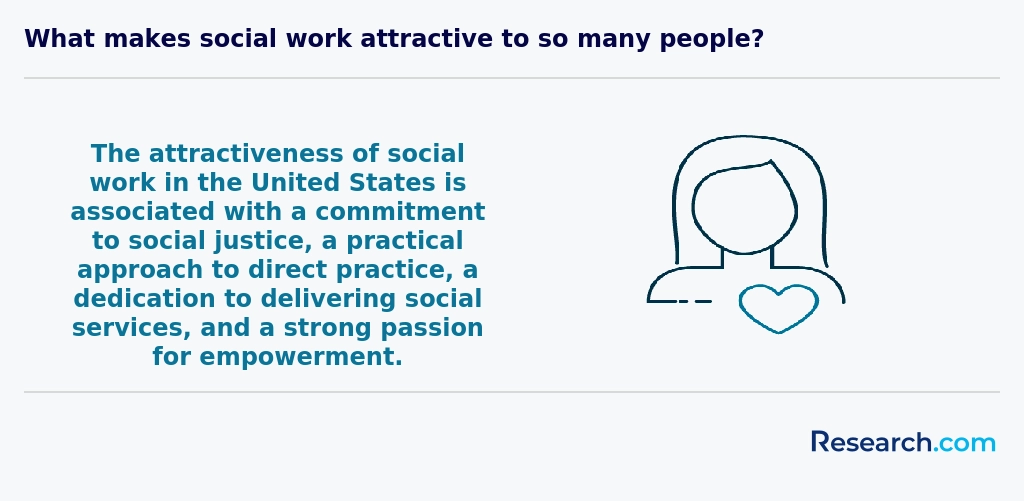
Graduates of online sociology degree career options Northeast enjoy a wealth of inspiring opportunities. Many find fulfilling roles in social work, community outreach, or nonprofit management, especially in vibrant hubs like Boston and New York City. These cities' dynamic environments provide sociology graduates from well-regarded colleges with real-life chances to apply their skills in research and critical thinking to help communities thrive and grow.
Others pursue paths in market research or data analysis, leveraging their understanding of human behavior to influence urban planning and business strategies. The balance of qualitative and quantitative training from Northeast universities equips students to excel in these fast-evolving fields.
Graduates also step confidently into criminal justice careers, engaging with rehabilitation programs and social justice initiatives integral to the region. Whether teaching at community colleges or shaping public policy through government work, sociology majors celebrate impactful careers that blend passion with purpose.
Those curious about the distinct but complementary roles in this landscape often explore comparisons between being a sociologist vs social worker, unlocking clearer visions for their futures.
Experiencing these rewarding job opportunities with sociology degree Northeast inspires pride and optimism for lifelong impact.
The job market for graduates with an online sociology degree in the Northeast is both vibrant and full of promise. Graduates from popular universities and colleges in this region often find rewarding roles in community service management, policy analysis, and market research. Many report that their education equipped them with valuable skills that are highly sought after by employers in metropolitan hubs like Boston, New York City, and Philadelphia. The ability to understand social patterns and contribute to meaningful projects gives them a fulfilling career path.
Those pursuing online sociology degree jobs Northeast have access to diverse opportunities, particularly in states such as Massachusetts and New York, where healthcare, education, and nonprofit organizations thrive. Starting salaries typically range between $40,000 and $50,000, with specialized roles offering even greater rewards. Networking through internships and local organizations builds a strong foundation for ongoing success, a journey many grads have experienced firsthand.
The cost-effective online options also allow students to explore soc sci course offerings that are designed to prepare them for this dynamic workforce with real-world skills.
2027 Most Affordable Online Bachelor's in Sociology Degree Programs Ranking in the Northeast
Investing in your education is a significant decision that can shape your future, and the Research.com team understands the importance of making informed choices. To assist prospective students seeking affordable online sociology degrees in the Northeast, we have carefully developed the "2027 Most Affordable Online Bachelor's in Sociology Degree Programs Ranking in the Northeast." Our commitment to quality, credibility, and accuracy is reflected in the thorough research and analysis conducted to produce this ranking.
We utilized the following reputable data sources to ensure a comprehensive evaluation of sociology degree programs:
By exploring this ranking, readers will gain valuable insights into affordable quality programs, enabling informed educational choices that align with their goals and budgets. For more details on our methodology, please visit our Research.com methodology page.
# 1 position
Charter Oak State College
Bachelor of Sociology




Frequently Asked Questions About sociology
Online sociology degree students in the Northeast can enhance their learning by actively engaging with digital course materials and participating in virtual discussions. According to the National Center for Education Statistics (NCES), interactive platforms improve comprehension and retention. Students should take advantage of local library resources and databases available through their institutions to access regional research and sociological studies relevant to the Northeast.
Connecting with nearby sociology professionals or alumni networks can provide practical insights and internship opportunities. Time management is crucial; setting a consistent study schedule helps balance coursework with personal commitments. Many Northeastern schools offer tutoring and writing centers online, which students should utilize to improve academic skills and complete assignments effectively.
Emerging niches within the sociology field reflect shifting societal concerns and evolving research interests. In the Northeast, areas such as digital sociology and environmental sociology are gaining momentum, especially at institutions offering online sociology degrees. Digital sociology explores the impact of technology and social media on human behavior, a rapidly growing focus due to increased online interactions.
Environmental sociology studies the relationship between society and the environment, addressing climate change and sustainability issues prevalent in urban Northeast regions.
Additionally, health sociology remains strong, particularly concerning public health disparities, relevant due to diverse populations in states like New York and Massachusetts. According to the American Sociological Association, these niches are projected to expand as social challenges evolve.
After completing an online sociology degree in the Northeast, it is important to focus on building practical skills that employers value. Many graduates find success by gaining experience through internships or volunteer work related to social research, community programs, or nonprofit organizations.
The Northeast region offers numerous job opportunities in social services, public policy, and education. According to the U.S. Bureau of Labor Statistics (2023), states like New York and Massachusetts see higher-than-average employment in sociological and social science roles.
Networking with local sociology professionals through online forums and regional associations can improve your job prospects. Additionally, developing strong data analysis and communication skills will make your resume stand out.
Employers in the Northeast highly value sociology graduates who possess strong analytical and research skills. The ability to interpret social data and conduct qualitative and quantitative research is crucial, as reported by the American Sociological Association. Communication skills are equally important-graduates must clearly present complex social concepts to diverse audiences.
Critical thinking and problem-solving abilities help graduates address social issues in community and organizational settings. Additionally, proficiency in statistics and data analysis software like SPSS or R is increasingly demanded.
According to the U.S. Bureau of Labor Statistics, sociology-related roles in the Northeast are growing, emphasizing these key competencies.
Finding internships relevant to a sociology degree in the Northeast involves leveraging regional resources and academic networks. Many universities in this area, such as those in New York and Massachusetts, maintain partnerships with local nonprofit organizations, social service agencies, and government bodies. According to the National Association of Colleges and Employers (NACE), 62% of sociology majors secure internships through university career centers, which are especially active in the Northeast.
Online sociology students should also explore platforms like Handshake and LinkedIn tailored to their region. Additionally, the Northeast's dense urban populations offer diverse internship opportunities in community development, public policy, and research institutions.
For hands-on experience, students can contact local chapters of the American Sociological Association or local social work agencies that frequently accept interns. These approaches increase the chances of securing internships that complement online studies.
Online sociology degrees in the Northeast significantly enhance career mobility and advancement for graduates. According to the U.S. Bureau of Labor Statistics, sociology-related roles in this region are growing faster than the national average, particularly in social services and research sectors. An online degree offers flexibility, allowing students to work while studying, which is essential in competitive job markets like New York, Massachusetts, and Pennsylvania.
The New England Board of Higher Education reports that employers value the research, critical thinking, and data analysis skills developed through sociology programs. Graduates often advance into roles such as community planners, social workers, and policy analysts.
Studying for an online sociology degree in the Northeast equips students with versatile skills valued across multiple fields. Programs often blend sociology with psychology, public policy, and data analysis, fostering interdisciplinary expertise. Many regional universities emphasize practical research methods, preparing graduates to analyze complex social issues within healthcare, education, and criminal justice sectors.
The Northeast hosts institutions recognized by the American Sociological Association, ensuring quality curricula aligned with workforce demands. For example, sociology graduates frequently collaborate with public health and social work professionals, benefitting from the region's interconnected academic environment. This interdisciplinary training enhances career flexibility in settings like nonprofits and government agencies.
When choosing between a thesis and a non-thesis online sociology degree program in the Northeast, consider your career goals and learning preferences. Thesis programs require original research, preparing students for advanced study or roles involving data analysis. Non-thesis tracks often focus on coursework and practical skills for immediate employment.
Many universities in the Northeast, such as those listed by the National Center for Education Statistics, offer both options online. Thesis programs typically take longer to complete-around 2 years versus 1.5 years for non-thesis programs. Financially, thesis tracks may involve additional costs due to research requirements. Understanding these differences helps align your choice with professional aspirations in sociology.
Students based in the Northeast seeking to study sociology abroad through online programs have several options. Many Northeast universities offer study abroad partnerships and virtual exchange programs that allow students to earn credits overseas without leaving home. For example, institutions like Northeastern University and University of Massachusetts provide international fieldwork or research opportunities integrated into their online sociology degrees.
Additionally, some accredited online programs in the Northeast collaborate with global universities to offer joint courses or summer research stints abroad. These options enrich learning by combining global perspectives with region-specific sociological contexts. According to the American Sociological Association, such programs are growing, reflecting increased demand for global competence in sociology careers.
Part-time job opportunities in the Northeast that complement an online sociology degree include social services assistant roles, community outreach worker positions, and research assistant jobs at local universities or nonprofits. These roles enable students to apply sociological theories in real-world settings and develop essential skills.
According to the U.S. Bureau of Labor Statistics, social services assistant jobs in the Northeast pay an average hourly wage of $18.50, offering flexible schedules suitable for students. Additionally, research institutes and universities in the region often hire part-time research assistants to help with data collection and analysis, providing valuable hands-on experience.
Community outreach positions, such as those in public health agencies or advocacy groups, are common and help students engage with diverse populations, a key component of sociological study. Volunteering with these organizations also expands professional networks and job prospects after graduation.
Online sociology students in the Northeast benefit from diverse networking opportunities supported by regional higher education institutions and professional organizations. Many universities offer virtual events, webinars, and online forums where students connect with faculty, alumni, and peers. According to the American Sociological Association, regional chapters in the Northeast regularly host conferences and workshops that welcome online learners.
Additionally, schools often provide access to internship databases and local sociology meetups, allowing students to engage with community projects. Platforms like LinkedIn also facilitate networking by connecting students with Northeast-based sociologists and employers.
These resources help remote students build professional contacts vital for career growth in sociology.
Alumni networks offer significant benefits for students pursuing online sociology degrees in the Northeast. These networks provide access to a broad community of professionals who have firsthand experience in sociology fields, enabling current students to gain valuable career insights and mentorship opportunities. According to the National Association of Colleges and Employers, 85% of jobs are secured through networking, highlighting the importance of these connections.
In the Northeast, many universities maintain active alumni groups that host virtual events and job fairs, making it easier for online students to engage despite geographic distances. These networks often share regional job openings tied to social research, public policy, and community services.
By connecting with alumni, students can also learn about internships and research projects relevant to sociology, which can be crucial for practical experience. This support system strengthens employment prospects in a competitive job market.
Customizing an online sociology degree in the Northeast allows students to align their studies with specific career goals. Many universities offer elective courses or concentrations such as criminology, social work, or urban studies. These options help tailor learning to industries like public policy, education, or nonprofit work.
Students can also select internships or research projects focusing on regional social issues prevalent in Northeastern cities. According to the National Center for Education Statistics, schools in this region increasingly support flexible online curricula designed for working adults. Such flexibility is vital given the Northeast's diverse job market, ranging from city governments to health services.
Advisors at these institutions often assist in creating a personalized academic plan that matches career ambitions, ensuring relevant skills and knowledge are emphasized.
Online sociology students in the Northeast face several notable challenges. One common issue is balancing studies with work and family responsibilities, especially given the region's high cost of living. According to the National Center for Education Statistics, many students in this area juggle part-time or full-time employment while studying.
Another challenge pertains to networking and community-building. Sociology relies heavily on discussion and engagement, which can be limited in virtual environments without face-to-face interaction. This often affects students' ability to participate in group projects and form professional connections.
Technical difficulties and access to reliable internet also remain concerns, particularly in rural parts of the Northeast. The Federal Communications Commission reports that approximately 15% of households in some Northeastern rural counties still lack broadband access, potentially hindering synchronous learning.
Lastly, students often report challenges adapting to the self-discipline required for online coursework, which can affect timely completion rates. Understanding these obstacles is essential for those considering online sociology degrees in the region.
With an online sociology degree from the Northeast, graduates can pursue several valuable professional certifications. One notable option is the Certified Social Science Analyst (CSSA), which validates skills in data interpretation and sociological research. Another relevant certification is the Certified Case Manager (CCM), particularly useful for sociology graduates working in healthcare or social service settings.
Licensure as a Licensed Social Worker (LSW) or Licensed Clinical Social Worker (LCSW) is also common in many Northeastern states, provided you meet additional education and supervised experience requirements after your sociology degree. According to the National Association of Social Workers, these licenses enhance career opportunities in social work and related fields.
Additionally, certificates in Project Management or Nonprofit Management can complement a sociology background, helping you advance in community organizations or government agencies common in Northeast urban centers. The U.S. Bureau of Labor Statistics highlights steady growth in these roles regionally through 2030.
When applying to an online sociology program in the Northeast, it is important to clearly demonstrate your passion for understanding social behavior and structures. Admissions committees often look for applicants who can connect their previous experiences to sociology concepts. Highlight any volunteer work, internships, or professional roles that involved research, social services, or community engagement.
Strong academic records, especially in social sciences, boost your chances. According to the National Center for Education Statistics, many Northeastern schools report average GPAs of admitted sociology students above 3.0.
Craft a compelling personal statement that explains why you chose sociology and how it aligns with your career goals.
Sociology careers offer valuable global perspectives by examining social behaviors and structures across cultures. Graduates with online sociology degrees from Northeast schools are well-prepared to engage in diverse international contexts. According to the American Sociological Association, 40% of sociology majors pursue careers involving global or multicultural issues.
The U.S. Bureau of Labor Statistics reports steady growth in social science occupations, including roles with global nonprofits and government agencies. In the Northeast, universities emphasize research methods and comparative studies, equipping students to tackle worldwide social challenges.
Understanding global social trends helps sociologists influence policies addressing inequality, migration, and human rights both domestically and internationally. This global awareness enhances career flexibility in education, healthcare, and urban planning fields.
Gaining practical experience is crucial for students pursuing an online sociology degree in the Northeast. Many programs encourage internships with local nonprofits, social service agencies, or governmental organizations. According to the National Association of Colleges and Employers, nearly 60% of sociology graduates complete internships, which significantly improve job prospects.
Students can also engage in virtual research projects or community-based participatory research coordinated by their schools. Some Northeastern universities partner with local agencies, offering remote opportunities tailored to online learners. Additionally, participating in sociology clubs or virtual conferences expands professional networks and enhances applied knowledge.
Hands-on experience complements coursework and prepares students for careers in social work, policy analysis, and research.
Choosing the right concentration within an online sociology degree in the Northeast depends on your career goals and interests. Common concentrations include social policy, criminology, health, and urban studies. Each offers unique career paths, such as working in social services, law enforcement, healthcare, or city planning.
Research regional job trends; the U.S. Bureau of Labor Statistics reports growing demand for social workers and sociologists in New York, New Jersey, and Massachusetts. Additionally, consider universities accredited by the New England Commission of Higher Education or Middle States Commission for better recognition.
Evaluate course content and flexibility, especially if balancing work or family. Some programs emphasize quantitative methods, ideal for research roles, while others focus on community engagement and applied sociology.
- Online Degree vs. Traditional: Choosing the Right Path https://beal.edu/online-degree-vs-traditional/
- 4 Factors in Choosing Between Online and Traditional Degrees | ProFellow https://www.profellow.com/tips/4-factors-in-choosing-between-online-and-traditional-degrees/
- How to Apply Your Degree in Sociology to Any Career – Norton Learning Blog https://nortonlearningblog.com/2022/10/how-to-apply-your-degree-in-sociology-to-any-career/
- Challenges and Opportunities in Applied Sociology Careers https://sociologyatwork.org/2019/01/03/challenges-opportunities-applied-sociology-careers/
- Sociology - Northeast Iowa Community College https://www.nicc.edu/academics/programs/sociology/
- Login https://www.britsoc.co.uk/what-is-sociology/sociologist-careers/
- Learn How the World Works With a Sociology Degree - UNCF https://uncf.org/the-latest/sociology-learning-from-the-group-teaches-us-for-an-advantage
- Sociology Alumni Association (SAAUC) https://arts.cmb.ac.lk/sociology/index.php/students/sociology-alumni-association-saauc/
- Top 25 Career-Enhancing Certification Programs for Sociologists | Sociology Plus https://sociology.plus/top-25-career-enhancing-certification-programs-for-sociologists/
- Sociology https://ntcc.edu/academics/programs-study/behavioral-sciences/sociology