2027 Easiest Online Master's in Human Services Degree Programs Ranking in the West

Co-Founder and Chief Data Scientist
Choosing the right online master's program in human services can feel overwhelming, especially with so many options available in the West. To simplify this process, the Research.com team of data scientists has developed the 2027 Easiest Online Master's in Human Services Degree Programs Ranking in the West. This carefully crafted ranking helps students identify programs that match their needs and goals.
Exploring this article will provide valuable insights, making your educational journey smoother and more rewarding. Earning a human services degree opens doors to meaningful careers that make a difference in people's lives.
Key benefits of getting online human services degree in the West
- While specific salary data for human services roles in the West is not available, human services graduates in the US typically enjoy competitive wages, with many earning between $30,000 and $50,000 annually, offering a stable financial foundation.
- Graduates from universities like the University of California often find diverse career paths in social work, counseling, and community outreach, allowing them to make a meaningful impact in their communities.
- Online degrees from institutions such as Arizona State University provide flexibility and accessibility, enabling students to balance work and study while earning a respected credential that opens doors to rewarding opportunities.
- 2027 Easiest Online Master's in Human Services Degree Programs Ranking in the West
- What can I expect from online human services degree in the West?
- Where can I work with online human services degree in the West?
What can I expect from online human services degree in the West?
The average cost of an online human services degree in the Western United States varies widely, reflecting the diversity of institutions and funding options available. Graduates from public universities in the California State University system often highlight how manageable tuition expenses-sometimes under $10,000 per year-allowed them to pursue their studies without accruing overwhelming debt. By contrast, attendees of renowned private colleges in Oregon or Washington might pay considerably more, though they frequently emphasize how scholarships and employer tuition assistance softened the financial burden.
One graduate recalls balancing work and family while studying, appreciating that flexible online formats combined with affordable tuition kept their goals within reach. Another shares that comparing tuition rates across the University of Washington and smaller regional colleges unveiled notable differences, prompting them to find financial aid opportunities that were not obvious at first glance.
Such experiences underscore that cost is not a fixed barrier but a navigable challenge. In the West, students can leverage public university affordability, scholarships, and support programs to make earning a human services degree both feasible and rewarding.
Where can I work with online human services degree in the West?
Graduates with an online human services degree in the West find themselves at the crossroads of meaningful work and impactful communities. Many from universities like Portland State or Arizona State share stories of stepping into roles in California's vast social service network, working directly with vulnerable groups through case management or community outreach. These positions often challenge assumptions by revealing the delicate balance between systemic constraints and personal resilience.
Working in public agencies such as Washington's Department of Social and Health Services, graduates quickly realize their degree is a ticket to shaping mental health programs and family support services, rather than just fulfilling a job. The pride expressed by alumni in these roles often reflects deeper growth-where professional responsibilities fuel personal purpose.
Nonprofits in Nevada and Colorado illustrate another path, where graduates become advocates for homeless populations and domestic violence survivors, transforming abstract coursework into real lives changed. The complexity of these roles pushes students beyond simplistic career goals, inviting them to embrace adaptability and lifelong learning as essential parts of their journey.
Those who pursue additional licensure move into counseling or behavioral health technician roles, positions that blend their education with a call to deeper human connection. Here, the online degree is not just a credential but the foundation of a career filled with ongoing transformation and hope.
Graduates from online human services programs at institutions like the University of Washington or California State University often find entry-level positions with salaries ranging from $33,000 to $40,000 annually. These figures might initially seem modest, but they are a launching pad for meaningful careers where growth is tangible. Imagine a recent graduate moving to Seattle, leveraging the city's expanding nonprofit sector to gain hands-on experience, quickly progressing into case management or counseling roles.
As these professionals deepen their expertise, the financial rewards grow substantially. Social service managers in metropolitan hubs such as Los Angeles or San Francisco regularly surpass $70,000, with some experienced leaders earning over $90,000. These numbers reflect not just income but the impact of serving communities facing challenges like mental health and substance abuse.
Master's degrees or certifications significantly shift earning potential. Licensed social workers with advanced credentials often report salaries between $55,000 and $85,000, demonstrating how further education opens doors. Graduates from schools like Portland State University highlight how their advanced study translates into both personal fulfillment and financial stability in the complex social services landscape of the West.
- Annual tuition for online human services bachelor's or master's programs in the Western U.S. ranges from $10,000 to $25,000, varying by public or private schools.
- Public universities often offer lower in-state tuition, with some online programs matching out-of-state prices to stay competitive.
- Entry-level salaries for graduates typically start between $35,000 and $45,000 per year, rising to $50,000 to $60,000 with five to ten years of experience.
- Job growth for human services roles in the West is projected at 10% to 15% over the next decade, above the national average.
- Licensure generally requires education, supervised experience, and exams, with specifics varying by state for clinical or counseling jobs.
Completing an online human services degree in the West often defies simple timelines. While many expect a bachelor's degree to take four years, students at universities like those in California find accelerated tracks that transform this journey into a three-year challenge filled with extra courses and summer sessions-a demanding yet exhilarating path that fuels their sense of achievement.
Master's degree seekers often experience a more compressed timeframe, sometimes finishing in just 12 to 18 months thanks to accelerated programs designed for those with prior experience. Graduates from institutions in Washington recall balancing intense coursework with real-world responsibilities, finding pride in how flexibly they advanced without sacrificing career momentum.
Part-time learners, common across the West, navigate a slower pace extending beyond three years, juggling family and work. Their stories highlight resilience and dedication, revealing that completion time varies widely, shaped by individual commitments and program options.
These timelines challenge the assumption that degree completion is fixed, inviting students to envision a personalized journey that fits their unique lives in the dynamic landscape of Western human services education.
Online and on-campus human services degrees in the Western US each sculpt your journey differently. Graduates from popular institutions like California State University or the University of Washington often reflect on the flexibility of online programs, praising the chance to juggle work, family, and study without uprooting their lives across vast states. Imagine logging into your classes after a day at the office or late into the evening, mastering the material at your own pace-a relief in places where long commutes are the norm.
Conversely, those who experienced on-campus programs highlight the electric buzz of face-to-face interaction at colleges like Portland State University, where conversations in libraries or busy counseling centers become catalysts for honing communication skills crucial in human services. The chance to network locally or engage in real-world practicums embeds students deeply in their communities.
While tuition ranges in the West may reflect in-state on-campus costs between $7,000 and $12,000 annually, online degrees sometimes challenge the traditional price tag with flat rates or lower fees. This financial and experiential balance invites you to question what truly matters in your education-convenience, connection, or both?
Many prospective students in the West face the challenge of determining the average cost of online human services degree programs without clear benchmarks. Data suggests that the median total cost hovers around $26,445, with in-state students typically paying about $18,229 and out-of-state students roughly $18,315. These figures contrast with some common assumptions that public universities always offer significantly lower tuition than private institutions. Graduates from well-known universities in California or Washington often reflect on the value they received, balancing moderately higher costs with strong online program delivery and career support.
Understanding tuition fees, books cost human services degree west students face, goes beyond numbers-it's about imagining those late-night study sessions, budget balancing, and the pride in completing a program respected statewide. Some regional schools offer surprisingly affordable paths without compromising educational quality, enabling students to invest in their future without overwhelming financial strain.
Importantly, those pursuing advanced study often encounter varied total costs. Many find that the right financial aid, scholarships, or employer tuition assistance can significantly reduce expenses, a reality often overlooked in initial cost calculations. Students considering options may discover unexpected opportunities through an accelerated human services online program that aligns both time and costs efficiently.
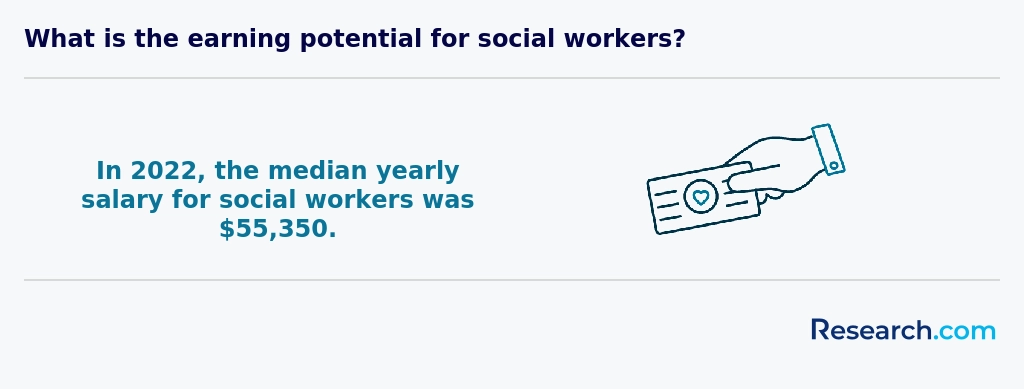
Many online human services students in the West find that federal aid forms the backbone of their financial support, yet the reality is more nuanced than just filling out FAFSA. Graduates from well-known institutions like Arizona State University or Portland State University often recount how Pell Grants, providing up to $7,395 annually, made the difference between continuing their studies or dropping out. But beyond federal aid, state-specific programs like California's Cal Grant create transformative opportunities by covering full tuition, a lifeline for community college transfers aiming to enter human services fields.
It's worth reflecting on how institutional scholarships, often overlooked, directly impact students juggling work and family responsibilities. Universities such as the University of Washington and Oregon State University frequently offer awards tailored to online learners, recognizing their added challenges. These scholarships do not just ease financial strain-they validate the sacrifices these students make daily. Meanwhile, some Western employers actively support employees through tuition reimbursement, turning a career in human services into a collaborative pursuit between student and workplace.
Ultimately, the typical reliance on loans-carrying an average $30,000 debt nationally-is being rethought by many students who tap into a mosaic of grants, scholarships, and employer aid. This multifaceted approach often sparks hope and resilience, highlighting that paying for a human services degree online in the West is less about burden and more about strategic opportunity.
Meeting the prerequisites for an online human services degree in the West is more than just checking off academic boxes-it's about embodying readiness to engage deeply with the challenges of human welfare. Most students enrolling at universities like San Francisco State or Arizona State University begin with a high school diploma or GED, grounding their journey in fundamental educational achievement. Yet, graduates often reflect that the true hurdle was aligning their diverse backgrounds-whether in psychology, social work, or even unrelated fields-with the program's core values.
Graduate hopefuls frequently recall submitting personal essays that weren't just formalities but moments of honest self-reflection, revealing their passion and commitment. In institutions across the Western region, letters of recommendation transform from mere paperwork into testimonials that capture a student's dedication to service, often echoing voluntary experiences in local communities. Many remember that practical experience-working with shelters or counseling centers-became their bridge from theory to impactful practice, a prerequisite that transforms motivation into meaningful action.
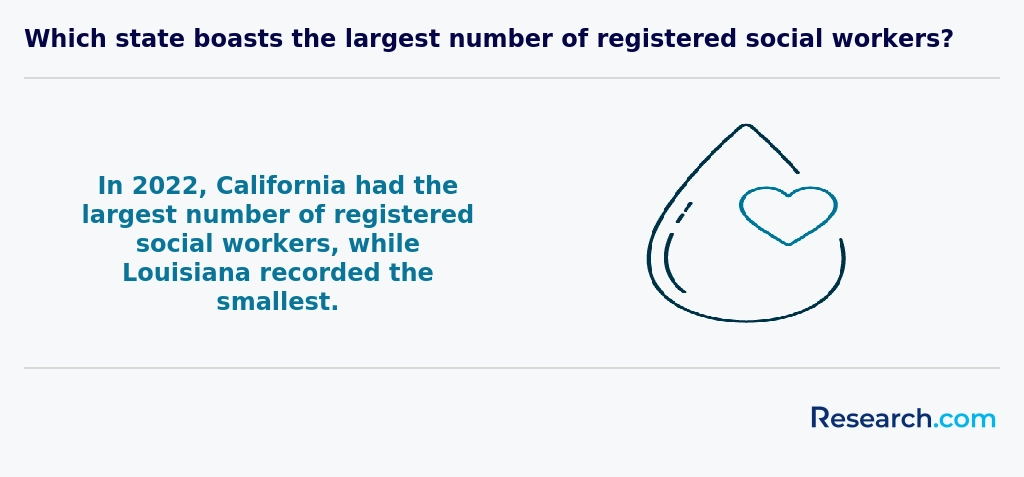
Online human services degrees in the West typically immerse students in courses like Human Growth and Development, where graduates vividly recall connecting theory to moments of supporting youth through transitions. Programs at well-known Western colleges emphasize Introduction to Human Services, which often transforms abstract concepts of advocacy into tangible skills applied during internships at local agencies.
More specialized classes such as Counseling Techniques and Case Management challenge students to develop nuanced communication strategies, preparing them to handle crises with empathy-a reality graduates frequently highlight from their practicum experiences in settings like California's social service networks.
Ethics isn't just theoretical in Western programs; courses in Ethics in Human Services prompt students to wrestle with real dilemmas faced in communities where mental health and addiction are pressing concerns. Training in Research Methods and Grant Writing also stands out, enabling learners to secure funding vital to sustaining impactful programs, a notable advantage given the region's increasing prioritization of mental health services.
The array of specializations in an online human services degree in the West challenges the notion that one size fits all when addressing social needs. Graduates from prominent Western universities often recall transforming moments in Mental Health and Counseling courses, where the demand for empathetic crisis intervention is not abstract but palpably urgent, especially given the region's 20% projected job growth. Substance Abuse Counseling, another vital focus, resonates deeply with students witnessing firsthand the opioid crisis's toll in states like California and Oregon.
Reflecting on the West region human services degree options, many graduates highlight Community and Social Services Management as a pathway to leadership roles in geographically widespread rural areas, where efficient coordination truly makes a difference. Others find meaningful engagement in Gerontology, responding to the West's rapidly growing senior population with innovative elder care solutions. The dynamic diversity of specializations means every student's path feels personal and purpose-driven, a testament to the relevance of human services online education that aligns with real-world challenges and passions.
For students exploring these fields, the variety and depth of specialization available can reshape career aims and impact. It's more than coursework-it's about stepping into roles that shape communities across the Western United States.
Discover more about degree options tailored to your aspirations at human services online.
Choosing an online human services degree program in the West means looking beyond flashy listings to the real qualities that shape your future. Graduates from well-known universities in California or Colorado emphasize how regional accreditation and specialized approvals from bodies like the Council for Standards in Human Service Education ensure their degree holds weight with employers. One shared story reveals how flexibility truly mattered-balancing family and work required asynchronous courses that respected a busy lifestyle without sacrificing depth. Affordability remains a puzzle; while public institutions in the West offer annual costs between $7,000 and $12,000, private colleges often push budgets higher. Yet, graduates find success by seeking scholarships aimed specifically at human services students. Exploring curriculum substance is critical-programs that offer concentrations in areas like addiction counseling provide meaningful paths aligned with personal passion. Don't overlook support services either, which graduates say made all the difference for gaining internships and real-world experience. For insights on jobs for masters in human services, weigh these factors carefully when choosing your online human services degree programs West.

Graduates with an online human services degree in the West find themselves stepping into dynamic roles that challenge societal norms and promote holistic support. From the vibrant classrooms of universities like the University of Washington or California State University campuses, many alumni emerge ready to become community service managers who innovate programs tailored to diverse populations. Others embark on careers as mental health and substance abuse counselors, driven by personal stories of transformation they witnessed while studying. These roles reflect the expanding demand for empathetic professionals in social systems adapting to regional needs.
Typical careers also include caseworkers and case managers who skillfully navigate complex public assistance landscapes, empowering clients to secure necessary health and social services. Probation officers and correctional treatment specialists take on the profound task of rehabilitation, offering hope and second chances in sensitive environments. With the increasing interest in human services jobs and salary in the Western US, students are inspired by real success stories from peers actively shaping community outcomes.
Choosing an affordable human services online programs option in the West allows students to balance life's demands while preparing for these impactful paths, blending passion with practicality and opening doors to meaningful work in the region's evolving social service sector.
The job outlook for human services degrees in the West defies the slow-growing stereotypes often associated with social support careers. Graduates from well-regarded institutions like University of Washington or San Diego State University report dynamic opportunities fueled by state investments in mental health and homelessness programs. They describe real-life roles where every day involves coordinating community resources or offering remote counseling, making tangible impacts on diverse populations.
Employment opportunities for online human services graduates Western US benefit from a region-specific demand shaped by urban centers and sprawling rural communities alike. This variety allows graduates to tailor their career paths-from program coordination in nonprofit agencies to telehealth service delivery in remote areas. Several graduates recount how pursuing a master's in human services online unlocked unexpected flexibility and competitive salaries, enhancing their work-life balance.
2027 Easiest Online Master's in Human Services Degree Programs Ranking in the West
Investing in your education is a significant decision that can shape your future, and the Research.com team understands the importance of making informed choices. To assist prospective students seeking human services degrees in the Western region, we have meticulously crafted the "2027 Easiest Online Master's in Human Services Degree Programs Ranking in the West." Our commitment to quality, credibility, and accuracy is reflected in the extensive research and analysis conducted to compile this ranking.
We utilized the following reputable data sources to ensure a comprehensive evaluation of programs:
By exploring this ranking, readers will gain valuable insights into the easiest online human services master's programs available in the West, helping them make confident and informed educational decisions. For more details on our methodology, please visit our Research.com methodology page.


# 8 position
Colorado Christian University
Master of Public Administration


# 10 position
California State University, San Bernardino
Master of Social Work Pathway Distance Education Program

Frequently Asked Questions About human services
Students pursuing online human services degrees in the Western United States can enhance their learning by engaging actively with course materials and utilizing virtual office hours offered by instructors. According to the National Association of Social Workers, 85% of successful graduates in human services reported that regular interaction with faculty significantly improved their understanding.
Additionally, joining regional professional networks such as the California Association of Human Service Professionals can provide valuable networking opportunities and local insights.
Practical experience through virtual internships or remote volunteering within Western communities also strengthens skill development and employability, aligning with regional workforce demands.
Keeping up with state licensing requirements and continuing education enhances career prospects in this growing field.
The human services field in the Western United States is evolving, with new niches emerging to address changing societal needs. One growing area is digital mental health services, fueled by increased telehealth adoption. According to the California Health Care Foundation, telehealth usage increased by over 50% since 2020, creating demand for professionals trained in virtual counseling.
Another emerging niche is substance abuse recovery support, especially amid the ongoing opioid crisis. States like Washington and Oregon report rising investments in specialized recovery programs, which require skilled human services workers.
Additionally, aging services focused on senior care, including home-based assistance and community integration, are expanding due to the region's aging population, as noted by the Western Center on Aging.
Preparing for the job market after earning an online human services degree in the West involves several key steps. First, gaining practical experience through internships or volunteer work is crucial, as many employers value hands-on skills alongside academic credentials.
Next, professionals should consider obtaining relevant certifications such as the Certified Human Services Professional (CHSP), which can enhance employability and credibility.
Networking with local agencies and attending regional job fairs in states like California and Washington can also open doors. According to the Bureau of Labor Statistics, employment in human services is projected to grow about 13% nationally from 2022 to 2032, signaling promising opportunities in the Western US.
Keeping updated with state-specific regulations and licensing requirements ensures compliance and readiness to enter the workforce effectively.
Employers in the Western United States highly value human services graduates who possess strong communication skills. Clear and compassionate interaction with clients is essential in social work, counseling, and case management roles. According to the California Workforce Development Board, over 70% of human services openings require effective interpersonal abilities.
Critical thinking and problem-solving are also top skills. Professionals must assess complex situations and develop practical solutions, often working with vulnerable populations. The Bureau of Labor Statistics forecasts a 13% growth in social and human services assistants in the West by 2030, highlighting the demand for adaptable, analytical graduates.
Technical skills in data management and familiarity with client-tracking software increasingly set candidates apart. Employers seek graduates comfortable with digital tools for recordkeeping and reporting, which enhances service delivery and compliance with state regulations.
Finding internships in the West relevant to a human services degree involves a strategic approach. Begin by exploring partnerships between online programs and local organizations in California, Washington, and Oregon, where human services fields are expanding rapidly. State workforce development boards often list internship opportunities and can be valuable resources.
Utilize platforms such as Handshake and LinkedIn, which frequently feature internships in social work and community services. Many nonprofits and government agencies in the region offer placements, particularly in urban centers like Los Angeles and Seattle.
Additionally, contacting university career centers-even if you study online-can provide leads tailored to your location. According to the National Association of Social Workers, internships significantly boost job prospects in the Western US human services sector.
An online human services degree in the Western United States can significantly enhance career mobility and advancement opportunities. Graduates often gain essential skills in counseling, case management, and community outreach, making them valuable in diverse social service roles. According to the U.S. Bureau of Labor Statistics, employment in social and human service assistant roles in the West is projected to grow by 15% between 2021 and 2031, faster than the national average.
Online programs also offer flexibility, allowing working professionals to upskill without interrupting their careers. This flexibility is especially important in Western states like California and Washington, where demand for qualified human services professionals is high due to growing populations.
Employers increasingly recognize accredited online degrees, contributing to higher chances of promotion and salary increases. Additionally, many online degrees incorporate internships or practicum experiences to build professional networks, further aiding career progression.
Studying for a human services degree in the Western United States equips students with skills essential for interdisciplinary roles across health, social work, and community services. Programs often emphasize collaboration between psychology, sociology, and public health, preparing graduates to work in varied environments.
Western universities integrate practical training with theory, fostering adaptability in addressing complex social issues. According to the Western Interstate Commission for Higher Education (WICHE), demand for interdisciplinary human services professionals grew by 12% from 2018 to 2023 in this region.
Students learn to navigate systems involving education, healthcare, and law enforcement, supporting diverse populations effectively.
Choosing between a thesis and a non-thesis online human services degree program in the West depends on your career goals and learning preferences. Thesis programs typically require original research and are suited for students interested in academic or research careers. They often take longer to complete due to the intensive project.
Non-thesis programs focus on practical skills and coursework, ideal for professionals aiming to enter or advance in social service agencies. According to the Western Interstate Commission for Higher Education, many Western universities report higher enrollment in non-thesis tracks due to their flexibility and career applicability.
Consider your time availability and whether you prefer research or applied learning when making your decision.
Students based in the Western United States seeking to study human services abroad have several valuable options, primarily through partnerships between Western universities and international institutions. Many universities in California, Oregon, and Washington offer online human services degrees with study-abroad components or opportunities for international internships tailored to broaden cultural competency.
According to the Western Interstate Commission for Higher Education (WICHE), nearly 15% of students in the West engage in some form of study abroad, enhancing their understanding of global human services challenges. Western schools often collaborate with programs in Canada, the UK, and Australia, providing credits recognized in the U.S. system. These options allow students to gain international experience without relocating permanently, blending online coursework with short-term global exposure.
Part-time job opportunities in the Western United States that complement human services degree education are diverse and practical for students. Roles such as case aides, community outreach workers, and residential counselors offer direct experience with populations served by human services professionals. According to the Bureau of Labor Statistics, states like California, Washington, and Oregon have a higher demand for social and human service assistants, with projected growth rates above the national average through 2030.
Working part-time in nonprofit organizations or government agencies can enhance skills in client advocacy and program coordination. Students may also find valuable opportunities in crisis intervention centers or rehabilitation facilities where flexible schedules accommodate online coursework. These positions provide hands-on experience, critical for building a strong resume while pursuing an online human services degree program in the West.
Online human services students in the West benefit from a variety of networking opportunities designed to connect them with professionals and peers. Many universities offer virtual career fairs and online student organizations that focus on human services, allowing students to build relationships without geographic limitations. Regional chapters of organizations such as the National Organization for Human Services (NOHS) provide local networking events and webinars specific to Western states. According to the Bureau of Labor Statistics, California and Washington have some of the highest employment levels in human services, making local connections valuable for job prospects. Additionally, online programs often facilitate internships and fieldwork placements with regional agencies, further enhancing networking.
Alumni networks offer significant benefits to online human services degree students in the Western U.S. These networks provide access to a broad community of professionals working in social work, counseling, and nonprofit organizations. According to the Western Association of Schools and Colleges, alumni connections often lead to mentorship opportunities, helping students transition from study to employment.
Graduates in human services can use alumni networks to find job openings that are not publicly advertised, which is crucial in competitive local markets like California and Washington. Networking also supports sharing of regional job market trends and professional development resources.
Participation in alumni events enhances career growth and continuing education, which many Western institutions encourage to maintain licensure standards for human services roles.
Customizing an online human services degree program in the West allows students to align their education with specific career goals. Many Western universities offer elective courses or specialization tracks such as addiction counseling, mental health, or nonprofit management. This flexibility helps students gain targeted skills to meet regional workforce needs. According to the Western Interstate Commission for Higher Education (WICHE), institutions increasingly emphasize practical experience through internships or practicum options, even for online learners.
Students can also choose programs accredited by the Council for Standards in Human Service Education (CSHSE), ensuring quality and relevance.
Additionally, some programs offer part-time pacing, which benefits working professionals in the region by allowing them to balance study and employment effectively.
Online human services students in the Western United States face several notable challenges. One major issue is balancing coursework with personal and professional responsibilities, as many students work full-time or have family obligations. According to the Western Interstate Commission for Higher Education (WICHE), students in this region often report time management as a primary hurdle.
Another challenge is limited access to local practicum opportunities, which are required for many human services degrees. Rural areas in the West may have fewer agencies offering supervised field experiences, creating barriers to completing hands-on training.
Technology access and reliable internet connectivity also impact student success, especially in remote communities.
With an online human services degree, graduates in the Western US can pursue various professional certifications to advance their careers. Popular options include the Certified Human Services Practitioner (CHSP) and the Certified Addiction Counselor (CAC), both recognized across many Western states for their role in social services.
Many employers value the National Certified Counselor (NCC) credential, which requires a master's degree, exam, and supervised experience. According to the National Board for Certified Counselors, over 25,000 professionals hold this certification nationwide, including in Western states like California and Washington.
Additionally, certifications through the American Association for Marriage and Family Therapy (AAMFT) benefit graduates focusing on family services. Pursuing these certifications demonstrates expertise and can lead to higher earning potential in the human services field.
Writing a winning application for an online human services program in the Western US begins with clear focus on your motivation and experience. Admissions committees favor applicants who demonstrate commitment to community support and social welfare through relevant work or volunteer history.
Highlight any experience with vulnerable populations, as human services programs emphasize practical skills. According to the Western Interstate Commission for Higher Education, applicants with hands-on experience increase their chances of acceptance by 20%.
Craft a compelling personal statement that connects your career goals with the program's offerings. Research each school's curriculum to tailor your application effectively.
Lastly, ensure all documents, including transcripts and letters of recommendation, are complete and submitted on time, as punctuality reflects professionalism valued in the field.
Human services careers are increasingly valued worldwide for their role in addressing social challenges. In the United States, especially in Western states, these roles focus on supporting vulnerable populations through counseling, community outreach, and advocacy. According to the U.S. Bureau of Labor Statistics, employment in human services-related fields is projected to grow 12% from 2022 to 2032, reflecting strong demand.
Globally, human services professionals often work in similar sectors but face varying social and economic conditions. Western regions emphasize certifications and specialized education, which are important for advancing careers. Online human services degrees from accredited Western institutions offer flexibility while meeting these professional standards.
Gaining practical experience during an online human services degree in the West is essential for career readiness. Many programs incorporate internships or practicum placements with local agencies, allowing students to work directly in social service environments while completing coursework remotely.
Students can often coordinate internships in their communities, which can include roles at nonprofit organizations, healthcare facilities, or government social services. According to California's Employment Development Department (2023), internships in human services can significantly improve job placement rates.
Additionally, some Western schools partner with regional employers, providing virtual simulations or project-based learning to develop applied skills. This hands-on experience helps meet state licensure requirements and enhances employability upon graduation.
Choosing the right concentration within an online human services degree in the West involves assessing your career goals and regional job markets. Common concentrations include addiction counseling, mental health, gerontology, and social work. For example, California and Washington have growing demand for mental health professionals, according to the Bureau of Labor Statistics (2023), with projected job growth around 18% over the next decade.
Consider your interests and strengths alongside labor market data. Research local licensure requirements, as some concentrations lead to specific certifications or state licenses. Additionally, look for programs with strong online support and accredited faculty to ensure quality education tailored to the evolving human services field.
- Finding Networking Opportunities as a Student | National Society of High School Scholars https://www.nshss.org/resources/blog/blog-posts/how-to-find-networking-opportunities-as-a-student/
- Online Bachelor's Degree in Human Services | CSU Global | Accredited https://csuglobal.edu/academic-programs/undergraduate-degrees/undergraduate-degrees-bachelors-degree-human-services
- What Are My Career Options After a Course in Human Services? https://columbia.ca/career-options-after-a-course-in-human-services/
- Careers with a Degree in Human Services https://www.mhaonline.com/faq/careers-with-degree-in-human-services
- Is a thesis always mandatory in a master's degree program? - EFMU: The Euler-Franeker Memorial University and Institute https://euler.euclid.int/is-a-thesis-always-mandatory-in-masters-degree-program/
- 2025 Most Affordable Online Human Services Degrees https://www.onlineu.com/most-affordable-colleges/human-services-degrees
- Study Social Work Abroad | Go Overseas https://www.gooverseas.com/study-abroad/social-work
- Best undergraduate courses in Human Services to study abroad - Edvoy https://edvoy.com/courses/undergraduate-human-services/
- Choosing a bachelor's in human services | edX https://www.edx.org/resources/how-to-choose-a-bachelors-in-human-services
- Human Services | University of the Cumberlands https://www.ucumberlands.edu/academics/undergraduate/human-services