2027 MSN Programs for School Nurses

Co-Founder and Chief Data Scientist
School nurses aiming to advance their qualifications face rigid scheduling conflicts and inconsistent access to suitable programs, often jeopardizing career progression and compliance with evolving state licensure requirements. With 74% of graduate nursing students in 2024 pursuing part-time or online formats according to the American Association of Colleges of Nursing, program flexibility now directly informs enrollment decisions and workforce readiness. This shift reflects a broader need for accessible learning that accommodates diverse professional responsibilities without diluting clinical rigor.
This article examines current msn programs tailored for school nurses, focusing on structure, delivery modes, and outcomes to guide informed choices within this highly specialized educational landscape.
Key Things You Should Know
- MSN programs for school nurses average 24 months and $40K total cost, forcing candidates to weigh accelerated tracks' higher intensity against longer, costlier but deeper clinical practicum exposure impacting employability.
- Employers prioritize candidates with pediatric and mental health coursework-present in only 65% of accredited MSN school nurse curricula per 2024 NBNA data-directly affecting hiring prospects in specialized districts.
- Post-graduation placement lags by 4-6 months due to credentialing bottlenecks and variability in state-level licensing, requiring strategic program selection aligned with state-specific certification timelines, per NCSBN reports.
What is an MSN for school nurses and how does it differ from other MSN degrees?
Choosing an MSN for school nurses requires weighing its specialized focus against the broader applicability of a general MSN. Unlike other nursing degrees, the school nursing MSN concentrates on clinical skills and policies tailored to children and adolescents in K-12 environments, addressing chronic conditions such as asthma, diabetes, and mental health. This specialization involves knowledge of educational law, child development, and community health-areas frequently absent from standard MSN curricula.
In 2024, only 11 U.S. institutions offer an MSN specifically for school nurses, a fact that limits enrollment options but ensures concentrated expertise. This scarcity affects workforce dynamics, as school districts increasingly seek credentialed nurses with targeted training. By contrast, a general MSN may cover acute or administrative care but often demands additional certification to meet school nurse requirements, possibly elongating credentialing timelines.
Critical factors for prospective students comparing MSN programs for school nurses in the United States include:
- Employer expectations for specialized versus broad skill sets within educational health services.
- State mandates regarding certification and coursework specific to school nursing.
- Career ambitions toward roles within school administration or education-linked public health.
While the school nursing MSN streamlines entry into school health roles, it narrows practice settings, limiting flexibility outside education. Conversely, a general MSN offers wider clinical or administrative options but may require supplemental school nurse credentials. For those seeking to bridge undergraduate and graduate nursing credentials, exploring BSN to MSN pathways can reveal cost-effective routes aligned with these specialized goals.
What are the education and licensure requirements to become a school nurse with an MSN?
Pursuing MSN programs requirements for school nurses in the US entails meeting state-specific licensure and certification criteria for school nurses with an MSN, which often exceed holding an active RN license. Candidates typically complete an accredited bachelor's or associate nursing degree, pass the NCLEX-RN, and amass 1-2 years of clinical experience before entering specialized MSN curricula focused on pediatric health, school health policies, and chronic disease management. This foundation aligns with employers' preference for graduate-prepared nurses who deliver tailored health education and emergency care in school settings.
Most states require additional school nurse certification or endorsement beyond the RN license, including passing specific exams or completing supervised practicums in education environments. These requirements vary considerably between jurisdictions, affecting employment eligibility and career mobility. Prospective students must verify these variations upfront to avoid costly missteps and delays, especially since school nurse certification often demands ongoing renewal or continuing education.
The labor market shows a rising demand for nurses in community and outpatient roles, with over 30% of RN job postings highlighting these settings. Without both the advanced degree and state-mandated credentialing, registered nurses risk limited access to school nursing positions or promotion pathways. The typical full-time MSN program requires 2-3 years, but part-time and hybrid options exist for working nurses balancing clinical duties.
Those exploring the easiest RN program to get into as a starting point should consider accredited options that meet licensure standards and clinical experience prerequisites for these advanced tracks. This pragmatic route mitigates barriers and facilitates smoother progression toward specialized MSN roles in school nursing.

How do online MSN programs for school nurses compare to campus-based options?
Choosing between online MSN programs vs campus-based school nurse education hinges on managing clinical practicum logistics and networking - factors that directly affect timely program completion and career entry. Online students often must independently secure local clinical sites, a task requiring proactive outreach to school districts and healthcare providers, which can create delays absent established networks. Campus programs embed clinical placements, simplifying this process and providing real-time peer interaction and hands-on simulations that are valued for specialized school nurse leadership roles.
Employer expectations tend to prioritize licensure and skill competence over program delivery mode, yet campus-based options often deliver stronger career services and mentorship that ease job market navigation. Conversely, nurses working full-time may find online programs' asynchronous coursework essential for balancing employment with advanced study, allowing direct application of learning to practice challenges. This tradeoff involves less immediate faculty feedback and peer collaboration but greater scheduling flexibility.
Decision-making requires weighing local practicum resources, personal discipline, and professional networking priorities. The comparative benefits of online and traditional MSN school nurse programs include the opportunity to align pathways with career readiness and workforce demands. Nurses evaluating financial options might also consult a cheapest RN-BSN online program listing for cost-efficient foundational degrees that support progression into advanced roles with median annual wages of $129,480 among nurse practitioners with MSN preparation, per U.S. Bureau of Labor Statistics data.
What accreditation should MSN programs for school nurses have to support licensure and employment?
Accreditation from the Commission on Collegiate Nursing Education (CCNE) or the Accreditation Commission for Education in Nursing (ACEN) is mandatory for MSN programs for school nurses to meet licensure and employment criteria. State nursing boards enforce these standards, as unaccredited program graduates often face hurdles like ineligibility for advanced practice licensure or difficulty securing roles in public school systems and health departments.
Employers typically require candidates to have graduated from best accredited MSN programs supporting school nurse licensure, ensuring alignment with professional nursing licenses and certifications tailored to school health. Many states explicitly mandate this accreditation for school nurse credentials, making program selection a critical decision.
Prospective students encounter significant cost disparities in these programs, with tuition ranging broadly-from as low as $633 per credit at Millersville University to $834 per credit at Barnes-Jewish College, a difference exceeding 30%. This variance necessitates balancing price against accreditation and the program's effectiveness in meeting state requirements and employer expectations. Opting for a non-accredited program may reduce upfront costs but risks long-term setbacks including licensure denial and employment barriers.
For those evaluating accelerated routes, a 1 year PMHNP program online illustrates how targeted accreditations and curriculum structure can enhance career transitions. Verifying accreditation upfront remains a decisive factor for maintaining career stability and advancing within specialized school nursing roles.
What courses and clinical experiences are included in MSN programs for school nurses?
Practically, MSN programs for school nurses must integrate specialized coursework with significant clinical practicum to meet employer expectations in educational health settings. The curriculum addresses pediatric and adolescent health, school health policy, mental health strategies, and chronic disease management, focusing on conditions like asthma and diabetes common among school-aged children. Pharmacology and pathophysiology courses underscore managing these chronic issues within school populations.
Clinical practicums-typically 150 to 200 hours-are essential for developing skills in health assessment, care planning, and crisis intervention. These placements, often coordinated with local school districts, confront students with real-world scenarios such as managing acute injuries during school activities and facilitating communication between families, educators, and healthcare providers. Graduates are expected to be prepared for rapid, multifaceted response demands inherent in school environments.
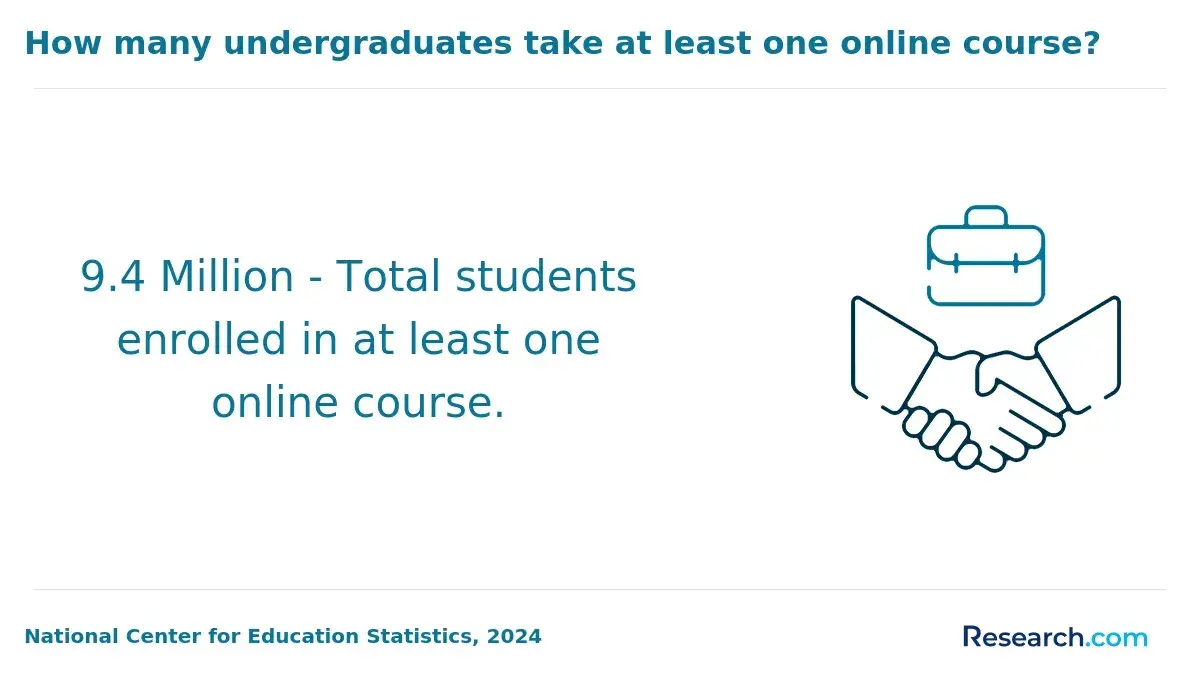
The transition to nearly 100% online offerings by 2024, including programs at the University of Pittsburgh and West Chester University, shifts logistical responsibility to students for securing local clinical sites and managing schedules. This places a premium on self-advocacy and time management, particularly for working nurses balancing virtual coursework and independent practicum coordination. Employers prioritize candidates who combine clinical readiness with these organizational capabilities.
Graduates tend to lead initiatives that reduce absenteeism and optimize chronic condition management within schools, especially if their program balanced rigorous online instruction with flexible, accredited clinical placements. The ability to navigate diverse urban and rural school districts stems from such comprehensive preparation.
What are the typical admission criteria for MSN programs focused on school nursing?
Pursuing an MSN focused on school nursing demands more than general advanced nursing education; it requires meeting specific licensure, clinical experience, and academic criteria tailored to the unique context of educational settings. Candidates must hold an active RN license and possess a BSN, with 1-2 years of relevant clinical experience often mandated-preferably in pediatrics, community, or school health environments. Academic standards generally include a minimum GPA near 3.0 and prerequisite coursework such as anatomy and community health, signaling program rigor aligned with employer expectations.
For states like Pennsylvania, the path includes additional certification coursework-ranging from 14 to 18 credits embedded in MSN programs-that adds time and financial investment beyond standard graduate nursing curricula. Candidates should verify alignment between their chosen program and state certification requirements, as lacking proper credentialing often bars employment in school districts despite holding an MSN.
Working nurses face a practical tradeoff: full-time employment versus intensive certification study. Programs offering part-time or hybrid options with clinical placements in schools can mitigate this friction, providing essential hands-on experience while fostering employer connections. Without official school nurse certification, an MSN alone typically falls short of district hiring mandates, illustrating how regulatory environments shape credential value and job market access.
How long do MSN programs for school nurses take and what do they cost?
Completing a master of science in nursing for school nurses requires balancing program length, cost, and workforce realities. Accelerated tracks targeted at registered nurses with a bachelor's degree often last 18 to 24 months, enabling faster reentry to the job market. Part-time options stretch closer to 36 months, catering to working professionals prioritizing income maintenance over speed. Choosing between these timelines involves tradeoffs in short-term financial strain versus expedited credentialing.
Tuition costs range significantly: public universities generally charge $20,000 to $40,000 total, while private programs may exceed $70,000. Beyond tuition, students should anticipate certification fees, textbooks, and travel for clinical rotations. Employer tuition assistance or public service loan forgiveness programs can mitigate financial burdens but require upfront planning and alignment with sector-specific employment.
Salary gains after graduation average 28-34% within three years, a solid return on investment. However, this depends heavily on local demand for school nurses and state certification rules, which vary widely. For example, nurses in districts with acute shortages benefit from quicker hiring and higher wage premiums, while others may face constrained job markets.
Working nurses often prefer part-time or asynchronous online MSNs to avoid income disruption. However, full-time enrollment accelerates access to advanced pay grades but can strain family resources temporarily. Understanding these real-world tradeoffs helps prospective students select the pathway best aligned with their career and financial situations.
What career paths and job roles are available after completing an MSN in school nursing?
An MSN in school nursing opens defined pathways that extend beyond clinical care to leadership and policy roles, each with distinct operational demands and employment contexts. Nurses serving as lead school nurses manage complex student health programs, including chronic condition care and emergency protocols, requiring specialized pediatric clinical skills.
At the district leadership level, MSN graduates navigate staff oversight, program compliance, and cross-agency coordination. These administrative roles demand organizational acumen and familiarity with education regulatory frameworks, skills critical for sustaining alignment with state and federal mandates.
Policy advocacy constitutes a separate trajectory where professionals shape health funding and community partnerships, often in state education or health agencies. Success here hinges on public health expertise paired with legislative awareness, reflecting a skill set that diverges from frontline nursing.
The expansion of accredited MSNs in school nursing, including programs that integrate Family Nurse Practitioner tracks, broadens employment options but adds complexity in scope of practice and program length. Candidates must weigh these programmatic variations against local licensure requirements and district funding priorities.
For instance, urban school districts frequently seek nurse practitioners to handle multifaceted caseloads, whereas rural areas prioritize versatile school nurses, influencing job availability and security. Prospective students should assess local workforce needs, credentialing pathways, and ongoing professional development to optimize career outcomes.
What salary ranges and benefits can school nurses with an MSN realistically expect?
School nurses holding an MSN face significant variation in base salaries, influenced heavily by location, district size, and credentials. Urban districts and states with higher living costs often offer annual pay at or above $80,000, while rural districts may start closer to $60,000. Comprehensive benefits typically accompany these roles but differ substantially by district, impacting total compensation.
Enrollment in dual credential programs, such as an MSN-FNP combined with a school nurse services credential, demands a substantial upfront investment-approximately 56 units with costs around $33,000 to $35,000. While the initial financial and time commitment is considerable, graduates emerge with expanded qualifications that can unlock access to roles blending advanced clinical practice with school nursing leadership. These positions often provide salaries exceeding the standard range and involve responsibilities like district health program management and policy implementation.
For example, an MSN-prepared nurse in a large urban district may negotiate a $10,000 to $15,000 salary premium linked to advanced practice credentials and leadership duties. Conversely, those targeting smaller or rural districts should weigh whether the intensive dual certification aligns with local hiring expectations, as many rural employers prioritize the standard school nurse credential over advanced practice capabilities.
- Urban districts typically offer higher starting salaries and leadership opportunities
- Dual credential programs require significant education investment but expand employability scope
- Rural district salary scales often do not reflect advanced practice premiums
How is the job outlook for school nurses with an MSN and where is demand strongest?
Regions with formal certification requirements for school nurses holding an MSN show the most robust hiring demand, driven by school districts' need for professionals qualified to manage complex student health scenarios. Pennsylvania's fully online, 14-credit School Nurse Certification at West Chester University aligns precisely with Educational Specialist I standards, illustrating how targeted credentialing programs influence local workforce readiness. Employers prioritize candidates able to lead within regulatory frameworks and address chronic conditions, mental health needs, and immunization compliance.
Those pursuing a school nurse role with an MSN should consider the tradeoffs between program length and specialization. Accelerated, credential-focused pathways may expedite employability but limit broader clinical preparation, whereas longer, generalized routes can delay entry while offering wider skill sets. Practical employment success depends heavily on matching credentials with state-specific standards more than on degree title alone.
Urban and suburban districts facing nurse shortages often pay premium salaries for MSN-qualified candidates who can navigate cross-sector collaboration with health providers and education administrators. Rural districts, despite fewer vacancies, may offer hiring incentives to address significant shortages. Such market differences affect job security and salary potential for graduates.
- Higher hiring rates occur where certification is mandatory and tied to specialized graduate programs.
- Graduates must prepare for administrative and interprofessional coordination roles beyond clinical duties.
- State and district credential alignment outweighs generalized MSN credentials in employability.
Other Things You Should Know About MSN
Balancing full-time work with an MSN program is feasible but depends heavily on the program's format and intensity. Part-time or online programs designed for working nurses often require fewer weekly study hours but extend the overall timeline. Full-time programs demand a significant weekly commitment, often 20+ hours, which can lead to burnout without strong time management and employer support. Prioritize programs with flexible clinical scheduling and asynchronous coursework if you must maintain full-time employment.
Most MSN school nursing programs do not grant licensure by themselves. Graduates must hold an active registered nurse license and, in many states, meet school nurse certification rules set by the state education department or board of nursing. Some employers also require National Certified School Nurse credentialing.
An MSN can improve job security by qualifying you for specialized roles, program development, and leadership positions that a BSN alone does not typically allow. Employers increasingly favor nurses with graduate education for advanced practice roles within schools, especially in districts with comprehensive health initiatives. However, job security gains depend on geographic demand and your ability to leverage your degree into roles beyond basic school nursing. To maximize security, focus on programs offering skills in policy, mental health, or community outreach, which align with emerging employer priorities.
References
- Top online accredited MSN degree programs - Better Nurse https://betternurse.org/msn-degrees/
- Available MSN Jobs with a Master of Science in Nursing | Neumann https://learn.neumann.edu/neuperspectives/msn-jobs-with-a-master-of-science-in-nursing
- School Nurse Education Master of Education https://www.cambridgecollege.edu/academics/degrees-certificates/masters-degrees/school-nurse-education
- What Can You Do With an MSN Degree? | Check 11 Career Options https://nursinglicensemap.com/nursing-degrees/masters-in-nursing/what-can-you-do-with-msn/
- Where Could a Master of Science in Nursing (MSN) Take You? https://blog.methodistcollege.edu/where-could-a-master-of-science-in-nursing-msn-take-you
- How much do School Nurses Make in The USA? | Shiftmed Blog https://www.shiftmed.com/professionals/blog/how-much-do-school-nurses-make/
- Career Paths in MSN https://www.allnursingschools.com/msn/career-paths/
- Education, Licensure, and Certification of School Nurses https://www.nasn.org/nasn-resources/professional-practice-documents/position-statements/ps-education
- 2025 RN to MSN Programs Guide - RNtoMSN.org https://www.rntomsn.org/programs/
- Should You Get an Online MSN Degree? | Tiffin University https://go.tiffin.edu/blog/should-you-get-an-online-msn-degree/