2027 Health Informatics Salary by State Report

Co-Founder and Chief Data Scientist
Many professionals face uncertainty when considering a career change to health informatics, especially regarding potential salary variations across states. Without clear data, it is challenging to make informed decisions about relocation, further education, or certification paths. This uncertainty can hinder strategic planning for those targeting growth in the healthcare technology sector.
Understanding these salary differences is vital for maximizing return on investment in education and aligning career goals with financial expectations. This article analyzes health informatics salaries by state, helping readers evaluate opportunities and make strategic decisions about entering or advancing within this evolving field.
Key Things You Should Know
- The average salary for health informatics professionals in 2026 ranges from $65,000 in lower-paying states to over $110,000 in high-demand areas like California and Massachusetts.
- States with advanced healthcare infrastructure and tech hubs typically offer salaries 20-30% above the national median, reflecting greater investment in health informatics roles.
- Job growth in health informatics is projected at 17% nationally through 2028, with strongest increases in states prioritizing digital health and data-driven healthcare reforms.
What does a health informatics professional do and where do they typically work?
A health informatics professional manages and analyzes healthcare data to improve patient outcomes and operational efficiency. They design, implement, and maintain electronic health record (EHR) systems to ensure accurate data collection and accessibility for staff and administrators.
Their work supports clinical decision-making, streamlines workflows, and enhances regulatory compliance. Collaborating with IT departments, healthcare practitioners, and policy experts, these professionals also develop data standards and protocols.
Common roles include health informatics analysts, clinical informatics specialists, data managers, and health IT consultants. Responsibilities vary from coding and interpreting medical data to training staff on software systems. For instance, a health informatics analyst may optimize patient data flow in a hospital, while a clinical informatics specialist could focus on integrating lab results into EHRs for faster physician access. Health informatics job roles and work settings in the United States typically span diverse environments.
- Hospitals and large healthcare systems
- Public health agencies and government departments
- Health insurance companies and managed care organizations
- Health IT vendors and consulting firms
- Academic institutions conducting medical research
Health informatics professionals find opportunities across the U.S., with typical workplaces varying significantly by region. According to ZipRecruiter's 2025 nationwide analysis, the average annual salary is $82,781, with 29 states paying above this average. Washington leads with an average salary of $93,757.
These variations reflect local healthcare market sizes and investments in digital health technologies, emphasizing the importance of considering typical workplaces for health informatics professionals across different states when planning a career path.
Those seeking advancement or entry into this field should explore the best CAHIIM accredited him programs online for education that aligns with industry standards and prepares candidates for evolving roles.
How much do health informatics professionals earn on average in the United States?
The average earnings of health informatics professionals in the United States currently hover around $82,781 annually, based on ZipRecruiter's 2025 state salary breakdown. Salary differences across states are notable, influenced by cost of living, demand, and healthcare infrastructure. Washington tops the list with an average salary of $93,757, about 13.3% higher than the national average, followed closely by the District of Columbia and New York, where averages exceed $90,000.
Choosing where to work plays a crucial role in maximizing salary potential, but it's important to weigh higher pay against possible increased living expenses. Salaries also vary depending on the specific health informatics role, such as analyst, data manager, or IT specialist, with experience level and certifications impacting earnings.
Private healthcare providers and government employers may offer different compensation packages, with entry-level roles generally near the average and specialized or senior roles commanding higher pay.
To optimize career prospects, professionals should review state-specific salary data carefully, consider employer types, and pursue relevant education and certifications. Technical expertise and advanced degrees enhance growth opportunities in this evolving field. For those interested in expanding their skills, accessible options like billing and coding classes provide practical pathways into health informatics roles in the U.S.
Which states offer the highest and lowest health informatics salaries right now?
The highest paying health informatics jobs by state tend to cluster in regions with expansive healthcare sectors and technology hubs. California, Massachusetts, and Washington lead with average salaries exceeding $100,000 annually. California's Silicon Valley and Boston's biotech corridor drive demand for advanced health informatics skills, pushing pay well above the national average of $82,781. Washington's robust healthcare and software industries further boost compensation.
Conversely, states with lowest health informatics salaries include Arkansas, West Virginia, and Mississippi. According to ZipRecruiter's 2025 data, these states offer salaries more than 20% below the national average, falling under $66,000 annually. This gap reflects fewer healthcare infrastructure investments and limited tech employers requiring health informatics expertise.
Professionals should consider relocating to higher-paying states where health systems prioritize data management and analytics. Cost of living differences should also be factored in when assessing job opportunities. Additional considerations include:
- States with major academic medical centers often provide higher salaries thanks to research funding and complex data needs.
- Remote work options are growing, yet salaries typically correspond to the employer's geographic location.
- Lower-paying states may present faster entry-level wage growth or opportunities in rural healthcare IT.
For those interested in education pathways, exploring the best medical assistant programs can offer foundational skills relevant to the healthcare data field. These patterns highlight important factors for career planning and geographic flexibility in health informatics careers.
How do health informatics salaries compare by state when adjusted for cost of living?
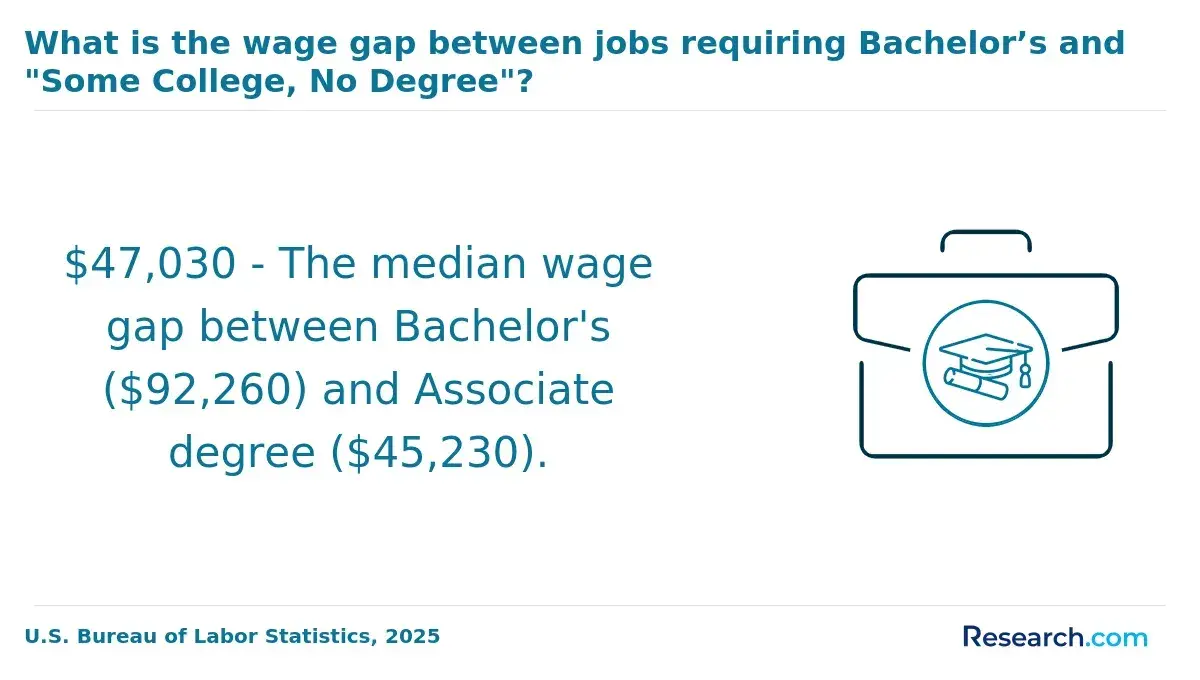
Health informatics salary differences by state adjusted for living costs reveal that nominal wages alone can be misleading. The U.S. Bureau of Labor Statistics cites a mean annual wage of $70,260 for health information technologists and medical registrars, but this does not account for purchasing power variations across states.
For instance, California and New York offer higher salaries but also have substantially higher living expenses, which diminishes their real income advantage.
Conversely, states like Texas and Florida often provide better cost of living adjusted health informatics wages across states. A $65,000 salary in Texas may translate to a purchasing power comparable to $80,000 in New York after factoring in housing, transportation, and daily costs. Smaller states such as Ohio and Indiana, with moderate salaries and lower living expenses, often rank well in real income potential.
Additional incentives or bonuses in rural or underserved areas can further increase compensation relative to cost of living. For those researching career options, it's crucial to analyze wage offers alongside local cost indexes to identify locations where health informatics careers deliver the highest economic benefit.
For professionals and students seeking to advance in health informatics, exploring education pathways through top rated online nursing schools WGU could be a valuable step toward career growth and understanding market variations.
What entry-level, mid-level, and senior salaries can you expect in health informatics?
Entry-level salaries in health informatics generally range from $55,000 to $75,000 annually, influenced by location and employer. Graduates with bachelor's degrees or relevant certifications often begin as health data analysts or systems coordinators. Higher salaries tend to appear in states like California and Massachusetts, where demand and living costs are greater.
Mid-level professionals with three to seven years of experience earn between $80,000 and $120,000. Typical roles include health informatics specialists, clinical informatics analysts, and project managers responsible for data integration or software implementation. Compensation varies significantly by geographic area and the healthcare organization's size, with New York and Illinois offering competitive pay due to their strong healthcare sectors.
Senior roles command $125,000 to $160,000+ annually and include informatics directors, chief health information officers, and senior data scientists. These positions require advanced degrees or extensive experience and tend to cluster in major healthcare hubs, reflecting the increased responsibility and specialized expertise demanded.
The Bureau of Labor Statistics forecasts a 16% employment growth in health informatics from 2023 to 2033, much faster than average across all jobs. To maximize earning potential, candidates should develop skills in data analytics, electronic medical records management, and regulatory compliance.
How do education level and degree type affect health informatics salaries by state?
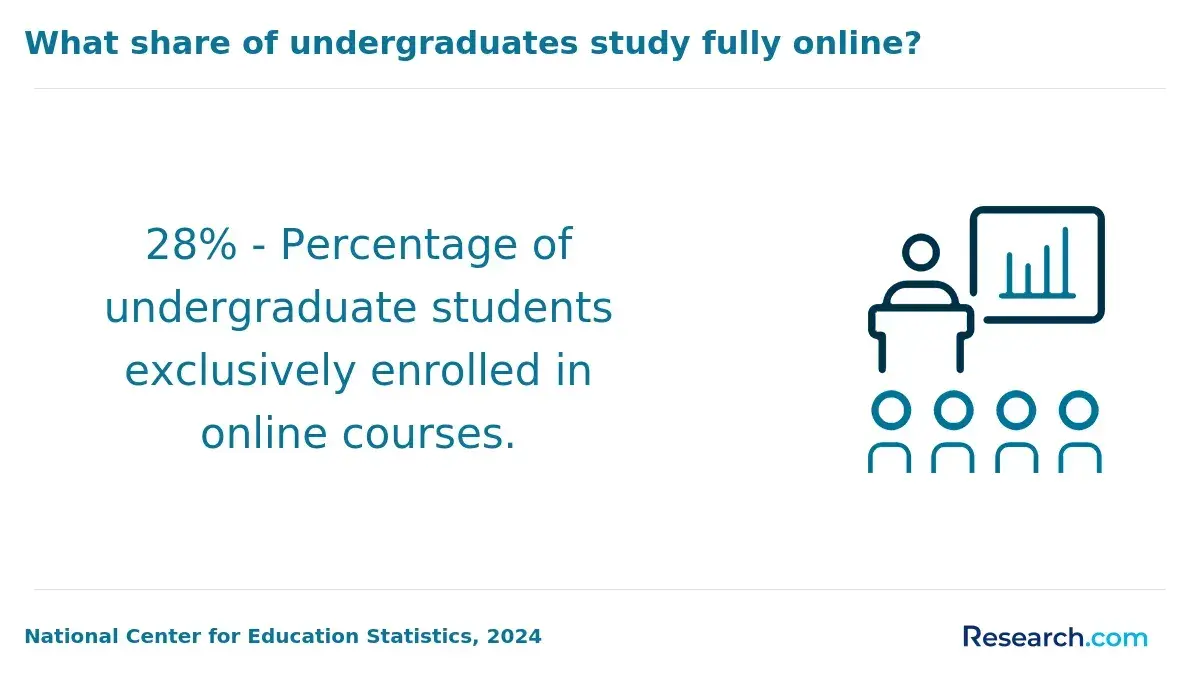
Education level and degree type play crucial roles in shaping salaries for health informatics professionals across different U.S. states. Those with a bachelor's degree in health informatics or related fields usually earn near the national average, whereas advanced degree holders often command significantly higher pay, especially in competitive states such as California, Massachusetts, and New York.
These higher-paying positions typically require specialized skills in areas like data analytics, clinical systems, or information management. Entry-level roles requiring only an associate degree generally offer lower salaries, reflecting more limited responsibilities.
Degree focus is equally important. Candidates with degrees specifically in health informatics, health information management, or biomedical informatics tend to achieve better salary outcomes compared to those with general IT or business backgrounds. Certifications like Certified Health Informatics Systems Professional (CHISP) and Registered Health Information Administrator (RHIA) further enhance earning potential.
According to PayScale data for 2025, health informatics specialists earn an average of $77,400 annually, with top earners reaching about $134,000. When considering career moves or education investments, evaluating how degree type and level align with state-specific market demands is essential for maximizing hiring opportunities and compensation.
What is the job outlook for health informatics careers across different states and regions?
The job outlook for health informatics careers varies widely across U.S. regions, influenced by healthcare infrastructure, state investment, and digital health demand. States with major metropolitan areas and advanced healthcare systems, such as California, Texas, New York, and Massachusetts, offer the highest growth rates and salaries.
These regions feature diverse roles in hospital networks, research institutions, and technology firms specializing in health data management.
Midwestern states like Ohio and Illinois represent emerging markets as electronic health records and telehealth adoption expand. While rural states may have fewer openings, they often serve underserved healthcare networks eager to implement informatics solutions, creating specialized opportunities for professionals willing to relocate.
The University of Cincinnati's Health Informatics Salary Guide shows that earning a Master of Health Informatics (MHI) can boost salaries by roughly 30% compared to bachelor's-level credentials. This degree premium is key in competitive markets with higher living costs, such as California and New York, where MHI holders command salaries well above the national median.
Key considerations for those pursuing health informatics careers include:
- Focusing on states with strong healthcare technology hubs to enhance career and salary prospects
- Investing in a master's degree to access higher starting salaries and leadership opportunities
- Considering remote work options, which have grown significantly after the pandemic and may reduce location constraints
Aligning regional demand with education level can help candidates optimize both financial and professional goals in this evolving field.
Which health informatics job titles and specializations command the highest pay?
The highest-paying roles in health informatics in 2026 combine clinical expertise and leadership. Nursing informatics specialists top the list with a median salary of $125,000, leveraging both nursing knowledge and informatics skills to enhance patient care through technology.
Clinical informatics specialists earn a median of $118,000. They focus on optimizing electronic health records and health IT systems, collaborating with healthcare providers to ensure data accuracy and regulatory compliance.
Informatics managers hold the highest median salary of $160,000, reflecting their responsibility for leading teams, managing budgets, and aligning IT strategy with healthcare goals.
Other roles with competitive pay include data analysts and informatics pharmacists, though their salaries generally fall below those of nursing and clinical informatics specialists.
To increase earning potential, professionals should consider:
- Gaining certifications such as Certified Professional in Healthcare Information and Management Systems (CPHIMS)
- Building experience in clinical environments or leading informatics projects
- Specializing in health IT vendor systems implementation or regulatory compliance
Exploring detailed salary trends and certifications can help guide career strategies in health informatics.
How do online and campus-based health informatics degrees influence salary outcomes?
Health informatics degrees earned online and on campus both positively affect salary, yet outcomes vary by program reputation, networking, and hands-on experience. Campus programs frequently offer direct clinical access and face-to-face mentorship, fostering strong professional connections that can lead to starting salaries $5,000 to $10,000 above average, especially from institutions linked to major healthcare systems.
Online degrees appeal to working professionals needing flexibility and typically yield salaries similar to campus graduates. However, limited in-person networking may affect immediate salary gains in competitive markets. Accredited online programs from reputable institutions show promising salary growth when paired with certifications or relevant experience.
Employers prioritize practical skills and certifications in healthcare IT roles. Graduates who develop competencies in areas like data analytics or electronic health record management tend to earn more. Location also impacts salary; for example, online students in high-cost states often benefit from greater local demand.
- Campus-based programs offer mentorship and clinical exposure for networking
- Online degrees provide flexibility but may require additional effort to build connections
- Certifications and hands-on skills boost earning potential regardless of degree type
- Geographic differences influence regional salary outcomes
Gender pay disparities persist in health informatics. According to Healthcare IT Skills analysis using HIMSS data, women earn $100,762 on average compared to $126,262 for men, about 79.8% of men's pay in similar roles. Closing this gap remains a critical challenge.
How can you use state salary data to choose the best health informatics program?
State salary data plays a crucial role in selecting the best health informatics program by highlighting potential return on investment after graduation. Comparing salaries across states enables prospective students to focus on regions offering stronger earning potential for informatics professionals, which can guide decisions toward programs with strong local employer connections or favorable job markets.
Higher average salaries-ranging from $122,000 to $211,000 annually for clinical informatics managers, according to the University of Cincinnati-can make costlier tuition or living expenses worthwhile. Evaluating this data also reveals states with robust healthcare IT sectors, indicating better networking and internship opportunities.
- Cost-effectiveness: Higher salaries may compensate for higher educational or living costs.
- Job market strength: Better salary figures often reflect thriving local industries and opportunities.
- Career advancement: Awareness of regional pay scales supports choosing curricula aligned with employer needs, improving promotion prospects.
- Personal circumstances: Clarifies financial feasibility for students managing family or relocation challenges.
Using salary benchmarks helps students align their education choices with career and financial goals. Data from the University of Cincinnati underscores that clinical informatics manager roles, which often require advanced education, offer significant salary returns, empowering students to maximize long-term benefits from their programs.
Other Things You Should Know About Health Informatics
Certifications such as the Certified Health Informatics Systems Professional (CHISP) and the Certified Professional in Healthcare Information and Management Systems (CPHIMS) are widely recognized in the field. They demonstrate expertise and commitment, often leading to better job opportunities and higher salaries. Many employers prefer candidates with these certifications when hiring for advanced roles.
Experience in clinical environments can significantly enhance a health informatics professional's salary. Understanding the workflow and challenges faced by healthcare providers allows these specialists to design more effective systems. Professionals with clinical experience are often considered more valuable, and their practical knowledge tends to result in higher compensation.
Health informatics professionals working in pharmaceutical companies, insurance firms, and specialized healthcare technology providers generally earn higher salaries compared to those in public health or academic settings. These industries often have larger budgets for technology investments and require advanced data analytics, which escalates the demand and pay scale for skilled informatics experts.
In 2027, California and Massachusetts are among the highest paying states for health informatics professionals, offering competitive salaries due to their advanced healthcare systems. Conversely, states like Mississippi and Arkansas tend to offer lower salaries, primarily due to less demand and lower cost of living.
References
- Health Informatics Careers and Jobs https://www.publichealthdegrees.org/careers/health-informatics/
- Clinical Informatics Nurse Salary in New York, NY | Incredible Health https://www.incrediblehealth.com/salaries/s/clinical-informatics-nurse/ny/new-york
- Master of Health Informatics Career and Salary https://teach.com/online-ed/healthcare-degrees/online-masters-health-informatics/career-and-salary/
- Masters in Health Informatics | Informatics in Public Health | Health Informatics Career Guide https://www.publichealthonline.org/health-informatics/
- Salary Structures in Health Informatics Academia: A Preliminary Survey Analysis https://www.thieme-connect.com/products/ejournals/abstract/10.1055/a-2624-1875
- Careers in Health Informatics | University of Phoenix https://www.phoenix.edu/articles/healthcare/careers-in-health-informatics.html
- Health Informatics Job Description and Salary Information https://www.usfhealthonline.com/resources/health-informatics/health-informatics-jobs-health-informatics-salary/
- Occupation Profile for Health Informatics Specialists | CareerOneStop https://www.careeronestop.org/Toolkit/Careers/Occupations/occupation-profile.aspx
- Nursing Informatics Salary - Top-Paying States & Regions https://www.medicaltechnologyschools.com/nursing-informatics/top-paying-states-in-nursing-informatics
- What Is the Average Health Informatics Specialist Salary? https://www.nec.edu/news/what-is-the-average-health-informatics-specialist-salary