2027 Online Creative Writing Degrees With Creative Nonfiction Workshop Coursework

Co-Founder and Chief Data Scientist
Choosing an online creative writing degree is harder when your goal is memoir, essays, literary journalism, or narrative nonfiction, not just fiction or poetry. The U.S. Bureau of Labor Statistics projects 5% growth for writers and authors through 2033, making strong storytelling and editorial judgment valuable across publishing, media, marketing, and digital content.
This guide is for adult learners, career changers, and working writers who want flexible study with serious workshop training. You will learn how programs differ, what they cost, what careers they support, and how to choose a reputable option.
Key Things You Should Know
- Online creative writing degrees with creative nonfiction coursework are most useful for students who want structured feedback on memoir, essays, literary journalism, biography, personal narrative, or researched narrative prose.
- Cost varies widely by school, but the College Board's 2024 data lists average published tuition and fees of $11,610 for in-state public four-year colleges and $43,350 for private nonprofit four-year colleges for 2024-25, before aid.
- BLS 2024 projections show uneven demand: writers and authors are projected to grow 5% from 2023 to 2033, while editors are projected to decline 2%, so students should build digital, research, editing, and publishing skills alongside workshop practice.
What is an online creative writing degree with creative nonfiction workshop coursework?
An online creative writing degree with creative nonfiction workshop coursework is a college program that teaches literary craft, revision, peer critique, research-based storytelling, and publishing skills through distance learning. The creative nonfiction focus usually covers true stories written with literary techniques, such as scene, voice, structure, character development, pacing, and reflection.
Creative nonfiction is a broad category. It can include memoir, personal essays, lyric essays, travel writing, nature writing, cultural criticism, narrative journalism, profiles, biography, food writing, documentary writing, and long-form reported essays. Unlike academic writing, creative nonfiction emphasizes style and narrative movement. Unlike fiction, it must handle factual accuracy, source ethics, memory, attribution, and research responsibly.
Programs can appear at several degree levels. A bachelor's degree is usually better for students who still need a broad undergraduate credential and want career flexibility. A master's degree, especially an MFA, is usually better for writers who already have a bachelor's degree and want advanced manuscript development, teaching preparation, or a book-length thesis.
The main formats are easier to compare when you separate the credential from the writing outcome. The table below summarizes common options and who they tend to fit.
| Program type | Typical credential | Best fit | Creative nonfiction emphasis |
| Online bachelor's in creative writing or English | BA or BS | Students seeking an undergraduate degree for writing, editing, communications, or graduate school preparation | Often includes introductory and intermediate workshops, nonfiction electives, literature, rhetoric, and professional writing |
| Online master's in creative writing | MA or MFA | Writers who already have a bachelor's degree and want deeper craft study, mentorship, and a portfolio or thesis | May allow a genre track or concentration in creative nonfiction, memoir, or literary nonfiction |
| Low-residency creative writing program | Usually MFA | Working adults who want online study with short campus or retreat-style residencies | Often strong for manuscript mentorship, community building, and intensive workshops |
| Graduate certificate in writing | Certificate | Students who want focused skill development without committing to a full degree | May include one or two nonfiction workshops but usually has less thesis-level depth |
For decision-making, the most important question is not whether the program is online. It is whether the curriculum gives you repeated workshop practice in the type of nonfiction you want to write, with instructors who understand the market and ethics of factual storytelling.
How do online creative writing programs compare to campus-based options for nonfiction writers?
Online programs can work very well for nonfiction writers because workshop discussion, written critique, annotation, and revision can translate smoothly to learning platforms. Many adult learners also benefit from asynchronous formats because they can draft, read, and respond around work or caregiving schedules.
The trade-off is that online students must be more intentional about community. Campus programs may offer more spontaneous literary events, magazine offices, readings, and faculty interaction. Online programs may offer better flexibility, broader geographic access, and the ability to keep working while building a manuscript.
The comparison below shows where each format tends to be strongest. Use it to decide whether your priority is flexibility, literary community, cost control, or in-person mentorship.
| Factor | Online creative writing degree | Campus-based creative writing degree | What it means for nonfiction writers |
| Workshop access | Usually delivered through discussion boards, live video sessions, annotated drafts, or learning platforms | Usually delivered in classroom workshops with live discussion | Online can be equally rigorous if critique expectations are clear and faculty feedback is substantial |
| Schedule | Often asynchronous or evening-friendly | More likely to require fixed class times | Online is often better for working adults and caregivers |
| Networking | Requires deliberate participation in virtual readings, groups, and conferences | May offer more informal networking through campus events | Campus can be stronger for local literary community, but online students can build national networks |
| Cost control | May reduce relocation, commuting, and housing costs | May involve campus fees, commuting, or relocation | Online can lower indirect costs even when tuition is similar |
| Writing environment | Students write from their own communities and life settings | Students enter a more immersive academic setting | Nonfiction writers may benefit from staying close to the people, places, and research subjects they write about |
Students comparing graduate-level options should look beyond delivery format and examine mentorship, thesis expectations, genre depth, and funding. A flexible online MFA can be a strong choice if it includes serious faculty feedback and sustained manuscript development; a useful starting point is comparing online MFA programs by affordability, structure, and academic fit.
Which accredited schools offer online creative writing degrees focused on creative nonfiction?
Accredited online creative writing programs vary in how directly they emphasize creative nonfiction. Some offer a named creative nonfiction track, while others offer nonfiction workshops inside a broader creative writing, English, or writing program. Because catalogs change, students should confirm the current course list, delivery mode, and institutional accreditation before applying.
The schools below are examples of U.S. institutions that have offered online or low-residency creative writing programs with opportunities to study nonfiction, memoir, literary nonfiction, or related prose forms. This is not a ranking; it is a decision-support snapshot to help you know what to verify.
| School | Example online or low-residency writing option | Nonfiction relevance | Accreditation check |
| Bay Path University | MFA in Creative Nonfiction Writing | Designed around nonfiction forms such as memoir, personal narrative, and literary nonfiction | Verify institutional accreditation and current program format through the school and the U.S. Department of Education database |
| Southern New Hampshire University | Online BA in Creative Writing and English | Offers undergraduate writing study with genre-based workshops and professional writing preparation | Confirm current nonfiction workshop availability and transfer credit policies |
| Lindenwood University | Online MFA in Writing | Broad graduate writing program that has included creative nonfiction coursework among genre options | Check whether the current catalog supports a nonfiction-focused plan of study |
| National University | Online MFA in Creative Writing | May support creative nonfiction through genre workshops, craft courses, and thesis development | Ask how often nonfiction workshops run and who supervises nonfiction theses |
| Wilkes University | Low-residency MA or MFA in Creative Writing | Supports multiple genres, including nonfiction, through mentorship and residency-based community | Confirm residency requirements, online components, and total program cost |
| University of Arkansas at Monticello | Online MFA in Creative Writing | Offers graduate creative writing study with genre coursework that may include creative nonfiction | Review current genre offerings, workshop rotation, and thesis options |
A reputable program should make three things easy to find: its accreditation status, its required curriculum, and its faculty roster. If the website only uses broad marketing language such as "write your story" but does not show workshop requirements or faculty expertise, ask for a degree plan before you apply.
What creative nonfiction workshop and craft courses are typically included in these programs?
Creative nonfiction coursework should help students move from raw experience or research into publishable prose. Strong programs combine workshop critique with craft reading, research methods, ethics, revision, and professional development.
Most curricula include a mix of the following course types. The exact titles vary, but these categories are important because they show whether the program supports serious nonfiction practice rather than only general creative writing.
- Creative nonfiction workshop: Students submit essays, chapters, or reported pieces for peer and instructor critique, then revise based on feedback.
- Memoir writing: Coursework focuses on memory, voice, structure, scene-building, reflection, and ethical treatment of real people.
- Personal essay and lyric essay: Students study shorter nonfiction forms that rely on voice, associative structure, argument, image, and compression.
- Literary journalism or narrative journalism: Courses emphasize reporting, interviewing, fact-checking, scene reconstruction, and narrative structure.
- Research methods for writers: Students learn to use archives, interviews, public records, observation, and source evaluation responsibly.
- Craft of nonfiction: Readings focus on how published writers use point of view, time, pacing, reflection, evidence, and form.
- Editing and publishing: Students learn submission strategy, literary magazine norms, copyediting basics, book proposals, and audience awareness.
- Thesis, capstone, or manuscript tutorial: Graduate students often complete a polished essay collection, memoir excerpt, or book-length nonfiction project.
Students should also look for coursework in digital writing, audience strategy, and ethical use of technology. Writers who want to understand how AI tools affect content production may benefit from comparing writing coursework with adjacent technical pathways such as an artificial intelligence major, especially if they are deciding between creating narratives about technology and building technology itself.
The best workshop sequence gives you multiple rounds of feedback. One introductory workshop is helpful, but it is usually not enough to develop a strong nonfiction portfolio. Look for programs where students can take advanced nonfiction workshop, independent study, thesis hours, or genre-specific mentorship.
What admission requirements do online creative writing degrees usually have for adult learners?
Admission requirements depend on the degree level. Bachelor's programs usually focus on academic readiness and transfer credit, while MFA and MA programs usually care more about the writing sample, statement of purpose, and fit with faculty expertise.
Adult learners should prepare different materials depending on whether they are applying to an undergraduate or graduate program. The table below summarizes common expectations and why they matter.
| Requirement | Bachelor's programs | Graduate programs | Why it matters |
| Prior education | High school diploma, GED, or transfer credits | Regionally accredited bachelor's degree or equivalent U.S. credential | Determines eligibility and how many credits remain |
| Transcripts | Required from high school and prior colleges | Required from all prior colleges | Used for admission, transfer review, and sometimes scholarship decisions |
| Writing sample | Sometimes optional or used for placement | Usually central to admission, especially for MFA programs | Shows readiness for workshop critique and advanced craft study |
| Statement of purpose | May be required | Commonly required | Explains goals, genre interests, and why the program fits |
| Letters of recommendation | Less common for open-access or transfer-friendly programs | Often required | Helps faculty assess discipline, revision habits, and academic potential |
| Standardized tests | Rare for many online adult-focused programs | Often not required for creative writing graduate programs, but policies vary | Students should verify current requirements rather than assume |
For adult learners, transfer credit can be one of the biggest cost and time factors. Before applying, ask each school for an unofficial transfer review if available. A program with slightly higher tuition may still be cheaper overall if it accepts more credits and reduces your time to graduation.
Applicants to graduate programs should not treat the portfolio as a formality. Admissions committees usually want to see control of language, a sense of voice, openness to revision, and evidence that the applicant understands the difference between private experience and crafted nonfiction.
A practical application sequence can reduce wasted effort and fees. Use the following steps before submitting applications.
- Choose two or three nonfiction pieces that best represent your current voice, range, and revision ability.
- Revise them for clarity, structure, factual care, and emotional control before using them as a portfolio.
- Read faculty bios and recent publications to see whether instructors actually work in nonfiction forms you admire.
- Ask admissions whether online students can take advanced nonfiction workshops every year or only when enrollment allows.
- Confirm transfer credit, residency requirements, technology requirements, and total estimated cost before paying an application fee.
How long do online creative writing degrees take, and what do they cost?
Program length depends on degree level, transfer credit, enrollment pace, and whether the program uses semesters, quarters, or accelerated terms. A full bachelor's degree commonly requires about four years of full-time study, but adult learners with transfer credits may finish faster. Master's programs often take two to three years, especially if students enroll part time while working.
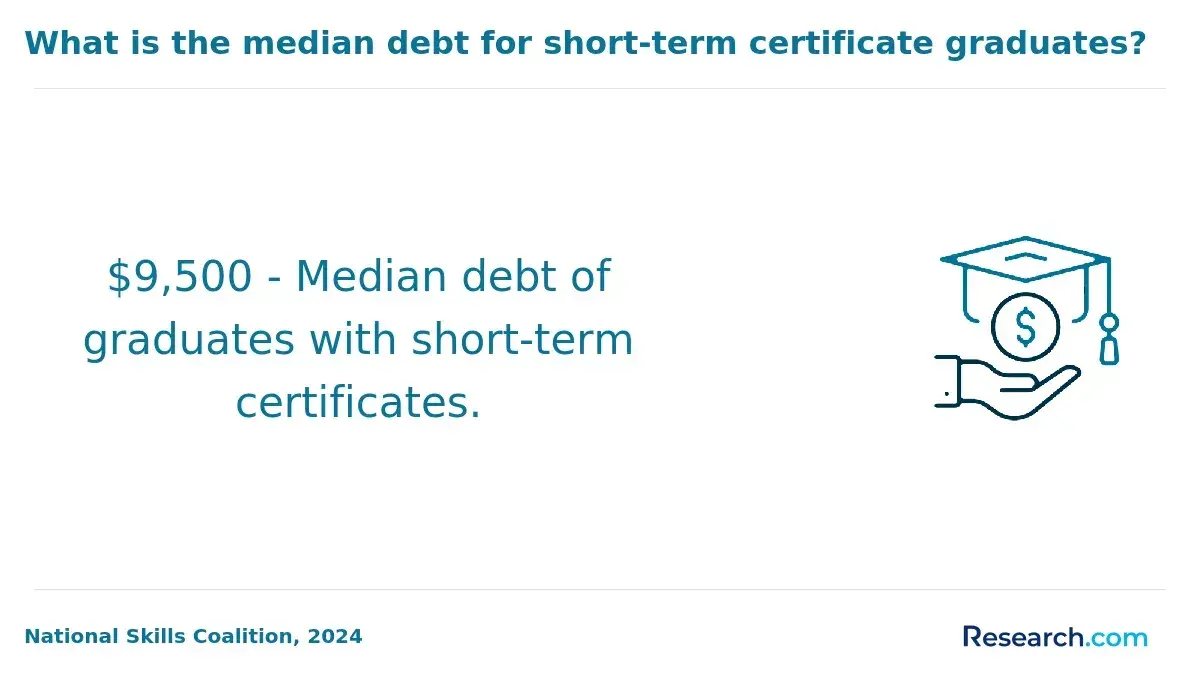
Cost is harder to compare because tuition is only one part of the total price. Students should include fees, books, residency travel, graduation fees, technology costs, lost work time, and loan interest if borrowing. College Board's 2024 Trends in College Pricing data gives a useful national benchmark for published tuition and fees before grants or scholarships.
- Average published tuition and fees for in-state students at public four-year colleges in 2024-25: $11,610.
- Average published tuition and fees for out-of-state students at public four-year colleges in 2024-25: $30,780.
- Average published tuition and fees at private nonprofit four-year colleges in 2024-25: $43,350.
These figures are not specific to creative writing or online programs, but they help you judge whether a school's price is above or below common national benchmarks. Online programs may reduce housing or commuting costs, yet some charge distance learning or technology fees.
The table below explains the main cost drivers and what to ask before enrolling. It is especially important for creative writing students because career outcomes can vary widely and borrowing too much can limit post-graduation flexibility.
| Cost factor | Why it matters | Question to ask |
| Per-credit tuition | Most online programs charge by credit, so total cost depends on remaining credits | What is the total tuition for the full degree after transfer evaluation? |
| Transfer credits | Accepted credits can shorten the path to a bachelor's degree | How many of my previous credits apply to major, general education, and elective requirements? |
| Residency requirements | Low-residency MFA programs may require travel, lodging, and time away from work | How many residencies are required, and what are typical student travel costs? |
| Books and materials | Writing programs often require contemporary books, literary journals, and style guides | Are books included in tuition, or should I budget separately? |
| Financial aid | Accredited degree programs may qualify for federal aid if the student is eligible | Is the program eligible for federal student aid, scholarships, assistantships, or employer reimbursement? |
| Time to completion | Part-time study can reduce term-by-term pressure but extend total time in school | Can I change between full-time and part-time enrollment without delaying required workshops? |
For ROI, be conservative. A creative writing degree can strengthen writing, editing, teaching, and communications pathways, but it should not be evaluated like a license-driven degree that leads to one regulated occupation. The safest financial plan is to choose an accredited program you can afford while building marketable skills in editing, digital publishing, research, content strategy, or technical communication.
What careers can graduates of creative nonfiction-focused writing degrees pursue?
Creative nonfiction-focused degrees can support several writing and communications careers, but the degree itself is rarely the only hiring factor. Employers and publishers usually look for a strong portfolio, clean editing, audience awareness, subject-matter knowledge, and the ability to meet deadlines.
The table below connects common roles with the kind of nonfiction training that can help. Use it to match your degree choice with the work you actually want to do.
| Career path | Typical responsibilities | How creative nonfiction training helps |
| Author or essayist | Write essays, memoirs, books, columns, or long-form nonfiction | Builds voice, structure, revision discipline, and manuscript development skills |
| Journalist or features writer | Report, interview, fact-check, and write narrative stories for media outlets | Supports scene-building, ethical storytelling, source use, and narrative pacing |
| Editor | Review drafts, shape structure, improve clarity, and prepare work for publication | Workshop experience strengthens critique, revision, and line-editing judgment |
| Content writer or content strategist | Create articles, guides, newsletters, brand stories, and digital content | Helps translate complex ideas into engaging prose for specific audiences |
| Technical writer | Explain products, systems, policies, or procedures for users | Research and clarity skills transfer well, though technical subject knowledge may be needed |
| Grant writer or nonprofit storyteller | Write proposals, donor stories, reports, and impact narratives | Combines factual accuracy with compelling human-centered storytelling |
| Writing instructor | Teach composition, creative writing, or community workshops | Graduate study and workshop practice can support teaching, though requirements vary by institution |
Students who want maximum career flexibility should pair creative coursework with practical experience. That can include internships, editing for a literary journal, freelancing, newsletter publishing, podcast scripting, grant writing, or content work for a campus department, nonprofit, or local publication.
Creative nonfiction is also increasingly affected by AI-assisted writing tools. Graduates who can verify facts, preserve voice, edit AI-generated drafts responsibly, and understand audience trust may be better positioned than writers who rely only on prompt-based production. Students who discover they are more interested in designing AI systems than writing, editing, or publishing about them may eventually compare writing programs with an online PhD AI pathway instead.
What are typical salaries and earning potential for creative nonfiction writers and editors?
Writing income varies more than in many degree fields because workers may be salaried, freelance, contract-based, royalty-based, or employed in adjacent communications roles. A creative nonfiction degree can improve craft and credibility, but it does not guarantee publication, representation, or a specific salary.
BLS wage data provides a realistic baseline for related occupations. The 2024 Occupational Outlook Handbook reported the following median annual pay levels for roles that creative nonfiction graduates may consider.
| Occupation | Median annual pay | How to interpret it |
| Writers and authors | $73,690 | Includes many types of writers, not only literary authors; freelance income can be less predictable |
| Editors | $75,020 | Relevant for graduates with strong revision, copyediting, publishing, or content management skills |
| Technical writers | $80,050 | Often pays more because it combines writing with specialized knowledge in technology, science, healthcare, or business |
| Public relations specialists | $66,750 | Useful comparison for graduates interested in organizational storytelling, media relations, and brand communications |
These medians are national figures, so they do not reflect local cost of living, industry differences, experience level, or freelance variability. A writer working for a healthcare technology company may have a very different salary path from a freelance essayist publishing literary work.
For earning potential, portfolio strategy matters. Students should graduate with polished samples that fit real markets, not only workshop assignments. A strong portfolio might include a reported feature, a personal essay, a book proposal excerpt, edited clips, digital content samples, and evidence of publication or client work.
How is the job outlook for creative nonfiction writing and related media roles?
The job outlook is mixed. Demand for clear writing remains important, but traditional publishing and editing roles are competitive. Growth is stronger when writers combine narrative skill with digital publishing, technical knowledge, research ability, analytics, or communications strategy.
BLS 2024 projections through 2033 show why students should think broadly about career options rather than aiming at only one job title.
| Occupation | Projected employment change through 2033 | Decision insight |
| Writers and authors | 5% growth | Comparable to average growth, but competition remains high for literary and media opportunities |
| Editors | 2% decline | Students interested in editing should build digital content, project management, and multimedia skills |
| Technical writers | 4% growth | Good fit for writers who can explain complex systems and learn specialized subject matter |
| Public relations specialists | 6% growth | Relevant for nonfiction writers who enjoy audience strategy, campaigns, and organizational storytelling |
AI is changing expectations in writing work. Employers may increasingly expect writers to use AI tools for brainstorming, summarizing, transcription, or first-pass drafting, but human judgment remains essential for voice, accuracy, ethics, source evaluation, and narrative coherence. Creative nonfiction students should become comfortable using technology without letting it replace reporting, reflection, or revision.
A practical career plan should include more than "finish the degree and publish a book." Students should build clips, learn one or two content management systems, practice interviewing, understand copyright basics, and develop a niche such as health, education, environment, culture, technology, finance, or nonprofit storytelling.
How can students evaluate and choose a reputable online creative writing program?
The right online creative writing program should match your genre goals, budget, schedule, and career plan. Accreditation matters, but it is only the first filter. You also need to know whether the program has enough nonfiction depth, whether faculty are active writers or editors, and whether online students receive serious feedback.
Start with institutional accreditation through the U.S. Department of Education or Council for Higher Education Accreditation databases. Programmatic accreditation is not typically required for creative writing, so do not reject a strong program simply because it lacks a writing-specific accreditor. The same due diligence applies when comparing creative writing degrees or online business degree programs accredited for distance learners: verify the institution, then examine outcomes, cost, and curriculum fit.
Before applying, use a structured checklist. These steps will help you avoid common mistakes such as choosing a program based only on branding, rankings, or a single inspiring faculty profile.
- Confirm institutional accreditation and federal aid eligibility if you plan to use financial aid.
- Review the current catalog, not just the marketing page, to confirm required nonfiction workshops and elective availability.
- Check whether nonfiction faculty regularly teach online students and supervise theses or capstones.
- Ask for a total cost estimate that includes tuition, fees, books, technology, and any residency travel.
- Compare transfer credit policies if you are entering a bachelor's program with prior college credits.
- Request sample course schedules to see whether required workshops are offered often enough for your timeline.
- Look for career support such as publishing guidance, internship access, literary journal experience, alumni networks, or portfolio development.
- Ask how peer critique is moderated, because a weak workshop culture can limit the value of the degree.
- Review withdrawal, leave-of-absence, and part-time policies if your work or family schedule may change.
- Compare the degree with cheaper alternatives, such as certificates, community workshops, writing conferences, or individual courses, if you do not need a full credential.
Red flags include vague curriculum descriptions, pressure-heavy admissions calls, unclear tuition pages, little information about faculty, no visible accreditation details, and promises of publication or high income. A trustworthy school should be willing to answer direct questions before you enroll.
This degree is most worth considering if you want disciplined feedback, a sustained writing community, a polished manuscript, and a credential that can support writing-adjacent careers. It may not be the best investment if your only goal is to write one personal memoir and you do not need a degree for career or teaching purposes.
Other Things You Should Know About Creative Writing
Yes, you can publish a memoir without a creative writing degree. Many successful authors lack formal degrees, relying instead on personal experiences and storytelling skills. While a degree can provide structured learning and feedback, publishing success often depends on the quality of your narrative and engagement with your audience.
Some programs are fully asynchronous, while others require live video workshops, residencies, or scheduled readings. Students with demanding work schedules should ask whether live attendance is required, whether sessions are recorded, and how participation is graded.
Choose polished work that shows voice, structure, reflection, and control of factual material. A strong sample might be a personal essay, memoir chapter, reported narrative, or literary journalism piece. Follow the program's page limits and avoid submitting unedited diary-style writing.
References
- The MFA Checklist: Keys to Choosing Graduate Writing Programs - Dronile Hiraldo https://dronilehiraldo.com/choosing-a-graduate-writing-program/
- Gotham Writers https://wp.writingclasses.com/courses/creative-nonfiction-101/
- How to choose the best online creative writing course step-by-step https://nationalcentreforwriting.org.uk/writing-hub/best-online-creative-writing-courses/
- Best Online Creative Writing Degrees 2026 https://www.onlineu.com/degrees/creative-writing
- Creative Writing Degree | Online Creative Writing Degree https://www.creativewritingedu.org/degree-creative-writing/
- Online Creative Nonfiction Writing Courses | Writers.com https://writers.com/online-creative-nonfiction-writing-courses
- BA Hons Creative Writing Enrolment Form https://www.oca.ac.uk/courses/ba-creative-writing/
- Creative Writing courses | UCLA Extension https://www.uclaextension.edu/writing/creative-writing/courses
- How to Find the Most Effective Digital Writing Program: 5 Considerations https://www.hmhco.com/blog/5-things-to-look-for-in-a-digital-writing-program