2027 Walden University Online MS Dual Degree in Clinical Mental Health Counseling & School Counseling - Telehealth Counseling, Private Practice and Supervision: Cost, Curriculum, Admissions, and Career Outcomes

Co-Founder and Chief Data Scientist
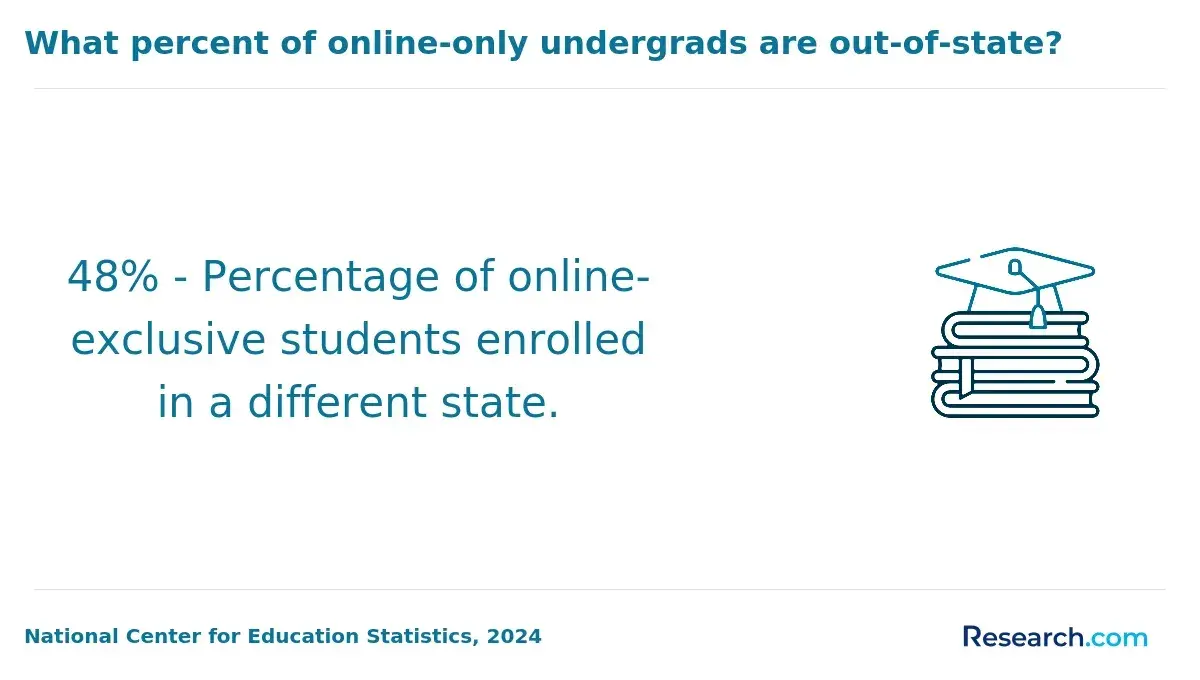
Prospective students evaluating the MS Dual Degree in Clinical Mental Health Counseling & School Counseling - Telehealth Counseling, Private Practice, and Supervision at Walden University often face uncertainties about its alignment with their career ambitions and learning preferences. As online degree enrollment increased by over 30% in 2024, according to the National Center for Education Statistics, flexibility in program design has become critical, especially for adult learners balancing work and study.
Understanding how this dual degree addresses practical training, licensure pathways, and telehealth competencies is essential for informed decision-making. This article examines the program's cost, curriculum, admissions, and career outcomes to clarify its fit for your goals.
Key Points About Walden University's MS Dual Degree in Clinical Mental Health Counseling & School Counseling - Telehealth Counseling, Private Practice and Supervision Program
- Walden University's open admission policy and $34,458 total tuition make this dual degree relatively accessible but require careful budgeting given the specialized clinical and supervisory training involved.
- Students often highlight the balance between academic rigor and applied faculty expertise, which prepares them to navigate diverse counseling environments including telehealth and private practice settings.
- Employers value graduates from this program for its emphasis on current mental health trends, enhancing career prospects specifically in telehealth counseling and supervisory roles amid shifting workforce demands.
What can students expect from Walden University's online MS Dual Degree in Clinical Mental Health Counseling & School Counseling - Telehealth Counseling, Private Practice and Supervision curriculum?
Students pursuing the Walden University online MS dual degree curriculum overview should anticipate a program that mirrors standard U.S. dual degree structures but incorporates specialized components to address evolving field demands. For example, a graduate counselor planning to open a telehealth private practice will find the curriculum's integrated approach particularly relevant.
The degree combines foundational clinical mental health and school counseling training, ensuring graduates meet versatile licensure and employment criteria in both sectors. The program structure aligns with national expectations, synthesizing core counseling theories and applied methods along with emerging areas in digital counseling and clinical supervision.
Below are three critical areas of study within this curriculum:
- Counseling Techniques: This coursework demands mastery of various therapeutic modalities suited to both clinical and educational environments, emphasizing effective communication, client assessment, and intervention planning vital for diverse client needs.
- Telehealth Counseling: Students engage with protocols and technologies essential for delivering remote counseling, a sector rapidly expanding and requiring competencies in digital ethics, confidentiality, and adaptive communication skills for non-face-to-face interactions.
- Private Practice and Supervision: This segment prepares candidates to navigate the operational intricacies of owning a practice, covering legal, ethical, and record-keeping challenges, alongside developing supervisory skills to mentor junior clinicians, a frequent licensure component.
The integration of clinical and school counseling content reflects a dual focus on adaptability and compliance with workforce standards, yet students should weigh the additional requirements and time commitments this entails. Importantly, the curriculum's focus on telehealth and supervision targets competencies increasingly valued by employers in healthcare systems and education sectors.
Prospective students balancing practice readiness with theoretical knowledge will find this dual degree's comprehensive scope practical, especially compared to more narrowly focused programs. Those evaluating their academic pathways could also benefit from reviewing the shortest PhD programs available to better understand advanced study timelines relative to this master's curriculum.
What are Walden University's admission requirements for online MS Dual Degree in Clinical Mental Health Counseling & School Counseling - Telehealth Counseling, Private Practice and Supervision program?
Walden University's admission approach for the online MS Dual Degree in Clinical Mental Health Counseling & School Counseling - Telehealth Counseling, Private Practice and Supervision reflects a low-barrier entry that prioritizes access over selective metrics. This means applicants are not burdened with standardized test requirements such as SAT, ACT, or GMAT scores, which simplifies the application but still demands evidence of foundational academic readiness.
For example, a professional currently working in education who seeks to pivot into clinical mental health counseling without recent test scores can apply without retaking standardized exams, but must still demonstrate prior academic achievement and professional intent. Key admission requirements are summarized below:
- Bachelor's Degree: Applicants must have completed an undergraduate degree; this establishes necessary academic foundation and readiness for graduate-level coursework in counseling disciplines.
- Official Transcripts: Submission of transcripts from all previously attended institutions is required to verify the degree and academic history, providing the program with essential background on the candidate's qualifications.
- Supporting Documentation: Letters of recommendation, a current resume or curriculum vitae, and a personal statement or statement of purpose help illustrate the applicant's professional goals and suitability for counseling roles, which are critical for assessing motivation and fit beyond grades.
- Transfer Credits: Although specifics on transfer credit acceptance are unclear, prospective transfer students should proactively engage admissions counselors to evaluate potential credit applicability and any additional admission nuances relevant to their situation.
While this admission framework opens doors for applicants lacking recent test metrics, it places greater emphasis on documented academic credentials and qualitative assessments. This balance addresses employer expectations in counseling fields, where demonstrated competence and intentional career positioning often carry substantial weight alongside formal qualifications.
Is it difficult to get admitted to Walden University's online MS Dual Degree in Clinical Mental Health Counseling & School Counseling - Telehealth Counseling, Private Practice and Supervision program?
Admission into most MS Dual Degree programs in Clinical Mental Health Counseling & School Counseling with a focus on Telehealth Counseling, Private Practice, and Supervision tends to be moderately selective, balancing foundational academic requirements with professional readiness. Applicants often face competition driven by cohort size limits and prerequisite qualifications, which can influence the rigor of the screening process and impact workforce preparedness.
Walden University's online program deviates from this norm through an open admission policy, eliminating typical barriers such as minimum SAT or ACT scores and competitive acceptance rates. This broader accessibility can benefit candidates seeking career shifts or those with relevant nongraded experience but may introduce tradeoffs regarding peer competition and academic pressure once enrolled.
While this approach enables easier entry, it places greater emphasis on student commitment to meet industry standards and the demanding nature of clinical practice fields. One graduate recounted feeling both relief and uncertainty during the application process. They had worried whether their unconventional work experience would suffice, but the open admission policy removed that hurdle.
However, they soon realized that gaining entrance was only the first challenge-succeeding in coursework and meeting licensure requirements required a level of dedication they initially underestimated. This experience highlighted that admission ease does not diminish the program's professional demands.
What is the cost of attending an online MS Dual Degree in Clinical Mental Health Counseling & School Counseling - Telehealth Counseling, Private Practice and Supervision program at Walden University?
Paying $12,498 annually for tuition and fees, the MS Dual Degree in Clinical Mental Health Counseling and School Counseling tuition fees at Walden University reflect a modest investment relative to similar dual degree programs in counseling. The program's overall yearly cost, including books and supplies estimated at $900, reaches about $34,458 when factoring in living expenses and additional fees.
Unlike many institutions, Walden's approach does not include separate technology fees for online learners, which simplifies budgeting and benefits students residing outside the state or internationally. This pricing structure may influence working professionals balancing educational expenses with personal finances.
Compared to the national landscape, tuition fees for dual graduate degrees in counseling fluctuate widely, with Walden's $12,498 base rate positioned competitively against public universities and private institutions that may charge significantly more. However, prospective students should examine whether hidden costs or extended program durations at other schools offset apparent savings.
For those considering the investment, it is crucial to balance tuition outlay with practical outcomes, given the increasing demand for expertise in telehealth counseling, private practice management, and clinical supervision roles. Financial aid options vary and can alter net costs substantially, offering relief paths without compromising the quality of the online program.
Students assessing Walden's offering alongside other master's degrees must also consider career flexibility granted by a dual degree targeting evolving mental health services. This is especially relevant when compared with the cost and specialization depth of standard counseling programs that do not integrate telehealth and supervision preparation.
Choosing this online dual degree reflects a deliberate tradeoff: a program structured for remote delivery without geographic tuition fluctuations, aiming to attract students seeking versatile mental health careers. Those exploring available pathways may also find value in consulting resources on the best bachelor degrees to evaluate foundational qualifications before committing to graduate studies in counseling fields.
Are there financial aid options for online MS Dual Degree in Clinical Mental Health Counseling & School Counseling - Telehealth Counseling, Private Practice and Supervision students at Walden University?
Access to financial aid for students pursuing the online MS Dual Degree in Clinical Mental Health Counseling & School Counseling - Telehealth Counseling, Private Practice and Supervision at Walden University can meaningfully affect program affordability, but applicants must navigate varied eligibility criteria and the uncertain scope of aid specific to this dual degree.
Many students rely on a combination of institutional scholarships and federal aid, yet the absence of widely advertised program-exclusive scholarships means applicants should consider supplemental funding sources. Balancing potential employer tuition reimbursement options alongside federal and veterans' benefits reflects a pragmatic approach to managing educational expenses.
Below is an overview of key financial aid options relevant for prospective students.
- Institutional Scholarships:Walden offers scholarships open to graduate students across programs, although none are narrowly targeted to this dual degree. These awards typically require a separate application and may cover a modest portion of tuition, helping to ease out-of-pocket costs without guaranteeing full coverage.
- Federal Student Aid:Eligibility for Pell Grants, Federal Direct Loans, and PLUS Loans depends on FAFSA completion and academic progress. These options provide foundational financial support but often come with borrowing obligations that influence long-term repayment considerations.
- Veterans Benefits:Military-affiliated students and their families can utilize GI Bill benefits and related programs. These resources offer a significant advantage for those qualifying, aligning with broader institutional support for veterans.
- Tuition Reimbursement:Some employers provide partial or full tuition reimbursement if educational goals align with job responsibilities. Access requires confirmation of employer policies and usually ongoing employment commitments.
- Application Prerequisites:Meeting eligibility often requires enrollment in eligible programs and satisfactory academic progress. Early engagement with Walden's financial aid office is critical to identify timely opportunities and navigate application processes.
What learning resources are available to online MS Dual Degree in Clinical Mental Health Counseling & School Counseling - Telehealth Counseling, Private Practice and Supervision students at Walden University?
Success in dual clinical counseling degrees, especially those delivered online like the MS Dual Degree in Clinical Mental Health Counseling & School Counseling - Telehealth Counseling, Private Practice and Supervision, hinges significantly on accessible and relevant learning resources.
These resources directly influence a student's ability to manage the rigorous demands of dual licensure preparation while navigating real-world counseling scenarios, including telehealth service delivery and private practice management. The availability and quality of support can determine whether students effectively translate academic knowledge into competent, licensure-ready professionals.
Below are key learning resources integral to supporting these outcomes at Walden University.
- Digital Platform Access: Walden provides a comprehensive online learning environment that integrates coursework, virtual classrooms, and essential materials in one platform, allowing students to engage asynchronously and synchronously while accommodating diverse schedules.
- Technical Support: Dedicated IT assistance ensures students overcome connectivity and software challenges promptly, reducing disruptions that could impact timely course completion and practicum logging, especially critical in remote supervision contexts.
- Academic Advising and Tutoring: Personalized guidance in academic progress, tutoring in research methods, and writing support help students meet stringent program requirements and heighten readiness for evidence-based counseling practice and licensure exams.
- Career Services: Services like resume reviews and interview preparation are crucial for navigating a competitive counseling job market where telehealth and private practice skills are increasingly valued.
- Professional Placement Network: Established partnerships with clinical sites and schools facilitate supervised practicums essential to licensure, exposing students to field realities and aiding transitions from education to employment.
Does Walden University's online MS Dual Degree in Clinical Mental Health Counseling & School Counseling - Telehealth Counseling, Private Practice and Supervision program have in-person clinicals or practicums?
Licensing boards and employers in the counseling fields uniformly require substantial in-person supervised clinical experience to ensure graduates demonstrate applied competencies. Although some programs claim flexibility through online delivery, the practical realities of licensure, especially for dual degrees in clinical mental health and school counseling, necessitate embedding hands-on training.
Walden University's MS Dual Degree in Clinical Mental Health Counseling & School Counseling - Telehealth Counseling, Private Practice and Supervision adheres to this standard by including mandatory in-person clinicals and practicums, aligning it with broader industry norms. The program requires students to complete a minimum of 700 supervised practicum hours spanning both clinical mental health and school counseling environments.
These clinicals are not optional or virtual substitutes but must take place onsite, often arranged locally by students in coordination with approved agencies. This approach ensures that the skills critical to effective Telehealth counseling and private practice, such as ethical client interaction and clinical supervision, are developed through direct observation and feedback, which purely remote programs may lack.
For prospective students, this requirement entails a significant logistical commitment beyond virtual coursework, affecting those who seek flexible online options. While the program's hybrid structure meets accreditation and licensure prerequisites, it also reflects the sector's practical emphasis on experiential learning. Those exploring comparable college programs for moms or others balancing diverse responsibilities should weigh these onsite practicum demands carefully against their personal and professional circumstances.
What careers can graduates of online MS Dual Degree in Clinical Mental Health Counseling & School Counseling - Telehealth Counseling, Private Practice and Supervision at Walden University secure?
The marketability of graduates from Walden University's online MS Dual Degree in Clinical Mental Health Counseling & School Counseling - Telehealth Counseling, Private Practice, and Supervision hinges on their ability to navigate multiple counseling environments where licensure and diverse skill sets are essential. A critical evaluation reveals that while the dual degree widens employment potential, candidates must weigh the demands of both clinical and school counseling licensure requirements.
Graduates entering telehealth roles benefit from growing online care demand but face competitive challenges in establishing private practices without significant initial client bases. Understanding these tradeoffs helps in making informed career decisions that respond to specific workforce needs. Below are common career trajectories following this dual degree:
- Licensed Professional Counselor Roles: Graduates often become LPCs, working in community health centers or agencies, where they assess and treat mental health issues for diverse populations. These roles typically require supervised clinical hours and offer median salaries influenced by geographic and sector differences.
- School Counseling Positions: This pathway involves supporting student mental health in educational settings, developing intervention strategies, and collaborating with school staff. Licensure for school counseling varies regionally and impacts job placement options and mobility.
- Telehealth Counseling Providers: Professionals deliver mental health services remotely, expanding access particularly in underserved areas. This growing field demands technological proficiency and adherence to telehealth regulations, with compensation often reflecting service delivery models.
- Private Practice Clinicians: Graduates may found or join private practices, offering personalized therapy and clinical supervision. Building a client base is a significant hurdle, and private practice income can fluctuate based on market saturation and business management skills.
Those seeking to balance flexibility with rigorous training may explore self-paced online college options as an alternative or supplement, as detailed by self-paced online college resources, to diversify credentials or enhance market adaptability.
What is the salary outlook for online MS Dual Degree in Clinical Mental Health Counseling & School Counseling - Telehealth Counseling, Private Practice and Supervision graduates?
The salary outlook for graduates of the online MS Dual Degree in Clinical Mental Health Counseling & School Counseling - Telehealth Counseling, Private Practice and Supervision reflects the reality that counseling-oriented careers tend to offer moderate earning potential when compared to other health professions. For instance, alumni median salaries hover around $42,810, which indicates entry to mid-level compensation rather than high immediate financial returns.
This can influence decisions for students balancing tuition investment with expected income, especially where private practice or supervisory opportunities might be needed to substantially increase earnings over time. When analyzing career earnings for Walden University dual degree in clinical mental health and school counseling graduates, it is important to consider broader industry salary norms.
Graduates working in clinical and applied psychology roles earn medians near $32,422, while general psychology roles offer slightly higher salaries around $34,217. These figures portray a landscape where typical counseling roles lag behind health services or nursing fields, where median salaries exceed $47,000 and even reach into the mid-$70,000s for registered nursing graduates.
Students weighing this online dual degree should also be aware that success in private practice and telehealth supervision often depends on developing client bases and professional networks. Prospective students seeking alternative credentialing or shorter pathways might explore options at competency-based online colleges. This highlights the tradeoff between specialized dual degrees and more accelerated, skill-focused programs in terms of time, cost, and salary outlook.
How do you know if Walden University's online MS Dual Degree in Clinical Mental Health Counseling & School Counseling - Telehealth Counseling, Private Practice and Supervision program is the right choice for you?
Choosing whether Walden University's online MS Dual Degree in Clinical Mental Health Counseling & School Counseling - Telehealth Counseling, Private Practice and Supervision fits your path requires matching the program's features to your unique academic needs and career ambitions. This involves balancing your learning style, professional objectives, and the practical demands of licensure and employment.
Below are key factors to consider in making an informed decision.
- Flexible Learning Format: Assess if the predominantly asynchronous online delivery with some live sessions accommodates your work and personal schedule. Flexibility can enhance completion rates but may reduce immediate peer and instructor interaction, which is important in counseling training.
- Practical Telehealth Integration: Evaluate the curriculum's emphasis on telehealth and private practice management against real-world job market trends. Growing demand for remote counseling requires competencies beyond traditional methods, making this a critical element for future employability.
- Dual Degree Versatility: Consider how the combined clinical mental health and school counseling qualifications align with your target sectors. Earning two credentials simultaneously expands options but may increase workload and extend time to licensure if state requirements differ.
- Student Community and Support: Reflect on the program's focus on adult learners juggling multiple responsibilities and its commitment to social justice. Supportive networks and inclusive environments can be decisive for maintaining motivation and navigating academic challenges.
One graduate shared how balancing a full-time job and family initially made her hesitant about an online dual degree, but the flexible schedule and relevant telehealth modules convinced her. She noted, "I needed a program that respected my time constraints yet didn't sacrifice practical skills."
"The opportunity to qualify for roles in both school settings and private practice meant I wasn't boxed into a single career path." Her experience highlights how critical it is to weigh how program structure and content meet tangible personal and professional goals before committing.
What Graduates Say About Walden University's MS Dual Degree in Clinical Mental Health Counseling & School Counseling - Telehealth Counseling, Private Practice and Supervision Program
- Penelope: "Studying at Walden University gave me the flexibility I needed while juggling a full-time job and family commitments. The MS Dual Degree in Clinical Mental Health Counseling & School Counseling - Telehealth Counseling, Private Practice and Supervision program emphasized practical skills through its telehealth case simulations, which were invaluable when I transitioned to remote counseling roles. However, I found that despite the degree, many employers still prioritized hands-on internships and certifications for clinical positions, so I had to strategically build my portfolio alongside coursework to gain competitive job offers."
- Adriana: "The experience at Walden University was thorough and challenging, especially balancing the dual focus on clinical and school counseling. The program's comprehensive supervision component truly prepared me for private practice, where I quickly recognized that licensure alone isn't enough to advance without ongoing training and networking. The degree facilitated an initial career pivot into telehealth counseling, but realistic hiring conditions and salary caps pushed me to pursue additional certifications to progress professionally."
- Daniela: "Walden University's MS Dual Degree in Clinical Mental Health Counseling & School Counseling - Telehealth Counseling, Private Practice and Supervision program was a calculated choice to gain both school and clinical credentials. The remote format allowed me to enter the workforce faster, and the faculty's insights on private practice management were particularly helpful. Still, I learned firsthand that employers often look beyond the degree to prior supervised experience, so I took on extra internships post-graduation, which was crucial for securing more advanced roles with better pay."
Other Things You Should Know About Degrees
The dual degree program at Walden University is structured with dedicated courses and experiences that prepare students for independent practice. By incorporating training in clinical supervision, the curriculum ensures that graduates are equipped to lead and manage counseling practices effectively upon graduation.
The emphasis on telehealth counseling means students gain critical skills for remote client engagement, which aligns well with growing industry trends. However, this may limit hands-on experience with traditional in-person counseling formats. Prospective students should assess if training in telehealth methods adequately prepares them for the specific clinical settings they aim to work in, especially if they prefer or require on-site counseling positions upon graduation.
Walden's dual degree offers coursework and practicum components designed to build competencies for private practice management and clinical supervision. Still, developing a private practice requires additional business skills and professional networking beyond the formal curriculum. Graduates should actively seek mentorship and supplemental training on entrepreneurship and supervision to bridge potential gaps between academic preparation and real-world practice management demands.
This dual degree enhances versatility by qualifying graduates for roles in both clinical mental health and school counseling settings, which can be a strategic advantage in fluctuating job markets. However, the depth of specialization in each area may be less than what separate focused degrees offer. Students whose career goals require deep expertise in one counseling domain might prefer a single specialized program, while those valuing broader credentials and adaptability will benefit more from this dual path.
References
- Walden University https://www.amhca.org/members/benefits/walden
- MS Dual Degree in Clinical Mental Health Counseling and School Counseling Online https://www.wguni.org/shop/ms-dual-degree-in-clinical-mental-health-counseling-and-school-counseling-online-92
- Dual Master's Degree in Mental Health & School Counseling https://www.ccu.edu/ccu/counseling/dual-degree-counseling/
- Mental Health Counseling MS Salary Guide | University of Bridgeport https://www.bridgeport.edu/news/masters-in-counseling-salary-guide/