2027 University of Miami - Miami Herbert Business School Online Learning Format: Part-Time, Full-Time, and Self-Paced Options

Co-Founder and Chief Data Scientist
Consider a working professional weighing whether to enroll part-time, full-time, or self-paced at University of Miami - Miami Herbert Business School. Each format offers different balances between flexibility and academic pace. Managing work hours, family demands, and learning preferences creates real challenges in selecting the best fit. The decision impacts graduation speed and workload intensity, influencing both immediate feasibility and long-term outcomes.
Recent data shows over 60% of online students at University of Miami - Miami Herbert Business School opt for part-time study, reflecting a strong demand for accommodating busy schedules. Understanding these enrollment trends helps frame the practical implications for students who cannot commit to traditional full-time study but need structured progression. This article explores University of Miami - Miami Herbert Business School's online learning formats, comparing how part-time, full-time, and self-paced options fit various lifestyles.
Key Points About University of Miami - Miami Herbert Business School Online Learning Formats
- Part-time and full-time formats follow structured schedules, suited for learners needing consistent pacing, while self-paced options allow flexibility for those balancing work or personal commitments, aligning program intensity with individual time availability.
- Robust academic support contributes to an 84% graduation rate from 19,593 enrollees, reflecting effective guidance critical for sustaining progress in remote learning settings that demand high self-discipline.
- Median alumni salary of $75,328 suggests meaningful financial returns, but prospective students should evaluate the time commitment of each format against career advancement timelines and expected return on investment.
What online learning formats does University of Miami - Miami Herbert Business School offer?
Selecting the right online learning format is a critical factor for prospective students balancing education with work, family, or other commitments. University of Miami - Miami Herbert Business School provides part-time, full-time, and self-paced options to accommodate diverse needs. Recognizing these distinctions upfront can prevent misaligned expectations, especially for students whose employers expect timely credential completion or those who require tight integration of study with professional responsibilities.
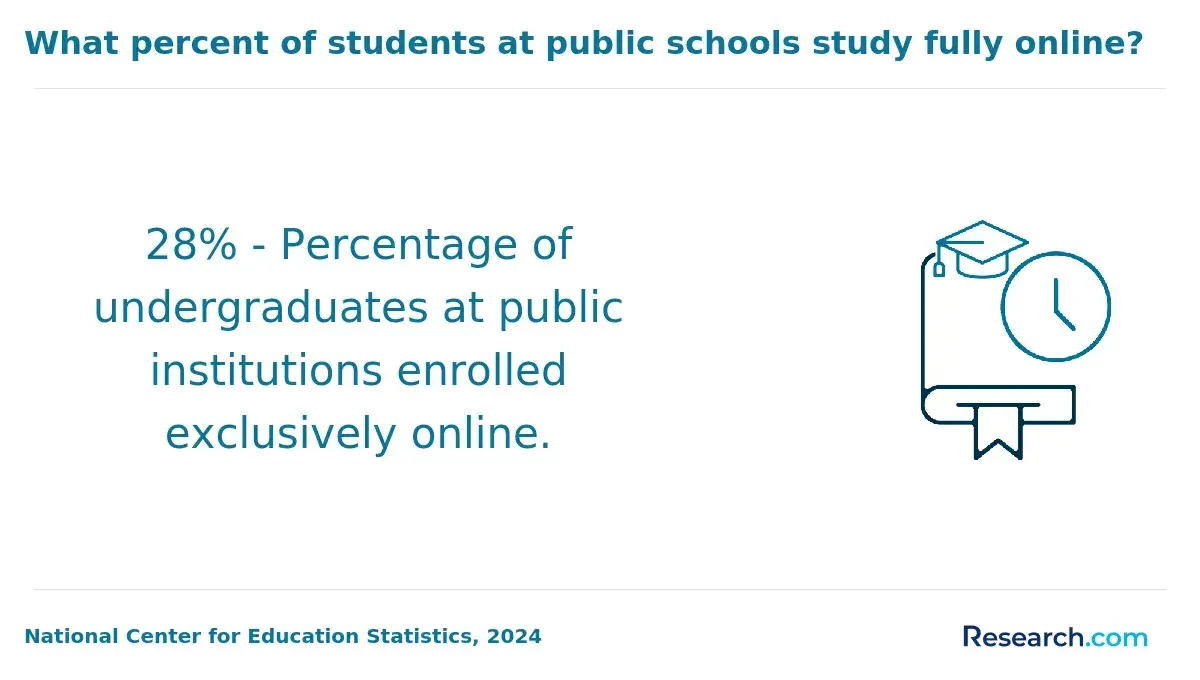
The part-time format suits working professionals who prioritize steady progress without disrupting full work schedules. Full-time enrollment targets individuals able to dedicate consistent hours weekly, often resulting in faster degree completion but with greater intensity. The self-paced format offers maximum scheduling flexibility, appealing to self-directed learners or those with unpredictable schedules, although it demands strong time management. Reflecting a 19% increase in online course enrollment among adult learners reported by the National Center for Education Statistics, these formats respond to growing demand for adaptable education aligned with workforce needs.
How does part-time study at University of Miami - Miami Herbert Business School work?
Part-time online study options at University of Miami - Miami Herbert Business School provide critical flexibility for students juggling professional duties and family responsibilities. This format permits a reduced course load, making it plausible for employed learners to progress without interrupting income flow or personal commitments. For example, a mid-level manager aiming to complete an MBA while maintaining work obligations will benefit from this paced approach, though it often means extending the program beyond the traditional timeline. Research indicates nearly 60% of online graduate students enroll part-time, with the average degree completion extending by about 1.5 years compared to full-time peers. These factors shape how prospective students should assess part-time study relative to career timing and financial planning.
Key aspects of part-time study at University of Miami - Miami Herbert Business School include:
- Scheduling flexibility for working professionals: Part-time enrollment reduces course load, allowing students to balance studies with job and family duties, but extends total time to degree.
- Extended time to completion: The average part-time student requires about 1.5 years longer than full-time students, which delays potential return on educational investment and may impact employer expectations for advancement.
- Tuition cost considerations: The program's total tuition is $93,584 with a federal cost of attendance at $77,708. Part-time students might face higher per-credit costs due to their longer enrollment period.
- Availability of financial aid: Approximately 81% of part-time enrollees receive some aid, though dedicated scholarships for part-time students are not specifically offered.
- Graduation rates indicating success potential: An 84% graduation rate suggests most part-time students complete their degrees, albeit over extended timelines.
- Impact on career timing: Slower program pacing accommodates work-life balance but requires strategic planning to avoid delaying key career moves.
- Access to FAFSA approved online colleges financial aid: Students can explore support options through FAFSA approved online colleges, enhancing affordability despite part-time study financial tradeoffs.
What should you expect from full-time online study at University of Miami - Miami Herbert Business School?
Choosing full-time online enrollment at University of Miami - Miami Herbert Business School reflects a clear prioritization of accelerated degree completion and workforce re-entry over the flexibility typically gained with part-time study. Full-time students carry a credit load similar to traditional full-time enrollment, usually between 12 and 15 credit hours per semester, which demands a disciplined approach to balancing coursework and other responsibilities. Approximately 43% of online students opt for this pace, signaling a notable segment that values timely graduation despite the increased intensity. This commitment can translate into a shorter path to career advancement, though it requires managing a heavier workload and possibly reduced availability for outside employment or family obligations. The following points clarify how full-time online study differs practically from part-time options at Miami Herbert.
- Credit Load Intensity: Full-time students take roughly 12 to 15 credit hours each semester, significantly more than part-time peers. This results in faster degree completion but demands strong time management to prevent burnout.
- Accelerated Completion Timeline: Students usually finish their program in about two years, compared to a longer duration for part-time learners. This compression helps reduce overall living expenses and enables earlier workforce re-entry.
- Higher Annual Tuition Commitment: The upfront tuition costs are higher annually than for part-time study due to the larger course load. However, total expenses can balance out because the degree is completed sooner.
- Enhanced Financial Aid Eligibility: Full-time enrollment often increases access to institutional scholarships and grants beyond federal aid, supporting students facing higher immediate costs.
- Graduation and Salary Outcomes: Maintaining a full-time pace aligns with Miami Herbert's 84% average graduation rate and a median alumni salary of $75,328, indicating a solid return on investment linked to swift program completion.
- Work-Life Balance Challenges: The heavier academic demands may restrict hours available for employment or personal activities, a key factor for adult learners managing multiple roles.
- Strategic Career Impact: For example, a mid-career professional seeking quicker advancement might choose full-time study to leverage the accelerated learning format and access early salary increases typical for most profitable majors. This choice contrasts with part-time enrollment, which suits those needing gradual progress while maintaining steady work hours.
Prospective online students often seek self-paced programs to manage demanding work schedules, family responsibilities, or unpredictable life events. Self-paced formats enable learners to adjust their study intensity, providing flexibility that structured programs typically lack. This flexibility can be critical for those juggling multiple roles who cannot commit to fixed course timelines. However, opting for self-paced learning involves tradeoffs related to support, pacing discipline, and financing. At University of Miami - Miami Herbert Business School, students should carefully weigh these factors given the school's current offerings. Below are key points to consider.
- Absence of Formal Self-Paced Programs: The school does not currently offer officially recognized self-paced online MBAs, focusing instead on structured part-time and full-time tracks. This limits options for students needing full control over pacing.
- Structured Schedule Benefits: Fixed course schedules foster cohort engagement, regular faculty interaction, and defined timelines. For many students, this creates accountability and predictability absent in self-paced formats.
- Financial Aid Implications: With 81% of students receiving financial aid, structured programs better align with aid disbursement tied to term progression. Self-paced study could complicate or reduce financial assistance eligibility.
- Graduation and Career Outcomes: Graduation rates around 84% and median alumni salaries near $75,328 reflect the efficacy of current structured formats. Self-paced alternatives may lack comparable outcome data at this institution.
- National Demand for Flexibility: A 2024 report shows 17% of online students enroll in self-paced or competency-based programs, signifying growing interest from adult learners balancing work and family commitments. University of Miami's lack of this option may deter this segment.
- Impact on Time to Completion: Self-paced learners nationally often reduce total program duration by accelerating coursework during available periods. At the University of Miami, fixed schedules can prevent faster completion for students with variable availability.
- Consideration of Learning Style: Students who thrive under structured deadlines benefit from Miami Herbert's model, while those requiring autonomy and flexible pacing might find the rigid format restrictive and challenging to sustain.
One graduate recalled comparing options when balancing a job with erratic hours and family care. She noted, "I initially sought a self-paced program to control study times when work got hectic. Miami Herbert didn't offer that, but the structured track gave me deadlines I needed to stay on track. It was tough at moments, but having a cohort and set dates helped me push through when I might have stalled on my own." Her experience illustrates the tension between flexibility desire and the motivating structure of cohort-based learning at University of Miami - Miami Herbert Business School.
Balancing education with work and personal responsibilities requires clear understanding of online scheduling options. Many students at University of Miami - Miami Herbert Business School navigate part-time and full-time online class scheduling to align studies with their complex lives. For example, a working professional with family duties might choose part-time enrollment to spread coursework over longer periods, allowing sustained focus without burnout. Such flexible online course schedules accommodate varying availability and reduce conflicts common in traditional semester formats.
Online courses at University of Miami - Miami Herbert Business School typically follow structured semester timelines for full-time students, with fixed start dates and assignment deadlines that encourage regular engagement. Part-time students experience a more extended schedule that spaces classes out to fit work commitments. Self-paced options add another layer of flexibility, allowing learners to complete courses asynchronously at their own speed, which suits those with unpredictable hours. Notably, 78.6% of online learners report high satisfaction with these scheduling choices, correlating with better completion rates than national averages, emphasizing the practical value of such adaptability.
Considering whether this model fits an individual's needs involves weighing self-discipline demands and networking opportunities. Self-paced study requires strong personal motivation, while part-time paths can slow peer interaction, influencing long-term career connections. Understanding these trade-offs helps prospective students pick schedules that match their preferred learning style and professional timelines.
Those exploring accelerated online degrees at University of Miami - Miami Herbert Business School should carefully examine their availability and goals. Choosing between part-time and full-time options or a self-paced approach can impact employability and educational return on investment. Detailed review of each format's requirements alongside personal circumstances ensures alignment with both short-term capacity and long-term aspirations, ultimately enhancing program outcomes.
The optimal online learning format at University of Miami - Miami Herbert Business School cannot be universally defined because individuals balance diverse commitments and aspire to distinct outcomes. Selecting between full-time, part-time, and self-paced options should reflect personal responsibilities, capacity for immersion, and how tightly timelines align with career goals. For example, a working parent may prioritize flexibility, while someone eager to shift careers swiftly might opt for full-time study. A recent survey found 58% of online learners prefer part-time programs for better integration with their lifestyle, signaling a widespread need for sustainable pacing. These factors together shape long-term academic persistence and professional reputation more than speed alone.
Prospective students should consider these lifestyle factors carefully when choosing their preferred format:
- Work Schedule Demands: The rigidity or variability of your job hours influences feasible study intensity. Full-time formats suit those with predictable availability, while part-time or self-paced options accommodate fluctuating or longer workdays. Evaluating your employer's support for education also affects your ability to maintain consistent progress.
- Family and Caregiving Responsibilities: Care duties require adaptable learning windows. Self-paced programs offer maximum scheduling freedom but risk slower completion without external deadlines. Part-time study balances structure with flexibility, helping to manage both coursework and family demands without overload.
- Learning Style and Discipline: Structured and immersive learners often benefit from full-time study that enforces routine and momentum. Conversely, self-directed learners who thrive on autonomy may prefer the self-paced option despite its challenges in maintaining engagement and pacing.
- Career Urgency and Advancement Goals: Those seeking rapid role changes or new skills for immediate application tend to prefer full-time enrollment for faster credentialing. Part-time allows steady upskilling without career interruption, while self-paced might delay benefits due to extended completion times.
- Technology Access and Study Environment: Reliable tech and quiet study spaces are crucial, especially for intensive full-time formats where sustained focus is needed. Part-time and self-paced formats may allow studying in varied environments but require proactive planning to avoid distractions.
- Financial Planning and Tuition Budgeting: Part-time study can spread costs over a longer period easing financial strain, which is essential for many balancing education with ongoing expenses. Full-time programs may require upfront investment but shorten total cost duration. Self-paced learners need to consider time-to-completion affecting overall expenses.
- Employer and Industry Expectations: Some sectors value fast completion signaling readiness, others prioritize consistent progress indicating reliability. Understanding your target industry's norms helps align format choice with how qualifications are perceived professionally.
One prospective student illustrated this dilemma clearly. Maria, a marketing specialist with a newborn and variable work hours, hesitated between formats. Full-time study promised a definitive end date but felt unrealistic given her caregiving role. Self-paced study offered ideal flexibility but worried her because she lacked the discipline to avoid procrastination. In the end, Maria chose part-time enrollment at University of Miami - Miami Herbert Business School. She valued its balanced pace, feeling confident it would let her maintain steady academic progress without sacrificing family time. This decision reflected both her current constraints and her long-term aim to increase her salary within two years, showing how matching format to real-life conditions reduces stress and supports meaningful advancement.
Enrollment status is crucial for online students at University of Miami - Miami Herbert Business School because it shapes both academic pacing and financial burden. Full-time enrollment condenses the degree timeline but requires higher tuition payments each semester. This upfront cost can be challenging yet may reduce overall expenses by shortening the total duration of study and limiting ancillary costs like housing or lost income. Choosing part-time status spreads fees over more semesters, easing immediate financial pressure but potentially increasing aggregate costs through extended enrollment and extra institutional fees.
Full-time students face a heavier workload per term, which can limit their ability to maintain full employment or manage other responsibilities effectively. Part-time students often balance coursework with jobs but extend their time in the program, delaying graduation and entry into higher-earning roles. A 2024 study by the National Center for Digital Education revealed that part-time enrollees at Miami Herbert typically pay 15% more in aggregate fees due to longer enrollment, a trade-off many accept for greater schedule flexibility.
These dynamics demonstrate practical trade-offs: accelerated completion under full-time enrollment maximizes early career gains and potentially lowers total cost of attendance but demands substantial, concentrated effort. Part-time enrollment preserves work-study balance and reduces semesterly expenses but can elevate debt and delay career advancement. Prospective students must evaluate how each path aligns with their financial situation, time availability, and tolerance for debt versus the urgency of degree completion.
For example, a mid-career professional maintaining a full-time job might prefer part-time enrollment despite higher total fees, valuing manageable workload and steady income. Conversely, a recent graduate aiming to minimize debt and enter the workforce quickly would likely benefit from full-time enrollment to leverage early earnings growth. Selecting the optimal enrollment status at University of Miami - Miami Herbert Business School hinges on weighing these factors within one's unique career and financial framework.
Success in University of Miami - Miami Herbert Business School's online learning depends on more than owning current technology. Students must develop self-discipline and time management to thrive in part-time, full-time, or self-paced formats. A functioning computer, webcam, and stable internet create a foundation, but navigating Canvas LMS and managing deadlines independently demands digital fluency and active engagement. Courses mirror remote work environments, where employers expect effective collaboration and problem-solving without direct supervision. Addressing these demands requires combining reliable hardware with refined learning habits. The following aspects are critical for their success.
- Current Technology and Connectivity: Students need a computer with at least 8GB of RAM, a webcam, microphone, and stable high-speed internet. This setup ensures seamless participation in synchronous sessions and trouble-free submission of assignments.
- Canvas LMS Proficiency: Understanding how to navigate discussion boards, submit work electronically, and track schedules autonomously is vital. Familiarity with this platform reduces technical obstacles and supports academic consistency.
- Basic Troubleshooting and Software Skills: Competence with Microsoft Office or Google Workspace and basic troubleshooting prevents minor issues from disrupting coursework, fostering independence in digital task management.
- Time Management and Self-Motivation: Effective scheduling and sustained motivation without constant oversight reflect the self-regulation needed to meet deadlines and persist through challenges in online learning and future workplaces.
- Virtual Collaboration Abilities: Active participation in online group discussions and peer interactions builds communication skills employers expect and supports knowledge sharing crucial for complex problem-solving.
- Orientation and Technical Support Utilization: Leveraging orientation modules and available tech support enhances students' readiness, reducing dropout risks linked to technical frustration.
- Real-World Scenario Application: For example, a student balancing part-time work can succeed by using early online course access to plan study hours strategically while testing technology setup beforehand, preventing conflicts between work and classes.
A national study found that 68.4% of online students satisfied with their digital platforms showed stronger self-regulation and time-management skills, highlighting these competencies' direct impact on persistence and career readiness. Developing these skills aligns with employer demands and the practical realities of successful online learning at University of Miami - Miami Herbert Business School. Prospective students considering their options, whether part-time or full-time, should evaluate how well they can meet these requirements before enrollment. This balance of technology and self-management is essential not only for academic achievement but also for long-term workforce success. For those interested in how accessible these learning models are for different backgrounds, including those seeking college degrees for felons, understanding these expectations can clarify potential pathways.
Prospective students should evaluate online learning formats carefully because program structure affects time management, engagement, and outcomes more than tuition alone. Differences in scheduling flexibility, pacing, and student support determine whether a program fits a student's work-life balance or learning style. Comparing these aspects helps reveal trade-offs between program rigor and personal capacity, guiding informed decisions that align with both educational goals and real-world demands.
The University of Miami - Miami Herbert Business School's online format offers part-time, full-time, and self-paced options that provide considerable flexibility but come with a higher financial investment than many peer institutions, with tuition totaling $93,584. Its structure supports diverse learner needs but maintains elevated admission selectivity, ensuring peer quality. This contrasts with some competitors that offer more accessible entry but often lack comprehensive support, impacting retention and student success.
A 2024 study by the Online Learning Consortium highlights that programs like Miami Herbert's, which combine flexible pacing and robust student services, achieve better retention and career outcomes but demand disciplined time management. For example, a working professional balancing family must weigh whether the school's effective but intensive format aligns with personal responsibilities better than a less costly, less demanding program. This also ties into the median alumni salary of $75,328, emphasizing the value of enduring the program's challenges.
Choosing the best online format depends on matching program demands to personal circumstances and goals. Students seeking alternatives with distinct structures, including even doctorate without dissertation options, should weigh trade-offs such as cost, pacing, and support quality rather than focusing on rankings or tuition alone. This nuanced comparison helps tailor education decisions to practical workforce relevance and long-term success.
Choosing an online learning format must account for more than convenience. It should strategically support professional development, career transitions, or preparation for advanced roles. For instance, an early-career analyst aiming to shift into leadership within two years needs a structure that accelerates skill acquisition and fosters networking. Relying solely on flexibility can delay progress or restrict access to key opportunities that influence upward mobility.
At University of Miami - Miami Herbert Business School, full-time study often fits those ready to pause employment and commit intensely, typically yielding higher median earnings and a strong graduation completion rate. Part-time options accommodate mid-career professionals who require ongoing employment but want to leverage coursework in real time, maintaining employer relationships and applying new skills promptly. Meanwhile, self-paced learners trade immediate peer and mentor interaction for maximal schedule flexibility, which can limit networking and reduce competitive edge for higher-paying or executive roles.
Consider a finance professional juggling a demanding job and family who aims to move into senior management within five years. Part-time study offers a practical balance between maintaining income and progressing educational goals, supported by University of Miami - Miami Herbert Business School's career services. Conversely, someone early in their career without employment constraints may benefit more from a full-time program's concentrated immersion. Evaluating these trade-offs is crucial-no single format universally guarantees success.
To select the right format, students should assess current responsibilities, employer expectations for professional development, and how quickly they need to graduate. Aligning these factors with long-term career objectives helps optimize outcomes. The University of Miami - Miami Herbert Business School data showing part-time graduates report a 15% higher salary increase within two years compared to self-paced learners highlights the value of structured pacing combined with sustained professional engagement. This insight underscores the need for prospective students to realistically match format choice to their situational realities and ambition horizons.
What Graduates Say About University of Miami - Miami Herbert Business School Online Learning Formats
- Tyler: "Choosing the part-time online format at University of Miami - Miami Herbert Business School was essential for me as I juggled a full workload and family commitments. The structured schedule helped me create a steady rhythm, even though it sometimes meant long nights and early mornings to keep pace. Ultimately, earning my degree this way opened doors to a leadership role in my company, proving that balancing work and study was challenging but worthwhile."
- Dyanne: "Opting for the full-time online program provided an immersive experience that suited my goal of finishing quickly without compromising depth. Adjusting to the accelerated learning pace was intense, demanding strict discipline and adaptability, especially while working remotely. Graduating from University of Miami - Miami Herbert Business School with this format fast-tracked my promotion and gave me the confidence to manage complex projects."
- Grant: "The self-paced online option was perfect for me since my work schedule varies frequently and I needed the flexibility to adapt my study time. There were moments when motivation waned, but the ability to control my progress allowed me to dive deeper into topics when time permitted. Completing my degree from University of Miami - Miami Herbert Business School through self-paced study gave me the knowledge and credentials to switch careers smoothly, even if the timeline was longer than traditional tracks."
Other Things You Should Know About University of Miami - Miami Herbert Business School Degrees
Students need a reliable laptop or desktop computer, a stable high-speed internet connection, and access to the university’s learning platform and video-conferencing tools. Courses may use Zoom, Canvas, or similar systems for live sessions, recorded lectures, assignments, and group work, so a webcam and microphone are also recommended.
Yes, format choice significantly influences networking at University of Miami - Miami Herbert Business School. Full-time and part-time options often include live sessions and group projects that facilitate real-time interaction, fostering peer connections and alumni networks. Self-paced learners may face challenges in building meaningful relationships due to limited synchronous engagement, which can affect mentorship and job-market leverage post-graduation. Prospective students prioritizing career growth through networks should weigh the interactive benefits of scheduled formats over the flexibility of self-paced study.
University of Miami - Miami Herbert Business School's full-time online study requires consistent, intensive effort, which can be stressful but leads to quicker completion and immersive learning. Part-time programs spread the workload over a longer period, reducing immediate pressure but potentially prolonging stress and impacting long-term motivation. Self-paced formats offer the greatest flexibility to balance workload with personal commitments, but the onus is on the student to maintain momentum, which can lead to procrastination and uneven stress fluctuations. Choosing a format depends on an individual's ability to manage time and stress over a set or indefinite period.
Part-time formats generally offer the best balance for working professionals aiming for advancement, as they allow integration of learning with job responsibilities and immediate application of skills. Full-time programs may require stepping away from work, risking income and professional momentum, but can accelerate career changes. Self-paced options risk isolated study with less employer visibility and fewer networking points, potentially limiting immediate career impact. Part-time learners also benefit from ongoing connection to their work environment, which enhances relevance and employer recognition of new competencies.
- Home https://www.herbertmiami.info/
- Earn Miami Herbert Business School's global online MBA from anywhere https://mbatube.com/video/executive-mba---shira-kaston-university-of-miami--school-of-business
- University of Miami Online Master of Business Administration - Online Graduate Programs https://onlinegraduateprograms.net/university-of-miami-online-master-of-business-administration/
- Master's Degree in MBA: Online or Hybrid | MIUniversity https://miuniversity.edu/en/academics/master-degree/international-mba/
- University of Miami online MBA https://www.edx.org/masters/online-mba/miami-master-of-business-administration
- University of Miami Herbert Business School https://poetsandquantsforundergrads.com/school-profile/university-miami-herbert-business-school/
- Study Online Professional MBA in University of Miami: Miami Herbert Business School — Unimy https://www.unimy.com/school/university-of-miami-miami-herbert-business-school/blended-distance-online/2056
- University of Miami - Miami Herbert Business School https://www.princetonreview.com/business/university-miami-miami-herbert-business-school-1011133
- University of Miami Online Master of Business Administration https://www.bschools.org/profiles/university-of-miami-online-mba