2027 Johns Hopkins University Online MS in Biotechnology - Regenerative and Stem Cell Technologies: Cost, Curriculum, Admissions, and Career Outcomes

Co-Founder and Chief Data Scientist
Evaluating whether an online MS in Biotechnology - Regenerative and Stem Cell Technologies at Johns Hopkins University suits one's academic and career ambitions involves more than reviewing curriculum details. With online enrollment in graduate STEM programs growing nearly 20% in 2024 according to the National Center for Education Statistics, accessibility and flexibility have become critical decision factors.
Prospective students must consider how the program's structure aligns with their schedules, learning preferences, and career goals in a field driven by rapid innovation and specialized skills. This article explores the program's cost, curriculum, admissions criteria, and career outcomes to inform such critical choices.
Key Points About Johns Hopkins University's MS in Biotechnology - Regenerative and Stem Cell Technologies Program
- The program's 8% acceptance rate reflects a highly selective admissions process, signaling strong competition that may impact applicants' chances and necessitate thorough preparation.
- Graduates leverage Johns Hopkins University's industry reputation, improving employer interest in regenerative and stem cell fields but requiring ongoing skills alignment with evolving biotech demands.
- With a tuition cost of $80,778, potential students must weigh financial commitment against career trajectory gains, recognizing this investment can be a barrier for some despite long-term industry prospects.
What can students expect from Johns Hopkins University's online MS in Biotechnology - Regenerative and Stem Cell Technologies curriculum?
Johns Hopkins University's online MS in Biotechnology - Regenerative and Stem Cell Technologies curriculum demands integration of core biotechnology foundations with specialized expertise in stem cell science, reflecting a hybrid between broad U.S. biotechnology standards and a targeted regenerative medicine focus.
For example, professionals moving from traditional biotech roles into regenerative therapy development will find the curriculum's structure facilitates this transition by combining theoretical and applied knowledge in a flexible online format. The program requires navigating complex scientific, regulatory, and ethical issues simultaneously.
The following summaries highlight essential coursework components:
- Core Biotechnology Fundamentals: Students engage with molecular and cellular biology, bioprocessing, and bioinformatics, which establishes a rigorous scientific foundation necessary for understanding downstream regenerative technologies. This foundational work ensures workforce readiness by emphasizing data interpretation and experimental design critical to biotech sectors.
- Advanced Regenerative and Stem Cell Technologies: This includes stem cell biology, tissue engineering, and clinical applications of regenerative therapies. Coursework combines theory with virtual lab simulations to develop practical skills, supporting students transitioning directly into research or industry positions focused on regenerative products.
- Regulatory and Commercialization Strategies: Comprehensive coverage of ethical considerations, regulatory affairs, and commercialization prepares students for the realities of biotech innovation management. Understanding these elements is essential given industry emphasis on compliance and market viability in product development.
The curriculum's alignment with common U.S. MS Biotechnology programs, enhanced by specialized regenerative science content, positions graduates to address workforce demands in academia, healthcare, and biotech industries.
Practical components like capstone projects or theses simulate problem-solving in applied settings, making the degree relevant beyond theoretical knowledge.
Prospective students balancing evolving employer expectations with flexible, online delivery should also consider related opportunities such as the cheapest online PhD programs to complement or extend their expertise.
What are Johns Hopkins University's admission requirements for online MS in Biotechnology - Regenerative and Stem Cell Technologies program?
Admission to Johns Hopkins University's online MS in Biotechnology - Regenerative and Stem Cell Technologies is selective, focusing on a blend of academic credentials and personal recommendations rather than standardized tests.
For instance, a candidate with strong undergraduate coursework but limited extracurricular STEM experience will still need recommendation letters to validate their potential for graduate success.
Below are key admission requirements prospective students should expect to meet:
- Academic Records: Applicants must submit secondary school records and a secondary school GPA; a college-preparatory program is advised to demonstrate foundational readiness for the graduate curriculum.
- Letters of Recommendation: Mandatory letters help assess the candidate's suitability, offering insights into their academic capabilities and professional potential beyond transcripts.
- English Proficiency: Non-native English speakers are required to provide valid TOEFL scores, ensuring they can engage effectively with complex coursework and communicate in an academic environment.
- Standardized Tests: Neither SAT, ACT, nor GMAT scores are required, reflecting a focus on holistic evaluation rather than test-based metrics common in undergraduate admissions.
- Transfer and Advanced Credits: While transfer policies are not clearly outlined, advanced placement (AP) credits may be accepted; however, credits for life experience or dual enrollment are not granted, which reinforces reliance on traditional academic preparation.
Is it difficult to get admitted to Johns Hopkins University's online MS in Biotechnology - Regenerative and Stem Cell Technologies program?
Admission to a master's program focused on biotechnology with an emphasis on regenerative and stem cell technologies typically demands above-average academic credentials due to the specialized nature and industry relevance of the field.
Competition is stiff since employers in pharmaceuticals and healthcare expect candidates to have rigorous training and often relevant practical experience. Applicants must also demonstrate a clear focus on emerging biotechnological methods, which narrows the candidate pool and elevates entry standards.
Within this context, Johns Hopkins University's online program operates at a notably selective threshold, with an acceptance rate near 8%. Out of approximately 38,926 annual applicants for graduate-level biomedical and biotech programs, only around 2,943 spots are available, reflecting intense demand and limited capacity.
The admissions committee looks for top-tier academic markers, including SAT scores generally ranging from 750 to 780 in Verbal and 780 to 800 in Math, and ACT scores of 34 to 36, underscoring the program's expectation for a strong quantitative and analytical foundation.
One graduate shared that the complexity of the application process felt daunting initially, especially balancing the need to highlight both academic excellence and relevant work experience within tight deadlines.
They noted hesitation when deciding how best to present their nontraditional research background but found that a well-curated statement focused on specific skills and industry alignment helped differentiate their candidacy in a highly competitive pool.
What is the cost of attending an online MS in Biotechnology - Regenerative and Stem Cell Technologies program at Johns Hopkins University?
Tuition and fees for the online MS in Biotechnology - Regenerative and Stem Cell Technologies program at Johns Hopkins University total approximately $63,340 annually, excluding additional expenses like books and living costs, which bring the total closer to $80,778.
These figures underscore a significant investment that does not vary by student location, since the university applies the same tuition rates to online learners as to on-campus students without specific digital fee adjustments or in-state tuition discounts.
This structure can impact decision-making for prospective students balancing cost against program flexibility and prestige.
The program's cost notably exceeds many similar MS offerings nationwide, where tuition for biotechnology specializations in regenerative and stem cell technologies tends to be lower on average.
Johns Hopkins University's higher cost aligns with its status as a research-intensive institution but requires students to critically assess the return on this investment, particularly if financing options are limited or if immediate affordability is a priority.
Understanding how these financial commitments translate into workforce opportunities is vital. In fields like biotechnology research or regenerative medicine, employers often expect candidates to have robust, specialized training, which programs like this aim to provide.
However, the premium price may not always correspond directly to increased employability or salary uplift compared to more affordable, well-regarded alternatives. This tradeoff is crucial for candidates considering a substantial commitment to this MS in Biotechnology Regenerative and Stem Cell Technologies at Johns Hopkins University.
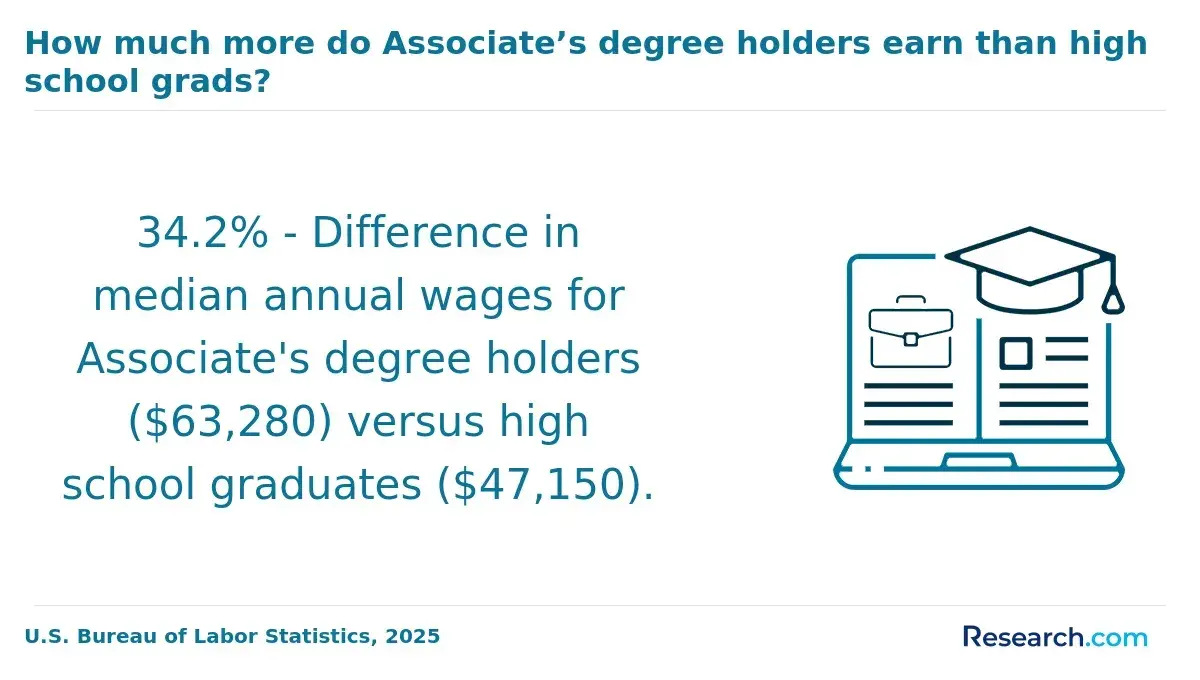
For those seeking entry points into advanced life sciences without the same financial burden, exploring undergrad or associate alternatives such as an associate's degree online might offer a more economical path toward biotechnology careers, especially given the evolving emphasis on multidisciplinary skills over traditional credential hierarchies in some sectors.
Are there financial aid options for online MS in Biotechnology - Regenerative and Stem Cell Technologies students at Johns Hopkins University?
Financial aid availability directly influences whether pursuing an online MS in Biotechnology - Regenerative and Stem Cell Technologies at Johns Hopkins University is a feasible investment, given the significant cost of specialized graduate education.
Considering that most students at the university receive some aid, the specific financial pathways open to this cohort can mitigate the otherwise high financial burden, although amounts and eligibility vary notably.
Navigating these options wisely affects long-term debt management and career flexibility in biotechnology sectors where employer tuition support and federal benefits may shift an individual's financial strategy.
Below are key financial aid categories relevant to prospective students:
- Institutional Scholarships: Awarded based on academic merit or specific research interests, these scholarships typically cover partial to substantial tuition costs and require maintaining satisfactory academic progress within the program.
- Program-Specific Grants: Targeted grants for the MS in Biotechnology provide funds aimed at supporting research in regenerative and stem cell fields, often necessitating project proposals or demonstrated alignment with program goals.
- Corporate Tuition Reimbursement: Students employed in biotech or related companies may secure employer-sponsored tuition benefits, usually reimbursing a portion of expenses contingent on continued employment and grade requirements.
- Federal Student Loans: Available under standard federal guidelines, these loans provide subsidized or unsubsidized options based on financial need, requiring enrollment and academic progress to remain eligible.
- Veteran Education Benefits: Eligible veterans and dependents can use GI Bill benefits applicable at Johns Hopkins University, providing significant federal support contingent on military service criteria.
What learning resources are available to online MS in Biotechnology - Regenerative and Stem Cell Technologies students at Johns Hopkins University?
Effectively navigating an online MS in Biotechnology - Regenerative and Stem Cell Technologies program demands access to resources that bridge the gap between remote learning and the hands-on, interdisciplinary nature of the field.
Without robust digital and academic support, students may struggle to fully engage with complex biotech concepts or leverage emerging regenerative medicine technologies, which can affect both skill acquisition and employability.
Recognizing these challenges, Johns Hopkins University provides a range of tools and services designed to mitigate the limitations inherent in virtual education.
Below is an overview of key resources that help maintain academic rigor and professional relevance for enrolled students:
- Technical Infrastructure: This includes reliable digital platforms enabling access to course materials, virtual labs, and interactive modules essential for simulating biotechnology experiments. Reliable connectivity and prompt IT support reduce downtime, a critical factor in maintaining study continuity and minimizing delays in project completion.
- Virtual Library Access: Comprehensive online databases and specialized journals focus on biotechnology and regenerative medicine. This resource supports in-depth research and keeps students abreast of the latest industry findings, a necessity given how rapidly the field evolves.
- Academic Advising: Personalized guidance helps students align coursework with career goals and degree requirements, which is particularly important in a highly specialized discipline where course selection impacts future job market positioning.
- Writing and Tutoring Services: Targeted assistance in scientific communication sharpens research presentation skills, an often overlooked but crucial competency given employer expectations for clear, precise reporting in biotech roles.
- Career Placement Support: Leveraging extensive alumni networks and industry partnerships, students gain access to internships, career counseling, and biotech-specific job leads. These connections are vital in an industry where practical experience and professional contacts significantly influence hiring decisions.
Does Johns Hopkins University's online MS in Biotechnology - Regenerative and Stem Cell Technologies program have in-person clinicals or practicums?
Hands-on clinical practicums remain a crucial component in many regenerative medicine master's programs due to their role in developing practical laboratory skills and direct patient or sample interaction.
For candidates seeking roles in biotech firms or clinical research settings, this experience often signals readiness to engage in applied technical work immediately upon graduation. However, such requirements can impose significant logistical challenges, especially for professionals balancing full-time work or residing far from campus locations.
Johns Hopkins University's online MS in Biotechnology - Regenerative and Stem Cell Technologies response to this challenge is to forgo traditional in-person clinicals or practicums. Instead, the program integrates virtual lab simulations, case studies, and project-based assignments designed to simulate real-world laboratory and research scenarios.
This approach maintains rigor in developing critical technical competencies while providing the flexibility needed for distance learners-a clear differentiator for those who cannot relocate or take extended time off work. The absence of in-person requirements, however, may influence how employers weigh candidates in sectors where hands-on experience is heavily prioritized.
While hands-on opportunities can accelerate skill acquisition in certain job markets, the onlineMS in Biotechnology - Regenerative and Stem Cell Technologies at Johns Hopkins University focuses on theoretical foundations and applied knowledge through interactive digital platforms and faculty mentorship.
Prospective students should consider the tradeoff between remote accessibility and direct clinical interaction as they evaluate this option amid other programs that might emphasize practical placements. Students who require or prefer traditional hands-on lab experience might investigate other accredited online universities offering hybrid or in-person components in their curricula.
What careers can graduates of online MS in Biotechnology - Regenerative and Stem Cell Technologies at Johns Hopkins University secure?
The professional marketability of graduates from the online MS in Biotechnology - Regenerative and Stem Cell Technologies at Johns Hopkins University hinges on the degree's ability to translate scientific expertise into workplaces that increasingly value both innovation and regulatory savvy.
This program targets careers requiring interdisciplinary skills in cellular therapies and product development, where decisions about specialization impact long-term trajectory amid evolving biotechnology demands.
Graduates entering the job market must also weigh options between roles focused on technical research, operational leadership, or compliance strategy, each offering different responsibilities and compensation structures.
Below are common career outcomes aligned with the specific knowledge and competencies emphasized by this degree:
- Research Scientist: Professionals in this role design and execute experiments aimed at developing stem cell therapies and regenerative treatments. Their work involves complex data analysis and collaboration with clinical teams, typically earning competitive salaries tied to research funding and industry demand.
- Biomedical Engineer: These specialists create biomaterials and medical devices that support tissue regeneration. The role combines engineering principles with biological systems and offers opportunities in startups or established firms focused on innovation within regenerative medicine.
- Clinical Laboratory Manager: Graduates managing laboratory operations ensure compliance with regulatory standards and quality control in cell-based testing environments, essential for maintaining accreditation and patient safety in clinical settings.
- Regulatory Affairs Specialist: This position requires navigating complex governmental approvals and compliance for biotechnological products, a crucial function in a sector subject to stringent oversight and continuous policy shifts.
Job prospects for graduates of Johns Hopkins University online MS in Biotechnology - Regenerative and Stem Cell Technologies also extend into pharmaceutical research, biotech startups, and academia, reflecting increasing demand across healthcare systems.
Students should consider the practical tradeoffs between immediate technical roles and strategic regulatory positions as they map their career paths. For those comparing similar programs, reviewing employment data alongside tuition and admission rigor helps clarify long-term return on investment.
Prospective students may also explore options among no application fee online colleges to mitigate entry costs while maintaining competitive credentials.
What is the salary outlook for online MS in Biotechnology - Regenerative and Stem Cell Technologies graduates?
The salary outlook for graduates of the Johns Hopkins University online MS in Biotechnology - Regenerative and Stem Cell Technologies reflects a competitive position within the STEM labor market, emphasizing the specialized nature of skills obtained.
Graduates can typically expect median annual earnings near $87,555, a figure that notably surpasses median salaries in more general biology or cellular biology fields, which are significantly lower.
This wage premium highlights the value employers place on expertise in regenerative medicine and stem cell applications amid growing demand across healthcare systems and biotech industries.
Salary expectations for graduates of Johns Hopkins University online MS in Biotechnology - Regenerative and Stem Cell Technologies gain additional context when compared with related disciplines. For example, biomedical engineering alumni earn median salaries closer to $35,386, while chemical engineering graduates report median earnings around $51,234.
These comparisons reveal tradeoffs: choosing this specialized biotechnology path may afford faster income gains compared to broader biological science careers but requires commitment to an interdisciplinary curriculum that bridges biology, engineering, and clinical research sectors.
The career growth and income potential in regenerative and stem cell technologies from Johns Hopkins University align with roles in research and development, clinical trials, and biotechnology innovation, sectors where practical skills directly influence compensation.
Prospective students evaluating their options should also consider emerging alternatives such as online PhD no dissertation pathways, which may offer different timelines and financial outcomes depending on career goals and workforce demands.
How do you know if Johns Hopkins University's online MS in Biotechnology - Regenerative and Stem Cell Technologies program is the right choice for you?
Assessing whether a Johns Hopkins University online MS in Biotechnology - Regenerative and Stem Cell Technologies program fits your specific needs demands a careful balance of educational goals, learning preferences, and career aspirations.
This evaluation is crucial since the program's structure and focus can directly influence your adaptability in rapidly evolving biotech sectors.
Consider the following criteria to guide your decision:
- Program Flexibility and Delivery: The blended asynchronous and occasional live sessions model suits those requiring adaptable schedules, especially professionals balancing work and study. Analyze if this format supports your learning style and time constraints without compromising engagement.
- Curriculum Relevance and Depth: Evaluate how well the courses align with your targeted industry-regenerative medicine, pharmaceuticals, or translational research. Prioritize programs offering practical exposure and interdisciplinary insight that employers find valuable for innovation-driven roles.
- Faculty Access and Networking Opportunities: Consider the strength of mentorship and peer collaboration available virtually. Strong faculty interaction and a supportive student community can impact your ability to develop industry connections and access cutting-edge knowledge.
- Career Outcomes and Employability: Review how graduates fare in the workforce, including access to specialized roles and advancement potential. A program emphasizing applied skills and translational technologies can differentiate candidates in competitive job markets.
One graduate recalled weighing these factors amidst a full-time research position and family commitments. The program's flexible schedule and focus on translational biotech convinced her it was a practical route without pausing her career.
She noted that while initial doubts arose around the efficacy of remote networking, sustained faculty engagement and collaborative virtual platforms mitigated isolation and enhanced professional growth. Her experience underscores the importance of matching program demands with personal circumstances and realistic career goals before committing.
What Graduates Say About Johns Hopkins University's MS in Biotechnology - Regenerative and Stem Cell Technologies Program
- Christian: "Completing my MS in Biotechnology - Regenerative and Stem Cell Technologies at Johns Hopkins University gave me a comprehensive technical foundation that was immediately relevant to my lab work. The program's emphasis on stem cell biology alongside rigorous coursework made a direct impact when I transitioned into research, but I quickly realized that employers heavily weigh practical experience and portfolios over degrees alone. Balancing remote coursework while interning part-time allowed me to accumulate tangible skills that meant more than any credential in my hiring process."
- Dalton: "Studying at Johns Hopkins University opened doors in an industry where licensure is not always required, but hands-on experience is king. The flexibility of the online MS in Biotechnology - Regenerative and Stem Cell Technologies program enabled me to pivot careers without pausing my income stream. While salary growth was somewhat limited without additional certifications, the program's real-world case studies and advanced regenerative techniques prepared me well to navigate complex project management challenges in a fast-evolving field."
- Parker: "Reflecting on my journey through the MS in Biotechnology - Regenerative and Stem Cell Technologies at Johns Hopkins University, I found the academic rigor both demanding and rewarding. The knowledge I gained definitely boosted my confidence, but in the current hiring landscape, many roles favor candidates with extended internships or specialized certifications, which prompted me to pursue additional credentials post-graduation. Nonetheless, the program's grounding in stem cell tech helped me secure a remote position, which was a decisive factor in maintaining work-life balance while building my career."
Other Things You Should Know About Degrees
The program offers asynchronous coursework designed to accommodate working professionals, but the workload is rigorous, with frequent deadlines and complex lab simulations. Students should anticipate dedicating substantial evening and weekend hours, which may strain those without strong time-management skills. Prioritizing this degree may require temporary reduction in other commitments to maintain academic performance.
Focusing on regenerative and stem cell technologies narrows your expertise, which can enhance employability in cutting-edge research or specialized biotech firms but may limit options in generalized biotech sectors. If your career aims include flexible roles across diverse biotechnology fields, a broader MS might offer more versatility. However, the specialized skills here are increasingly sought after, making this program advantageous if you target regenerative medicine roles.
Graduates can anticipate roles in biotechnology innovation, regenerative medicine, or stem cell research. Opportunities exist in academia, biotech firms, and healthcare sectors, facilitated by the program's emphasis on cutting-edge technologies and strong industry connections.
The curriculum is heavily research and technology-focused, which strengthens scientific expertise but offers limited exposure to business, regulatory affairs, or product management. Students aiming for roles in biotech business development or policy might find the program less comprehensive in those skills. Supplementing with external courses or professional development in these areas is advisable to enhance versatility in the biotech job market.
References
- JHU Online MS in Regenerative and Stem Cell Technologies https://www.mhaonline.com/school-profiles/jhu-ms-regenerative-stem-cell-technologies
- How to take advantage of Hopkins resources https://www.jhunewsletter.com/article/2020/08/how-to-take-advantage-of-hopkins-resources
- Master's in Stem Cell Biology Programs in the USA https://bestaccreditedcolleges.org/articles/masters-in-stem-cell-biology-programs-in-the-usa.html
- Online vs Traditional Degrees: Similarities and Differences https://www.aiu.edu/blog/online-vs-traditional-degrees/
- Accelerated Bachelor/Master Program https://units.cals.ncsu.edu/master-of-microbial-biotechnology/accelerated-bachelor-master-program/
- 15 In-Demand Biotechnology Career Paths to Consider https://jobsblog.danaher.com/blog/biotechnology-career-paths/