2027 Is Johns Hopkins University's Online MA in Cultural Heritage Management Worth It? What Students Should Know

Co-Founder and Chief Data Scientist
Choosing the right online MA in cultural heritage management program often presents a complex dilemma: balancing academic rigor with flexible learning and career relevance. With online graduate enrollment surging over 15% according to the National Center for Education Statistics, the pressure to select a program that aligns with evolving heritage sector demands intensifies.
Prospective students must weigh Johns Hopkins University's curriculum depth against workforce expectations for digital proficiency and interdisciplinary skills. This program's fit depends as much on professional goals as on learning style and time commitments. This article dissects these factors, equipping readers to assess if Johns Hopkins University's offering matches their unique academic ambitions and career pathways.
Key Points About Johns Hopkins University's Online MA in Cultural Heritage Management Program
- Johns Hopkins University's online MA in Cultural Heritage Management accepts only 8% of applicants, indicating a highly selective admission process that may limit access despite program strengths.
- Graduates achieve a median salary of $87,555, reflecting strong employer demand and positioning alumni well within cultural heritage job markets.
- With total tuition at $80,778, the program offers an 8.54x earnings to debt ratio, highlighting a significant financial payoff relative to its cost over time.
What makes Johns Hopkins University's online MA in Cultural Heritage Management program stand out?
The online MA in Cultural Heritage Management at Johns Hopkins University offers distinct value by combining rigorous academic content with flexible delivery, which suits working professionals balancing career and study. Unlike programs that rely solely on asynchronous methods, this setup includes live interactive sessions that help maintain engagement and promote networking crucial for cultural heritage careers, where collaboration and diverse perspectives are key.
A mid-career heritage professional can advance without pausing work, leveraging virtual site visits and digital archives to gain hands-on experience remotely. This program stands apart through its integration of a large, qualified faculty and extensive institutional resources, such as Johns Hopkins' research libraries and digital collections.
The 95% graduation rate underscores effective student support and curriculum relevance, but its true differentiation lies in marrying theoretical frameworks with practical applications aimed at global and digital challenges in heritage management. This matters to students who need not only credentials but also adapt to evolving employer expectations around technology use and cultural stewardship in diverse settings.
Is it difficult to get admitted to Johns Hopkins University's online MA in Cultural Heritage Management program?
The application process for a typical MA in Cultural Heritage Management is already selective due to the program's focus on a niche field with limited openings and strong employer interest in specialized expertise. Many programs require candidates to demonstrate both academic readiness and relevant experience, which naturally filters the applicant pool to a competitive few.
At Johns Hopkins University, this selectivity intensifies significantly. With an acceptance rate of just 8%, admission is highly competitive, reflecting the school's stringent academic standards and the volume of highly qualified applicants. From 38,926 annual applicants, only 2,943 gain admission, underlining a rigorous evaluation process that demands exceptional academic credentials, including SAT verbal scores between 750-780 and math scores up to 800 or ACT scores from 34 to 42. Such thresholds are uncommon for most cultural heritage management programs and suggest a candidate pool with extensive preparation and consistently strong performance.
This level of difficulty means prospective students must weigh the benefits of the program's prestige and flexibility against the risk of delay or multiple application cycles. The high benchmarks could require additional preparation time or retaking standardized tests, which can affect the timing of entering the workforce or advancing professionally in cultural heritage sectors.
One recent graduate shared that their application timeline was extended by nearly six months due to needing to improve standardized test scores after an initial rejection. They described balancing work commitments with intense study periods to meet Johns Hopkins' criteria, noting the stress of timing applications to coincide with career transitions. Ultimately, this candidate viewed the experience as a rigorous filter that clarified their commitment but acknowledged the financial and emotional investment was more demanding than expected.
How does the curriculum of Johns Hopkins University's online MA in Cultural Heritage Management program stay aligned with current industry trends?
The alignment between the curriculum of Johns Hopkins University's online MA in Cultural Heritage Management and contemporary industry demands reflects a strategic prioritization of skills critical for employability and practical impact. Cultural heritage professionals often face competing priorities between artifact preservation and community engagement, requiring a nuanced balance that this program attempts to instill.
A graduate working at a municipal heritage agency must navigate evolving digital tools while respecting multicultural narratives, ensuring compliance with heritage law and facilitating stakeholder collaboration. The program's integration of these elements illustrates a deliberate correspondence with industry realities.
The following factors illustrate how the curriculum aligns with cultural heritage industry standards:
- Practical Skill Emphasis: The curriculum prioritizes project-based learning and case studies that mirror real-world challenges, enhancing graduates' readiness to immediately contribute to museums, government agencies, and nonprofits where hands-on problem solving is essential.
- Technology Integration: Emphasizing GIS mapping and digital archiving equips students to meet growing demands for digital proficiency in cultural resource management, a critical competency as heritage organizations increasingly adopt data-driven approaches.
- Ethical and Multicultural Perspectives: Courses address heritage law and include frameworks for ethical stewardship and multicultural collaboration, recognizing the sector's shift towards inclusive heritage preservation and community-centered practices.
While Johns Hopkins University's curriculum shows clear integration of contemporary cultural heritage management practices, prospective students should weigh how the program's focus aligns with their target roles, especially given the increasing need for technical skills and policy awareness in the field.
Those interested in maintaining a balance between traditional stewardship and emerging community engagement will find this program strategically designed but should consider complementing it with practical experience or additional technical training. For students exploring educational pathways in related fields, quick online degrees might offer alternative routes but may lack the specialized applicability found here.
How much does Johns Hopkins University's online MA in Cultural Heritage Management program cost?
The cost of pursuing an online MA in cultural heritage management at Johns Hopkins University represents a substantial financial commitment. Tuition and mandatory fees alone amount to $63,340 annually, with additional expenses for books and supplies around $1,367. Including room, board, and other costs, the total annual investment can reach more than $80,000, a figure that aligns closely with the federal scorecard's reported $81,300 for in-state, on-campus students. This suggests that online learners should anticipate expenses similar to those studying on campus, as the university does not provide a discounted flat in-state tuition rate for remote participants.
Financial aid availability influences the real cost, but with some caveats. While approximately 67% of undergraduate students at Johns Hopkins University receive financial aid averaging $54,088, this aid tends to be concentrated at the undergraduate level and may not fully extend to graduate online programs. Still, the university's various grants, institutional aid, and corporate partnerships for tuition assistance could provide some relief, although these opportunities are not explicitly detailed for the online MA in Cultural Heritage Management program. Prospective students should consider this carefully and verify eligibility when calculating net costs.
Compared to the typical cost of other MA in cultural heritage management programs nationwide, Johns Hopkins University charges a significant premium. Specialized graduate degrees in this field usually come at a lower tuition cost, reflecting varying program scales and institutional resources. This higher price point at Johns Hopkins is presumably tied to its research reputation and faculty expertise, but students must weigh whether these advantages sufficiently justify the financial outlay. The decision to enroll should consider both the direct cost and the associated value in terms of career outcomes and employability.
For students evaluating investment against potential returns, it is useful to explore comparable fields or programs that balance cost and career prospects. For instance, reviewing the list of easiest college majors with high pay can help identify whether alternative paths offer better financial efficiency. Understanding these tradeoffs is essential before committing to a program with costs as high as those at Johns Hopkins University's online cultural heritage management program.
What are the admission requirements for Johns Hopkins University's online MA in Cultural Heritage Management program?
Meeting the admission requirements for Johns Hopkins University's online MA in Cultural Heritage Management program is a critical step that can shape access to specialized cultural heritage roles, where demonstrated academic readiness and English proficiency are often non-negotiable. Prospective students should understand these criteria carefully as they influence not only eligibility but also transfer credit opportunities and language qualification. Here is a concise overview of the key admission factors:
- Educational Background: Applicants must have completed high school or earned a GED certificate considered equivalent. While college-preparatory coursework is advised, it is not mandatory, though the university reviews secondary GPA and academic records closely.
- English Proficiency: Non-native English speakers are required to submit TOEFL scores to confirm language competence, a standard measure to meet graduate-level communication demands essential in cultural heritage fields.
- Recommendation Letters: Submission of letters of recommendation is compulsory, ensuring applicants provide external validation of their readiness and potential for graduate study, which employers often value in heritage management.
- Transfer Credits: Credits from previous postsecondary education may be accepted, primarily in the fall term, subject to passing grades and caps defined by Johns Hopkins University policies; however, life experience or dual credit from high school do not qualify.
- Application Materials: A personal statement or professional resume must be included to contextualize the applicant's background and objectives; standardized entrance exams or portfolios are not required for this program.
What is the ROI of attending Johns Hopkins University's online MA in Cultural Heritage Management program?
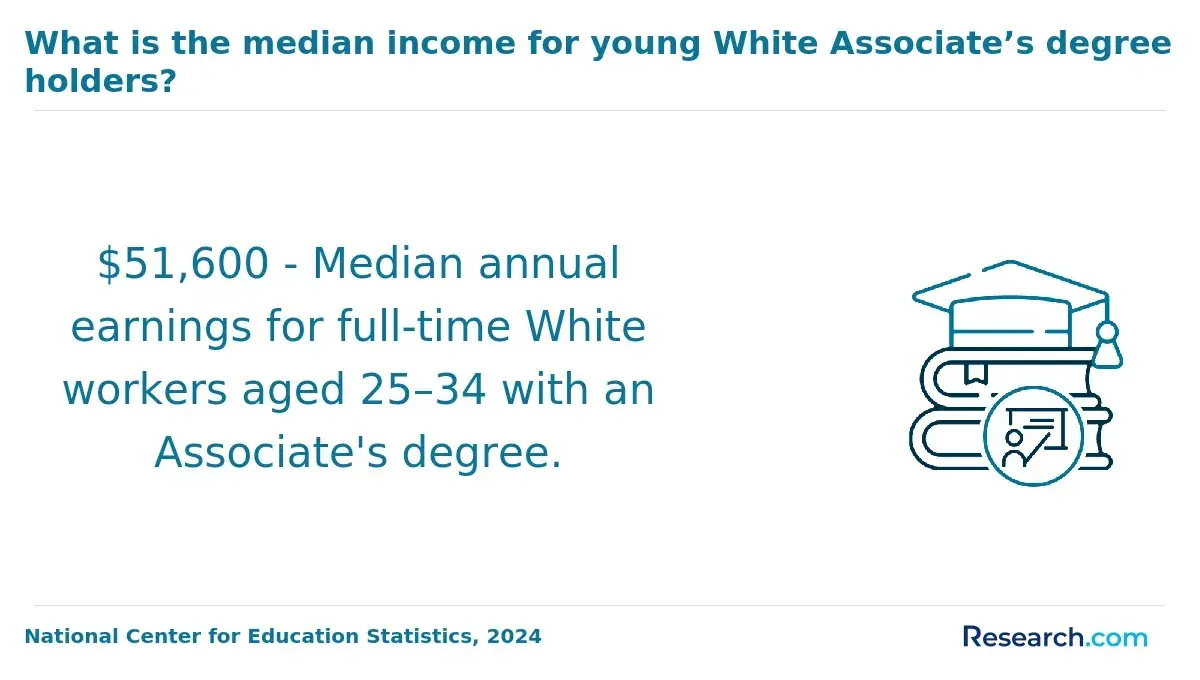
The financial return on investment for attending Johns Hopkins University's online MA in Cultural Heritage Management hinges on weighing its relatively high total cost against stable long-term earnings prospects. With annual costs near $80,778-including tuition and living expenses-this program represents a significant upfront commitment. Graduates report a median starting salary of approximately $87,555, consistent even a decade after graduation, suggesting a steady income plateaus rather than rapid growth.
Compared to the broader market of cultural heritage management professionals, these figures align reasonably well, but the high initial expense means graduates must carefully consider borrowing strategies and scholarship opportunities to optimize financial outcomes. A median student debt of $10,250 post-graduation leads to a graduate earnings-to-debt ratio of roughly 8.54x, indicating manageable debt relative to income for many alumni.
However, actual ROI varies substantially by employment setting-while some alumni secure roles in well-funded cultural institutions or government agencies with stable salaries, others might face more limited opportunities in smaller organizations where salary progression stagnates. For prospective students, leveraging scholarships or employer tuition assistance can meaningfully improve return on investment. Moreover, success depends partly on navigating a competitive job market where professional networks established through the university and relevant experience play pivotal roles in accessing higher-paying positions within the cultural heritage sector.
Ultimately, the decision to pursue this master's should factor in both the financial burden relative to salary trajectory and the student's ability to capitalize on the university's connections and scholarship resources, as well as their realistic employment prospects post-graduation.
Is there a high student satisfaction for Johns Hopkins University's online MA in Cultural Heritage Management program?
Satisfaction among students in the online MA in cultural heritage management at Johns Hopkins University tends to reflect a balance between rigorous academics and accessible support. While the program's demands require substantial commitment, many find that the university's extensive faculty resources and virtual mentoring help mitigate academic challenges. This structure is crucial for maintaining motivation and advancing through coursework, especially when learners juggle professional or personal obligations alongside studies.
Student engagement is strengthened through active online communities and student-led groups, which provide important social connections despite the remote format. This sense of belonging plays a significant role in satisfaction by reducing feelings of isolation common in distance education. However, prospective students should weigh the tradeoffs of flexible scheduling against the occasional difficulty of staying fully integrated without face-to-face interaction.
Johns Hopkins's broad institutional support-ranging from robust staff expertise to organized peer networks-contributes to a generally positive student perception of school-life balance. Nonetheless, the intensive nature of the curriculum means that those without strong self-discipline or external support systems might find the experience more challenging, affecting overall contentment with the program.
How does Johns Hopkins University help online MA in Cultural Heritage Management graduates secure employment?
Schools significantly influence a graduate's ability to enter the cultural heritage workforce, where networking and timely exposure to sector opportunities matter as much as academic credentials. Approximately 56% of cultural heritage jobs are secured through educational referrals or alumni connections, underscoring the value of institution-based career support.
For students weighing an online MA in Cultural Heritage Management, the availability of targeted job placement resources and mentorship can shift the practical advantage during and after studies. This suggests that program choice extends beyond curriculum strength to how embedded career services are within professional networks. Below are key ways Johns Hopkins University aids in employment acquisition for its online graduates.
- Virtual Job Fairs: These events link students with cultural institutions actively recruiting for heritage roles, allowing early visibility into openings before broader public listings. Such fairs foster direct employer contact, increasing likelihood of being hired right after graduation.
- Resume Workshops: Specialized online sessions help candidates tailor resumes to highlight competencies relevant to museums, archives, and preservation projects, which many employers consider essential screening criteria.
- Job Placement Portal: The university maintains a curated list of heritage management jobs exclusive to alumni and students, streamlining searches and aligning postings with program competencies.
- Alumni Mentorship: Access to a professional network of practicing cultural heritage specialists provides guidance on navigating the sector's hiring nuances and informs strategic career decisions early on.
These career services reflect the functional realities facing cultural heritage graduates, especially those pursuing an online MA in Cultural Heritage Management job placement assistance at Johns Hopkins University. As many employers prioritize referrals within known networks, these institutional supports become decisive variables in postgraduation employment trajectories.
Students should consider such integrated career pathways when evaluating online degree programs, particularly given the competitive job market in cultural heritage fields. For those hunting accelerated graduate options with career support, programs such as this align well with demands noted in rankings of 6 months masters degree online.
What are the career outcomes for recent graduates of Johns Hopkins University's online MA in Cultural Heritage Management?
Career outcomes significantly impact whether pursuing an online MA in Cultural Heritage Management at Johns Hopkins University aligns with one's professional and financial goals. The program tends to funnel graduates into nonprofit and public service roles where salaries are modest compared to STEM or business fields.
For those evaluating job prospects after completing Johns Hopkins University MA in Cultural Heritage Management program, understanding the tradeoff between meaningful cultural work and initial income limitations is crucial. The following roles typify where many graduates find opportunities and what they entail.
- Cultural Heritage Manager: This role focuses on overseeing the preservation, documentation, and interpretation of cultural sites or artifacts. Responsibilities include managing conservation projects and coordinating with stakeholders, generally offering stable but modest salaries reflecting nonprofit sector norms.
- Museum Curator: Curators develop and manage exhibitions, acquire and care for collections, and engage public education efforts. These positions require specialized knowledge and often come with salaries lower than many other master's-level careers.
- Preservation Coordinator: Coordinators administer programs aimed at safeguarding historic properties or objects, working closely with government or nonprofit organizations. The role typically emphasizes project management within budget constraints common to the heritage field.
- Collections Specialist: Specialists handle the cataloging, care, and research of artifacts, balancing technical skills with historical knowledge. Compensation tends to reflect the sector's emphasis on cultural stewardship over high earnings.
Graduates with interdisciplinary degrees, including cultural heritage management, see median salaries that underscore this sector's focus on cultural impact rather than immediate financial gain. Given this context, prospective students should consider not only academic training but also how these career outcomes align with their expectations. For candidates weighing whether this degree matches their aims, additional insight into which masters degrees are worth it can provide valuable perspective on broader educational investments.
How do I know if Johns Hopkins University's online MA in Cultural Heritage Management program is the right fit for my goals?
Determining whether Johns Hopkins University's online MA in cultural heritage management aligns with your goals hinges on matching the program's structure and outcomes with your specific academic and professional priorities. The decision is not simply about prestige or format but requires evaluating how the degree will influence real-world opportunities in cultural heritage fields, where practical experience and networking often matter as much as academic credentials.
Many students weigh tradeoffs between programs with rigid synchronous schedules versus those offering flexible, asynchronous learning, reflecting a broad spectrum of working adult needs. These considerations directly shape outcomes in positions across museums, preservation agencies, or community organizations. Several essential factors clarify this alignment; for example:
- Curriculum Relevance: Does the curriculum emphasize areas such as preservation, museum studies, or community engagement that reflect your intended career path? Tailored coursework ensures the investment advances your expertise rather than stretching resources thin across irrelevant content.
- Faculty Accessibility and Expertise: Faculty with active research and applied professional backgrounds enhance learning value, especially if the program facilitates meaningful interaction with instructors. Access to mentorship and networking support is critical for translating knowledge into opportunities.
- Format Flexibility: Analyze whether the program's delivery mode matches your learning style and schedule constraints. Programs with synchronous sessions may afford live engagement but limit flexibility, while asynchronous options offer autonomy but require disciplined time management.
- Practical Experience Opportunities: Hands-on experience through internships, project collaboration, or institutional partnerships is vital in heritage management. Confirm whether the program integrates such elements that connect theoretical study to workforce realities.
- Alumni Outcomes and Network: Research where graduates typically work and how the program supports professional networking. This insight indicates the degree's effectiveness in advancing careers and its standing within cultural heritage circles.
For those balancing work and study, exploring options like accelerated online bachelor degree programs accredited can provide perspective on program formats that align with career pacing. Given the multifaceted nature of how to determine if Johns Hopkins University's online MA in cultural heritage management aligns with your career goals, a thorough evaluation of these factors is essential to avoid misalignment between expectations and outcomes.
What Graduates Say About Johns Hopkins University's Online MA in Cultural Heritage Management Program
- Scarlett: "Studying the MA in Cultural Heritage Management at Johns Hopkins University gave me a rigorous understanding of the field's theoretical foundations, but what really shaped my career was how the program emphasized building a tangible portfolio through curated internships. When I entered the job market, I quickly realized employers highly valued concrete project experience, often more than licensure. This helped me secure a role managing digital archives remotely, which fits perfectly with my need for flexibility."
- Cassidy: "The MA in Cultural Heritage Management program at Johns Hopkins University was challenging, especially balancing coursework with my part-time job. After graduating, I found that while the degree opened doors, advancing to senior management roles often required additional certifications or licensing that the program didn't cover extensively. Navigating these realities made me more strategic and pragmatic about pursuing specialty certifications alongside my graduate studies to remain competitive over time."
- Serenity: "My experience at Johns Hopkins University's MA in Cultural Heritage Management program was deeply reflective, pushing me to reconsider my career trajectory within the heritage sector. Although I initially expected a straightforward path into museum curating, the program clarified how employers prioritize diverse experience and networking within niche communities over academic credentials alone. This insight helped me pivot towards cultural consultancy, where my degree still carries significant weight but complements broader career skills."
Other Things You Should Know About Degrees
The program is designed with flexibility in mind, especially for those balancing careers or personal commitments. However, students should anticipate a rigorous schedule that involves weekly readings, interactive assignments, and occasional synchronous sessions. While the part-time structure spreads the workload over multiple years, successful candidates must be proactive in time management to avoid falling behind. For working professionals, prioritizing this program means committing to consistent study hours despite the program's online format.
Despite being online, the program offers structured networking through virtual events, faculty interaction, and alumni networks. However, the quality of connections often depends on a student's initiative to engage beyond coursework. Prospective students who value strong in-person networking might find these virtual formats less impactful. Prioritizing active participation in these online communities is essential to fully leverage professional and peer connections during and after the program.
While the master's degree from Johns Hopkins University carries significant prestige, some employers in more traditional cultural heritage institutions may still prefer candidates with on-campus training or hands-on internships. The program partially mitigates this through practical project work and partnerships, but students should consider supplementing their education with real-world experience. For those targeting highly competitive positions, combining this degree with direct fieldwork or volunteering may enhance employability.
References
- Explore Your Future: Careers in Heritage and Culture Sector https://www.freedompark.co.za/educational-programmes/
- Explore Careers https://goeducate.com/career-details/Cultural%20Heritage%20Manager/5.0119
- MA Cultural Heritage and Resource Management - University of Winchester https://www.winchester.ac.uk/study/Postgraduate/Courses/MA-Cultural-Heritage-and-Resource-Management/
- Johns Hopkins University - Wikipedia https://en.wikipedia.org/wiki/Johns_Hopkins_University
- MA in Cultural Heritage Studies https://historicalstudies.ceu.edu/ma-cultural-heritage-studies
- Heritage Management MA https://www.qmul.ac.uk/postgraduate/taught/coursefinder/courses/heritage-management-ma/
- Study Heritage Management Abroad | UHaifa International https://uhaifa.org/program/heritage-management/
- Jobs Cultural Heritage | Rome Business School https://romebusinessschool.com/blog/jobs-cultural-heritage/
- Do master’s degrees help get jobs? https://www.museumsassociation.org/museums-journal/opinion/2011/06/02062011-interns-view/
- Johns Hopkins University (JHU) https://www.princetonreview.com/college/johns-hopkins-university-1022939