2027 Is Arizona State University's Online MS in Educational Leadership Worth It? What Students Should Know

Co-Founder and Chief Data Scientist
Choosing an online ms in educational leadership program requires weighing diverse factors like curriculum relevance, flexibility, and post-graduate outcomes. The U. S. Department of Education reports that online graduate enrollment has surged by over 15% recently, signaling growing demand for flexible, career-oriented education. This trend challenges students to find programs that not only fit their schedules but also align with evolving leadership competencies sought by employers. Arizona State University's program must be evaluated for its ability to prepare graduates for dynamic educational roles amidst shifting workforce priorities. This article examines the program's alignment with career goals, academic rigor, and student needs to clarify its value.
Key Points About Arizona State University's Online MS in Educational Leadership Program
- Arizona State University's online MS in Educational Leadership has a 90% acceptance rate, offering accessible entry but potentially more competition in cohort quality.
- Tuition totals $34,845 with an earnings to debt ratio of 3.21x, indicating moderate financial investment relative to median graduate salary of $62,668.
- Strong employer connections and faculty reputation help graduates secure leadership roles, reflecting the program's alignment with workforce demands in education sectors.
What makes Arizona State University's online MS in Educational Leadership program stand out?
The online MS in Educational Leadership at Arizona State University presents practical flexibility critical for educators balancing work and study. Its asynchronous design with occasional live sessions enables learners to maintain professional roles while progressing academically, a contrast to fully synchronous programs that may disrupt employment schedules. For example, a mid-career teacher advancing to administration can integrate coursework without sacrificing classroom responsibilities.
The program's scale-backed by 14,448 staff and nearly 80,000 enrolled students-provides access to extensive resources and support that smaller programs often lack. This breadth enhances academic advising and career services, which are essential for navigating leadership pathways that differ widely by district and institution. With a 68% graduation rate, the program reflects a strong student persistence level amid the demands of remote graduate study. These factors combine to deliver a leadership curriculum that is both accessible and attuned to the realities facing current and aspiring educational leaders.
Is it difficult to get admitted to Arizona State University's online MS in Educational Leadership program?
Gaining admission to a typical MS in educational leadership program usually involves a competitive process, as these degrees often attract candidates targeting leadership roles in schools and districts, where credentialing and reputational considerations weigh heavily. Many programs balance academic rigor with selective acceptance, filtering for candidates who demonstrate leadership potential and relevant experience.
In contrast, arizona state university's online MS in educational leadership program operates with a notably high acceptance rate of 90%, admitting 62,084 students out of 68,840 applicants annually. This substantially lowers the entry barrier compared to many peer institutions. The absence of required standardized test scores such as the SAT or ACT further reduces upfront hurdles, making the program accessible to a wider range of applicants, including those with non-traditional academic backgrounds or less standardized credentials.
This accessibility likely broadens the student demographic and promotes diversity, yet it may also affect cohort competitiveness and employer perceptions in sectors where brand selectivity matters. Applicants should weigh the pragmatic benefits of easier admission against the potential tradeoffs in peer network strength and program prestige. For working professionals seeking flexible, reputable credentials without protracted gatekeeping, arizona state university's model can ease entry into leadership studies without sacrificing foundational academic quality.
One graduate recalled feeling uncertain when applying mid-year after narrowly missing application deadlines elsewhere. "I wasn't sure if the relaxed test requirements would mean a less rigorous program," they said, "but the smooth admission process let me focus on getting my professional documents in order without last-minute stress. It actually gave me room to consider timing and financing rather than scrambling for scores or interviews." Their experience highlights how a more accessible admission policy can mitigate anxieties commonly associated with graduate school entry.
How does the curriculum of Arizona State University's online MS in Educational Leadership program stay aligned with current industry trends?
- Data-Driven Decision Making: The program's focus on analytical skills and technology integration equips students to interpret educational data effectively, a critical asset as districts and institutions increasingly rely on metrics for accountability and strategic improvements.
- Equity and Inclusion Emphasis: Addressing contemporary leadership challenges, the coursework embeds diversity, equity, and inclusion principles, preparing graduates to lead in culturally responsive ways amid rising organizational demands for equitable educational environments.
- Practical Leadership Experience: Through internships and capstone projects, students translate theory into practice, reflecting the marketplace's preference for candidates who demonstrate hands-on leadership qualities rather than solely academic knowledge.
Choosing an online ms in educational leadership program that integrates these elements reduces the common gap between academic credentials and workplace readiness. Students must weigh the balance between broad leadership theory and applicable skills; Arizona State University's educational leadership program current trends integration shows a deliberate alignment with industry expectations, although success in leadership roles still often hinges on individual initiative and contextual adaptability. For prospective students seeking an affordable yet strategically relevant program, evaluating options among online colleges accepting FAFSA might provide beneficial comparisons in cost-to-outcome value.
Tuition for Arizona State University's online MS in Educational Leadership program totals approximately $12,051 annually for base costs, excluding living expenses and materials. When factoring in books and supplies, which add roughly $1,320 yearly, and other miscellaneous fees, the total annual cost can approach $34,845. This disparity affects students differently depending on whether they can capitalize on employer tuition reimbursement or qualify for grants, as these significantly mitigate upfront financial burdens. Prospective students should carefully evaluate these aids against the comprehensive cost to ensure the program's affordability aligns with their financial circumstances.
Arizona State University's pricing model is distinctive in offering a flat-rate in-state tuition for all online learners regardless of residency, eliminating geographic cost variability common in many online MS in Educational Leadership tuition fees structures. The absence of a separate online technology fee also makes cost projection more transparent. This pricing strategy can be advantageous for working professionals who need predictable budgeting but requires scrutiny when compared to programs that may levy additional fees or vary tuition based on location.
Compared to other institutions, ASU's total cost aligns with or undercuts many competitors for an online MS in Educational Leadership, especially when factoring in the scope of financial aid. Nationally, students often face higher or less predictable expense patterns. With approximately 93% of Arizona State University's undergraduates receiving financial aid averaging almost $12,400, the school's commitment to assistance potentially extends to graduate learners, though with varying effects. This environment can shift the cost-benefit balance in favor of ASU, especially for candidates leveraging employer tuition reimbursement or external scholarships targeted at educational leadership advancement.
However, the upfront sticker price should be analyzed alongside real-world outcomes and personal financial capacity for each candidate. The program's expense versus employment prospects, role requirements, and salary progression must frame any decision. Online learners might also explore complementary resources like online courses with certificates to augment leadership credentials in a cost-effective manner while progressing through the degree requirements.
Admission to arizona state university's online ms in educational leadership requires more than simple document submission; it demands strategic preparation to align with academic and workforce expectations. This program's criteria mirror a balance between accessibility and selective assessment, which can directly influence a candidate's ability to leverage the degree in leadership roles. For instance, applicants lacking traditional admissions tests are nudged to compensate with formal competency evidence or recommendation letters-an approach reflecting employers' increasing emphasis on demonstrable skills beyond standardized scores. Prospective students should carefully review these requirements to optimize application strength. Key admission factors include:
- Academic Credentials: Completion of high school or GED equivalency is mandatory, alongside submission of a secondary school record to verify educational background and readiness.
- Technology Access: Ownership or authorized use of a computer is essential due to the online format; arizona state university assists with purchase or lease options to ensure digital access doesn't hinder enrollment.
- Test Scores (Optional but Recommended): Although SAT or ACT scores are not required, submitting such test results or equivalent competency validations can enhance application competitiveness in a selective admissions environment.
- English Proficiency: Non-native English speakers must submit TOEFL scores, underscoring the need for adequate language skills to engage fully with coursework and academic discourse.
- Transfer Credit Policies: Transfer students encounter moderate admission difficulty with acceptance of ACE, CLEP, and DSST exams, as well as AP credits. However, credit transfer limits and evaluation criteria vary, requiring careful planning to maximize prior learning recognition.
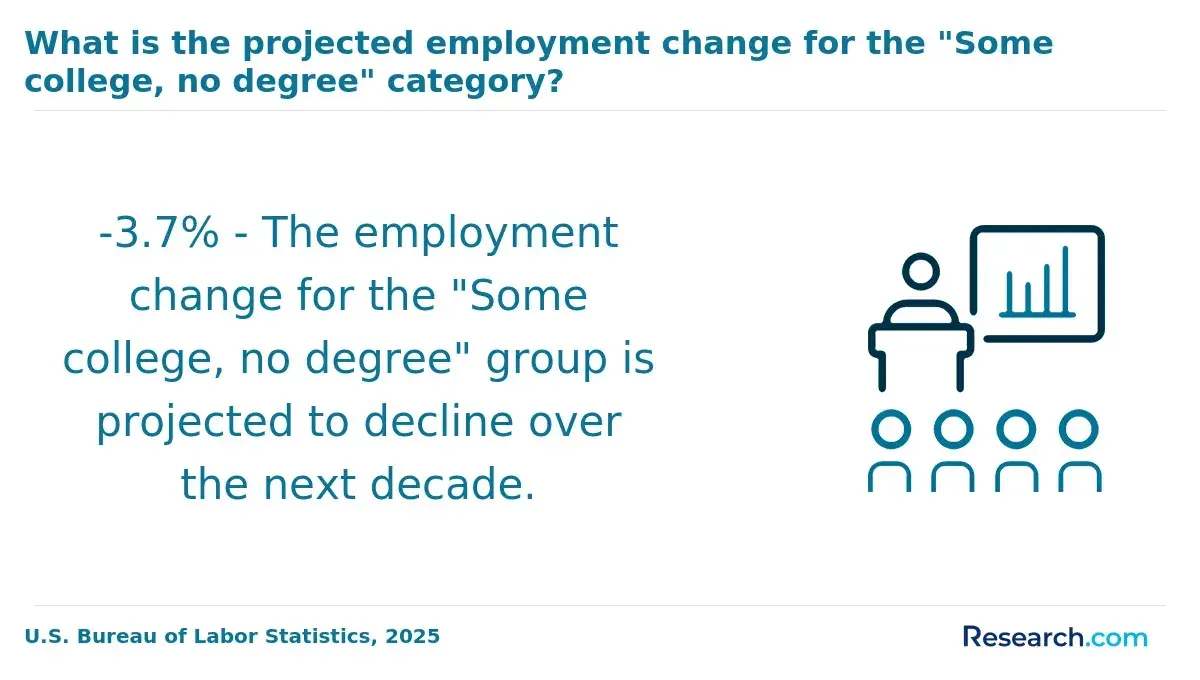
The return on investment for attending Arizona State University's online MS in Educational Leadership program hinges on balancing upfront costs against realistic earning potential post-graduation. With an annual total cost of $34,845 that covers tuition, fees, and living expenses, this program represents a significant financial commitment. Graduates report a median starting salary of $62,668 and sustain median earnings a decade later, suggesting stable income retention within educational leadership roles. When contrasted with national averages for similar degrees, these earnings indicate a moderate but consistent paycheck growth trajectory.
Students' ability to reduce the effective cost through scholarships or grants can substantially improve ROI, especially given a median student debt load of $19,500. However, this debt level should be weighed against a graduate earnings-to-debt ratio of 3.21x, meaning one can expect to earn over three times their debt amount annually, an important metric for evaluating long-term affordability. For professionals targeting leadership positions in K-12 districts, government education offices, or nonprofit agencies, this degree's practical value may justify the expense if career advancement opportunities and salary progression align with program outcomes.
Nonetheless, graduates must consider that the salary growth observed is steady rather than rapid, reflecting sector norms where experience and tenure influence pay more than immediate post-degree boosts. Thus, the decision to enroll should factor in individual financial flexibility and local job market conditions affecting salary ceilings in educational administration fields.
Student satisfaction in asu's online ms in educational leadership often hinges on how well the program balances academic rigor with accessible support and flexibility. Many students navigate competing responsibilities, making the availability of personalized advising and structured mentoring critical to maintaining motivation and progress. The sizable staffing at asu contributes to these support mechanisms, which help mitigate common challenges such as time management and isolation, common in fully online formats.
The program fosters a student culture through virtual groups focused on educational leadership, which encourages networking and professional skill development beyond coursework. These peer connections and faculty accessibility often translate into positive feedback about the program's practical focus and relevance. However, satisfaction levels can vary depending on individual circumstances like work commitments or learning preferences, emphasizing that this program may suit those who value flexibility paired with comprehensive institutional support over a purely self-directed experience.
One graduate shared that while initially hesitant about committing to an online degree amidst a full-time job and family care responsibilities, the consistent check-ins and active student forums helped sustain their engagement. They noted, "It wasn't just about completing assignments; the faculty and peers made me feel part of a professional community. That made a real difference in pushing through moments when balancing everything felt overwhelming." This nuanced experience underscores that student satisfaction at asu in this program tends to rely heavily on the interplay between support structures and individual persistence.
Employment outcomes for online MS in Educational Leadership graduates often hinge on tangible institutional support rather than credential alone. Schools that integrate active job placement assistance and network leverage can markedly improve a candidate's positioning in a competitive education leadership labor market. For example, candidates from Arizona State University who engage in its virtual career fairs can often connect with districts actively seeking leaders before formal vacancies are publicly posted. This direct-access model responds to industry hiring trends where approximately 85% of educational leadership roles are filled through networking and referrals instead of open advertisements, a critical labor reality for career planners. The following are key mechanisms Arizona State University uses to bolster employment support for Arizona State University online educational leadership graduates:
- Virtual Career Fairs: These events enable MS in Educational Leadership students to interact with school district representatives and hiring managers early, effectively reducing the time between graduation and employment by aligning candidate skills with district needs.
- Resume and Interview Workshops: Targeted online workshops focus on educational leadership roles, enhancing graduates' ability to present their qualifications confidently and strategically during the hiring process, an essential skill given the competitive nature of education management jobs.
- Dedicated Job Placement Portal: By curating job listings relevant specifically to education professionals, this portal streamlines job search efforts, helping alumni focus on viable opportunities aligned with their qualifications.
- Alumni Mentorship Programs: An expansive alumni network offers mentorship that provides insider insights on job market expectations, industry standards, and professional growth strategies, significantly improving real-world readiness and employment prospects.
Incorporating these career-focused supports adds operational value beyond degree completion, reflecting the practical necessities that students must navigate to leverage educational credentials effectively. The network effects and direct hiring engagements enhance job placement assistance for ASU MS in Educational Leadership alumni. For prospective students assessing program value, these elements intersect critically with broader labor market demands and hiring practices. More comprehensive data on nationally accredited online degrees and institutional impact can be explored through resources like best online degrees.
Career outcomes for recent graduates of Arizona State University's online MS in Educational Leadership reveal significant tradeoffs linked to administrative versus instructional roles in education. Those pursuing leadership positions must consider the salary range differences and long-term job stability tied to the educational sector's administration track, which generally offers compensation near or slightly above standard teaching roles. Balancing professional aspirations with reasonable compensation is critical when evaluating program value. Graduates looking to capitalize on leadership skills while advancing in education administration will find this program positions them well for certain institutional roles. These factors matter in weighing career advancement opportunities for Arizona State University educational leadership graduates. Below are some common career paths and expected earnings for graduates:
- School Principal: Oversees school operations, manages faculty, and implements policy initiatives. This role demands strategic leadership and offers salaries often surpassing average teaching roles, reflecting administrative responsibilities.
- Instructional Coordinator: Focuses on curriculum design and teacher training in educational institutions. Typically earns salaries comparable to school leadership but with an emphasis on academic standards and teaching quality.
- District Administrator: Manages multiple schools within a district, directing policy compliance and resource allocation. Salaries lean higher due to broader oversight but involve complex administrative challenges.
- Special Education Specialist: While related, this role usually comes with lower median earnings, around $41,151, highlighting the impact of specialization on income within education sectors.
Graduates of the ASU online MS in Educational Leadership can expect a trajectory leading to meaningful institutional roles, though actual job placement rates vary by district and often depend on local demand for administrative expertise. Those seeking cost-effective options might also find value in programs highlighted such as the cheapest online university in USA, which could influence financial decision-making.
Deciding if Arizona State University's online MS in Educational Leadership fits your goals depends heavily on your distinct academic and career priorities, as well as on understanding the real-world demands of leadership roles in education. For example, choosing a program that emphasizes theoretical frameworks without adequate focus on administrative practice may limit your preparation for the practical challenges of managing schools or districts. Weighing these factors alongside your personal constraints and professional ambitions clarifies whether this degree aligns with your objectives. Consider these critical evaluation points:
- Curriculum Relevance: Assess whether the coursework balances leadership theories with applied skills like educational policy and school management that match your career trajectory. Programs that lean too much toward theory can hinder readiness for operational roles.
- Program Flexibility: Evaluate if the online format's synchronous or asynchronous nature suits your learning style and schedule commitments. Flexibility is vital, but inadequate interaction may affect engagement and networking.
- Faculty Expertise and Reputation: Research instructors' backgrounds for leadership experience and academic credentials in educational administration, as quality mentorship shapes professional development and connections.
- Graduate Outcomes and Support: Look into graduation rates, job placement success, and availability of career advising tailored to education leadership, which signal how well the program equips graduates for diverse leadership roles.
When evaluating the benefits of Arizona State University MS in Educational Leadership online program for career advancement, understanding these tradeoffs is essential. This analytical approach helps align program features with the realities of educational leadership jobs, which often demand both strategic insight and operational competence. For introverted professionals or those with specific work-life balance needs, considering programs recommended for best jobs for introverts may also factor into how well this degree fits long-term plans.
What Graduates Say About Arizona State University's Online MS in Educational Leadership Program
- Madison: "Completing my MS in Educational Leadership at Arizona State University was a strategic move after years in classroom teaching. The program's emphasis on practical leadership skills helped me transition into an administrative role, though I quickly realized that many districts prioritize portfolios and on-the-job experience over just licensure. The flexibility of online coursework allowed me to balance work and study while gaining relevant internships, which proved crucial during the hiring process."
- Marissa: "When I enrolled in the MS in Educational Leadership program at Arizona State University, I aimed to shift from teaching to district-level management. The coursework was intense and demanding, especially balancing full-time work, but it prepared me well for understanding the complexities of educational policy and staff leadership. Post-graduation, I faced the reality that advancement without formal licensure can limit salary growth, but the program's network opened doors for remote leadership opportunities that suited my lifestyle."
- Elena: "Studying educational leadership through Arizona State University gave me the credentials I needed to pivot my career toward curriculum development. While the degree enhanced my understanding of organizational dynamics, I found employers often look beyond degrees to certifications and relevant teaching experience. The program's focus on real-world case studies was a highlight, equipping me to navigate the challenges of competing for roles in a crowded job market."
Other Things You Should Know About Degrees
The online ms in educational leadership at Arizona State University is designed with flexibility, but the workload remains rigorous. Students should expect a steady pace of assignments, group projects, and leadership practicums, which require consistent weekly dedication. Balancing this alongside a full-time job demands strong time-management skills; those without prior experience managing overlapping responsibilities may find the intensity challenging and should consider their current professional and personal commitments before enrolling.
The program blends theory with applied leadership practice, often through required field-based components and case studies relevant to K-12 settings. However, the depth of hands-on leadership experience can vary depending on a student's current employment environment and the ability to integrate learned concepts into real-world roles. Prospective students currently outside administrative or leadership roles in education might find it necessary to proactively seek opportunities to apply their studies for maximum practical benefit.
The online MS in Educational Leadership at Arizona State University includes a supervised practicum tied to leadership work in an educational setting. Students typically complete 30 credit hours, and the practicum is arranged to match their professional role while meeting program expectations.
- Arizona State University (ASU) https://www.princetonreview.com/college/arizona-state-university-1023376
- How Much Does a Master’s in Educational Leadership Cost? https://www.educationalleadershipdegree.com/frequently-asked-questions/how-much-does-a-masters-in-educational-leadership-cost/
- Educational Leadership Jobs, Salary & Career Paths https://online.aurora.edu/career-outcomes/careers-masters-educational-leadership/
- M.Ed. in Educational Leadership | ACE https://ace.edu/degree-programs/masters-degrees/masters-education/master-of-education-in-educational-leadership/
- Educational Leadership (Licensure Track), M.Ed. https://www.mc.edu/academics/departments/education/graduate-programs/master-education/educational-leadership-med
- 6 Best Career Opportunities in Educational Leadership https://www.manchester.ac.ae/blog-post/6-best-career-opportunities-in-educational-leadership
- Educational Administration Master’s Programs Online: Find a School https://www.onlinemastersdegrees.org/best-programs/education/educational-administration/
- Reasons to Earn a Master’s Degree in Educational Leadership - Graduate Programs for Educators https://www.graduateprogram.org/blog/reasons-to-earn-a-masters-degree-in-educational-leadership/
- Top 10 Rankings of Arizona State University - Smart Edu Link https://www.smartedulink.com/blog-details/top-10-rankings-of-arizona-state-university/r/recS9FgQ3Hp1zDOWC
- Maximizing The ROI Of A Business Graduate Degree With W. P. Carey https://poetsandquants.com/2025/08/13/maximizing-the-roi-of-a-business-graduate-degree-with-w-p-carey/