2027 How Much Does It Cost to Study Online at Arkansas State University?

Co-Founder and Chief Data Scientist
Choosing an online degree program at Arkansas State University requires a clear understanding of the financial commitment and academic expectations involved. Prospective students often face uncertainty around tuition costs, especially as online learning grows more popular yet can vary widely in price. With studies showing that 48% of online students consider cost the decisive factor in selecting a program, affordability directly impacts enrollment decisions and long-term financial outcomes.
Arkansas State University offers a range of online degrees, but recognizing which programs align with one's budget and career goals remains essential. This article breaks down the cost structure, admission criteria, and student environment at Arkansas State University to help prospective students make informed decisions grounded in practical value and career relevance.
Key Points About the Cost of Studying Online at Arkansas State University
- The total cost of attendance for online students at Arkansas State University is $22,823, reflecting expenses beyond tuition such as fees, books, and living costs, which significantly influence the overall affordability assessment.
- The reported tuition cost is $32,599. This figure surpasses many regional online programs, requiring prospective students to evaluate their budget and financial aid eligibility carefully before enrollment.
- Students must weigh these costs against expected career outcomes, as the high tuition suggests a need for a clear plan to ensure the financial investment aligns with long-term employment and income prospects.
What is the total cost of earning an online degree at Arkansas State University?
The realistic total cost of earning an online degree at Arkansas State University exceeds tuition alone. With tuition totaling $32,599 for a typical 120-credit program, students must also account for mandatory fees embedded in this cost, which raise the effective price regardless of the lack of specific distance learning surcharges. On top of tuition and fees, budgeting roughly $1,250 for books and supplies is crucial as these are necessary expenses often overlooked in early planning.
Consider a working adult balancing job and studies. While the sticker price suggests over $32,000 in tuition, federal estimates place the overall cost of attendance nearer to $22,823, reflecting the impact of financial aid and living expense adjustments. This discrepancy highlights why prospective students should prioritize net price over list price and analyze potential aid packages carefully before committing financially.
Recent research from the National Center for Education Statistics indicates a 3% rise in tuition per credit coupled with a 7% growth in average aid for online learners nationally. This trend suggests that although programs like Arkansas State University's become more expensive nominally, increasing aid availability helps stabilize net costs. Such developments emphasize the importance of comparing net affordability and long-term return rather than upfront expenses alone when evaluating online degrees.
How do tuition rates vary across online programs at Arkansas State University?
Tuition rates at Arkansas State University vary significantly depending on the type of online degree program. Programs in business and education typically carry higher overall tuition because they require more credit hours and potentially additional fees related to professional certification components. Conversely, certificate or associate-level programs have lower total costs due to fewer credits needed, even when per-credit prices remain consistent across programs.
Several factors influence total tuition costs, including program length and credit hour requirements. Arkansas State University does not employ a tiered pricing system but instead bases fees on cumulative credits and resource needs within each discipline. For example, health-related degrees often have unique supplemental fees, which increase total tuition compared to other fields. The instructional format and intensity of professional components also play a role in tuition variations across programs.
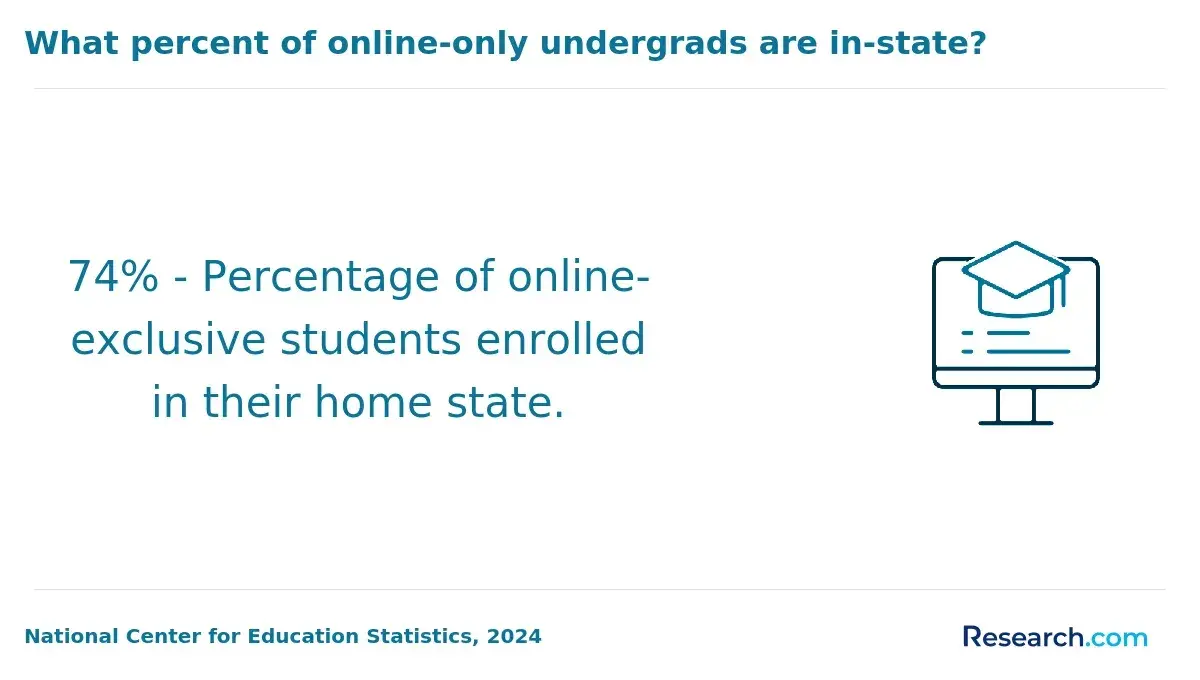
A 2024 study by the National Center for Education Statistics shows that public university online tuition averages about $350 per credit hour, aligning Arkansas State's cost structure with national moderate pricing. This statistic helps students gauge whether tuition is competitive relative to other options, especially when evaluating differences in program length and credential level. Understanding these nuances benefits students aiming to balance affordability with long-term employability outcomes.
Students comparing tuition differences by online degree program at Arkansas State University should consider both total credit requirements and specific program fees. This assessment enables informed decisions about which option fits their budget and academic goals. Exploring resources like online masters programs can also support strategic choices for faster, cost-effective completion aligned with workforce demands.
What additional fees increase the cost of studying online at Arkansas State University?
Additional fees beyond tuition substantially increase the real cost of studying online at Arkansas State University. These expenses can create a financial burden that often goes overlooked when students first plan their education budget. For example, a student pursuing a technical degree that requires both virtual lab access and specialized software will face costs often not accounted for in advertised tuition rates. These added charges can affect whether a program remains affordable or justifiable based on long-term career goals. The list below highlights key categories of additional fees that students should anticipate when evaluating Arkansas State University online enrollment cost factors.
- Books and Supplies: Estimated at $1,250, these costs include required textbooks, necessary software, and other course materials. Students typically pay these at the start of each semester, and such expenses significantly increase the total financial commitment beyond tuition alone.
- Technology or Platform Fees: These fees support the upkeep and access to Arkansas State University's online learning systems. They vary by program and can fluctuate annually, reflecting trends such as the 7% yearly rise in technology fees documented by EDUcost Analytics, emphasizing the growing impact on total costs.
- Program-Specific Software and Labs: Certain courses require specialized virtual labs or software, which come with separate charges. These fees are often essential for technical disciplines and may be charged per course or semester.
- Assessment and Proctoring Fees: To ensure academic integrity during remote testing, proctoring fees are implemented. These are additional charges that occur upon exam completion and vary depending on exam format.
- Administrative Fees: These cover enrollment processes, transcript requests, and course registration tasks. While smaller individually, they accumulate and add to overall student expenses.
- Internet and Hardware Costs: Reliable internet service and capable devices are indirect but necessary expenses. Students without existing infrastructure may face substantial upfront or ongoing costs to meet these requirements.
- Hidden Online Education Costs: Many of these fees are less transparent upfront but are critical to budget for. The rising trend in non-tuition expenses underscores the importance of a comprehensive financial plan when considering Arkansas State University online enrollment cost factors.
Such comprehensive cost awareness helps prospective students place Arkansas State University's tuition in perspective and assess the actual investment required. Students aiming for degrees linked with the top paying degrees should carefully factor these expenses to ensure their educational endeavor aligns with expected long-term returns.
Are online programs at Arkansas State University more affordable than campus-based programs?
Online tuition at Arkansas State University is typically $325 per credit hour for both in-state and out-of-state students. This rate contrasts with on-campus tuition, which is approximately $318 per credit hour for in-state students and $590 for out-of-state students. While the online tuition per credit may seem marginally higher than on-campus in-state rates, online students avoid mandatory fees such as housing, meal plans, parking, and facility usage that often add thousands of dollars to on-campus costs. These savings significantly affect the total cost of attendance, making online programs more financially accessible in real terms.
The cost differences can also vary depending on program structure and delivery format. Some programs may require additional academic resources or specialized technology fees that raise the online tuition somewhat. However, most online courses at Arkansas State University retain a similar duration and credit load as their campus-based counterparts, allowing students to maintain comparable academic progress without the added burden of physical attendance expenses. This parity supports steady degree completion timelines while offering greater flexibility.
Comparing Arkansas State University online tuition to campus costs, the elimination of on-campus housing and meal fees-which can total around $4,000 annually-and approximately $850 in campus fees creates a distinct economic advantage for distance learners. Furthermore, a recent National Center for Education Statistics study found online programs reduce overall attendance costs by 15-20% by cutting non-tuition expenses and minimizing opportunity costs tied to commuting and scheduling. This trend suggests online programs offer practical affordability despite a similar sticker price per credit.
Students weighing Arkansas State University online tuition comparison against campus study should consider these factors carefully. The key to cost-effectiveness lies in lifestyle flexibility and avoided ancillary fees rather than raw per-credit differences. Financial aid eligibility remains consistent for both modes, ensuring equitable support. Prospective learners seeking an affordable option without extending program length may find online study better aligned with real-world cost considerations and long-term return on investment. These elements are critical when exploring the top 10 online colleges.
How do financial aid and scholarships affect the cost of an online degree at Arkansas State University?
Financial aid and scholarships fundamentally alter the net cost of online degrees at Arkansas State University by lowering the upfront financial burden for most students. With around 96% of enrollees receiving aid, the average undergraduate award of $8,829 substantially reduces the direct expenses students face. This relief is crucial since median graduate debt still hovers at $20,500, a significant long-term liability. For example, a working adult balancing family commitments might use merit-based scholarships alongside employer tuition benefits to keep out-of-pocket costs manageable while maintaining steady income.
Yet, affordability goes beyond sticker price. Reduced net tuition can lessen borrowing needs and improve debt-to-earnings ratios, which influence creditworthiness and employer perceptions. However, many aid programs hinge on continuous academic performance, requiring students to maintain standards rather than simply qualifying once, adding pressure amid other life demands.
Available financial aid and scholarship opportunities at Arkansas State University include:
- Institutional Scholarships: Awarded based on academic achievements or potential, these scholarships require applicants to maintain minimum GPA criteria and can significantly cut tuition costs for online learners.
- Merit-Based Awards: Targeted at students demonstrating sustained academic excellence, these awards support high performers but necessitate ongoing eligibility reviews tied to course completion and grades.
- Department-Specific Grants: Offered by particular academic departments, these grants often target majors with workforce demand, providing funding to students committed to related fields, which can improve return on educational investment.
- Employer Tuition Assistance Programs: Supplying partial or full tuition reimbursement to employees, these programs remain underutilized-studies show only 35% of online students nationwide tap into them-yet they can drastically reduce personal expenses when combined with university aid.
- Federal Student Aid: Includes loans, grants, and work-study options qualifying many students; grants reduce costs without repayment, while loans demand repayment and must be factored into long-term affordability planning.
- Need-Based Scholarships: Allocated to students demonstrating financial need, these awards require documentation and are crucial in narrowing the cost gap for low-income students pursuing online programs.
- Online Program Scholarships: Specifically designed for distance education students, these scholarships acknowledge unique challenges faced by online learners and help offset technology and resource expenses.
A recent graduate in Arkansas State University's online business program shared that initially the tuition seemed daunting, but after securing a departmental grant and utilizing employer tuition assistance, the overall costs became manageable. They recalled hesitation over maintaining required GPA standards while working full-time but noted the combined aid made pursuing the degree feasible without incurring unsustainable debt, underscoring how layered financial aid strategies shape practical affordability outcomes.
How does enrollment status affect online degree costs at Arkansas State University?
Enrollment status at Arkansas State University critically shapes the total cost of earning an online degree. Full-time online students pay a flat tuition rate of $7,754 per semester, making heavier course loads more cost-effective by lowering the per-credit expense. Part-time students are billed per credit, which often leads to higher overall tuition since technology and student fees are charged each semester regardless of credit hours. Students balancing work or family commitments commonly enroll part-time, extending their time to completion and increasing total costs according to a recent federal analysis of online education trends.
This dynamic is essential for students evaluating Arkansas State University online degree enrollment costs because the total tuition for the degree can reach $32,599 but varies with enrollment pace. Financial aid reaches 96% of students, though eligibility and award amounts may differ by enrollment status. Many employers and scholarship programs also prefer full-time enrollment, influencing access to external funding. Part-time students might find fewer funding options, affecting affordability when weighed against longer time frames.
Practical evaluation of enrollment options requires balancing immediate expenses with degree completion speed and long-term employability. While part-time status provides flexibility, it increases financial and time investment. Conversely, full-time enrollment, though more demanding, typically results in lower cumulative costs and faster entry or advancement in the workforce. Prospective students should consider both tuition structures and funding opportunities when deciding how to navigate Arkansas State University's online programs.
Those interested in accelerating their education can explore fast track schools as well. Arkansas State University offers multiple enrollment pathways that impact cost-efficiency and academic progress differently, urging students to match their enrollment status with personal circumstances and career goals for the best outcomes.
How much student debt do online graduates from Arkansas State University typically accumulate?
Online graduates from Arkansas State University typically accumulate a median student debt of $20,500, positioning them in a moderate borrowing range compared to national figures. This level of debt reflects a balance that many students strike between financing their education and managing future repayment risks. The earnings to debt ratio of 2.08x suggests that starting salaries are slightly more than double the median debt, which can support manageable repayment plans for many graduates but also demands careful consideration of career stability and income growth potential.
Borrowing amounts are influenced by factors including program length, tuition rates, and students' access to scholarships or employer tuition assistance. Online learners who rely heavily on loans tend to weigh the return on investment by examining employment prospects in their field. A 2024 study highlighted that online degree holders with favorable employment outcomes experience quicker loan repayment and lower default rates, underscoring the importance of choosing programs aligned with strong labor market demand. For many, the decision to incur $20,500 in debt hinges on a practical assessment of how their new qualifications translate into job opportunities and salary scales.
Consider a student pursuing a bachelor's degree in business administration online. They might initially hesitate due to the debt load but gain confidence after researching salary data and job placements for Arkansas State University's graduates. Expecting an entry-level salary that covers living expenses while servicing debt within a five- to seven-year timeframe becomes a critical factor in their enrollment decision. This nuanced evaluation helps ensure that the debt burden remains reasonable relative to expected career outcomes and long-term financial goals.
One graduate shared, "I ended up with about $21,000 in loans after finishing my online program. It felt like a stretch at first because I was working part-time and worried about making payments right away. But once I landed a job in supply chain management, the salary was enough to start chipping away at my loans steadily. Looking back, the debt was definitely a calculated risk, not something taken lightly, but it paid off because I could match it with a solid income soon after graduation."
Which online programs at Arkansas State University offer the strongest return on investment?
The strongest return on investment at Arkansas State University comes from online programs in engineering and health sciences. These degrees align closely with persistent employer demand and offer competitive salaries that typically outpace the cost of study. For example, a Registered Nurse completing an online program can reasonably expect faster debt recovery given increasing demand across healthcare systems. Below is a focused list of key programs with demonstrated financial and career advantages.
- Electrical, Electronics and Communications Engineering: Graduates earn an average of $62,426, reflecting sustained regional industrial demand and robust employer networks, which drive higher job placement rates compared to less specialized fields.
- Mechanical Engineering: Offering an average salary of $61,829, this program provides practical skills aligned with manufacturing and energy sectors, sectors showing stable growth and long-term employment prospects.
- Registered Nursing: Graduates see average earnings of $57,156 and benefit from increasing clinical demand, providing strong job security and consistent career advancement opportunities.
- Accounting: Accounting graduates make around $38,845, reflecting steady business demand though occasionally susceptible to economic shifts impacting hiring patterns.
- Finance: With an average starting salary near $37,495, Finance combines strong industry relevance with moderate variability tied to market conditions and sector-specific growth.
- Education and Communication: These fields tend to have lower starting salaries ranging from $27,000 to $34,000, requiring students to weigh professional passion against more modest financial returns.
Arkansas State University online programs with highest return on investment mirror wider U.S. employment trends where STEM and healthcare fields command premium salaries. Many graduates realize an earnings to debt ratio of approximately 2.08 times, suggesting that tuition investment doubles in value over time. Selecting a major should consider local job market specifics, time to degree completion, and the potential to build employer connections. For students seeking flexible doctoral advancement options, the PhD no dissertation offerings can also factor into long-term career and financial planning.
How do career outcomes influence the cost-benefit equation of an online degree at Arkansas State University?
Online graduates from Arkansas State University typically accumulate student debt levels that reflect a balance between moderate tuition costs and realistic post-graduation earnings. With median salaries for alumni around $42,617, the key to managing debt lies in how quickly graduates secure relevant employment. For instance, a student pursuing a business-related online degree may face debt near regional averages but can reasonably expect job placement within a year, enabling manageable repayment schedules without excessive financial strain.
Differences across disciplines heavily influence debt outcomes. Programs aligned with healthcare or technology fields tend to provide higher starting salaries and stronger job market demand, improving the return on investment and reducing the relative burden of accumulated debt. Conversely, students in less in-demand areas risk slower salary growth, making identical debt loads more challenging to justify. The acquisition of adaptable skills and employer-valued credentials is critical for enhancing long-term earning potential amid evolving labor market expectations.
Prospective students frequently weigh student debt against projected career gains by comparing alternative educational options, including community colleges, certification programs, or traditional in-person degrees. Many consider the faster, less costly routes that offer comparable labor market access, especially where online program graduates experience slightly slower mid-career salary growth compared to campus counterparts. A clear-eyed assessment of industry-specific demand and realistic income trajectories helps determine whether Arkansas State University's online degree costs align with personal financial goals and employment prospects.
Recent employment data shows that a high percentage of Arkansas State University's online alumni obtain jobs relevant to their fields within six to twelve months, which lessens the risk tied to student debt accumulation. However, graduates should account for variability in job placement speed and salary progression when estimating their debt repayment capabilities. This pragmatic approach allows students to make informed decisions on whether the investment in an online degree delivers an adequate cost-benefit balance given their career ambitions and risk tolerance.
How can students reduce the cost of an online degree at Arkansas State University without sacrificing quality?
Online graduates from Arkansas State University typically incur moderate student debt relative to national averages, but this outcome is highly dependent on strategic decisions during the enrollment period. For example, a student who enters with transfer credits and accesses available scholarships may reduce tuition costs by nearly a third compared to one paying full sticker price.
This saved amount can prevent unnecessary borrowing without sacrificing academic rigor, as Arkansas State maintains consistent learning outcomes across credit transfer and accelerated options. The key to minimizing debt is to adopt purposeful cost-saving strategies alongside informed financial planning. Below are practical ways students can reduce the cost of earning their online degree at Arkansas State University without compromising quality.
- Maximizing Transfer Credits: Arkansas State accepts a wide range of transfer credits, which can significantly lower total tuition by exempting students from introductory or general education courses. This approach reduces the number of paid credits while maintaining degree requirements, combining cost efficiency with educational integrity.
- Targeted Scholarship Applications: Institutional and departmental scholarships are available to online students who apply proactively. Securing these funds can offset tuition without adding repayment burdens, and award criteria typically uphold academic standards ensuring enrolled students remain qualified and motivated.
- Employer Tuition Reimbursement: Nearly 45% of employers now offer tuition assistance, which Arkansas State students can leverage to finance their education. This reduces out-of-pocket expenses and debt accumulation while maintaining enrollment in a university recognized by employers for producing competent graduates.
- Utilizing Open Educational Resources: Many courses at Arkansas State employ digital textbooks or open access materials, cutting down or eliminating the cost of traditional textbooks. This lowers ancillary expenses without diminishing course content quality or learning accessibility.
- Accelerated and Competency-Based Programs: Students who pursue accelerated paths or competency-based models typically complete degrees about 20% faster. This means fewer semesters billed and earlier entry into the workforce, a combination that lowers total cost and debt while preserving academic expectations through demonstrated mastery.
- Careful Enrollment Intensity Selection: Adjusting course load to balance full-time and part-time enrollment can optimize financial aid eligibility and time-to-degree completion. This strategy prevents excessive tuition accrual and supports steady progress without sacrificing course quality or academic support services.
- External Scholarships and Grants: Beyond university offerings, students can seek external awards targeted to distance learners. These funds supplement financial aid, reduce dependence on loans, and encourage sustained academic performance through competitive application.
What Graduates Say About the Cost of Studying Online at Arkansas State University
- Brandon: "Choosing to pursue my online degree at Arkansas State University was largely influenced by the clear breakdown of tuition and fees upfront. The affordability combined with available financial aid options made it a feasible choice without plunging me deep into debt. I balanced courses alongside my job, and the degree visibly opened doors in my field, proving that the investment in a flexible and cost-conscious program made practical financial sense for my career goals."
- Shawn: "My experience with Arkansas State University's online program was shaped by a cautious evaluation of all costs involved. While tuition was competitive, I scrutinized additional fees and weighed them against potential financial aid, including employer tuition assistance, before enrolling. This careful planning not only helped me stay financially stable but also allowed me to enter the workforce with a degree that reflected a realistic return on investment, making the entire process feel strategically sound."
- Chase: "Enrolling in Arkansas State University's online program meant I had to consider how tuition and associated costs would affect my long-term finances. Despite concerns about fees, the option to access scholarships and manage payments made the program accessible. Completing my degree online gave me the flexibility to continue working, enabling a gradual career transition that felt financially responsible and directly beneficial as I secured better employment within months of graduation."
Other Things You Should Know About Arkansas State University Degrees
Arkansas State University online courses often follow a set semester timeline, which means students pay tuition for the full term regardless of how quickly they complete the coursework. Accelerated progress can reduce time to degree, but because tuition is not charged by credit hour in a flexible way for most programs, faster completion may not yield proportional cost savings. Prospective students should prioritize manageable pacing aligned with their personal responsibilities rather than speed alone to avoid financial strain without undermining learning outcomes.
The online learning environment requires reliable technology that can meet Arkansas State University's platform standards, including a modern computer and steady internet access. These upfront and ongoing costs can significantly affect total expenses, especially if students need upgrades or replacements during their program. Factoring in these technology costs is essential, as skimping on equipment could hinder course participation and increase indirect costs through delays or repeated classes.
Yes, some online programs at Arkansas State University require proctored exams or use specialized software that may entail additional fees not included in tuition. These costs might not be immediately evident and can range from modest to substantial depending on the course. Students should review program details carefully and prioritize programs where such extra expenses are transparent and justifiable relative to the benefits, minimizing unexpected financial burdens.
References
- Does College Pay Off? A Comprehensive Return On Investment Analysis - FREOPP https://freopp.org/whitepapers/does-college-pay-off-a-comprehensive-return-on-investment-analysis/
- Average Student Loan Debt [2025]: by Year, Age & More https://educationdata.org/average-student-loan-debt
- ASU System trustees approve tuition increases for campuses | The Arkansas Democrat-Gazette - Arkansas' Best News Source https://www.arkansasonline.com/news/2025/jun/05/asu-system-trustees-approve-tuition-increases-for/
- Arkansas State University - Top Ten Online Colleges https://www.top10onlinecolleges.org/school-profiles/arkansas-state-university/
- Client Challenge https://www.asutr.edu/page/tuition-and-fees
- Admissions | Arkansas State University Querétaro https://astate.edu.mx/en/admissions/
- Tuition & Fees – Arkansas State University Mid-South https://asumidsouth.edu/get-started/tuition-fees/
- Financial Aid https://www.asun.edu/getstarted/financial-aid.php
- Tuition, Financial Aid & Scholarships - Arkansas State University Qatar https://astateqatar.com/scholarship/
- All Opportunities https://astate.academicworks.com/