2027 Florida Institute of Technology Online Learning Format: Part-Time, Full-Time, and Self-Paced Options

Co-Founder and Chief Data Scientist
Imagine a working professional juggling a full-time job and family duties while deciding how to pursue an online degree. They must weigh the need for flexibility against the desire to graduate promptly. Choosing between part-time, full-time, or self-paced learning affects how they manage academic demands alongside personal responsibilities.
With nearly 60% of online students nationally opting for part-time study, this trend reflects the importance of adaptable scheduling. Understanding how Florida Institute of Technology structures its online programs can clarify how course pacing and enrollment options impact progress and balance.
This article will analyze Florida Institute of Technology's online learning formats, comparing their schedules and suitability for varied lifestyles and goals. Readers can use these insights to make informed decisions that align with their unique circumstances.
Key Points About Florida Institute of Technology Online Learning Formats
- Florida Institute of Technology's online formats accommodate varied pacing to suit part-time, full-time, and self-paced learners, requiring high self-motivation and time management to offset the moderate 65% graduation rate across these models.
- Flexible scheduling supports balancing education with external responsibilities but demands robust personal discipline or institutional support to maintain progress and maximize degree completion likelihood.
- Median alumni earnings of $43,137 suggest modest financial outcomes, urging students to evaluate whether part-time, full-time, or self-paced study aligns best with their career expectations and fiscal commitments.
What online learning formats does Florida Institute of Technology offer?
Choosing the appropriate online learning format deeply affects a student's ability to balance education with work and personal obligations. Florida Institute of Technology offers multiple formats designed to meet diverse student needs, making this decision critical for timely degree completion and skill applicability. Prospective students must weigh how part-time, full-time, and self-paced options align with their scheduling constraints and learning styles to avoid misalignment that can prolong education or reduce program benefits.
The full-time format suits learners seeking immersion and quicker progression, often appealing to those transitioning careers or with fewer external commitments. Part-time learning accommodates working professionals requiring flexibility to maintain employment while advancing credentials. Self-paced study offers maximum control over timing and workload, fitting students with irregular schedules or those juggling multiple priorities, though it demands higher self-discipline and can risk slower progress unsupported by structured pacing.
Demand for flexible credit transfer and testing options has grown, with 67% of adult learners prioritizing accelerated pathways to reduce degree duration, reflecting a need for adaptable formats that Florida Institute of Technology addresses through varied enrollment methods. This variety enables students to strategically select pathways that best support their immediate realities and long-term employability without sacrificing academic rigor or recognition.
How does part-time study at Florida Institute of Technology work?
Many students choose part-time study at Florida Institute of Technology to balance work, family responsibilities, or other commitments with their education. This option offers manageable course loads, allowing learners to continue working or attending to personal needs. Understanding the time and cost tradeoffs is essential. For example, a working professional pursuing a degree while maintaining a full-time job might find part-time study necessary despite a longer path to completion. Below are key points about part-time online study at Florida Institute of Technology.
- Flexible course load: Part-time students typically take 6 to 9 credit hours per semester. This reduced schedule accommodates external obligations but extends the overall duration of the degree program.
- Total tuition cost implications: While total tuition is $65,900, per-credit fees are unclear, making precise budgeting difficult. The extended timeline also impacts total expenditures over the program's lifespan.
- Access to financial aid: All students receive some financial aid, though specific scholarships for part-time online learners are not clearly defined, requiring careful review of potential funding sources.
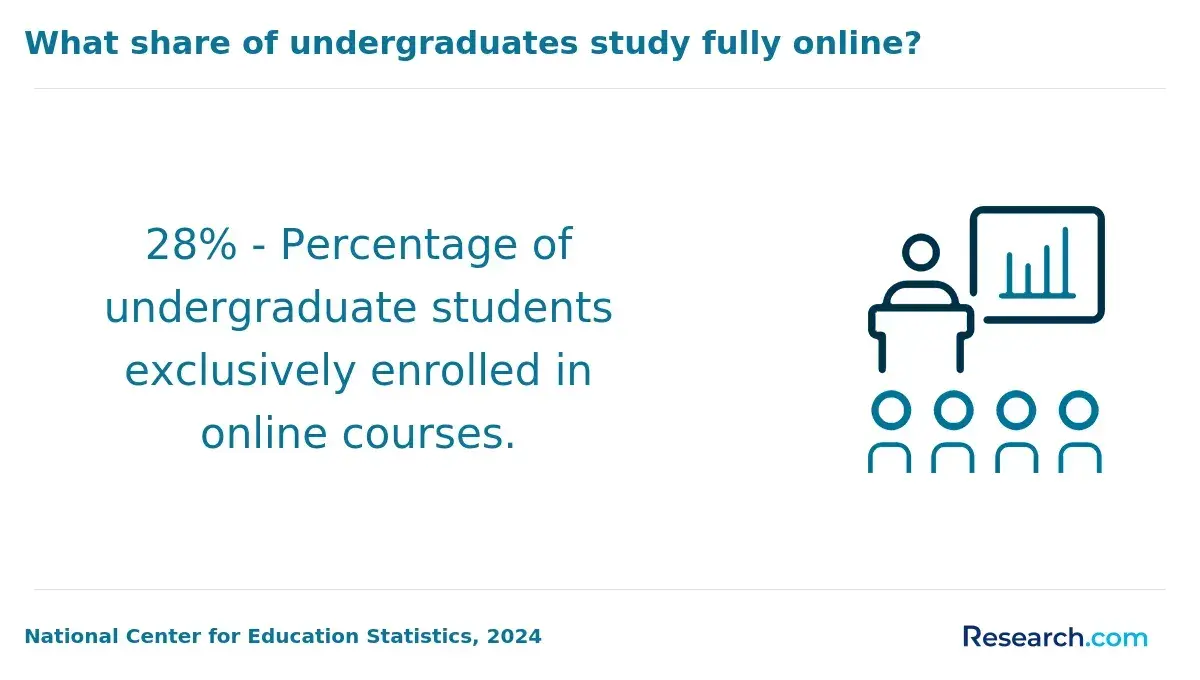
- Graduation rates: Part-time students face a moderate 65% graduation rate, reflecting challenges of balancing studies with other responsibilities. Nationally, 45% of online students enroll part time, often requiring around 6 years to graduate versus 4 years for full-time peers according to the National Center for Education Statistics.
- Return on investment considerations: The extended time to degree may delay workforce advancement or salary increases, which is a key factor for students weighing part-time options.
- Program suitability: This option suits individuals needing adaptable pacing, such as parents or full-time employees, but those prioritizing faster completion might consider full-time or self-paced formats.
- Program flexibility and degree options: Part-time study at Florida Institute of Technology supports a range of degree programs and allows for steady progress, which aligns with research on the easiest online masters that emphasize balancing rigor with flexibility.
What should you expect from full-time online study at Florida Institute of Technology?
Choosing full-time online enrollment at Florida Institute of Technology reflects a commitment to a faster academic pace despite the heavier credit load and greater demands on time and finances. Some students select full-time status for the structured momentum it provides, particularly those balancing urgent career goals or seeking to enter the workforce quickly. This option contrasts with part-time study, which offers more flexibility but often extends the duration and overall cost of completing a degree. Approximately 70% of Florida Institute of Technology's online students enroll full-time, averaging about 14 credit hours per semester, supporting steady degree progress and alleviating prolonged academic timelines (Florida Tech Institutional Research, 2024). The following points highlight essential considerations for students evaluating full-time online study.
- Accelerated Degree Completion: Full-time students typically take 12 to 15 credit hours per semester, enabling degree completion in about four years. This contrasts with part-time study, which usually prolongs the timeline. Faster completion can reduce overall expenses and facilitate earlier workforce entry, benefiting students focused on prompt career gains.
- Financial Aid Eligibility and Support: Full-time enrollment often enhances access to institutional grants and scholarships unavailable to part-time students. Florida Institute of Technology reports that 100% of its students receive some financial aid, but full-time students may obtain more substantial support, offsetting higher semester costs.
- Tuition and Cost Considerations: The total tuition for full-time online study approximates $65,900, with an overall cost of attendance averaging $60,387. Part-time students face a different payment schedule, potentially paying less per semester but more over time due to longer study periods. Budgeting must consider these tradeoffs carefully.
- Academic Intensity and Work-Life Balance: Fuller course loads require stronger time management skills and sustained focus. Students balancing employment and personal responsibilities may find full-time enrollment challenging, while part-time options offer more flexibility to adjust workloads.
- Career Readiness and Salary Outlook: Full-time study supports quicker transition to employment but does not guarantee high immediate earnings. The median alumni salary is $43,137, indicating income varies by field and experience. Students should consider how the pace of study aligns with their career aspirations and financial needs.
- Persistence and Graduation Rates: The average graduation rate for full-time online students is 65%, showing that while many persist successfully, a notable portion encounter obstacles delaying completion. Students must realistically assess their capacity to sustain full-time demands.
- Program Fit for Academic Goals: Choosing full-time online studies suits learners prioritizing structured progress and faster career entry. Those uncertain about managing the intensity should weigh the flexibility of part-time options or explore self-paced formats. Exploring most profitable majors can also align educational choices with labor market trends.
Are self-paced online programs available at Florida Institute of Technology?
Online learners facing unpredictable work hours, caregiving duties, or commute constraints often seek self-paced options for greater control over their education timeline. Self-paced learning promises flexibility, which is critical for students juggling multiple responsibilities. Yet, actual availability and structure at institutions vary, affecting feasibility and academic progress. Florida Institute of Technology does not fully offer genuine self-paced degree programs but incorporates some asynchronous elements. Prospective students should weigh these realities carefully before pursuing a self-paced route. Here are key considerations when evaluating self-paced study at Florida Institute of Technology.
- Limited True Self-Paced Programs: Florida Institute of Technology's online programs rarely provide fully self-paced formats with no deadlines. Most courses follow set schedules within part-time or full-time tracks, which constrains complete flexibility and requires adherence to fixed pacing.
- Asynchronous Elements Allow Some Flexibility: Certain courses include asynchronous components, giving students moderate control over when to engage with materials but still within an overall timeline. This contrasts with the full autonomy expected from self-paced learning.
- Financial Aid and Progress Requirements: Tuition totals $65,900, and while 100% of online students reportedly receive financial aid, maintaining eligibility demands satisfactory academic progress. Self-paced learners without clear deadlines risk falling behind and losing aid.
- Graduation Outcomes May Vary: The overall graduation rate is 65%, but self-paced students may experience longer time to completion nationally. This can impact career momentum as employers often prefer degrees completed within a typical timeframe.
- Work-Life Balance Tradeoffs: For working adults, the partial flexibility can ease scheduling conflicts. However, without full self-paced options, those needing maximum control may encounter stress meeting fixed deadlines, affecting persistence and focus.
- Employers' Recognition of Format: Graduates from structured programs might fare better in employer evaluations, as the traditional pacing demonstrates time management skills. Ambiguity around the self-paced label could reduce perceived credibility.
- National Trend in Demand: Approximately 15% of adult online students enroll in flexible-paced programs, reflecting a growing desire for adaptability. Florida Institute of Technology's limited self-paced offerings may place it at a disadvantage for these learners prioritizing schedule freedom.
A Florida Institute of Technology alumni shared that although the school's part-time online program offered some asynchronous lessons, it was not fully self-paced. Balancing a tech job and family meant the fixed deadlines added pressure but also structure. The student hesitated initially, hoping for more flexibility but found the pacing necessary to stay on track. The experience was a relief compared to other options where self-paced meant little to no guidance, which had previously led to dropout risks. This graduate's story highlights the importance of clarity on what "self-paced" truly entails at Florida Institute of Technology and how partial flexibility shapes real-world decisions.
How does online course scheduling work at Florida Institute of Technology?
Balancing education with work or family requires a clear understanding of online scheduling flexibility. At Florida Institute of Technology, such clarity supports students in making rational decisions about their educational path. For instance, a working parent may find part-time online learning essential to accommodate caregiving duties while progressing academically. This practical scheduling flexibility is vital, as 68.3% of online learners nationwide report higher satisfaction when their coursework fits around life commitments, underscoring the importance of adaptable formats.
Florida Institute of Technology online course scheduling options include structured academic terms with defined start dates. Students encounter regular assignment deadlines, which mirror traditional pacing in full-time enrollment, ensuring continuous progress. Part-time learners benefit from extended timelines, reducing weekly time demands. The institution offers both synchronous elements, such as scheduled live sessions, and asynchronous content, allowing students to complete work on their own schedule within each term, enhancing flexibility without sacrificing academic rigor.
Choosing between full-time, part-time, and self-paced formats involves assessing one's self-discipline and career urgency. Self-paced options cater to highly motivated students needing maximum autonomy, though these can lack external deadlines that aid progress tracking. In contrast, full-time or part-time schedules provide clearer markers preferred by many employers for timely credential completion, affecting hiring considerations and long-term career trajectories. Prospective students should weigh their daily availability and employer expectations carefully when selecting a format.
Those exploring easy licenses and certifications to get online alongside degree programs should verify that Florida Institute of Technology's scheduling supports their combined workload. Aligning course demands with personal and professional responsibilities enhances completion likelihood and returns on educational investment.
Which online learning format is best for your lifestyle at Florida Institute of Technology?
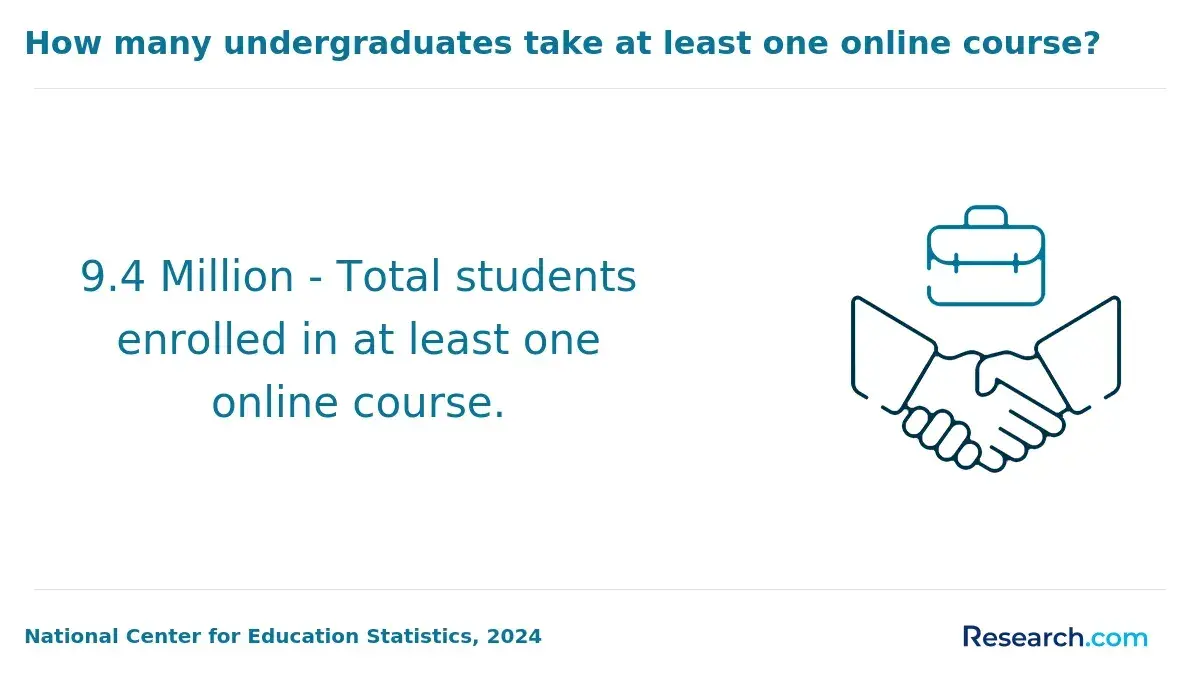
Choosing the best online learning format at Florida Institute of Technology is a highly personal decision shaped by multiple factors. There is no universally ideal option since lifestyles, work commitments, and learning preferences vary significantly from one student to another. National data find that 58% of online students prefer part-time or self-paced modes because they need flexibility to balance external demands. Such a trend highlights the importance of adaptability but also raises concerns about sustained progress and timely completion. Prospective students must weigh practical tradeoffs that affect both academic success and early career momentum.
Key lifestyle considerations can help guide the choice among part-time, full-time, and self-paced formats:
- Work Schedule Rigidity: If job hours are inflexible or unpredictable, self-paced programs allow study around shifts or travel but risk slower progress. More structured formats suit those with a consistent work routine seeking faster credential completion to enhance employability.
- Family and Caregiving Demands: Students responsible for children or eldercare often favor part-time or self-paced learning to distribute workload evenly over time. Recognizing when caregiving peaks can help avoid overwhelm and ensure steady academic engagement.
- Learning Autonomy and Motivation: Self-paced formats require strong self-discipline and motivation. Students confident in managing deadlines and independent study thrive here. Others may benefit from the accountability and peer interaction embedded in scheduled classes.
- Urgency to Enter the Workforce: Full-time study accelerates degree completion, supporting quicker entry or advancement in careers. Students with immediate financial or professional goals may prioritize speed over flexibility despite heavier weekly time commitments.
- Technology Comfort and Access: Reliable internet and tech skills are essential for all formats but especially critical when pacing is student-driven. Those with limited tech resources might find fixed course schedules easier for planning and troubleshooting support.
- Long-Term Career Impact: Employers often look for consistent academic progress. Students balancing multiple roles can choose formats that demonstrate commitment while avoiding burnout, which can cause delays that affect early career momentum.
- Personal Stress and Health Factors: Health challenges or fluctuating energy levels call for flexible pacing to manage workload and avoid academic fatigue. Knowing personal limits guides realistic scheduling decisions that protect well-being and promote completion.
One prospective student shared uncertainty about committing to full-time online study while working full days and parenting young children. She considered a self-paced option but worried about lacking structure to stay on track. Eventually, she selected a part-time format at Florida Institute of Technology that balanced predictable weekly deadlines with enough flexibility to accommodate family emergencies. This choice reduced her stress and maintained steady progress toward her degree. Without weighing her lifestyle demands against learning format characteristics, she might have faced delayed completion or burnout. This example illustrates how aligning educational format with daily realities can underpin long-term success.
How does your enrollment status affect time and cost at Florida Institute of Technology?
Enrollment status at Florida Institute of Technology profoundly shapes both the duration and cost of earning an online degree. Choosing full-time study accelerates completion, reducing the total time spent in the program but increases tuition billed each semester. This faster pace can lower overall living and opportunity costs despite higher per-term expenses. Conversely, part-time enrollment eases short-term financial strain but extends the timeline, leading to higher cumulative fees and potential increases in total cost due to prolonged access charges and institutional fees.
Part-time students typically balance academics with employment or family responsibilities, which can mitigate income disruption yet delay graduation. Full-time students face intensified workloads but may capitalize on quicker transitions to higher earnings and reduced debt-servicing periods. The National Center for Education Statistics finds that part-time online students often incur about 15% higher total educational costs when factoring in extended program duration, highlighting the hidden financial consequences of spreading out coursework over additional terms.
Consider a working professional choosing full-time enrollment at Florida Institute of Technology. Though the immediate tuition outlay is higher each semester, this individual finishes in fewer terms, minimizing lost wage potential and entering the job market sooner with a credential. A comparable student enrolling part-time manages regular income flow but faces additional semesters of tuition and fees totaling more than the accelerated track. This scenario demonstrates how enrollment status directly influences the balance between manageable payments and long-term financial impact.
Deciding between part-time and full-time enrollment hinges on a student's financial liquidity, time availability, and career timeline. Students with stable funding and urgency to graduate may favor full-time status to optimize cost and time efficiency. Those needing flexibility for work or personal matters should weigh the trade-off of longer program length and higher total costs against immediate affordability. The choice at Florida Institute of Technology should align with realistic appraisals of personal capacity, economic constraints, and the tangible ROI shaped by employer expectations around timely program completion.
What technology and learning skills are needed for online success at Florida Institute of Technology?
Success in Florida Institute of Technology's online programs hinges on more than just having the right equipment. Access to stable internet and updated computers sets the foundation, but strong learning habits and digital competency are what drive retention and completion. Students must navigate Canvas, the main learning management system, efficiently to keep up with coursework and deadlines. A real-world scenario illustrates this: a student balancing part-time work and studies must master time management and troubleshoot basic tech issues independently to avoid falling behind. National data shows 63.5% of online students with high satisfaction in learning system usability persist longer in courses, highlighting technology readiness as a critical success factor for prospective students evaluating part-time, full-time, or self-paced formats.
These core technology and learning skills are essential for Florida Institute of Technology online learning technology requirements:
- Reliable High-Speed Internet Connection: Consistent access to a fast internet connection prevents disruptions in video lectures, online exams, and discussion forums, which are vital in the Canvas-based environment. Students should verify their internet speed and have backup plans such as mobile hotspots.
- Proficiency with Canvas LMS Navigation: Familiarity with Canvas allows timely submission of assignments and smooth participation in virtual discussions. Early engagement with orientation modules can reduce the learning curve and improve course persistence.
- Digital Literacy and Troubleshooting: Basic skills like file management and resolving technical glitches independently minimize downtime and stress. Gaining these competencies beforehand prepares students for an increasingly digital academic and professional world.
- Time Management and Goal-Setting: Self-directed scheduling skills help balance academic responsibilities with external demands in part-time or self-paced formats, preventing course overload and attrition.
- Effective Virtual Communication: Clear online interaction with peers and instructors is crucial for collaboration and networking, impacting both course success and future employability.
- Adaptability to Learning Formats: Flexibility in adjusting between self-paced, part-time, or full-time studies supports persistence despite changing personal or professional situations.
- Commitment to Continuous Tech Support Utilization: Leveraging available tech resources ensures ongoing competency growth and problem resolution, reducing frustration and withdrawal risk.
Prospective students who fit criteria such as military families find tailored options at Florida Institute of Technology, recognized among colleges for military spouses, where these technology and learning skills are integrated into program support.
How does Florida Institute of Technology's online format compare with other universities?
Comparing online learning formats matters as much as evaluating programs or tuition. Different structures affect how students manage time, access resources, and engage with coursework. Florida Institute of Technology's online offerings present a moderately selective admissions process and a tuition of $65,900, which is above average among private institutions. This higher cost reflects the total attendance, but the graduation rate of 65% suggests retention and completion challenges compared to institutions with more flexible pacing and stronger student support.
Florida Institute of Technology online learning compared to regional universities shows that scheduling flexibility and pacing options are crucial differentiators. Many peer schools offer full-time, part-time, and self-paced formats with design features tailored to diverse learner needs. A 2024 study found that institutions blending flexible pacing with full-time structures boost graduation and employer satisfaction, highlighting Florida Tech's opportunity to improve outcomes by adapting its model. The current median alumni salary of $43,137 indicates there may be limits on immediate economic returns compared to schools producing graduates earning $50,000 or more.
The learning format impacts whether students thrive or struggle, especially in self-paced or part-time modes. Prospective students should consider how the online setup aligns with their lifestyle and goals. Someone balancing a job and family may prefer Florida Tech's options but must weigh potential hurdles in course pace and support. Meanwhile, students focused on accelerated completion might find programs at other schools more suitable due to more structured schedules and consistently higher completion rates. This evaluation is essential alongside analyzing which what degrees allow you to work from home.
Deciding between Florida Institute of Technology's online formats involves understanding trade-offs rather than seeking a universally best option. The choice depends on personal learning preferences, financial readiness, and career aims. For some, the moderately selective admissions and array of pacing options provide a manageable entry. For others, schools with higher graduation rates and stronger post-graduation salaries might justify selecting a different online learning environment.
Which online learning format at Florida Institute of Technology best supports your career goals?
Choosing an online learning format at Florida Institute of Technology should go beyond convenience and focus on how each option advances career goals or enables transitions. For example, full-time study suits those needing swift credential completion to enter competitive, high-paying fields like Computer Science or Electrical Engineering, where alumni often reach salaries near $67,000. Convenience alone cannot replace the momentum and immersion needed to leverage rapid advancement opportunities or meet graduate school prerequisites.
Part-time enrollment offers a practical compromise, enabling professionals to maintain employment while progressing academically. This format supports steady career growth and skill development without forcing income sacrifice, fitting many mid-career individuals aiming for executive roles. However, students must acknowledge the longer timeline and somewhat slower earnings growth compared to full-time peers, whose median salaries often exceed part-time grads by tens of thousands.
Self-paced learning attracts those prioritizing flexibility above all else, often balancing complex job or family demands. Yet this autonomy comes at the cost of reduced access to career services and networking, which are linked to a 12% higher chance of salary increases for full- or part-time students, according to the Florida Institute of Technology Career Outcomes Report. Students considering self-paced options should rigorously assess their self-discipline and willingness to forgo institutional support that enhances employment outcomes.
Students can make informed decisions by assessing four factors: current work and personal obligations, how quickly they want to graduate, employer expectations for ongoing education, and their ultimate career aims. For instance, a working engineer seeking promotion might choose part-time learning to balance current projects and professional advancement. In contrast, a recent graduate targeting a fast-track entry into tech roles might opt for full-time study. Aligning these realities with Florida Institute of Technology's enrollment formats clarifies which path maximizes professional success rather than simply fitting a schedule.
What Graduates Say About Florida Institute of Technology Online Learning Formats
- Chloe: "Choosing the part-time online program at Florida Institute of Technology was essential for me to juggle my full-time job and family commitments. The structured weekly assignments helped me stay on track without overwhelming my schedule, even during busy work periods. Graduating with this balance allowed me to transition into a management role with confidence, knowing I could apply what I learned in real time."
- Homer: "I opted for the full-time online learning format because I wanted to accelerate my career shift without pausing my income. It was intense, especially adjusting to the fast pace of coursework, but the immersive experience pushed me to sharpen my focus and time management skills. Earning my degree from Florida Institute of Technology so quickly opened doors to new positions in tech project leadership far sooner than I had anticipated."
- Eva: "The self-paced option at Florida Institute of Technology suited my unpredictable freelance schedule perfectly, allowing me to study in bursts when my workload permitted. While it took longer to graduate, this flexibility meant I could truly absorb complex topics without the pressure of synchronous deadlines. This careful approach helped me build a solid foundation and ultimately made me a more thoughtful and adaptable engineer in my career."
Other Things You Should Know About Florida Institute of Technology Degrees
Employer recognition at Florida Institute of Technology tends to focus more on the degree and accreditation than on the format. However, full-time online students often graduate faster, which signals strong time-management to employers, while part-time students may reflect the ability to balance work and study. Self-paced formats can be viewed positively for demonstrating discipline but may raise questions if completion times are unusually long. Students aiming to maximize employment prospects should consider the format that best aligns with their capacity to deliver steady, timely progress.
Motivation tends to drop in more flexible formats like self-paced pathways due to lack of structured deadlines and reduced peer interaction. Part-time and full-time formats provide more scheduled engagement, which helps keep students accountable but may limit flexibility for those with busy lives. Students who struggle with self-motivation should lean toward scheduled formats despite a tighter timeline, while those with high self-discipline may benefit from the autonomy of self-paced study if they can consistently commit time.
Part-time study is generally the most practical option for students managing significant outside responsibilities, as it provides a predictable, manageable course load. Full-time formats demand heavy weekly commitments that can exacerbate stress, and self-paced options require strong self-regulation to avoid delays in progress. Prioritizing part-time enrollment helps sustain work-life balance while maintaining academic momentum and reduces the risk of burnout that can arise from less structured formats.
References
- How can I contact TIAA? https://www.tiaa.org/public/tcm/fltech/retirement-benefits/plan-405540
- Florida Institute of Technology Employee Benefits: Does Florida Institute of Technology Have Good Benefits? https://builtin.com/company/florida-institute-of-technology/benefits
- Florida Institute of Technology Requirements for Admission https://www.prepscholar.com/sat/s/colleges/Florida-Institute-of-Technology-admission-requirements
- Distance Learning https://www.sf-institute.com/content/distance-learning
- Florida Digital Information Technology: How to Meet Course Standards https://www.icevonline.com/blog/2016/09/florida-digital-information-technology-course
- Online Programs https://fortmyerstech.edu/programs/online-programs/
- Florida Institute of Technology Admission Process 2026 : Requirements, Application Dates & Deadlines https://www.gyandhan.com/study-abroad/usa/universities/florida-institute-of-technology/admission
- Online Course Technical Requirements https://fsw.teamdynamix.com/TDClient/KB/ArticleDet
- Text Platform | Chat framework for innovative teams https://platform.text.com/tools/diff-checker
- Events for the Month of June, 2026 https://www.enrole.com/fit/jsp/calendar.jsp