2027 Best Online Degrees at Fairfield University: Programs, Tuition, and Admissions

Co-Founder and Chief Data Scientist
Many assume online degrees lack the rigor or community engagement of traditional programs, but Fairfield University challenges this notion by emphasizing a personalized online learning experience rooted in its Jesuit values. Serving a diverse student body-including working adults, transfer students, and career changers-the university offers programs in fields like business, nursing, and education that integrate practical skills with ethical reflection.
According to recent IPEDS data, Fairfield maintains a strong retention rate for online students, reflecting its commitment to academic support that adapts to nontraditional learners' needs.
Choosing among online degree options requires careful evaluation of factors such as course flexibility, program length, tuition costs, and financial aid availability, as well as admissions standards aligned with student backgrounds. Beyond entry requirements, prospective students should consider career support services and the extent of personalized guidance, which influence long-term outcomes.
This article aims to clarify these elements in Fairfield University's online offerings, highlighting what programs fit different goals and life circumstances while addressing the operational realities of balancing study with work and family commitments.
Quick Facts About Fairfield University Online Degrees
- Fairfield University's transfer admission is notably selective, with a high entrance difficulty rating, but the institution generally accepts prior college credits, facilitating credit transfer for students enrolling in fall and spring terms.
- The online degree offerings emphasize career-oriented programs in fields such as nursing, business, information technology, and education.
- Tuition costs approximate $77,870 for completion, reflecting the university's comprehensive program structure and resources.
Is Fairfield University a Good School for Online Degrees?
Evaluating Fairfield University's viability for online degrees in 2026 reveals important tradeoffs between personalized education and program breadth. As a private Jesuit institution with about 4,000 undergraduates and 1,700 graduate students including online learners, Fairfield offers a smaller, more intimate online environment that fosters direct faculty engagement and ethical community values.
However, this personalized focus means a narrower selection of online degree programs compared to larger public universities, which could limit options for students seeking specialized or extensive digital curricula. Its regional accreditation via NECHE and specialized program accreditations support academic legitimacy and credit transferability, essential factors for online students investing in reputable credentials.
Student Profile and Learning Environment
The online student body skews older and career-focused, often including working adults and military personnel who benefit from flexible scheduling and supportive institutional culture. This demographic dynamic supports collaborative learning enriched by professional experience, aligning well with students who prioritize faculty interaction and smaller cohorts over sheer program volume. However, the private status involves higher tuition, which prospective students need to weigh against the value of close faculty support and Jesuit educational emphasis.
Academic Reputation and Online Offerings
While Fairfield is not ranked among the top national online educators, our research shows it maintains respectable academic standing in core fields relevant to online degrees, such as business and healthcare. The university's steady performance and values-based approach offer meaningful alternatives for students seeking a balance between academic rigor and personalized support. Students researching quick degrees that pay well should consider Fairfield's profile carefully, as it suits specific career-driven learners comfortable with limited online program diversity and private tuition costs.
One Fairfield graduate recalls juggling a full-time nursing career while completing an online degree: "The class sizes were small, which made it easier to reach out to professors directly when I had questions. Being able to apply Jesuit values to my work-life balance helped me stay motivated. But I did wish there were more elective choices online." This reflects the real-world calibration required when choosing between depth of support and program variety at Fairfield.
What Online Degree Programs Does Fairfield University Offer?
Healthcare administration leads Fairfield University's online degree focus, reflecting the nationwide demand for skilled professionals in this sector. The Bachelor of Science in Healthcare Administration highlights the institution's strategic direction toward career-connected fields, complemented by master's programs that include specialized tracks such as nurse anesthesia and business analytics. Our research shows that degrees related to nursing administration command some of the highest fee levels among comparable programs, which correlates with their clinical and professional complexity.
While Fairfield does not offer online associate degrees, it provides targeted bachelor's degrees in healthcare, business administration, and interdisciplinary studies, designed to meet workforce needs rather than a broad liberal arts or STEM spectrum. This narrows student options but concentrates resources on fields with clear career pathways. In addition, the Dolan School of Business and the School of Nursing serve as primary academic hubs for these online programs, integrating practical specialization such as analytics and leadership. For example, business administration-related programs typically fall around $51,604 in tuition, reflecting the premium placed on leadership and operational management skills in the market.
Graduate certificates and continuing education serve as flexible pathways for professionals seeking to upskill without full degree commitments. However, the absence of fully online doctoral programs limits advancement opportunities at the terminal degree level. Based on our analysis, prospective students should weigh Fairfield's robust nursing and business master's options against the more limited disciplinary breadth and absence of engineering or technology-heavy degrees, such as mechanical engineering priced significantly higher at $66,682, indicating these fields are outside Fairfield's current online focus.
How Do Online Classes Work at Fairfield University?
Online classes at Fairfield University reflect a design that balances flexibility with academic rigor, particularly targeting adult learners managing work and personal commitments. The predominant use of asynchronous delivery enables students to progress on their own schedules, which suits those needing to navigate irregular work hours or caregiving duties. However, many courses incorporate synchronous sessions requiring fixed-time attendance, notably for discussions and group projects, which may limit flexibility for students with unpredictable schedules.
Enrollment options accommodate both part-time and full-time students, allowing adjustments based on external obligations and study capacity. Accelerated pathways shorten terms but increase weekly demands, calling for strong time management. The Blackboard Learn system integrates course materials, communication, and virtual meetings through Zoom, supporting mobile access but still requiring reliable technology for full participation.
Additionally, certain programs mandate in-person internships or practicums, which can affect geographic and scheduling considerations. For transfer students, Fairfield has a high entrance difficulty but generally accepts credits with possible Fall and Spring admissions, adding further nuance to planning an effective transfer strategy.
How Long Does It Take to Complete an Online Degree at Fairfield University, and Can Transfer Credits Speed It Up?
The time to complete an online degree at Fairfield University varies significantly by degree level and enrollment status, with full-time students typically finishing associate degrees in about two years and bachelor's degrees in four. Part-time students may extend these timelines substantially-potentially taking five to eight years for a bachelor's degree-depending on course load and scheduling flexibility.
Transfer credits play an essential role in accelerating progress; the university allows up to 60 transfer credits for bachelor's programs, easing the path for students entering with prior work or academic experience. Fairfield offers multiple start terms, summer and winter sessions, and recognizes credits through prior learning assessments, further shortening time-to-degree.
Graduate programs commonly range from one to two years, with accelerated master's options like the MBA completed in about 12 months. In our research on transfer credit benefits for Fairfield University online programs, such policies clearly lessen academic redundancy, enabling faster graduation for transfer and adult learners.
Impact of Enrollment and Transfer Credits
Enrollment intensity dramatically affects graduation timelines. Full-time status (12+ credits per semester) supports the standard completion pace, while part-time enrollment-the choice of many working adults-extends timelines but offers vital flexibility. Transfer credits from regionally accredited colleges and credit-by-exam options, such as CLEP or portfolio assessments, can shrink course loads substantially.
Articulation agreements with local community colleges further guarantee smoother credit acceptance, minimizing administrative delays and facilitating continuous credit accumulation. This structure benefits students balancing career and family commitments who seek to leverage prior learning toward degree completion.
Acceleration Opportunities and Practical Considerations
Accelerated pathways, especially at the graduate level, include compressed terms and cohort models that expedite degree completion but may require greater time investment per semester. Undergraduate students can take advantage of Fairfield's year-round enrollment and evening or weekend courses, though prerequisites and course sequencing may still impose limits on how quickly credits accrue. Prospective students should carefully consider these factors against their personal and professional demands. For insight on navigating these academic choices, our research points readers to the most lucrative college majors, helping align degree timelines with workforce opportunities.
Alex, a part-time online bachelor's student at Fairfield, recalls balancing full-time work and parenthood while transferring credits from a community college. "Without those 45 transfer credits, I'd still be stuck taking intro courses," Alex explained. The availability of summer sessions and CLEP exams allowed them to maintain momentum, even during a demanding season at their job. "It felt like fitting pieces of a puzzle together-sometimes frustrating, but the flexible terms meant I wasn't locked into a rigid four-year plan. I appreciated knowing I wasn't starting from scratch." This practical accommodation illustrates how transfer credits and enrollment choices can decisively shape the student journey at Fairfield.
How Much Does an Online Degree at Fairfield University Cost?
Online degree costs at Fairfield University reflect a consistent per-credit tuition model without distinction between residency or delivery mode, which simplifies budgeting for prospective students. Our research shows undergraduate tuition is approximately $1,116 per credit, resulting in an estimated total cost near $73,371 for a typical bachelor's degree, aligning with published data and suggesting reasonable predictability for degree completion expenses.
Graduate tuition averages around $1,595 per credit, with master's programs likely totaling about $56,360, slightly above earlier estimates, indicating variability depending on precise credit requirements and program specifics. Mandatory fees, including technology and student service fees totaling roughly $700 per semester plus a graduation fee, add to the financial commitment beyond tuition.
Compared to regional peers charging lower per-credit rates, Fairfield's pricing sits mid-to-high but offers uniformity across online and on-campus formats. These factors highlight the importance of considering total cost, including additional fees and potential program-specific expenses, when planning for online study at Fairfield.
Does Fairfield University Offer Financial Aid for Online Students?
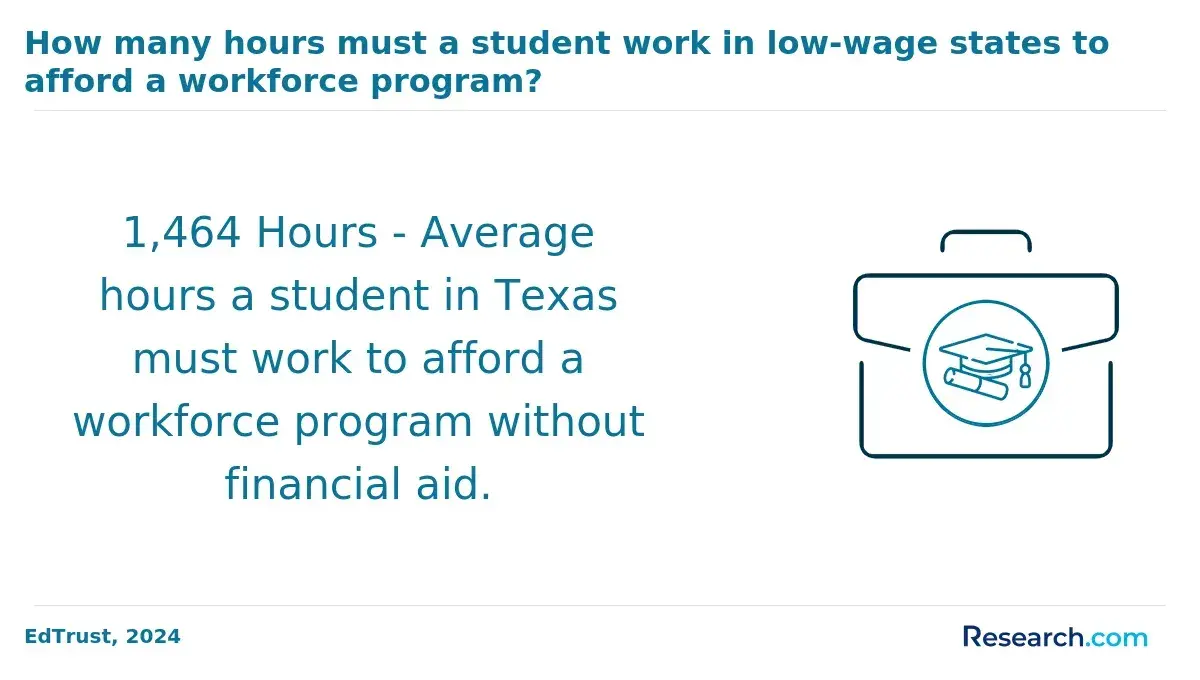
Fairfield University offers online students access to a broad array of financial aid options comparable to traditional enrollment, reflecting its commitment to minimizing out-of-pocket expenses for learners across diverse backgrounds. Online students must submit FAFSA to qualify for federal grants, loans, and work-study, with eligibility determined by satisfactory academic progress and enrollment status. Notably, federal grants like the Pell Grant and FSEOG provide need-based funding that does not require repayment, though part-time students may face limitations due to credit load requirements.
State-based aid typically favors Connecticut residents, which narrows options for out-of-state online enrollees. However, Fairfield also administers specialized scholarships targeting adult learners, military-affiliated students, and transfer students, emphasizing nuanced eligibility rules and separate applications. Employer tuition reimbursement serves as an alternative financing method for working professionals but requires upfront payment and employer cooperation.
Our research shows about 98% of students engage with financial aid mechanisms, reflecting the high demand for support given an average tuition cost near $25,080 annually. For prospective online students weighing financial aid, coordinating FAFSA submissions, state residency benefits, institutional scholarships, and employer programs is essential for optimizing funding. Prospective learners should consider these elements carefully to navigate Fairfield University online student financial aid options effectively.
When reflecting on financial aid support, a recent Fairfield online graduate shared that understanding the interplay between FAFSA grants and employer tuition reimbursement was pivotal. She remarked, "I initially underestimated how much I'd need to pay upfront for courses, which meant working closely with my HR to ensure reimbursement paperwork was on time." Her careful planning allowed her to combine Pell Grant funding with employer benefits, reducing loan dependence and easing financial stress while balancing full-time work and studies.
What Are the Admissions Requirements for Fairfield University Online Programs?
Fairfield University's online admissions balance accessibility with academic standards, reflecting the needs of diverse learners including recent graduates, transfer students, and working adults. Their undergraduate acceptance rate, around 80%, suggests moderate selectivity-most applicants with solid preparation can gain admission. However, program competitiveness varies; business and STEM-related graduate programs impose stricter requirements, including higher GPAs from 3.25 and mandatory GRE or GMAT scores, while liberal arts remain more flexible.
Our research underscores that a minimum GPA of 3.0 is generally expected for undergraduates, with some allowance for holistic review in transfer or nontraditional cases. Transfer credits are welcomed, with up to 64 credits accepted, facilitating smoother pathways for students with prior college experience. Applicants must submit secondary school records or GED equivalency, and recommendations are required, reflecting the university's emphasis on personal and academic readiness.
Fairfield employs rolling admissions with multiple start dates, benefiting professionals needing flexible enrollment timing. While standardized tests are optional for undergraduate applicants, graduate applicants encounter variable testing policies based on discipline and professional experience. This selective flexibility prioritizes both candidate qualifications and practical barriers faced by adult learners, offering a balanced yet accountable admissions framework.
Is Fairfield University Accredited and Respected by Employers?
Fairfield University's online degrees carry significant employer respect due to its strong accreditation foundation and program quality. Holding regional accreditation from the New England Commission of Higher Education ensures its qualifications meet rigorous academic and institutional standards, widely recognized by employers and graduate programs. Specialized accreditations further enhance credibility: the Business School's AACSB accreditation signals excellence prized by corporate employers, while nursing and education programs' CCNE and CAEP accreditations are essential for licensure and professional recognition nationwide.
These accreditations not only support licensure eligibility across many states but also promote credit transferability and graduate admissions, reducing obstacles for continuing education. Employer attitudes have shifted post-pandemic to prioritize institutional reputation and program quality over delivery mode, benefiting Fairfield due to its Jesuit heritage and consistent rankings in the research.com database, underscoring faculty and program quality. Prospective students should note that licensure requirements remain state-dependent, making program accreditation a key factor in maintaining professional mobility and opportunity.
What Support Services Does Fairfield University Offer Online Students?
Contrary to the common assumption that online learners face limited support, Fairfield University delivers a well-integrated system addressing key challenges of remote education. Their approach emphasizes personalized academic advising, accessible via phone or video, which proves critical for transfer students managing complex credit evaluations and degree planning. Tutoring and writing services are offered flexibly through virtual sessions in subjects like math and business, reflecting the university's recognition of higher writing support demand among online students.
While support hours extend into evenings, 24/7 availability is not standard, potentially impacting students with irregular work schedules. Career services mirror on-campus offerings through virtual coaching and networking events, although some online learners report these are somewhat less immersive than in-person options. Technical support maintains weekday extended hours with multiple contact methods, ensuring swift resolution of issues that could disrupt learning.
Comprehensive library access and mental health counseling further round out the ecosystem, aligning with best practices for sustaining persistence and engagement. Our research highlights Fairfield University online student support services as sufficiently robust for most adult learners but suggests potential gains from expanding flexible service times. For those pursuing a online associate's degree, these resources offer foundational backing for academic and career success.
A recent graduate, juggling a full-time job and family responsibilities, appreciated Fairfield's advising system, especially its early credit evaluation that eased transferring from a community college. She mentioned, "The advisors didn't just help pick classes but checked in regularly, which kept me on track despite hectic weeks." She relied heavily on evening tutoring sessions, remarking, "Having access to live writing help after work made the difference when I felt overwhelmed."
Yet, she noted occasional frustration with limited weekend support, "Sometimes I had to prepare solo when urgent help wasn't available, but overall the community felt connected through virtual clubs and webinars." Her experience reflects the university's balanced strategy to serve online learners amid real-world demands while highlighting where extended service hours could alleviate hidden stresses.
Is an Online Degree From Fairfield University Worth It?
Prospective students considering online degree programs at Fairfield University in 2026 should weigh the practical balance between tuition investment and career outcomes. Based on our research, graduates earn a median salary near $68,000 about ten years after enrollment, which supports manageable debt repayment given typical borrowing around $26,000 and an earnings-to-debt ratio of 3.42x.
This places graduates in a stable middle-income range, particularly benefitting those in business and healthcare fields, while education majors face more modest salary returns relative to costs. Employment rates near 85% within a year and strong regional employer ties enhance workforce relevance.
Understanding these dynamics is vital for evaluating the value of Fairfield's online degrees in Connecticut, especially when assessing career advancement prospects and field alignment. For further exploration of specialized paths like an online PhD criminal justice no dissertation degree, these outcomes inform realistic expectations.
What Graduates of Fairfield University Online Programs Say
- Aubrey: "Balancing a full-time job and family left me with very limited hours for study, which made Fairfield's online program the only viable option. I chose it specifically for its flexible schedule and the ability to complete assignments around my own pace. Although I didn't secure a traditional internship, the practical projects really helped me build a portfolio that ultimately opened doors to remote freelance work in my field."
- Phoebe: "After realizing I needed a career shift but lacked the budget for extended classroom study, I enrolled in Fairfield's online degree to fast-track my transition. The program's emphasis on applied skills meant I wasn't just learning theory; I developed certifications that my current employer values highly. That said, I quickly discovered that without licensure, there are limits to upward mobility in my industry, so I'm now planning to pursue that next step parallel to my job."
- Mariah: "I was drawn to Fairfield's online program because it allowed me to keep my current role while upgrading my qualifications for future opportunities. The flexibility meant that I never had to choose between workload and education, but competition for my targeted positions was still fierce. What really helped me stand out was the chance to complete a capstone project partnered with a local company, which gave me hands-on experience employers actually look for in hiring decisions."
Other Things You Should Know About Fairfield University Degrees
Fairfield University offers extended admission windows and rolling application periods, which allow students to start their programs at multiple points throughout the year. However, while scheduling is somewhat flexible, the coursework pace remains structured with firm deadlines, making it important for working professionals to realistically assess their availability. Students must prioritize consistent weekly time blocks to keep up, as falling behind can quickly disrupt progress given the compressed terms.
Nontraditional enrollment options can benefit those with irregular schedules or career interruptions by easing entry timing, but this flexibility often comes with less integration into cohort learning experiences. The absence of a fixed start date may limit networking opportunities with peers beginning simultaneously, potentially affecting collaborative learning and professional connections. Prospective students should weigh whether the convenience of asynchronous start dates outweighs the loss of a shared cohort dynamic.
In 2027, Fairfield University offers flexible online degree programs that cater to working professionals and those with personal commitments. The programs emphasize interactive coursework, highly experienced faculty, and strong student support services, all designed to provide a comprehensive and engaging educational experience.
Given the program's structured deadlines within flexible enrollment, prioritizing proactive time management is crucial. Students should establish a consistent weekly study routine early on rather than relying on deadline-driven pushes, which risks burnout and incomplete assignments. Using tools like digital calendars and setting incremental milestones helps maintain steady progress and reduces last-minute pressure, especially for those balancing professional duties alongside coursework.
References
- Fairfield University Overview | CollegeData https://www.collegedata.com/college-search/Fairfield-University
- Manage Your Student Gmail https://fairfield-university.atlassian.net/wiki/spaces/ITSKB/pages/30345558
- Charles F. Dolan School Of Business At Fairfield University https://poetsandquantsforundergrads.com/school-profile/dolan-school-of-business/
- Student Support and Welfare Services - Fairfield School of Business https://fsb.ac.uk/study/student-support/
- New Pathways to a College Degree: How Transfer Credits Save Time https://www.uagrantham.edu/blog/transfer-college-credits-online-pathways-degree/
- Fairfield University Tuition and Financial Aid https://www.prepscholar.com/sat/s/colleges/Fairfield-University-tuition-financial-aid
- Fairfield University financial aid · Kolly https://kolly.ai/financial-aid/fairfield-university
- Fairfield University among first to offer virtual counseling services through UWill | EdScoop https://edscoop.com/fairfield-university-uwill-virtual-counseling-services/