2027 Arizona State University Online MEd in Special Education K-12: Cost, Curriculum, Admissions, and Career Outcomes

Co-Founder and Chief Data Scientist
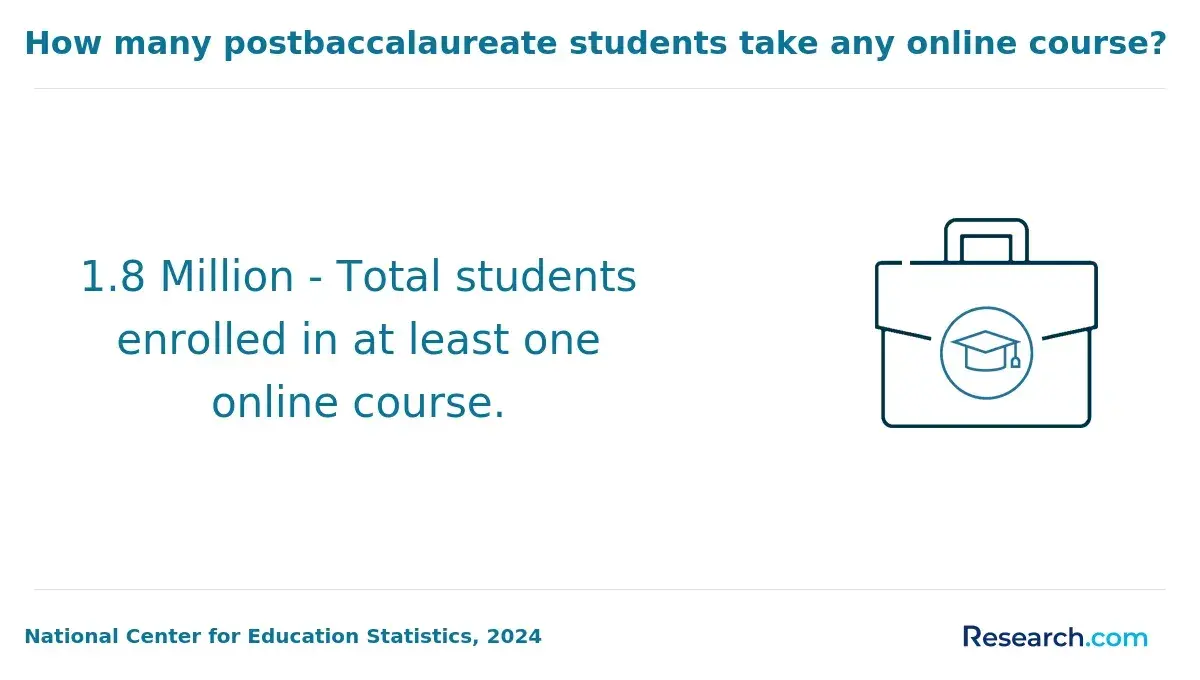
Determining whether an online MEd in special education K-12 from Arizona State University aligns with both academic goals and career plans can be challenging. Prospective students face questions about program flexibility and relevance amid a growing online education landscape, with 45% of U. S. higher education enrollment now taking at least one online course, according to the National Center for Education Statistics. This shift highlights the increasing need for programs that accommodate working adults seeking career mobility without sacrificing instructional quality. Evaluating costs, curriculum content, admissions criteria, and career outcomes becomes essential to making an informed decision. This article examines these factors to help readers gauge the program's fit for their professional trajectory.
Key Points About Arizona State University's MEd in Special Education K-12 Program
- With a 90% acceptance rate, Arizona State University's online MEd in Special Education K-12 offers broad access but requires weighing its $34,845 tuition against long-term career returns in special education roles.
- Students in this program engage with faculty experienced in special education, which supports skill development aligned with employer expectations in K-12 settings.
- Graduates from this program tend to achieve positive career outcomes, reflecting the program's alignment with workforce demands for qualified special education professionals.
What can students expect from Arizona State University's online MEd in Special Education K-12 curriculum?
The online MEd in Special Education K-12 at Arizona State University emphasizes practical application over theory alone, recognizing that special education professionals must navigate complex classroom dynamics and regulatory requirements. For instance, a teacher working in a public school setting must adapt behavioral interventions based on diverse student needs while collaborating with multidisciplinary teams.
ASU's program reflects nationwide standards but tailors its curriculum to meet the particular requirements of Arizona's education system. This focus ensures students are prepared for both licensure and the realities of K-12 special education careers. Below are key components of the program's curriculum:
- Behavior Management: This course requires candidates to develop and implement strategies that support positive student behavior, emphasizing evidence-based techniques that promote inclusion and classroom stability. Mastery here facilitates effective real-time responses to behavioral challenges common in special education settings.
- Assessment and Evaluation: Students learn to administer and interpret varied assessments to identify individual learning profiles and disabilities accurately. This coursework is crucial for creating tailored instructional plans and fulfilling legal documentation requirements essential for compliance and funding.
- Instructional Design: Focused on designing actionable lesson plans that address diverse academic and social challenges, this course pushes educators to integrate technology and universal design principles, ensuring accessibility for all K-12 learners.
The curriculum's structure demands a capstone or practicum experience, aligning academic knowledge with workplace realities. When combined with a comprehensive special education curriculum tailored for Arizona students and effective online teaching methods in special education for K-12 careers, graduates emerge better equipped to serve complex student populations. Students assessing affordability may also explore options through resources such as cheap online colleges that accept FAFSA, which could impact their decision-making process regarding investment in higher education pathways.
What are Arizona State University's admission requirements for online MEd in Special Education K-12 program?
Admission to Arizona State University's online MEd in Special Education K-12 is more selective than a typical open-enrollment program, reflecting its focus on candidates who demonstrate academic readiness and basic competency. For example, an applicant with a high school diploma but limited formal postsecondary experience may need to provide additional documentation to prove preparedness and English proficiency before a competitive review can occur.
The program expects applicants to show evidence of secondary education completion along with assessments that support their potential for success. Below are key admission considerations applicants should prepare for:
- High school completion: Applicants must have earned a high school diploma or an equivalent credential, such as a GED, ensuring foundational education. This baseline criterion indicates readiness for graduate coursework, even though the program does not require a prior bachelor's degree for admission.
- Secondary school record: Submission of academic transcripts from secondary education helps admissions verify academic performance and consistency. While there is no strict GPA stated, this record forms part of an overall review of academic standing.
- English proficiency: Non-native English speakers are required to demonstrate proficiency through formal exams like the TOEFL, reflecting the program's expectation for effective communication in an online learning environment.
- Supporting documentation: Letters of recommendation, while not mandatory, strengthen the application by providing insight into the applicant's skills and suitability for special education pedagogy. Admission tests like the SAT or ACT can be submitted but are recommended rather than required.
- Computer access: Considering the fully online format, applicants must have reliable access to a computer. ASU may offer options for purchasing or leasing devices, recognizing this as essential for participation and coursework submission.
Is it difficult to get admitted to Arizona State University's online MEd in Special Education K-12 program?
Admission to MEd in Special Education K-12 programs typically balances selectivity with the profession's growing demand for qualified educators, often reflecting moderate competition. Many programs prioritize candidates with relevant teaching experience, which can create a barrier for those entering directly from undergraduate studies but eases access for in-service teachers. Employers generally value demonstrated practical skills alongside academic credentials, influencing admissions emphasis on prior experience and professional readiness.
Arizona State University's online MEd in Special Education K-12 reflects this dynamic with a notably high acceptance rate of 90%, suggesting less restrictive admissions compared to other institutions where acceptance may be more limited. With 62,084 admitted out of 68,840 total applicants, the overall university maintains broad accessibility. Importantly, ASU does not require SAT or ACT scores, a factor that reduces common entry hurdles. This aligns with the program's apparent aim to accommodate educators progressing in their careers rather than recent undergraduates seeking initial licensure.
One graduate recalled hesitating before applying because she worried the program might be highly competitive. After reviewing the requirements and realizing standardized test scores were unnecessary, she submitted her application with some urgency, viewing the program as a realistic option to enhance her credentials without the stress of more selective admissions. Her experience reflects a practical truth: the program's design favors qualified educators looking for advancement rather than extensive credential gatekeeping.
What is the cost of attending an online MEd in Special Education K-12 program at Arizona State University?
Tuition for the online MEd in Special Education K-12 at Arizona State University totals $12,051 annually, but students should budget for additional expenses such as books and supplies, which average $1,320 per year. The total annual cost, factoring in fees, room, and board equivalents for some learners, can reach about $34,845. While the program does not impose separate technology fees for online learners, this flat tuition rate means the financial burden remains consistent regardless of geographic location-a key consideration for candidates weighing relocation or living arrangements during their studies.
Cost comparisons reveal that ASU's total tuition fees for the special education K-12 online program position it competitively among national peers, where prices can fluctuate significantly. Many institutions apply variable online-specific fees or charge differential rates for in-state versus out-of-state students, which can complicate budgeting. Understanding this helps prospective students assess the balance between upfront costs and expected program quality, flexibility, and support resources.
For those mapping career outcomes linked to this degree, investing in an MEd from ASU requires weighing program expenses against potential salary improvements and job market realities. Depending on the local demand for qualified special education teachers, these financial commitments may or may not yield proportional returns. This underscores the importance of reviewing not just tuition but the holistic cost of attending an online MEd in special education K-12 at Arizona State University.
Students looking to compare educational pathways may also explore the best bachelor degrees to get as a foundation before committing to graduate studies.
Are there financial aid options for online MEd in Special Education K-12 students at Arizona State University?
Financial aid for students enrolled in the online MEd in Special Education K-12 at Arizona State University can meaningfully shift the cost-benefit calculation of this degree, but navigating the options requires attention to eligibility and funding limits. For working adults balancing employment and study, employer tuition reimbursement can ease immediate financial pressure, though it often requires proof of job-related relevance. Federal aid resources broaden accessibility but may increase long-term debt burdens, especially when grants are limited, and loans are the primary resource.
The availability of dedicated scholarships can differentiate this program from less specialized offerings, particularly for those demonstrating clear merit or financial need. Veterans leveraging military education benefits may find this pathway more affordable than it appears at face value. Below are key financial aid avenues commonly accessed by online MEd in Special Education K-12 students at Arizona State University:
- University Scholarships: Targeted at graduate education students, these awards range widely in amount and typically require academic achievement or demonstrated financial need, with some specifically reserved for online learners.
- Federal Financial Aid: Includes grants, loans, and work-study accessible by completing the FAFSA; it supports students who meet enrollment and income criteria but often involves borrowing that affects post-graduation finances.
- Tuition Reimbursement: Offered by many employers to support continuing education; eligibility depends on the employer's policy and usually necessitates proof that the coursework relates to the employee's current role.
- Veteran Benefits: Students with military service can utilize GI Bill provisions or other veteran education programs, which can substantially offset tuition costs and reduce reliance on loans.
- Institutional Aid: ASU may provide additional funding based on academic performance or professional background, although availability and award size vary and require proactive application.
What learning resources are available to online MEd in Special Education K-12 students at Arizona State University?
Effective learning resources are critical for online MEd in Special Education K-12 students to navigate the practical challenges of graduate study while balancing work and field placement demands. Without robust digital tools and timely academic support, students risk falling behind, which can delay certification timelines and limit competitiveness in the K-12 special education job market.
Ensuring consistent access to integrated platforms and professional networks can directly influence a student's ability to complete assignments, engage with peers and instructors, and secure meaningful practicum experiences. The following resources illustrate this infrastructure supporting online learners at Arizona State University.
- Comprehensive Learning Platform: A centralized online system delivers video lectures, discussion forums, and assignment portals, allowing students to interact asynchronously. This integration helps maintain steady engagement despite geographic or scheduling constraints common in working educators.
- Technical Support Team: Dedicated staff provide ongoing assistance with software issues, login difficulties, and navigation challenges, minimizing disruptions and ensuring students focus on coursework rather than technology roadblocks.
- Academic Services: Online tutoring, writing assistance, and library resources enable students to strengthen graduate-level research and writing skills essential for thesis work and scholarly assignments in special education.
- Professional Placement Services: Partnerships with K-12 schools facilitate practicum and internship opportunities aligned with program specializations, which are crucial for hands-on experience and meeting certification requirements.
- Alumni and Employer Network: A structured network links current students with alumni and potential employers, providing mentorship, job placement support, and ongoing professional development-key elements for navigating transitions into teaching roles or advancement.
Does Arizona State University's online MEd in Special Education K-12 program have in-person clinicals or practicums?
The necessity for in-person clinicals or practicums in special education master's programs reflects persistent industry standards linking hands-on experience to effective teacher preparation. Unlike fully remote setups that may overlook this aspect, Arizona State University's online MEd in Special Education K-12 requires in-person practicum components, aligning with state licensure mandates. This requirement ensures candidates develop practical competencies that cannot be fully replicated through virtual simulations, which employers expect for readiness in real classroom environments.
In terms of the Arizona State University MEd in special education K-12 practicum requirements, students must engage in supervised clinical or practicum hours directly with K-12 students who have special needs. These experiences typically involve applying instructional strategies, collaborating with educators, and evaluating student progress in local classrooms. Although the coursework is fully online, this hybrid model demands arranging and completing substantial in-person hours within one's community to fulfill program and licensure standards.
This approach, while adding logistical complexity compared to fully online options, better prepares graduates for entry into special education roles. Prospective students should weigh these practicum obligations carefully, particularly if geographic or scheduling constraints exist. For those comparing cost and format options, exploring the cheapest masters degree online offerings may provide alternative pathways with different in-person requirements or support structures.
What careers can graduates of online MEd in Special Education K-12 at Arizona State University secure?
The professional marketability of graduates from Arizona State University's online MEd in Special Education K-12 is grounded in how well the degree translates into sustainable careers within diverse educational settings. For those targeting online special education teaching jobs in Arizona, the program offers pathways to roles requiring specialized expertise yet balancing administrative responsibilities and direct student engagement. This degree's alignment with certification enhances employability but also presents a tradeoff: graduates must navigate rigorous licensure steps that vary across districts. Below is a snapshot of typical career routes graduates can pursue.
- Special Education Teacher: Graduates often become K-12 special education teachers who design and implement Individualized Education Programs (IEPs) tailored to students with disabilities. This frontline role demands close collaboration with general educators and families and typically offers median salaries reflecting regional public school funding levels.
- Instructional Coordinator: This position involves overseeing curriculum development and ensuring compliance with education regulations. Those in this role train educators on special education best practices and earn higher salaries than classroom teachers due to added administrative duties.
- Behavior Specialist: Focused on behavioral assessments, these professionals develop intervention strategies to improve student conduct and engagement. Their expertise is increasingly in demand given the growing recognition of behavioral health in schools.
- Program Administrator: Graduates may advance into leadership by managing special education programs district-wide, balancing regulatory compliance with resource allocation to meet diverse student needs.
Understanding real-world market dynamics for special education career opportunities in Arizona requires recognizing how credentials influence hiring preferences and salary tiers. For individuals weighing entry into this profession, this program's structure promotes pragmatic readiness tailored to regional employment landscapes. Those seeking flexible learning environments alongside career preparation might explore self paced online universities to compare options aligned with their professional goals.
What is the salary outlook for online MEd in Special Education K-12 graduates?
The salary outlook for graduates holding an online MEd in Special Education K-12 from Arizona State University typically falls below the broader institutional median, which can influence decision-making for prospective students weighing financial outcomes. Alumni with this credential report median earnings near $41,151, a figure that reflects specialized skills in education but remains modest compared to many other fields. For those considering the long-term viability of this degree, this earnings level indicates that the financial return may be limited in the short term without further career advancement or additional certifications.
When analyzing career earnings for Arizona State University MEd in Special Education graduates, it becomes clear that this salary aligns closely with related education discipline averages, such as those in Teacher Education and Professional Development, where median salaries hover around $40,436 to $40,737. These earnings demonstrate consistent, yet constrained, income potential within the teaching profession, especially when contrasted against fields like engineering or computer science that show significantly higher median salaries. Graduates should weigh these earnings realities when planning their career trajectory, recognizing that roles in public schools or specialized programs often offer stability but not high immediate financial rewards.
Despite its salary limitations, the program addresses steady or growing demand in special education services. Career prospects can improve with experience and leadership roles, yet initial compensation remains below university-wide alumni medians. Students interested in balancing specialized pedagogical training with employment security may find relevant opportunities by researching options through resources like online colleges with weekly start dates, which provide flexibility to enter the field. Understanding these tradeoffs is essential for those evaluating the practical value of an online MEd in Special Education K-12.
How do you know if Arizona State University's online MEd in Special Education K-12 program is the right choice for you?
The decision to pursue an online MEd in Special Education K-12 from Arizona State University hinges on how closely the program aligns with your unique professional circumstances, learning style, and future ambitions. Mismatches here can lead to unnecessary time and financial investments without delivering the expected career returns. Accurately assessing key factors can clarify whether this degree fits your specific context. Consider these critical criteria when making your evaluation:
- Scheduling Flexibility: Determine if the program's asynchronous format realistically accommodates your current work and personal obligations. Flexibility is essential for educators balancing classroom duties or family responsibilities, but confirm how much self-discipline the online environment demands.
- Learning Community Dynamics: Assess the availability and quality of peer interaction and faculty support. A collaborative virtual culture strengthens understanding and motivation, influencing retention and the application of complex special education concepts.
- Curriculum Relevance to Job Market: Review whether course content centers on skills and legal knowledge in demand by K-12 districts. Programs emphasizing evidence-based strategies and compliance better prepare graduates to meet employer expectations and navigate evolving regulatory environments.
- Technical Infrastructure and Usability: Evaluate the robustness of the online platform's tools and resources. Reliable technology that facilitates engagement can reduce frustration and drop-off risks common in fully remote graduate studies.
One graduate recalled her hesitation before enrolling due to concerns about managing coursework alongside a full teaching schedule. She chose Arizona State University's online option after confirming the program's flexible pacing and active forum discussions would allow her to engage meaningfully despite limited daily time. Reflecting later, she emphasized that balancing real-time teaching demands with asynchronous study required intentional planning but ultimately offered the specialization she sought without forcing a career break.
What Graduates Say About Arizona State University's MEd in Special Education K-12 Program
- Connor: "Studying at Arizona State University offered me a very practical look at special education, especially in balancing theory with real classroom challenges. The coursework emphasized portfolio development and hands-on learning, which proved crucial when competing against candidates who had similar licensure but less demonstrated experience. The flexibility of the MEd in Special Education K-12 program allowed me to continue working part-time while earning my degree, helping me build relevant skills and transition smoothly into a role focused on individualized education plans."
- Devon: "One of the most insightful parts of the MEd in Special Education K-12 at Arizona State University was the exposure to current legal frameworks and how they impact daily teaching practices. While I initially anticipated licensure to be the main factor employers looked for, I found that the program's emphasis on internships and applying evidence-based strategies really differentiated my application. However, I did notice some salary growth limitations without additional endorsements, which made me consider future certifications to expand my career opportunities."
- Ahmed: "Arizona State University's MEd in Special Education K-12 was pivotal during my career pivot from general education to special education. The program's focus on remote and flexible learning suited my schedule and helped me develop skills tailored to diverse learner needs, particularly in online and hybrid settings. Post-graduation, I realized that while licensure opened doors, employers placed significant value on my ability to demonstrate effective interventions through past projects and documented success, which was heavily encouraged in the curriculum."
Other Things You Should Know About Degrees
Arizona State University's online MEd in Special Education K-12 offers a flexible schedule ideal for working professionals. Courses are delivered online, allowing students to balance their studies with professional and personal commitments, providing access to class materials and assignments at their convenience.
The program emphasizes evidence-based instructional strategies that are current in the field, but it requires students to critically analyze and apply research rather than just learn techniques. This means students must be comfortable with a research-oriented approach that integrates theory and data into practical teaching decisions. Individuals looking primarily for procedural training without research engagement may find this challenging, making the program better suited for educators seeking deep analytical skills that align with evolving special education standards.
The online delivery limits face-to-face interaction, which can challenge the formation of professional networks among peers and faculty. While discussion boards and group projects foster collaboration, they may not fully replicate the spontaneous connections formed in traditional programs. Students who value strong peer relationships as part of their professional development should proactively engage in forums and external practitioner communities to compensate for these limitations in the virtual setting.
The MEd in special education K-12 equips students with strategies for a variety of classroom environments, but its standardized curriculum may not fully address the nuances of unique regional or socio-economic contexts. Graduates intending to work in highly specialized or culturally distinct districts may need supplemental experience or training outside the program. Prioritizing internships or practical experiences in targeted settings is recommended to bridge gaps between the generalist curriculum and specific local needs.
References
- 2023 Best Value Special Education Schools in Arizona - Teaching Degree Search https://teachingdegreesearch.com/majors/special-education/rankings/best-value/southwest/arizona/
- Top 25 Most Affordable Online Master’s in Special Education 2025 https://www.masters-in-special-education.com/best/affordable-online-masters-special-education-2016/
- Eligibility: Determining Whether a Child is Eligible for Special Education Services https://ldaamerica.org/info/eligibility-determining-whether-a-child-is-eligible-for-special-education-services/
- Exceptional Programs https://www.asuprepdigital.org/exceptional-programs/
- What are the Highest Paying Jobs in Special Education? | Special Education Degrees https://www.special-education-degree.net/what-are-the-highest-paying-jobs-in-special-education/
- Inside Top Online Master’s Programs in Special Education https://www.onlinemastersdegrees.org/best-programs/education/special-education/
- Special Education Teacher Salary: What You Can Earn With an MEd https://masterofed-sopa.tulane.edu/articles/special-education-teachers-with-an-med-salary/
- MEd in Special Education https://www.hartford.edu/academics/schools-colleges/enhp/academics/department-of-education/med-in-special-education.aspx