2027 Accredited Online Substance Abuse Counseling Degree Programs for Working Adults: Flexible, Part-Time, and Self-Paced Options

Co-Founder and Chief Data Scientist
Choosing an accredited online substance abuse counseling degree while working full time means weighing flexibility against licensure, cost, and weekly workload. NCES distance education tables released in 2024 show that more than half of U. S. college students took at least one online course, confirming that online study is now a mainstream path for adult learners. This guide is for career changers, healthcare workers, peer-support professionals, and returning students who need part-time or self-paced options. You will learn how to compare accreditation, schedules, tuition, transfer credits, fieldwork, and career outcomes before enrolling.
Key Things You Should Know
- Accreditation is nonnegotiable: choose a regionally accredited college and verify whether the curriculum aligns with your state's substance abuse counselor credentialing rules before assuming an online degree will meet licensing requirements.
- Most working adults do best with 6 to 9 credits per term, which typically means 12 to 27 study hours per week under the standard credit-hour workload model; full-time study can be faster but harder to sustain with a full-time job.
- For cost planning, 2024-25 College Board data lists average published tuition and fees at $11,610 for in-state public four-year colleges and $43,350 for private nonprofit four-year colleges, while transfer-friendly bachelor's programs may accept substantial prior credits and reduce both time and cost.
What Is an Accredited Online Substance Abuse Counseling Degree Program and Why Does Accreditation Matter?
An accredited online substance abuse counseling degree program is a college-level program delivered fully or mostly online that prepares students to understand addiction, recovery, behavioral health, counseling ethics, case management, relapse prevention, multicultural counseling, and referral practices. Programs may be offered as certificates, associate degrees, bachelor's degrees, or master's degrees, but this article focuses on degree programs because they are more likely to support long-term advancement and may be required for higher-level counseling credentials.
Accreditation matters because it affects financial aid eligibility, transfer credit, graduate school admission, employer recognition, and sometimes state credentialing. For working adults, this is especially important: enrolling in the wrong online program can waste limited time, tuition assistance, and evenings that could have been spent in a credential-aligned pathway.
The table below explains the main accreditation categories you should understand before comparing programs. It is useful because schools often advertise "accredited" status without making clear which type of accreditation they mean.
| Accreditation or approval type | What it means | Why it matters for working adults |
| Institutional accreditation | The college or university is accredited by a recognized institutional accreditor. | Usually required for federal financial aid, credit transfer, employer tuition reimbursement, and admission to many graduate programs. |
| Programmatic accreditation | A specific counseling, addiction studies, or behavioral health program meets field-specific standards when such accreditation is available. | May strengthen credibility and can help show that the curriculum covers competencies expected in the profession. |
| State board or credential alignment | The curriculum, supervised experience, and faculty qualifications match a state's counselor certification or licensure rules. | Critical if you plan to become certified or licensed in a specific state after graduation. |
| Professional recognition | The program is designed around competencies used by addiction counseling, human services, or behavioral health organizations. | Helpful for career readiness, but it should not be treated as a substitute for official accreditation or state approval. |
A common mistake is assuming that any online addiction counseling degree automatically qualifies graduates for licensure. Substance abuse counselor titles and requirements vary widely by state, and some states require supervised clinical hours, exams, background checks, or a specific degree level. Before applying, confirm the school's institutional accreditation, ask whether the curriculum meets your state's credentialing pathway, and keep written records of the answer.
Which Flexible Substance Abuse Counseling Degree Formats Are Best for Working Adults: Part-Time, Full-Time, or Self-Paced?
The best format depends on how predictable your work schedule is, how quickly you want to finish, and how much structure you need to stay on track. "Online" does not always mean self-paced; many accredited programs use weekly deadlines, live class sessions, cohort pacing, or scheduled fieldwork.
The table below compares common online formats for adults balancing employment and family responsibilities. Use it to identify the format that fits your calendar, not just the format that sounds most convenient.
| Format | Typical structure | Best fit | Main trade-off |
| Part-time asynchronous | Courses have weekly modules and deadlines, but students usually do not attend live class at a fixed time. | Adults with full-time jobs, rotating schedules, caregiving responsibilities, or limited evening availability. | Slower completion, and deadlines still require consistent weekly study time. |
| Full-time online | Students take a heavier course load each term, often with a fixed academic calendar. | Adults who can reduce work hours, use employer support, or prioritize faster completion. | Higher weekly workload and greater risk of burnout if work hours are inflexible. |
| Self-paced or competency-based | Students move through coursework at their own speed within term or subscription limits. | Highly organized learners with prior college credits, relevant work experience, or predictable study blocks. | Less external structure; some programs have completion limits, subscription billing, or fewer live interactions. |
| Synchronous online | Students attend scheduled live classes by video. | Learners who want instructor interaction, discussion, and accountability. | Less flexible for shift workers or parents with evening obligations. |
| Hybrid online | Most coursework is online, but some campus visits, intensives, labs, or field placements may be required. | Students who live near campus or can travel occasionally. | Not always practical for adults who need a fully remote schedule. |
Choose part-time asynchronous study if your main goal is sustainability. Choose full-time study if speed matters and you have enough support to protect study hours. Choose self-paced study only if you are comfortable managing deadlines without frequent reminders and can verify that the program still meets accreditation, financial aid, and state credential requirements.
One useful strategy is to compare this decision with other flexible healthcare pathways. For example, adults exploring broader healthcare leadership roles may also review the fastest online master's in healthcare management to see how accelerated schedules differ from counseling-focused programs that often require supervised practice.
What Are the Admission Requirements for Accredited Online Substance Abuse Counseling Degree Programs?
Admission requirements vary by degree level, but accredited online substance abuse counseling programs usually evaluate academic readiness, professional goals, and, for higher-level programs, prior coursework or human services experience. Working adults should pay close attention to transcript rules and prerequisites because missing documents can delay admission by a full term.
The table below summarizes typical admission expectations by program level. It helps you decide whether you are ready to apply now or should first complete prerequisites, general education credits, or a lower-cost transfer pathway.
| Program level | Common admission requirements | Working-adult consideration |
| Associate degree | High school diploma or GED, placement requirements, application, and transcripts. | Often a practical entry point for career changers or students with limited prior college credit. |
| Bachelor's degree | High school or college transcripts, minimum GPA, general education requirements, and sometimes a personal statement. | Transfer students should ask how many credits apply to the major, not just how many are accepted by the university. |
| Master's degree | Bachelor's degree, minimum GPA, resume, recommendations, statement of purpose, and sometimes prerequisite psychology or counseling courses. | Best for students pursuing advanced counseling roles, but state licensure alignment must be checked carefully. |
| Degree-completion program | Prior college credits, associate degree, or professional experience documentation. | Can be efficient for adults returning with unfinished credits, but major-specific requirements may still extend the timeline. |
Before applying, gather the documents and answers that determine whether a program is realistic for your situation. This step is especially important if you are applying while working, because admissions tasks often compete with job and family responsibilities.
- Request official transcripts from every college you attended, even if you completed only one course.
- Ask whether the program has prerequisite courses in psychology, human services, statistics, or writing.
- Confirm whether prior certifications, military training, employer training, or portfolio learning can be evaluated for credit.
- Ask if a background check is required before fieldwork, not just before graduation.
- Verify whether your state requires a specific degree level or coursework sequence for substance abuse counselor credentials.
A major red flag is an admissions advisor who says licensure "should not be a problem" without referring you to state-specific requirements. A better response is a documented explanation of which credential the program is designed to support and where you can verify that information with your state board or certification authority.
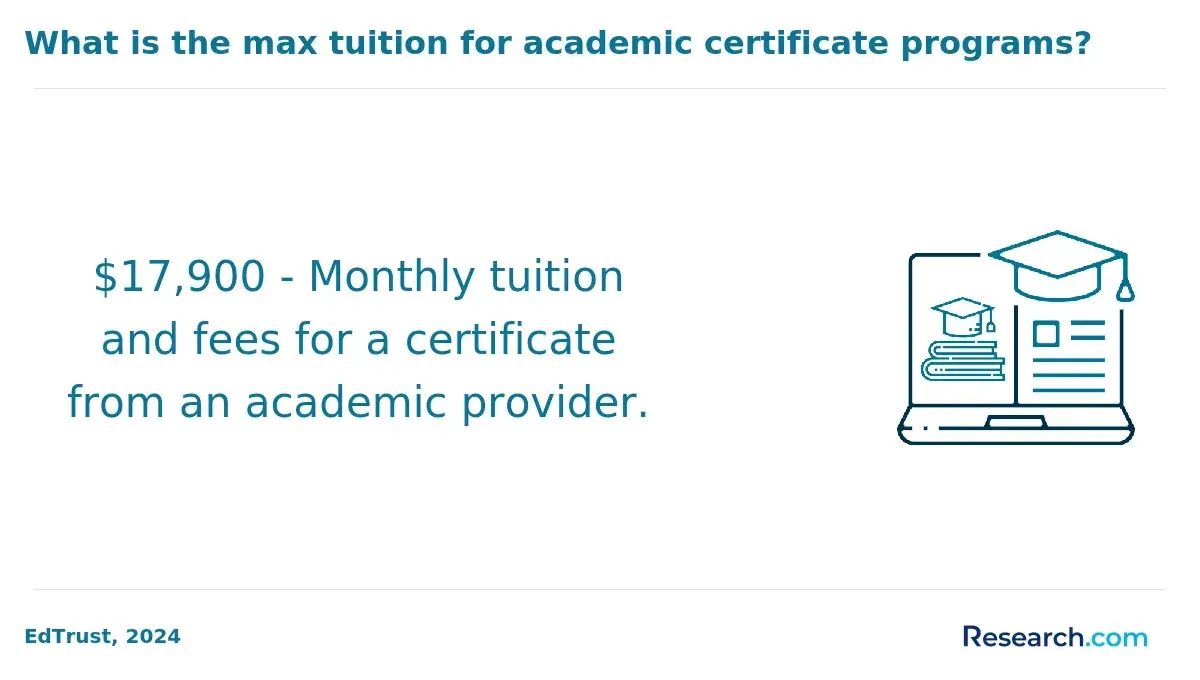
The cost of an online substance abuse counseling degree depends on school type, residency status, transfer credits, fees, textbooks, technology requirements, and whether the program charges by credit, term, or subscription period. Online study can reduce commuting and relocation costs, but it is not automatically cheaper than campus study.
For a current cost benchmark, College Board's 2024-25 pricing data reports the following average published tuition and fees for U.S. four-year institutions. These figures are not program-specific prices, but they help you compare whether an online program is priced below, near, or above common market levels.
- $11,610: average published tuition and fees for in-state students at public four-year colleges in 2024-25
- $30,780: average published tuition and fees for out-of-state students at public four-year colleges in 2024-25
- $43,350: average published tuition and fees for private nonprofit four-year colleges in 2024-25
- $7,395: maximum Federal Pell Grant for eligible undergraduate students in the 2024-25 award year
Those numbers matter because a working adult may be comparing a local public university, a private online college, and an employer-supported option at the same time. A lower tuition rate is valuable, but the lowest published price is not always the lowest total cost if the program accepts few transfer credits, requires extra terms, or charges high technology and practicum fees.
Financial aid options may include Federal Pell Grants, federal student loans, state grants, institutional scholarships, military or veteran benefits, employer tuition reimbursement, workforce development funding, and payment plans. To compare programs fairly, calculate net price after grants and employer benefits, then divide the remaining cost by the number of credits you actually need to complete.
If you are comparing counseling with other healthcare education pathways, look at total cost rather than tuition alone. Nurses, for instance, often compare advanced options such as cheap DNP programs by tuition, clinical placement support, and time away from work; the same cost discipline applies when choosing a substance abuse counseling degree.
Completion time depends on your starting credits, course load, academic calendar, fieldwork requirements, and whether the program uses traditional terms or competency-based pacing. For working adults, the fastest advertised pathway is not always the best pathway if it requires an unsustainable weekly workload.
The table below gives realistic planning ranges for common degree paths. Use it as a scheduling estimate, then confirm exact timelines with each school because course sequencing and practicum availability can change your graduation date.
| Pathway | Typical credits or structure | Common working-adult timeline | What can shorten the timeline |
| Associate degree | About 60 credits | 2 to 3 years part time | Transfer credits, summer courses, prior learning credit, or dual enrollment credits. |
| Bachelor's degree | About 120 credits | 4 to 6 years part time, less for degree-completion students | Accepted associate degree, block transfer, prior college credit, or competency-based progress. |
| Master's degree | Often 30 to 60 credits, depending on counseling focus and licensure design | 2 to 4 years part time | Continuous enrollment, approved prerequisites, and efficient practicum scheduling. |
| Certificate-to-degree route | Stackable certificate credits applied toward a degree | Varies by school | Choosing a stackable program before enrolling, not after completing unrelated coursework. |
Transfer credit can be one of the biggest advantages for working adults, but only if the credits apply to degree requirements. A school may accept credits as electives while still requiring you to complete most counseling major courses, so ask for an official or preliminary transfer evaluation before committing.
Follow these steps before you assume an accelerated or self-paced program will save time. They help you identify the real graduation path rather than the best-case marketing scenario.
- Ask for a written degree plan showing remaining general education, major, elective, and fieldwork requirements.
- Confirm whether courses are offered every term or only once per year.
- Ask whether part-time students can access the same required courses as full-time students.
- Check whether self-paced courses have minimum completion times, maximum term limits, or subscription billing rules.
- Confirm whether practicum placement can begin while you are still completing online coursework.
Time-to-completion comparisons are common across healthcare education, not just counseling. For example, nurses researching short DNP programs often examine transfer policies, clinical-hour scheduling, and course sequencing; those same questions are useful when reviewing online substance abuse counseling degrees.
When comparing accredited online substance abuse counseling degree programs, look beyond the homepage promises. The strongest program for a working adult is usually the one that combines verified accreditation, state-aligned curriculum, predictable scheduling, transparent cost, accessible faculty, and practical fieldwork support.
Use the following comparison checklist when speaking with admissions advisors or reviewing program pages. These questions help separate genuinely flexible programs from programs that are online but difficult to complete while employed.
- Accreditation: Is the institution accredited by a recognized accreditor, and is there any programmatic accreditation or field-specific recognition relevant to addiction counseling?
- Licensure alignment: Which state credential, if any, is the program designed to support, and where is that stated in writing?
- Schedule design: Are courses asynchronous, synchronous, self-paced, cohort-based, or hybrid?
- Workload: How many hours per week should a student expect for a 3-credit course, and how does that change during practicum terms?
- Transfer policy: How many credits can be accepted, how many apply to the major, and how long does an official evaluation take?
- Fieldwork support: Does the school help identify approved sites, or is the student responsible for arranging local placement?
- Faculty experience: Do instructors have counseling, addiction treatment, behavioral health, or recovery-services experience?
- Technology expectations: Are there required webcams, proctored exams, learning platforms, or synchronous attendance tools?
- Student outcomes: Does the school publish retention, graduation, certification exam, employment, or graduate school outcomes where available?
- Total cost: What fees, books, background checks, liability insurance, travel, or practicum costs are not included in tuition?
Common mistakes include choosing a program because it is the fastest, assuming "self-paced" means unlimited time, ignoring practicum requirements until the final year, and enrolling before checking whether credits will transfer. A safer approach is to compare three schools side by side and rank them by accreditation, schedule fit, net cost, and credential alignment before considering brand preference.
Also pay attention to current employer expectations. Many behavioral health employers value applied skills such as motivational interviewing, documentation, crisis response, ethical decision-making, trauma-informed care, and interdisciplinary teamwork. A program that is flexible but thin on supervised practice or skill-building may not provide the career preparation you need.
A substance abuse counseling degree can support roles in addiction treatment centers, community behavioral health agencies, hospitals, correctional programs, recovery organizations, employee assistance programs, and social service agencies. The exact job titles available to you depend on degree level, state credentialing rules, supervised experience, and employer requirements.
According to the BLS Occupational Outlook Handbook published in 2024, substance abuse, behavioral disorder, and mental health counselors had a median annual wage of $53,710 in May 2023, and employment in this occupational group is projected to grow 19% from 2023 to 2033. For readers, the key takeaway is not that a degree guarantees a specific salary, but that the labor market for behavioral health counseling roles is expected to grow faster than the average for all occupations.
The table below outlines common career directions connected to substance abuse counseling education. It is designed to help you match your degree level and credential plans with realistic work settings.
| Career direction | Typical responsibilities | Education and credential considerations |
| Substance abuse counselor | Assess client needs, provide counseling, develop treatment plans, document progress, and coordinate referrals. | State requirements vary; many roles require a degree, supervised hours, and certification or licensure. |
| Case manager or care coordinator | Connect clients to treatment, housing, healthcare, employment support, and community resources. | Associate or bachelor's degrees in human services, counseling, psychology, or related fields may be accepted. |
| Recovery support specialist | Support clients through recovery planning, peer support, relapse-prevention strategies, and service navigation. | Some roles value lived experience and state peer credentials in addition to formal education. |
| Behavioral health technician | Monitor clients, support treatment teams, document observations, and assist in residential or outpatient settings. | Entry requirements vary; a counseling-related degree may improve advancement options. |
| Program coordinator | Support outreach, compliance, scheduling, quality improvement, and client services within treatment programs. | Bachelor's-level education and experience in behavioral health or human services are often useful. |
This degree is a strong fit if you want direct-service work, are comfortable with emotionally complex situations, and can meet state supervision requirements after graduation. It may not be the best fit if your main goal is independent psychotherapy practice, because that often requires a master's degree in counseling, social work, psychology, or a related licensed clinical field.
Some healthcare professionals eventually decide they want research, teaching, leadership, or advanced clinical roles rather than addiction counseling practice. Those readers may compare related pathways such as PhD in nursing programs, but the better choice depends on professional license, prior education, and long-term career goals.
Balancing a substance abuse counseling degree with full-time work is possible, but it requires a realistic study plan. A common rule of thumb is that each credit hour may require about 2 to 3 hours of work per week outside class, so two 3-credit courses can feel like a part-time job during busy weeks.
Start by building a weekly schedule before you enroll, not after the first assignment is due. The goal is to identify whether your selected course load fits your actual life, including commuting, childcare, overtime, sleep, and fieldwork later in the program.
- Choose a course load based on available weekly study hours, not on the fastest advertised completion time.
- Block recurring study sessions on the same days each week to reduce decision fatigue.
- Use asynchronous courses for reading, discussion boards, and papers if your work shifts change often.
- Reserve at least one backup study block each week for illness, overtime, family obligations, or technology problems.
- Tell your supervisor early if you may need schedule flexibility for practicum, exams, or live class meetings.
- Reassess your course load after the first term and adjust before burnout affects grades or persistence.
Part-time enrollment is often the most sustainable choice for adults with full-time jobs, but it can affect financial aid status, graduation timing, and momentum. Ask the financial aid office how many credits you need for aid eligibility and ask the academic advisor whether part-time students can still access required courses in the right sequence.
Self-paced programs can work well for disciplined learners, but they are risky if you need external deadlines to stay engaged. A practical test is to ask yourself whether you consistently complete work before deadlines without reminders. If the answer is no, an asynchronous program with weekly milestones may be a better fit than a fully self-paced model.
Student support can make the difference between enrolling and actually graduating, especially for adults who study at night, on weekends, or around unpredictable work schedules. A strong online substance abuse counseling program should provide more than recorded lectures and a login portal.
When comparing schools, ask about support services that directly affect persistence, fieldwork readiness, and career outcomes. The most helpful services are those available outside traditional business hours or designed specifically for online learners.
- Academic advising that helps part-time students map course sequences across multiple terms.
- Transfer-credit advising before enrollment, not only after admission.
- Online tutoring for writing, research, statistics, and behavioral science coursework.
- Library access with counseling, psychology, addiction studies, and evidence-based practice databases.
- Career services that understand behavioral health employers, resumes, interviewing, and credential pathways.
- Technology support during evenings or weekends when online students are most likely to study.
- Disability services and accommodations for online courses, exams, and practicum requirements.
- Faculty office hours by video, phone, or messaging for students who cannot visit campus.
- Practicum coordination or clear guidance for identifying approved local sites.
- Mental health and wellness support, which is especially important in emotionally demanding counseling-related programs.
Online learning tools are also changing. Many programs now use learning analytics, video simulations, telehealth-style role plays, plagiarism detection, and remote proctoring. These tools can improve access and feedback, but you should ask how privacy, identity verification, and technology failures are handled.
Support expectations are similar across many online healthcare programs with practical training components. Students comparing clinical or technical fields, such as those reviewing the best online radiology tech programs, should ask the same core question: how does the school support online coursework while coordinating hands-on learning requirements?
Do Online Substance Abuse Counseling Degree Programs Include Internships, Practicums, or Other Hands-On Learning Requirements?
Yes, many online substance abuse counseling degree programs include internships, practicums, field experiences, simulations, or supervised learning requirements, especially when the program is designed to support counselor certification or licensure. The coursework may be online, but counseling preparation often requires applied practice with clients, agencies, documentation, supervision, and ethical decision-making.
Fieldwork requirements vary by school and state, so you should never assume a fully online program has no in-person obligations. Some programs allow students to complete practicum hours near home, while others require approved sites, specific supervisors, liability insurance, background checks, drug screening, immunizations, or daytime availability.
Before enrolling, ask direct questions about hands-on requirements because they can affect your job schedule and graduation timeline. These questions are especially important for working adults who cannot leave work with little notice.
- Is practicum, internship, or field experience required for graduation?
- How many hours are required, and are they tied to state credentialing rules?
- Can I complete fieldwork in my home community or current workplace?
- Who approves the site and supervisor?
- Are evening, weekend, or telehealth-related placements allowed?
- What background checks, liability insurance, training, or documentation are required before placement?
- What happens if I cannot secure a placement by the expected term?
- Does the school provide placement assistance, or am I responsible for finding my own site?
The biggest planning mistake is waiting until the final year to think about fieldwork. If you work full time, start discussing practicum expectations during admissions and revisit them with your advisor each year. A program can be academically flexible but still require daytime supervised hours, and that requirement may be the real scheduling challenge.
Other Things You Should Know About Substance Abuse Counseling
Possibly, but it depends on the offense, timing, state rules, employer policies, and the credential you seek. Ask the state certification or licensing authority about background review policies before enrolling, especially if fieldwork or licensure is required.
No. Lived recovery experience can be valuable in some peer-support roles, but professional counseling roles require education, ethics training, supervision, and appropriate credentials. Personal experience alone is not a substitute for required training.
Some roles include telehealth, remote case management, or hybrid counseling services, but availability depends on employer policy, state rules, client needs, and your credential level. Many entry-level or supervised roles still require in-person work.
Strong students tend to be patient, organized, ethical, emotionally steady, culturally aware, and willing to receive supervision. Good boundaries are especially important because addiction counseling can involve crisis situations and complex client needs.
- California Substance Abuse Certification https://centerforaddictionstudies.com/certification-requirements/us-substance-abuse-certification/california/
- SUD Counselor Certification - CCAPP Credentialing https://ccappcredentialing.org/
- Best Online Addiction Counseling Degrees 2025 https://www.affordablecollegesonline.org/degrees/counseling-programs/addiction-counseling/
- 2025 Most Affordable Online Substance Abuse Counseling Degrees https://www.onlineu.com/most-affordable-colleges/substance-abuse-counseling-degrees
- Top Online Addiction Counselor Degree and Certificate Options https://www.addiction-counselors.com/online-degrees/
- Online Master's in Addiction Counseling | Hazelden Betty Ford https://www.hazeldenbettyford.org/graduate-school-addiction-studies/online-masters
- Become an Approved Accreditation Body | SAMHSA https://www.samhsa.gov/substance-use/treatment/opioid-treatment-program/accreditation-bodies
- Best Online Master's In Addiction & Recovery 2025 https://www.psychology.org/degrees/addictions-and-recovery/masters/
- How to Become a Substance Abuse Counselor | 2026 https://www.publichealthonline.org/addiction/
- NASAC Accredited Programs https://nasacaccreditation.org/accreditation/nasac-accredited-programs/