2027 Supply Chain Management Degree Oversupply or Undersupply? Student Volume vs Employer Demand

Co-Founder and Chief Data Scientist
Choosing to pursue a supply chain management degree requires navigating a complex landscape where student enrollment and employer demand do not always align. In 2024, U. S. universities produced approximately 15,000 graduates in this field, while the Bureau of Labor Statistics projects only a 5% job growth by 2028, signaling potential oversupply in some regions. This mismatch can inflate competition, reduce starting opportunities, and pressure graduates to acquire additional specialized skills beyond the core curriculum. Regional hubs with higher logistics activity might face undersupply, contrasting with saturated markets. This article analyzes student volume against employer demand, job growth, industry needs, regional factors, and skill gaps to assess whether supply chain management offers sustainable career prospects or escalating competition.
Key Things to Know About Supply Chain Management Graduate Supply and Employer Demand
- Graduate output in supply chain management grew 15% since 2022, but regional hiring remains uneven, concentrating opportunities in logistics hubs and limiting entry-level availability elsewhere.
- Employer surveys reveal a skill mismatch: advanced analytics and digital supply chain expertise are increasingly prioritized, pressuring programs to adapt curricula or risk graduate underemployment.
- The average time and cost to complete supply chain management degrees have risen, forcing students to balance credential enhancements against delayed workforce entry and mounting competition.
- Key Things to Know About Supply Chain Management Graduate Supply and Employer Demand Key Things to Know About Supply Chain Management Graduate Supply and Employer Demand
- Is There an Oversupply or Undersupply of Supply Chain Management Graduates? Graduate Oversupply or Shortage
- How is Supply Chain Management Degree Enrollment Changing? Degree Enrollment Trends
- How Many Supply Chain Management Graduates Enter the Workforce Each Year? Annual Graduate Workforce Entry
- Does Job Growth Support the Rising Supply of Supply Chain Management Graduates? Job Growth Versus Supply
- How Competitive is the Entry-Level Market for Supply Chain Management Graduates? Entry-Level Market Competition
- Which Industries Have the Greatest Demand for Supply Chain Management Graduates? Top Hiring Industries
- Where are Supply Chain Management Graduates Most in Demand? Top Geographic Demand
- Which Supply Chain Management Specializations and Degree Levels Face the Strongest Demand? Which Supply Chain Management Specializations and Degree Levels Face the Strongest Demand?
- Are Employer Skill Gaps Affecting Demand for Supply Chain Management Graduates? Are Employer Skill Gaps Affecting Demand for Supply Chain Management Graduates?
- What is the Future Supply-and-Demand Outlook for Supply Chain Management Graduates? Future Supply-Demand Outlook
Is There an Oversupply or Undersupply of Supply Chain Management Graduates?
Supply chain management degree demand vs supply analysis reveals a nuanced landscape where graduate volume neither uniformly exceeds nor falls short of employer need. Nationally, employment data from the Bureau of Labor Statistics indicates strong growth and faster-than-average job openings for supply chain managers and logisticians, yet many metropolitan areas report localized undersupply, particularly in specialized fields like healthcare logistics and technology-driven fulfillment. At the same time, regions with high graduate output but slower job growth can experience oversupply at entry-level, intensifying competition, especially for candidates whose credentials lack practical experience or advanced qualifications.
These dynamics mean that overall supply chain management graduate job market balance is shaped by specialization, geographic factors, and skill sets beyond academic degrees. Employers increasingly seek candidates blending technical proficiency, strategic insight, and cross-functional experience, which can disadvantage recent graduates focusing solely on generalist studies without internships or professional certifications. Prospective students evaluating program options would benefit from recognizing how credential mismatches and regional labor market variations impact hiring prospects, making targeted skill development and informed geographic mobility important for maximizing employment outcomes. Those interested in reputable sources for advancing skills may explore opportunities such as SLP online programs, which exemplify specialized, skill-focused graduate education models fostering improved workforce alignment.
How is Supply Chain Management Degree Enrollment Changing?
Enrollment in supply chain management degree programs has risen moderately over recent years, driven largely by employer demand for professionals skilled in advanced analytics and resilient logistics. However, this growth is uneven across credential levels, with graduate programs expanding more rapidly than associate or certificate offerings, reflecting a market preference for managerial and strategic expertise. The increase in online and hybrid formats-especially popular among working adults-has broadened access but introduces variability in program quality and graduate preparedness, complicating the supply-demand balance. According to the National Center for Education Statistics, bachelor's supply chain management enrollment showed a steady uptick through early 2024, but this does not necessarily translate to uniform labor market opportunity, as regional and sector-specific demand fluctuates widely.
This nuanced enrollment trend means the graduate supply is growing but not so fast as to cause widespread oversupply, though localized competition can intensify where job openings are limited or specialized. For employers, a rising volume of candidates with similar credentials may increase hiring standards and lengthen job search periods, particularly in saturated metropolitan hubs. Conversely, underestimating the impact of demographic diversification and modality shifts risks overlooking emerging talent pools that could meet evolving industry needs. Relying solely on national enrollment totals without analyzing geographical and credential-level disparities may mislead workforce planning and individual career decisions.
A recent supply chain management student noted that their cohort nearly doubled in size compared to two years prior, largely due to the addition of online students from outside the immediate region. While this expansion offered more networking opportunities, the student expressed uncertainty about whether growing class sizes reflected healthier job prospects or simply more competition for a limited number of positions. They also observed increased diversity, which they found encouraging but acknowledged that differing levels of prior work experience among peers made the classroom experience uneven. This firsthand perspective illustrates how enrollment growth can signal both opportunity and the need for careful navigation of shifting market dynamics.
How Many Supply Chain Management Graduates Enter the Workforce Each Year?
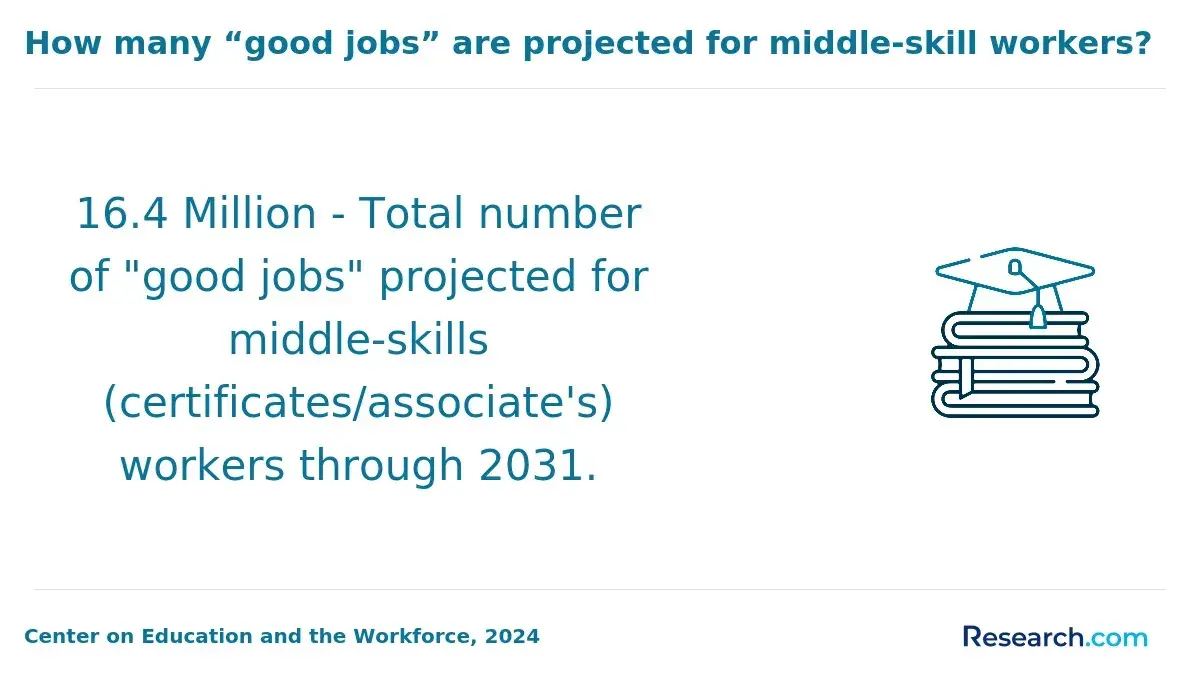
The volume of supply chain management graduates reported annually-generally estimated between 20,000 and 25,000 at the bachelor's level according to government datasets like NCES and IPEDS-does not straightforwardly translate into labor market oversupply or undersupply. These figures include a broad spectrum of students from specialized undergrad tracks, many of whom do not immediately enter supply chain roles. In practice, only about 60% to 70% of graduates transition directly into supply chain management positions shortly after finishing their degrees, reducing the effective new workforce inflow to roughly 12,000 to 17,500 annually.
Interpreting this graduate-to-job pipeline requires accounting for regional hiring variability, sector-specific demands, and employer expectations that emphasize practical experience and certifications beyond academic credentials. For example, economic downturns or intensified competition from MBA holders or professionals with IT and procurement backgrounds can constrict direct entry opportunities for recent graduates despite steady degree completions. Consequently, a region or industry might simultaneously experience local talent surpluses in entry-level roles while facing shortages in advanced analytics or global supply chain strategy, underscoring the mismatch between graduate output and employer-defined needs.
Relying solely on raw graduate counts risks overlooking critical distinctions such as timing of labor market entry, job type differentiation, and shifting skill requirements. Labor data from sources like the U.S. Bureau of Labor Statistics show that not every graduate competes for the same positions or enters the workforce immediately, complicating straightforward assessments of supply-demand balance. Effective workforce planning and career advising thus require nuanced interpretation of these metrics to align education outcomes with the dynamic realities of supply chain management employment across various markets.
Does Job Growth Support the Rising Supply of Supply Chain Management Graduates?
Rising numbers of supply chain management graduates increasingly outpace the creation of new job openings, despite projected employment growth near 9% through 2032 according to the U.S. Bureau of Labor Statistics. This disconnect is compounded by the fact that replacement demand-positions vacated through retirements or turnover-often exceeds net new roles, yet many entry-level jobs require practical experience or specialized credentials. For example, a recent graduate entering a saturated metropolitan area may face intense competition for a handful of positions, where employers prioritize candidates with skills in procurement or analytics, leaving some specialties better positioned than others.
Employer demand for supply chain management graduates varies widely across geographies and sub-industries, reflecting differing regional economic footprints and labor market fluidity. Fields with slower overall growth may still offer stable opportunities where retirement-driven vacancies or local shortages persist. Conversely, heavily populated regions with burgeoning graduate outputs risk elevated underemployment rates among recent degree holders. Prospective students and educators should critically evaluate the supply chain management graduate job growth projections relative to both practical hiring criteria and geographic mobility to avoid misjudging workforce realities.
Decisions around pursuing supply chain management degrees should factor in these nuanced dynamics rather than relying solely on headline occupation growth statistics. It can be instructive to compare supply chain pathways with other domains, such as those offering masters in psychology online cheap, where labor market tightness and credential expectations differ markedly. Understanding this landscape helps clarify whether supply aligns with employer demand or risks saturating specific job segments with underqualified or excess candidates.
How Competitive is the Entry-Level Market for Supply Chain Management Graduates?
The entry-level supply chain management job market in 2024 reflects a complex interplay of moderate demand growth and rising employer expectations, resulting in uneven competition rather than straightforward oversupply. While the U.S. Bureau of Labor Statistics projects a 14% expansion in supply chain-related roles over the next decade-outpacing many other fields-this growth does not guarantee easy placement for new graduates. Employers increasingly require tangible internship or cooperative experience, significantly contracting the candidate pool, especially in saturated urban markets. Graduates lacking targeted practical exposure often find themselves navigating extended job searches or settling for roles adjacent to the core field.
Key drivers influencing competitiveness include:
- Applicant Volume: Competition intensifies in metropolitan areas where graduate concentrations are higher, forcing candidates to differentiate beyond academic credentials.
- Experience Requirements: Internship or industry project experience is frequently a baseline for consideration, pushing novices to seek early practical engagements during their studies.
- Industry Demand Variability: Fluctuations across manufacturing, logistics, retail, and technology sectors affect role availability; some segments remain tight while others offer more entry-level openings.
- Geographic Market Differences: Regional disparities matter-less populous or emerging markets may have fewer jobs but also less competition, tempering risk for geographically flexible candidates.
- Specialization Impact: Graduates focusing on niche supply chain areas aligned with growing sectors, like healthcare or e-commerce, potentially face less crowding than those pursuing generalist roles.
- Skills Alignment: Proficiency in digital tools, data analytics, and cross-functional collaboration increasingly shapes employer preferences, influencing hiring patterns more than GPA alone.
- Remote Work Competition: The rise of remote opportunities expands candidate pools beyond local geographies, sometimes intensifying competition for roles that traditionally favored nearby applicants.
A recent graduate found the entry-level market challenging despite strong academic performance. Repeatedly encountering job postings demanding internships, they adjusted their approach by targeting mid-sized companies outside primary urban centers and emphasizing a supply chain technology specialization. Despite multiple interview stages and some close rejections, this strategic pivot eventually yielded an offer, underscoring how nuanced program choices, location flexibility, and skill specificity can mediate competitive pressures in this evolving labor market.
Which Industries Have the Greatest Demand for Supply Chain Management Graduates?
Employer demand for supply chain management graduates concentrates in industries tightly linked to the movement and coordination of goods, services, and information, shaped by sector-specific economic and logistical dynamics. Graduates considering their options should analyze regional supply chain management graduate job demand trends, comparing factors such as job volume, competitive intensity, and skill requirements across sectors. For example, while manufacturing offers a high volume of positions focused on process optimization and supplier management, logistics roles often emphasize rapid coordination capabilities influenced by e-commerce growth. Understanding these nuances can steer graduates toward industries where their qualifications align best with employer priorities. The following list highlights key sectors generating the strongest demand:
- Manufacturing: Sustained by complex production and inventory systems, this sector demands skills in raw materials sourcing, process improvement, and supplier relationship management. Entry-level roles often involve production scheduling, with advancement toward supply chain planning and operations leadership.
- Logistics and Transportation: Accelerated by e-commerce expansion and global trade, this area requires expertise in freight coordination, warehousing, and distribution networks. Employers prioritize agility, data literacy, and technology-savvy candidates for roles ranging from dispatch to logistics strategy.
- Retail: Large national chains and online marketplaces drive demand for graduates adept in demand forecasting and technology-driven inventory systems. Career paths here reward competencies in data analytics and integrated supply systems, with competition varying by location and retailer scale.
- Healthcare and Pharmaceuticals: Recognizing vulnerabilities exposed by the pandemic, these industries value compliance, risk management, and supply chain continuity skills. Positions involve critical item sourcing, regulatory adherence, and managing complex product life cycles.
- Energy and Renewables: Growing focus on sustainability and project management fuels demand for supply chain roles in equipment procurement and green initiatives. Technical knowledge combined with sustainability experience enhances prospects in this sector's evolving supply roles.
Prospective students and degree holders should weigh these industry-specific trends carefully. Aligning education and experience with workforce realities heightens employability and long-term career prospects. Additionally, exploring adjacent fields like real estate development degree online can offer strategic diversification in supply chain career planning through related knowledge domains and broader market applicability.
Where are Supply Chain Management Graduates Most in Demand?
National demand data for supply chain management graduates often obscures significant regional disparities shaped by local industry concentrations and employer density. For instance, while metropolitan hubs like Chicago and Dallas-Fort Worth show high job availability supported by robust manufacturing and logistics sectors, these areas also draw substantial graduate volumes, intensifying hiring competition. Graduates who enter these saturated markets may face longer job search durations or need to differentiate through specialized certifications or digital transformation expertise. Conversely, less urbanized states with fewer supply chain employers might offer less competition but also comparatively fewer openings, requiring individuals to weigh relocation costs against realistic hiring prospects and career growth.
Regional workforce shortages in sectors such as third-party logistics or healthcare supply chains can increase demand for graduates, but these opportunities are rarely uniform and depend on nuanced local factors including the strength of nearby educational programs and credential expectations. In Texas and California, growing e-commerce fulfillment centers create pockets of high demand; however, cost of living and remote work flexibility may affect graduates' net advantage in securing roles there. The practical value of a high-demand market must be assessed not just by job volume but through the lens of specialization fit, employer expectations for experience, and long-term location sustainability, making metropolitan job counts an imperfect proxy for actual career opportunity.
Ultimately, aligning graduate supply with employer demand requires careful consideration of tradeoffs between immediate market size and competitive intensity, as well as an understanding of how local economic shifts and digital innovation reshape hiring landscapes. A supply chain graduate choosing a prominent logistics hub should pragmatically evaluate whether the local talent pool and living expenses justify the move, whereas those able to leverage niche skills within emerging regional markets may achieve more favorable labor market positioning. The 2024 labor statistics from the U.S. Bureau of Labor Statistics highlight these complex patterns, underscoring that the best employment prospects depend on strategic geographic and industry alignment rather than raw job counts alone.
Which Supply Chain Management Specializations and Degree Levels Face the Strongest Demand?
Employer demand within supply chain management is concentrated in specialized skill sets and advanced credentials rather than evenly spread across all degrees and specializations. A graduate holding a master's degree with a focus on supply chain analytics will typically encounter stronger job prospects and higher employer interest than a bachelor's degree graduate concentrated on general logistics. This discrepancy reflects employer emphasis on digital competencies, strategic sourcing, and analytics, which align with complex global supply chains and evolving technology platforms. For example, a mid-career professional with a master's in procurement technology is more likely to fill strategic leadership roles than a recent bachelor's graduate lacking targeted certifications. Labor market data from the U.S. Bureau of Labor Statistics and Lightcast confirms persistent demand for candidates blending technology fluency with supply chain expertise. Key areas of employer demand include the following:
- Supply Chain Analytics: Employers prioritize graduates skilled in data analysis and predictive modeling to optimize operations, especially in manufacturing and e-commerce sectors that depend on real-time decision-making supported by advanced analytics software and tools.
- Procurement Management: Specialized knowledge in strategic sourcing and supplier negotiations drives demand for candidates who can reduce costs while maintaining supply resilience, often requiring graduate-level education and relevant certifications.
- Logistics Technology: Proficiency with ERP systems and emerging digital platforms is crucial as digital transformation accelerates, with roles frequently located in large distribution centers and multinational firms seeking streamlined logistics operations.
- Master's Degree Holders: Employers prefer these candidates for leadership positions demanding strategic oversight, combining both technical and managerial capabilities to navigate increasingly globalized supply chains.
- Bachelor's Degree Graduates: While essential for entry-level roles, these candidates face significant competition and are expected to supplement education with internships and practical experience to enhance employability.
- Certifications in Logistics and Sourcing: These credentials often enhance degree value by signaling specialized competencies and commitment to the field, influencing hiring decisions especially in mid-career recruitment.
- Industry and Geographic Variability: Demand intensity varies by region and industry, with manufacturing hubs and e-commerce clusters exhibiting a greater need for advanced technical skills and supply chain strategists.
Are Employer Skill Gaps Affecting Demand for Supply Chain Management Graduates?
Employer skill gaps persist as a critical factor shaping demand for Supply Chain Management graduates, distinguishing a shortage of qualified candidates rather than a shortage of graduates. Despite steady increases in graduate numbers, hiring managers often struggle to fill supply chain roles because candidates lack key competencies such as applied experience with digital supply chain tools, certifications aligning with industry standards, and effective communication tailored to complex logistics environments. For example, a regional demand for skilled Supply Chain Management professionals in fast-growing markets may outpace candidate readiness when graduates emerge without exposure to evolving procurement technologies or strategic data analytics, resulting in unfilled roles despite apparent oversupply.
This mismatch skews perceptions of regional and national supply, creating hiring competition that favors graduates who combine theoretical knowledge with hands-on internships, industry-relevant projects, or specialized learning pathways. Programs that integrate targeted skill development, certifications, and practical exposure tend to align better with employer expectations, directly impacting candidate employability and workforce integration. Prospective students and current degree holders should consider that selecting curricula familiar with real-world supply chain challenges, rather than just accumulating credentials, may mitigate misalignment and improve long-term career viability.
For those evaluating educational options, this landscape implies careful scrutiny of program outcomes beyond degree titles or volume of graduates. A focus on dynamic, adaptable skills is essential, given how fast-paced global logistics and supply chain technologies evolve. In this context, opportunities like a well-designed environmental engineering bachelor's degree online could also complement supply chain management expertise by expanding analytical and sustainability competencies highly valued in many sectors.
What is the Future Supply-and-Demand Outlook for Supply Chain Management Graduates?
Targeted job searches typically outperform high-volume, unfocused applications by aligning graduate qualifications more closely with employer needs. For supply chain management graduates navigating the future job market trends for supply chain management graduates, this means identifying specific entry-level job titles like supply chain analyst or logistics coordinator, prioritizing industries and regions with stronger demands such as manufacturing hubs or urban centers. Graduates who tailor their resumes using employer language and who demonstrate relevant skills through actionable projects or internships generally see higher interview conversion rates than those applying broadly without customization.
Consider a graduate applying indiscriminately to all entry-level supply chain roles nationwide without considering regional employment growth or required certifications; this approach risks diluting their efforts and facing strong competition where supply outstrips demand. Conversely, graduates who research supply chain management employment growth projections in the US, focus on sectors emphasizing sustainable supply chains or AI-driven logistics, and allocate effort toward roles where their expertise closely matches job requirements achieve better outcomes. Application timing, informed market research, and documented job readiness increasingly influence employers aiming to fill niche roles in analytics and supply chain resilience.
Prospective students should also evaluate the practical value of their educational choices by consulting resources like online degrees in Spanish and other relevant programs that provide updated skill sets employers demand. This strategic approach helps graduates avoid oversupply challenges in certain sectors and improves their positioning in a labor market that favors professional certifications alongside academic credentials.
References:
- Choose the Right Supply Chain Management Degree for Global Careers | BSBI https://www.berlinsbi.com/blog/how-to-choose-the-right-supply-chain-management-degree-for-global-careers
- Supply chain careers delivering high pay, purpose in a shifting economy - Supply Chain Management Review https://www.scmr.com/article/supply-chain-careers-delivering-high-pay-purpose-in-a-shifting-economy
- 10 Most In-Demand Supply Chain Roles in 2026 https://www.scoperecruiting.com/blog/in-demand-supply-chain-roles-2026
- Supply Chain Careers in 2026: Market Trends and Skills in Demand | DSJ Global https://www.dsjglobal.com/en-us/industry-insights/career-advice/supply-chain-careers-in-2026-market-trends-and-skills-in-demand
- How Do Supply Chains and Demand Planning Intersect in 2026? https://www.impactanalytics.ai/blog/supply-chain-demand-planning
- Growth of Supply Chain Management Degree Programs | OPSdesign | Warehouse Design & Supply Chain Consulting https://opsdesign.com/growth-of-supply-chain-management-degree-programs/
- Supply Chain Graduate Career Profile | GRB https://www.grb.uk.com/industry-profiles/supply-chain/
- 4 Reasons Why Supply Chain Management is a Good Career Path https://www.michiganstateuniversityonline.com/resources/supply-chain/4-reasons-to-choose-career-in-supply-chain/
- Benefit From the Shortage of Supply Chain Professionals https://online.uncp.edu/degrees/business/mba/supply-chain-management/shortage-supply-chain-professionals/
- 79 Supply Chain Statistics To Know in 2026 https://tradeverifyd.com/resources/supply-chain-statistics
Other Things You Should Know About Supply Chain Management
Program reputation can open doors initially, but depth and relevance of the curriculum have longer-term impact on employability. Employers increasingly value practical skills, data analytics, and hands-on experience over brand names alone. Students should prioritize programs with integrated experiential learning opportunities like internships or real-world projects, as these components better align with current employer expectations in supply chain management roles.
A broad degree offers flexibility across supply chain functions but may dilute expertise desired by specialized roles, such as logistics technology or procurement analytics. Specializing can improve marketability for targeted positions but risks narrowing career options if industry demand shifts. Students should evaluate labor market signals and prefer specializations where practical competencies meet sustained employer demand, especially those incorporating digital tools or sustainability practices.
Yes, many supply chain programs emphasize theoretical knowledge but vary widely in offering practical skill-building that matches employer needs. High course loads without sufficient applied learning may prepare students less effectively despite strong academic performance. Choosing programs that integrate case studies, simulation software, and cross-functional team projects enables better readiness, which employers consider crucial for operational efficiency and problem-solving in dynamic supply chain environments.
Technical skills such as proficiency with ERP systems, data visualization, and automation tools increasingly differentiate candidates. Graduates with a strong foundation in technical applications are more adaptable to evolving employer demands and complex supply chain challenges. Prioritizing coursework or certifications that develop these competencies enhances employability, especially given the rapid digital transformation across industries.