2027 Fashion Design ROI by Institution Type: Public vs Private vs Nonprofit Online Programs

Co-Founder and Chief Data Scientist
Imagine a prospective fashion design student weighing three online programs that appear nearly identical in curriculum yet vary sharply in tuition, graduation rates, and alumni debt. A 2024 study from the National Center for Education Statistics shows online students at private institutions carry, on average, 40% higher debt burdens than their public counterparts, despite similar employment outcomes.
This disparity signals not just financial strain but the potential for diminished career flexibility and delayed economic independence. For students balancing cost, quality, and career prospects, these differences reveal high stakes.
This article dissects ROI by institution type to clarify how such choices impact long-term value and professional success.
Key Things to Know About Fashion Design ROI by Institution Type
- Public online programs typically offer lower tuition and reduced student debt exposure but often have longer average completion times, impacting time-to-entry in competitive fashion design roles.
- Private institutions frequently boast stronger industry connections and higher employer recognition, which can enhance portfolio visibility yet may come with substantially higher debt burdens affecting long-term financial flexibility.
- Nonprofit online programs balance affordability with specialized learner support, a critical factor enabling working adults to graduate on time, but variability in accreditation can influence employer perceptions and credential validity.
- Key Things to Know About Fashion Design ROI by Institution Type Key Things to Know About Fashion Design ROI by Institution Type
- What Does ROI Mean for a Fashion Design Program and How Is It Measured? Understanding Fashion Design Program ROI
- How Do Public, Private, and Nonprofit Online Fashion Design Programs Differ in Overall Value? Value by Institution Type
- How Do Tuition Costs Affect the ROI of a Fashion Design Program Across Institution Types? Tuition Costs and ROI
- How Do Graduation Rates Influence Fashion Design Program ROI? Graduation Rates Impact ROI
- What Role Do Career Outcomes Play in the ROI of a Fashion Design Degree? Career Outcomes and ROI
- How Does Student Debt Impact the Long-Term ROI of a Fashion Design Program? Debt vs. Long-Term ROI
- How Do Flexibility and Adult Learner Support Affect Fashion Design Program Value? Flexibility and Program Value
- How Do Accreditation and Institutional Reputation Influence Fashion Design ROI? How Do Accreditation and Institutional Reputation Influence Fashion Design ROI?
- How Does Time-to-Degree Affect the ROI of Public, Private, and Nonprofit Fashion Design Programs? How Does Time-to-Degree Affect the ROI of Public, Private, and Nonprofit Fashion Design Programs?
- How Can You Choose the Best Fashion Design Program Based on Your ROI Goals? Choosing Programs by ROI
What Does ROI Mean for a Fashion Design Program and How Is It Measured?
ROI for a fashion design program should be viewed as a detailed assessment balancing total educational expenses, including tuition, fees, and materials, against tangible career advancements and manageable debt. For example, a student choosing between a public institution with a higher graduation rate and lower average debt versus a private program with more specialized industry connections faces the tradeoff of upfront cost against potential long-term network benefits.
The Institute for College Access & Success reported that median debt among private institution graduates in creative fields was about 20% higher than their public counterparts, which significantly shapes ROI calculations by requiring closer attention to debt repayment timelines and possible earnings growth.
Measuring the financial value of fashion design education means considering not just sticker price but also time-to-degree and opportunity costs such as lost earnings during study, which open or close pathways depending on the program's flexibility and support.
Nonprofit online options might reduce opportunity costs by accommodating working professionals' schedules yet vary markedly in learner services and reputation, affecting employability and portfolio development. Prospective students with different career goals, such as immediate entry versus eventual specialization, must weigh these factors carefully since a lower-cost option can sometimes produce weaker long-term value if it leads to delayed graduation or fewer industry-relevant experiences.
Decision-makers aiming to compare public, private, and nonprofit online institutions should analyze completion rates, educational quality, and the extent of experiential learning embedded in curricula, which strongly influence employability outcomes in fashion design. Programs that prioritize hands-on projects and internships often command higher tuition but translate into stronger portfolios and better job placement, ultimately enhancing ROI beyond raw earnings data.
For those seeking to accelerate their education, exploring accelerated programs online may shift the balance of costs and benefits by shortening time-to-degree and reducing opportunity cost impact, demonstrating that ROI is highly contingent on personal circumstances and educational alignment with career objectives.
How Do Public, Private, and Nonprofit Online Fashion Design Programs Differ in Overall Value?
Cost-conscious learners weighing public, private, and nonprofit online fashion design programs must navigate nuanced tradeoffs between affordability, support services, and career outcomes. While public institutions typically offer lower tuition and more generous credit transfer policies-helping reduce upfront debt-their larger class sizes often limit access to personalized mentoring or portfolio development, potentially slowing skill acquisition and employment readiness.
Conversely, private programs invest more heavily in career services and networking, correlating with slightly higher initial job placement in creative sectors, according to a 2024 report from the Council for Higher Education Accreditation, but their steeper tuition fees can significantly increase financial strain for students managing limited budgets or transitioning careers.
Nonprofit programs straddle these extremes, often blending moderate costs with variable institutional prestige and outcomes that hinge on accreditation and employer recognition, factors critically connected to long-term return on investment as found in recent Lumina Foundation data.
Flexibility is another key consideration: asynchronous course structures and modular designs are increasingly common across all types, yet public schools' broader acceptance of transfer credits benefits students seeking efficient degree completion.
In contrast, private and nonprofit programs tend to emphasize experiential learning through real-world projects, aligning closely with employer demands for practical creativity but sometimes at higher cost and less predictable credit mobility.
Ultimately, the choice should reflect individual priorities-whether minimizing debt, maximizing industry connections, or securing credentials with recognized creative accreditation-since these factors directly influence graduation rates, employability, and financial outcomes over time.
One recent graduate recalled debating whether to invest in a private program praised for intensive mentorship or opt for a public university with clearly lower tuition. Balancing potential debt against career support, they also considered a nonprofit option noted for specialized accreditation but were unsure about its industry recognition.
After assessing financial aid availability, institutional reputation, and long-term employment prospects, they chose a nonprofit program offering a competitive blend of affordability and career-focused curriculum. This decision eased concerns about debt while still delivering practical skills and accreditation valued by employers, underscoring the complexity and personal nature of evaluating overall value in online fashion design education.
How Do Tuition Costs Affect the ROI of a Fashion Design Program Across Institution Types?
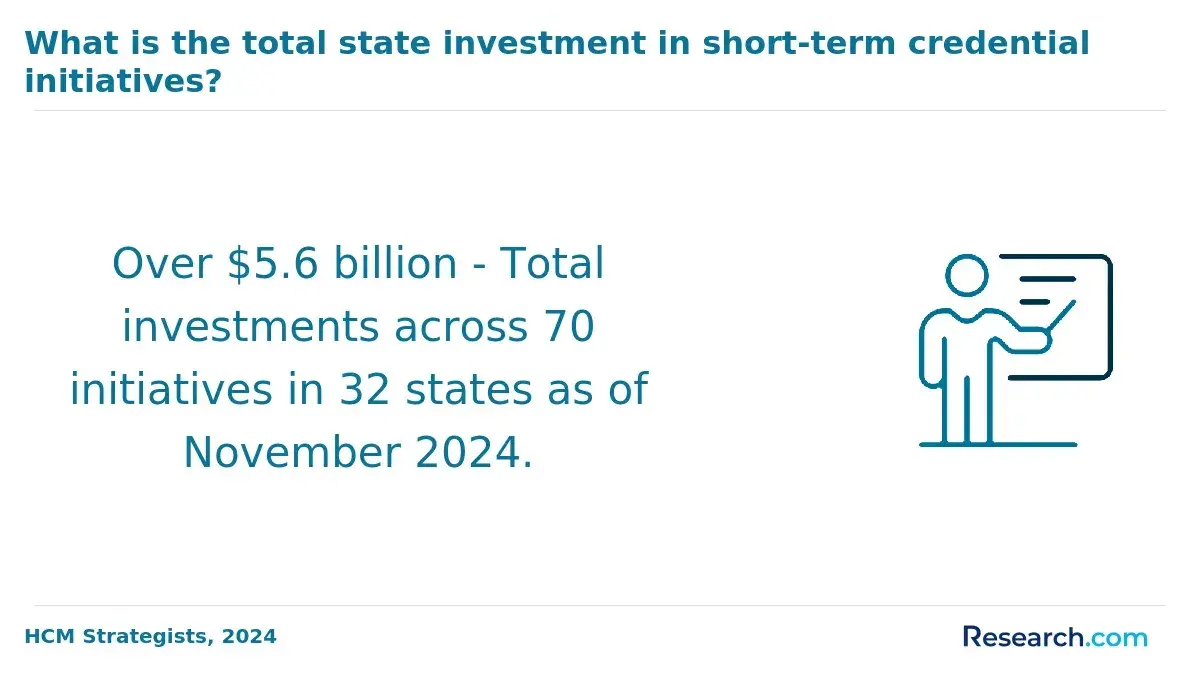
Lower tuition at public online institutions often results in less student debt and faster financial breakeven for fashion design students, but this cost advantage may come with fewer specialized resources or industry connections that can influence mid-career earnings.
For example, a recent National Center for Education Statistics report highlights that public online tuition and fees are on average 40-60% lower than those at private counterparts, yet graduates from private nonprofit programs often accumulate 25% more debt according to the Institute for College Access & Success.
This debt disparity affects long-term ROI differently depending on whether a student prioritizes immediate affordability or is positioned to leverage stronger alumni networks and employment pathways later on.
Nonprofit online programs exist along a spectrum where tuition rates and educational quality vary, making completion rates and student support critical when assessing true cost-effectiveness. Extended time-to-degree or program delays can erode any initial tuition savings by adding fees and opportunity costs from postponing workforce entry.
Therefore, a higher sticker price at a private nonprofit may be justified for learners focused on career outcomes supported by actionable alumni connections, whereas those seeking minimal debt burdens with flexible pacing might find better value in public options that emphasize affordability over prestige.
Ultimately, the relationship between tuition and ROI in fashion design hinges on the student's capacity for debt, the institution's graduation success, and the tangible impact of program reputation on employability.
How Do Graduation Rates Influence Fashion Design Program ROI?
Higher graduation rates often signal stronger institutional support and more efficient pathways to degree completion, both critical to improving the return on investment for online fashion design programs. Public institutions typically exhibit graduation rates between 50-60%, balancing affordability with moderate completion speeds, whereas private nonprofit schools may exceed 70% but frequently charge more, presenting cost-quality tradeoffs that directly affect long-term earnings and debt.
For adult learners or working professionals, the choice between these models hinges on factors like academic flexibility and personalized mentoring, which can influence persistence despite varying graduation rates.
Graduation rates offer a snapshot of institutional effectiveness but fail to capture the full ROI picture, especially for nontraditional students who often enroll part-time or take breaks for career transitions. Programs with lower completion statistics might nevertheless deliver value through ongoing career support and skill development tailored to these learners' realities.
When evaluating average graduation rates for online fashion design programs, it's essential to weigh these rates alongside cost, time-to-degree, and employability, not simply assume higher rates guarantee better outcomes.
A practical decision-making scenario might involve comparing a public program with moderate graduation rates and lower tuition against a private nonprofit degree that emphasizes small classes and mentorship but carries higher upfront costs and a longer time-to-completion risk.
This balance between affordability, support services, and graduation outcomes shapes ROI more than any isolated statistic. For students exploring alternative creative fields, referencing data from related areas like game design degrees can provide context on how graduation metrics correspond with career prospects in comparable online design disciplines.
What Role Do Career Outcomes Play in the ROI of a Fashion Design Degree?
The impact of career outcomes on the ROI of a fashion design degree hinges largely on how well graduates secure relevant employment and leverage industry connections. Data from the National Center for Education Statistics in 2024 indicates that about 72% of public institution graduates find jobs closely tied to fashion design within a year, while private online programs report slightly better rates near 78%.
However, higher placement rates in private programs often come with elevated tuition costs, complicating cost-benefit analyses for many students. Public and nonprofit programs may offer more affordable options, but graduates there might face longer waits for salary growth or access to influential networks, affecting how quickly their investments pay off in professional terms.
In evaluating programs, students should weigh how curriculum relevance, geographic considerations, and structured mentorship influence employer perceptions and career mobility rather than focusing solely on institutional prestige or sticker price. Graduates entering large urban markets may find more internships and job openings, accelerating career growth, while those balancing work and study through nonprofit online pathways might accept slower progression in exchange for flexibility.
Importantly, employers in fashion value demonstrable skills and portfolio strength, meaning program quality and real-world experience often trump institutional category. For many cost-conscious learners, balancing debt burden, time-to-degree, and career entry timing becomes as crucial as any numeric employment statistic.
One graduate of a nonprofit online fashion design program shared that initially, she questioned whether the degree would meaningfully shift her career trajectory beyond superficial credentialing. Although her base salary didn't spike immediately, she found that after a year, her employer recognized her expanded skill set by assigning her to lead a design project-an opportunity unavailable before the degree.
Networking events facilitated by the program connected her with peers and local professionals, gradually opening doors she hadn't anticipated. While the ROI was neither instant nor straightforward, the practical career enhancements and increased internal responsibilities ultimately validated her investment in ways purely financial metrics failed to capture.
How Does Student Debt Impact the Long-Term ROI of a Fashion Design Program?
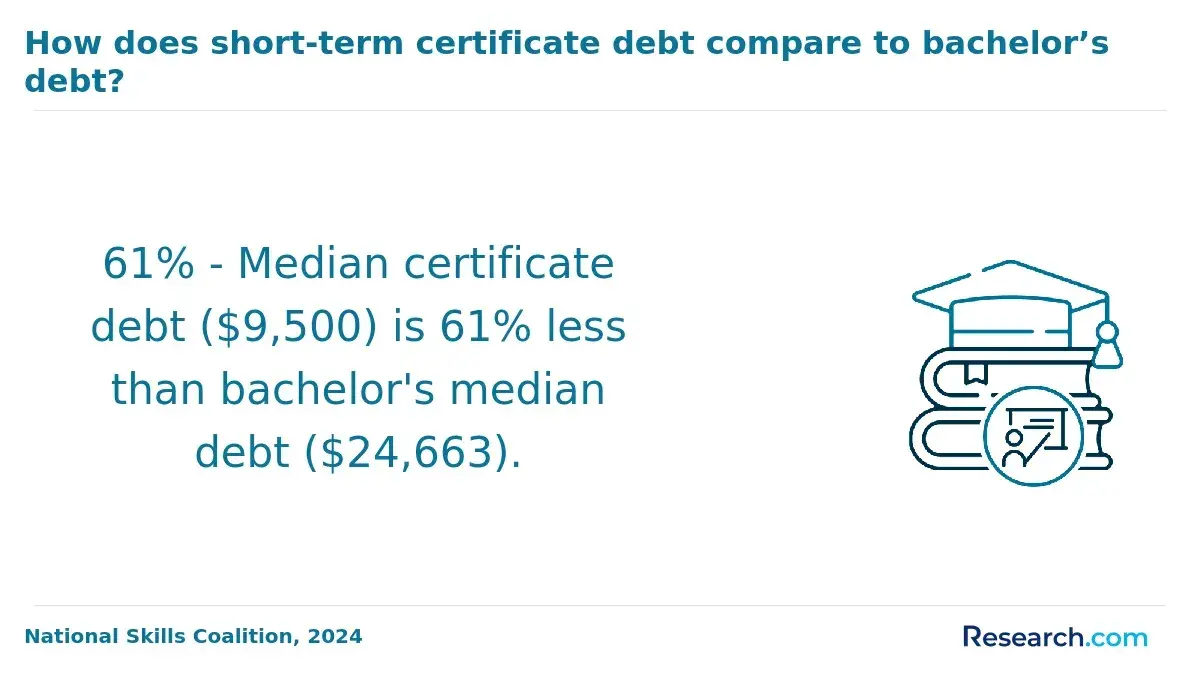
Student debt levels profoundly shape the long-term ROI of a fashion design program by directly influencing graduates' financial flexibility and career decisions. For example, private online programs often involve higher borrowing due to elevated tuition rates but may offer enhanced networking or internship opportunities that can lead to better initial salaries, making the debt somewhat justifiable.
In contrast, public online programs typically impose lower tuition, reducing debt but sometimes lacking specialized industry connections, which might delay salary growth or advancement in fashion fields. This dynamic highlights the need for prospective students to assess how borrowing corresponds with tangible returns such as employability and earning potential rather than assuming higher debt correlates with a better outcome.
Repayment obligations can restrict graduates entering fashion careers where early incomes often fall under $40,000, increasing the risk of loan delinquency and delaying milestones like savings or entrepreneurship. Completion rates also critically affect debt effectiveness; students who borrow but fail to finish risk negative ROI because debt remains without credential-driven earning power.
Comparing nonprofit, public, and private online institutions requires evaluating debt-to-completion ratios alongside program quality to measure the true impact of student loan repayment on career earnings in fashion design. Cost-conscious learners should also consider alternative accelerated credentials or pathways, such as a fast-track MBA 6 months online, which might better align specialized skills and debt burden for certain career trajectories.
How Do Flexibility and Adult Learner Support Affect Fashion Design Program Value?
Program flexibility and adult learner support critically shape the return on investment for fashion design students navigating public, private, and nonprofit online options. Asynchronous course delivery, common in many public institutions, enables working adults and career changers to juggle coursework alongside employment and personal commitments, often improving retention by over 10% according to recent data from the National Center for Education Statistics.
However, this flexibility may be less emphasized in some private programs that prioritize synchronous learning, potentially constraining accessible scheduling for nontraditional students and extending time to degree completion or increasing opportunity costs.
Support services tailored to adult learners-including individualized advising, career counseling, and faculty engagement-can markedly influence persistence and job-readiness, though these supports often come with cost tradeoffs. Nonprofit institutions often balance mission-driven support with moderate tuition, while private schools might offer more personalized guidance at higher fees, affecting affordability and overall value.
Public programs, while typically more affordable and transfer-friendly, may provide less customized mentorship, which can impact networking opportunities critical in the creative industries. These institutional distinctions affect not only graduation rates but also the capacity of graduates to translate their credentials into employment, necessitating careful consideration of how flexibility and support align with each student's circumstances and career timelines.
How Do Accreditation and Institutional Reputation Influence Fashion Design ROI?
Accreditation and institutional reputation critically influence the return on investment (ROI) for students pursuing fashion design, but their effects vary depending on cost, career goals, and institutional type. Regional accreditation, typically held by many public institutions, ensures degree transferability, access to federal aid, and graduate program eligibility-elements crucial for students planning academic mobility or advanced study.
For instance, a transfer student weighing an online public program against a private nonprofit must consider that lack of regional accreditation could limit credit acceptance and increase educational costs over time, thereby reducing ROI.
Employer perceptions also shape ROI; survey data from the National Center for Education Statistics (2024) reveal that 87% of employers prioritize institutional accreditation when evaluating candidates. While programmatic accreditation from design-specific organizations can bolster confidence in specialized skills, it is less widespread, making practical experience and portfolio strength decisive in fashion design employment.
Prestigious private or nonprofit schools often come with higher tuition and debt burdens, potentially delaying financial returns, though their reputation may offer networking advantages that public institutions lack. Students valuing cost-efficiency often find public online programs provide a competitive balance of academic quality and affordability, enhancing debt-to-earnings outcomes, especially when institutional support aids job placement and transfer flexibility.
Ultimately, neither accreditation nor reputation alone guarantees superior ROI. Cost-conscious students must weigh these factors alongside graduation rates, employer feedback, and personal career plans, recognizing that long-term value in fashion design frequently hinges on portfolio relevance, internships, and industry connections as much as institutional credentials.
How Does Time-to-Degree Affect the ROI of Public, Private, and Nonprofit Fashion Design Programs?
Time-to-degree significantly shapes the return on investment for public, private, and nonprofit online fashion design programs by affecting tuition exposure, opportunity costs, and debt burden. Public institutions tend to report higher bachelor's completion rates within four to six years-about 62% according to a 2024 National Center for Education Statistics study-due largely to more affordable tuition and flexible enrollment options that accommodate part-time work.
Adult learners balancing employment and family commitments often benefit from these greater flexibilities and transfer credit policies, which can accelerate graduation and reduce total educational costs. However, longer enrollment often means delayed workforce entry, which can suppress early career earnings and slow advancement in fast-evolving creative fields.
Private and nonprofit programs frequently emphasize smaller classes and individualized support, potentially boosting persistence but often require full-time enrollment that limits the ability to maintain work obligations during study.
Accelerated paths that shorten time-to-degree might minimize tuition and living expenses but increase academic pressure and reduce work-study balance, elevating dropout risk for nontraditional students. These tradeoffs influence not only educational affordability but also employability outcomes, as consistent, uninterrupted progress in design programs can better align with employer expectations for timely skill acquisition.
Decision-makers weighing the effect of program length on fashion design online education returns should carefully consider how enrollment intensity, transfer credits, and program structure impact both completion timelines and long-term career trajectory.
Prospective students comparing programs would benefit from reviewing outcomes in closely related disciplines like architecture programs online, where similar dynamics of completion time, cost, and educational rigor also critically influence ROI.
Evaluating these factors alongside program flexibility and student demographics helps frame a realistic understanding of how time-to-degree impacts affordability, debt accumulation, and employability in fashion design and related creative education pathways.
How Can You Choose the Best Fashion Design Program Based on Your ROI Goals?
Determining the best fashion design program based on ROI hinges more on individual priorities than on institutional type alone. Public programs commonly offer lower tuition and more flexible pacing, which can reduce student debt and opportunity costs-critical factors for working adults balancing family and employment.
Yet, private and nonprofit online institutions often carry stronger reputations and higher graduation rates, which some employers may weigh heavily, potentially accelerating post-graduation employment and salary prospects despite higher upfront costs.
When comparing programs, consider total cost relative to available financial aid, student debt at graduation, and career support services. Programs with robust institutional accreditation and alumni networks can afford better long-term returns but often require accepting greater initial financial outlays.
Adult learners especially benefit from flexible scheduling options found more frequently at public institutions, impacting time-to-degree and overall ROI. Evaluating these dimensions within the landscape of best online fashion design degrees for career and financial outcomes is essential.
For those looking to diversify data-informed education choices, parallels can be drawn from analyses like those on the data analytics master's degree market, where career alignment, program reputation, and cost significantly influence ROI.
Ultimately, nuanced decision-making rooted in personal circumstances-employment, family obligations, and future goals-determines which institutional model delivers the most practical value in a fashion design program ROI comparison for public, private, and nonprofit institutions.
References
- How Student Loan Debt Impacts Your College ROI https://www.lendkey.com/blog/student-loans/how-student-loan-debt-impacts-your-college-roi/
- The Vogue Business Guide to the Best Fashion Schools in the World https://www.vogue.com/article/the-vogue-business-guide-to-the-best-fashion-schools-in-the-world
- How to Calculate the ROI of 3D Apparel Design: A Framework for Product Development Leaders https://browzwear.com/blog/how-to-calculate-the-roi-of-3d-apparel-design-a-framework-for-product-development-leaders
- The Global Impact of Fashion Design Programs on the Industry - CMR Blog https://cmr.edu.in/blog/the-global-impact-of-fashion-design-programs-on-the-industry/
- Study Fashion Design Abroad: Top Colleges, Courses, & Costs https://www.aeccglobal.com/study-abroad/courses/fashion-design
- Deja un comentario Cancelar respuesta https://cognicion.com.mx/exploring-the-true-price-tag-of-fashion-education-a-global-insight-into-the-costs-of-fashion-schools/
- Does College Pay Off? A Comprehensive Return On Investment Analysis - FREOPP https://freopp.org/whitepapers/does-college-pay-off-a-comprehensive-return-on-investment-analysis/
- 6 Surprising Benefits of Studying Fashion Design Online in 2025 | Fashion Week Online® https://fashionweekonline.com/6-surprising-benefits-of-studying-fashion-design-online-in-2025
- Your Complete Guide to Choosing the Best Fashion Design Course and Launching Your Career https://picassoinstitute.com/en/articles/600-your-complete-guide-to-choosing-the-best-fashion-design-course-and-launching-your-career
- How to Build a Successful Career in the Fashion Industry https://www.lcca.ac.uk/blog/fashion/how-to-build-a-successful-career-in-the-fashion-industry/
Other Things You Should Know About Fashion Design
Yes, typically private and nonprofit online programs emphasize portfolio development, industry software proficiency, and real-world project work more heavily than many public programs. This can lead to better preparedness for specific employer demands, but often comes with a heavier workload.
Public programs may be more balanced with foundational theory and wider creative perspectives but might delay professional readiness. Prospective students prioritizing immediate employability should favor institution types with stronger applied curricula, often found in private and nonprofit settings.
Employer recognition often depends on the reputation and alumni network of the institution rather than solely on its public or private status. However, private and nonprofit programs sometimes have closer industry ties and internship pipelines that lead to better job placement outcomes.
Graduates from public programs might face more challenges securing high-profile fashion roles but often find opportunities in regional markets or public sector design roles. Choosing an institution with demonstrable industry connections typically enhances ROI in terms of job accessibility.
Private and nonprofit school graduates tend to access stronger mentorship and networking opportunities that facilitate mid-career growth in competitive fashion sectors. Public program alumni may experience slower advancement due to fewer industry partnerships and limited support for entrepreneurial skill-building.
For students aiming at sustained career acceleration or leadership roles, private and nonprofit options can offer cumulative advantages beyond initial entry-level jobs. Prioritizing programs with active alumni engagement and continuing education resources is advisable.
Absolutely. Public online programs often provide greater schedule flexibility and cost advantages, which is crucial for working professionals managing employment and studies simultaneously.
However, these programs may offer less personalized feedback and fewer hands-on experiences that are vital in fashion design. Private and nonprofit programs, while sometimes more rigid and costly, can deliver higher ROI through intensive skill-building and networking. Working professionals should weigh immediate affordability and flexibility against long-term career benefits when selecting an institution.