2027 Biology ROI by Institution Type: Public vs Private vs Nonprofit Online Programs

Co-Founder and Chief Data Scientist
A prospective biology student faces a daunting choice: several online programs appear similarly accredited and flexible, yet annual tuition varies by thousands of dollars. A 2024 study from the National Student Clearinghouse reveals that students from nonprofit online programs graduate at rates nearly 20% higher than those in some public counterparts, while student debt averages differ drastically between private and public institutions. These disparities reflect not only immediate affordability but long-term career flexibility and financial resilience.
The wrong decision can saddle graduates with disproportionate debt relative to their employment prospects. This article analyzes ROI across public, private, and nonprofit online biology programs to clarify true value beyond surface costs.
Key Things to Know About Biology ROI by Institution Type
- Public institutions typically offer lower tuition but may have longer average completion times, increasing indirect costs and delaying workforce entry, which can reduce the immediate ROI for time-sensitive students.
- Private online Biology programs often boast stronger alumni networks and employer recognition, enhancing career advancement potential, though this advantage may not justify higher student debt for all learners.
- Nonprofit online providers frequently balance moderate pricing with robust learner support services, translating to higher graduation rates and better debt management, a critical factor for adult learners prioritizing timely credentialing.
- Key Things to Know About Biology ROI by Institution Type Key Things to Know About Biology ROI by Institution Type
- What Does ROI Mean for a Biology Program and How Is It Measured? Understanding Biology Program ROI
- How Do Public, Private, and Nonprofit Online Biology Programs Differ in Overall Value? Value by Institution Type
- How Do Tuition Costs Affect the ROI of a Biology Program Across Institution Types? Tuition Costs and ROI
- How Do Graduation Rates Influence Biology Program ROI? Graduation Rates Impact ROI
- What Role Do Career Outcomes Play in the ROI of a Biology Degree? Career Outcomes and ROI
- How Does Student Debt Impact the Long-Term ROI of a Biology Program? Debt vs. Long-Term ROI
- How Do Flexibility and Adult Learner Support Affect Biology Program Value? Flexibility and Program Value
- How Do Accreditation and Institutional Reputation Influence Biology ROI? How Do Accreditation and Institutional Reputation Influence Biology ROI?
- How Does Time-to-Degree Affect the ROI of Public, Private, and Nonprofit Biology Programs? How Does Time-to-Degree Affect the ROI of Public, Private, and Nonprofit Biology Programs?
- How Can You Choose the Best Biology Program Based on Your ROI Goals? Choosing Programs by ROI
What Does ROI Mean for a Biology Program and How Is It Measured?
Return on investment for a biology program hinges on assessing multiple dimensions beyond tuition fees and entry-level salaries. For instance, a student choosing a public university with lower tuition might save upfront costs but face longer program durations or less personalized career support, which can delay workforce entry and strain finances over time. Conversely, private institutions often charge more but may deliver smaller classes and richer research opportunities that enhance job placement rates. These dynamics mean that a lower sticker price does not guarantee a stronger long-term ROI, especially when factors like student debt, graduation rates, and timely completion affect cumulative costs and career momentum.
Measuring roi for online biology degrees involves balancing affordability with the quality and flexibility these programs offer, particularly for adult learners juggling work and family. Nonprofit online options can provide a cost-effective pathway with flexible pacing but might lack integrated experiential learning that employers increasingly expect. According to a 2024 report by the National Center for Education Statistics, programs with higher completion rates and built-in career services substantially improve employment outcomes within six months of graduation. Prospective students should evaluate how program features align with their professional goals and personal circumstances, recognizing that opportunity costs and institutional reputation weigh heavily in the ultimate value of a biology program.
For those comparing different institution types or exploring quick degree programs, the decision often involves tradeoffs between direct costs, program duration, and post-graduate employment prospects. A student prioritizing rapid entry into the workforce may lean toward a shorter program with strong support services, even at a higher tuition, to reduce debt accumulation and capitalize on job market demand. In contrast, another learner focused on research or public service might accept modest salary returns in exchange for specialized training and network access that enhance career stability. Thus, calculating ROI demands a nuanced approach that incorporates educational quality, financial burden, and realistic career trajectories rather than simplistic cost-to-salary ratios.
How Do Public, Private, and Nonprofit Online Biology Programs Differ in Overall Value?
Cost differences between public, private, and nonprofit online biology programs often mask deeper tradeoffs involving student support, graduation rates, and career outcomes. Public institutions usually offer lower tuition, reducing upfront financial strain, particularly for working adults juggling expenses and family commitments. However, private nonprofit programs tend to provide more individualized advising and smaller class sizes, which correlates with higher completion rates and better employer connections. For example, graduates from nonprofit online biology degrees were 15% more likely to secure field-related employment within six months, according to a 2024 LinkedIn Workforce Report, highlighting how reputation and network effects can justify higher tuition for some students.
Debt burdens also diverge; public program alumni frequently accumulate less educational debt, making these paths attractive to cost-conscious learners prioritizing affordability over prestige. In contrast, nonprofit programs may command premium prices but often deliver stronger academic resources and career services that can impact long-term ROI. Flexibility is another crucial factor-while public universities often excel in asynchronous course offerings conducive to transfer students and part-time learners, private nonprofits sometimes implement hybrid formats and specialized tracks for niche biology sectors. These distinctions matter when evaluating program fit based on one's financial situation, time availability, and specific professional goals rather than relying solely on sticker price or institutional labels.
One student weighed these options carefully while planning a return to school after a decade in a related lab role. She hesitated over public programs' affordability against concerns about larger class sizes and less personalized guidance. Although the nonprofit offerings seemed costlier upfront, their career services and stronger alumni network promised better job prospects in a competitive market. Ultimately, she selected a nonprofit online biology program after finding a merit-based aid package that eased her debt concerns, valuing the blend of support and recognized accreditation as a safer investment amid uncertainty about whether paying more would translate into meaningful career advancement.
How Do Tuition Costs Affect the ROI of a Biology Program Across Institution Types?
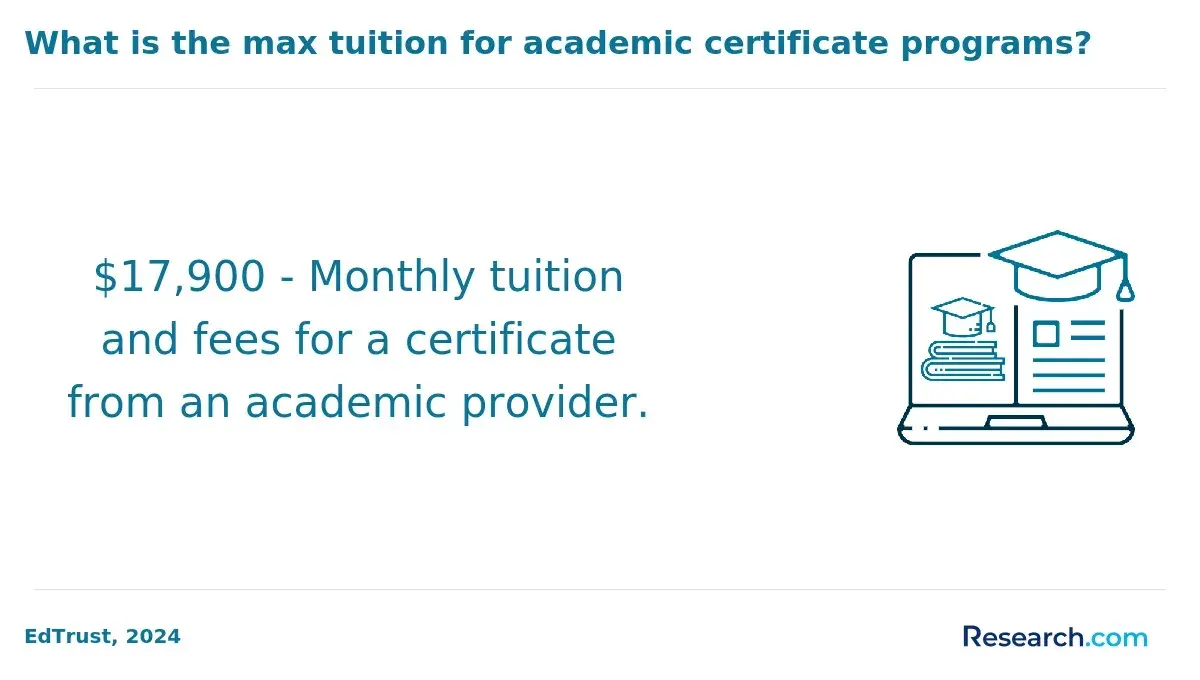
Tuition differences between public, private, and nonprofit online biology programs directly shape students' long-term financial outcomes, but lower costs do not guarantee better return on investment. Public institutions typically offer annual tuition around $9,000 for in-state students, while private nonprofits average about $28,000, according to 2024 data from the National Center for Education Statistics. However, private nonprofits often provide more substantial need-based aid, which can reduce net costs but also lead to higher borrowing; students in private nonprofit programs borrow on average 15% more than those in public schools, increasing debt burdens that may compromise financial mobility after graduation.
Completion timelines also matter: public programs tend to prioritize flexibility, which benefits working adults but can extend time-to-degree and overall costs, diluting ROI. In contrast, some nonprofit online programs enforce more structured schedules that facilitate timely graduation despite higher sticker prices, potentially yielding a quicker transition into the workforce.
Employers in biology-related fields emphasize accreditation and relevant experience more than school prestige, meaning graduates from cost-effective public programs can compete well if they navigate support services effectively. Yet, where higher tuition coincides with advanced research opportunities or robust industry partnerships, the premium paid may be justified through enhanced salary prospects, making the extra expense worthwhile for certain students depending on their career goals and financial circumstances.
How Do Graduation Rates Influence Biology Program ROI?
Graduation rates significantly shape the return on investment for biology programs, particularly when comparing public, private, and nonprofit online institutions. According to a 2024 report by the National Student Clearinghouse Research Center, six-year graduation rates for public online STEM bachelor's programs hover around 48%, while nonprofit online programs average closer to 60%. This gap reflects differences in academic support, student demographics, and time-to-degree, all of which influence total educational costs and career entry timing. For example, nonprofit programs often provide targeted advising and tutoring services that can reduce attrition and speed completion, ultimately improving ROI by lowering debt and allowing earlier workforce participation.
However, graduation rates alone do not provide a complete ROI picture. Public programs frequently serve adult learners juggling jobs and family responsibilities who may take longer to graduate, yet benefit from more affordable tuition. Practical skills, certifications, and program flexibility often weigh heavily in employer decisions, sometimes more than institution type or completion statistics. Cost-conscious learners evaluating biology online program graduation statistics and ROI comparison should consider how their unique circumstances align with institutional strengths, including support services and credential relevance. Additionally, students looking into fields with growing demand, such as healthcare, might explore related pathways, including online cybersecurity degree programs, to diversify their skill set and job prospects without compromising financial prudence.
What Role Do Career Outcomes Play in the ROI of a Biology Degree?
Career outcomes fundamentally shape the ROI of online biology degrees by influencing how tuition costs and time investments pay off in labor market terms. While public institutions often provide lower tuition that reduces upfront debt, their career support networks and employer engagement can lag behind some private or nonprofit programs, which may command higher fees but offer distinct advantages in specialized sectors like biotech. According to a 2024 report from the National Center for Education Statistics, about 78% of online biology graduates secure employment within a year, though this rate varies by institution type and program alignment with employer demands. For working adults balancing cost, program relevance, and career transitions, the choice involves weighing these tradeoffs to maximize both immediate job prospects and long-term adaptability in evolving science fields.
Employer recognition also critically impacts career mobility, with many hiring managers favoring programs that integrate current industry standards and practical skills such as molecular techniques and data analysis. Programs emphasizing experiential learning and partnerships with biotech or environmental firms tend to boost job placement and career progression, thus enhancing perceived value despite potentially higher tuition. Conversely, public programs might deliver broader access and flexibility but may require graduates to proactively seek supplemental networking to achieve comparable outcomes. This interplay between cost, career readiness, and graduate outcomes underscores the need for prospective students to evaluate biology programs not just on sticker price but on tangible pathways to relevant employment and skill development.
A graduate from an online biology program reflected on the degree's ROI through their experience landing a position in a regional healthcare research lab. Initially uncertain whether the credential would lead to meaningful advancement beyond entry-level roles, they found that employer recognition of the degree's alignment with current lab techniques facilitated an internal promotion within 18 months. While the debt was modest, the graduate emphasized that the real return emerged from expanded responsibilities and professional networking enabled by the program's focus on up-to-date skills rather than salary alone. This nuanced perspective highlights how career outcomes play a decisive role in evaluating the practical value of biology degrees beyond upfront costs.
How Does Student Debt Impact the Long-Term ROI of a Biology Program?
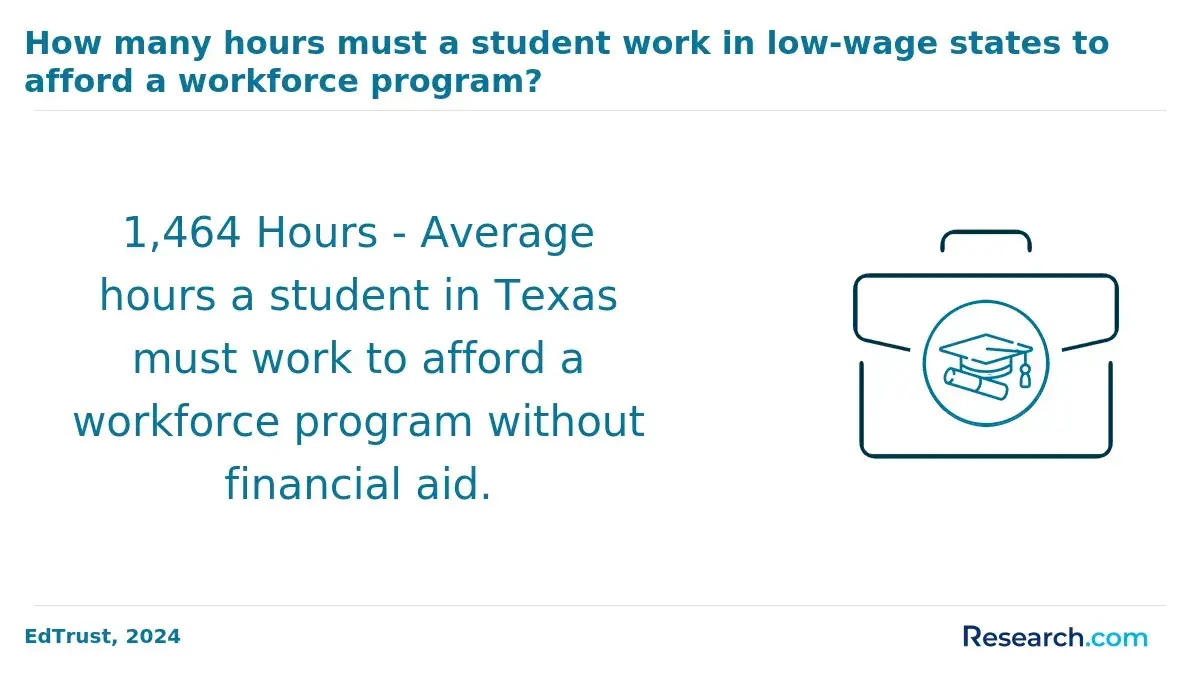
Student debt profoundly shapes the long-term financial impact of Biology student loans and, consequently, the return on investment (ROI) of online Biology programs. Graduates of private online institutions often face debt levels 20-30% higher than those from public schools, largely due to elevated tuition fees, which can extend repayment periods and strain post-graduation finances. This scenario can be especially challenging for Biology graduates entering entry-level roles with limited salaries, where high debt-to-earnings ratios undermine both immediate financial stability and longer-term wealth accumulation. The decision to borrow must therefore factor in not only upfront costs but also the program's typical completion time, as extended timelines increase debt burden without proportionate advancement in earning potential.
Programs offered by public institutions usually present lower sticker prices and better access to state financial aid, translating into smaller average debt loads and often improved repayment success. Nonprofit online Biology programs tend to sit between these poles, attracting diverse students balancing education and work, which influences debt patterns and repayment strategies uniquely.
A critical dimension for cost-conscious students and career changers comparing such options is to assess educational quality and typical career trajectories alongside debt burdens. These considerations help determine whether the investment justifies expected salaries and job opportunities, factoring in real workforce demands rather than idealized outcomes. In this context, reviewing comparable cost-benefit profiles-similar to evaluating an online MBA under 30000-can assist in framing financial expectations and planning repayment effectively.
How Do Flexibility and Adult Learner Support Affect Biology Program Value?
Programs that incorporate flexible scheduling with asynchronous coursework and part-time enrollment often improve completion rates among working adults and career changers, effectively shaping the return on investment of online biology degrees. For example, an adult learner balancing a full-time job and family commitments may persist longer and graduate sooner if able to access courses outside of traditional hours, reducing opportunity costs linked to extended enrollment. Yet, this flexibility frequently interacts with student support services-robust advising, early interventions, and transfer-friendly policies significantly lower dropout rates and shorten time-to-degree, which directly influence overall affordability and long-term value.
Public universities typically offer lower tuition and generous transfer credit acceptance, appealing to cost-conscious students focused on minimizing upfront debt. However, these institutions might lack the specialized advising and career resources found in many private and nonprofit settings, where personalized academic support and STEM-focused job placement services can better prepare graduates for competitive labor markets. According to the National Center for Education Statistics' 2024 report, students engaged in programs providing both flexible learning options and comprehensive advising are 22% more likely to finish within six years, highlighting the tangible advantage of integrating these factors. Deciding between institution types often requires weighing the tradeoff between immediate affordability and potential hidden costs from slower progression or limited workforce alignment.
Ultimately, biology students should evaluate how program design accommodates their individual circumstances, including work schedules, military obligations, or transfer credits, alongside the availability of targeted support services that enhance persistence and employment readiness. Choosing a program based solely on tuition sticker price overlooks critical elements like faculty accessibility or career counseling that often determine whether a degree translates into meaningful professional outcomes. This nuanced assessment encourages a more realistic understanding of educational investments beyond surface-level costs, emphasizing sustained engagement, practical support, and alignment with employer expectations as key drivers of true program value.
How Do Accreditation and Institutional Reputation Influence Biology ROI?
Accreditation and institutional reputation critically influence the return on investment of an online biology degree, but their impact varies depending on how they intersect with cost, transfer policies, and career goals. For example, a biology degree from a regionally accredited public university may offer comparable or better ROI than one from a highly reputed private nonprofit if the latter's higher tuition leads to excessive debt without commensurate employer recognition. Employers in STEM fields often prioritize candidates with degrees from regionally or nationally accredited institutions, a preference affirmed by a 2024 National Center for Education Statistics survey indicating 87% of employers favor such credentials when making hiring decisions. This emphasis on accreditation affects salary potential and job placement, particularly in competitive or technical roles where programmatic accreditation adds further value by assuring curriculum rigor and relevance.
Institutional reputation can enhance ROI by facilitating stronger alumni networks and better recognition among graduate programs or employers, but it doesn't automatically offset costs or inflexible program features. Public universities often carry widespread name recognition and offer favorable credit transfer policies, which can save time and money for transfer students and career changers. In contrast, certain private and nonprofit schools may excel in specialized biology fields by leveraging concentrated faculty expertise and research collaborations, although these advantages should be weighed against graduation rates, student support quality, and total cost of attendance. Ultimately, students must assess how accreditation and reputation interact with practical factors like retention, credit transfer, and cost burden to optimize long-term earnings and minimize debt risk in decisions about biology education pathways.
How Does Time-to-Degree Affect the ROI of Public, Private, and Nonprofit Biology Programs?
Time-to-degree completion critically shapes the return on investment in public, private, and nonprofit biology programs by dictating both direct educational costs and the opportunity cost of delayed earnings. Public universities generally see longer completion times-around 4.5 to 5 years-largely due to more flexible pacing and higher rates of part-time enrollment, which often accommodates working adults but can extend total time and expenses. In contrast, private and nonprofit institutions tend to offer accelerated pathways with average completion closer to 4 to 4.5 years, which can reduce tuition and living costs but may increase per-credit expenses and student stress, potentially impacting persistence and completion rates.
Transfer credit utilization, more prevalent in public biology program pathways, is a strategic factor that can shorten time-to-degree without compromising educational quality, particularly attractive to career changers and adult learners. However, some private for-profit programs struggle with lower completion rates, highlighting a risk where nominally shorter degrees do not always translate into timely graduation or improved ROI. Students balancing work and family must weigh the tradeoff between accelerated completion-with heavier course loads-and steadier progress that minimizes debt, aligns with employment, and enhances long-term career outcomes. Employers tend to value timely completion as a signal of readiness but often prioritize consistent career growth over marginally faster graduation in less supportive settings. Prospective students should therefore evaluate how time-to-degree interacts with flexibility, debt burden, and completion likelihood to optimize the financial and professional returns of their biology education.
Given these complexities, it is also useful to consider how biology degrees compare to other options tailored for working professionals. For those interested, exploring degrees for remote jobs can offer insights into programs engineered for workforce integration and flexible completion timelines, complementing the decision framework around biology program value and duration.
How Can You Choose the Best Biology Program Based on Your ROI Goals?
Determining the best online biology program based on ROI hinges on individual priorities rather than institution type alone. Public programs typically offer lower tuition and reduced debt burdens, appealing to cost-sensitive learners but often present lower graduation rates around 45-50% within six years, which can affect completion and long-term earnings. In contrast, private nonprofit biology programs usually carry higher upfront costs and average 20% more debt, yet graduates often realize 10-15% higher early-career salaries, making them suitable for those focused on quicker income gains despite the financial tradeoff.
Comparing public private nonprofit biology degree value requires considering factors beyond cost. Nonprofit programs often provide stronger learner support and retention services that shorten time-to-degree, crucial for working adults balancing family and employment demands. Accreditation and reputation also influence employability, particularly in STEM fields with increasing demand across healthcare systems and research sectors. Students facing complex scheduling or seeking accelerated pathways should evaluate these elements carefully, as they significantly impact ROI through saved time and reduced opportunity costs.
Calculating ROI in biology programs demands nuanced analysis across tuition, financial aid, program quality, and career outcomes aligned with personal circumstances, such as employment status and career goals. While affordability drives many choices, exploring options like military friendly online photography degree programs may also provide insights on supportive online options for adult learners transitioning careers. Balancing these variables helps prospective students develop a tailored strategy reflecting their specific investment and professional objectives.
References
- Average Cost of College [2025]: Yearly Tuition + Expenses https://educationdata.org/average-cost-of-college
- What it is and how to calculate ROI or Return on Investment - Esade https://www.esade.edu/beyond/en/what-is-roi-and-how-to-calculate-return-on-investment/
- Understanding the Key Factors in Research Accreditation for Institutions https://www.ieac.org.uk/87-Understanding-the-Key-Factors-in-Research-Accreditation-for-Institutions-blog.php
- How to Calculate the ROI of Your College Degree - The College Funding Coach https://www.thecollegefundingcoach.org/how-to-calculate-the-roi-of-your-college-degree/
- Adult learners: who they are and what they want out of college | EAB https://eab.com/resources/blog/adult-education-blog/adult-learners-who-they-are-what-they-want-college/
- Is Grad School Worth It? A Comprehensive Return on Investment Analysis - FREOPP https://freopp.org/whitepapers/is-grad-school-worth-it-a-comprehensive-return-on-investment-analysis/
- GRIN - Adult Learning. Influencing Factors https://www.grin.com/document/322054
- Don’t forget private, non-profit colleges | Brookings https://www.brookings.edu/articles/dont-forget-private-non-profit-colleges/
- For-profit Private vs. Non-profit Public https://talk.collegeconfidential.com/t/for-profit-private-vs-non-profit-public/1935747
- Board of Governors of the Federal Reserve System https://www.federalreserve.gov/econres/notes/feds-notes/non-completion-student-debt-and-financial-well-being-20230821.html
Other Things You Should Know About Biology
Yes, institution type often influences access to hands-on lab components, which are critical in biology education. Public institutions, due to larger budgets and partnerships, may offer hybrid options or partnerships with local labs, enhancing practical skills. Private and nonprofit programs can vary widely; some may limit lab work to virtual simulations, which can impact readiness for lab-intensive roles. Prospective students should prioritize programs that balance theoretical knowledge with realistic lab experiences to ensure employability in research or clinical settings.
Employers often weigh the credibility of an online biology degree by institution reputation and rigor more than simply the institution type. Public universities with established research profiles may carry more weight in scientific fields, while some private or nonprofit institutions are recognized for niche strengths or innovative teaching. For roles emphasizing research or graduate studies, a public university degree may open more doors, but private and nonprofit graduates often succeed by demonstrating specific skills and internships. Choosing the institution should consider not just the name but how well the program connects students to relevant networks and experiences.
Workload and pacing can vary substantially between public, private, and nonprofit biology programs, affecting completion time and learning depth. Public programs may adhere to traditional semester schedules with steady assignments, suitable for those seeking structured pacing. Some private and nonprofit programs offer accelerated or self-paced formats, which benefit motivated learners but risk superficial coverage if rushed. Students must assess their capacity for self-directed study against program demands, as misalignment can lead to longer time-to-degree and diminished ROI.
Career changers often benefit from nonprofit or private online biology programs that emphasize personalized support, career services, and flexible learning pathways. While public institutions provide affordable credentials, they may lack tailored resources crucial for those switching fields. Nonprofits especially tend to integrate applied projects and mentorship that can enhance job-market readiness. Thus, career changers should weigh institutional support and practical skill-building opportunities above cost alone to maximize long-term ROI.