2027 Biology Salary Trends Report: Are Wages Keeping Up With Tuition and Inflation?

Co-Founder and Chief Data Scientist
A prospective biology student weighs the decision to enroll amid rising tuition costs and uncertain salary prospects. The student questions whether earning a biology degree offers a reliable financial return compared to the growing expenses of higher education. Inflation further complicates this calculation, eroding purchasing power and making it harder to assess the true value of future earnings. This scenario highlights the challenge of balancing investment in education with realistic expectations for income after graduation.
Salary growth, tuition hikes, and inflation rarely align, causing long-term earning potential to differ significantly from headline salary figures. A biology graduate's financial success depends not only on immediate income but also on how salaries track against these economic factors over time.
Understanding this interplay is crucial for making informed choices about education affordability and career planning. This article examines biology salary trends alongside tuition costs and inflation, exploring return on investment, affordability, and key influences on the degree's lasting financial value.
Key Things to Know About Biology Salary Trends
- Graduate wages in biology have grown by only 2% annually since 2021, lagging behind a 5% average inflation rate, indicating reduced real income and tighter post-degree financial flexibility.
- High tuition inflation outpaces biology starting salaries, leading to an average 12% increase in student debt burdens for recent graduates, which delays wealth accumulation and career investment.
- Specialization in biotechnology or ecological data analysis significantly boosts long-term earnings, with data showing a 20% higher median income after 10 years compared to general biology graduates.
- Key Things to Know About Biology Salary Trends Key Things to Know About Biology Salary Trends
- What Is the Current Salary Outlook for Biology Graduates? Salary Outlook
- Are Biology Salaries Keeping Up With Inflation? Inflation Impact
- How Do Tuition Costs Compare With Biology Salary Growth? Tuition vs Salary
- Does a Biology Degree Deliver a Positive Return on Investment? Degree ROI
- Which Industries Offer the Highest Salaries for Biology Graduates? Which Industries Offer the Highest Salaries for Biology Graduates?
- Which States and Cities Offer the Highest Pay for Biology Professionals? Which States and Cities Offer the Highest Pay for Biology Professionals?
- How Do Biology Salaries Grow Throughout a Career? Career Growth
- How Do Biology Salaries Compare With Similar Degrees? Salary Comparison
- How Is Employer Demand Affecting Biology Salary Trends? Employer Demand
- How Can Students Maximize Their Lifetime Earnings With a Biology Degree? Maximizing Earnings
What Is the Current Salary Outlook for Biology Graduates?
The salary outlook for biology graduates in 2024 reflects a complex mix of promising median wages and economic challenges. According to data from the U.S. Bureau of Labor Statistics, life scientists earn a median annual salary around $84,000, which is above the national average for all occupations. Yet, the starting pay for new biology graduates, such as lab technicians or research assistants, typically ranges from $45,000 to $55,000, varying significantly by region and employer.
For instance, one biology graduate entering a biotech firm as a technician might begin at the lower end of the scale, while another pursuing advanced studies and landing a role as a biomedical researcher could expect salaries between $95,000 and $110,000, illustrating how career paths shape earning potential.
The average starting salary for biology majors in the US must be weighed against rising educational expenses and inflation, which reduce the net financial gain of a biology degree. Tuition for biology-related programs has increased by approximately 3.5% annually, outpacing typical salary growth for many entry-level roles.
This dynamic means that recent graduates can face real income pressures despite promising long-term earnings. When evaluating these salary trends, prospective students should consider the incremental benefits of advanced degrees and specialized skills that often lead to higher wages and more stable job prospects over time, rather than focusing narrowly on initial salaries.
Career outcomes in biology are also influenced by job market demand and ongoing opportunities for pay increases tied to experience and expertise development. Two graduates with the same degree might experience markedly different salary trajectories depending on whether they enter research, healthcare, education, or industry roles.
For students contemplating options such as the shortest EdD program online or similar pathways, understanding these distinctions can guide more strategic decisions about further education and specialization. Ultimately, biology graduate salary trends 2024 demonstrate that while earnings can be rewarding, the balance of cost, inflation, and career direction matters most in long-term financial outcomes.
Are Biology Salaries Keeping Up With Inflation?
Nominal wage increases for biology graduates often fail to keep pace with inflation, eroding real earning power over time. For example, a biology research assistant receiving a 2% annual raise while inflation runs at about 3.5% effectively sees a reduction in purchasing power each year, despite appearing to earn more.
This dynamic means that even with steady nominal growth, biology salary growth compared to inflation reflects a shrinking financial return on education. Students and career changers must recognize that rising nominal salaries do not necessarily translate into improved standards of living or financial security.
Several factors contribute to this phenomenon, including oversupply of graduates in biology-related fields and stagnant pay scales in public and nonprofit sectors where many biology professionals work. Additionally, escalating tuition costs add a further layer of complexity: biology wages are not keeping pace with tuition costs, placing greater financial burdens on students.
For those weighing educational options, exploring an easiest online associates degree or niche life sciences roles may offer more cost-effective pathways with better economic prospects in uncertain job markets.
How Do Tuition Costs Compare With Biology Salary Growth?
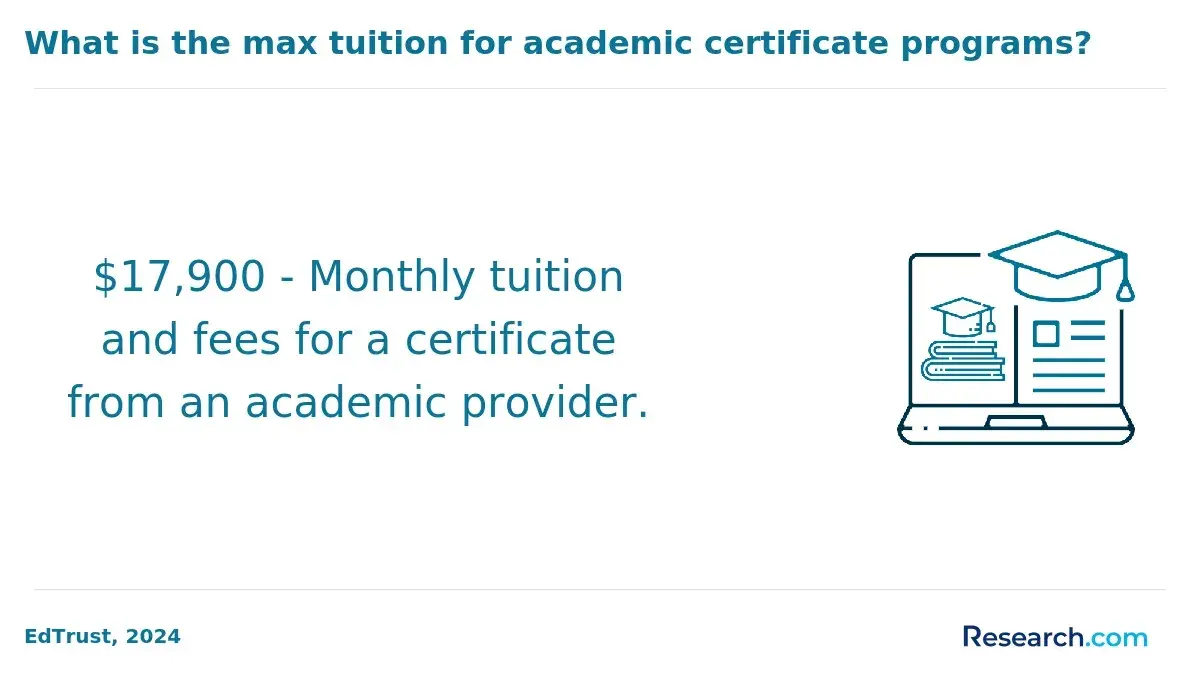
Comparing tuition costs with salary growth for biology graduates offers a clearer picture of the degree's financial viability than evaluating either figure separately. Data from the National Center for Education Statistics and the Bureau of Labor Statistics indicate that over the past decade, average tuition at public four-year colleges has surged about 45% when adjusting for inflation, while early-career salaries for biology majors have increased by only around 12% in real terms.
This disparity means that students often face rising education expenses without a matching boost in initial earnings, intensifying the pressure to manage debt and living costs. Mid-career incomes improve somewhat, showing about a 25% real increase, yet this delayed wage growth may not offset early financial strain, particularly when regional cost-of-living differences and inflation are considered.
The relationship between tuition and salary growth also hinges on individual career paths within biology. Those entering specialized or research-focused roles typically see faster salary advancement compared to peers in education or general lab jobs, where earnings may stagnate even as loans accumulate.
For example, one student anticipating a role in biotech might justify higher tuition through expected wage growth, while another aiming for public education might face tighter financial constraints.
Ultimately, understanding how these trends interact helps students tailor decisions about when and where to study biology, weighing immediate costs against long-term income prospects amid fluctuating economic conditions.
After graduation, one biology alum recalled feeling conflicted about taking on extra student loans to attend a more expensive research university, hoping the investment would accelerate salary gains in biotech. Early paychecks, however, were modest and slower to rise than expected, causing unexpected strain on monthly budgets.
"I had assumed my tuition cost would be balanced out quickly by my salary," they reflected, "but it took several years of sacrifices before I felt that financial breathing room." This experience underscored the importance of factoring in not just tuition price tags but also timing of salary growth and the variability across biology careers when planning education financing.
Does a Biology Degree Deliver a Positive Return on Investment?
Return on investment for a Biology degree extends beyond initial earnings and requires weighing the full cost of education against potential career earnings and advancement opportunities over time.
Median salaries for biology graduates start near $63,000 within five years of graduation, as reported by the National Center for Education Statistics and the U.S. Bureau of Labor Statistics in 2024. Yet, this starting figure often struggles to keep pace with rising tuition and living expenses, indicating a delayed financial payoff for many graduates.
Consider a recent graduate who incurs $40,000 in student debt from a public university biology program. Early in their career, entry-level salaries may barely cover living costs and debt repayment, making the immediate return seem questionable.
However, if this graduate pursues specialized fields such as biotechnology or healthcare, or advances through graduate education, salaries tend to increase steadily, improving long-term returns. This scenario highlights that the financial value of a Biology degree depends heavily on individual career paths and ongoing professional development rather than upfront income alone.
Key factors influencing whether a Biology degree yields positive returns include industry demand, job market shifts, and the graduate's ability to adapt to evolving scientific roles. The American Institute of Biological Sciences points to rising demand in biology-related sectors, suggesting improving job prospects that could enhance salary growth.
Thus, while Biology majors may face early financial challenges, mid- and long-term data indicate the degree can become a worthwhile investment, provided that graduates strategically leverage the versatile skill set and pursue opportunities aligned with industry expansion.
Which Industries Offer the Highest Salaries for Biology Graduates?
For biology graduates determining whether their degree offers a strong return on investment amid rising tuition and inflation, industry salary trends provide essential insights.
Data from the U.S. Bureau of Labor Statistics and leading research entities indicate that certain sectors consistently offer superior salaries to biology graduates, reflecting demand for specialized knowledge and practical skills. Understanding these trends helps students and recent graduates make informed decisions about career paths that balance earning potential with educational costs.
Below are key industries where biology-related roles typically yield the highest compensation:
- Biotechnology and Pharmaceutical Manufacturing: This sector leads in salary potential by leveraging intensive research and development budgets. Roles such as drug developers, genetic researchers, and clinical trial coordinators command entry-level salaries often above $70,000, with mid-career professionals frequently earning over $90,000. Advanced degrees and expertise in molecular biology enhance earning prospects here.
- Healthcare and Medical Services: Positions in clinical laboratory technology, medical research, and radiologic sciences offer a wide salary range, with roles like medical scientists and biomedical researchers providing competitive wages aligned with degree costs. Credentials and certifications critically impact compensation in this field.
- Environmental Consulting and Natural Resources Management: Focused on ecology and environmental science, this sector offers steady salary growth, especially within government agencies and private firms. Although starting salaries may trail pharma and healthcare, experience and specialized skills in environmental biology can increase earnings reliably.
- Academic and Government Research: While often viewed as less lucrative, these roles have seen incremental pay increases, particularly for biology graduates with advanced degrees in bioinformatics or molecular biology. These positions usually provide greater job stability and benefits, contributing to overall compensation.
- Biotechnology Startups and Innovation Hubs: Emerging companies driving biotech innovation frequently offer competitive compensation packages including stocks or bonuses. Though riskier, these environments benefit biology graduates with entrepreneurial skills and adaptability.
- Regulatory Affairs and Quality Assurance: Ensuring compliance with industry regulations in pharmaceuticals and medical devices requires biology expertise. Salaries reflect the critical nature of this work, especially for those combining technical knowledge with regulatory certification.
Incorporating these salary trends and industry demands with personal career goals is essential. Biology graduates weighing these paths can also consider complementary education options like a master of data science online to enhance their marketability and access industries where data analysis skills intersect with biological sciences.
Which States and Cities Offer the Highest Pay for Biology Professionals?
Location plays a critical role in shaping the earning potential for biology professionals, with notable variations rooted in regional economic ecosystems and industry presence.
For graduates and career changers, understanding where biology-related roles pay best helps in making informed decisions about where to live and work. However, higher salaries often coincide with steep living expenses and competitive job markets, underscoring the importance of a nuanced approach to evaluating offers.
The following list highlights key states and metropolitan areas recognized in 2024 for offering the strongest compensation for biology careers, based on data from the U.S. Bureau of Labor Statistics and labor market analyses:
- California: Home to world-class biotech hubs, California consistently leads with mean annual salaries above $90,000 for biology professionals. Cities like San Francisco and San Diego drive demand through their pharmaceutical and tech industries. However, job seekers must weigh these high wages against one of the nation's most expensive housing markets and cost of living.
- Massachusetts: The Greater Boston area offers biology-related salaries around $85,000, buoyed by a dense concentration of universities, research institutions, and biotech startups. While the region is fertile ground for specialized research work, the elevated living costs and intense competition should factor into any relocation decision.
- Maryland: The Washington-Arlington-Alexandria metro benefits from proximity to federal agencies like the NIH and numerous healthcare facilities, leading to salaries frequently exceeding $80,000. The tradeoff includes navigating a higher-cost metro area and balancing work opportunities with lifestyle preferences.
- Washington State: Seattle's growing life sciences sector supports competitive wages, often backed by cross-industry collaborations with technology firms. Rising housing prices are a challenge but are offset by expanding career pathways in biotech and environmental biology.
- Texas: Emerging biotech corridors in Houston and Austin offer more modest median salaries compared to coastal hubs, but benefit from lower living expenses. This dynamic may suit new graduates seeking career entry points where initial earnings stretch further against local costs.
- Colorado: Denver's expanding biotech industry creates opportunities with middling salaries but an appealing lifestyle and slightly below-average living costs. The balance here can favor those prioritizing work-life balance alongside gradual career growth.
How Do Biology Salaries Grow Throughout a Career?
Biology salaries generally begin modestly, with entry-level positions such as lab technicians or research assistants earning between $40,000 and $55,000 per year according to the 2024 data from the National Science Foundation.
As professionals gain experience and potentially pursue graduate education, earnings tend to rise noticeably; mid-career biologists working in specialized roles like environmental biology or biotechnology usually see salaries in the $70,000 to $95,000 range.
Variations in salary growth often depend on geographic location, type of employer, and whether individuals expand their skills or credentials, reflecting a typical annual increase of 3-5% in the initial career decade reported by the American Institute of Biological Sciences.
However, early career wage gains may not fully keep pace with inflation or student debt pressures, making continuous skill development critical for improved compensation.
Later stages of a biology career can diverge significantly based on choices around leadership roles, research focus, or industry sectors. Senior scientists and tenured faculty often earn above $100,000, especially in private industry or high-cost areas, whereas those remaining in academia might experience slower salary escalation but benefit from greater job security and benefits.
Consider two graduates starting with similar biology degrees: one who pursues a PhD and industry research position may rapidly increase earnings through specialized projects and management roles, while the other opting for a teaching career may see steadier but less accelerated growth.
Thus, factors such as advanced degrees, specialization in high-demand fields like genomics or bioinformatics, and employer type heavily influence long-term earning trajectories.
One biology graduate recalled facing uncertainty after completing a master's degree; initially hesitant to leave a stable technician job, they accepted a research scientist role in a biotech firm despite the risks.
Over five years, their salary doubled as they acquired new skills managing projects and securing grants, contrasting with peers who remained in entry-level roles and saw only modest raises. This experience reinforced how targeted professional growth and willingness to pivot into emerging sectors can make a decisive difference in salary progression throughout a biology career.
How Do Biology Salaries Compare With Similar Degrees?
Careers stemming from a biology degree present competitive salary potential within the life sciences, but they often lag behind more technically specialized degrees. Recent data from the U.S. Bureau of Labor Statistics and the National Center for Education Statistics show median annual salaries for biology graduates typically range from $60,000 to $70,000 early in their careers.
For prospective and current students, understanding how biology wages stack up against similar fields is crucial, especially amid rising tuition costs and inflation eroding real income growth.
Below is a comparison of biology salary outcomes alongside related degrees:
- Biomedical Engineering: Graduates commanding median starting salaries of $75,000 to $85,000, biomedical engineering offers a premium driven by high demand for engineering skills combined with biological knowledge. Careers often span medical device development and bioinformatics, where technical expertise earns a distinct salary advantage over biology.
- Environmental Science: Salaries for environmental science graduates generally fall slightly below biology, between $55,000 and $65,000 annually. Variations depend heavily on region and experience, with many roles in policy, conservation, or compliance that tend to have more limited growth compared to biomedical fields.
- Biochemistry: Closely aligned with biology, biochemistry graduates earn median salaries from $60,000 to $75,000. They typically pursue research-focused roles or advanced degrees, where higher specialization can offset biology's relatively modest baseline earnings.
For example, a biology graduate entering the workforce with only a bachelor's degree may earn near $65,000 but face stagnant wage growth, while a peer in biomedical engineering with similar experience can command a significant salary premium. To enhance long-term earning potential, biology students may consider additional certifications, graduate education, or exploring more technical interdisciplinary fields.
Those evaluating the financial return of a biology degree might also explore programs aligned with their interests, including an online theoretical physics degree, which can offer alternative STEM opportunities with robust salary trajectories.
How Is Employer Demand Affecting Biology Salary Trends?
Employer demand significantly shapes biology salary trends by influencing how organizations compete for qualified candidates and adjust compensation strategies. For example, an entry-level biologist in a growing biotechnology firm may see faster wage growth due to a tight labor market driven by innovation and regulatory changes.
However, this upward pressure on salaries is not uniform; mid-career professionals might face slower growth if the market becomes saturated with graduates or if budget constraints limit salary increases.
According to the U.S. Bureau of Labor Statistics 2024 projections, demand for biological scientists is expected to grow by about 8% through 2032, which is faster than the average for all occupations and underscores the importance of employer demand impact on biology salaries in shaping these dynamics.
Major factors shaping employer demand include advances in healthcare, environmental research, and biotechnology, which foster a need for interdisciplinary skills and advanced degrees. Yet, despite these growth drivers, salary trends remain uneven because economic inflation and rising tuition costs offset many wage gains.
Professionals willing to specialize or gain experience often secure better compensation, reflecting how biology salary trends driven by job market fluctuations intersect with skill depth and career stage. Career changers or recent graduates might also consider complementary education paths, such as an online MBA accepting transfer credits, to enhance earning potential in competitive environments.
How Can Students Maximize Their Lifetime Earnings With a Biology Degree?
Maximizing lifetime earnings with a biology degree requires strategic decisions beyond completing coursework. Factors such as specialization, advanced credentials, and industry selection critically shape career trajectories and income growth.
For example, a student combining biology with data science skills in a biotech hub like Boston can out-earn peers focusing on general biology roles in less concentrated markets. Below are practical strategies supported by recent research and 2024 labor data to help guide these choices:
- Specialize in High-Demand Fields: Careers in biotechnology, pharmaceuticals, and healthcare-related biology typically command higher wages due to technical complexity and market demand. Focusing on these areas positions graduates for roles with premium pay and growth potential.
- Earn Advanced Degrees: Obtaining a master's, PhD, or certifications in genetics, molecular biology, or bioinformatics significantly improves earning power and access to leadership or research positions, as indicated by the National Science Foundation.
- Develop Interdisciplinary Skills: Combining biology with computer science, business, or engineering expands opportunities for specialized roles that offer higher salaries and leadership potential.
- Target Biotech Hubs: Employment in metropolitan areas with strong biotech industries offers better compensation and faster progression due to industry concentration and networking opportunities.
- Gain Early Practical Experience: Internships and networking within growth sectors accelerate entry into competitive positions, promoting steady income increases over time.
References
- Biotechnology job outlook in Europe: What is in demand? | headcount https://headcount.ch/blog/biotechnology-job-outlook/
- Top 10 Highest-Paying Biology Jobs in India https://internshala.com/blog/highest-paying-biology-jobs/
- Average Cost of College [2025]: Yearly Tuition + Expenses https://educationdata.org/average-cost-of-college
- Has pay kept up with inflation? | Brookings https://www.brookings.edu/articles/has-pay-kept-up-with-inflation/
- Entry Level Salary for Biologists https://collegegrad.com/salaries/biologist
- life sciences https://www.randstadusa.com/employers/salary-guide/life-sciences/
- Zoology Career Pathways & Earnings https://collegeroi.org/roi/major/zoology/
- Top 5 most in-demand Life Sciences Jobs in Europe - Aspire Life Sciences https://www.aspirelifesciences.com/top-5-most-in-demand-life-sciences-jobs-in-europe/
- The price of college is rising faster than wages for people with degrees | USAFacts https://usafacts.org/articles/is-college-worth-it-the-price-of-college-is-rising-faster-than-wages-for-people-with-degrees/
- How wages compare with inflation since 2020: 'It feels likes stagnation because it is,' analyst says https://www.cnbc.com/2026/01/13/how-wages-compare-with-inflation-since-2020.html
Other Things You Should Know About Biology
Advanced degrees, such as a master's or PhD, typically delay entry into the workforce by several years, which can reduce cumulative earnings in the short term. However, in biology, higher degrees often unlock access to specialized research or higher-level positions that pay significantly more over time. Students should weigh the delayed income against potential salary jumps and consider whether their chosen subfield genuinely rewards advanced qualifications. Prioritizing programs with strong industry or academic connections can mitigate risks associated with prolonged study.
While unpaid internships or volunteer roles can enhance skills and networks, overreliance on unpaid work may delay financial independence and contribute to economic strain. For biology students, practical lab or field experience is valuable, but it's crucial to balance unpaid opportunities with paid positions to avoid prolonged financial hardship. Candidates with substantial compensated experience tend to negotiate better salaries, so focusing on paid roles or fellowships when possible may improve long-term earnings.
Prestigious biology programs often have wider alumni networks, better access to research funding, and stronger employer recognition, which can lead to higher starting salaries and superior career advancement. However, these benefits come at a substantial tuition premium that may not always be offset by salary gains, especially if graduates pursue lower-paying biology sectors. Students must consider whether the program's strengths align with their career goals or if a more affordable school with relevant industry ties offers equivalent value without excessive debt.
Salary figures alone can be misleading if not adjusted for regional cost of living and job market conditions. Biology graduates in high-paying metro areas might face greater living expenses, reducing real income benefits. Additionally, regions saturated with biology graduates often have more competition for roles, possibly suppressing wages. Prospective students should prioritize geographic areas where biology expertise is in demand relative to supply and where living costs enable a sustainable lifestyle given expected salaries.