2027 Worst States for Computer Science Degree Graduates: Lower Pay, Weaker Demand, and Career Barriers

Co-Founder and Chief Data Scientist
Choosing where to start a computer science career can affect your first job, salary trajectory, professional network, and access to employers that invest in technical talent. A recent computer science graduate relocating to a midwestern state discovered fewer job openings and average salaries nearly 25% below the national median for software engineers—a reminder that a strong degree does not carry the same market value in every state.
For computer science graduates, location matters because opportunity is uneven. States with large technology employers, research institutions, startup activity, and tech-adjacent industries tend to offer more roles and faster advancement. States with smaller technology sectors may have fewer entry-level openings, lower pay, thinner professional networks, and slower career growth.
This guide explains which states can be more challenging for computer science degree holders, why those markets lag, how cost of living and remote work change the calculation, and what graduates can do if they live in a low-opportunity state.
Key Things to Know About the Worst States for Computer Science Degree Graduates
- States with weaker job demand for computer science graduates often see unemployment rates up to 5% higher than the national average, limiting immediate employment prospects.
- Lower salary levels in certain regions can be 20-30% below the national median, significantly impacting long-term earnings potential and financial stability.
- Geographic barriers restrict access to major tech hubs, reducing exposure to advanced projects and slowing career growth for many computer science degree holders.
Which States Are the Worst for Computer Science Degree Graduates?
The worst states for computer science graduates are typically those with low technology employer density, weaker demand for software and computing roles, fewer entry-level openings, and salaries that trail stronger tech markets. These states are not impossible places to build a career, but graduates may need to be more flexible about industry, remote work, relocation, or additional training.
In some regions, wages for computer science professionals can fall nearly 20% below the national average. That gap can affect student loan repayment, savings, relocation options, and long-term earnings—especially for graduates who do not yet have the experience to compete for senior or remote roles.
States where computer science graduates may face stronger headwinds
- West Virginia: West Virginia has lower computer science salary averages and fewer entry-level computer science jobs. The state’s smaller technology sector limits the number of employers hiring recent graduates, which can make the first job search longer and more competitive.
- Mississippi: Mississippi often presents weaker compensation and lower demand for computer science roles. Graduates may find that available jobs do not fully match their technical training or provide a clear path into software engineering, data, cybersecurity, or systems roles.
- Alaska: Alaska’s small technology footprint limits both job openings and professional networks. Graduates seeking mentorship, internships, startup exposure, or a broad range of early-career technical roles may need to look beyond the local market.
- Montana: Montana has fewer large technology employers and a smaller pool of specialized roles. That can constrain salary growth, make job changes harder, and reduce access to teams working on advanced software products or large-scale technical systems.
- New Mexico: New Mexico has some growing technology activity, but its overall employment rate for computer science roles remains below average. Graduates may encounter slower advancement compared with major technology hubs, particularly if they are targeting competitive software development roles.
Graduates in these states should avoid evaluating the market only by job count. They should also look at employer quality, career ladders, remote-work openness, internship pipelines, and whether local industries use technology in meaningful ways. For students still comparing education pathways, resources such as short online doctoral program options can help frame how additional credentials may affect career flexibility, although a doctorate is not required for most software roles.
Why Do Some States Offer Lower Salaries for Computer Science Graduates?
Some states offer lower salaries for computer science graduates because the local labor market does not create enough competition for technical talent. Pay rises when employers need specialized skills, compete against other companies, and operate in industries where software, data, cloud infrastructure, cybersecurity, or artificial intelligence directly affect revenue. Pay tends to lag when technical roles are limited, support-oriented, or concentrated in lower-margin sectors.
Regional industry composition is one of the strongest drivers. States with a strong presence of technology companies, startups, research institutions, finance firms, healthcare systems, defense contractors, or advanced manufacturing employers often have more reason to pay competitively. States with fewer technology-intensive employers may hire computer science graduates, but often in smaller teams, broader IT roles, or positions with slower salary progression.
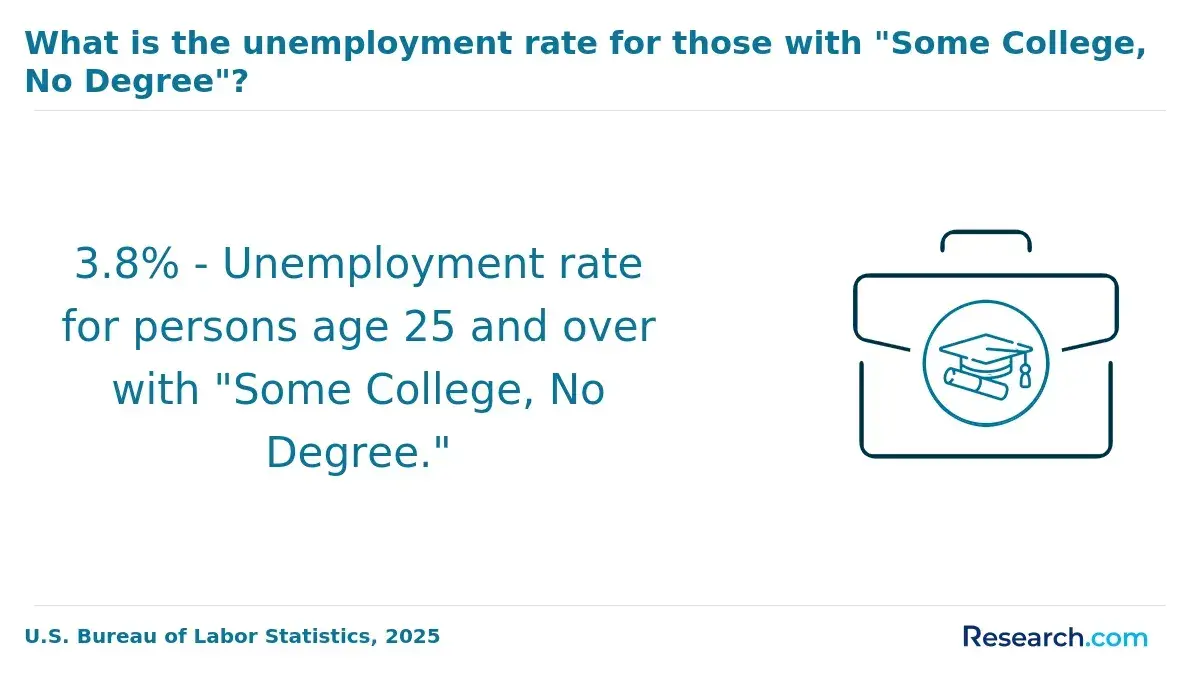
According to the U.S. Bureau of Labor Statistics, wage disparities between states in computer-related occupations can exceed 30%, highlighting significant regional demand and pay gaps in computer science careers.
Common reasons salaries are lower in some states
- Fewer competing employers: When only a small number of companies hire software developers, systems analysts, data professionals, or cybersecurity staff, graduates have less leverage to negotiate.
- Smaller technology sector: A limited startup scene or absence of major technology firms can reduce demand for specialized skills and suppress pay.
- Different role mix: Some states have more general IT support, business systems, or public-sector technology roles and fewer high-paying product engineering positions.
- Lower research and innovation investment: States with fewer research institutions, labs, accelerators, and venture-backed companies may create fewer advanced technical roles.
- Local budget constraints: Employers in smaller or slower-growing economies may have less room for aggressive salary increases, even when they need technical workers.
Tax policy, educational infrastructure, workforce development initiatives, and the overall scale of a state’s economy also influence compensation. Graduates who want to strengthen their business-side understanding of technology roles may compare options such as a business administration degree online, particularly if they are interested in product management, analytics, operations, or technology leadership.
Which States Have the Weakest Job Demand for Computer Science Careers?
States with the weakest job demand for computer science careers tend to have smaller technology ecosystems, fewer employers that rely on software as a core business function, and limited hiring in computer and mathematical occupations. In these markets, graduates may still find work, but the search often requires broader targeting across government, healthcare, education, logistics, utilities, finance, and regional businesses.
Some regions lag behind with as much as 30% fewer openings in computer and mathematical roles per capita compared to the national average. That does not mean no jobs exist; it means graduates have fewer choices, less bargaining power, and a higher chance of accepting roles outside their preferred specialization.
States commonly associated with weaker demand
- West Virginia: A limited concentration of tech firms and an economy shaped by more traditional sectors result in fewer computer science-related positions. Graduates may need to search across multiple industries instead of relying on a large software employer base.
- Mississippi: Mississippi’s workforce has strong ties to manufacturing, agriculture, and other non-tech sectors. Because fewer employers depend on large-scale software development, recent graduates may find fewer roles aligned with a computer science curriculum.
- Alaska: Geographic isolation and a strong focus on natural resource industries reduce the number of technology-centered employers. Computer science opportunities may exist, but they are often narrow, localized, or tied to operational needs rather than large software teams.
- South Dakota: South Dakota’s smaller technology sector limits demand, with opportunities often concentrated in a few urban areas. Graduates may need to be flexible about role titles and industries.
- Louisiana: Louisiana’s economic focus on energy and petrochemicals can reduce the concentration of software-first companies. Technology roles may exist within established industries, but overall openings for graduates can be comparatively fewer.
One computer science graduate described the local search as frustrating because many postings either required experience or emphasized skills not covered deeply in their coursework. After months of applying to varied roles, the graduate said, “It was a tough reality checking the limited options in my state. I realized early on that I needed to either broaden my search or consider relocation to gain better opportunities.”
The lesson for graduates is practical: in a weak-demand state, do not rely only on job boards. Build a target list of local employers that use technology internally, contact alumni, search for remote roles, and consider contract or project-based work that can turn into full-time experience.
Which States Offer the Fewest Entry-Level Opportunities for Computer Science Graduates?
Entry-level opportunities are often the hardest part of the computer science labor market. Senior engineers can compete nationally for remote roles, but new graduates usually need employers willing to train, mentor, and take a chance on limited professional experience. States with few technology employers, limited internship pipelines, and little startup activity can be especially difficult for first-time job seekers.
Some areas report up to 40% fewer openings in computer science and related fields compared to prominent tech hubs. For new graduates, that gap can mean more applications, longer hiring timelines, more competition for junior roles, and a greater need to prove skills through projects, internships, certifications, or freelance work.
States with notably limited entry-level openings
- West Virginia: A smaller technology employer base and fewer large companies mean fewer structured roles for new graduates. Entry-level candidates may need to consider IT, systems, analytics, or public-sector technology roles as starting points.
- Mississippi: With fewer tech-focused industries and subdued demand for computer science expertise, entry-level openings can be sparse. Graduates may benefit from targeting employers that are modernizing internal systems or expanding data capabilities.
- Alabama: Alabama has important industries, including manufacturing and traditional sectors, but fewer major tech employers than stronger technology hubs. New graduates may find better traction by connecting technical skills to aerospace, defense, manufacturing systems, or business technology roles.
- Arkansas: Arkansas has a lower concentration of high-tech firms and limited startup activity, which can reduce the number of junior software, data, and cybersecurity openings.
- Montana: Low population density and a smaller technology-focused business community can restrict entry-level job availability. Graduates may need to combine local applications with remote or relocation-ready searches.
Graduates should also evaluate whether an entry-level role builds marketable experience. A lower-paying first job can still be valuable if it provides code reviews, mentorship, production systems experience, cloud exposure, security responsibilities, or measurable project outcomes. A role with no technical growth, limited supervision, and outdated tools may slow progress even if it is easier to obtain.
For students considering adjacent people-focused or public-service pathways, MSW programs may be worth reviewing separately, but computer science graduates should first clarify whether their primary goal is software, data, cybersecurity, IT, research, or another technical track.
What Career Barriers Do Computer Science Graduates Face in Certain States?
Computer science graduates in weaker state markets face barriers that go beyond salary. The main challenge is not simply finding any job; it is finding a role that builds the experience, network, and technical depth needed for long-term career growth. Research shows that regional employment inequality can cause wage gaps up to 30%, influencing job quality and growth prospects for tech professionals.
Common barriers in low-opportunity states
- Limited Industry Presence: When a state has few technology companies or software-intensive employers, graduates have fewer openings and fewer chances to work on modern systems, large codebases, or specialized technical problems.
- Employer Diversity Constraints: A narrow employer base can limit exposure to different industries, tools, and technical stacks. This makes it harder for graduates to discover which area of computer science best fits their strengths.
- Blocked Advancement Paths: Smaller technical teams may have fewer promotion levels, mentorship programs, or leadership tracks. Graduates can gain experience but still hit a ceiling quickly.
- Regional Wage Gaps: Lower average salaries can create financial pressure, especially for graduates with loans, relocation goals, or plans for graduate education. Lower pay can also reduce the ability to invest in certifications, conferences, or portfolio development.
- Professional Network Limitations: Distance from major tech hubs can mean fewer meetups, hackathons, conferences, alumni clusters, and informal referral networks. In technology hiring, those networks often matter.
One computer science professional described working in a weak market as “a constant balancing act.” She felt isolated from active tech communities and struggled to find meaningful mentorship. “It wasn’t just about getting a job—it was about finding a place where I could truly grow. The limited options made every step feel uncertain, but I learned to leverage online networks and local initiatives to build connections.”
Graduates can reduce these barriers by treating career development as a deliberate system: maintain a portfolio, contribute to visible projects, join remote technical communities, document results from work or internships, and schedule regular conversations with professionals outside the local market.
How Do Industry Presence and Economic Factors Impact Computer Science Jobs by State?
Industry presence shapes both the number and quality of computer science jobs in a state. States with technology companies, research centers, innovation hubs, and tech-heavy employers usually have more openings, stronger salary competition, and clearer advancement pathways. Regions like California, Washington, and Massachusetts demonstrate strong demand because major tech firms and related employers concentrate there.
By contrast, states such as South Dakota and West Virginia often have fewer technology-centered employers, which can lead to lower wages and limited opportunities. However, graduates should not look only for companies labeled as “tech.” Finance, healthcare, manufacturing, logistics, education, government, and energy employers also hire computer science graduates when their operations depend on software, data, automation, cybersecurity, and cloud systems.
Economic factors that influence state-level tech hiring
- Employer concentration: A market with many companies hiring technical workers gives graduates more options and improves negotiating leverage.
- Economic diversity: States with multiple strong industries may offer more resilient technology hiring than states dependent on one sector.
- Research and innovation activity: Universities, laboratories, incubators, and startup ecosystems can create internships, research roles, and early-career pathways.
- Reliance on a few large employers: If a state depends heavily on a small number of companies, downsizing or relocation can quickly reduce available jobs.
- Modernization needs: Even non-tech industries may create demand when they invest in data systems, cybersecurity, automation, and digital services.
For example, Midwestern states dominated by manufacturing may have fewer traditional software engineering roles, but they can still offer opportunities in industrial automation, enterprise systems, analytics, and supply chain technology. According to a 2023 Bureau of Labor Statistics report, there is about a 30% variation in computer science-related wages across states, reflecting these varied economic conditions and industry distributions.
How Does Cost of Living Affect Computer Science Salaries by State?
Cost of living changes the real value of a computer science salary. A higher salary in an expensive metro area may not go as far as a lower salary in a less expensive state, while a modest salary in a low-cost area may still support a reasonable lifestyle. Graduates should compare both nominal pay and purchasing power before deciding whether a job offer is strong.
Studies show salary variations for computer science roles can reach 25-30% between high-cost and low-cost regions. This reflects how employers adjust compensation for local housing, transportation, taxes, and general living expenses, as well as how much they need to pay to attract and retain technical workers.
How cost of living changes salary decisions
- High-Cost Increases: Salaries often rise in expensive metropolitan areas because housing, transportation, and daily expenses are higher. Employers may need to pay more to compete for talent in those markets.
- Purchasing Power Balance: Lower-cost areas may offer smaller salaries, but reduced expenses can offset some of the difference. Graduates should calculate take-home pay, rent, insurance, taxes, commuting costs, and loan payments.
- Additional Benefits: Some employers use relocation assistance, remote work options, stipends, or flexible schedules to make offers more attractive in high-cost locations.
- Regional Cost Indices: Compensation practices often reflect local housing, goods, and transportation costs. A strong offer in one state may be average in another.
The key mistake is comparing salaries without context. A graduate should ask: How much can I save each month? Will this role build skills that increase my next salary? Can I afford to relocate later? Does the employer offer remote flexibility? The best choice is not always the highest starting salary; it is the offer that combines fair pay, manageable expenses, and credible career growth.
Can Remote Work Help Computer Science Graduates Avoid Low-Opportunity States?
Remote work can help computer science graduates in low-opportunity states access better job markets without moving immediately. It expands the employer pool, allows graduates to apply to companies based in stronger technology regions, and may improve salary prospects when local wages are weak. Approximately 59% of technology professionals now engage in some form of remote work, showing how common location-flexible work has become in the field.
Remote work is especially valuable for graduates who need to stay near family, reduce relocation costs, or build experience before moving. It can also help candidates in rural or lower-demand states join teams with stronger engineering practices, better mentorship, and more specialized technical work.
Remote work helps, but it does not remove every barrier
- Entry-level remote roles can be competitive: Many employers prefer experienced candidates for remote positions because they require independence, communication discipline, and strong problem-solving habits.
- Some jobs are hybrid: Companies may advertise flexibility but still require occasional onsite meetings, residency in certain states, or proximity to an office.
- State rules can matter: Tax policies, employment regulations, and company payroll setup can affect where employers are willing to hire remote workers.
- Infrastructure matters: Reliable high-speed internet, a quiet workspace, and access to equipment can influence remote performance.
- Networking becomes intentional: Remote graduates need to build visibility through online communities, documentation, meetings, and proactive communication.
Remote work should be part of the strategy, not the entire strategy. Graduates should apply for remote roles, but also pursue local experience, contract projects, open-source contributions, referrals, and relocation-ready opportunities. Candidates who want to keep studying while remaining geographically flexible may also review options such as masters in 6 months, while carefully checking program quality, workload, and fit for their goals.
What Are the Best Strategies for Succeeding in a Weak Job Market?
In a weak job market, computer science graduates need a wider and more disciplined search strategy. Fewer openings, lower starting salaries, and slower hiring processes mean that a general resume and passive job-board approach are usually not enough. Some regions report unemployment rates among recent technology graduates that exceed the national average by several points, along with noticeable declines in entry-level job listings.
The goal is to create more paths into technical work: local employers, remote companies, internships, contract projects, public-sector roles, alumni referrals, and adjacent positions that build relevant experience.
Effective strategies for graduates in low-opportunity states
- Build a targeted technical portfolio: Include projects that show practical skills, not just coursework. Strong examples include deployed applications, data dashboards, APIs, automation scripts, cybersecurity labs, cloud projects, or contributions to open-source repositories.
- Tailor applications by role type: A software engineering resume should not look the same as a data analyst, IT systems, cybersecurity, or QA automation resume. Match keywords and evidence to the role.
- Use networking as a search channel: Join alumni groups, technical communities, local business groups, virtual meetups, and professional forums. In small markets, referrals can reveal jobs before they are widely posted.
- Gain practical experience quickly: Internships, apprenticeships, freelance work, volunteer projects, campus research, and small business technology projects can all help prove job readiness.
- Develop flexible technical skills: Graduates in weaker markets may benefit from combining programming with databases, cloud tools, cybersecurity fundamentals, analytics, automation, or business systems knowledge.
- Consider remote and relocation searches at the same time: Waiting for the local market to improve can delay career growth. Apply locally, regionally, and nationally if your circumstances allow.
- Keep education cost in perspective: Students still choosing a program should compare tuition, accreditation, outcomes, flexibility, and employer relevance; a resource on the best online computer science degree can help frame that decision.
Graduates who are open to adjacent fields can also compare affordable education paths, including resources such as the cheapest mechanical engineering degree online, but they should avoid adding credentials without a clear career purpose. In a weak market, focused experience usually matters more than collecting unrelated degrees.
How Do You Choose the Best Location for Your Computer Science Career?
The best location for a computer science career depends on more than which state pays the highest salary. Graduates should weigh job availability, salary, cost of living, employer quality, industry fit, remote-work access, professional networks, and long-term advancement. Areas with dense technology hubs usually provide stronger demand and higher pay, but they may also bring higher living costs and more competition.
Employment in computer and mathematical fields is expected to increase by 15% from 2021 to 2031, though regional disparities influence where those jobs cluster. Graduates should therefore evaluate locations based on both immediate opportunity and career compounding: where will you learn faster, meet stronger mentors, and qualify for better roles in two or three job moves?
Factors to compare before choosing a location
- Industry Concentration: Look for regions with technology companies, research centers, startups, and non-tech employers that rely heavily on software, data, cybersecurity, or cloud systems.
- Salary Conditions: Compare salary ranges by role and experience level, then adjust for local cost of living. A strong offer should support both current expenses and future mobility.
- Opportunity Availability: Review the variety of roles, not just the number of postings. A healthy market should include junior, mid-level, and senior paths across multiple technical specialties.
- Employer Quality: Prioritize organizations that offer mentorship, code review, training, modern tools, and advancement paths. The first role can shape your career habits and confidence.
- Network Strength: Locations with meetups, conferences, alumni groups, accelerators, and active professional communities can create more referral opportunities.
- Remote Compatibility: If you want to live in a lower-cost state, verify whether employers in your target field commonly hire remote workers at your experience level.
- Long-Term Career Alignment: Choose a location that supports your intended track, whether that is software engineering, data science, cybersecurity, artificial intelligence, cloud infrastructure, product, research, or technical leadership.
A practical approach is to build a shortlist of locations, compare job postings for your target roles, estimate monthly expenses, speak with professionals already working there, and apply before relocating if possible. The best location is the one that gives you the strongest combination of opportunity, affordability, skill growth, and personal sustainability.
What Graduates Say About the Worst States for Computer Science Degree Graduates
-
: "Graduating with a computer science degree in a state where tech jobs are scarce can be discouraging. I quickly learned that staying put meant facing limited opportunities, so I embraced remote work to broaden my horizons. My degree opened doors internationally, and now I'm thriving in a role I never thought possible back home.
—Tiffany"
-
: "After finishing my computer science studies, I faced the tough reality that my state's job market was drying up. It forced me to reflect deeply on my career path and ultimately convinced me to relocate to a more vibrant tech hub. This decision transformed my professional growth, proving how crucial the right environment is for leveraging a computer science degree.
—Rod"
-
: "Obtaining a computer science degree has been invaluable, but the challenges in some states can feel overwhelming due to weak demand. I took a strategic approach by seeking remote positions, which allowed me to work for companies based elsewhere while staying closer to family. This flexibility made all the difference in turning my degree into a fulfilling career.
—Micah"
Other Things You Should Know About Computer Science Degrees
Yes, fewer tech companies in the worst states for computer science graduates in 2027 reduce opportunities for networking and mentorship. This lack of industry presence can hinder career growth by limiting access to experienced professionals and collaborations essential for career development.
States with weaker computer science job markets frequently have fewer highly ranked universities or technical colleges offering strong computer science programs. This can impact local hiring, as employers may favor candidates who graduate from well-regarded institutions or those with access to current industry practices and networks.
Continuing education and professional certifications become critical in states with weaker demand, as they help differentiate candidates in a limited job market. Graduates who pursue additional credentials, such as cloud computing or cybersecurity certifications, may improve their chances of securing better-paying roles and overcoming local career barriers.
References
- 150 job applications, rescinded offers: Computer science grads are struggling to find work | CNN Business https://www.cnn.com/2025/08/28/tech/computer-science-graduates-job-hunt-ai
- Computer science, economics experts discuss AI influence on job market amid tech layoffs https://www.browndailyherald.com/article/2024/02/computer-science-economics-experts-discuss-ai-influence-on-job-market-amid-tech-layoffs
- How Bad is the Computer Science Job Market in 2024? A Deep Dive https://www.lockedinai.com/blog/how-bad-is-the-computer-science-job-market-in-2024
- Computer science graduates struggle to secure their first jobs https://www.bbc.com/news/articles/cm21dvg8l1go
- Revealed: The best and worst U.S. states for tech careers - Digital Journal https://www.digitaljournal.com/business/revealed-the-best-and-worst-u-s-states-for-tech-careers/article
- Computer Science Graduates Face Worst Job Market in Decades https://www.finalroundai.com/blog/computer-science-graduates-face-worst-job-market-in-decades
- Understanding the gaps in the US STEM labor market https://www.oxfordeconomics.com/resource/understanding-the-gaps-in-the-us-stem-labor-market/
- New study reveals the best and worst states for tech careers https://cw33.com/news/texas/new-study-reveals-the-best-and-worst-states-for-tech-careers/
- Top 12 States Falling Short | Increasing Demand for Software Developers https://knowledge-pillars.com/top-12-states-falling-short-on-programming-skills-software-developer/
- Top 5 Tips to Stay Competitive in the Computer Science Job Market | by Kory Becker | Cubed https://blog.cubed.run/top-5-tips-to-stay-competitive-in-the-computer-science-job-market-ca67c12330ee