2027 Worst States for Christian Ministry Degree Graduates: Lower Pay, Weaker Demand, and Career Barriers

Co-Founder and Chief Data Scientist
Recent graduates with a Christian ministry degree often face stark differences in career outcomes simply based on where they live. In some states, limited job openings and lower average salaries create significant barriers for roles such as pastors, youth ministers, and chaplains.
For example, workers in states with weaker demand frequently earn up to 20% less than their counterparts in regions with a stronger faith-based community presence. These disparities affect not only income but also long-term career growth and stability.
This article explores the worst states for Christian ministry degree graduates, highlighting which locations present tougher challenges and why, aiming to guide future professionals toward better decisions.
Key Things to Know About the Worst States for Christian Ministry Degree Graduates
- States with lower average salaries for Christian Ministry graduates, such as Mississippi and West Virginia, report wages up to 20% below the national median, limiting financial stability.
- Weaker job demand in rural and economically challenged states reduces available ministry positions, increasing competition and prolonging job searches for recent graduates.
- Geographic barriers like limited urban centers and poor transportation hinder career advancement and networking opportunities, restricting long-term growth in these regions.
Which States Are the Worst for Christian Ministry Degree Graduates?
Several states present less favorable conditions for Christian Ministry degree graduates due to lower salaries, limited job demand, or fewer career opportunities.
Wage disparities can be significant; for instance, some regions report ministry-related salaries nearly 20% below the national median, affecting earning potential. Those seeking ministry careers should consider how local economic and employment trends impact opportunities.
Below are key states where graduates often face difficulties finding suitable positions and competitive pay:
- Mississippi: Graduates encounter low compensation in ministry roles alongside limited job openings, especially in rural areas, which hinders career advancement.
- Arkansas: Smaller congregations and less developed infrastructure for ministry jobs restrict employment options and reduce demand in this state.
- West Virginia: Economic decline and population loss have led to fewer active churches and organizations, making ministry careers harder to secure.
- Alaska: Geographic isolation limits the number of large religious institutions, reducing opportunities despite spiritual needs in the community.
- Louisiana: Economic pressures affect funding for ministry positions even though there is a strong cultural emphasis on religion, lowering job availability.
Christian ministry degree graduates face varied career outcomes depending on the state they choose to work in. Identifying which states offer lower salaries, weaker job demand, and limited entry-level positions is crucial for informed decision-making.
For those pursuing further education to enhance their credentials, considering an online doctorate may provide greater flexibility and access to broader opportunities.
Why Do Some States Offer Lower Salaries for Christian Ministry Graduates?
Salary differences for Christian Ministry graduates across various states stem primarily from broad economic and structural factors affecting regional labor markets rather than differences within the field itself.
Variations in industry composition and employer concentration play key roles. States with fewer religious organizations or smaller church networks naturally exhibit less demand, which limits salary growth.
Research indicates that compensation for ministry-related occupations in lower-paying regions can be 20% to 30% below the national average, reflecting not only demand but also local wage standards and institutional funding capabilities. Such disparities help explain why salaries for Christian Ministry graduates are lower in certain states.
Several underlying factors influence pay levels, including the overall economic scale, philanthropic support, and employer density within a state. Weaker economies and smaller labor markets reduce revenues available to nonprofits and churches, restricting their ability to offer competitive compensation.
Regional income disparities also contribute, with lower average wages affecting salary norms across all professions, including ministry roles. Prospective students interested in comparison and career planning might also explore educational paths such as an accelerated bachelor's degree in psychology to diversify their expertise alongside ministry studies.
Understanding these factors clarifies the complex relationship between broader economic health and pay, which shapes career opportunities for Christian Ministry graduates across the U.S.
Which States Have the Weakest Job Demand for Christian Ministry Careers?
Job opportunities for Christian ministry graduates differ widely across the United States, largely influenced by state-specific economic conditions and the prevalence of religious organizations.
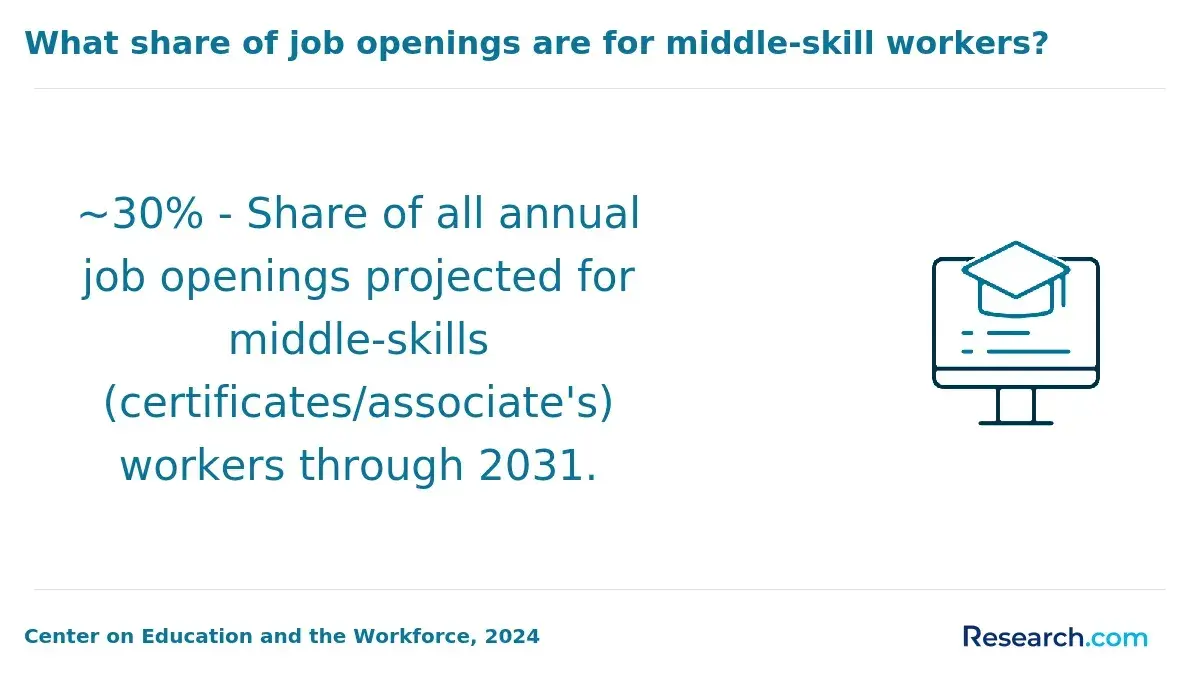
In fact, some regions report job availability in ministry-related roles up to 30% below the national norm. These variations highlight how localized factors shape demand for professionals in this field.
Below are examples of states where job demand for Christian ministry graduates tends to be relatively low due to various structural influences:
- Alaska: The small population and limited number of religious institutions restrict employment options. The state's economy centers primarily on natural resources, offering few roles for ministry graduates.
- Vermont: Sparse urban centers and a modest concentration of faith-based nonprofits lead to less demand for ministry professionals. The religious service sector remains comparatively small here.
- Wyoming: With a focus on agriculture and energy industries, Wyoming has fewer employers in religious and community outreach roles. This contributes to a narrower job market for graduates.
- Montana: Lower population density combined with a limited religious organizational presence reduces opportunities. Smaller congregations and fewer nonprofit agencies translate into fewer ministry openings.
- North Dakota: Economic emphasis on farming and manufacturing means fewer large-scale religious employers. The demand for ministry careers is constrained by limited institutional support in this area.
When discussing states with weaker job markets for ministry graduates, a Christian ministry degree holder shared his experience. He noted frustration navigating a job search that often yielded few interviews, remarking, "It felt like there were hardly any openings matching my skills."
He described spending months reaching out to various churches and nonprofits, only to find most positions already filled or not advertised. Despite patience and persistence, uncertainty about long-term stability in these areas remained a constant concern.
Entry-level opportunities for Christian ministry graduates differ widely across states due to variations in employer density, industry concentration, and broader economic factors.
Studies show that areas with fewer religious organizations and less developed faith-based sectors can have up to 30% fewer entry-level roles for ministry graduates compared to national norms. These disparities affect salary growth by industry in the United States and early-career job availability significantly.
States with limited entry-level openings for ministry graduates include:
- Wyoming: The state has a sparse population and a small number of churches, resulting in fewer available roles for ministry graduates. The limited industry presence reduces opportunities to gain early experience in Christian Ministry degree salary growth by industry in the United States.
- Alaska: Alaska's smaller employer base and geographic challenges constrain the demand for entry-level ministry positions. Recent graduates face a limited selection of roles due to fewer large religious organizations.
- Vermont: With a smaller faith-based sector and less economic activity in nonprofit religious services, Vermont offers fewer job prospects. The lower density of churches impacts Christian Ministry degree salary growth by industry in the United States.
- North Dakota: The state's limited population and fewer established congregations restrict entry-level openings. This reduces the pace of top-paying industries with fastest salary increase for Christian ministry graduates in the region.
- Montana: A combination of low population and underdeveloped religious infrastructure limits ministry job opportunities. Graduates may benefit by exploring online education options like the cheapest accredited online accounting degree to broaden career pathways.
Christian ministry graduates often face varying challenges in their careers depending on the state where they seek employment.
Wage gaps in ministry and nonprofit roles can vary by as much as 20% between regions, reflecting significant disparities in opportunity and compensation. These differences highlight how location plays a crucial role in shaping career prospects.
Graduates should consider several systemic barriers that affect career development in ministry fields:
- Limited Institutional Presence: Some states have fewer churches, faith-based organizations, and nonprofit programs, resulting in reduced job openings and fewer chances to engage with the community professionally.
- Employer Diversity Constraints: In regions with less varied faith-based employers, graduates may struggle to find roles that align with their specific denominational background or ministry focus, narrowing their employment options.
- Restricted Advancement Opportunities: Smaller organizational structures and a lack of professional growth resources in certain areas limit possibilities for promotion, making leadership roles harder to attain.
- Funding Shortfalls: Budget constraints in some regions reduce paid ministry positions, often pushing graduates toward volunteer or part-time roles with lower financial rewards.
Reflecting on his journey, a professional with a Christian Ministry degree shared how relocating to a state with fewer faith organizations meant constantly competing for a small number of paid roles. He described the emotional toll of accepting volunteer positions just to remain active in ministry while persistently searching for stable employment.
Despite these hurdles, he emphasized that perseverance and building local relationships gradually opened doors, though the experience clearly illustrated how deeply location can influence career pathways in ministry work.
The availability of jobs and salary levels for Christian ministry degree graduates vary significantly depending on whether key sectors like religious institutions, nonprofit organizations, and faith-based community programs are strong within a state. Areas with a higher density of these organizations tend to provide more abundant job prospects and better compensation. Regional economic vitality also plays a critical role.
States with diverse economies supporting social services and educational systems typically offer more reliable employment for ministry professionals. Research indicates that regions with more nonprofit and religious employers experience 15-20% higher employment rates in pastoral and ministry occupations than areas where such institutions are scarce.
The interplay between industry presence and economic conditions largely determines not only the quantity but also the quality and stability of Christian ministry jobs across states. Midwestern states like Ohio and Indiana, benefiting from both economic diversity and a strong religious nonprofit network, often present superior career options and wages.
In contrast, states in the Mountain West or parts of the South, which lack extensive faith-based infrastructure and economic variety, tend to show weaker demand and reduced earnings for ministry roles. These combined factors influence long-term job security and career advancement opportunities, shaping the overall landscape for graduates pursuing ministry careers nationwide.
Cost of living plays a crucial role in shaping salary levels for Christian Ministry graduates across various states.
Employers often adjust wages to align compensation with the expenses associated with housing, food, transportation, and healthcare in different regions. Research shows that salaries in high-cost metropolitan areas can be 20-30% higher than those in lower-cost regions, reflecting this need to maintain a reasonable standard of living.
The following patterns illustrate how cost of living typically influences Christian Ministry salaries across states:
- Higher Salaries in Expensive Areas: Regions with elevated living costs usually offer increased wages to help ministry graduates maintain purchasing power despite higher expenses.
- Lower Wages Balanced by Costs: States with lower living expenses may provide reduced salary levels, but the overall economic well-being of professionals can remain comparable due to cheaper day-to-day costs.
- Employer Salary Adjustments: Compensation packages are often tailored by employers to attract and retain qualified ministry professionals based on the financial demands of specific locales.
- Variable Salary Growth: When the cost of living rises faster than wages, salary growth can lag behind, creating disparities in income increases over time.
- Use of Local Benchmarks: Salary negotiations frequently incorporate local cost-of-living indices or economic benchmarks to ensure offers reflect the financial environment of the region.
By considering cost of living effects on salary, Christian Ministry graduates can better evaluate job offers relative to regional purchasing power, ensuring informed decisions about where to study or work.
Remote work significantly expands access to job possibilities for Christian ministry graduates residing in states with limited local demand. By enabling remote job opportunities for Christian ministry graduates in challenging states, it connects individuals with organizations beyond their geographic area, often offering improved compensation and career advancement.
Remote work allows graduates to perform tasks such as counseling, teaching, and digital ministry online, overcoming traditional geographic barriers. Recent statistics reveal that nearly 30% of U.S. professional workers held remote-compatible roles prior to the pandemic, highlighting growing acceptance of location flexibility in various fields relevant to ministry roles.
Although remote positions can help mitigate disparities caused by regional differences in job availability and industry concentration, they generally complement rather than replace in-person ministry tasks like community leadership and pastoral care. The effectiveness of remote work in enhancing career prospects for Christian ministry degree holders in low-demand regions depends on institutional support and the nature of the ministry role.
As virtual ministry and digital engagement become more common, geographic restrictions weigh less heavily on career development, broadening the reach and opportunity landscape.
For prospective graduates weighing study and career options, exploring remote-compatible roles may align well with additional skills, such as those acquired through programs like the best bookkeeping certification online, to diversify capabilities.
In areas identified as the worst states for Christian ministry degree graduates, a weak job market often leads to fewer available positions, lower wages, and heightened competition.
These challenges frequently stem from demographic changes, economic downturns, or limited institutional support. For instance, some regions face hiring slowdowns with unemployment rates surpassing 8% among ministry degree holders, compared to the national average of 5.2% for related professional fields.
To help Christian Ministry degree holders navigate these challenges, consider the following strategies for Christian Ministry graduates in low-demand states that can improve career prospects despite a difficult market:
- Diversify Skills: Expanding expertise beyond core theological training increases versatility and appeal to a broader range of faith-based and community organizations. This approach helps overcome career barriers for Christian Ministry degrees in challenging regions.
- Networking and Mentorship: Building meaningful connections through mentorship and professional networks can lead to opportunities in non-traditional or emerging ministry roles that are less impacted by local market constraints.
- Continuing Education: Pursuing additional certifications or advanced training demonstrates ongoing professional development, enhancing employability and aligning with evolving sector demands, much like a strategic data science learning path.
- Volunteer Leadership: Gaining hands-on experience through volunteer positions strengthens resumes and showcases practical impact, which can be crucial in overcoming limited entry-level roles and standing out to employers.
Where you choose to build a career in Christian Ministry can significantly impact your job prospects, earning potential, and professional growth.
Some regions provide noticeably better opportunities, with employment levels in related community and social service roles varying by as much as 20% between areas.
Several important factors should be weighed when selecting a location for a Christian Ministry career:
- Industry Concentration: Regions rich in churches, faith-based nonprofits, and religious organizations tend to have more available positions, creating a robust job market for ministry professionals.
- Salary Conditions: Compensation rates differ widely across locations, influenced by local economic health and demand for ministry roles, affecting overall income potential.
- Opportunity Availability: The frequency and variety of open positions vary by region, which can shape how quickly you find work and the range of roles you may pursue.
- Long-Term Career Growth: Areas with access to theological schools, ongoing education programs, and strong professional networks support continuous development and advancement in ministry careers.
Assessing these elements helps ensure that location choices support both immediate employment needs and sustainable career progress in Christian Ministry.
What Graduates Say About the Worst States for Christian Ministry Degree Graduates
- Ramon: "Staying in a state with limited demand for Christian ministry roles was a challenging reality after graduation. I found that the opportunities were scarce, which forced me to rethink my career path and seek remote ministry work that aligned with my calling. Having a Christian Ministry degree not only deepened my faith but also equipped me with versatile skills that employers still value."
- Marcos: "Reflecting on my journey, I realized that moving to a state with stronger job prospects was crucial. The local economy's weakness for ministry roles meant I had to be proactive about where I lived and worked. My degree in Christian ministry opened doors to network within faith communities, which proved invaluable as I transitioned to a new location."
- Silas: "From a professional standpoint, a Christian ministry degree has given me credibility and a unique perspective, even in states with fewer direct opportunities. While staying put meant facing limited demand, I focused on leveraging digital platforms to extend my reach. These experiences taught me the importance of flexibility and resilience in navigating a competitive landscape."
Other Things You Should Know About Christian Ministry Degrees
Several states set denomination-based or employer-based credential rules, but no U.S. state issues a single universal ministerial license. For paid church roles, employers often ask for ordination, a seminary degree, or a board-approved letter of standing, and some states require background checks for child-facing ministry work.
Smaller communities with less diverse or declining religious populations often offer fewer opportunities for ministry graduates. Limited congregation sizes and fewer places of worship restrict potential roles, leading to slower career advancement. Understanding local religious demographics helps gauge long-term viability for ministry positions in a particular area.
Gaining experience in broader community work, nonprofit management, or counseling can be crucial in states with limited formal ministry openings. This diverse skill set enables graduates to remain active in their calling while adapting to fewer traditional job opportunities. Such experience also enhances resumes and increases employability across related fields.
- Christian Ministry Jobs with Cru | Careers | Cru https://www.cru.org/us/en/opportunities/careers.html
- Economic Challenges Facing Pastoral Leaders : Faith+Lead https://faithlead.org/blog/stewarding-pastoral-leaders/
- Ministers' Salary Survey | Siburt Institute for Church Ministry https://www.siburtinstitute.org/salarysurvey
- Ministry and other difficult jobs | The Christian Century https://www.christiancentury.org/features/ministry-and-other-difficult-jobs
- Remote Christian Ministry Jobs: Serve From Anywhere https://ftp.bills.com.au/lunar-tips/remote-christian-ministry-jobs-serve-from-anywhere-1767647823
- Christian Jobs, Ministry Jobs/Employment & Church Staffing https://www.christiancareercenter.com/
- Pastor & Church Staff Compensation Trends: A 2025 Annual Report https://www.vanderbloemen.com/resources/annual-report-pastor-church-staff-compensation/