2027 Is a Christian Ministry Degree Better Than Experience Alone? Salary, Hiring, and Career Growth Compared

Co-Founder and Chief Data Scientist
In the competitive Christian Ministry field, candidates often face a pivotal choice: pursue a formal Christian Ministry degree or rely solely on experience and self-teaching. Recent data shows that degree holders typically earn 18% more annually and secure 25% more leadership roles compared to peers without formal education.
However, some organizations allow entry without degrees, emphasizing practical skills and community involvement instead. This creates uncertainty for those deciding if investing time and money into a degree will significantly boost salary, hiring prospects, and career growth. This article examines these factors to help clarify whether a Christian Ministry degree offers tangible advantages over experience alone.
Key Points About Having Christian Ministry Degrees vs Experience Alone
- Christian ministry degree holders typically access higher-paying roles, earning on average 18% more annually than those relying solely on experience and self-teaching, according to 2025 employment data.
- Employers in Christian ministry prioritize candidates with formal degrees for pastoral and leadership positions, limiting non-degree holders mostly to support roles despite extensive experience.
- Degree holders experience faster career growth, with 45% attaining senior leadership within five years compared to 22% of experienced-only peers, enhancing long-term ministry impact and stability.
What technical proficiencies can you gain from having Christian Ministry degrees vs self-teaching?
Professionals pursuing a Christian ministry degree gain structured knowledge of foundational principles and practical applications that are often missed or fragmented when relying solely on job experience. The following five technical proficiencies highlight key areas where formal education significantly enhances skill development compared to self-teaching.
- Theological Interpretation: Degree programs teach critical analysis of scripture through diverse hermeneutical methods, including historical, cultural, and linguistic contexts. Self-taught individuals may struggle to access comprehensive resources or develop consistent frameworks for interpretation.
- Pastoral Counseling: Formal education integrates psychology, ethics, and communication strategies with supervised practice, which is essential for effective spiritual care. On-the-job learning may lack structured feedback and ethical grounding.
- Liturgical Planning: Designing worship services that align with denominational traditions requires understanding theology, music, and event coordination. Degree students participate in collaborative projects and mentorship, whereas self-taught leaders often rely on trial and error.
- Biblical Languages: Mastery of Greek and Hebrew involves complex grammar and vocabulary best learned under guided instruction and peer interaction. Self-study methods frequently fall short in addressing nuanced linguistic challenges.
- Church Leadership Administration: Academic programs offer case studies and strategic frameworks for organizational management, financial oversight, and conflict resolution. These comprehensive approaches are rarely available through informal, experience-only routes.
Christian ministry professional skills gained through formal education allow candidates to meet the technical demands of leadership roles more confidently. According to a Ministry Education Council survey, 78% of hiring managers prioritize formally educated candidates, underscoring the value of these competencies over self-taught abilities. While some may supplement their experience with tutorials or bootcamps, the depth integrated in degree programs remains unmatched.
For those weighing options, exploring online masters programs can provide accessible pathways to obtaining these specialized skills efficiently.
Are there certifications or licenses that only Christian Ministry degree holders can obtain?
Continuing education and earning additional credentials remain valuable for career growth, even as many employers increasingly favor skills-based hiring. Certain certifications and licenses specifically require a degree in Christian ministry for eligibility. Here are some prominent credentials that typically demand such formal education:
- Ordination: Many denominations grant ordination as a formal recognition of pastoral leadership. While some churches ordain through experience, most require theological education verified by a Christian ministry degree, which opens doors to official church roles and increases employability.
- Certified Christian Counselor (CCC): This credential is for those who provide faith-based counseling and usually requires both a Christian ministry degree and specialized counseling training. It enhances opportunities within churches, Christian organizations, and private practice settings.
- Chaplaincy Certification: Offered by national organizations like the Association of Professional Chaplains, it requires a ministry or theology degree. This certification qualifies individuals to provide spiritual care in hospitals, prisons, and military environments, ensuring professional standards are met.
- Religious Education Certification: Focused on preparing educators for Christian teaching roles, this credential requires a ministry degree emphasizing doctrinal knowledge and educational methods to support advancement in schools and church programs.
Employers in religious organizations widely prioritize candidates with formal degrees; a survey showed 78% prefer applicants holding ministry degrees when awarding certifications, which can significantly affect access to higher-paying positions. For students considering their options, pursuing a Christian ministry degree can be particularly beneficial since relying solely on experience or self-teaching often limits eligibility for these licenses and certifications.
Those interested in expanding their qualifications might also explore an online counseling degree, as it combines ministry with counseling skills and meets requirements for many faith-based credentials.
Will a degree in Christian Ministry make you more employable?
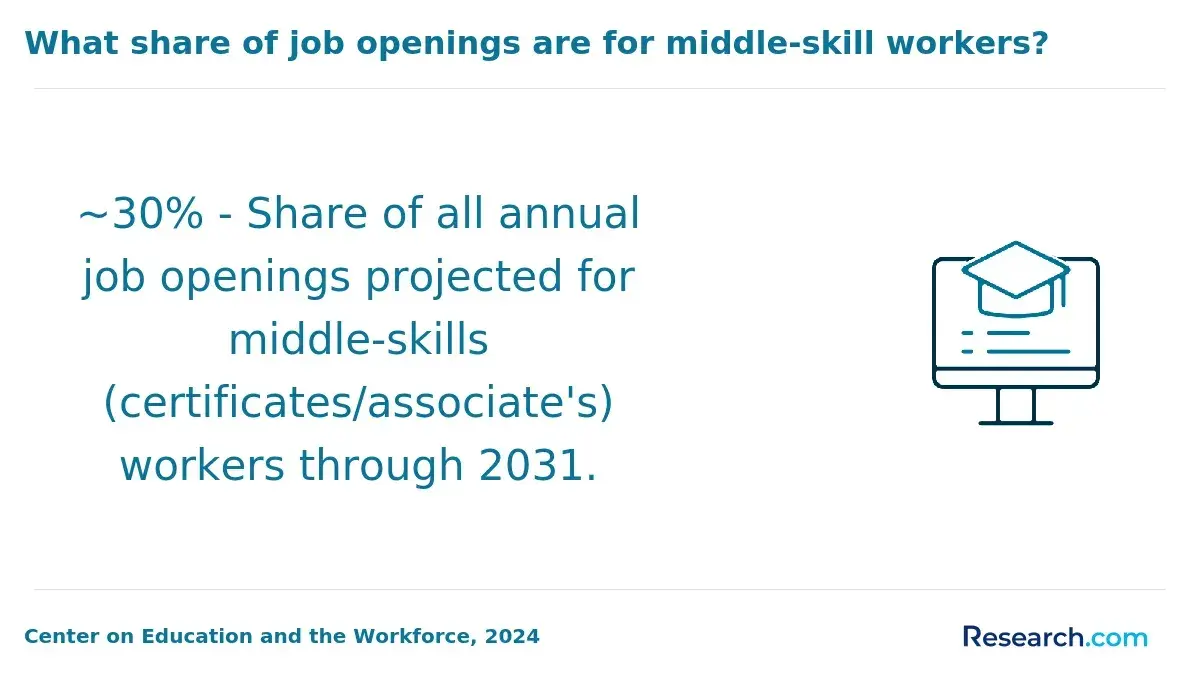
The job market generally favors candidates with a degree in Christian Ministry over those relying solely on experience. Employers seeking theological knowledge, leadership capabilities, and pastoral skills often prefer applicants with formal education. While experienced individuals may qualify for hands-on or volunteer roles, formal degrees tend to open doors to more structured, leadership-oriented positions within churches and faith-based organizations.
The advantage of earning a degree lies in comprehensive training that goes beyond practical experience. This includes coursework in biblical languages, counseling methods, ethics, and church administration, along with supervised internships. Such structured learning provides a blend of theory and practice that many employers view as essential for effective ministry work. Additionally, degree holders usually gain access to denominational networks and official licensing processes, which can be critical for career advancement.
Ultimately, whether a degree is necessary depends heavily on your career ambitions. For those aiming at formal ministry leadership or roles that demand certification and deep theological grounding, a degree is often indispensable. Conversely, if your focus is on grassroots or volunteer ministry work, experience and self-taught skills might suffice, though opportunities could be more limited.
When asked about the real-world impact of his degree, a professional who completed an online bachelor's program in Christian Ministry reflected on the journey: "It wasn't just the knowledge but the discipline of structured study that prepared me. Balancing coursework with ministry work was challenging, especially managing time and expectations. The internships helped me apply classroom learning in real contexts, giving me confidence before entering the job market." He mentioned feeling more credible to employers, adding that formal education helped him overcome self-doubt early in his career and paved the way for leadership opportunities he might not have accessed otherwise.
Certain careers within Christian ministry require candidates to hold a formal degree due to the depth of theological knowledge, counseling skills, and ethical training needed. However, some positions also value demonstrated skills and practical experience, allowing non-degree holders to qualify in specific contexts. Below are some key career options available to those with a Christian Ministry degree, highlighting why formal education is often preferred.
- Pastor or Minister: This role serves as the spiritual leader of a congregation, responsible for sermons, guidance, and church management. A degree is usually essential because it reflects comprehensive theological training and pastoral care expertise, which are vital for effectively leading diverse communities.
- Chaplain: Chaplains provide spiritual support in hospitals, military units, prisons, or universities. Their work requires specialized knowledge in counseling and religious ethics, making a degree highly valued. Some volunteer or part-time chaplaincy roles may consider experienced individuals without formal education.
- Youth Pastor: Focusing on mentoring young people, youth pastors blend theology with developmental psychology to foster safe and nurturing environments. Although some youth leaders gain positions through experience and community trust, a degree is typically favored for deeper understanding.
- Christian Counselor: Combining counseling methods with spiritual care, this career usually demands accredited counseling credentials alongside Christian ministry training. Formal degrees bolster licensure opportunities and professional credibility.
- Religious Education Director: Charged with overseeing discipleship programs and curriculum development, this role merges education theory with theological knowledge, often requiring degrees. Occasionally, experienced educators with ministry backgrounds but no formal theology degree can succeed in this position.
Employment opportunities for Christian Ministry graduates tend to be more stable and leadership-oriented compared to those relying solely on experience, as a 2025 survey on faith-based organizations shows a 40% higher likelihood of securing leadership roles with a degree. Those interested in expanding their qualifications may also find value in exploring accelerated marriage and family therapy programs, which complement ministry skills and broaden career prospects.
Christian Ministry degree holders often benefit from structured networking opportunities that extend beyond what experience alone can offer. Academic programs connect students with established clergy, religious organizations, and alumni, creating valuable referral channels for jobs and mentorship. In contrast, those without formal degrees tend to depend on informal networks, such as personal contacts or social media groups, which usually lack the depth and reliability of institution-based connections.
Degree programs typically provide access to alumni databases, faculty advisors, and organized events like faith conferences, which facilitate ongoing professional relationships. Non-degree professionals often rely on their immediate circles or current workplaces for networking, which can be more limited in scope. Internships incorporated into degree curricula also place students directly within ministry environments, enhancing their practical experience and contacts.
The Christian Ministry field heavily values personal trust and reputation, making these networks crucial for career advancement. Many hiring decisions are influenced by recommendations within established communities, underscoring the importance of relationships built through degree programs. While it's possible to succeed without formal education, those with accredited Christian Ministry degrees generally have stronger access to the referrals and support necessary for sustained growth in the field.
Holding a degree in Christian ministry can increase eligibility for many leadership roles within churches and faith-based organizations. Such formal education often serves as a key criterion for positions like pastors, ministry directors, or administrative leaders. The following are three major reasons why a degree may enhance promotion chances in this field:
- Theological Knowledge: Comprehensive training offers a deep understanding of scripture, doctrine, and ethics. This foundation equips professionals to lead with confidence and credibility in religious settings.
- Professional Credentials: Accredited degrees provide recognized qualifications that hiring committees value. These credentials demonstrate commitment and competence, making candidates stand out among peers.
- Leadership Skills: Degree programs often include courses in counseling, organizational management, and conflict resolution. These practical skills prepare graduates for the complex responsibilities found in senior ministry roles.
Although practical experience and self-taught leadership can be influential, especially in smaller ministries, many larger or denominational organizations prioritize formal education during promotion considerations.
Professionals with a christian ministry degree generally start with an average salary about 15-20% higher than those relying solely on experience. Typical entry-level salaries for pastors, youth ministers, or chaplains holding degrees often range from $40,000 to $50,000, compared to $33,000 to $40,000 for those without formal education. Over time, the income potential with Christian Ministry education expands, as degree holders tend to advance faster into leadership roles, counseling, or positions in larger organizations that offer higher pay. While experience alone can lead to salary growth, those without degrees may face a lower income ceiling and slower progression in some ministry careers.
For those considering educational pathways, exploring options such as online PsyD clinical psychology programs can further enhance qualifications, especially for ministry roles involving counseling and mental health support.
The average tuition for a Christian ministry degree typically ranges from $15,000 to $30,000, depending on the school and program level. Graduates often begin to see a return on investment within 5 to 7 years as their income potential generally surpasses that of those relying solely on experience and self-teaching. Research indicates that holders of a Christian ministry degree earn about 20% more annually on average, reflecting stronger hiring prospects and improved career growth compared to non-degree holders.
To maximize ROI, students should explore financial aid options like scholarships, grants, and work-study programs designed specifically for ministry studies. Accelerated degree paths also reduce time in school, allowing faster entry into paid ministry roles. Combining formal education with practical ministry experience further enhances leadership skills, increasing employability. Effectively budgeting for tuition and leveraging available support can significantly lessen financial burden, making the investment in a Christian ministry degree more rewarding over time.
The Christian ministry job market is evolving with increased adoption of AI and automation, particularly in administrative tasks and online outreach. Economic fluctuations also impact ministry roles, especially in smaller organizations that must adjust budgets or restructure. Those with formal degrees tend to be better positioned to adapt, as their education often includes leadership, counseling, and digital communication skills-areas less susceptible to automation. This broader skill set helps them navigate shifts toward virtual services and data-informed community engagement, reducing risks of job loss during economic downturns.
In comparison, practitioners relying solely on experience or self-teaching may excel in hands-on ministry work but often lack formal exposure to evolving digital and organizational tools. This gap can make it harder to remain indispensable when ministries pivot or face financial pressure. Data shows degree holders maintain steadier employment rates through economic changes, highlighting the added value of structured academic training for long-term career resilience.
When discussing this, a professional who completed an online Christian ministry bachelor's program shared how the degree helped him face uncertainties. He noted, "Having formal training gave me confidence navigating new technology and leadership challenges during budget cuts." He described feeling more prepared to adjust to changes and take on roles that required strategic planning, unlike many peers who struggled without formal education. "It wasn't just about faith; it was practical skills that made the difference when things got tough."
What Graduates Say About Their Christian Ministry Degrees
- Ramon: "Having a Christian ministry degree truly gave me a competitive edge when stepping into my vocation. The program equipped me with practical skills and deep theological knowledge, making me confident and job-ready from day one. It also opened doors for advancement and positively influenced my salary growth within our church community."
- Marcos: "Reflecting on my journey, the Christian ministry degree provided a solid foundation that was essential for both my spiritual and professional development. It fostered critical thinking and leadership skills that made me stand out in ministry roles. This degree not only enhanced my employability but also proved invaluable in earning promotions over the years."
- Silas: "The practical approach of the Christian ministry program prepared me thoroughly for the challenges in this field, blending theory with real-world application. Holding this degree distinguished me in the eyes of employers, giving me an advantage in interviews and helping secure rewarding positions. Additionally, it positively impacted my career trajectory in terms of salary and responsibility."
Other Things You Should Know About Christian Ministry Degrees
Employers in Christian ministry often value both formal education and practical experience. While a degree provides foundational theological knowledge and an understanding of church operations, hands-on experience demonstrates the ability to apply these principles in real-world ministry settings. Many organizations seek candidates who balance both, as this combination is seen as ideal for effective ministry leadership.
Look for regional accreditation from bodies such as the Higher Learning Commission, SACSCOC, or WSCUC, plus any program-specific theological accreditation like ATS for seminary degrees. Many churches and Christian employers prefer accredited degrees because they verify academic quality and make credits easier to transfer or continue into graduate study.
On average, ministry professionals with degrees tend to receive higher starting salaries and more frequent raises than those relying solely on experience. Formal education often qualifies individuals for pastoral roles that include benefits and salary scales tied to academic achievement. However, exceptional experience and reputation can sometimes offset this difference in smaller or less formal ministry settings.
- Ministry Licensing & Ordination - Christian Life School of Theology Global https://www.christianlifeschooloftheologyglobal.org/ministry-licensing-ordination/
- What is Seminary? Should I go to Seminary? What about non-Seminary training? https://christisthecure.org/what-is-seminary-should-i-go-to-seminary-what-about-non-seminary-training/
- Home https://www.christianleadersalliance.org/502-2/
- Why a Master’s in Ministry Is Worth It - Grace Christian University https://gracechristian.edu/blog/why-a-masters-in-ministry-is-worth-it/
- Academic vs. Professional Seminary Degrees - United Theological Seminary https://united.edu/academic-vs-professional-seminary-degrees/
- The Challenges and Rewards of Christian Jobs | One39 https://one39.co/the-challenges-and-rewards-of-christian-jobs-_res/
- The High-Level Skill of Ministry Networking and Collaboration - The Gospel Coalition | Australia https://au.thegospelcoalition.org/article/the-high-level-skill-of-ministry-networking-and-collaboration/
- El-ROI Christian University https://www.el-roichristianuniversity.org/
- Do You Need Seminary To Teach Theology? | The Puritan Board https://puritanboard.com/threads/do-you-need-seminary-to-teach-theology.98726/
- Job Opportunities With a Christian Degree https://www.faithonview.com/job-opportunities-with-a-christian-degree/