2026 Women's Health Nurse Practitioner Internship Requirements: Hours, Placements, and Supervision

Co-Founder and Chief Data Scientist
How many clinical hours are required for a women's health nurse practitioner internship, and what settings typically qualify for placement? Students entering these programs often face uncertainty about balancing academic demands with securing appropriate internship sites. The need for supervised hands-on experience in environments like OB-GYN clinics, family planning centers, and reproductive health facilities is critical.
Industry data shows that 85% of employment opportunities for women's health nurse practitioner graduates emphasize clinical experience as a top hiring factor. This article explores key internship requirements, including hours, placement procedures, and supervision, to clarify expectations and support successful program completion.
Key Things to Know About Women's Health Nurse Practitioner Internship Requirements
- Internship hours typically range from 500 to 600, requiring careful academic scheduling to balance clinical time with coursework, often extending program duration or intensifying weekly commitments.
- Placement availability varies widely; competitive sites require early applications, and geographic constraints may limit options, impacting where and how students complete clinical experiences.
- Supervision involves certified providers who follow strict evaluation criteria, directly influencing skill development and ensuring readiness for certification exams and professional practice.
Do All Women's Health Nurse Practitioner Degrees Require an Internship?
Internships are a prominent feature in many women's health nurse practitioner degree programs because they offer crucial real-world experience that builds clinical skills and confidence. In fact, over 85% of accredited programs require a clinical practicum or internship before graduation, highlighting their significance in professional preparation.
Several factors influence whether an internship is mandatory, shaping program requirements in diverse ways.
- Program Type: Master's level women's health nurse practitioner programs usually mandate clinical practicum hours to ensure hands-on training, whereas some post-master's certificate programs may have more flexible or reduced internship requirements.
- Accreditation Expectations: Accreditation bodies such as the Accreditation Commission for Education in Nursing (ACEN) or the Commission on Collegiate Nursing Education (CCNE) generally require clinical experiences as part of competency standards, making internships integral to meeting these criteria.
- Specialization Tracks: Certain tracks within women's health nurse practitioner degrees prioritize research or administrative expertise, which may allow for alternative experiential learning options and less rigid clinical hour requirements.
- Alternative Experiential Options: Some programs replace traditional internships with simulation labs, telehealth practicums, or hybrid clinical experiences, providing flexible routes that fulfill clinical hour requirements without conventional internship placements.
- Clinical Hour Requirements: The specifics of women's health nurse practitioner internship clinical hour requirements vary widely, so prospective students benefit from reviewing their chosen program's structure carefully to understand what is expected.
Students planning their educational paths can also explore an accelerated medical assistant program as an option for swift clinical skill development prior to or alongside WHNP studies.
What Requirements Must Be Met Before Starting a Women's Health Nurse Practitioner Internship?
Programs offering women's health nurse practitioner internships enforce prerequisites to ensure students are adequately prepared for clinical responsibilities and patient safety. Research shows that around 85% of nurse practitioner programs require a minimum cumulative GPA of 3.0 or higher to be eligible for clinical placements.
Below are several common eligibility criteria students must meet before beginning their internships.
- Minimum GPA: Most programs require a cumulative GPA of at least 3.0 to ensure students have demonstrated strong academic performance and are well-prepared for the clinical demands ahead.
- Completed Coursework: Foundational classes such as advanced pathophysiology, pharmacology, and women's health assessment must be completed. These courses provide essential theoretical knowledge and clinical reasoning skills relevant to women's health care.
- Application Approval: Formal approval often involves faculty evaluation of academic progress and clinical readiness. Verification of current certifications-commonly Basic Life Support (BLS) or Advanced Cardiac Life Support (ACLS)-is also required to confirm preparedness for patient care.
- Background Checks and Health Screenings: Institutions usually mandate criminal background checks and health screenings, including immunization verification like influenza and hepatitis B vaccines, to comply with safety policies and protect patients during clinical rotations.
How Many Internship Hours Are Required for Women's Health Nurse Practitioner Degrees?
Internship hours are critical in women's health nurse practitioner programs to ensure students gain the practical skills needed for quality patient care. Most programs require between 500 and 700 clinical hours, often translating to about 45 clinical hours per academic credit. Below are key factors that determine how these internship hours are structured and assigned.
- Credit Hour Equivalency: Many institutions calculate clinical hours based on credit requirements. For example, a 15-credit practicum generally amounts to roughly 675 clinical hours, standardizing clinical experience across different schools and maintaining alignment with accreditation rules.
- Program Type: Requirements can vary depending on whether the student is pursuing a master's or doctoral degree. Doctoral programs often expect more extensive clinical hours reflecting the advanced scope of practice compared to master's-level tracks.
- Accreditation Standards: Regulatory bodies like the American Nurses Credentialing Center set minimum clinical hour thresholds to ensure competency. These benchmarks, such as a 500-hour minimum from national task forces, guide program curricula and licensure eligibility.
- Enrollment Status: Full-time students typically complete clinical hours at a faster rate than part-time students, who spread hours over multiple semesters. This flexibility accommodates different pacing needs but does not alter the total hour requirement.
A women's health nurse practitioner degree graduate shared that completing the required internship hours involved balancing clinical schedules with personal commitments, often requiring early mornings and long days. He described the process as both demanding and rewarding.
"Finding quality clinical placements was challenging, but working closely with experienced preceptors helped me build confidence in managing complex women's health cases." This firsthand experience highlighted how essential and intensive the clinical hour requirement is in preparing competent practitioners.
Where Do Women's Health Nurse Practitioner Students Complete Internships?
Internship settings play a crucial role in providing diverse experiential learning opportunities for women's health nurse practitioner students. More than 60% of these students engage in internships within outpatient or community health environments, which emphasize patient-centered care. This variety helps prepare students for a broad range of career paths by exposing them to different sectors of healthcare.
The following examples highlight common placements for the best internship placements for women's health nurse practitioners.
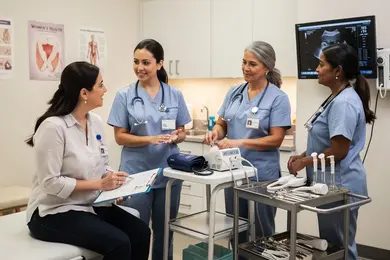
- Clinical Settings: Outpatient clinics, hospitals, and specialized women's health centers give students the chance to work directly with patients, honing clinical skills in reproductive health, preventive care, and primary women's health issues.
- Government Agencies: Internships in public health departments and federal programs focus on maternal and reproductive health policy, enhancing students' understanding of health regulations and community health initiatives.
- Nonprofit Organizations: These placements often involve advocacy, education, and program development aimed at improving women's health on a broader scale, fostering leadership and public health skills.
- Academic and Research Institutions: Students contribute to studies on women's health outcomes, gaining experience in evidence-based practice and health policy analysis, which complements clinical knowledge.
Prospective students interested in flexible learning options might explore nursing programs online.
How Are Internship Placements Assigned in Women's Health Nurse Practitioner Programs?
Internship placement in women's health nurse practitioner programs is designed to match students with clinical sites that best support their learning goals and align with program standards. Approximately 70% of programs use structured matching approaches to optimize fit and ensure diverse clinical experiences. Below are common methods programs employ for assigning internships.
- Faculty-Guided Matching: Faculty members or clinical coordinators review student profiles, considering preferences and previous experiences, then recommend sites from an approved network to ensure educational alignment.
- Student-Driven Applications: Some programs allow students to propose clinical sites, subject to approval based on the site's capacity to meet program requirements and provide qualified supervision.
- Centralized Placement Systems: Larger institutions may use a centralized database or software to streamline placements, balancing site availability with student interests in a more automated way.
- Partnership-Based Assignments: Established collaborations between programs and local healthcare providers often lead to reserved slots for students, fostering consistent clinical opportunities within trusted environments.
A women's health nurse practitioner degree student shared how navigating placement was both challenging and rewarding. "It felt reassuring when the faculty took time to understand my interests in reproductive care and then matched me with a site specializing in that area," she recalled.
The student highlighted the occasional uncertainty during the waiting period for site confirmation but appreciated how open communication from coordinators eased that stress. She emphasized that while initial placement seemed formal, personal initiative in expressing her clinical goals helped shape a rewarding internship experience tailored to her aspirations.
Are Virtual or Remote Internships Available?
Remote and virtual internships have become increasingly common in women's health nurse practitioner programs, reflecting a wider trend toward digital learning in healthcare education. Recent reports indicate that close to 40% of nurse practitioner internships now include online or hybrid components, underscoring a shift in how clinical experience is delivered.
This evolution is shaped by advances in technology and the changing educational landscape, particularly influenced by adaptations following the COVID-19 pandemic. Such developments have paved the way for more flexible internship arrangements without compromising clinical training quality.
Virtual internships typically engage students through secure digital platforms that facilitate real-time interaction with preceptors and clinical teams. Tools like video conferencing, electronic health records, and telehealth applications enable ongoing supervision and patient care discussions regardless of geographical limitations.
This format broadens students' access to diverse clinical environments and allows scheduling flexibility to accommodate personal commitments. Nonetheless, the availability of remote or hybrid internships varies considerably depending on individual program requirements and clinical site policies, so students should confirm options directly with their educational institution during placement planning.
Are Part-Time Internships Allowed for Working Students?
Many students enrolled in women's health nurse practitioner programs juggle paid work alongside their studies, making flexible internship options vital. Research indicates that roughly 70% of graduate nursing students hold full- or part-time jobs during their education, underscoring the importance of adaptable clinical experiences.
The following highlights key features of part-time internships designed for working students.
- Scheduling Flexibility: Programs often allow clinical hours to be completed during evenings, weekends, or in split shifts, enabling students to integrate internships without disrupting their job commitments.
- Employer Accommodations: Healthcare employers may offer support by adjusting work schedules or reducing hours temporarily to facilitate clinical rotations, easing the balance between work and study.
- Academic Workload Balance: Part-time internships help prevent the clinical hour requirements from overwhelming other coursework, allowing students to progress steadily in their degree programs.
- Program-Specific Restrictions: Some programs set limits on the number of hours per week or mandate completion of clinical hours within designated timeframes to ensure competency and maintain educational standards.
These flexible internships enable students pursuing Women's Health Nurse Practitioner degrees to develop essential clinical skills while maintaining employment, promoting both career advancement and academic success.
What Supervision Is Required During a Women's Health Nurse Practitioner Internship?
Supervision is a vital element in women's health nurse practitioner internships, ensuring students gain essential clinical skills while maintaining professional accountability. Research shows that over 70% of nursing students report improved confidence and clinical competence due to structured mentorship. Effective supervision integrates academic and clinical support to help students advance their expertise.
The following key elements illustrate common clinical oversight expectations during women's health nurse practitioner internship experiences.
- Faculty Oversight: Faculty members maintain regular communication and scheduled check-ins to track the intern's progress, answer clinical queries, and offer academic guidance. They evaluate clinical decisions to ensure alignment with educational goals and professional standards.
- Workplace Mentors: Experienced nurse practitioners or physicians in women's health directly supervise clinical practice. These mentors provide hands-on guidance, observe procedures, and deliver constructive feedback that enhances skill development.
- Performance Feedback: Continuous, specific feedback focuses on clinical reasoning, patient communication, and technical skills. This ongoing dialogue encourages reflective practice and fosters professional growth essential in clinical settings.
- Progress Monitoring: Tracking progress through combined faculty and mentor input helps ensure interns meet competency benchmarks and regulatory requirements related to supervision requirements for women's health nurse practitioner internships.
Embedding these supervision standards supports students in safely managing complex patient cases while developing clinical judgment and ethical practice. Prospective students should note the importance of selecting programs with strong mentorship frameworks, often highlighted among the best accelerated college programs, to maximize their internship experience and career readiness.
For further information on accelerated college programs suited to nursing career advancement, visit accelerated college programs.
How Are Women's Health Nurse Practitioner Internships Evaluated?
Evaluating women's health nurse practitioner internships is vital to ensure students develop the competencies needed for quality clinical practice. Studies show that over 85% of nurse practitioner programs incorporate multi-modal assessment strategies to effectively measure experiential learning outcomes.
Below are common methods used to evaluate internships within these programs.
- Supervisor Reviews: Clinical preceptors or site supervisors regularly observe and assess students' clinical skills, professionalism, and application of theoretical knowledge in real-world settings. These reviews focus on patient communication, clinical reasoning, and procedural proficiency.
- Reflective Assignments: Students complete critical reflections on their clinical experiences, identifying personal strengths and areas for growth. This process encourages integration of evidence-based practices and deeper self-awareness during internship performance assessment criteria.
- Performance Benchmarks: Clear objectives related to women's reproductive health, prenatal and postnatal care, and health promotion guide students' progress. Meeting these benchmarks confirms mastery of essential clinical competencies.
- Faculty Assessments: Faculty members conduct comprehensive reviews by synthesizing clinical evaluations and coursework. This holistic approach supports informed decisions about student advancement or remediation.
- Multi-Modal Evaluation: Combining various tools ensures a well-rounded assessment of student readiness for independent practice, fulfilling how women's health nurse practitioner internships are evaluated in the United States.
For students exploring educational pathways in healthcare, programs like the CMA to LPN bridge program offer valuable opportunities to advance clinical skills alongside nursing career progression.
What Challenges Do Women's Health Nurse Practitioner Students Face During Internships?
Internships provide crucial hands-on experience for women's health nurse practitioner students, but often come with considerable pressure. A recent survey revealed that 68% of nurse practitioner students experience moderate to high stress during clinical placements, highlighting the intensity of these internships.
Below are some of the common challenges these students face throughout their clinical training.
- Balancing Schedules: Managing demanding internship hours alongside personal and work obligations can be challenging. Students frequently struggle to maintain equilibrium between clinical responsibilities and daily life commitments.
- Adapting to Clinical Environments: Women's health nurse practitioner clinical placement difficulties often stem from adjusting quickly to varied, fast-paced settings. Students must learn to navigate complex patient needs with little prior real-world experience.
- Financial and Transportation Issues: Many internships are unpaid or low-paid, creating financial strain. Transportation logistics can further complicate access to clinical sites, adding stress and potential delays.
- Professional Role Management: Taking on professional responsibilities for the first time tests students' confidence and time management. The transition from theory to independent practice requires rapid development of critical clinical skills.
For those pursuing accelerated paths, one may explore the quickest way to become a nurse practitioner to better align educational goals with career expectations.
What Graduates Say About Women's Health Nurse Practitioner Internship Requirements
- Lawrence: "The supervised internships were a cornerstone of my women's health nurse practitioner degree experience, allowing me to apply classroom knowledge in real-world settings. Logging over 500 hours in diverse clinical placements helped me develop strong patient communication and diagnostic skills. These internships truly shaped my confidence to independently manage complex women's health cases in my professional career."
- Yitzchok: "Reflecting on my women's health nurse practitioner internship, I appreciated the structured hours that balanced hands-on experience with mentorship. The variety of clinical environments, from community clinics to hospitals, enriched my understanding of patient care across different demographics. This practical training was instrumental in making me a well-rounded and empathetic practitioner."
- Cameron: "My women's health nurse practitioner internship was challenging yet incredibly rewarding. The supervised nature of the program ensured I always had expert guidance while treating patients, which deepened my clinical reasoning. Completing these internships not only honed my skills but also opened doors to leadership roles within women's health services."
Other Things You Should Know About Women's Health Nurse Practitioner Degrees
In 2026, students typically cannot choose their clinical sites independently. Most programs assign sites based on availability, educational needs, and site capacity. However, students may express preferences which programs might consider when arranging placements.
While some programs recommend having a background in adult or women's health nursing, formal prior clinical experience is not always mandatory. However, foundational nursing skills are essential to ensure students can effectively participate and learn during internship placements.
Students typically must maintain detailed logs of clinical hours, patient encounters, and procedures performed. Additionally, periodic evaluations from supervising preceptors and reflective journals may be required to satisfy accreditation standards and demonstrate competency development.
Internships must cover core clinical competencies related to reproductive health, prenatal care, gynecological assessments, and patient education. Programs align experiences with nationally recognized competencies to prepare students for certification and practice in diverse clinical settings.
References
- Women's Health Nurse Practitioner Program https://www.downstate.edu/education-training/college-of-nursing/admissions/womens-health-np/before.html
- Students | CenterWell https://www.centerwellcareers.com/us/en/students
- Women's Health Nurse Practitioner (NP) Programs - Nurse Practitioner Degrees https://npdegrees.org/degrees/np-masters-degrees/womens-health-np-programs/
- Women’s Health Nurse Practitioner WHNP Salary and Careers https://teach.com/online-ed/healthcare-degrees/online-womens-health-nurse-practitioner-programs/salary-and-career-outlook/
- School of Nursing https://nursing.lsuhsc.edu/nm/curriculumcwhnp.aspx
- Internships and New Grad Jobs, Careers at Hackensack Meridian Health https://jobs.hackensackmeridianhealth.org/early-careers
- How to Become a Women’s Health Nurse Practitioner https://www.allnursingschools.com/specialties/womens-health-nurse/
- Top Clinical Sites for Womenâs Health Nurse Practitioners https://www.nphub.com/blog/clinical-sites-womens-health-nurse-practitioners
- MSN: Women's Health Nurse Practitioner - Carlow University https://www.carlow.edu/academic-programs/nursing-degrees/msn-womens-health-nurse-practitioner/
- Nurse Practitioner Clinical Education Program (Minnesota) - Health Sciences Education - Mayo Clinic College of Medicine & Science https://college.mayo.edu/academics/health-sciences-education/nurse-practitioner-clinical-education-collaboration-minnesota/