2026 Women's Health Nurse Practitioner Clinical Hours Requirements: What Counts and How to Complete Them

Co-Founder and Chief Data Scientist
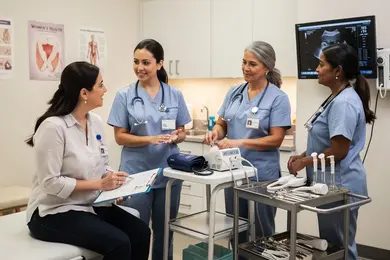
Current students in women's health nurse practitioner programs often face uncertainty about which clinical experiences qualify toward their supervised hours requirement. Balancing coursework with practicum training in settings like OB-GYN clinics, community health centers, or hospitals demands careful scheduling and understanding.
On average, students must complete between 500 and 700 clinical hours to meet accreditation standards and state licensing board mandates. These field experiences ensure practical competence in women's health assessments, diagnoses, and management.
This article clarifies what activities count as clinical hours and outlines common pathways for completing these essential practicum requirements in women's health nurse practitioner programs.
Key Things to Know About Women's Health Nurse Practitioner Clinical Hours Requirements
- Clinical hours provide supervised, hands-on experience essential for applying classroom knowledge to real-world women's health care scenarios, enhancing critical skills before independent practice.
- Placement in approved clinical settings, such as OB/GYN clinics or community health centers, is required; availability and affiliation agreements significantly impact where students complete hours.
- Strict documentation, supervision by qualified preceptors, and formal evaluations ensure clinical hours meet accreditation standards and confirm competency for women's health nurse practitioner licensure.
What Are the Clinical Hours Requirements for Women's Health Nurse Practitioner Programs?
Women's health nurse practitioner programs typically require clinical training hours ranging from 500 to 1,000 to ensure students gain the practical skills needed for comprehensive care. More than 70% of nurse practitioner education involves clinical practice, highlighting the importance of hands-on learning in building real-world competencies. These clinical hours provide immersive experiences that complement theoretical knowledge, preparing students to deliver evidence-based, patient-centered care effectively. Understanding the typical clinical training hours needed for women's health nurse practitioner students sheds light on their critical role in professional education.
Clinical hour requirements are generally integrated as mandatory components of program completion, closely linked to graduation eligibility and national certification readiness. This structure ensures that students not only meet academic benchmarks but also develop applied competency essential for workplace performance. Successfully completing these hours supports clinical judgment, confidence in women's health assessments, and readiness for independent practice. Programs emphasize the clinical hour requirements for women's health nurse practitioner programs as a core element that bridges education with professional responsibility, fostering a smooth transition into healthcare roles.
For those exploring advanced nursing education pathways, reviewing options such as DNP online programs can help identify suitable programs with clear clinical training expectations.
What Counts as Clinical Hours in Women's Health Nurse Practitioner Programs?
Clinical hours in women's health nurse practitioner programs provide vital hands-on experience that bridges theory and practice, improving clinical skills in real-world healthcare environments. Research shows that experiential learning boosts clinical reasoning and patient outcomes by up to 40%. Clinical hour requirements ensure students attain practical competence essential for certification and independent care. Below are common examples of activities counted as clinical hours.
- Direct Patient Care: Activities such as conducting comprehensive physical exams, managing reproductive health concerns, and offering prenatal and postpartum care directly involve patient interactions and clinical decision-making.
- Diagnostic Procedures: Performing Pap smears, pelvic ultrasounds, and breast exams are hands-on tasks that sharpen technical skills vital in women's health practice.
- Health Education and Counseling: Providing patient education on contraception, menopause, and sexually transmitted infections enhances communication and supports holistic care, fulfilling clinical hour criteria.
- Collaborative Care: Working alongside healthcare professionals in treatment planning and follow-up cultivates teamwork abilities and clinical judgment relevant to patient outcomes.
A women's health nurse practitioner degree graduate shared that tracking qualifying clinical hours was both rigorous and rewarding. He emphasized that balancing patient care duties with documentation often felt overwhelming but was crucial for certification readiness. "You learn a lot from each patient encounter, especially when supervised feedback is involved," he noted. The process required patience and persistence, but those clinical experiences ultimately built his confidence to practice independently in women's health settings.

Do Clinical Hour Requirements Vary by State?
State regulatory agencies and licensing boards play a significant role in shaping the clinical hour requirements for women's health nurse practitioner programs. Over 40% of states have unique mandates that surpass national baseline recommendations, creating varied expectations for students pursuing certification. These differences influence not only the quantity but also the quality and structure of clinical training.
- Hour Quantity: The total supervised clinical hours required can vary widely, with some states demanding significantly more than the commonly recommended minimum of 500 hours, sometimes requiring upwards of 1,000 to ensure sufficient hands-on experience.
- Specialized Competencies: Certain states mandate focused clinical experiences in specific women's health areas, directing students to acquire targeted skills and knowledge relevant to local licensure standards.
- Completion Time Frames: State boards may specify the allowable duration over which clinical hours must be completed, affecting the pacing and scheduling of practical training during the program.
- Supervisor Credentials: Some jurisdictions require clinical hours to be completed under the guidance of licensed practitioners who meet defined credential criteria, limiting the pool of eligible preceptors for student supervision.
- Documentation Standards: Regulations often include detailed requirements for documenting and verifying clinical hours, ensuring accountability and compliance with state-specific reporting protocols.
These state-driven parameters require students to stay informed and coordinate closely with their regulatory bodies to meet all clinical obligations efficiently. Aligning clinical experience with local mandates is critical for successful certification and professional practice authorization in women's health nurse practitioner careers.
Where Do Students Complete Women's Health Nurse Practitioner Clinical Hours?
Approximately 60% of professional healthcare education happens through hands-on clinical placements that blend theoretical knowledge with practical skills. This immersive training is vital for developing the competencies essential to advanced nursing practice. Women's Health Nurse Practitioner students complete clinical hours in settings that provide exposure to a wide array of women's health care scenarios.
- OB/GYN Clinics: Students engage in managing reproductive health and prenatal care, gaining experience with patient assessments, prenatal exams, and contraceptive counseling. This environment offers direct insight into gynecological and obstetric patient care.
- Primary Care Offices: These settings expose students to comprehensive women's health within general practice, emphasizing preventive services, routine screenings, and chronic condition management tailored to female patients.
- Community Health Centers: Providing culturally responsive care, these centers allow students to address social and environmental factors affecting women's health. Students learn to deliver education and outreach to diverse populations.
- Hospital Women's Health Units: Clinical hours here focus on labor, delivery, and postpartum care, fostering skills in acute maternal and newborn health management essential for hospital-based practice.
- Specialty Clinics: Settings such as infertility or menopause clinics offer specialized experiences in complex hormonal and reproductive issues, enhancing students' expertise in niche areas of women's health.
How Are Clinical Placements Assigned in Women's Health Nurse Practitioner Programs?
Clinical placements provide essential hands-on training for women's health nurse practitioner students, ensuring they gain experience under professional supervision. Reports show that over 85% of professional education programs rely on partnerships with healthcare sites to facilitate real-world learning environments. These placements play a vital role in meeting clinical hour requirements and are arranged using various assignment approaches.
Here are common methods used to assign clinical placements in women's health nurse practitioner programs:
- Faculty Coordination: Faculty members leverage established relationships with healthcare facilities to place students where clinical capacity and learning objectives align, ensuring students have supervised and relevant experiences.
- Student Preferences: Programs often collect students' preferences regarding types of clinical settings or geographical locations, which are then considered alongside site availability to find suitable placements that enhance educational outcomes.
- Preceptor Assignment: Some schools directly match students with approved preceptors who provide personalized mentorship and supervision, fostering focused clinical skill development in women's health.
- Site Rotation: Assigning students to rotate among multiple clinics or hospitals allows exposure to diverse patient populations and practice models, broadening clinical competencies for women's health nurse practitioner students.
Such structured assignment processes ensure students secure clinical placement sites essential for completing their required hours while supporting comprehensive skill acquisition. Some programs coordinate these placements carefully to optimize both student learning and clinical site resources, which is critical for women's health nurse practitioner students aiming to fulfill their clinical hour requirements effectively. For prospective students looking for programs with unique admission criteria, nursing programs that don't require TEAS test offer alternate pathways to clinical education.
Can Women's Health Nurse Practitioner Clinical Hours Be Completed Online or Part-Time?
Women's health nurse practitioner clinical hours generally cannot be completed entirely online or exclusively part-time due to the necessity for direct, supervised patient care. Approximately 45% of advanced nursing programs incorporate hybrid models that blend virtual coursework with in-person clinical practice, striking a balance that ensures hands-on experience. This is because practical skills like physical assessments and patient communication require face-to-face interaction to meet certification standards. Understanding these requirements clarifies why fully remote clinical hours remain uncommon.
Some programs allow limited flexibility, enabling students to complete clinical hours on a part-time basis if the structure permits spreading hours over a longer period. Even then, clinical experiences must occur under qualified supervision in approved healthcare settings, maintaining the essential element of hands-on learning. Purely virtual clinical simulations may complement real-world hours but cannot substitute the required patient contact. This approach ensures that practitioners develop the clinical judgment necessary for competent women's health care.
When I spoke with a professional holding a women's health nurse practitioner degree, she shared her perspective on completing clinical hours. She recalled how juggling family responsibilities meant she chose a program that supported part-time clinical work, which helped ease scheduling challenges. Yet, she emphasized the importance of those in-person hours, noting, "The hands-on experiences were critical for building confidence, especially the first time I conducted physical assessments independently." While virtual resources were helpful for theory, she felt the clinical site provided irreplaceable real-world insight that prepared her for practice. Her experience highlights the practical realities behind balancing flexibility with rigorous training demands.
What Supervision Is Required During Women's Health Nurse Practitioner Clinical Hours?
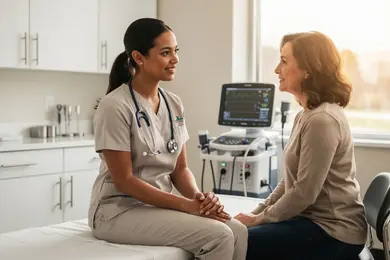
During women's health nurse practitioner clinical hours, supervision is typically provided by licensed healthcare professionals with expertise in women's health, such as women's health nurse practitioners, certified nurse midwives, or physicians in obstetrics and gynecology. This oversight is critical to ensure both patient safety and the quality of student learning. Supervisors guide clinical activities, offering ongoing feedback and support that help students bridge theory and practice. Studies show that supervised experiential learning can improve 70% of clinical training outcomes by enhancing skills and confidence.
Supervision during clinical hours helps students develop essential clinical skills and apply evidence-based practices in real healthcare settings. It provides a structured environment for assessment and reflection, enabling supervisors to monitor progress and identify areas for improvement. This continual evaluation ensures that students meet professional standards and ethical guidelines. Through direct observation and constructive feedback, supervision builds clinical reasoning and decision-making abilities that are vital for women's health nurse practitioner readiness and future autonomous practice.
How Are Women's Health Nurse Practitioner Clinical Hours Tracked?
Accurate tracking of clinical hours is vital for women's health nurse practitioner students to document progress and ensure the completion of program requirements. Over 90% of professional health education programs mandate formal documentation systems to comply with accreditation standards. Efficient tracking supports students in fulfilling clinical hour mandates critical for their development.
Common methods used to track clinical hours include:
- Digital Logging Systems: These platforms enable students to enter hours electronically with features like time stamps, category tagging of clinical experiences, and supervisor sign-offs. This real-time data entry enhances accuracy and transparency in hour reporting.
- Supervisor Verification Forms: Clinical instructors or preceptors confirm student hours by signing off on logs. This adds accountability and allows programs to cross-check documented hours against observed student performance.
- Attendance Documentation: Clinical sites maintain records of student presence on a daily or weekly basis. This supports validation of reported hours and strengthens compliance when combined with other tracking tools.
- Progress Reports: Submitted periodically by students or supervisors, these reports track both quantity and quality of clinical experience. They provide evaluative insight beyond just hour totals, helping monitor student competency development.
- Academic Tracking Platforms: Integrated into nursing programs, these dashboards centralize hour approvals and monitoring for students, faculty, and clinical coordinators, ensuring hours align with curriculum requirements.
Integrating best practices for documenting clinical hours in women's health nurse practitioner programs helps maintain rigorous oversight and supports student success. For those exploring flexible educational opportunities, fast track LPN programs online also apply structured clinical hour tracking to ensure compliance across learning formats.
What Challenges Do Students Face During Clinical Training?
Clinical training for women's health nurse practitioner students is frequently demanding, involving high stress and significant workload management. Research shows that nearly 70% of nursing students report moderate to high stress levels during clinical rotations, directly affecting their ability to complete clinical hour requirements effectively. Several common clinical training challenges for women's health nurse practitioner students can impact their performance.
- Balancing Responsibilities: Managing academic coursework, exams, and demanding clinical schedules requires careful time management. Fatigue and conflicting priorities often hinder students' ability to fully engage in all areas, complicating clinical hour completion obstacles in women's health nurse practitioner programs.
- Adjusting to Clinical Settings: Transitioning into professional healthcare environments means quickly developing confidence and clinical competence. Students must collaborate with multidisciplinary teams and interact with patients, which can be intimidating and slow skill acquisition.
- Managing Unpredictable Schedules: Irregular shifts, including nights and weekends, disrupt personal commitments and rest cycles. These fluctuations can increase stress levels and reduce overall learning efficiency during clinical rotations.
- Emotional Stress: Exposure to sensitive women's health cases, such as reproductive and obstetric care, demands emotional resilience alongside clinical skills. Handling complex patient situations can overwhelm some students, affecting clinical performance.
- Hands-on Skill Adaptation: Moving from theoretical knowledge to practical application requires rapid skill development under supervision. Anxiety may arise when students face expectations for autonomy and decision-making during their clinical hours.
For students seeking to complement their clinical training with additional educational resources, programs like the HIM degree online offer flexible options to advance healthcare management knowledge alongside clinical expertise.
What Strategies Help Students Succeed in Clinical Environments?
Being well-prepared and flexible is essential for women's health nurse practitioner students navigating clinical environments, where hands-on experience is key. Research indicates that students actively participating in experiential learning achieve up to 30% greater retention of clinical skills, which directly impacts their readiness for real-world healthcare settings. The following strategies enhance success and confidence during clinical hour completion and training.
- Clear Communication: Mastering effective communication techniques for women's health nurse practitioner clinical training fosters trust and smooth interactions with patients, preceptors, and healthcare teams. This reduces errors and contributes to better patient outcomes while boosting student confidence.
- Time Management: Efficiently organizing clinical and academic tasks helps students fulfill their clinical hour requirements without unnecessary stress. Prioritizing responsibilities ensures timely completion and supports overall well-being.
- Professionalism: Demonstrating respect, accountability, and ethical behavior in clinical settings strengthens relationships with supervisors and colleagues. It encourages positive evaluations and provides a foundation for lifelong professional growth.
- Active Learning: Engaging through asking questions, seeking feedback, and reflecting on experiences promotes deeper understanding and clinical judgment. This approach sharpens the ability to tackle complex patient needs.
Prospective students interested in flexible educational pathways can explore accredited BSN to MSN online programs to integrate clinical training with academic progress efficiently.
What Graduates Say About Women's Health Nurse Practitioner Clinical Hours Requirements
- Lawrence: "Completing the clinical hour requirements for the women's health nurse practitioner program was definitely a challenge, but it paid off immensely. I was surprised by the costs involved in fulfilling these hours, especially with travel and supplies, but each experience deepened my practical knowledge. These clinical hours made a noticeable impact on my confidence and ability to provide comprehensive care once I started my career."
- Yitzchok: "Reflecting on my time in the women's health nurse practitioner program, the clinical hours stood out as both a demanding and invaluable part of my education. The financial investment was significant, but the hands-on experience I gained has been crucial in building my professional credibility. I truly believe these hours laid the foundation for my success and growth in women's health."
- Cameron: "As a graduate, I found the clinical hours requirement for the women's health nurse practitioner degree to be professionally enriching. Although balancing the cost and time was sometimes stressful, the exposure to real-world patient care was irreplaceable. It has unquestionably transformed my approach and effectiveness as a healthcare provider."
Other Things You Should Know About Women's Health Nurse Practitioner Degrees
Clinical experiences in women's health nurse practitioner programs generally include direct patient care focused on reproductive, gynecological, obstetric, and primary health services for women across the lifespan. This can involve prenatal care, family planning, well-woman exams, and management of common gynecologic conditions. Programs require that clinical hours are obtained in approved healthcare settings such as hospitals, clinics, and specialized women's health centers.
Yes, preceptors supervising women's health nurse practitioner students must typically hold an advanced practice nursing license in women's health or a closely related specialty. They are responsible for providing guidance, oversight, and evaluation of clinical skills. Some programs also require that preceptors have a certain amount of professional experience and be recognized by the program as qualified mentors.
Students must maintain detailed logs of their clinical hours, including date, duration, activities performed, and supervising preceptor's signature. These records are submitted to the academic program for review and verification. In addition to hours, some programs collect evaluations from preceptors to assess competency development during clinical rotations.
To verify completion of clinical hours in 2026, women's health nurse practitioner programs typically require detailed logs signed by preceptors, reflective journals summarizing experiences, and evaluations of clinical performance. This documentation ensures trainees have met the requisite hands-on experience criteria.
References
- Online Women's Health Nurse Practitioner (WHNP) Programs https://nursinglicensemap.com/nursing-degrees/online-nurse-practitioner-programs/whnp/
- Understanding Nurse Practitioner Clinical Hours Required for Success https://www.nphub.com/blog/np-clinical-burnout
- Clinical Placements https://www.onlinefnpprograms.com/resources/clinical-placements/
- NP Clinical Hours Requirements | Clinical Match Me https://www.clinicalmatchme.com/nurse-practitioner-clinical-hours-requirements/
- Women’s Health OB-GYN Clinical Guide for Nurse Practitioners | NP Study & Rotation Reference https://successnps.com/product/womens-health-np-clinical-guide/
- What are the clinical objectives for WHNP students? https://www.herzing.edu/faq/clinical-objectives-whnp-students
- Women’s Health Nurse Practitioner (WHNP) | TWU https://twu.edu/nursing/master-of-science-in-nursing-msn/womens-health-nurse-practitioner-whnp/
- What patient-care experience do nurse practitioners have on day one? https://www.ama-assn.org/practice-management/scope-practice/what-patient-care-experience-do-nurse-practitioners-have-day-one
- How To Become a Women’s Health Nurse Practitioner (WHNP) https://betternurse.org/womens-health-nurse-practitioner/
- Become a Women's Health Nurse Practitioner (WHNP) https://teach.com/careers/healthcare/become-womens-health-nurse-practitioner/